

Polish Academy of Sciences
The Polish Academy of Sciences is a national academy of sciences for Poland. It was founded in 1951. Its headquarters are in Palace of Culture and Science.
- Founded
- October 30, 1951
- Headquarters
- Palace of Culture and Science
- Industry
- higher education
- Country
- Poland
All 11 facts, and where they come from
Facts
11 facts · 0 confirmed by two sources · 7 cited · 4 from one source
Where this comes from
Papalocal keeps its own record. It started from these sources; what each one said is kept here as it was copied, so a change on their side never changes this page by itself. Tap one to read its version.
What Wikidata says · copied November 16, 2026 · revision 2567829701
- Described as
- national academy of sciences for Poland
- Other names
- Polska Akademia Nauk, PAN, The Polish Academy of Sciences, pan.pl
- What it is
- academy of sciences; open-access publisher · 2 references; learned society · 1 reference
- Founded
- October 30, 1951 · 2 references
- Headquarters
- Palace of Culture and Science · 1 reference
- Located in
- Warsaw · 2 references
- Country
- Poland · 2 references
- Industry
- higher education
- Chair
- Marek Konarzewski (2022–)
- Field
- science
- Official website
- http://www.pan.pl/ · 1 reference
- Wikipedias with a page
- 39
Wikidata item Q651690 (wikidata.org/wiki/Q651690), public domain (CC0). Copied 2026-11-16.
What Wikipedia says · copied November 16, 2026 · revision 1380910467
The Polish Academy of Sciences (Polish: Polska Akademia Nauk, PAN) is a Polish state-sponsored national academy of sciences and institution of higher learning. Headquartered in Warsaw, it is responsible for spearheading the development of science across the country by a society of distinguished scholars and a network of research institutes.
It was established in 1951, during the early period of the Polish People's Republic following World War II.
From the Wikipedia article “Polish Academy of Sciences” (en.wikipedia.org/wiki/Polish_Academy_of_Sciences), by its contributors, under CC BY-SA 4.0 (creativecommons.org/licenses/by-sa/4.0/). Copied 2026-11-16; not changed.
Confirmed Two sources agree. Cited One source, and it names where it got it. One source One source, without a reference of its own. Sources disagree The sources disagree. We show the best-supported value and keep theirs below.
Picture: Wikimedia Commons: Warszawa, ul. Nowy Świat 72-74 20170517 003.jpg · See Commons file page
People connected 55
Members 55
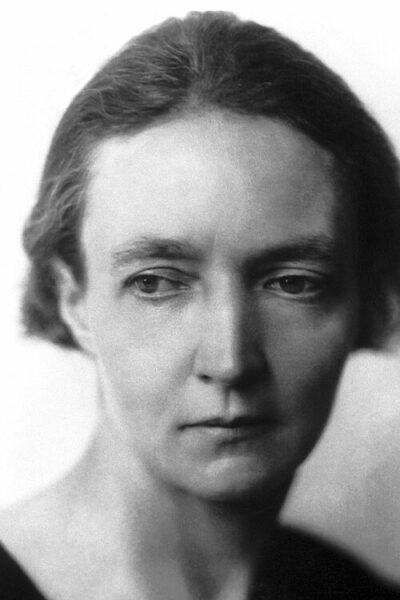 Irène Joliot-CurieFrench chemist and physicist (1897–1956)
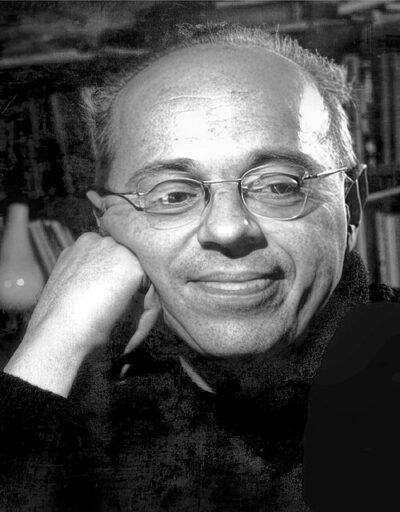 Stanisław LemPolish science fiction author, philosopher and futurologist, studied medical doctor (1921–2006)
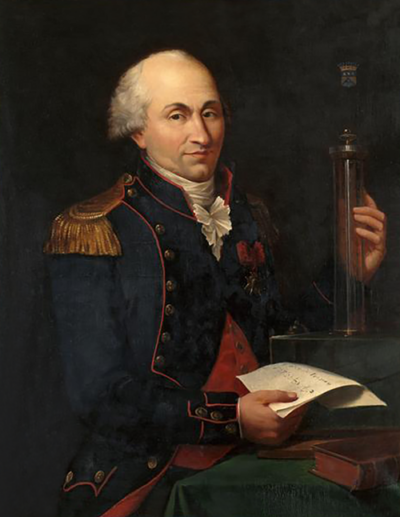 Charles-Augustin de CoulombFrench physicist (1736-1806)
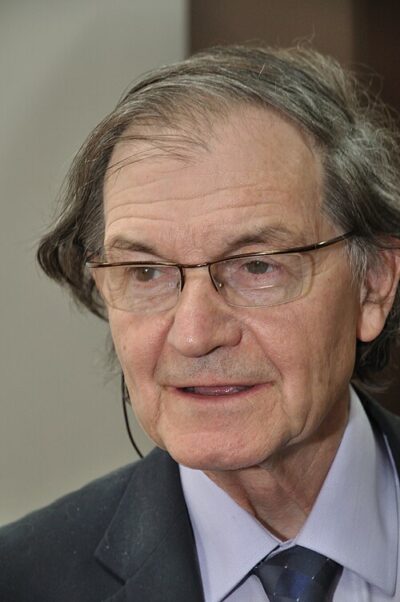 Roger PenroseEnglish mathematical physicist, recreational mathematician and philosopher
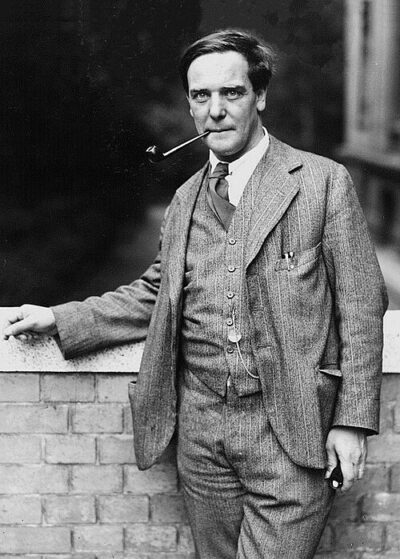 Pyotr Kapitsa (1962–)Soviet physicist
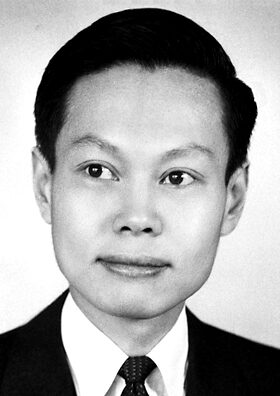 Chen-ning YangChinese physicist (1922–2025)
 Paul Erdős (1994–)Hungarian mathematician (1913–1996)
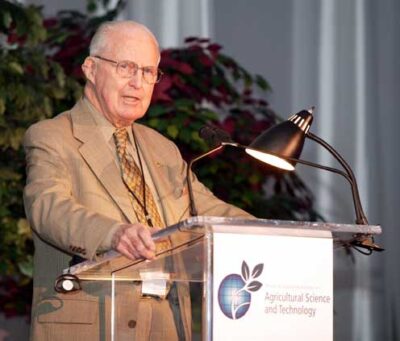 Norman BorlaugAmerican biologist (1914–2009)
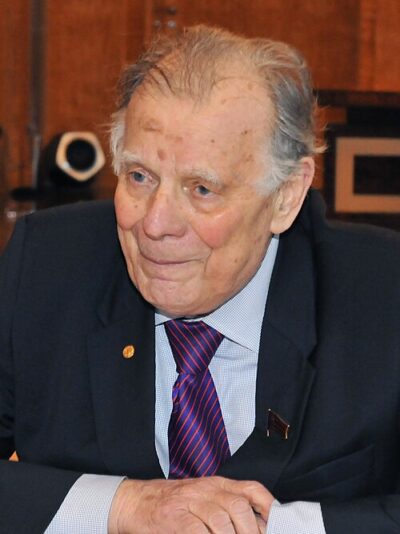 Zhores Alferov (1988–)Soviet-Russian physicist (1930–2019)
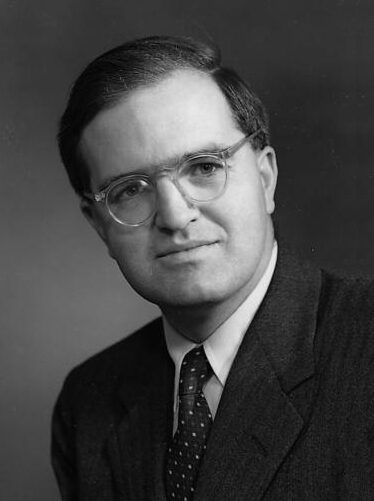 Aage BohrDanish physicist (1922–2009)
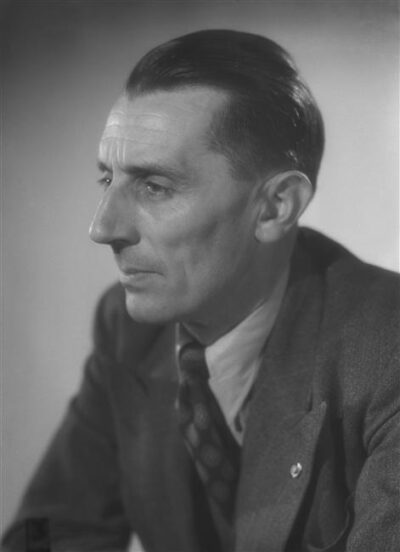 Frédéric Joliot-CurieFrench scientist (1900-1958)
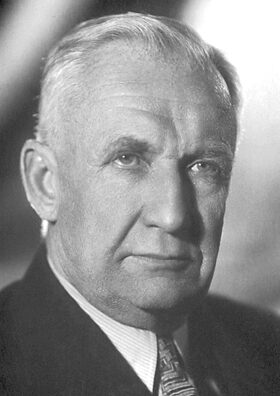 Igor TammSoviet physicist (1895–1971)
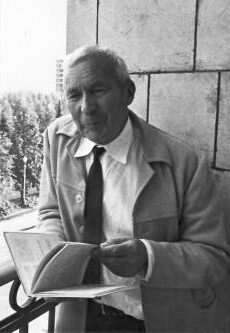 Andrey KolmogorovRussian mathematician (1903–1987)
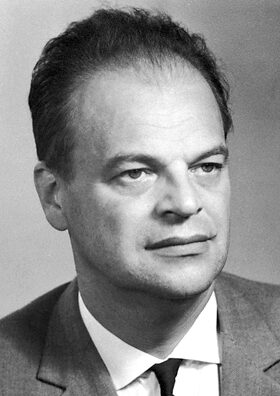 Nikolay BasovSoviet physicist (1922-2001)
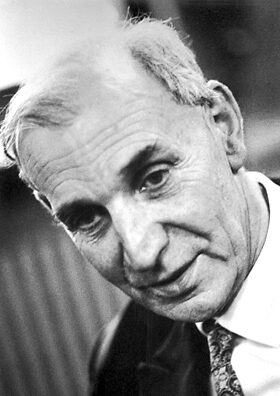 Alfred KastlerFrench physicist (1902–1984)
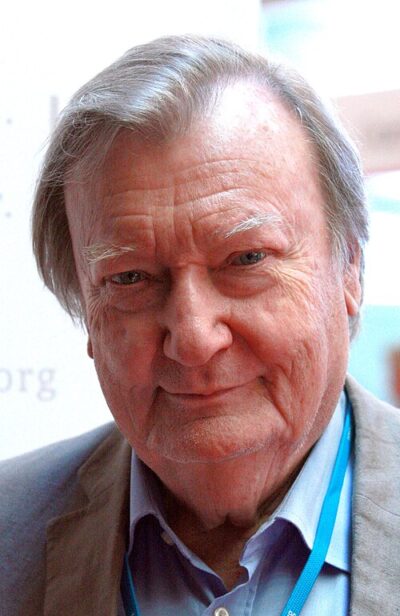 Carlo Rubbia (1991–)Italian particle physicist
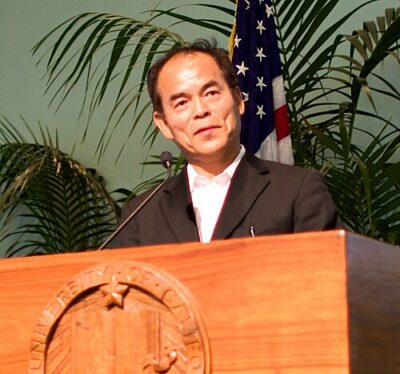 Shuji NakamuraJapanese doctor of Engineering (1954-), inventor of the blue LED, 2014 Nobel laureate in Physics
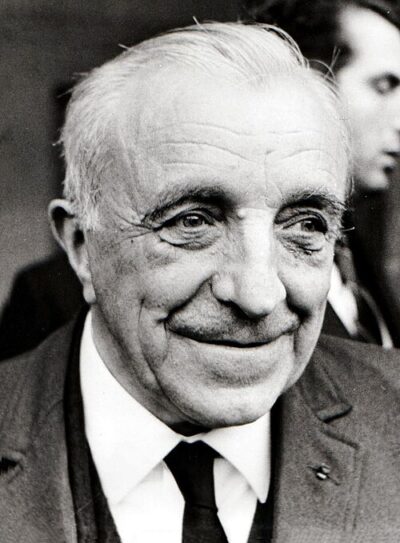 Louis NéelFrench physicist (1904-2000)
 Fernand BraudelFrench historian and leader of the Annales School
 Ben Roy MottelsonDanish-American nuclear physicist (1926–2022)
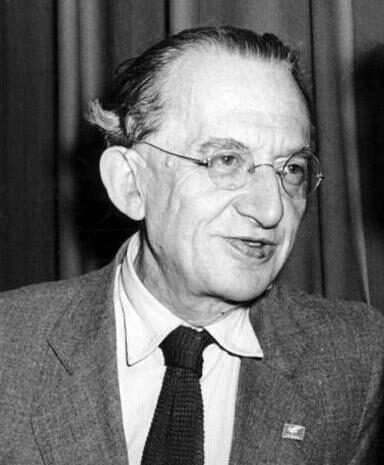 Georg LukácsHungarian marxist philosopher and literary critic (1885–1971)
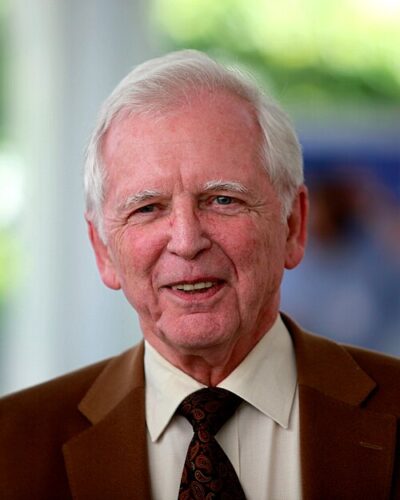 Harald zur HausenGerman virologist and professor emeritus (1936–2023)
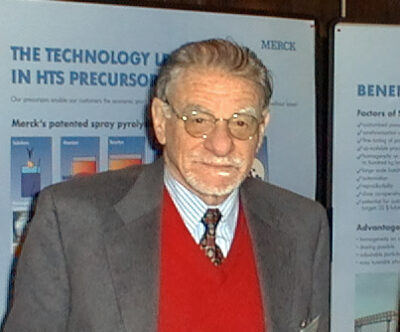 Karl Alexander MüllerSwiss physicist (1927–2023)
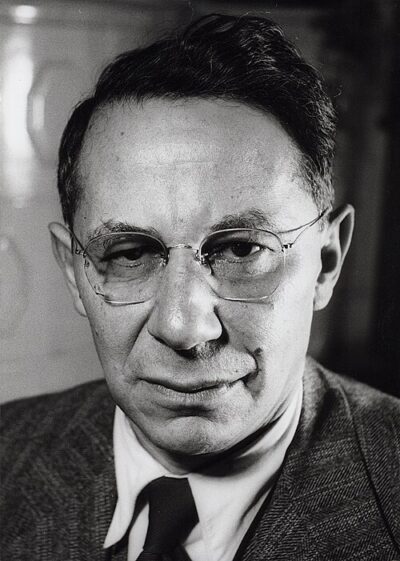 Tadeusz ReichsteinPolish-Swiss chemist (1897-1996)
and 31 more
