
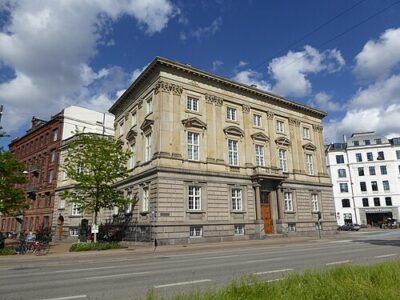
Royal Danish Academy of Sciences and Letters
The Royal Danish Academy of Sciences and Letters is an academy of sciences. It was founded in 1742 by Christian VI of Denmark. Its headquarters are in H.C. Andersens Boulevard 35.
- Founded
- November 13, 1742
- Founded by
- Christian VI of Denmark
- Headquarters
- H.C. Andersens Boulevard 35
- Country
- Denmark
All 9 facts, and where they come from
Facts
9 facts · 0 confirmed by two sources · 1 cited · 8 from one source
Where this comes from
Papalocal keeps its own record. It started from these sources; what each one said is kept here as it was copied, so a change on their side never changes this page by itself. Tap one to read its version.
What Wikidata says · copied November 16, 2026 · revision 2560258421
- Described as
- academy of sciences
- Other names
- Royal Danish Academy of Sciences, KDVS, Regia Academia Scientiarum Danica, royalacademy.dk
- What it is
- academy of sciences; national academy
- Founded
- November 13, 1742 · 1 reference
- Founded by
- Christian VI of Denmark
- Headquarters
- H.C. Andersens Boulevard 35
- Located in
- Copenhagen Municipality
- Country
- Denmark
- Chair
- Susanne Ditlevsen (2024–)
- Official website
- http://www.royalacademy.dk
- Wikipedias with a page
- 26
Wikidata item Q1636237 (wikidata.org/wiki/Q1636237), public domain (CC0). Copied 2026-11-16.
What Wikipedia says · copied November 16, 2026 · revision 1380519947
The Royal Danish Academy of Sciences and Letters (Danish: Det Kongelige Danske Videnskabernes Selskab or Videnskabernes Selskab) is a Danish academy of science. The Royal Danish Academy was established on 13 November 1742, and was created with the purpose of strengthening the position of Science in Denmark as well as promoting interdisciplinary understanding.
The Royal Danish Academy works as a body of cooperation and a meeting place for prominent scientists from all areas of basic scientific research. Its core activities consist of organizing the biweekly meetings for the academy's members, publishing scientific works, advising, and communicating, organizing and conducting events and lectures of a scientific character (e.g. public lectures and symposiums) as well as participating in international cooperation with other scientific academies and scientific organizations, such as ISC and EASAC.
Since 1745, the Royal Danish Academy has had its own publishing company that is still, to this day, publishing scientific books, currently via four different series, all under the main title of Scientia Danica. A year after the publication of a scientific work, the publication is made available on the Publication Platform of the Royal Academy.
The Royal Danish Academy also administers several foundations and grants that provide financial support for different scientific work, e.g. research stays outside of Denmark.
King Frederik X of Denmark is the Protector of the Royal Danish Academy of Sciences and Letters.
In 2011, the Royal Danish Academy established the Young Academy of Denmark (Danish: Det Unge Akademi or “DUA”) which acts as a scientific forum for excellent young researchers.
From the Wikipedia article “Royal Danish Academy of Sciences and Letters” (en.wikipedia.org/wiki/Royal_Danish_Academy_of_Sciences_and_Letters), by its contributors, under CC BY-SA 4.0 (creativecommons.org/licenses/by-sa/4.0/). Copied 2026-11-16; not changed.
Confirmed Two sources agree. Cited One source, and it names where it got it. One source One source, without a reference of its own. Sources disagree The sources disagree. We show the best-supported value and keep theirs below.
Picture: Leif Jørgensen, via Wikimedia Commons · CC BY-SA 4.0
People connected 84
Members 83
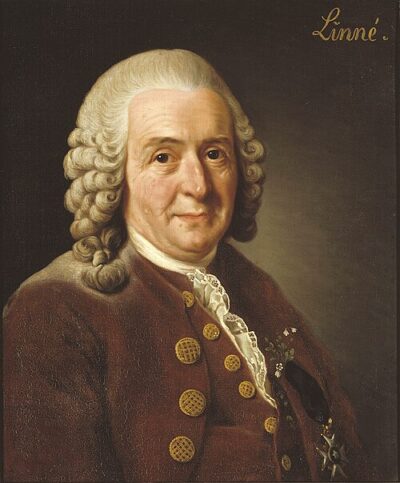 Carl LinnaeusSwedish botanist, physician, and zoologist (1707–1778); developed the foundations of modern taxonomy
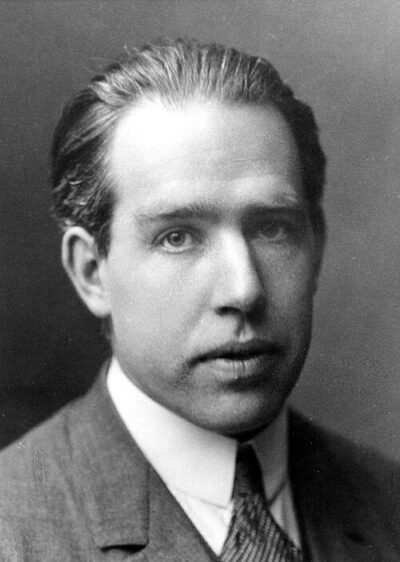 Niels BohrDanish physicist (1885–1962)
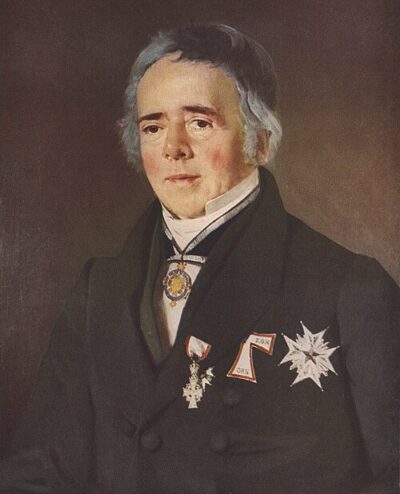 Hans Christian Ørsted (1808–1851)Danish physicist and chemist (1777-1851)
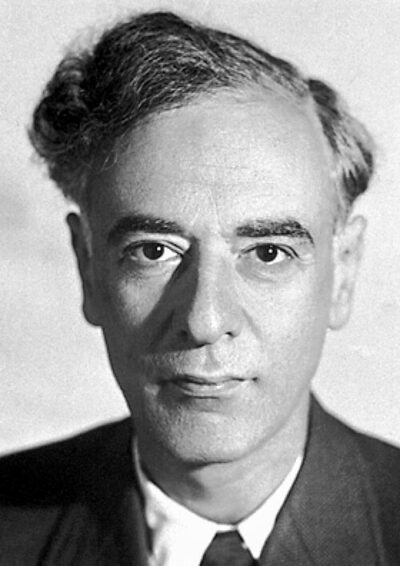 Lev Landau (1951–)Soviet theoretical physicist (1908–1968)
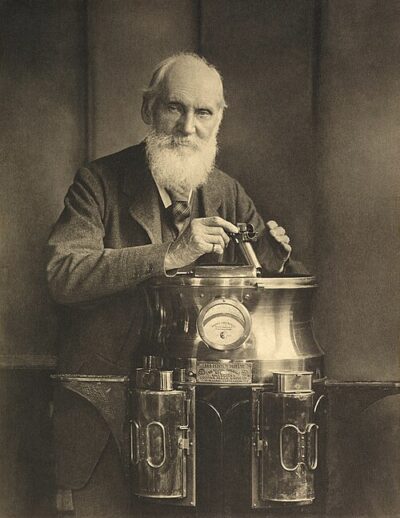 William Thomson, 1st Baron KelvinBritish physicist and engineer (1824–1907)
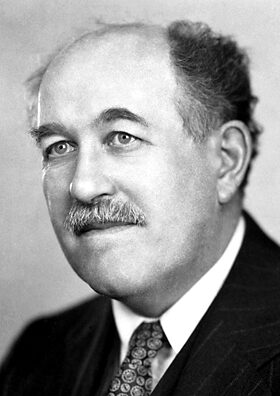 Otto SternGerman-American physicist (1888–1969)
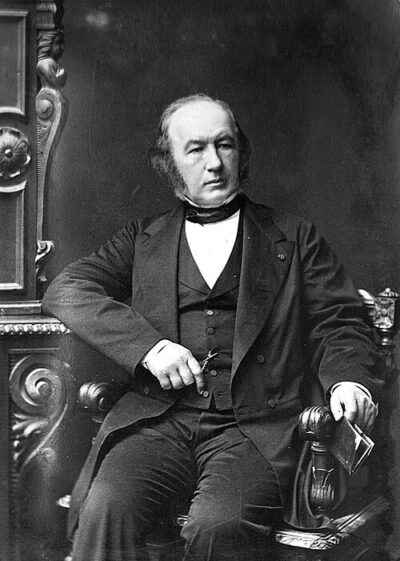 Claude BernardFrench physiologist (1813-1878)
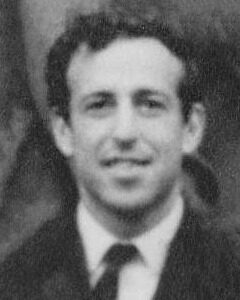 Ben Roy Mottelson (1974–)Danish-American nuclear physicist (1926–2022)
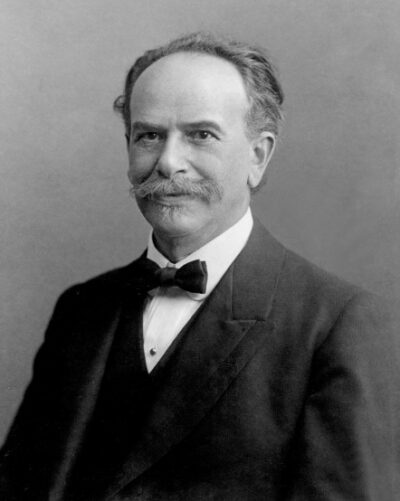 Franz BoasGerman-American anthropologist
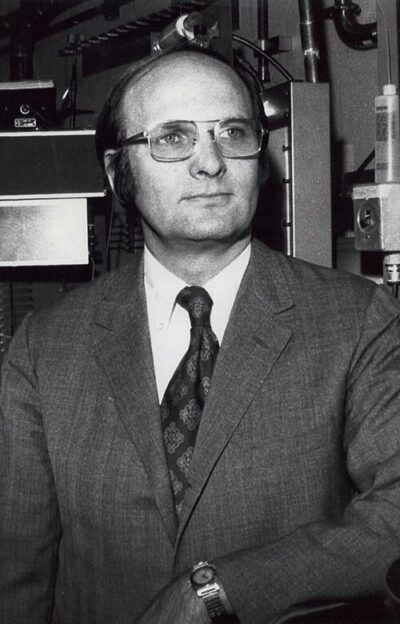 John Robert SchriefferAmerican physicist (1931-2019)
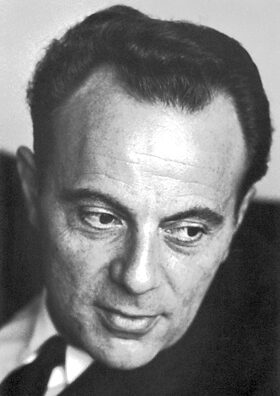 François JacobFrench biologist and geneticist, winner of the Nobel Prize in 1965
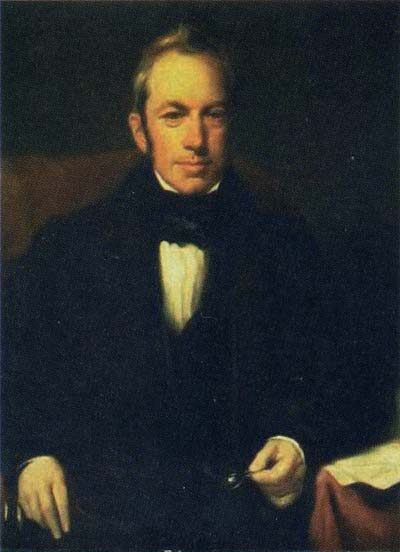 Robert BrownBritish botanist (1773-1858), discoverer of the cell nucleus and of Brownian Motion (1773–1858)
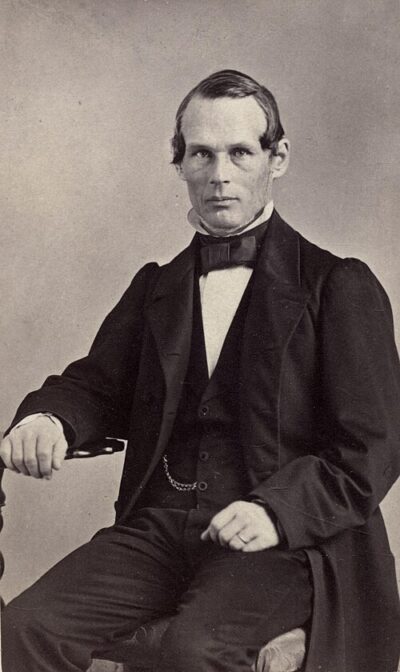 Anders Jonas ÅngströmSwedish physicist
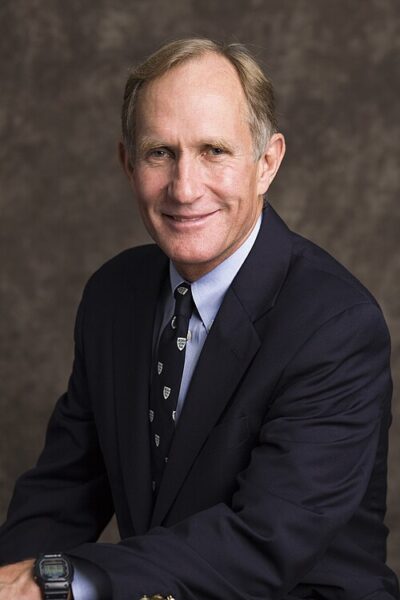 Peter Agre (2012–)American chemist, recipient of Nobel Prize in Chemistry
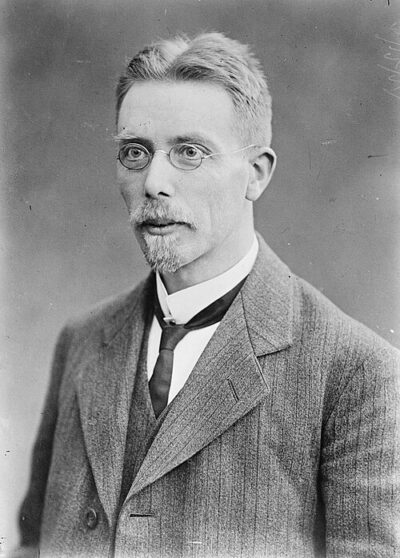 August KroghDanish physiologist (1874–1949)
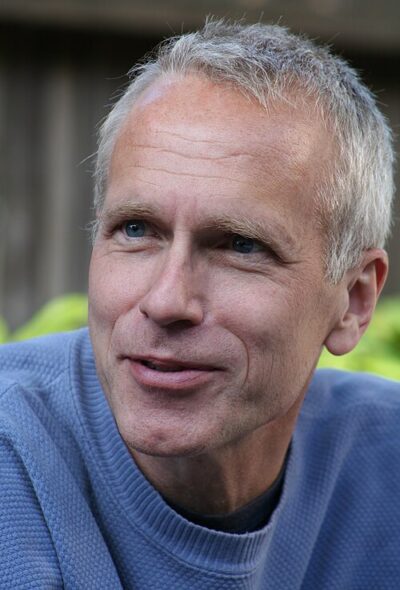 Brian Kobilka (2016–)American physiologist
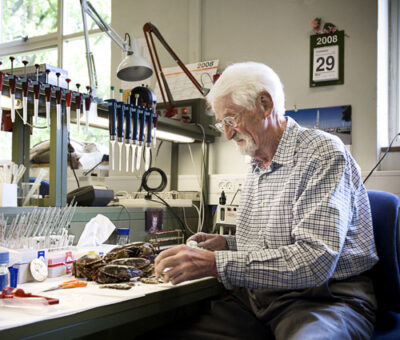 Jens Christian Skou (1965–)Danish chemist (1918-2018)
 Niels Kaj JerneDanish immunologist
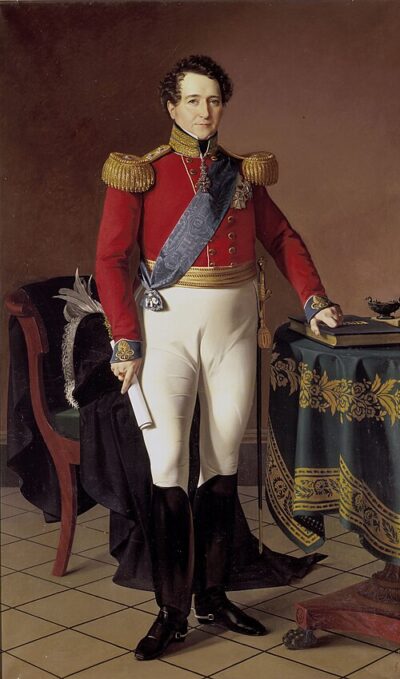 Christian VIII of DenmarkKing of Norway 1814, King of Denmark 1839-1848
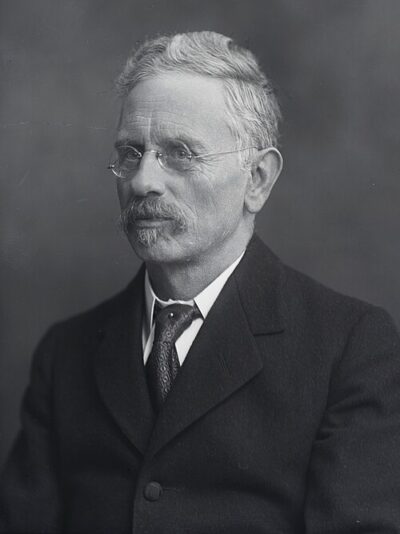 Otto Jespersen (1899–)Danish linguist (1860–1943)
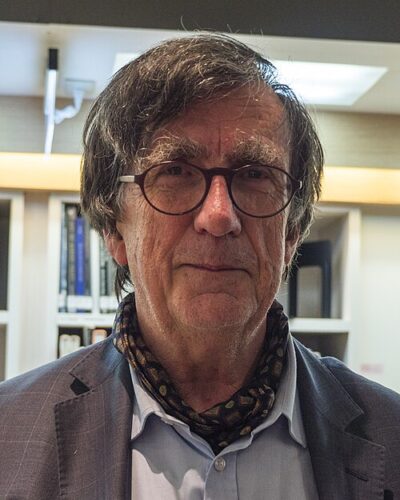 Bruno Latour (2017–)French sociologist and philosopher (1947–2022)
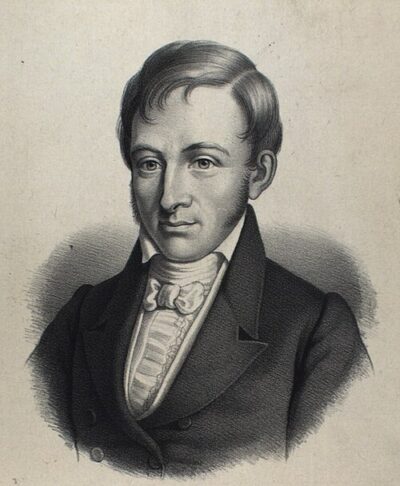 Rasmus RaskDanish linguist
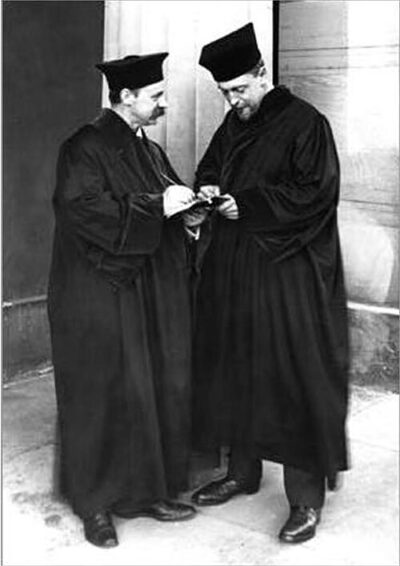 Ejnar HertzsprungDanish astronomer and chemist
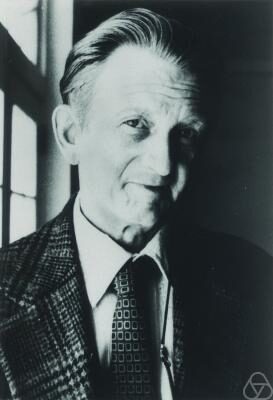 Atle SelbergNorwegian mathematician (1917–2007)
and 59 more
