
Socialist Party of America
Socialist Party of America is an American political party (1901–1972). It was founded by Eugene V. Debs. Its headquarters are in Washington, D.C. It stands for democratic socialism, pacifism and anti-Stalinist left.
- Country
- United States
- Founded
- 1901
- Ideology
- democratic socialism
All 12 facts, and where they come from
Facts
12 facts · 0 confirmed by two sources · 0 cited · 12 from one source
Where this comes from
Papalocal keeps its own record. It started from these sources; what each one said is kept here as it was copied, so a change on their side never changes this page by itself. Tap one to read its version.
What Wikidata says · copied November 16, 2026 · revision 2540548252
- Described as
- American political party (1901–1972)
- Other names
- SPA
- What it is
- political party
- Followed by
- Socialist Party of the United States of America
- Founded
- 1901
- Ended
- December 31, 1972 · 1 reference
- Founded by
- Eugene V. Debs · 1 reference
- Headquarters
- Washington, D.C. · 1 reference
- Country
- United States
- Ideology
- democratic socialism; pacifism; anti-Stalinist left; socialist feminism · 1 reference
- Official website
- https://socialistparty.us/
- Wikipedias with a page
- 30
Wikidata item Q1353232 (wikidata.org/wiki/Q1353232), public domain (CC0). Copied 2026-11-16.
What Wikipedia says · copied November 16, 2026 · revision 1381541357
The Socialist Party of America (SPA) was a socialist political party in the United States formed in 1901 by a merger between the three-year-old Social Democratic Party of America and disaffected elements of the Socialist Labor Party of America who had split from the main organization in 1899.
In the first decades of the 20th century, the SPA drew significant support from many different groups, including trade unionists, progressive social reformers, populist farmers and immigrants. Eugene V. Debs twice won over 900,000 votes in presidential elections (1912 and 1920), while the party also elected two U.S. representatives (Victor L. Berger and Meyer London), dozens of state legislators, more than 100 mayors, and countless lesser officials. The party's staunch opposition to American involvement in World War I, although welcomed by many, also led to prominent defections, official repression, and vigilante persecution. The party was further shattered by a factional war over how to respond to the October Revolution in the Russian Republic in 1917 and the establishment of the Communist International in 1919—many members left the Socialist Party to found Leninist parties including the Communist Party USA.
After endorsing Robert M. La Follette's Progressive Party in 1924, the party returned to independent action at the presidential level. It had modest growth in the early 1930s behind presidential candidate Norman Thomas. The party's appeal was weakened by the popularity of President Franklin D. Roosevelt's New Deal, the organization and flexibility of the Communist Party under Earl Browder and the resurgent labor movement's desire to support sympathetic Democratic Party politicians. A divisive and ultimately unsuccessful attempt to broaden the party by admitting followers of Leon Trotsky and Jay Lovestone caused the traditional Old Guard faction to leave and form the Social Democratic Federation. While the party was always strongly anti-fascist as well as anti-Stalinist, its opposition to American entry into World War II cost it both internal and external support.
The party stopped running presidential candidates after 1956, when its nominee, Darlington Hoopes, won fewer than 6,000 votes. In the party's last decades, its members, many of them prominent in the labor, peace, civil rights, and civil liberties movements, fundamentally disagreed about the socialist movement's relationship to the labor movement and the Democratic Party and about how best to advance democracy abroad. In 1970–1973, these strategic differences became so acute that the SPA changed its name to Social Democrats, USA, both because the term "party" in its name had confused the public and to distance itself from the Soviet Union. Leaders of two of its caucuses formed separate socialist organizations, the Socialist Party USA and the Democratic Socialist Organizing Committee, the precursor of the Democratic Socialists of America.
From the Wikipedia article “Socialist Party of America” (en.wikipedia.org/wiki/Socialist_Party_of_America), by its contributors, under CC BY-SA 4.0 (creativecommons.org/licenses/by-sa/4.0/). Copied 2026-11-16; not changed.
Confirmed Two sources agree. Cited One source, and it names where it got it. One source One source, without a reference of its own. Sources disagree The sources disagree. We show the best-supported value and keep theirs below.
People connected 27
Party members 27
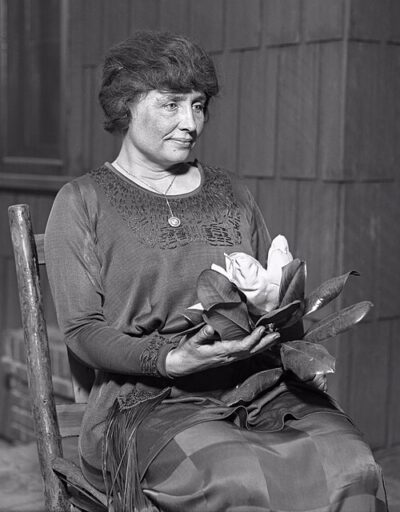 Helen KellerAmerican deafblind author, political activist, lecturer, scholar (1880-1968)
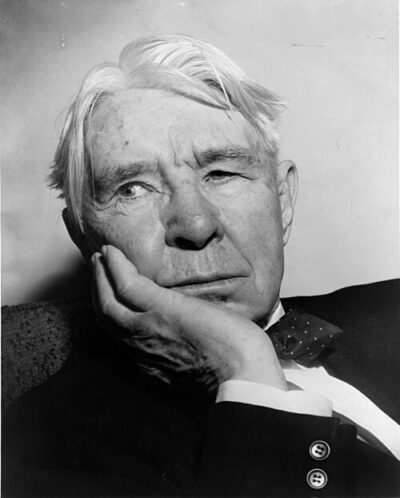 Carl SandburgAmerican writer and editor (1878–1967)
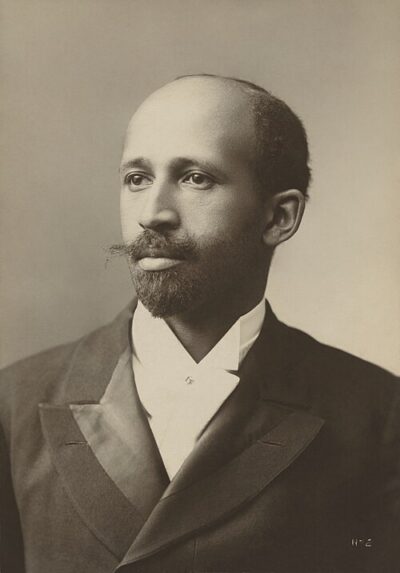 W. E. B. Du BoisAmerican sociologist and activist (1868–1963)
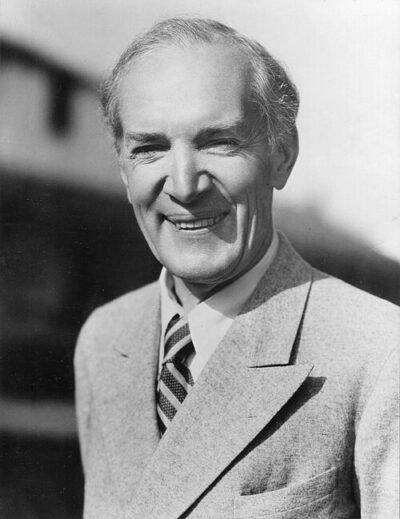 Upton SinclairAmerican writer (1878–1968)
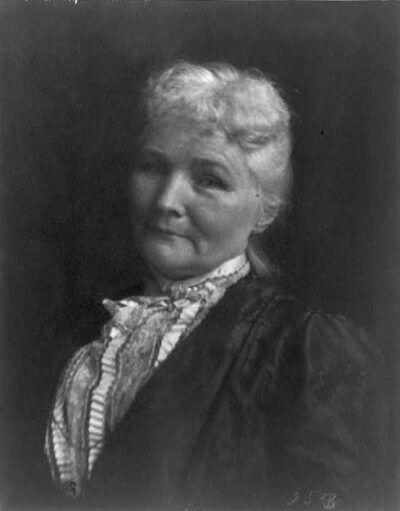 Mary Harris Jones (1901–)Irish-born American labor and community organizer (1837–1930)
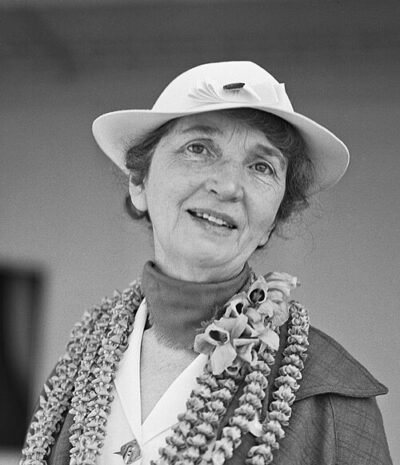 Margaret SangerAmerican birth control activist and nurse (1879–1966)
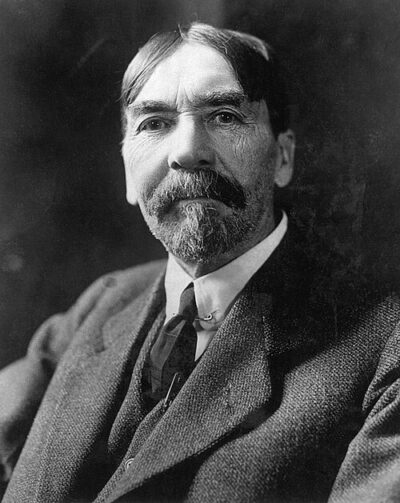 Thorstein VeblenAmerican economist and sociologist (1857–1929)
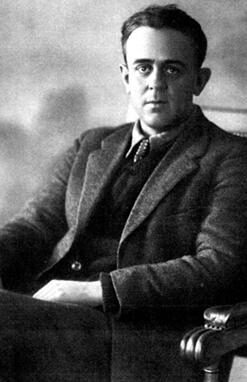 John ReedAmerican journalist, poet, and communist activist
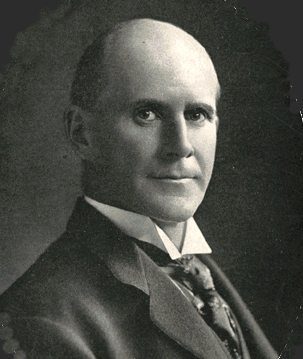 Eugene V. Debs (1901–)American labor and political leader (1855–1926)
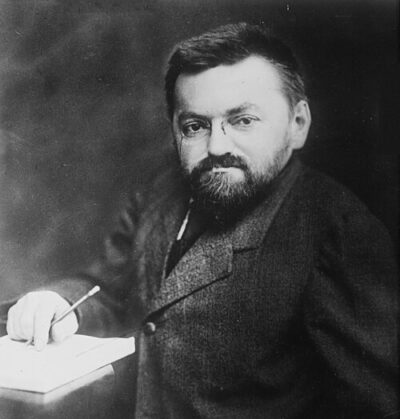 Charles Proteus SteinmetzPrussian-American mathematician, electrical engineer (1865–1923)
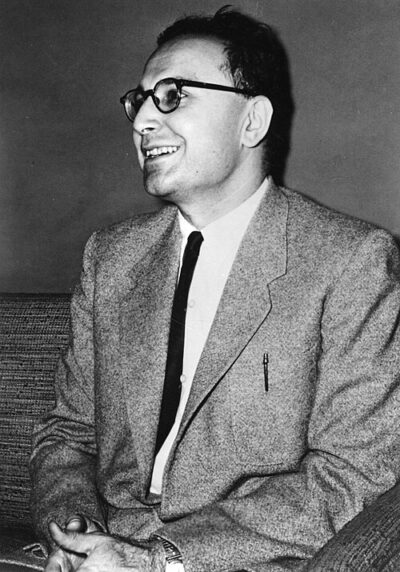 Seymour Martin LipsetAmerican sociologist (1922–2006)
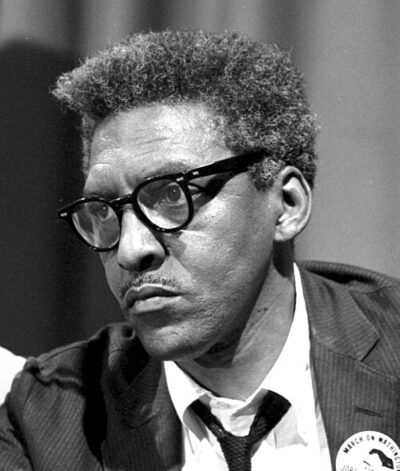 Bayard RustinAmerican civil rights activist (1912–1987)
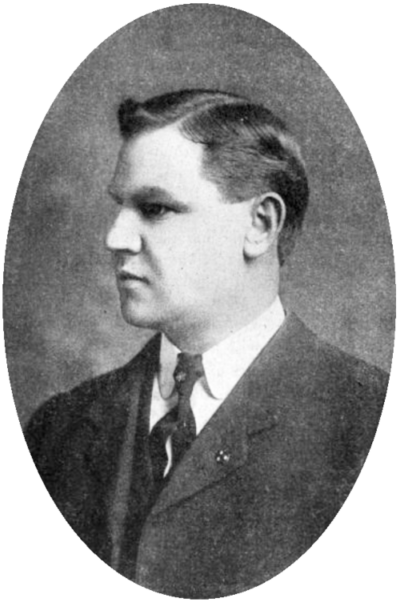 William Dudley Haywood (–1913)labor organizer (1869-1928)
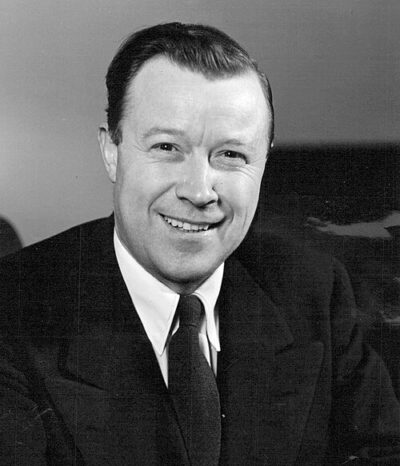 Walter Reutherlabor union leader and progressive activist (1907–1970)
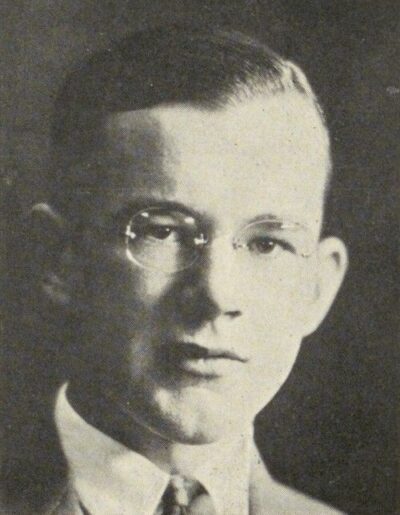 James BurnhamAmerican philosopher (1905–1987)
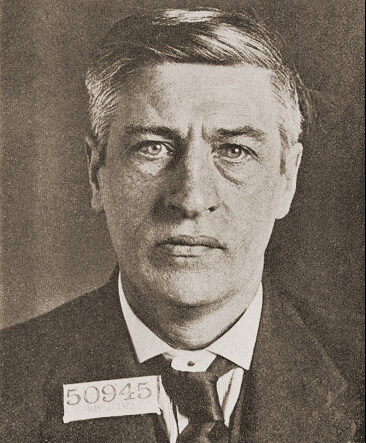 James Larkin (1914–1919)Irish socialist and trade union leader (1876–1947)
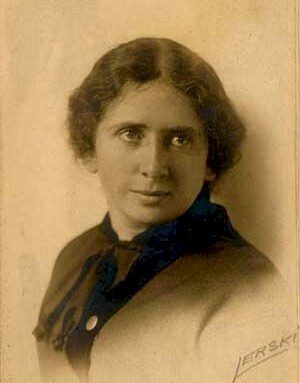 Rose SchneidermanAmerican labor leader (1882-1972)
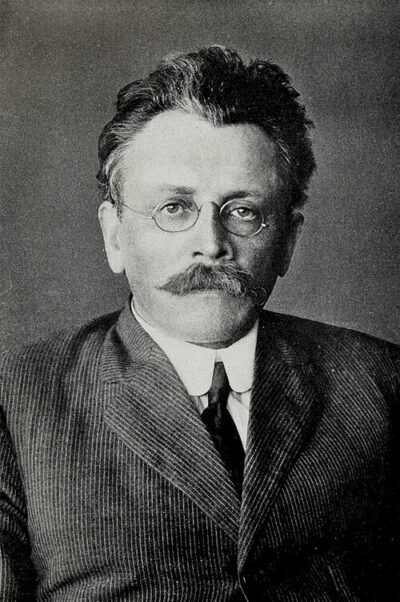 Abraham CahanAmerican journalist, novelist, short story writer, memoirist (1860-1951)
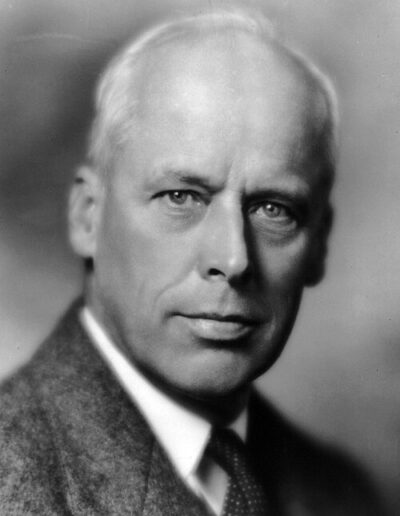 Norman ThomasAmerican Presbyterian minister and socialist (1884-1968)
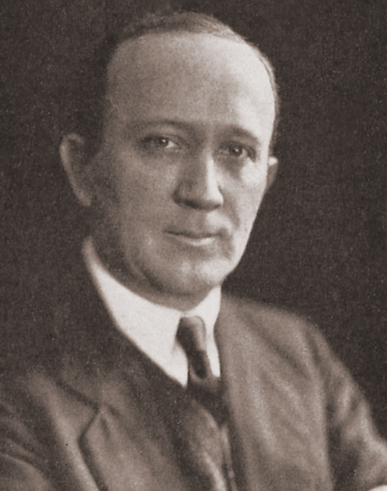 William Z. FosterAmerican labor organizer and Communist politician (1881–1961)
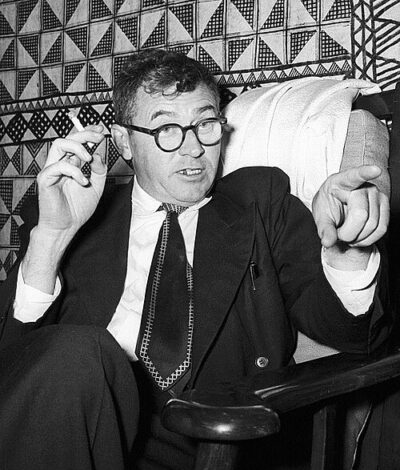 James Thomas FarrellAmerican writer (1904–1979)
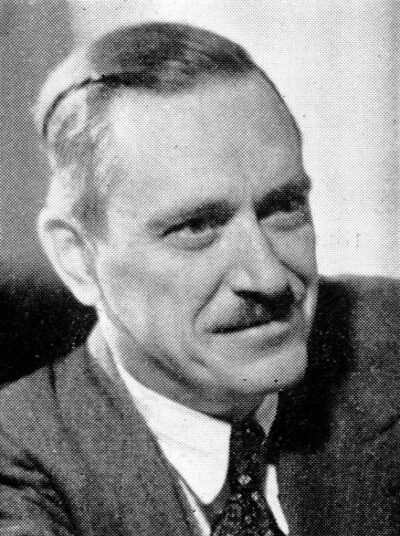 Earl BrowderAmerican politician (1891–1973)
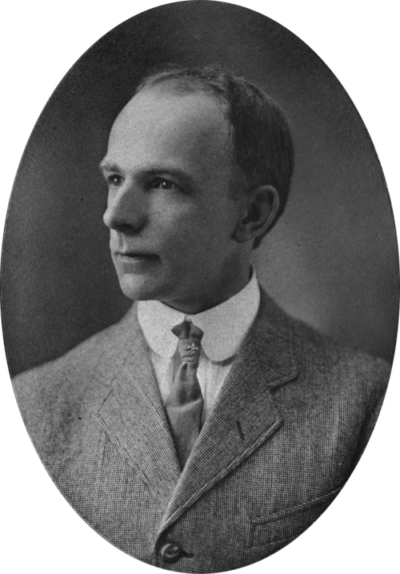 Charles Emil RuthenbergAmerican politician (1882-1927)
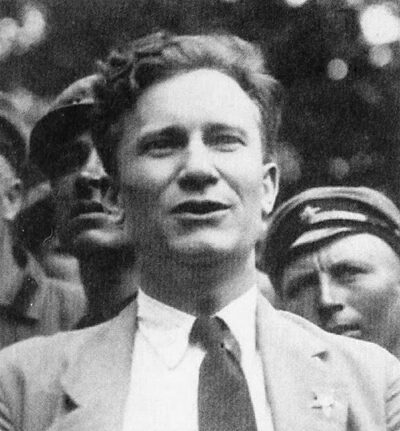 James Patrick CannonAmerican politician (1890-1974)
and 3 more
