

University of Padua
The University of Padua is a university in Italy. It was founded in 1222. It has 2,800 employees. 62,876 students study there (2019). It won the Gold Medal of Military Valour.
- Located in
- Padua
- Country
- Italy
- Founded
- September 1222
- Students
- 62,876 (2019)
- What it is
- university
All 9 facts, and where they come from
Facts
9 facts · 0 confirmed by two sources · 1 cited · 8 from one source
Where this comes from
Papalocal keeps its own record. It started from these sources; what each one said is kept here as it was copied, so a change on their side never changes this page by itself. Tap one to read its version.
What Wikidata says · copied November 16, 2026 · revision 2570018427
- Described as
- university in Italy
- Other names
- University of Padova, Università di Padova, Università degli Studi di Padova, UNIPD, Universita di Padova, Universita degli Studi di Padova, UPadua
- What it is
- university
- Founded
- September 1222
- Headquarters
- Padua
- Located in
- Padua
- Country
- Italy
- Employees
- 2,800
- Students
- 62,876 (2019)
- Awards
- Gold Medal of Military Valour (1945) · 1 reference
- Official website
- https://www.unipd.it
- Wikipedias with a page
- 61
Wikidata item Q193510 (wikidata.org/wiki/Q193510), public domain (CC0). Copied 2026-11-16.
What Wikipedia says · copied November 16, 2026 · revision 1383331279
The University of Padua (Italian: Università degli Studi di Padova, UNIPD) is an Italian public research university in Padua, Italy. It was founded in 1222 by a group of students and teachers from the University of Bologna, who previously settled in Vicenza; thus, it is the second-oldest university in Italy, as well as the world's fifth-oldest surviving university.
The University of Padua was one of the most prominent universities in early modern Europe, known particularly for the rigor of its Aristotelian logic and science. Together with the University of Bologna, Padua had played a central role in the Italian Renaissance, housing and educating a number of Italian Renaissance mathematicians, amongst them Nicolaus Copernicus. It is also known for its long-standing tradition in medicine and anatomy, linked to great figures such as Andreas Vesalius, the "father of modern anatomy," and Galileo Galilei, who once taught there. The university also houses the world's oldest anatomical theatre (1594), a symbol of Padua's pioneering role in the development of modern medicine.
As of 2021, it is made up of 32 departments and eight schools. Padua is part of a network of historical research universities known as the Coimbra Group. In 2021, the university had approximately 72,000 students including undergraduates, postgraduates, and doctoral students.
From the Wikipedia article “University of Padua” (en.wikipedia.org/wiki/University_of_Padua), by its contributors, under CC BY-SA 4.0 (creativecommons.org/licenses/by-sa/4.0/). Copied 2026-11-16; not changed.
Confirmed Two sources agree. Cited One source, and it names where it got it. One source One source, without a reference of its own. Sources disagree The sources disagree. We show the best-supported value and keep theirs below.
Picture: Wikimedia Commons: Palazzo Bo (Padua).jpg · See Commons file page
People connected 37
Studied here 32
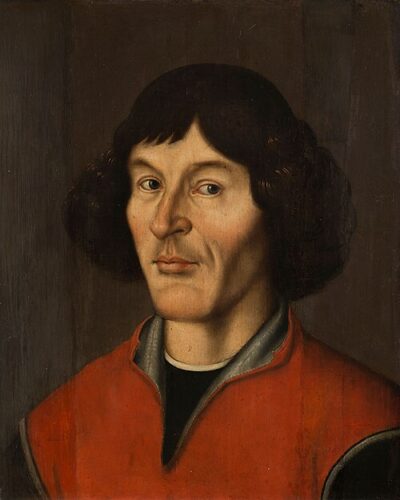 Nicolaus Copernicus (1501–1503)Polish mathematician and astronomer (1473-1543)
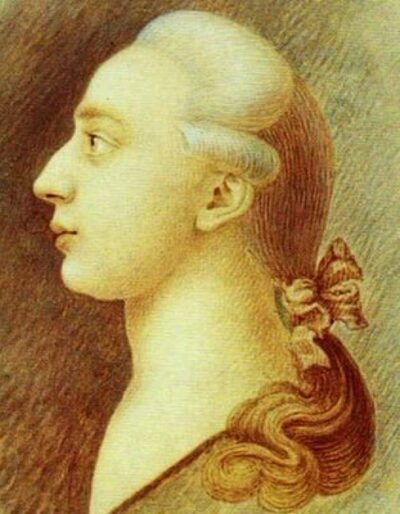 Giacomo Casanova (–1742)Venetian adventurer and writer (1725–1798)
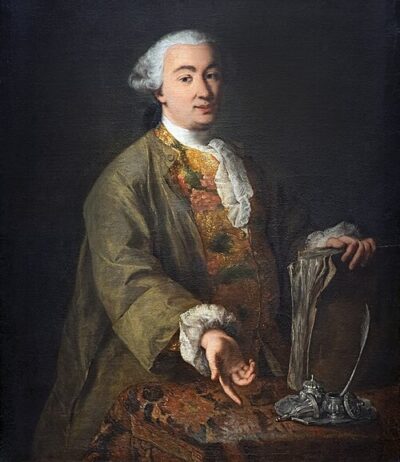 Carlo GoldoniItalian playwright (1707-1793)
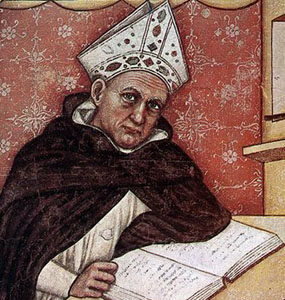 Albertus Magnus (1223)German-Dominican friar and saint (c. 1200–1280)
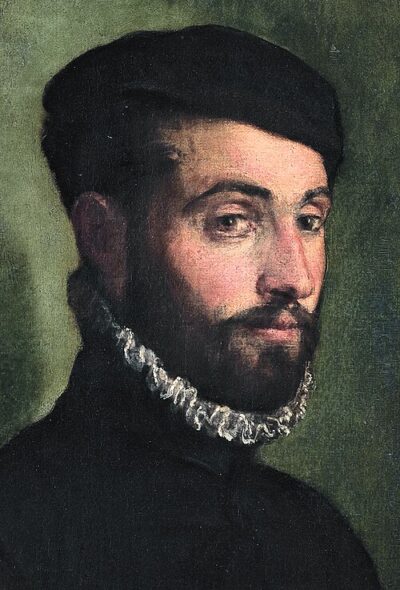 Torquato TassoItalian poet (1544–1595)
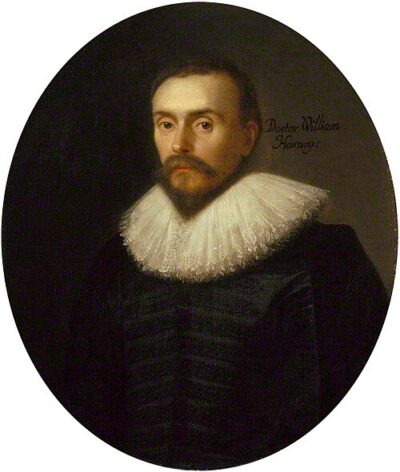 William Harvey (1599–1602)English physician (1578-1657)
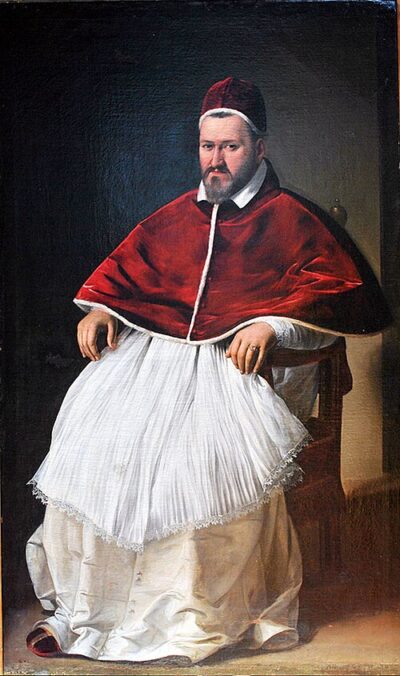 Paul V233rd pope of the Roman Catholic Church from 1605 to 1621
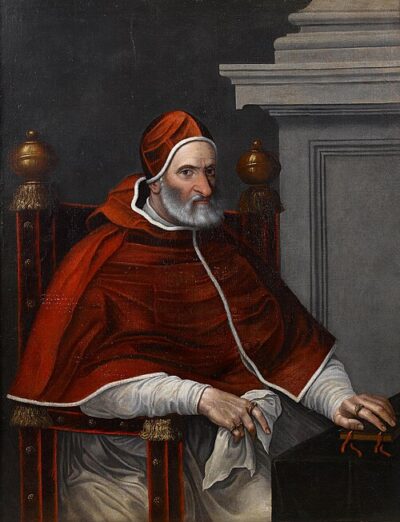 Pius IVpope of the Catholic Church from 1559 to 1565
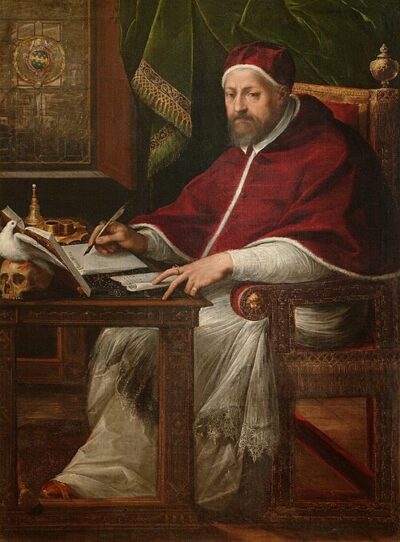 Clement VIIIpope of the Catholic Church from 1592 to 1605 (1536–1605)
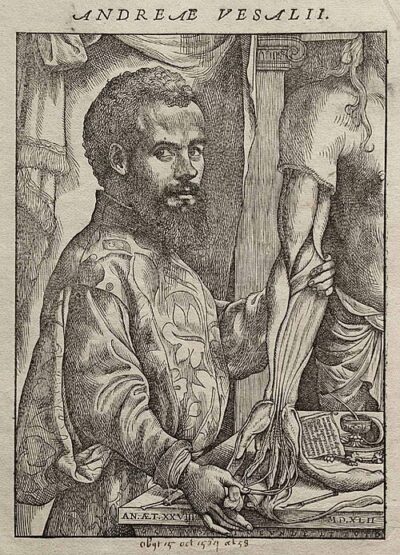 Andreas VesaliusFlemish anatomist, physician and author (1514–1564)
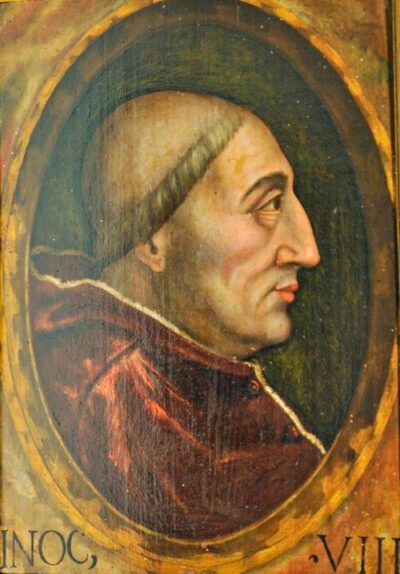 Innocent VIIIpope of the Catholic Church from 1484 to 1492
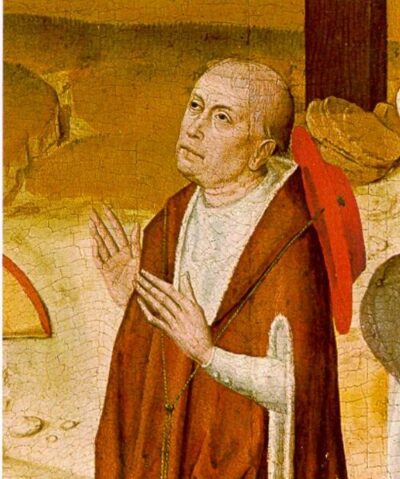 Nicholas of Cusa (1417–1423)German philosopher (1401 – 1464)
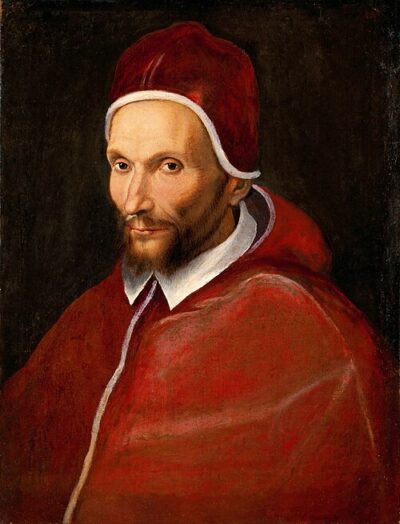 Urban VIIpope of the Catholic Church in September 1590
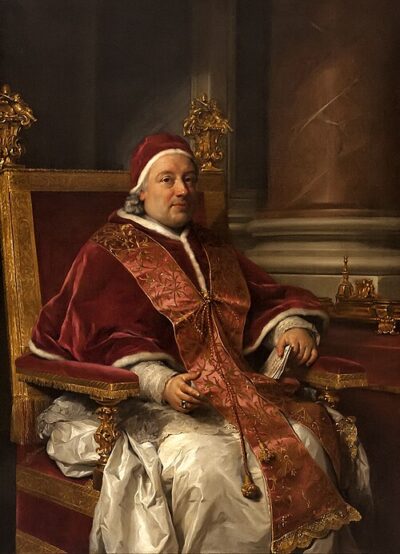 Clement XIIIpope of the Catholic Church from 1758 to 1769
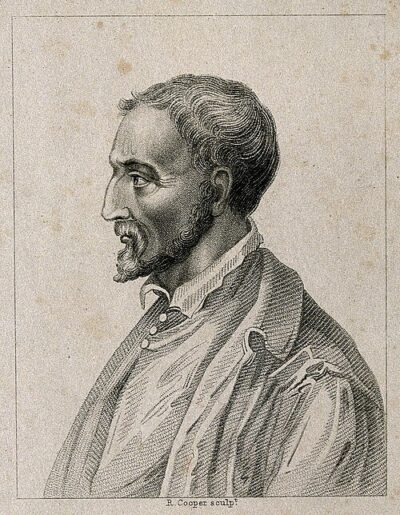 Gerolamo Cardano (1522–1526)Italian Renaissance mathematician, physician, astrologer (1501-1576)
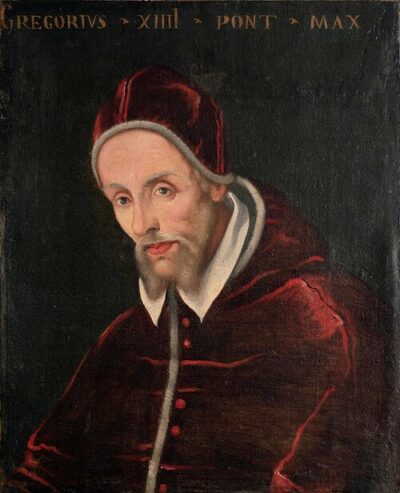 Gregory XIVPope from 1590 to 1591 (1535–1591)
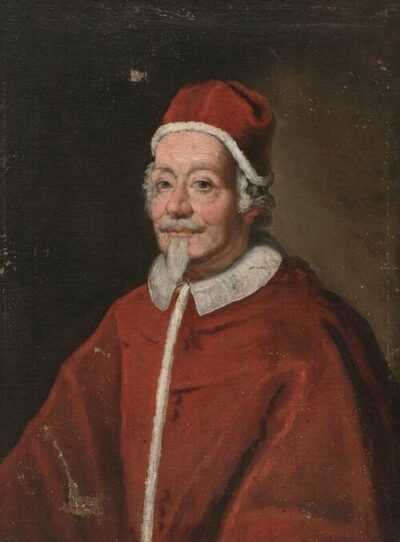 Alexander VIIIpope of the Catholic Church from 1689 to 1691
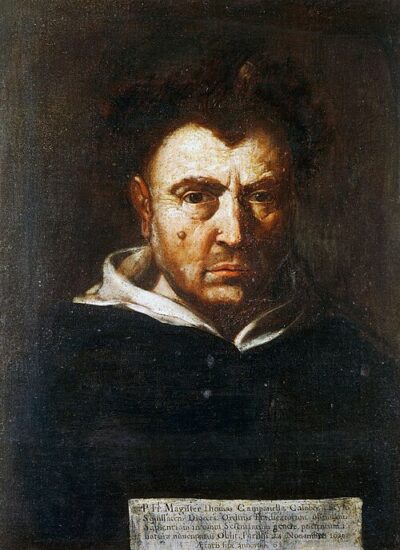 Tommaso CampanellaItalian philosopher, theologian, astrologer, and poet (1568-1639)
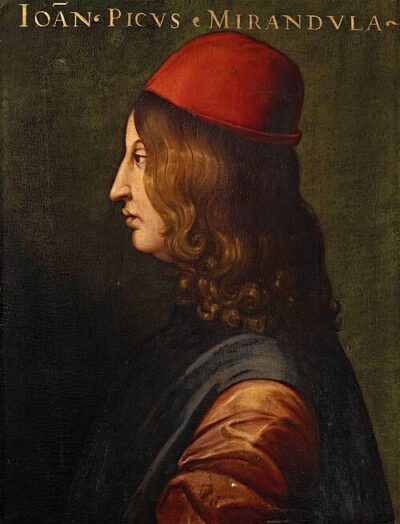 Giovanni Pico della MirandolaItalian Renaissance philosopher (1463–1494)
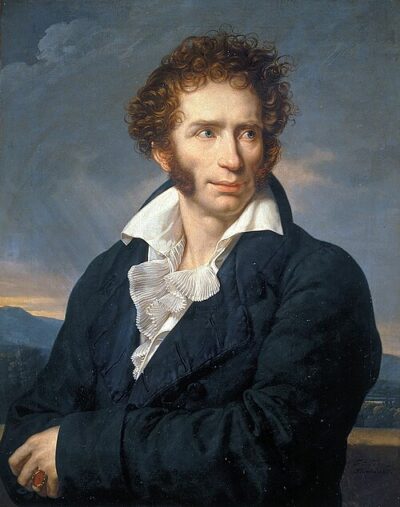 Ugo FoscoloItalian writer and poet (1778–1827)
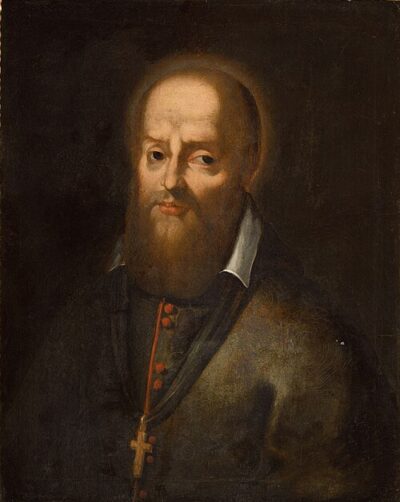 Francis de SalesFrench bishop, saint, writer and Doctor of the Church (1567-1622)
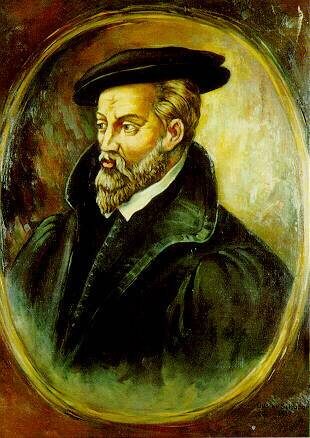 Georgius AgricolaGerman physician and mineralogist (1494-1555)
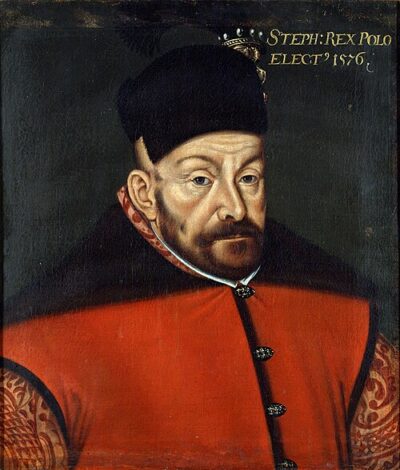 Stephen BáthoryKing of Poland and Grand Duke of Lithuania, 1576–1586 (lived 1533-1586)
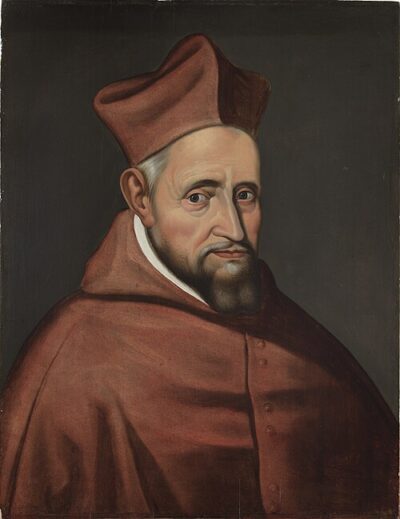 Robert BellarmineCatholic cardinal, saint, and Doctor of the Church
and 8 more
Worked here
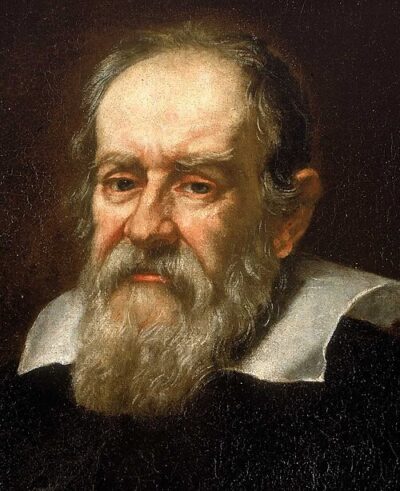 Galileo Galilei (1592–)Italian polymath (1564–1642)
- Nicolaus CopernicusPolish mathematician and astronomer (1473-1543)
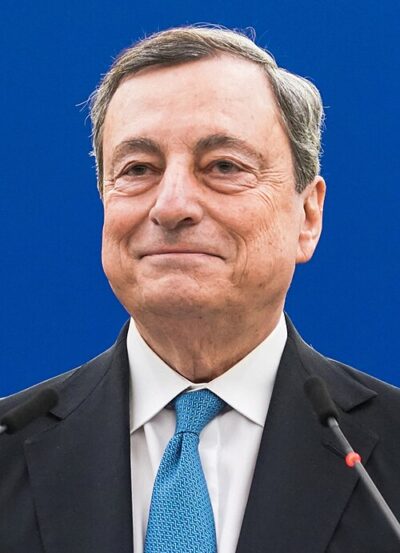 Mario DraghiItalian economist, academic, banker and politician; former prime minister of Italy
- Andreas VesaliusFlemish anatomist, physician and author (1514–1564)
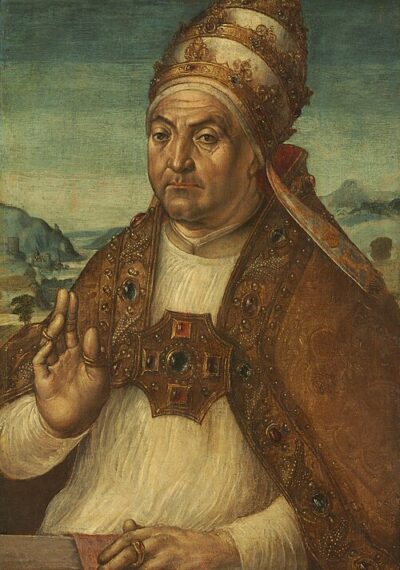 Sixtus IVpope of the Catholic Church from 1471 to 1484 (1414-1484)
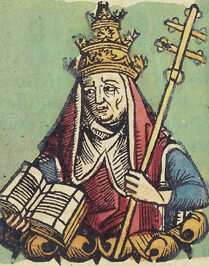 Innocent VIIpope of the Catholic Church from 1404 to 1406
 Bruno RossiItalian experimental physicist (1905–1993)
