
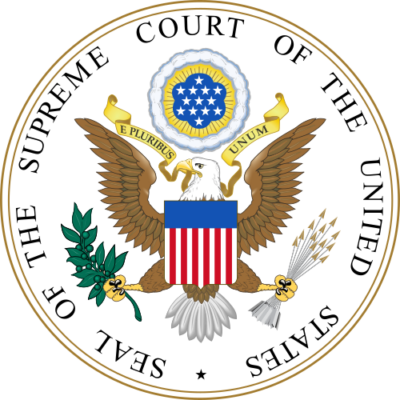
Chief Justice of the United States
The Chief Justice of the United States is a presiding judge of the United States Supreme Court. It was created in 1789.
- Office of
- United States
- Country
- United States
- Created
- March 4, 1789
All 5 facts, and where they come from
Facts
5 facts · 0 confirmed by two sources · 0 cited · 5 from one source
Where this comes from
Papalocal keeps its own record. It started from these sources; what each one said is kept here as it was copied, so a change on their side never changes this page by itself. Tap one to read its version.
What Wikidata says · copied November 16, 2026 · revision 2557293721
- Described as
- presiding judge of the United States Supreme Court
- Other names
- Chief Justice of the Supreme Court, Chief Justice
- What it is
- public office; occupation
- Created
- March 4, 1789 · 1 reference
- Country
- United States
- Office of
- United States
- Wikipedias with a page
- 42
Wikidata item Q11147 (wikidata.org/wiki/Q11147), public domain (CC0). Copied 2026-11-16.
What Wikipedia says · copied November 16, 2026 · revision 1383127268
The chief justice of the United States is the chief judge of the Supreme Court of the United States and is the highest-ranking officer of the federal judiciary. Article II, Section 2, Clause 2 of the Constitution grants plenary power to the president to nominate, and, with the advice and consent of the Senate, appoint "Judges of the Supreme Court", who serve until they die, resign, retire, or are impeached and convicted. The existence of a chief justice is only explicit in Article I, Section 3, Clause 6 which states that the chief justice shall preside over the impeachment trial of the president; this has occurred three times, for Andrew Johnson, Bill Clinton, and for Donald Trump's first impeachment.
The chief justice has significant influence in the selection of cases for review, presides when oral arguments are held, and leads the discussion of cases among the justices. Additionally, when the court renders an opinion, the chief justice, if in the majority, chooses who writes the court's opinion; however, when deciding a case, the chief justice's vote counts no more than that of any other justice.
While nowhere mandated, the presidential oath of office is traditionally administered by the chief justice. The chief justice serves as a spokesperson for the federal government's judicial branch and acts as a chief administrative officer for the federal courts. The chief justice presides over the Judicial Conference and, in that capacity, appoints the director and deputy director of the Administrative Office. The chief justice is an ex officio member of the Board of Regents of the Smithsonian Institution and, by custom, is elected chancellor of the board.
Since the Supreme Court was established in 1789, 17 people have served as Chief Justice, beginning with John Jay (1789–1795). The current chief justice is John Roberts (since 2005). Five of the 17 chief justices—John Rutledge, Edward Douglass White, Charles Evans Hughes, Harlan Fiske Stone, and William Rehnquist—served as associate justices before becoming chief justice. Additionally, Chief Justice William Howard Taft had previously served as president.
From the Wikipedia article “Chief Justice of the United States” (en.wikipedia.org/wiki/Chief_Justice_of_the_United_States), by its contributors, under CC BY-SA 4.0 (creativecommons.org/licenses/by-sa/4.0/). Copied 2026-11-16; not changed.
Confirmed Two sources agree. Cited One source, and it names where it got it. One source One source, without a reference of its own. Sources disagree The sources disagree. We show the best-supported value and keep theirs below.
Picture: Original: Optimager Vector: Ipankonin, via Wikimedia Commons · Public domain
People connected 17
Held this office
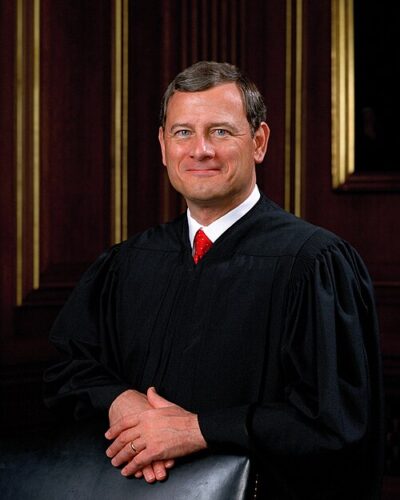 John Roberts (2005–)Chief Justice of the Supreme Court of the United States since 2005
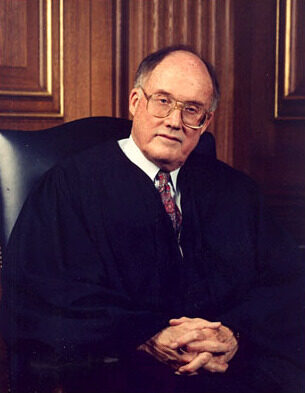 William Rehnquist (1986–2005)chief justice of the United States from 1986 to 2005 (1924–2005)
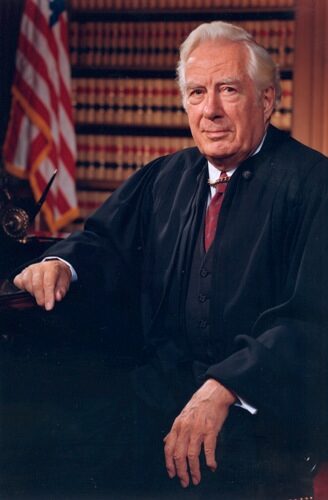 Warren E. Burger (1969–1986)chief justice of the United States from 1969 to 1986 (1907–1995)
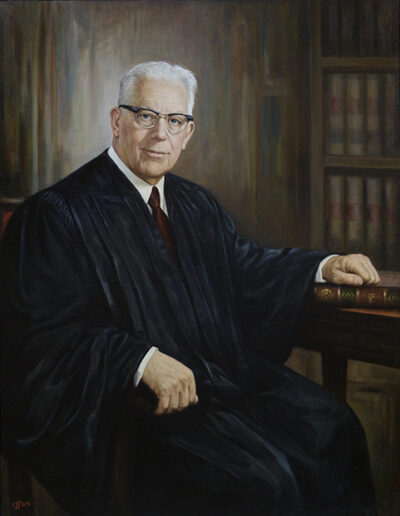 Earl Warren (1953–1969)Chief Justice of the Supreme Court of the United States from 1953 to 1969 (1891–1974)
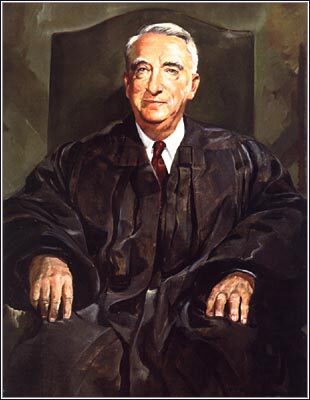 Fred M. Vinson (1946–1953)chief justice of the United States from 1946 to 1953
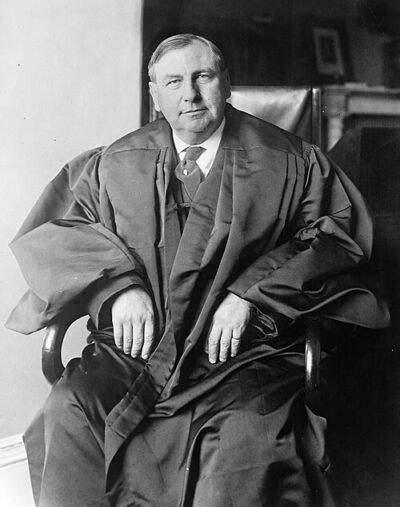 Harlan F. Stone (1941–1946)chief justice of the United States from 1941 to 1946
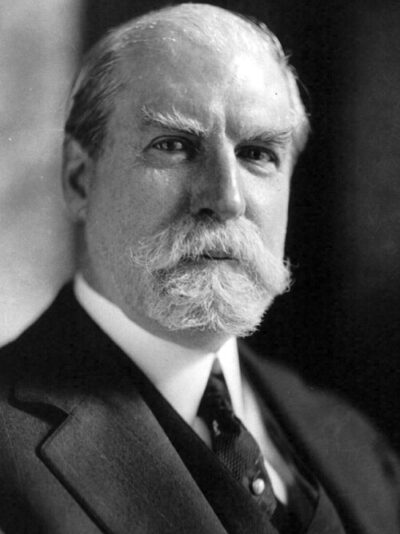 Charles Evans Hughes (1930–1941)American jurist; Chief Justice of the United States from 1930 to 1941 (1862–1948)
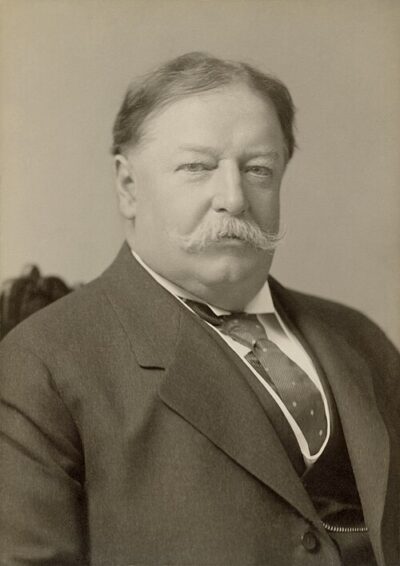 William Howard Taft (1921–1930)27th President of the United States from 1909 to 1913 (1857–1930)
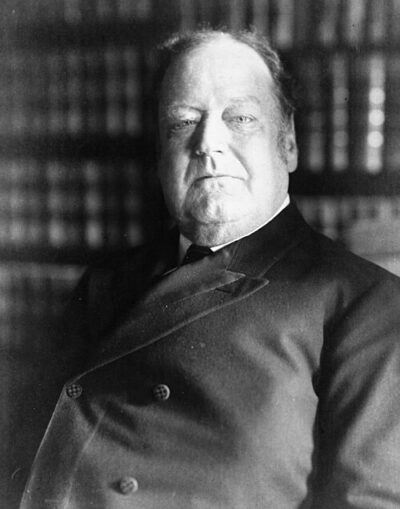 Edward Douglass White Jr. (1910–1921)chief justice of the United States from 1910 to 1921
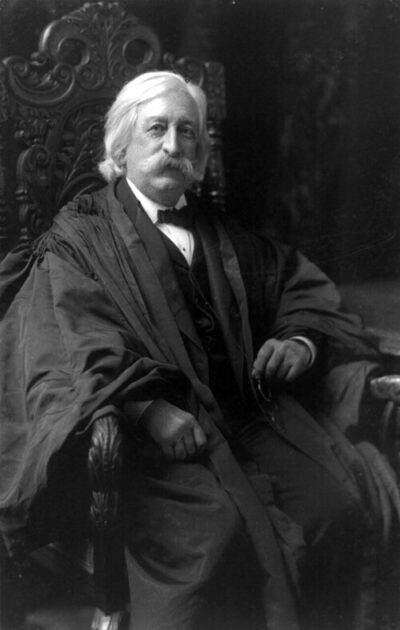 Melville Fuller (1888–1910)chief justice of the United States from 1888 to 1910
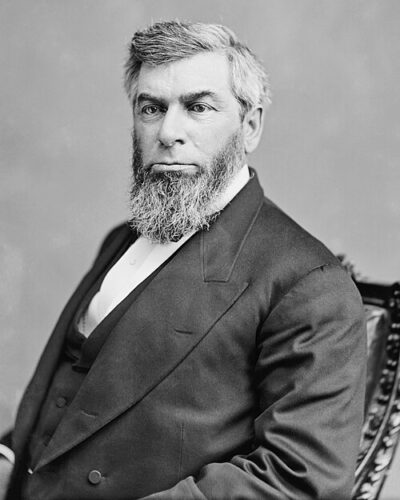 Morrison Waite (1874–1888)American jurist (1816–1888); Chief Justice of the United States Supreme Court from 1874 to 1888
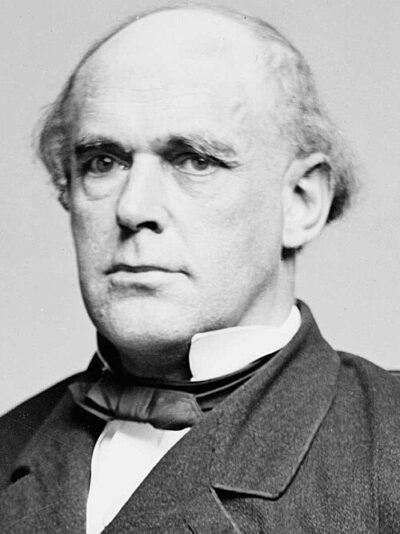 Salmon P. Chase (1864–1873)American politician and lawyer (1808–1873)
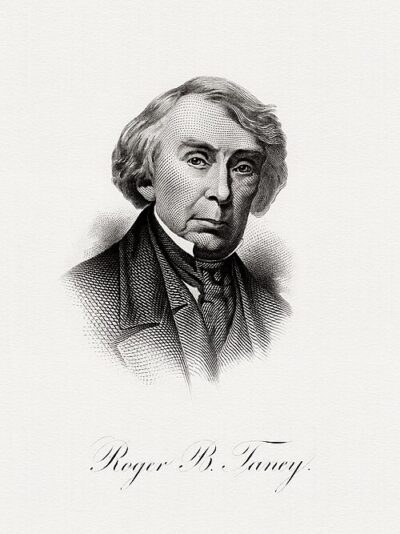 Roger B. Taney (1836–1864)chief justice of the United States from 1836 to 1864 (1777–1864)
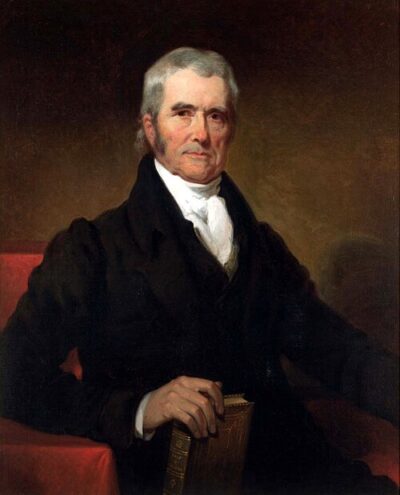 John Marshall (1801–1835)chief justice of the United States from 1801 to 1835, (1755-1835)
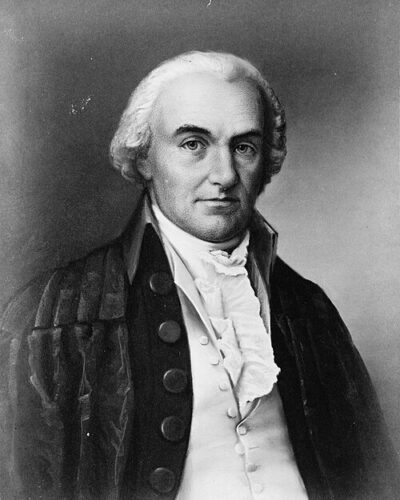 Oliver Ellsworth (1796–1800)chief justice of the United States from 1796 to 1800
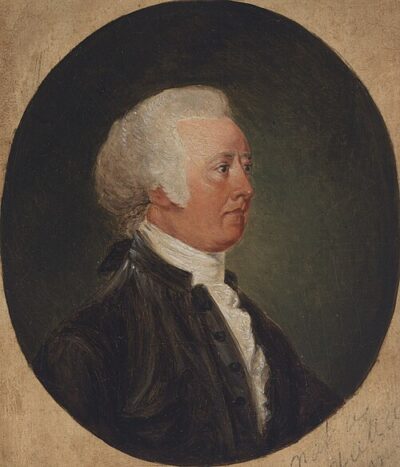 John Rutledge (1795)chief justice of the United States in 1795
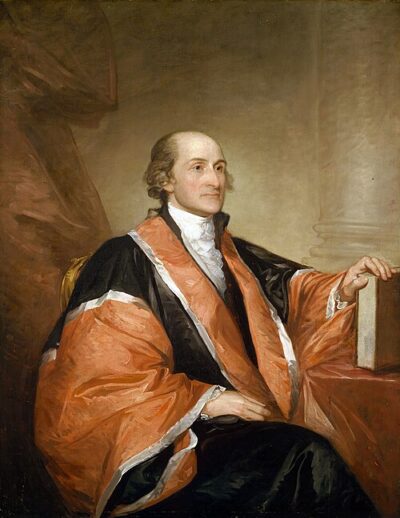 John Jay (1789–1795)Founding Father, U.S. Chief Justice from 1789 to 1795
