
Kalinga Prize
Kalinga Prize is an UNESCO science award. It was created in 1951 by Biju Patnaik.
- Given by
- UNESCO
- Country
- India
- Field
- natural science
- Created
- 1951
All 8 facts, and where they come from
Facts
8 facts · 0 confirmed by two sources · 3 cited · 5 from one source
Where this comes from
Papalocal keeps its own record. It started from these sources; what each one said is kept here as it was copied, so a change on their side never changes this page by itself. Tap one to read its version.
What Wikidata says · copied November 16, 2026 · revision 2497700376
- Described as
- UNESCO science award
- Other names
- Kalinga Prize for the Popularization of Science, Kalinga Award, UNESCO Kalinga Prize for the Popularization of Science, Albert Einstein Silver Medal, Albert Einstein Medal, Einstein Medal
- What it is
- science award
- Created
- 1951 · 1 reference
- Founded by
- Biju Patnaik
- Country
- India
- Given by
- UNESCO · 1 reference
- Field
- natural science · 1 reference
- Named after
- Odisha
- Official website
- http://www.kalingafoundationtrust.com/website/home.htm
- Wikipedias with a page
- 25
Wikidata item Q782022 (wikidata.org/wiki/Q782022), public domain (CC0). Copied 2026-11-16.
What Wikipedia says · copied November 16, 2026 · revision 1329267631
The Kalinga Prize for the Popularization of Science is an award given by UNESCO for exceptional skill in presenting scientific ideas to lay people. It was created in 1952, following a donation from Biju Patnaik, Founder President of the Kalinga Foundation Trust in India.
From the Wikipedia article “Kalinga Prize” (en.wikipedia.org/wiki/Kalinga_Prize), by its contributors, under CC BY-SA 4.0 (creativecommons.org/licenses/by-sa/4.0/). Copied 2026-11-16; not changed.
Confirmed Two sources agree. Cited One source, and it names where it got it. One source One source, without a reference of its own. Sources disagree The sources disagree. We show the best-supported value and keep theirs below.
People connected 17
Won it
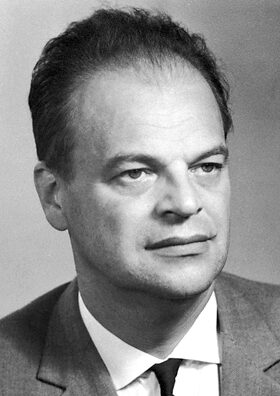 Nikolay Basov (1986)Soviet physicist (1922-2001)
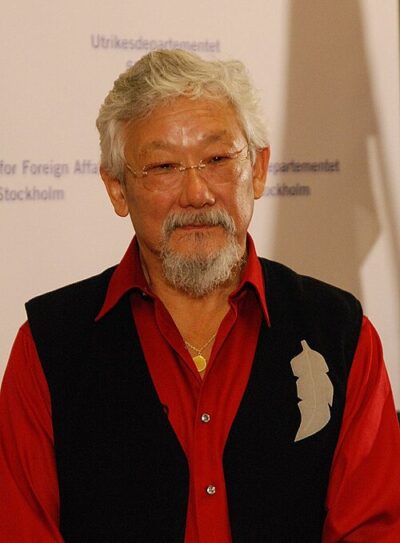 David Suzuki (1986)Canadian popular scientist and environmental activist
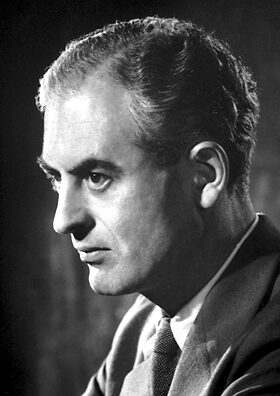 Peter Medawar (1985)English-brazilian biologist (1915–1987)
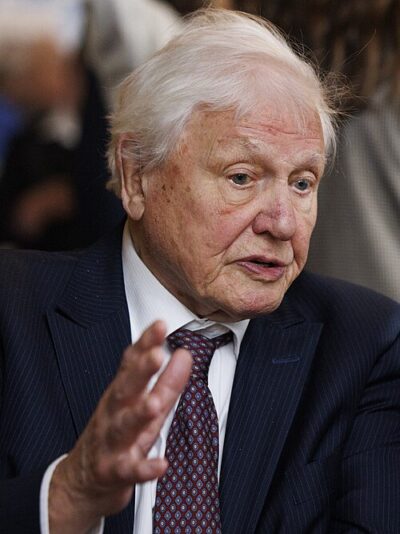 David Attenborough (1981)British broadcaster and naturalist (born 1926)
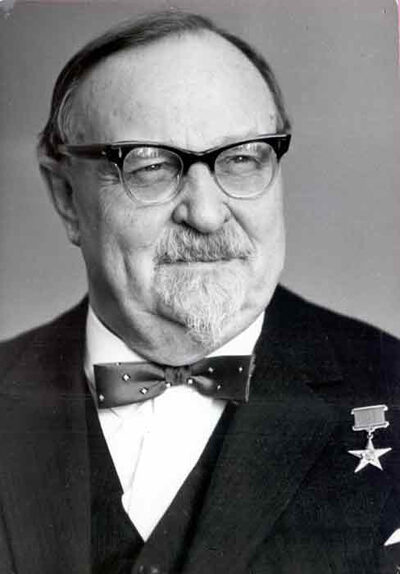 Alexander Oparin (1976)Soviet biochemist (1894-1980)
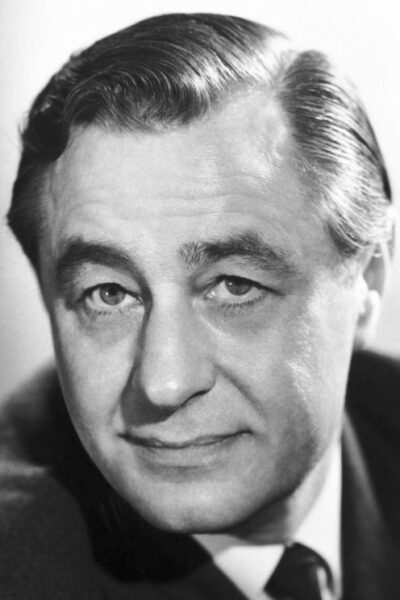 George Porter (1976)British chemist (1920–2002)
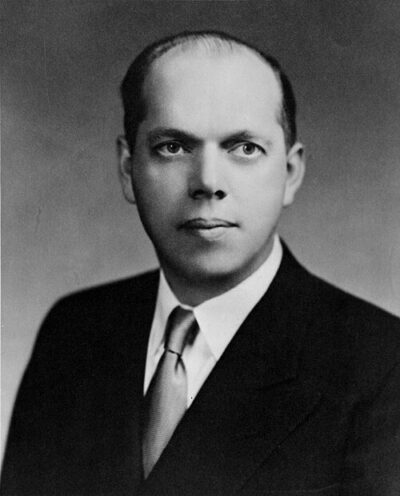 Philip Abelson (1972)US physicist, editor of the journal Science, and director of the Carnegie Institution of Washington's Geophysical Laboratory (1913–2004)
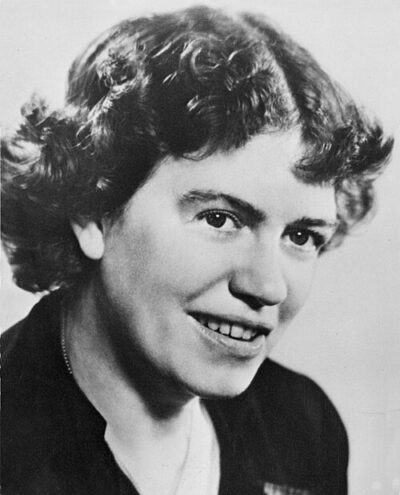 Margaret Mead (1970)American anthropologist (1901-1978)
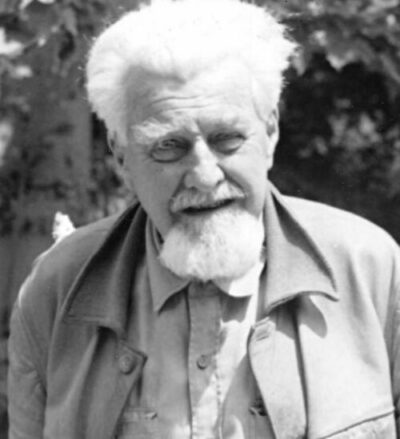 Konrad Lorenz (1969)Austrian zoologist, winner of the Nobel Prize in Physiology or Medicine in 1973 (1903–1989)
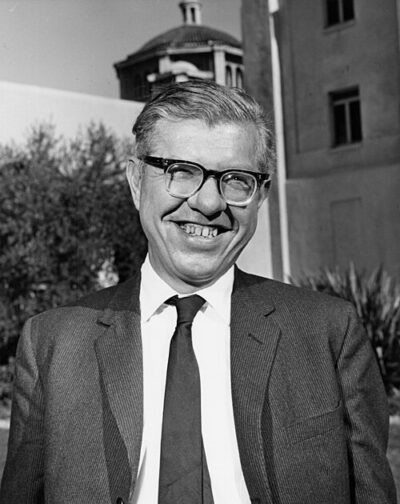 Fred Hoyle (1968)British astronomer (1915–2001)
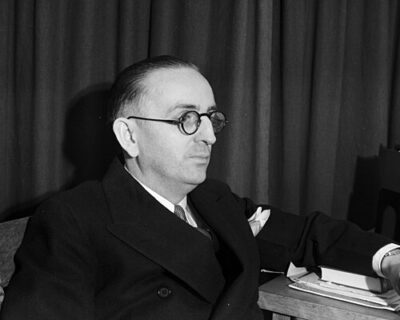 Warren Weaver (1964)American mathematician (1894–1978)
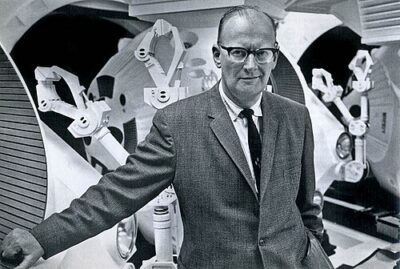 Arthur C. Clarke (1961)British science fiction writer, inventor, and futurist (1917–2008)
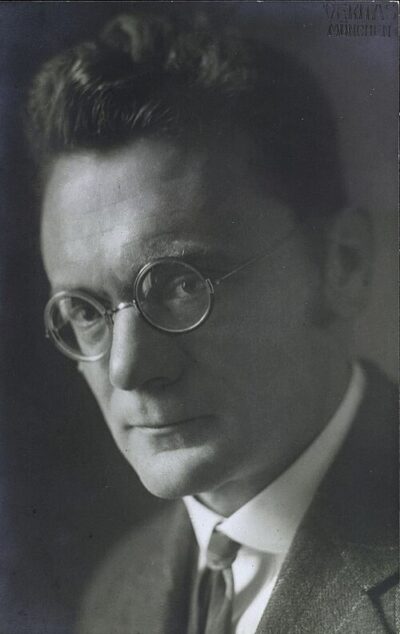 Karl von Frisch (1958)German-Austrian ethologist (1886-1982)
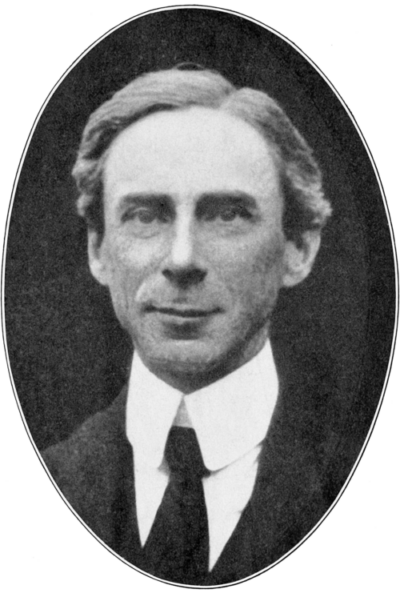 Bertrand Russell (1957)British philosopher and logician (1872–1970)
 George Gamow (1956)Russian-American theoretical physicist and cosmologist (1904–1968)
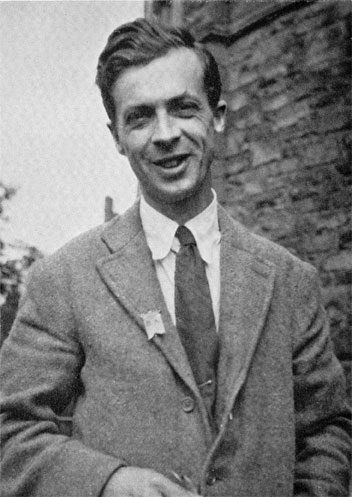 Julian Huxley (1953)British evolutionary biologist, philosopher, author (1887–1975)
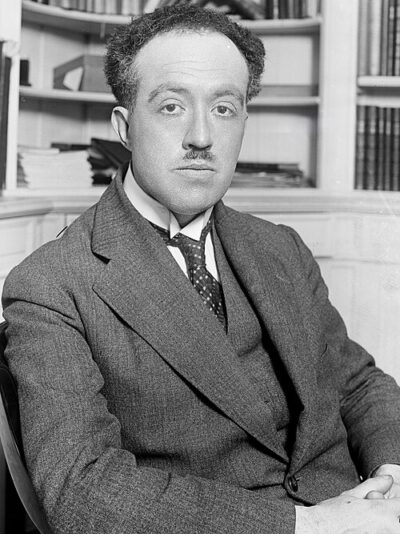 Louis de Broglie (1952)Nobel laureate credited to pioneer the discovery of wave character of matter (1892–1987)
