
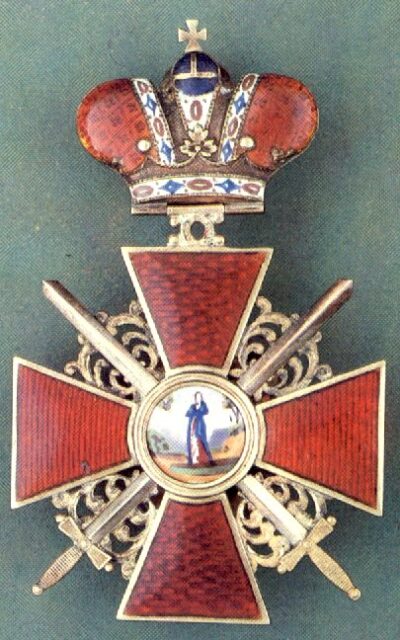
Order of Saint Anna
Order of Saint Anna is a Russian chivalric order. It was created in 1735.
- Country
- Russian Empire
- Created
- 1735
All 5 facts, and where they come from
Facts
5 facts · 0 confirmed by two sources · 0 cited · 5 from one source
Where this comes from
Papalocal keeps its own record. It started from these sources; what each one said is kept here as it was copied, so a change on their side never changes this page by itself. Tap one to read its version.
What Wikidata says · copied November 17, 2026 · revision 2569490958
- Described as
- Russian chivalric order
- Other names
- Order of St. Anna
- What it is
- order
- Created
- 1735 · 1 reference
- Country
- Russian Empire
- Named after
- Saint Anne; Anna Petrovna of Russia
- Wikipedias with a page
- 25
Wikidata item Q1147717 (wikidata.org/wiki/Q1147717), public domain (CC0). Copied 2026-11-17.
What Wikipedia says · copied November 17, 2026 · revision 1360135908
The Imperial Order of Saint Anna (Russian: Орден Святой Анны; also "Order of Saint Anne" or "Order of Saint Ann") was a Holstein ducal and then Russian imperial order of chivalry. It was established by Karl Friedrich, Duke of Holstein-Gottorp, on 14 February 1735, in honour of his wife Anna Petrovna, daughter of Peter the Great of Russia.
Originally, the Order of Saint Anna was a dynastic order of knighthood; but between 1797 and 1917 it had dual status as a dynastic order and as a state order. The Order of St. Anna continued to be awarded after the revolution by Grand Duke Kirill Vladimirovich, Grand Duke Vladimir Kirillovich, and Grand Duchess Maria Vladimirovna. Today, the Russian Imperial Order of St. Anna, awarded by Grand Duchess Maria Vladimirovna is recognized as an order of chivalry by the privately operated International Commission for Orders of Chivalry as a continuation of the pre-Revolutionary order, and has been approved for wear with military uniform by the Russian Federation, but not by some members of the Romanov Family Association.
Membership of the Order was awarded for a distinguished career in civil service or for valour and distinguished service in the military. The Order of Saint Anna entitled recipients of the first class to hereditary nobility, and recipients of lower classes to personal nobility. For military recipients, it was awarded with swords. It is now usually awarded for meritorious service to the Imperial House of Russia.
Recipients of the Order of St. Andrew (K.A.) (including grand dukes, who received the order at baptism, and princes of the Imperial blood, who received it at their majority) simultaneously received the first class of the Order of Saint Anna. The Emperor himself was the hereditary grand master of the Order.
The motto of the Order is "Amantibus Justitiam, Pietatem, Fidem" ("To those who love justice, piety, and fidelity"). Its festival day is 3 February (New Style, 16 February). The Head of the Imperial House of Russia always is Master of the imperial Order of Saint Anna.
From the Wikipedia article “Order of Saint Anna” (en.wikipedia.org/wiki/Order_of_Saint_Anna), by its contributors, under CC BY-SA 4.0 (creativecommons.org/licenses/by-sa/4.0/). Copied 2026-11-17; not changed.
Confirmed Two sources agree. Cited One source, and it names where it got it. One source One source, without a reference of its own. Sources disagree The sources disagree. We show the best-supported value and keep theirs below.
Picture: Original uploader was Kmorozov at en.wikipedia and transfered to commons by Μυρμηγκάκι, via Wikimedia Commons · Public domain
People connected 31
Won it 31
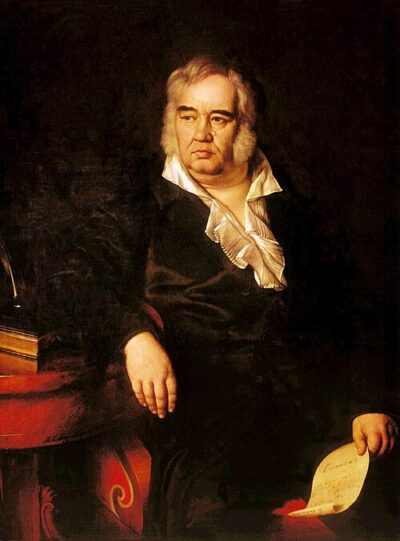 Ivan Krylov (1829)Russian writer (1769–1844)
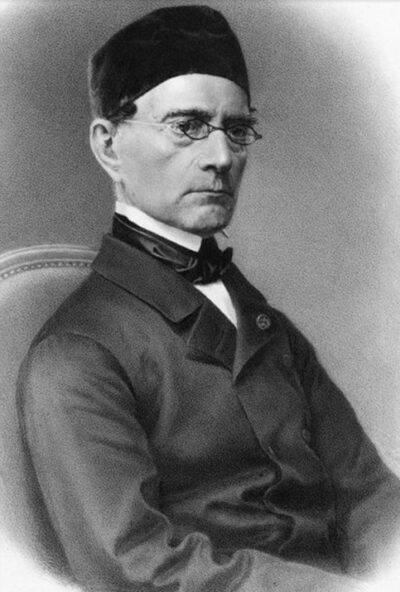 Gabriel Lamé (1827)French mathematician and physicist (1795-1870)
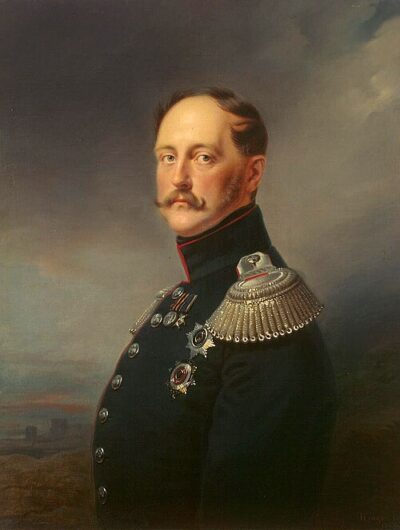 Nicholas I of Russia (1796)The 11th Emperor of Russia, 1825–1855 (lived 1796-1855)
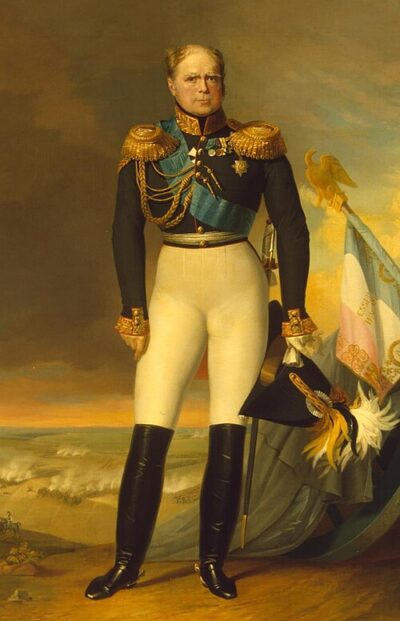 Grand Duke Konstantin Pavlovich of Russia (1779)Russian grand duke (1779–1831)
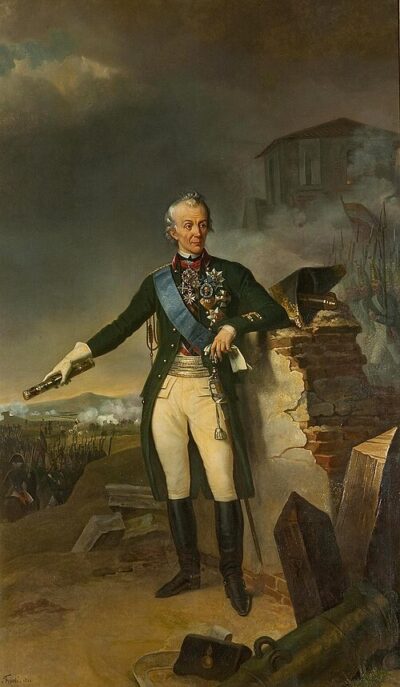 Alexander Suvorov (1770)Russian marshal (1730–1800)
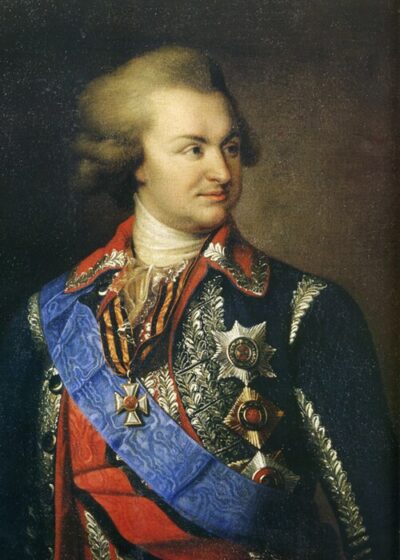 Gregory Potyomkin (1770)Russian military leader and politician (1739–1791)
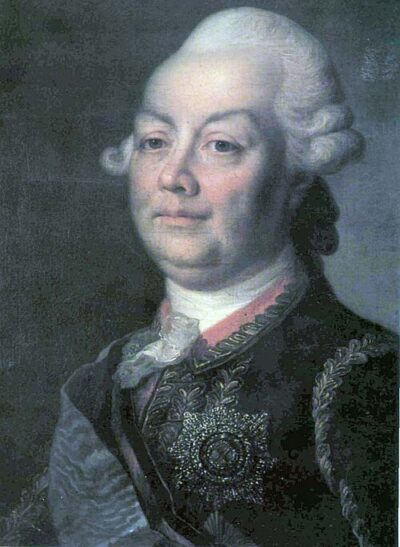 Pyotr Rumyantsev (1762)Field Marshal of Russia (1725-1796)
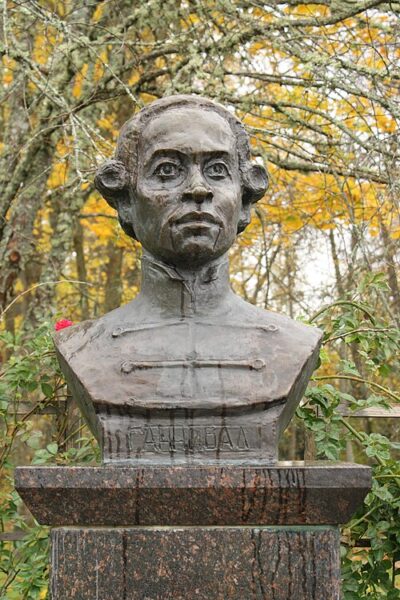 Abram Petrovich Gannibal (1748)African-born Russian general and military engineer (c.1696–1781)
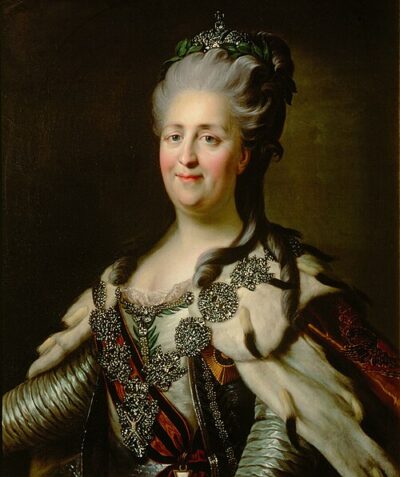 Catherine II of Russiaeighth Emperor of Russia, called the Great, r. 1762–1796 (lived 1729-1796)
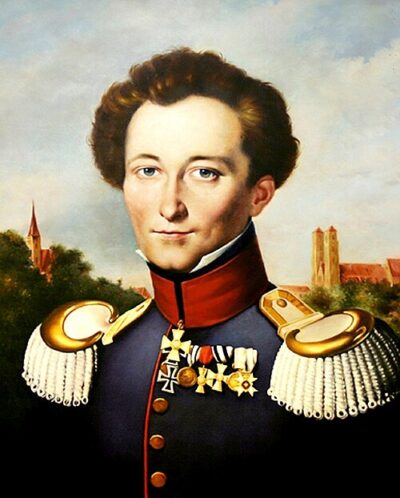 Carl von ClausewitzGerman-Prussian general and military theorist (1780–1831)
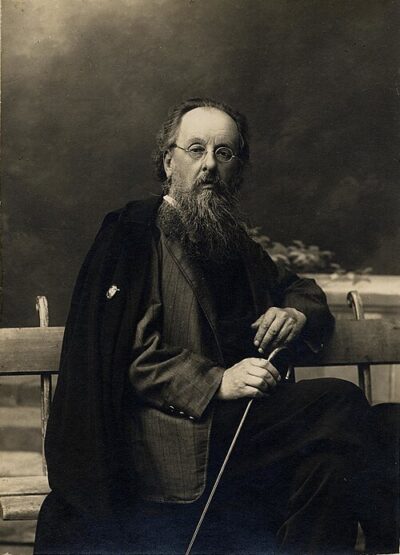 Konstantin TsiolkovskyRussian and Soviet rocket scientist and pioneer of the astronautic theory (1857-1935)
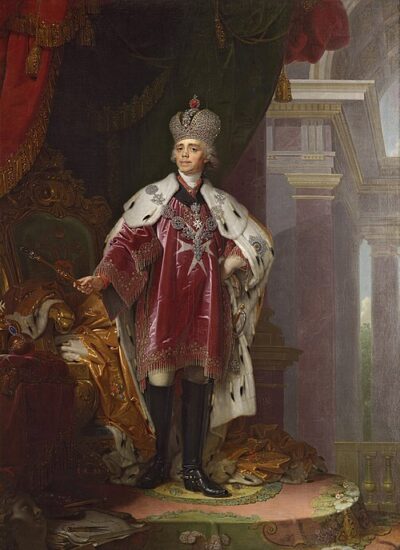 Paul I of RussiaThe ninth Emperor of Russia from 1796 to 1801 (1754-1801)
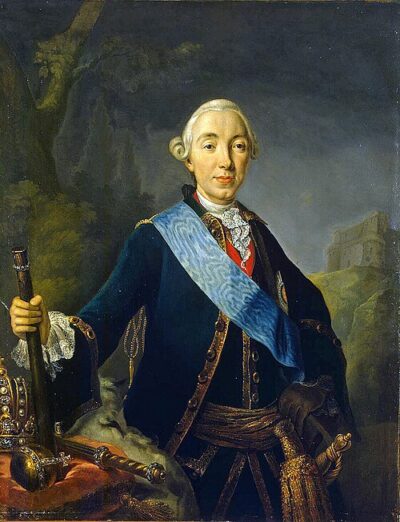 Peter III of RussiaThe seventh Emperor of Russia, 1762 (lived 1728-1762)
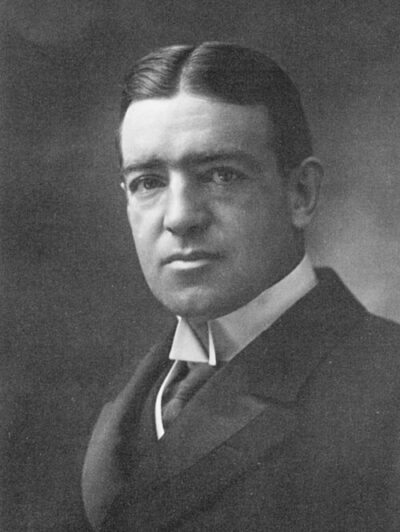 Ernest ShackletonAnglo-Irish Antarctic explorer (1874–1922)
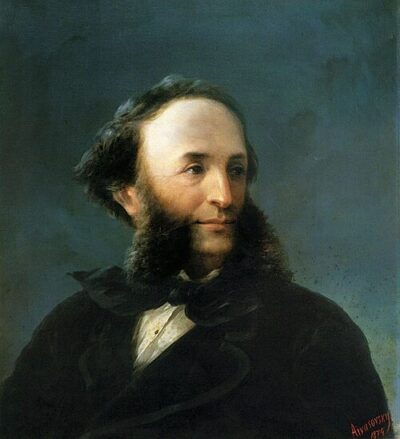 Ivan AivazovskyRussian marine painter (1817–1900)
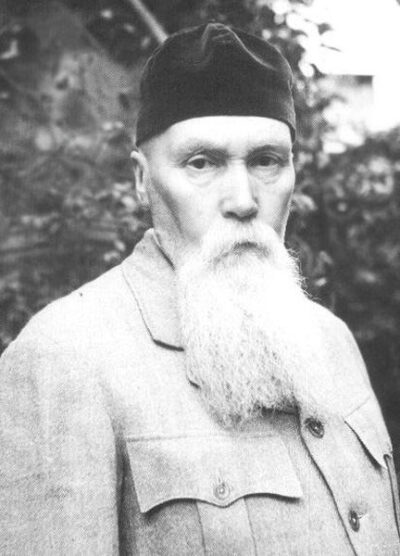 Nicholas RoerichRussian painter, writer, archaeologist and philosopher (1874–1947)
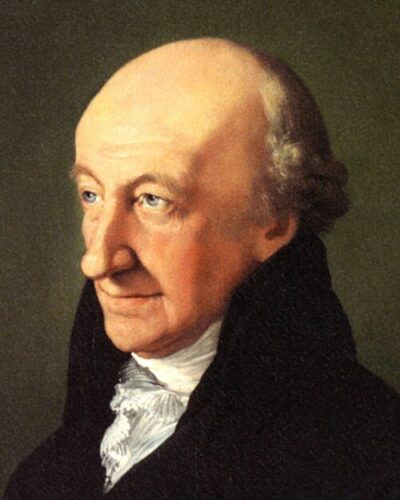 Christoph Martin WielandGerman poet and writer (1733–1813)
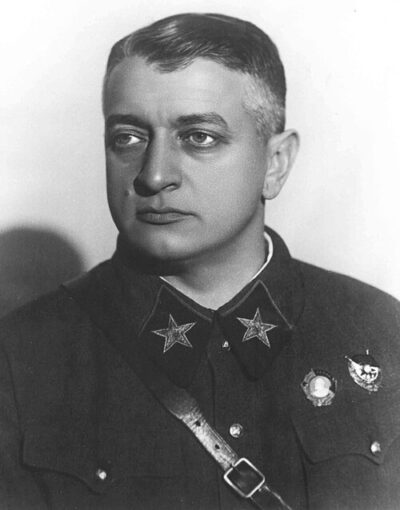 Mikhail TukhachevskyMarshal of the Soviet Union (1893—1937)
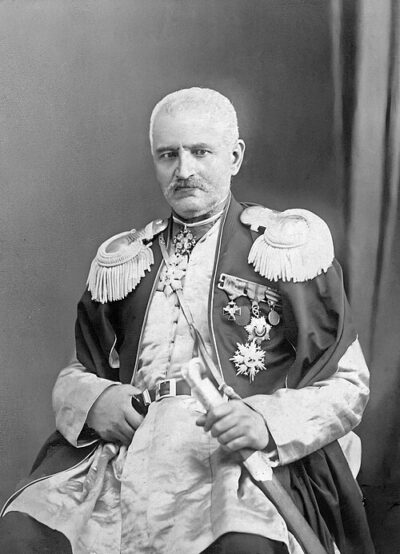 Mirza Fatali AkhundovIranian Azerbaijani playwright and literary critic
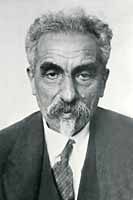 Nikolai MarrGeorgian ethnologist and linguist (1864–1934)
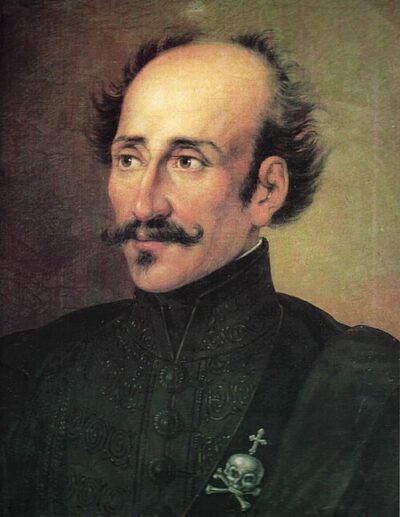 Alexander YpsilantisGreek general (1792-1828)
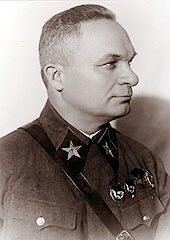 Alexander Ilyich YegorovMarshal of the Soviet Union (1883-1939)
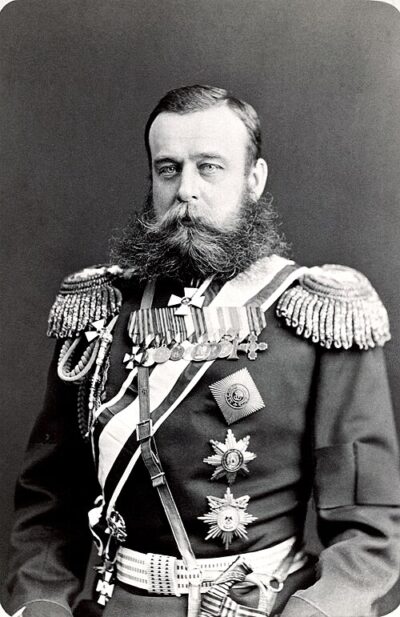 Mikhail SkobelevRussian general (1843–1882)
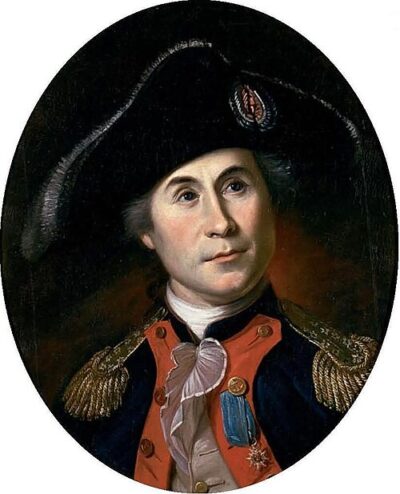 John Paul JonesAmerican naval officer (1747–1792)
and 7 more
