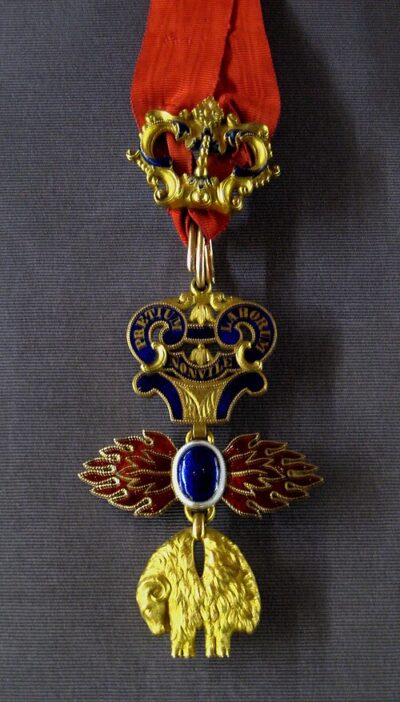
Order of the Golden Fleece
Order of the Golden Fleece is a Catholic order of chivalry. It was created in 1430 by Philip III the Good. It is given by Monarch of Spain.
- Given by
- Monarch of Spain
- Country
- Duchy of Burgundy
- Created
- 1430
All 8 facts, and where they come from
Facts
8 facts · 0 confirmed by two sources · 4 cited · 4 from one source
Where this comes from
Papalocal keeps its own record. It started from these sources; what each one said is kept here as it was copied, so a change on their side never changes this page by itself. Tap one to read its version.
What Wikidata says · copied November 17, 2026 · revision 2520445491
- Described as
- Catholic order of chivalry
- What it is
- order of chivalry · 1 reference
- Created by
- Philip III the Good
- Created
- 1430 · 1 reference
- Founded by
- Philip III the Good · 1 reference
- Country
- Duchy of Burgundy · 1 reference; Spain under the Restoration
- Given by
- Monarch of Spain; House of Habsburg
- Wikipedias with a page
- 51
Wikidata item Q465774 (wikidata.org/wiki/Q465774), public domain (CC0). Copied 2026-11-17.
What Wikipedia says · copied November 17, 2026 · revision 1385724786
The Distinguished Order of the Golden Fleece is a Catholic order of chivalry founded in 1430 in Bruges by Philip the Good, Duke of Burgundy, to celebrate his marriage to Isabella of Portugal. Today, two branches of the order exist: the Spanish Fleece and the Austrian Fleece. The current grand masters are King Felipe VI of Spain, head of the House of Bourbon-Anjou and Karl von Habsburg, head of the House of Habsburg-Lorraine. The Grand Chaplain of the Austrian branch is Cardinal Christoph Schönborn, Archbishop of Vienna.
The separation of the two existing branches took place as a result of the War of the Spanish Succession of 1701–1714. The grand master of the order, Charles II of Spain (a Habsburg), had died childless in 1700, and so the right to succeed to the throne of Spain (and incidentally to become the Sovereign of the Order of the Golden Fleece) initiated a continental conflict. On one hand, Charles, brother of Holy Roman Emperor Joseph I, claimed the Spanish crown as an agnatic member of the House of Habsburg, which had inherited the Burgundian titles and had held the Spanish throne for almost two centuries. However, the late king of Spain had named Philip of Bourbon, his sister's grandchild, as his successor in his will. After the conclusion of the war in 1714, the European powers recognized Philip of Bourbon as King of Spain, but the old Burgundian Habsburg territories became the Austrian Netherlands (1714–1797), and with them went the Treasure of the Order and its archive. The two dynasties, the Bourbons of Spain and the Habsburgs of Austria, have ever since continued heading the separate orders of the Golden Fleece.
The Golden Fleece, particularly the Spanish branch, became one of the most prestigious and historic orders of chivalry in the world. De Bourgoing wrote in 1789 that "the number of knights of the Golden Fleece is very limited in Spain, and this is the order, which of all those in Europe, has best preserved its ancient splendour". Each collar is solid gold and is estimated to be worth around €50,000 as of 2018, making it the most expensive chivalrous order. Current knights of the Spanish order include Emperor Emeritus Akihito of Japan, former Tsar Simeon of Bulgaria, and Princess Beatrix of the Netherlands, among 13 others. Knights of the Austrian branch include King Philippe of Belgium, his father former King Albert II, and Grand Duke Henri of Luxembourg, among 22 others.
From the Wikipedia article “Order of the Golden Fleece” (en.wikipedia.org/wiki/Order_of_the_Golden_Fleece), by its contributors, under CC BY-SA 4.0 (creativecommons.org/licenses/by-sa/4.0/). Copied 2026-11-17; not changed.
Confirmed Two sources agree. Cited One source, and it names where it got it. One source One source, without a reference of its own. Sources disagree The sources disagree. We show the best-supported value and keep theirs below.
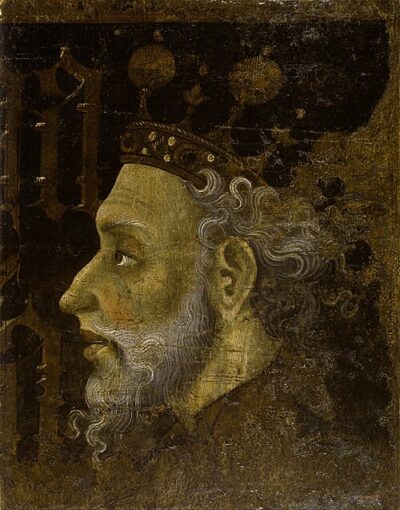
Picture: shakko, via Wikimedia Commons · CC BY-SA 3.0
People connected 44
Won it 43
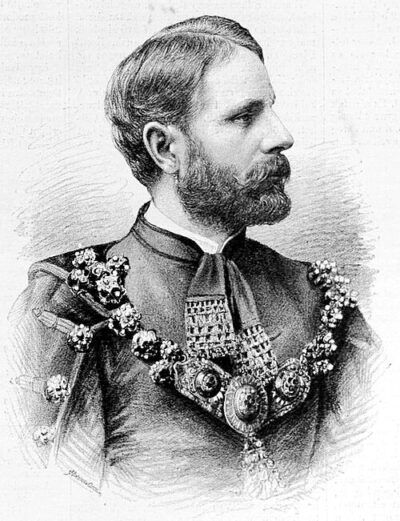 Károly Khuen-Héderváry (1891)Hungarian politician (1849-1918)
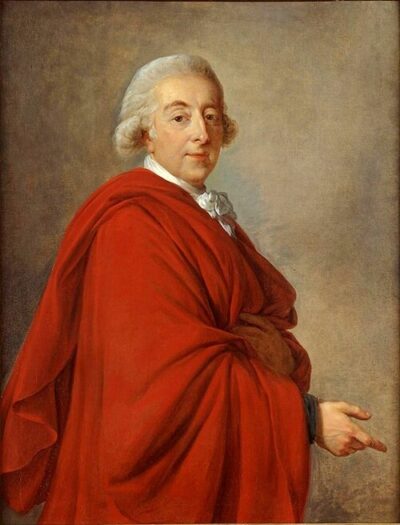 Adam Kazimierz Czartoryski (1808)Polish noble, writer, literary critic (1734–1823)
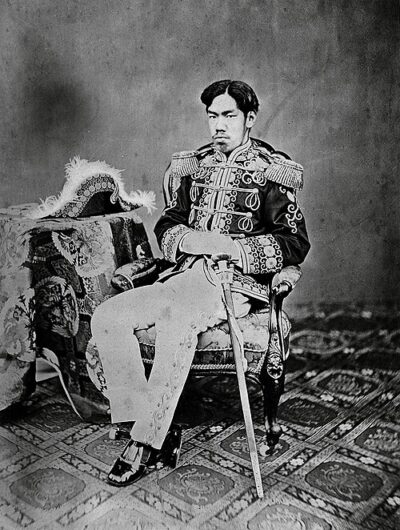 Emperor MeijiEmperor of Japan from 1867 until 1912
 Enrique IglesiasSpanish singer, songwriter and producer (born 1975)
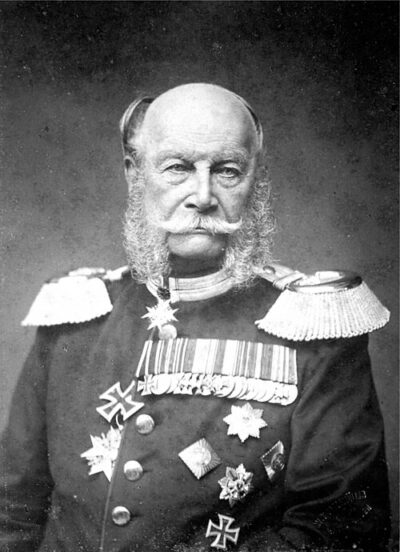 Wilhelm I19th-century German Emperor and King of Prussia (1797–1888)
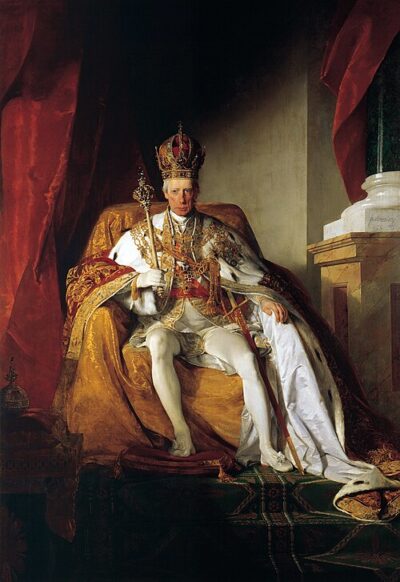 Francis II, Holy Roman Emperoralso known as Francis I, Emperor of Austria (1768-1835)
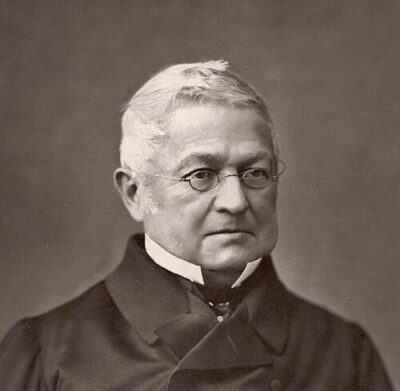 Adolphe ThiersPresident of France from 1871 to 1873 (1797-1877)
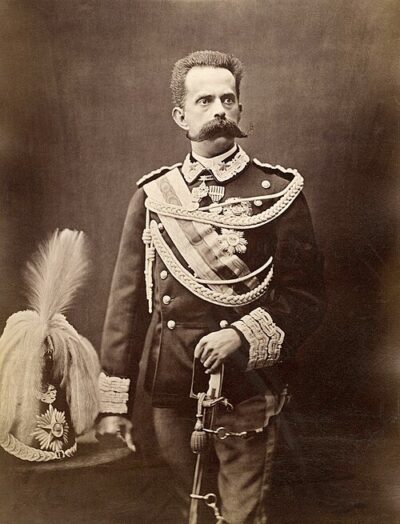 Umberto I of Italyking of Italy (1844-1900)
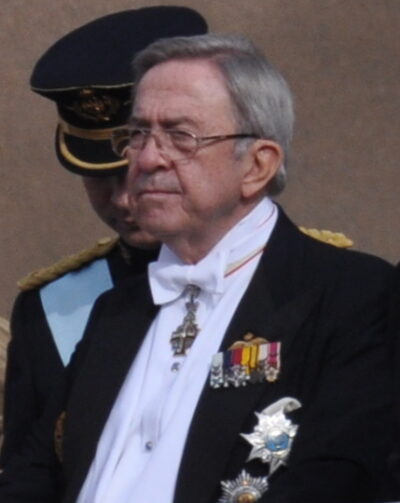 Constantine II of GreeceKing of Greece from 1964 to 1973 (1940–2023)
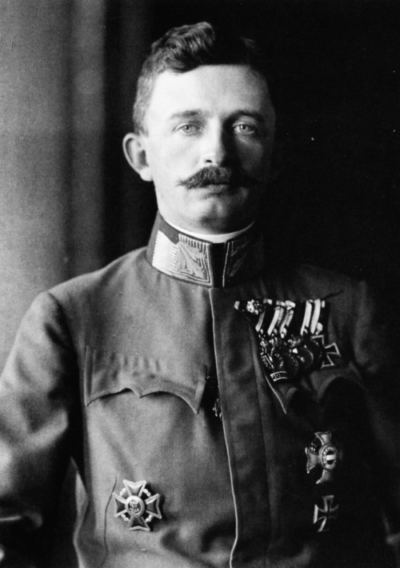 Charles I of AustriaLast monarch of Austria-Hungary (r. 1916–1918)
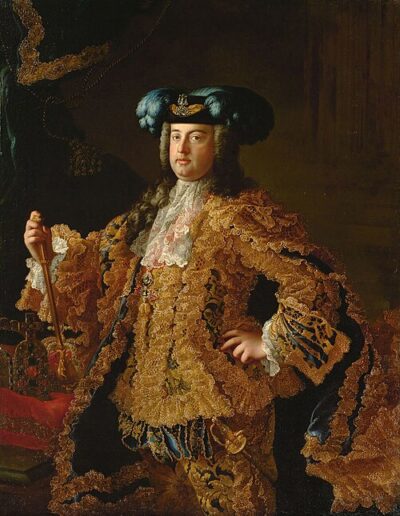 Francis I, Holy Roman EmperorHoly Roman Emperor and Grand Duke of Tuscany (1708-1765).
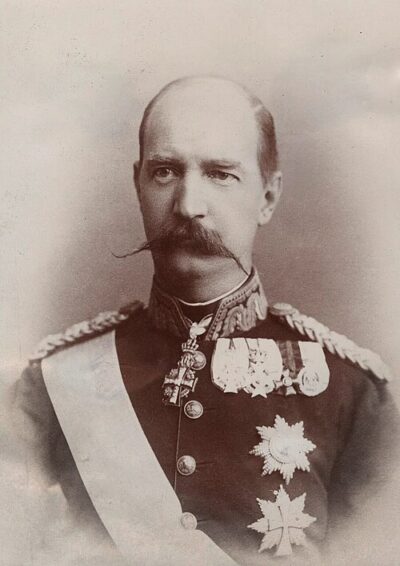 George I of GreeceKing of Greece (r. 1863–1913)
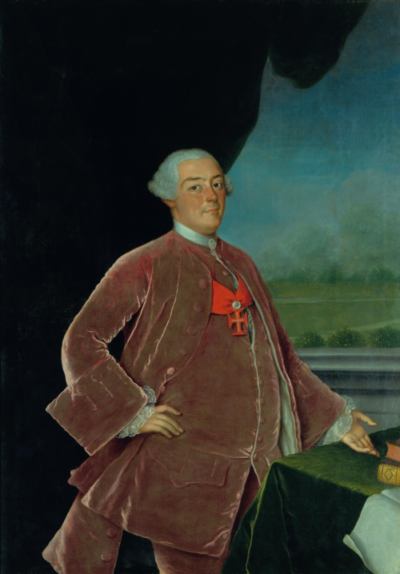 Pedro III of Portugalking of Portugal
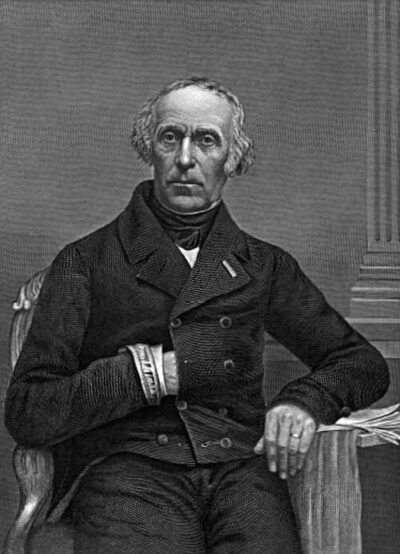 François GuizotFrench historian, orator and statesman (1787–1874)
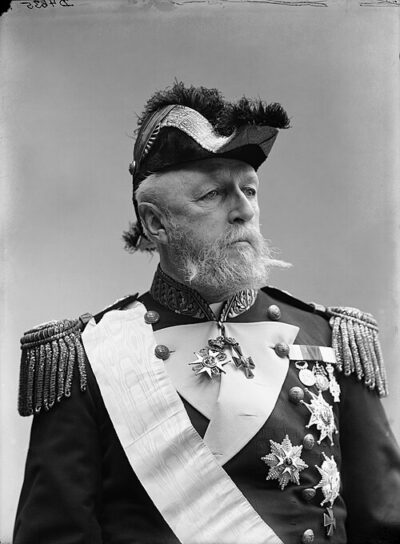 Oscar II of SwedenKing of Sweden from 1872 to 1907 and Norway from 1872 to 1905 (1829–1907)
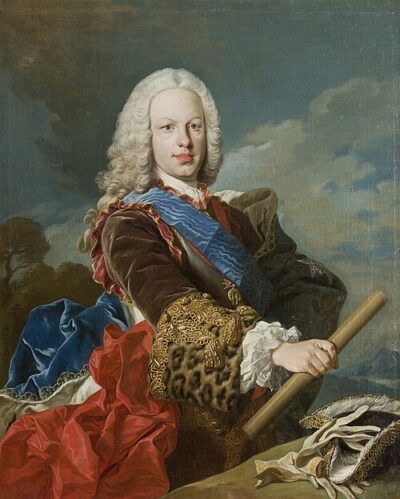 Ferdinand VI of Spainking of Spain, lived (1713-1759)
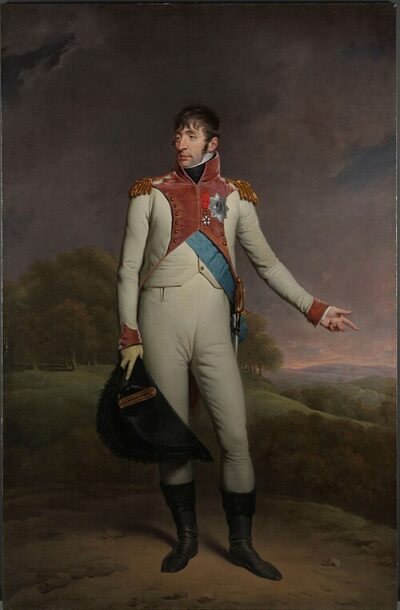 Louis Bonaparteking of Holland, brother of Napoleon Bonaparte, member of the House of Buonaparte (1778-1846)
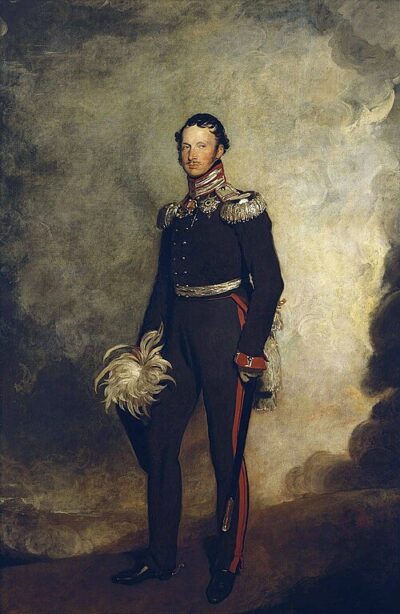 Frederick William III of PrussiaKing of Prussia from 1797 to 1840
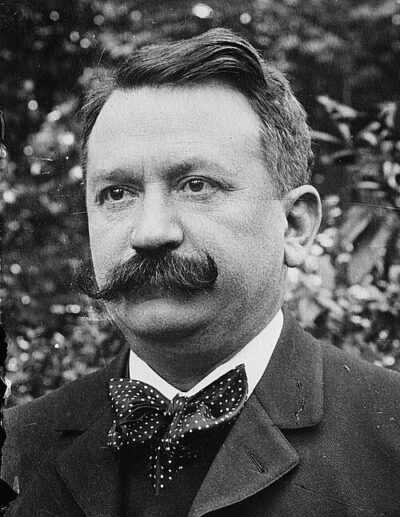 Gaston DoumergueFrench lawyer and statesman (1863–1937)
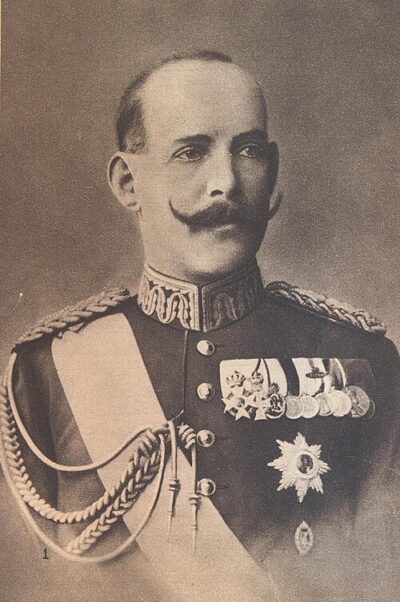 Constantine I of GreeceKing of Greece (r. 1913–17; 1920–22)
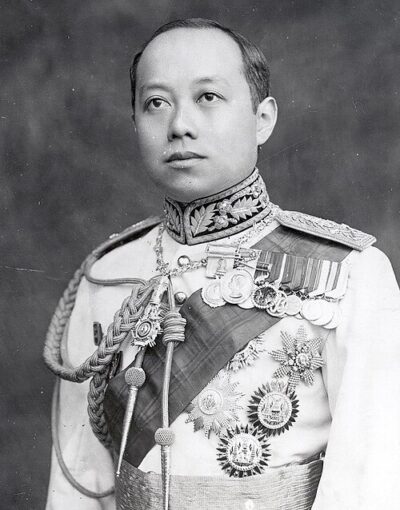 VajiravudhKing of Siam from 1910 to 1925
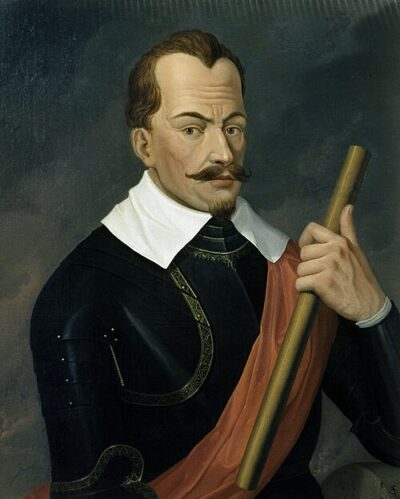 Albrecht von WallensteinBohemian military leader and statesman who fought on the Catholic side during the Thirty Years' War (1583-1634)
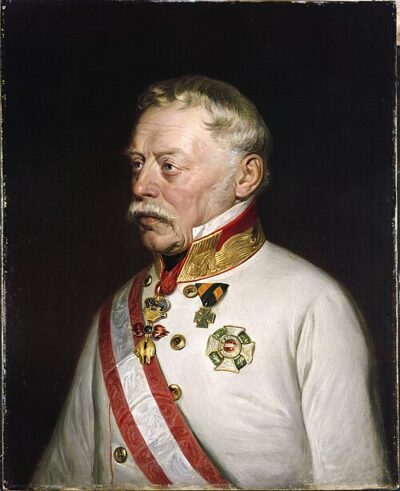 Joseph Radetzky von RadetzCzech nobleman and Austrian general (1766-1858)
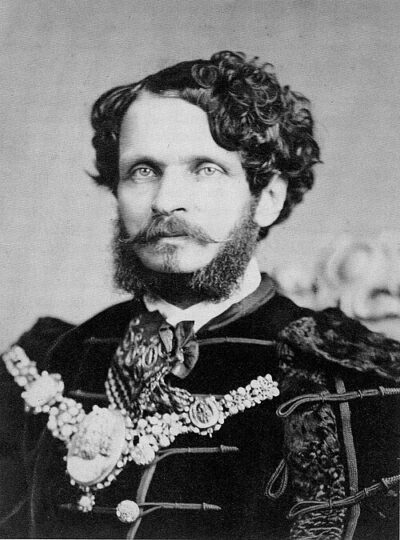 Gyula AndrássyHungarian statesman (1823–1890)
and 19 more