
Royal Medal
Royal Medal is a silver-gilt medal, of which three are awarded each year by the Royal Society. It was created in 1826. It is given by the Royal Society of London.
- Given by
- Royal Society of London
- Country
- United Kingdom
- Created
- 1826
All 5 facts, and where they come from
Facts
5 facts · 0 confirmed by two sources · 0 cited · 5 from one source
Where this comes from
Papalocal keeps its own record. It started from these sources; what each one said is kept here as it was copied, so a change on their side never changes this page by itself. Tap one to read its version.
What Wikidata says · copied November 16, 2026 · revision 2551647730
- Described as
- silver-gilt medal, of which three are awarded each year by the Royal Society
- Other names
- The King's Medal, King's Medal, The Queen's Medal, Queen's Medal
- What it is
- science award
- Created
- 1826
- Country
- United Kingdom
- Given by
- Royal Society of London
- Official website
- https://royalsociety.org/grants-schemes-awards/awards/royal-medal/
- Wikipedias with a page
- 30
Wikidata item Q746756 (wikidata.org/wiki/Q746756), public domain (CC0). Copied 2026-11-16.
What Wikipedia says · copied November 16, 2026 · revision 1379018391
The Royal Medal, also known as The Queen's Medal and The King's Medal (depending on the gender of the monarch at the time of the award), is a silver-gilt medal, of which three are awarded each year by the British Royal Society. Two are given for "the most important contributions to the advancement of natural knowledge," and one for "distinguished contributions in the applied sciences", all of which are done within the Commonwealth of Nations.
From the Wikipedia article “Royal Medal” (en.wikipedia.org/wiki/Royal_Medal), by its contributors, under CC BY-SA 4.0 (creativecommons.org/licenses/by-sa/4.0/). Copied 2026-11-16; not changed.
Confirmed Two sources agree. Cited One source, and it names where it got it. One source One source, without a reference of its own. Sources disagree The sources disagree. We show the best-supported value and keep theirs below.
People connected 102
Won it 102
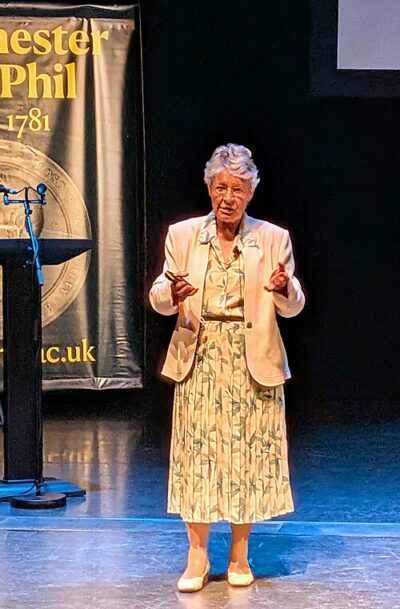 Jocelyn Bell Burnell (2015)British astrophysicist (born 1943)
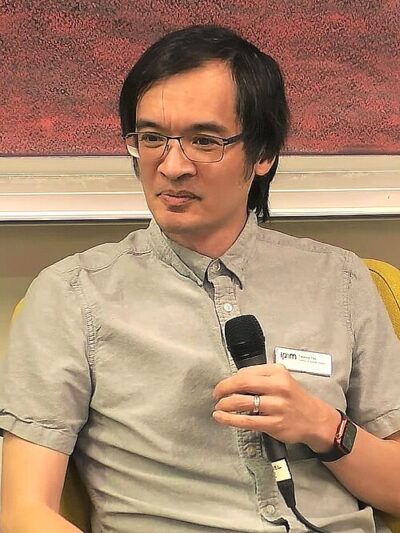 Terence Tao (2014)Australian-American mathematician
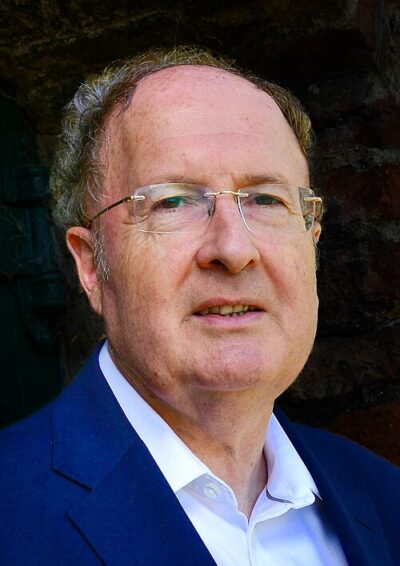 Greg Winter (2011)British biochemist (born 1951)
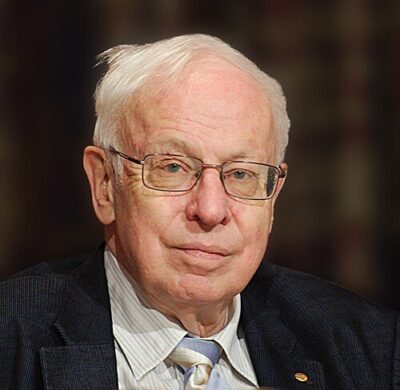 Tomas Lindahl (2007)Nobel prize winning Swedish biologist
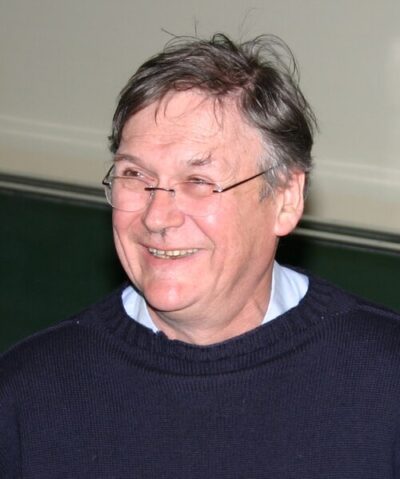 Tim Hunt (2006)Biochemist; Nobel laureate
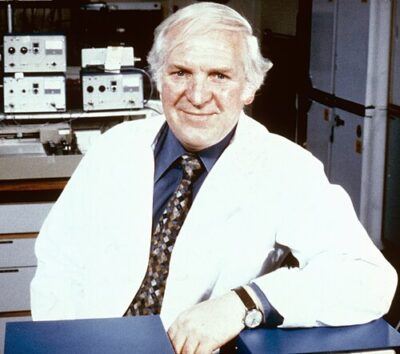 James Black (2004)Scottish doctor and pharmacologist (1924–2010)
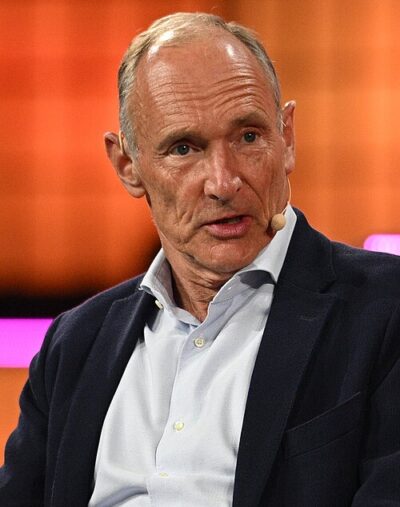 Tim Berners-Lee (2000)English computer scientist (born 1955)
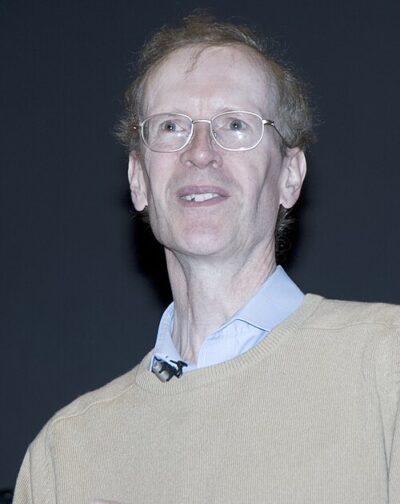 Andrew Wiles (1996)English mathematician (1953–)
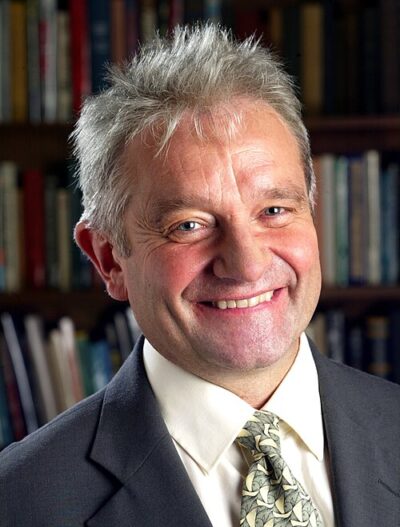 Paul Nurse (1995)Nobel prize winning British biochemist
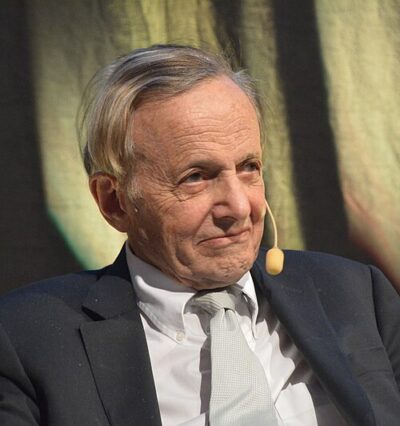 John Polanyi (1989)Hungarian-Canadian chemist
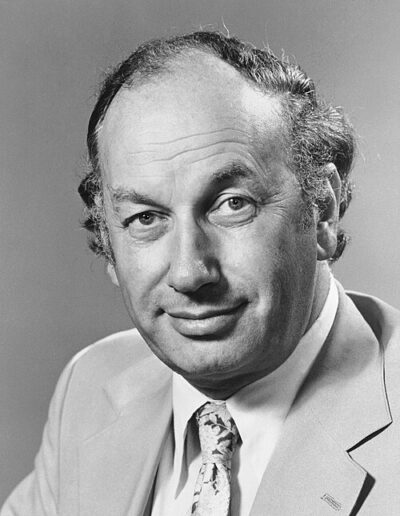 John Vane (1989)English pharmacologist (1927-2004)
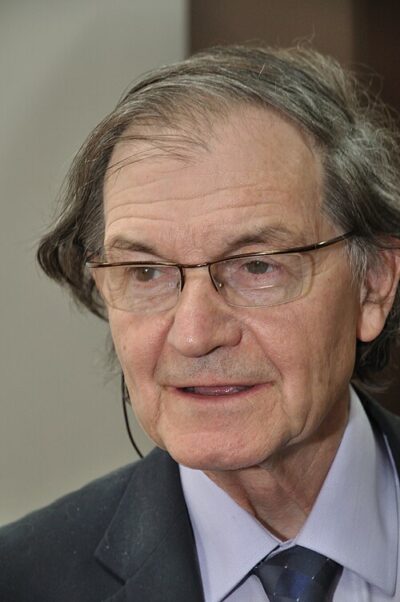 Roger Penrose (1985)English mathematical physicist, recreational mathematician and philosopher
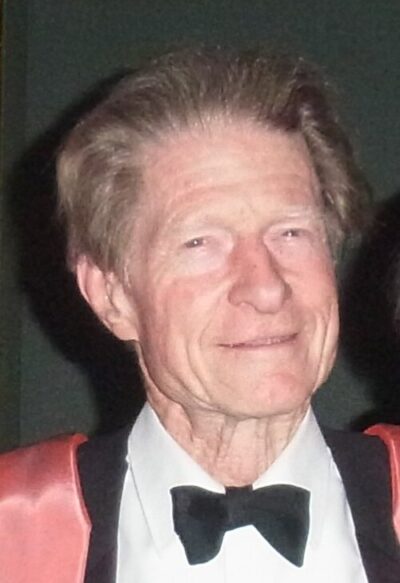 John Gurdon (1985)British developmental biologist (1933–2025)
 César Milstein (1982)Argentine biochemist (1927–2002)
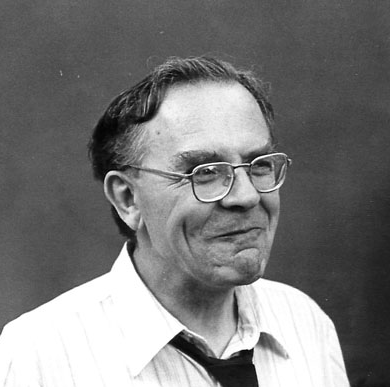 Geoffrey Wilkinson (1981)British Nobel laureate in Chemistry
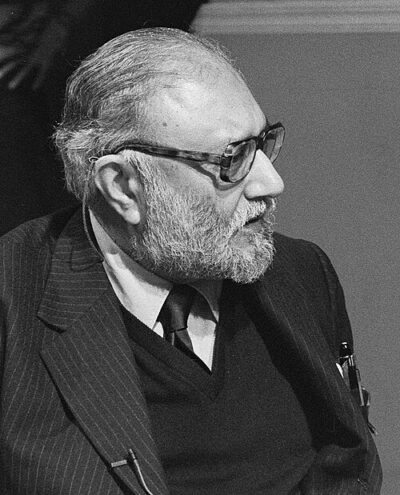 Abdus Salam (1978)theoretical physicist, and Nobel Prize in Physics recipient
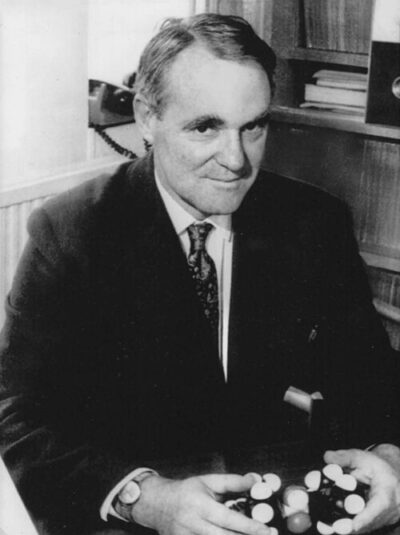 John Cornforth (1976)Australian-British chemist
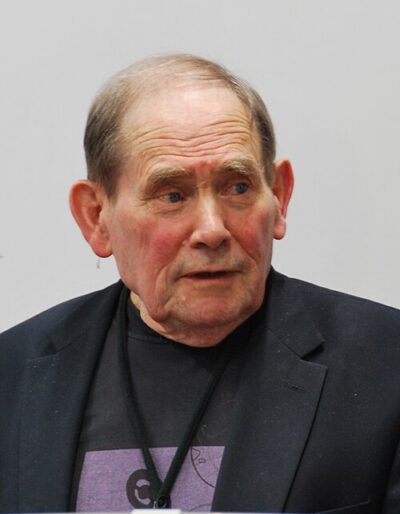 Sydney Brenner (1974)South African-British biologist, Nobel prize in Physiology or Medicine 2002 (1927–2019)
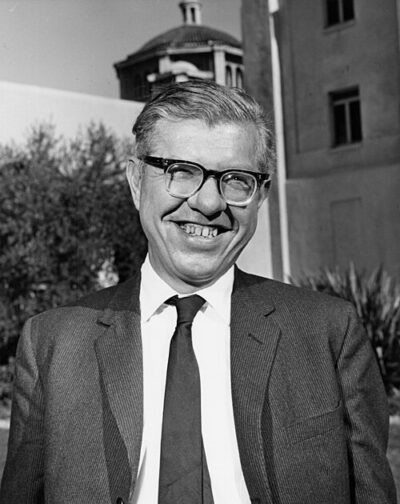 Fred Hoyle (1974)British astronomer (1915–2001)
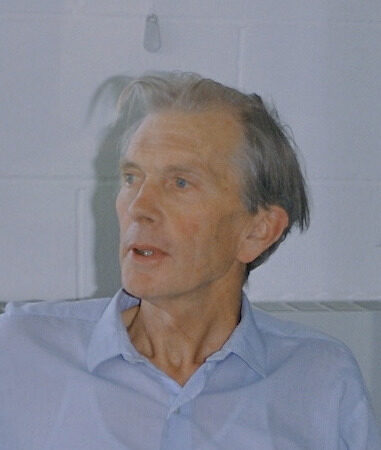 Martin Ryle (1973)English radio astronomer (1918–1984)
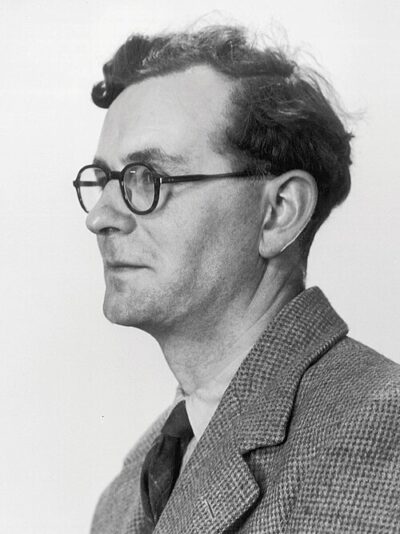 Rodney Robert Porter (1973)English biochemist and Nobel laureate (1917–1985)
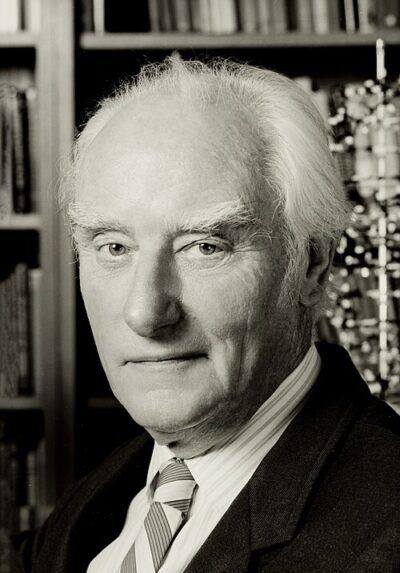 Francis Crick (1972)British molecular biologist, biophysicist, neuroscientist; co-discoverer of the structure of DNA (1916–2004)
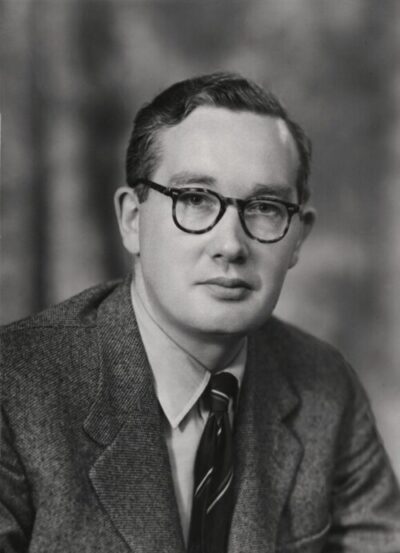 Derek Barton (1972)English organic chemist (1918–1998)
 Max Perutz (1971)Austrian-born British molecular biologist (1914-2002)
and 78 more
