
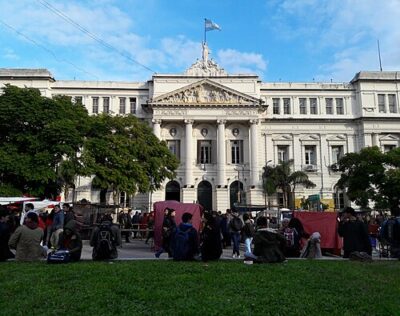
University of Buenos Aires
The University of Buenos Aires is a public research university in Buenos Aires, Argentina. It was founded in 1821 by Martín Rodríguez and Bernardino Rivadavia. 367,762 students study there (2023).
- Located in
- Buenos Aires
- Country
- Argentina
- Founded
- August 12, 1821
- Students
- 367,762 (2023)
- What it is
- public university
All 9 facts, and where they come from
Facts
9 facts · 0 confirmed by two sources · 3 cited · 6 from one source
Where this comes from
Papalocal keeps its own record. It started from these sources; what each one said is kept here as it was copied, so a change on their side never changes this page by itself. Tap one to read its version.
What Wikidata says · copied November 16, 2026 · revision 2535209873
- Described as
- public research university in Buenos Aires, Argentina
- Other names
- Universidad de Buenos Aires, UBA
- What it is
- public university; open-access publisher · 1 reference
- Founded
- August 12, 1821
- Founded by
- Martín Rodríguez · 1 reference; Bernardino Rivadavia
- Located in
- Buenos Aires
- Country
- Argentina · 1 reference
- Students
- 262,932 (2011) · 1 reference
- Official website
- https://uba.ar
- Wikipedias with a page
- 62
Wikidata item Q194223 (wikidata.org/wiki/Q194223), public domain (CC0). Copied 2026-11-16.
What Wikipedia says · copied November 16, 2026 · revision 1375712598
The University of Buenos Aires (Spanish: Universidad de Buenos Aires, UBA) is a public research university in Buenos Aires, Argentina. It is the second-oldest university in the country, and the largest university in the country by enrollment. Established in 1821, the UBA has educated 17 Argentine presidents, produced four of the country's five Nobel Prize laureates, and is responsible for approximately 40% of the country's research output.
The university's academic strength and regional leadership make it attractive to many international students, especially at the postgraduate level. Just over 4 percent of undergraduates are foreigners, while 15 percent of postgraduate students come from abroad. The Faculty of Economic Sciences has the highest rate of international postgraduate students at 30 percent, in line with its reputation as a "top business school with significant international influence."
The University of Buenos Aires enrolls more than 328,000 students and is organized into 13 independent faculties. It administers 6 hospitals, 16 museums, 13 scientific institutes, interdisciplinary commissions, 5 high schools, the Ricardo Rojas Cultural Center, the Cosmos Cinema, the University of Buenos Aires Symphony Orchestra, and Eudeba (Editorial Universitaria de Buenos Aires), the country's largest university press.
Since 1949, all of the undergraduate programs at the University of Buenos Aires are free of charge for everyone, regardless of nationality. Tuition from postgraduate programs helps fund the UBA's social mission to provide free university education for all.
From the Wikipedia article “University of Buenos Aires” (en.wikipedia.org/wiki/University_of_Buenos_Aires), by its contributors, under CC BY-SA 4.0 (creativecommons.org/licenses/by-sa/4.0/). Copied 2026-11-16; not changed.
Confirmed Two sources agree. Cited One source, and it names where it got it. One source One source, without a reference of its own. Sources disagree The sources disagree. We show the best-supported value and keep theirs below.
Picture: JonySniuk, via Wikimedia Commons · CC BY-SA 4.0
People connected 53
Studied here 40
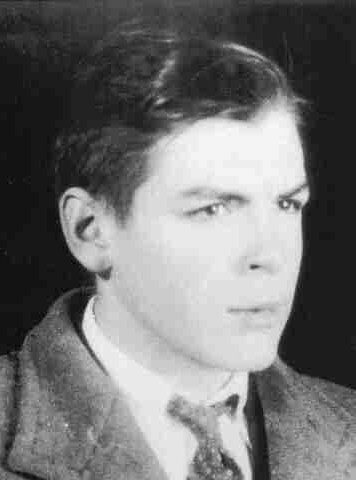 Che Guevara (1948–1953)Argentine Marxist revolutionary (1928–1967)
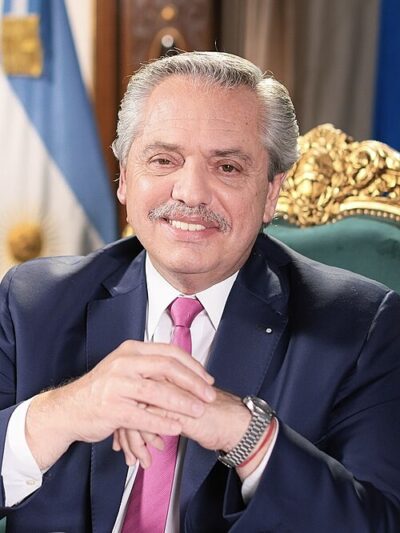 Alberto Fernández (1983)president of Argentina from 2019 to 2023
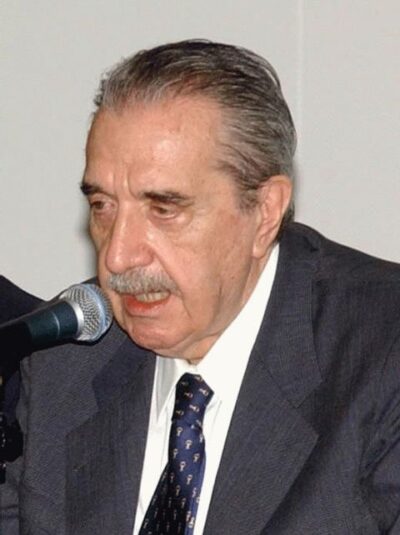 Raúl AlfonsínArgentine politician
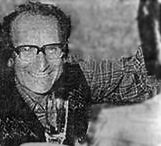 César MilsteinArgentine biochemist (1927–2002)
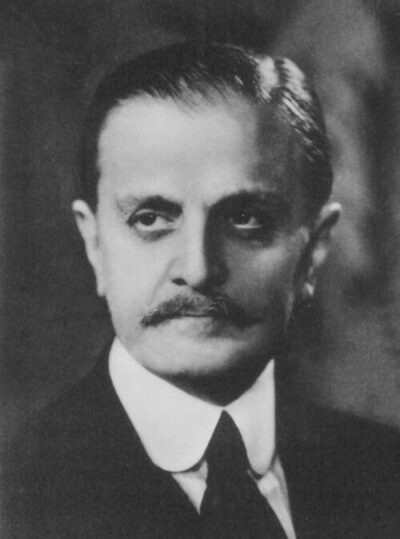 Carlos Saavedra LamasArgentine politician (1878-1959)
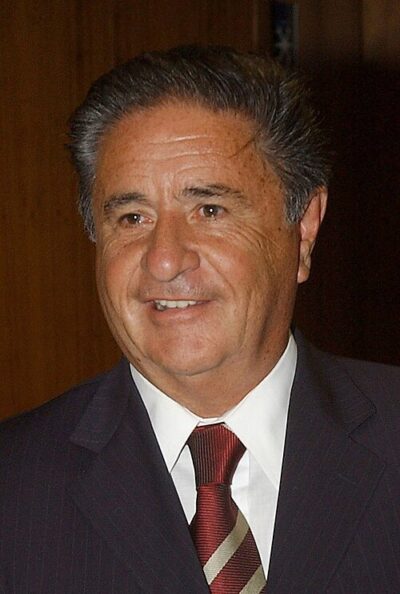 Eduardo DuhaldePresident of Argentina from 2002 to 2003
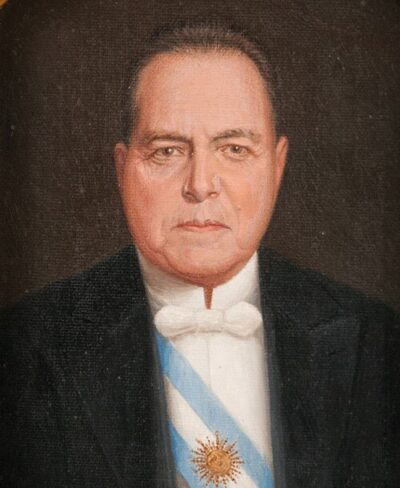 Hipólito Yrigoyenpresident of Argentina (1852-1937)
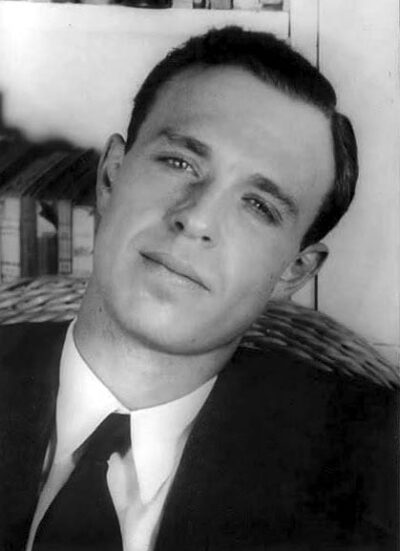 Adolfo Bioy CasaresArgentine novelist (1914-1999)
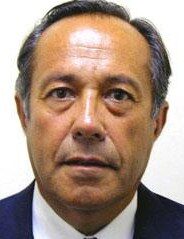 Adolfo Rodríguez SaáPresident of Argentina in 2001
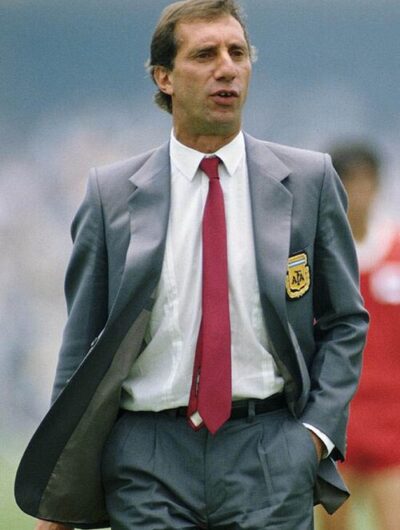 Carlos BilardoArgentine association football player and manager
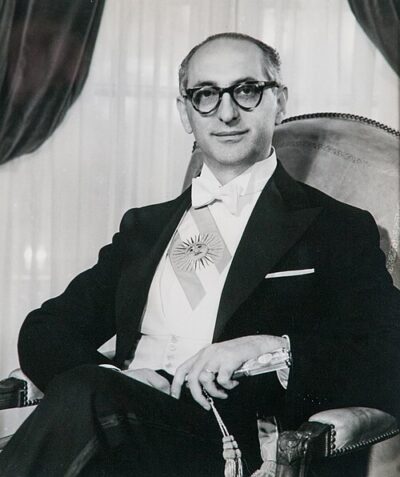 Arturo FrondiziPresident of Argentina (1908–1995)
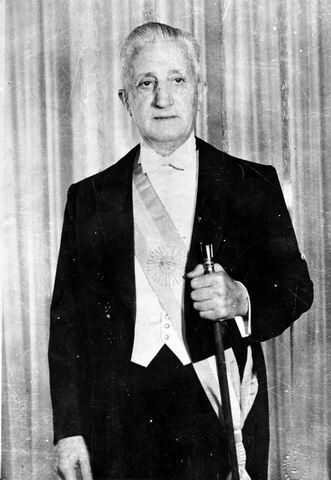 Arturo Umberto IlliaPresident of Argentina (1900-1983)
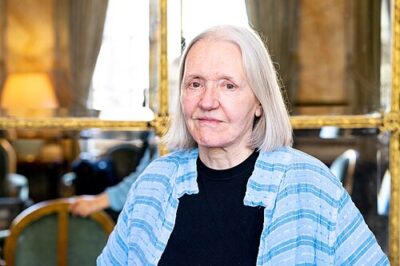 Saskia SassenDutch-American sociologist
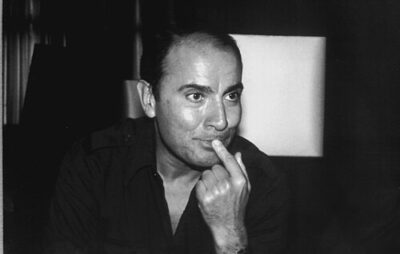 Manuel PuigArgentine writer (1932-1990)
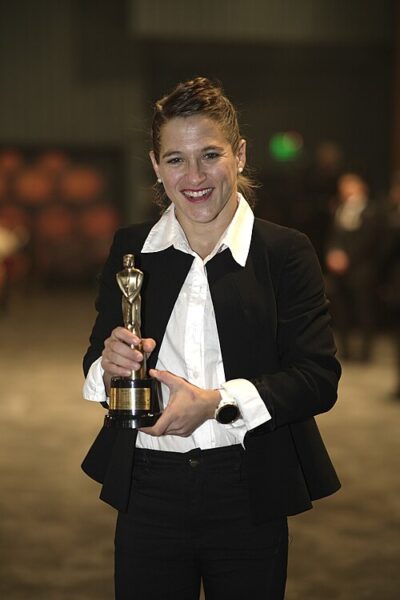 Paula ParetoArgentinian judoka and physician
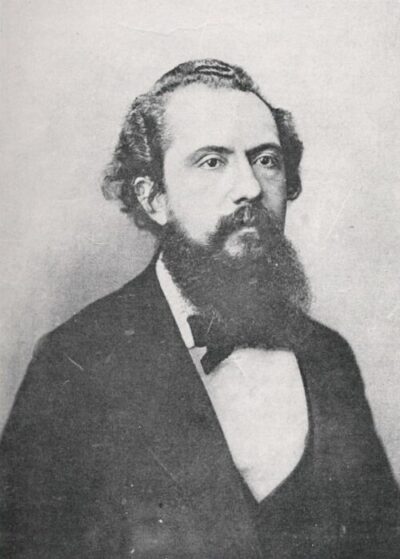 Nicolás AvellanedaArgentinian lawyer, journalist and politician. Former president
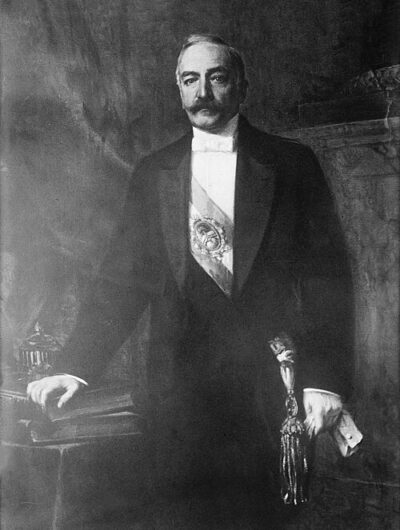 Roque Sáenz PeñaArgentine politician, president of Argentina (1851-1914)
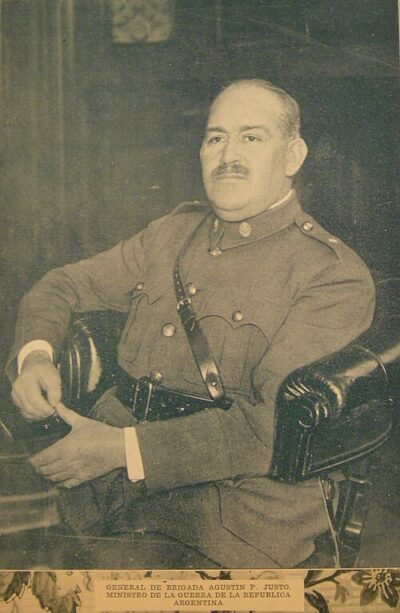 Agustín Pedro Justoformer President of Argentina (1876-1943)
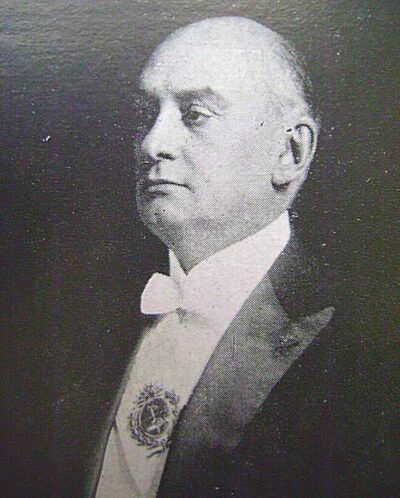 Marcelo Torcuato de AlvearArgentine politician, former president of Argentina (1868-1942)
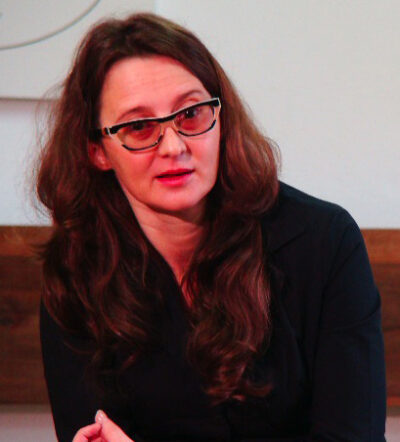 Lucrecia MartelArgentine film director, screenwriter and film producer
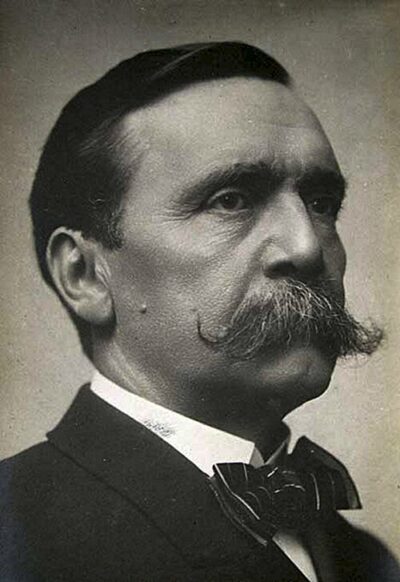 Carlos PellegriniLawyer, journalist and former president of Argentina (1846-1906)
 Luis CaffarelliArgentine mathematician
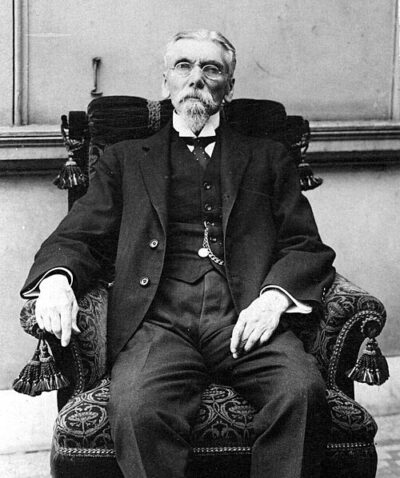 José Evaristo UriburuPresident of Argentina (1831-1914)
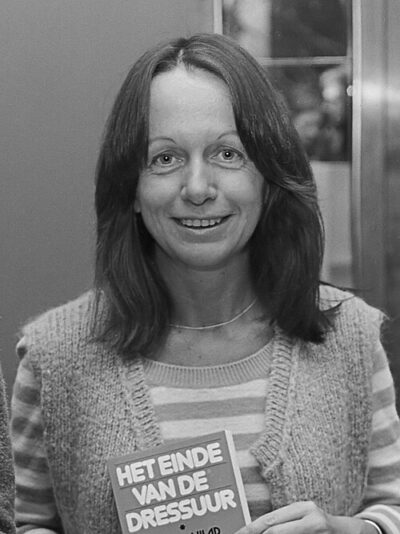 Esther VilarArgentine writer
and 16 more
Worked here
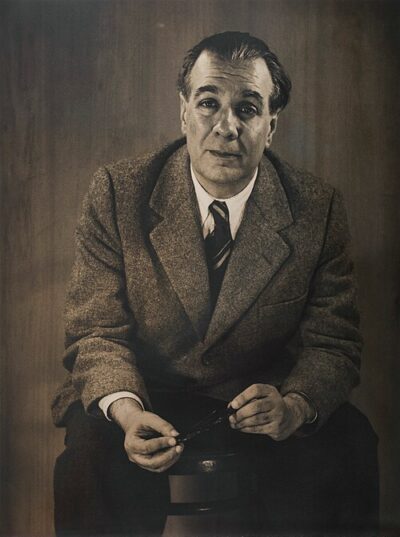 Jorge Luis BorgesArgentine writer, essayist, poet and translator (1899–1986)
- Alberto Fernándezpresident of Argentina from 2019 to 2023
 Ernesto SabatoArgentine writer, painter and physicist (1911-2011)
 Bernardo HoussayArgentine physician (1887–1971)
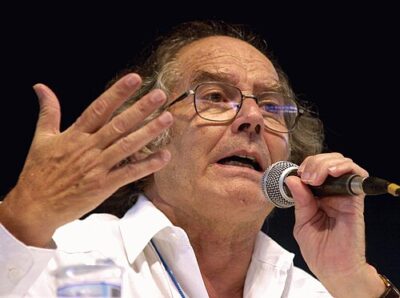 Adolfo Pérez EsquivelArgentine activist, architect and sculptor
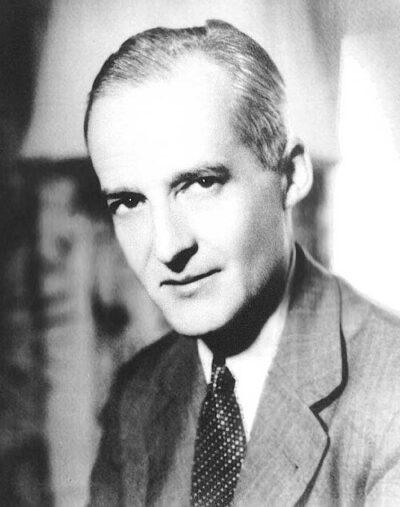 Luis Federico Leloir (1958–1987)Argentine biochemist
- César MilsteinArgentine biochemist (1927–2002)
- Carlos Saavedra LamasArgentine politician (1878-1959)
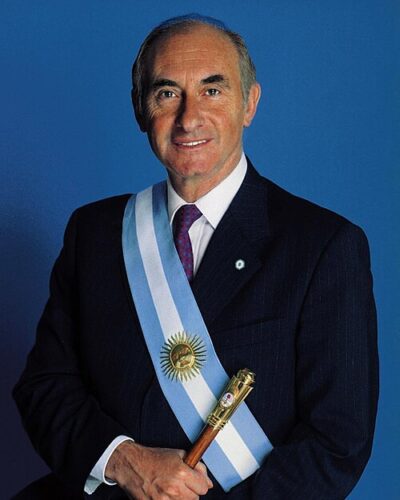 Fernando de la Rúapresident of Argentina from 1999 to 2001
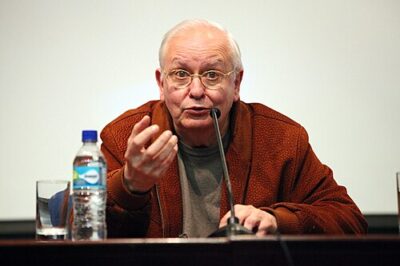 Ernesto LaclauArgentine philosopher and political theorist (1935-2014)
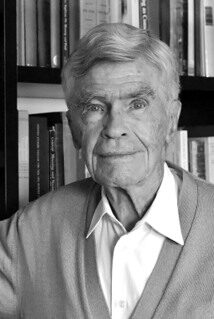 Mario BungeArgentine-Canadian philosopher (1919-2020)
- Nicolás AvellanedaArgentinian lawyer, journalist and politician. Former president
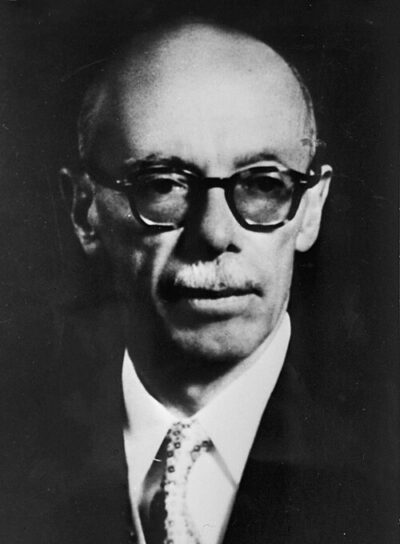 José María Velasco IbarraPresident of Ecuador (1934 - 1935) / (1944 - 1947) / (1952 - 1956) / (1960 - 1961) / (1968 - 1972)
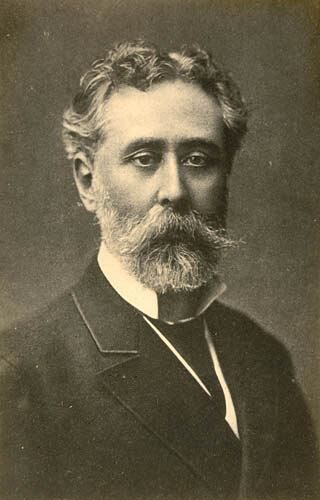 Manuel QuintanaArgentine politician (1835–1906)
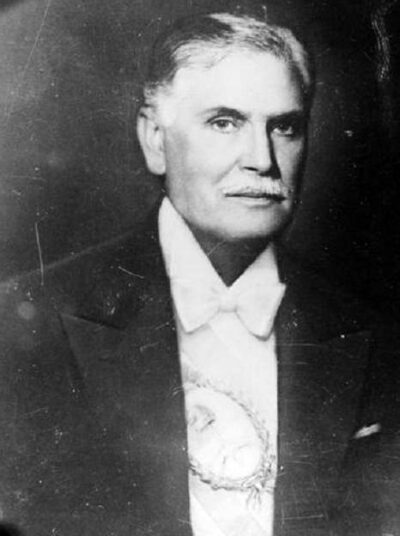 Ramón Castilloformer President of Argentina (1873-1944)
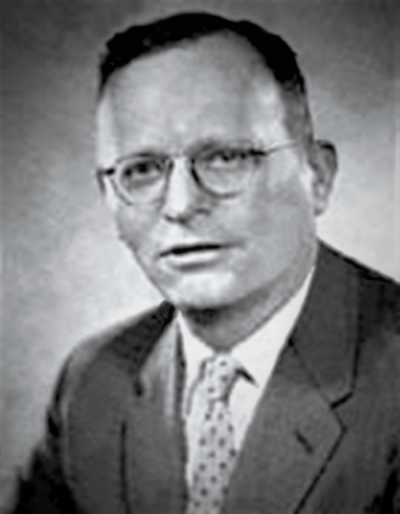 Rolf SingerGerman mycologist (1906–1994)
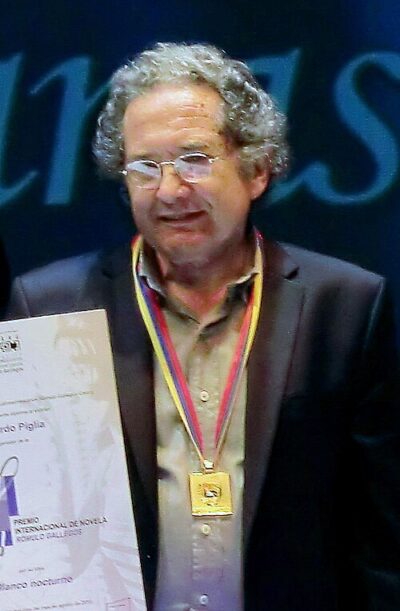 Ricardo Piglia (1990–2000)Argentine writer (1941–2017)
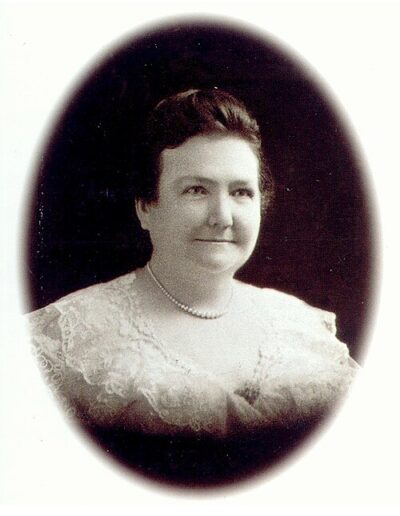 Cecilia GriersonArgentine physician (1859-1934)
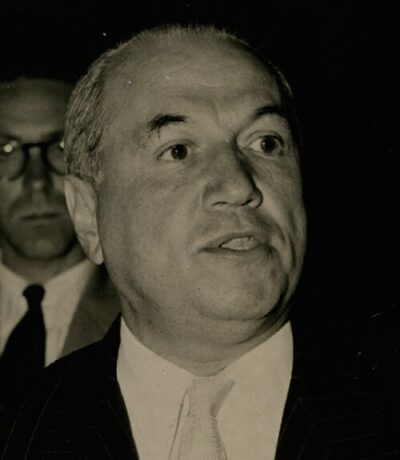 Raúl PrebischArgentine economist (1901-1986)
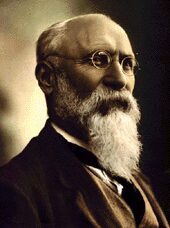 Carlos Luigi SpegazziniArgentine mycologist (1858-1926)
