
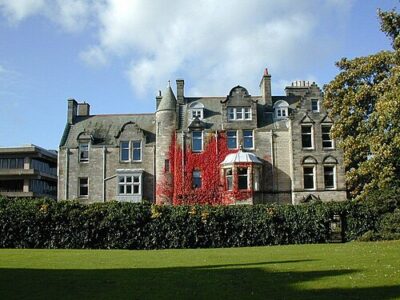
University of St Andrews
The University of St Andrews is a university in St Andrews, Fife, Scotland, UK. It was founded in 1413 by Henry Wardlaw. 10,425 students study there (2021).
- Located in
- Fife
- Country
- United Kingdom
- Founded
- 1413
- Students
- 10,425 (2021)
- What it is
- public university
All 10 facts, and where they come from
Facts
10 facts · 0 confirmed by two sources · 4 cited · 6 from one source
Where this comes from
Papalocal keeps its own record. It started from these sources; what each one said is kept here as it was copied, so a change on their side never changes this page by itself. Tap one to read its version.
What Wikidata says · copied November 16, 2026 · revision 2567604224
- Described as
- university in St Andrews, Fife, Scotland, UK
- Other names
- St Andrews University, University of Saint Andrews, University of St. Andrews
- What it is
- public university; ancient university of Scotland; open-access publisher · 1 reference
- Founded
- 1413
- Founded by
- Henry Wardlaw
- Headquarters
- Fife · 1 reference
- Located in
- Fife
- Country
- United Kingdom · 1 reference
- Students
- 8,000 · 1 reference
- Official website
- https://st-andrews.ac.uk
- Wikipedias with a page
- 65
Wikidata item Q216273 (wikidata.org/wiki/Q216273), public domain (CC0). Copied 2026-11-16.
What Wikipedia says · copied November 16, 2026 · revision 1383117287
The University of St Andrews (Scots: University o St Andras, Scottish Gaelic: Oilthigh Chill Rìmhinn; abbreviated as St And in post-nominals) is a public research university in the town of St Andrews in Scotland. It is the oldest of the four ancient universities of Scotland and, following the universities of Oxford and Cambridge, the third-oldest university in the English-speaking world. St Andrews was founded in 1413 when the Antipope Benedict XIII issued a papal bull to a small founding group of Augustinian clergy. Along with the universities of Glasgow, Aberdeen, and Edinburgh, St Andrews was part of the Scottish Enlightenment during the 18th century.
St Andrews is made up of a variety of institutions, comprising three colleges – United College (a union of St Salvator's and St Leonard's Colleges), St Mary's College, and St Leonard's College, the last named being a non-statutory revival of St Leonard's as a post-graduate society. There are 18 academic schools organised into four faculties. The university spans both historic and contemporary buildings scattered across the town. The academic year is divided into two semesters, Martinmas and Candlemas. In term time, over one-third of the town's population are either staff members or students of the university. The student body is known for preserving ancient traditions such as Raisin Weekend, May Dip, and the wearing of distinctive academic dress.
The student body is also notably diverse: over 145 nationalities are represented with about 45% of its intake from countries outside the UK; a tenth of students are from Europe with the remainder from the rest of the world – 20% from North America alone. Undergraduate admissions are among the most selective in the country, with the university having the third-lowest offer rate for 2022 entry (behind only Oxford and Cambridge) and the highest entry standards of new students, as measured by UCAS entry tariff, at 215 points.
St Andrews has many notable alumni and affiliated faculty, including eminent mathematicians, scientists, theologians, philosophers, and politicians. Recent alumni include the former first minister of Scotland Alex Salmond; former Cabinet Secretary Mark Sedwill; former Chief of the Secret Intelligence Service (MI6) Alex Younger; Olympic cycling gold medalist Chris Hoy; Permanent Representative of the United Kingdom to the United Nations Dame Barbara Woodward; and royals William, Prince of Wales, and Catherine, Princess of Wales. Five Nobel laureates are among St Andrews' alumni and former staff: three in Chemistry and two in Physiology or Medicine.
From the Wikipedia article “University of St Andrews” (en.wikipedia.org/wiki/University_of_St_Andrews), by its contributors, under CC BY-SA 4.0 (creativecommons.org/licenses/by-sa/4.0/). Copied 2026-11-16; not changed.
Confirmed Two sources agree. Cited One source, and it names where it got it. One source One source, without a reference of its own. Sources disagree The sources disagree. We show the best-supported value and keep theirs below.
Picture: Wikimedia Commons · CC BY-SA 3.0
People connected 55
Studied here 37
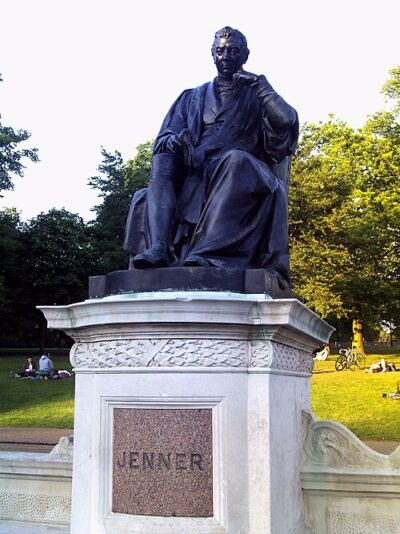 Edward JennerEnglish physician, scientist and pioneer of vaccination (1749–1823)
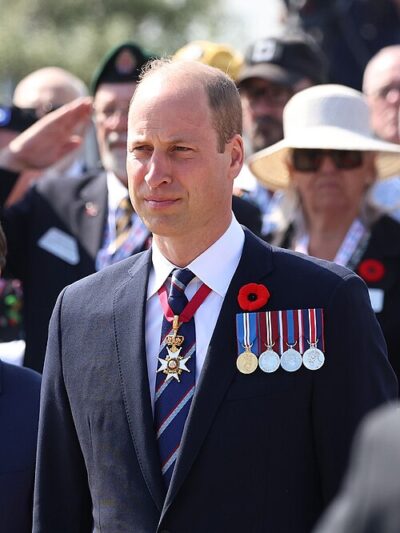 William, Prince of Wales (2001–2005)heir apparent to the throne of the United Kingdom and 14 Commonwealth Realms
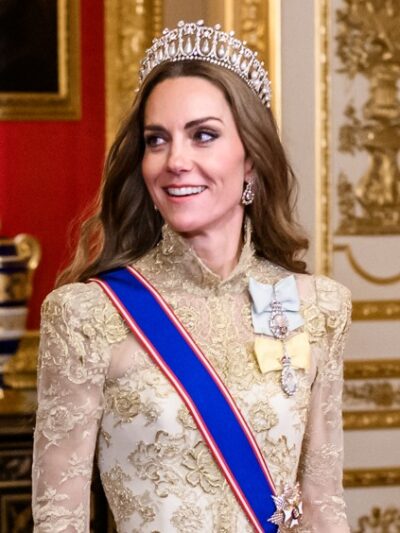 Catherine, Princess of Wales (–2005)member of the British Royal Family and princess of Wales since 2022
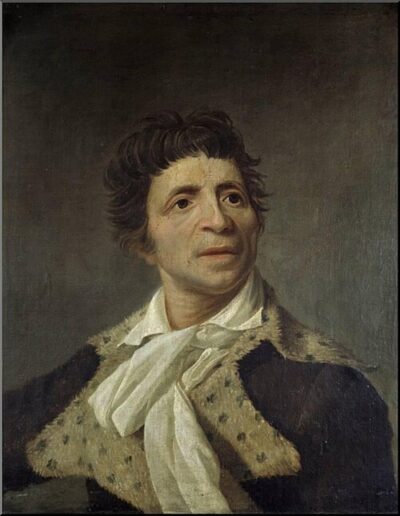 Jean-Paul Maratpolitician and journalist during the French Revolution (1743-1793)
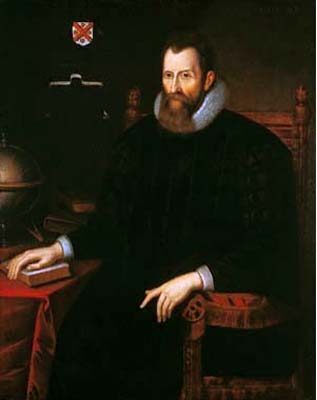 John Napier (1563–)Scottish mathematician, physicist, and astronomer (1550–1617)
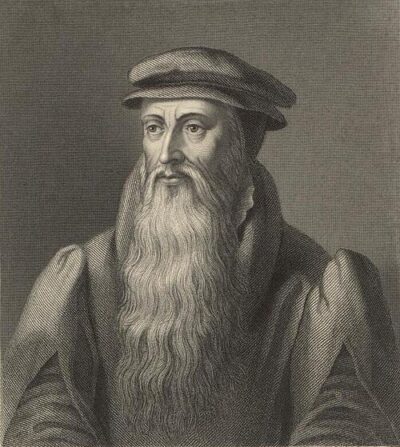 John KnoxScottish clergyman, writer and historian (1514–1572)
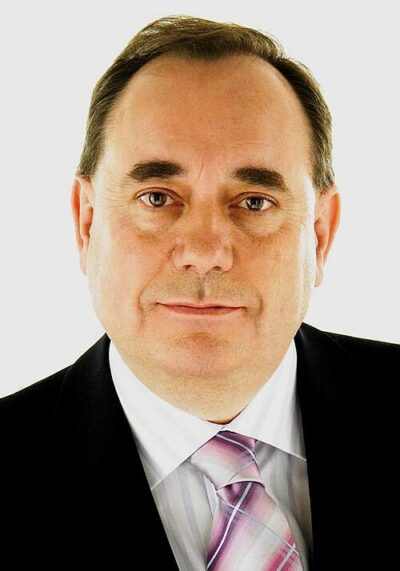 Alex SalmondAlba Party leader and First Minister of Scotland 2007–2014 (1954–2024)
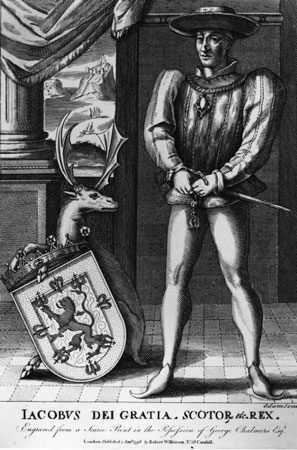 James II of ScotlandKing of Scotland from 1437 to 1460
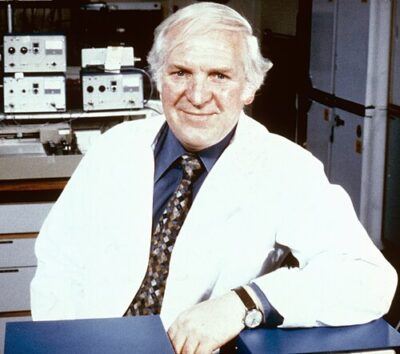 James BlackScottish doctor and pharmacologist (1924–2010)
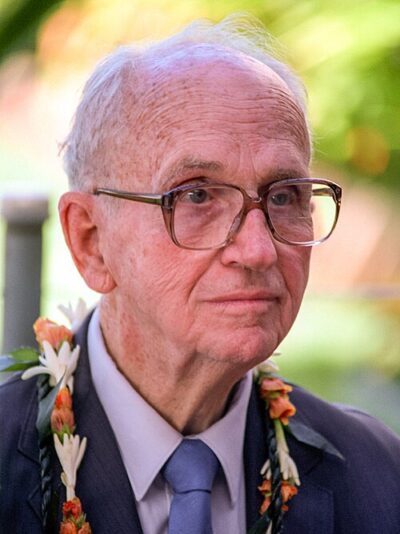 James A. MichenerAmerican author (1907-1997)
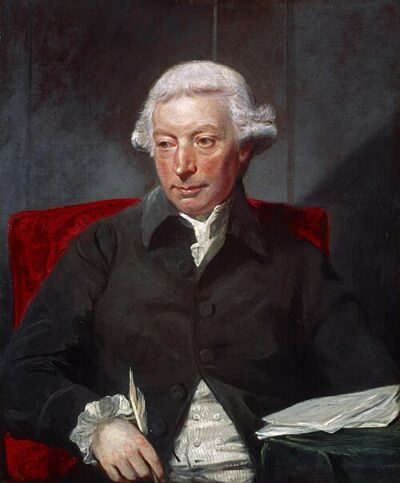 Adam FergusonScottish philosopher and historian; (1723-1816)
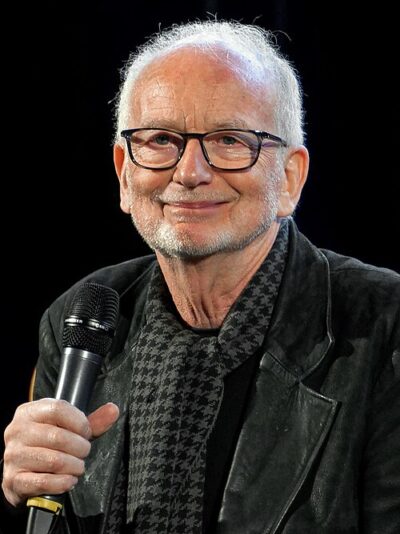 Ian McDiarmidScottish actor and stage director
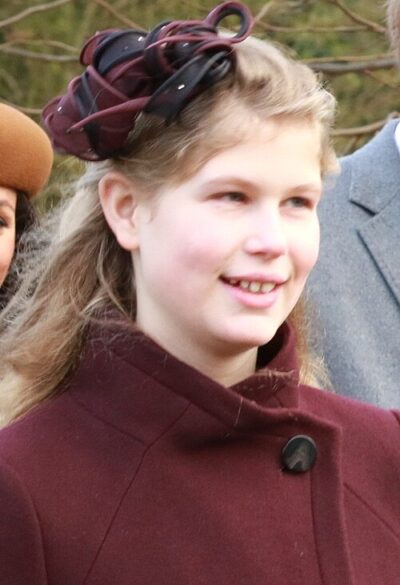 Lady Louise Mountbatten-Windsor (2022–)noblewoman; daughter of Prince Edward, Duke of Edinburgh, and Sophie, Duchess of Edinburgh
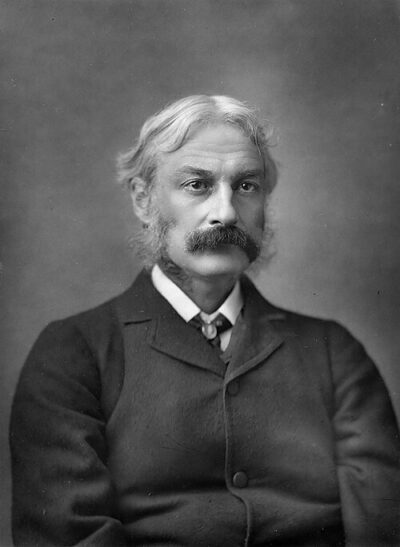 Andrew LangScottish poet, novelist and literary critic (1844–1912)
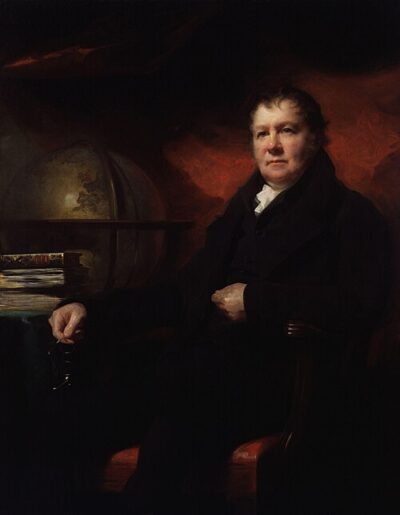 John Playfair (1762–1765)Scottish scientist and mathematician (1748-1819)
- WWilliam Elford LeachEnglish zoologist and marine biologist (1790/1–1836)
 Fay WeldonBritish writer (1931–2023)
 George BuchananScottish historian and humanist scholar (1506–1582)
 John Arbuthnot (–1696)Scottish physician, satirist and polymath in London (1667-1735)
 Danny BlanchflowerNorthern Irish footballer (1926-1993)
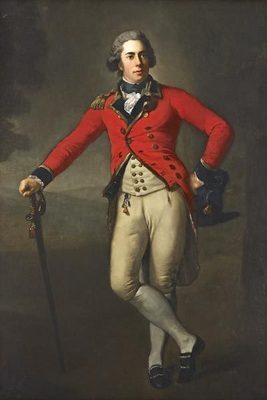 Thomas Bruce, 7th Earl of ElginBritish nobleman and diplomat (1766–1841)
 Jonathan Taylor ThomasAmerican actor
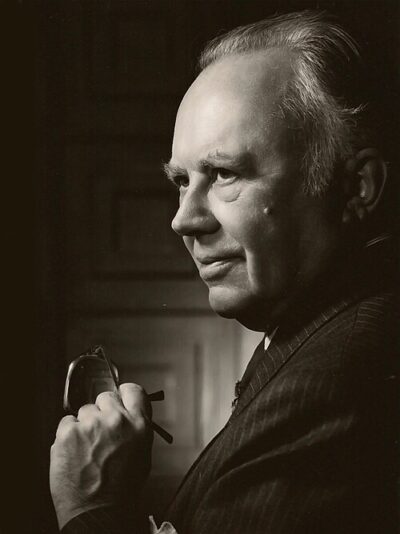 Russell KirkAmerican political theorist, moralist, historian, social critic, literary critic, and writer (1918–1994)
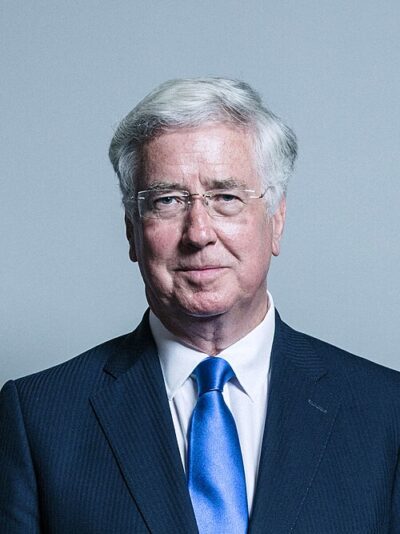 Michael FallonBritish politician (born 1952)
and 13 more
Worked here
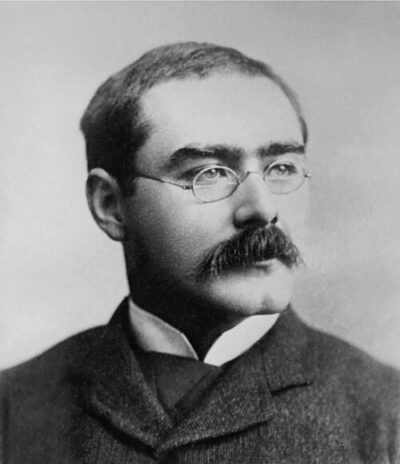 Rudyard KiplingEnglish writer and poet (1865–1936)
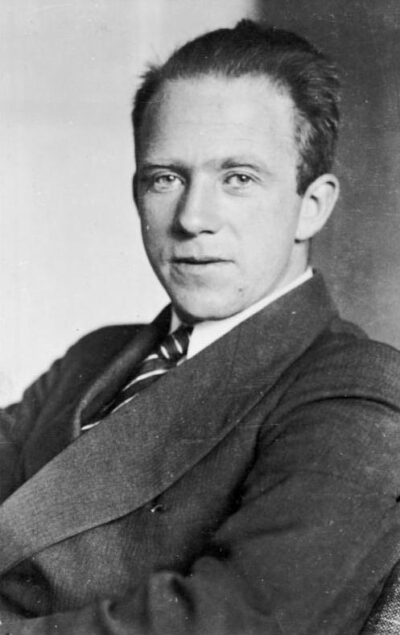 Werner Heisenberg (1955–1956)German theoretical physicist and nobel prize winner (1901–1976)
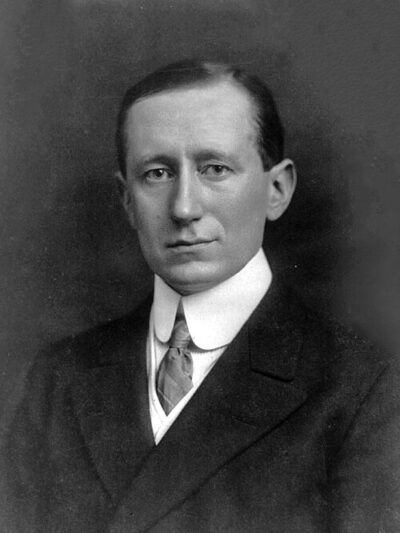 Guglielmo MarconiItalian inventor and radio pioneer (1874–1937)
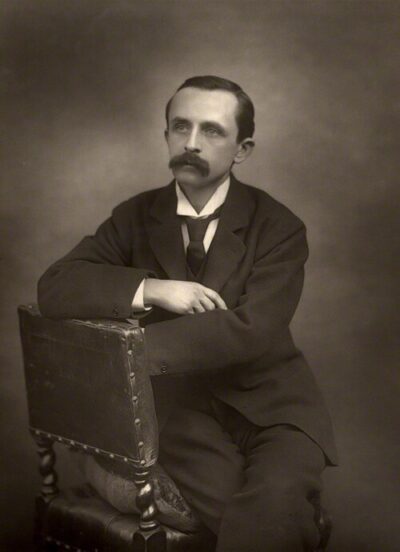 J. M. BarrieScottish writer and playwright (1860–1937)
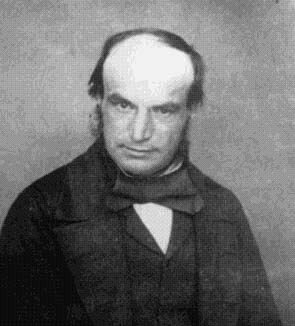 John Couch Adams (1857–1859)English mathematician and astronomer (1819–1892)
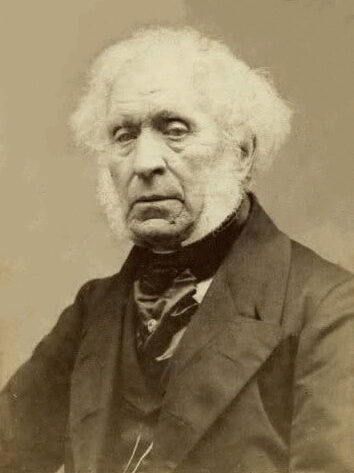 David BrewsterScottish astronomer and mathematician (1781–1868)
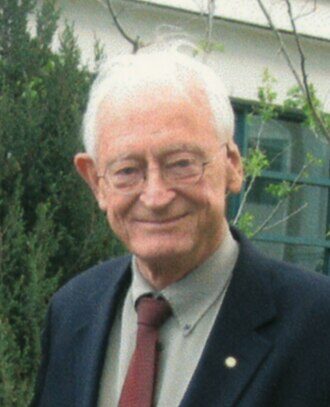 Alan MacDiarmidNew Zealand chemist (1927–2007)
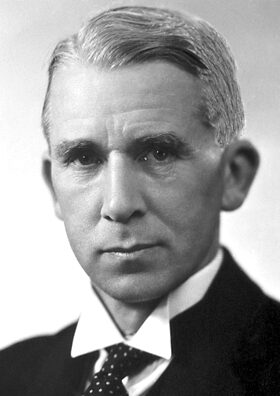 Norman HaworthBritish chemist (1883-1950)
- James BlackScottish doctor and pharmacologist (1924–2010)
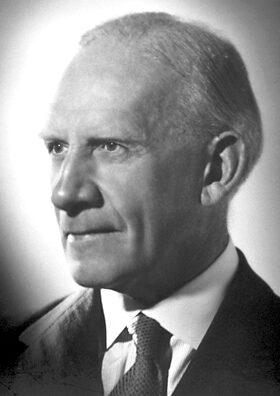 Robert Robinson (1921–1922)English chemist (1886-1975)
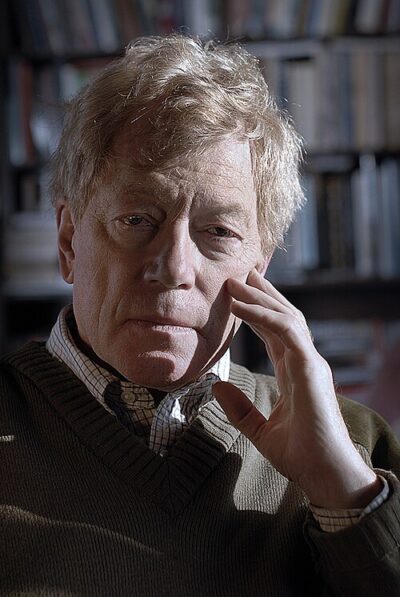 Roger Scruton (2011–2014)English conservative philosopher and writer (1944–2020)
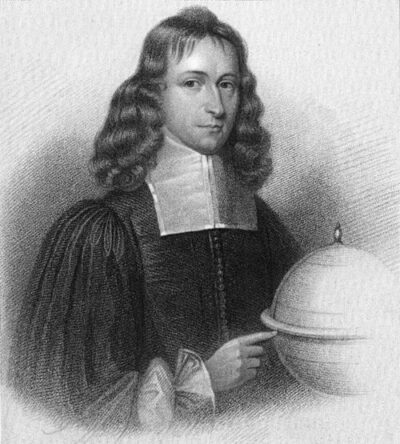 James Gregory (1668–1674)Scottish mathematician and astronomer
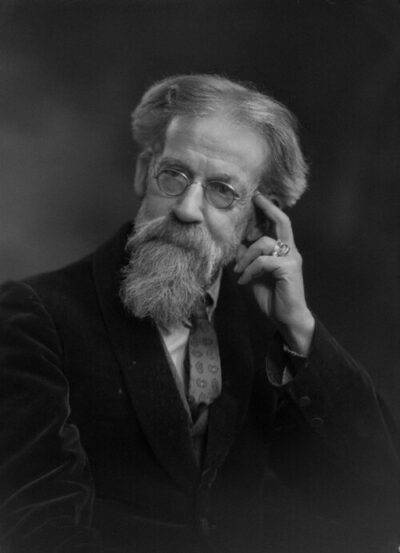 Patrick GeddesBritish biologist, botanist and town planner (1854-1932)
- George BuchananScottish historian and humanist scholar (1506–1582)
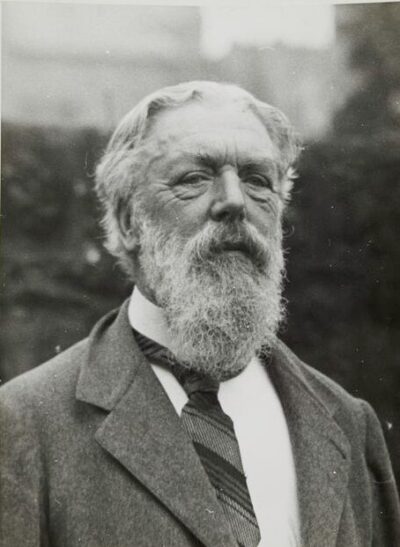 D'Arcy Wentworth Thompson (1917–1948)Scottish biologist, mathematician, and classics scholar (*1860 – †1948)
- WWalter BurkertGerman classical philologist and religious scholar (1931–2015)
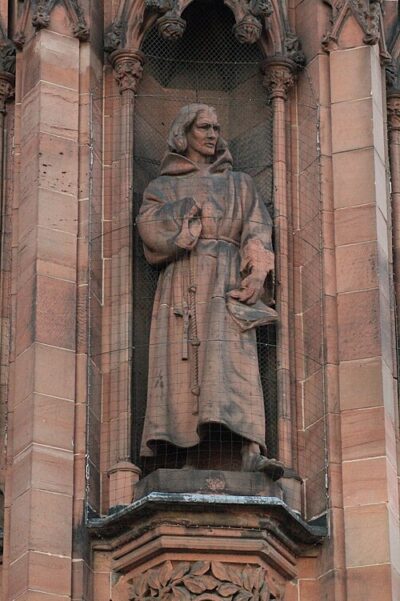 William Dunbarmedieval Scottish poet and civil servant
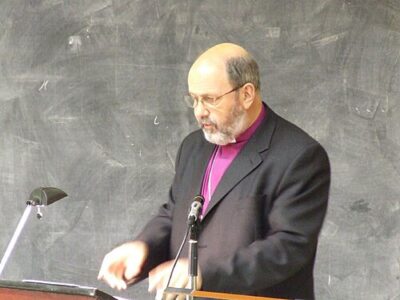 N. T. WrightAnglican bishop
 George Campbell, 8th Duke of ArgyllScottish peer, Liberal politician and writer on science, religion, and politics (1823-1900)
 Clara Ponsatí i Obiols (2016–)Catalan economist and politician
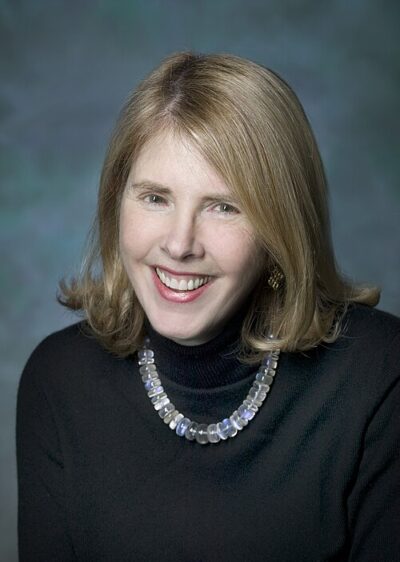 Kay Redfield JamisonAmerican bipolar disorder researcher
