

Copley Medal
Copley Medal is an award given by the Royal Society of London. It was created in 1731. It won the money amount and 1 more.
- Given by
- Royal Society of London
- Country
- United Kingdom
- Created
- 1731
All 9 facts, and where they come from
Facts
9 facts · 0 confirmed by two sources · 0 cited · 9 from one source
Where this comes from
Papalocal keeps its own record. It started from these sources; what each one said is kept here as it was copied, so a change on their side never changes this page by itself. Tap one to read its version.
What Wikidata says · copied November 16, 2026 · revision 2569092119
- Described as
- award given by the Royal Society of London
- What it is
- medal; award
- Created
- 1731
- Country
- United Kingdom
- Given by
- Royal Society of London
- Awards
- money amount; medal
- Named after
- Sir Godfrey Copley, 2nd Baronet
- Official website
- https://royalsociety.org/grants-schemes-awards/awards/copley-medal/ · 1 reference
- Wikipedias with a page
- 55
Wikidata item Q28003 (wikidata.org/wiki/Q28003), public domain (CC0). Copied 2026-11-16.
What Wikipedia says · copied November 16, 2026 · revision 1379538038
The Copley Medal is the most prestigious award of the Royal Society of the United Kingdom, conferred "for sustained, outstanding achievements in any field of science". The award alternates between the physical sciences or mathematics and the biological sciences. It is widely considered the highest British and Commonwealth award for scientific merit and achievement, and has regularly been included among the most distinguished international scientific awards. Due to its historic significance, the Copley Medal has often been viewed as a predecessor to the Nobel Prize.
Given annually, the medal is the oldest Royal Society medal awarded and the oldest surviving scientific award in the world, having first been given in 1731 to Stephen Gray, for "his new Electrical Experiments: – as an encouragement to him for the readiness he has always shown in obliging the Society with his discoveries and improvements in this part of Natural Knowledge". The medal is made of silver-gilt and awarded with a £25,000 prize.
It is awarded to "senior scientists" irrespective of nationality, and nominations are considered over three nomination cycles. Since 2022, scientific teams or research groups are collectively eligible to receive the medal; that year, the research team which developed the Oxford–AstraZeneca COVID-19 vaccine became the first collective recipient. John Theophilus Desaguliers has won the medal the most often, winning three times, in 1734, 1736 and 1741. In 1976, Dorothy Hodgkin became the first female recipient; Jocelyn Bell Burnell, in 2021, became the second.
From the Wikipedia article “Copley Medal” (en.wikipedia.org/wiki/Copley_Medal), by its contributors, under CC BY-SA 4.0 (creativecommons.org/licenses/by-sa/4.0/). Copied 2026-11-16; not changed.
Confirmed Two sources agree. Cited One source, and it names where it got it. One source One source, without a reference of its own. Sources disagree The sources disagree. We show the best-supported value and keep theirs below.
Picture: Wikimedia Commons: Copley Medal.png · See Commons file page
People connected 136
Won it 136
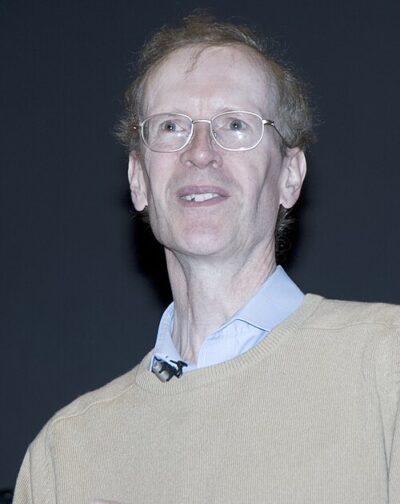 Andrew Wiles (2017)English mathematician (1953–)
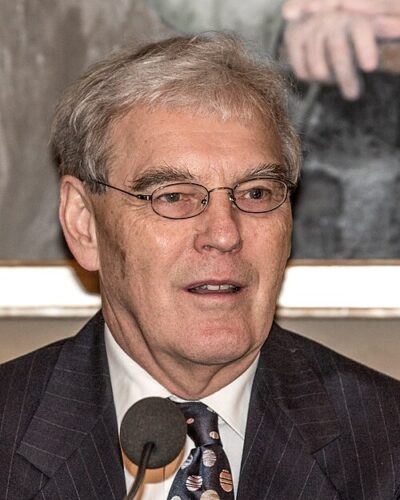 Richard Henderson (2016)Nobel prize winning British biochemist (born 1945)
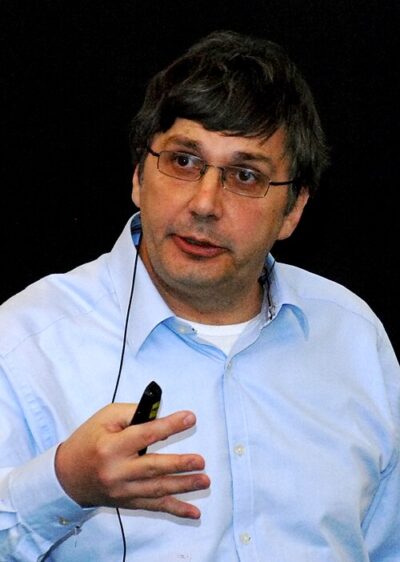 Andre Geim (2013)Russian-born Dutch-British physicist
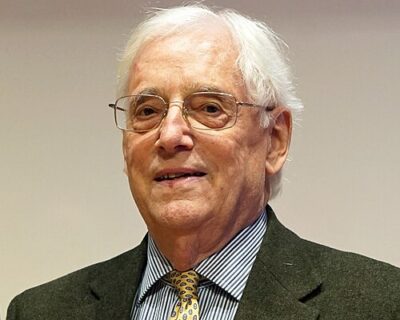 John E. Walker (2012)British biochemist (born 1941)
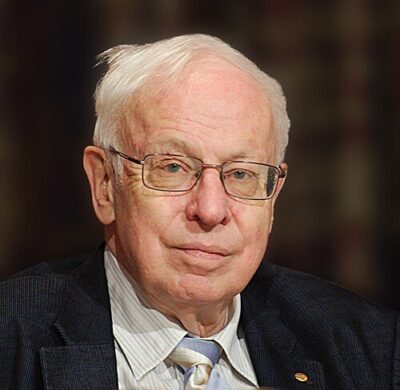 Tomas Lindahl (2010)Nobel prize winning Swedish biologist
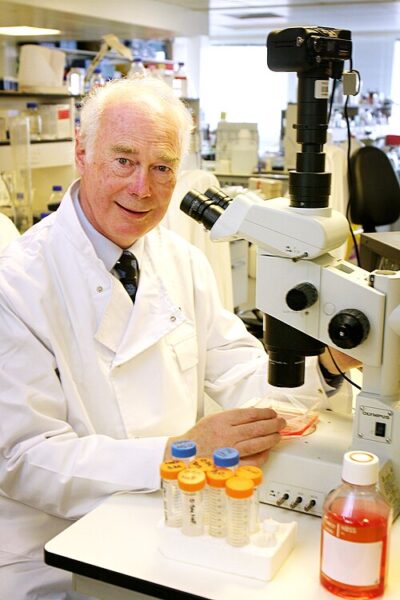 Martin Evans (2009)English developmental biologist
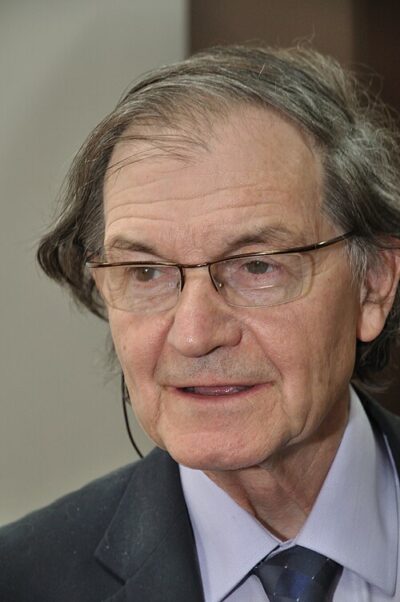 Roger Penrose (2008)English mathematical physicist, recreational mathematician and philosopher
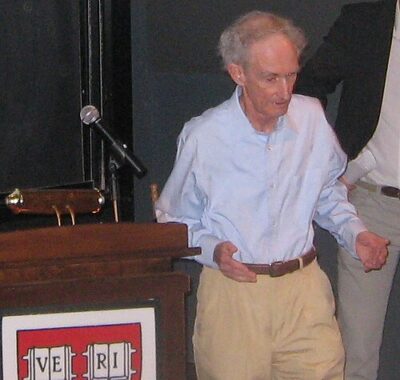 Robert May, Baron May of Oxford (2007)Australian scientist who has been Chief Scientific Adviser to the UK Government (1936-2020)
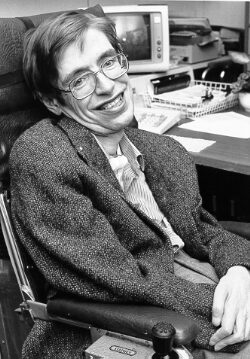 Stephen Hawking (2006)British theoretical physicist, cosmologist and author (1942–2018)
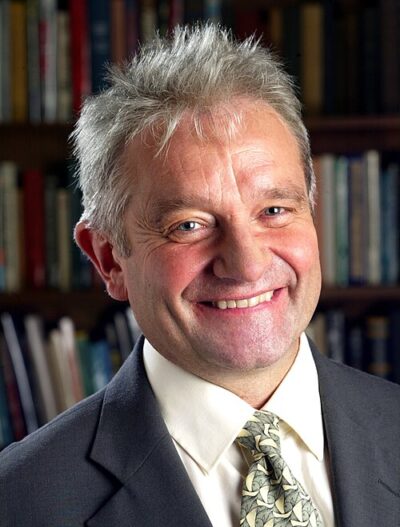 Paul Nurse (2005)Nobel prize winning British biochemist
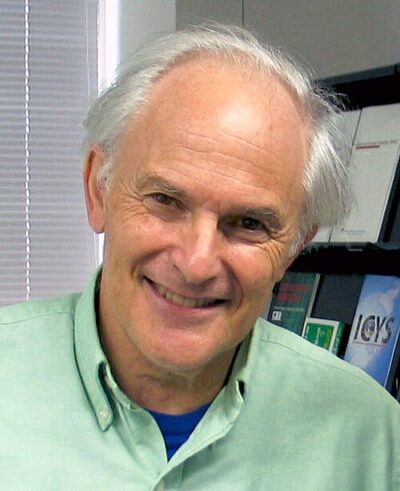 Harry Kroto (2004)British chemist (1939-2016)
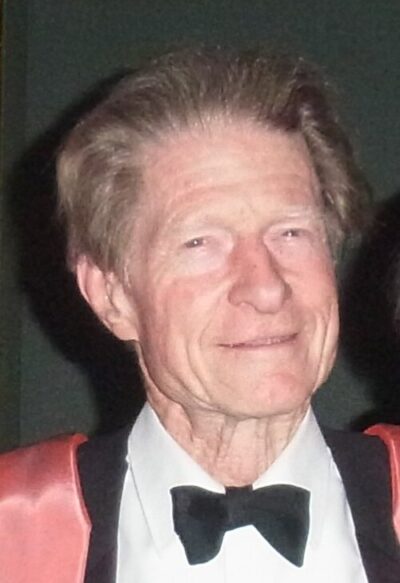 John Gurdon (2003)British developmental biologist (1933–2025)
 John Pople (2002)Nobel prize winning British chemist (1925-2004)
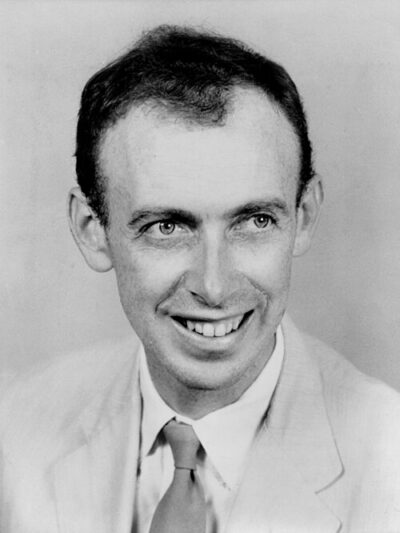 James Watson (1993)American molecular biologist, geneticist, zoologist and Nobel Laureate (1928–2025)
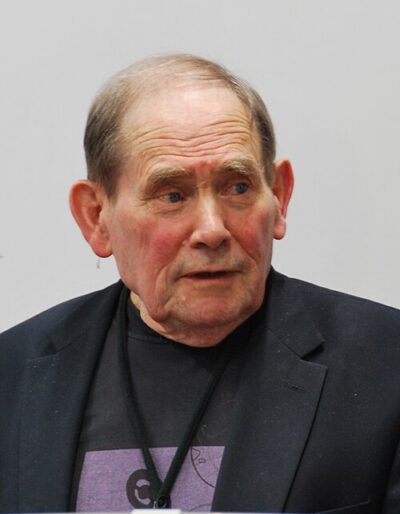 Sydney Brenner (1991)South African-British biologist, Nobel prize in Physiology or Medicine 2002 (1927–2019)
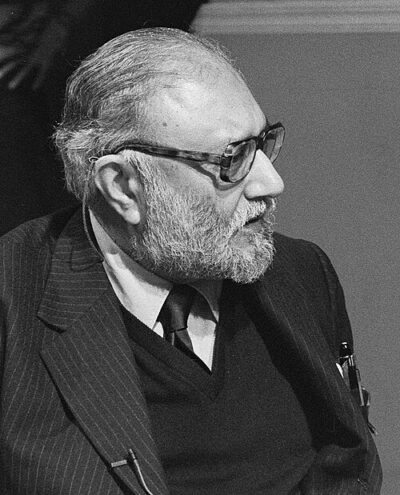 Abdus Salam (1990)theoretical physicist, and Nobel Prize in Physics recipient
 César Milstein (1989)Argentine biochemist (1927–2002)
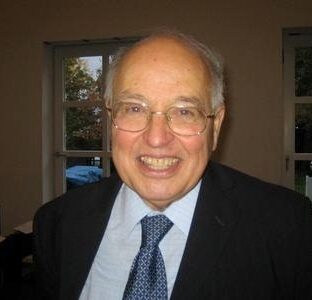 Michael Atiyah (1988)British mathematician
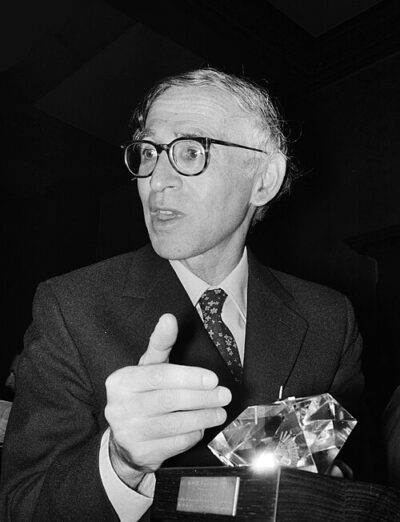 Aaron Klug (1985)British chemist and biophysicist
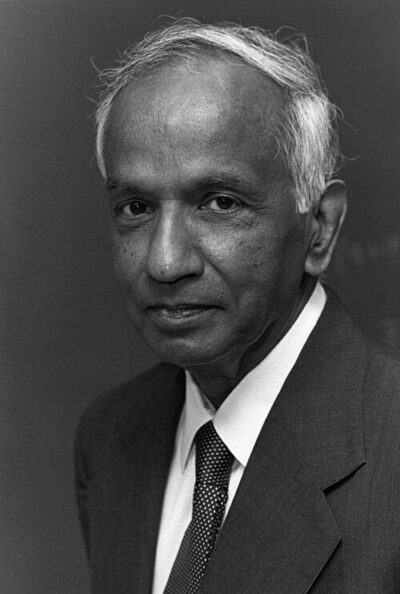 Subrahmanyan Chandrasekhar (1984)Indian-American astrophysicist
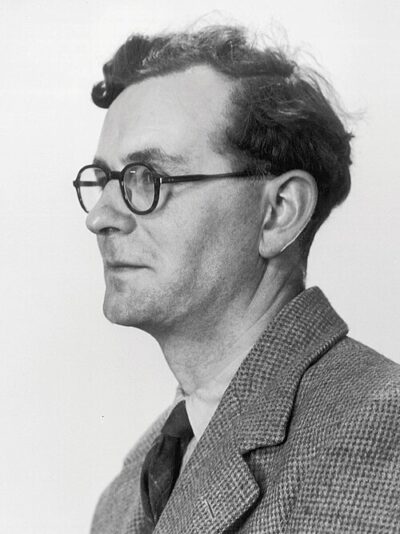 Rodney Robert Porter (1983)English biochemist and Nobel laureate (1917–1985)
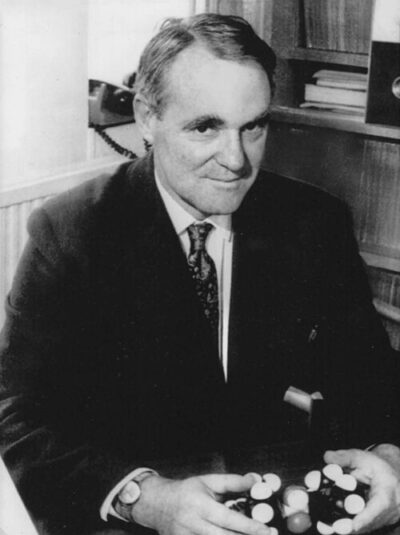 John Cornforth (1982)Australian-British chemist
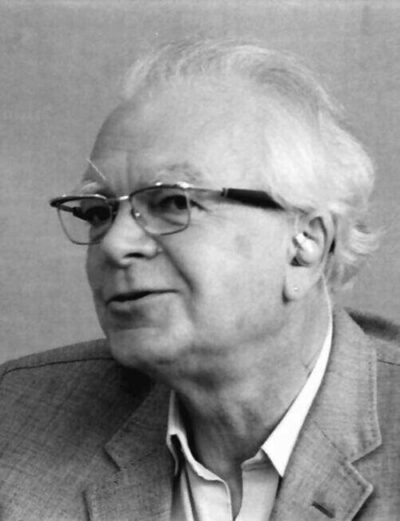 Peter D. Mitchell (1981)British biochemist (1920-1992)
 Max Perutz (1979)Austrian-born British molecular biologist (1914-2002)
and 112 more
