

German Archaeological Institute
German Archaeological Institute is an archaeological research institute. It was founded in 1829. It won the Gold Medal of the Italian Order of Merit for Culture and Art.
- Founded
- 1829
- Country
- Germany
All 8 facts, and where they come from
Facts
8 facts · 0 confirmed by two sources · 0 cited · 8 from one source
Where this comes from
Papalocal keeps its own record. It started from these sources; what each one said is kept here as it was copied, so a change on their side never changes this page by itself. Tap one to read its version.
What Wikidata says · copied November 16, 2026 · revision 2569916152
- Described as
- archaeological research institute
- Other names
- Deutsches Archäologisches Institut, Institut für archäologische Korrespondenz, Kaiserlich-Deutschen Archäologischen Institut, Archäologisches Institut des Deutschen Reiches
- What it is
- research institute; federal agency of Germany · 1 reference
- Founded
- 1829
- Located in
- Berlin
- Country
- Germany
- Part of
- Federal Foreign Office · 1 reference
- Awards
- Gold Medal of the Italian Order of Merit for Culture and Art · 1 reference
- Official website
- https://www.dainst.org/
- Wikipedias with a page
- 25
Wikidata item Q695302 (wikidata.org/wiki/Q695302), public domain (CC0). Copied 2026-11-16.
What Wikipedia says · copied November 16, 2026 · revision 1358953134
The German Archaeological Institute (German: Deutsches Archäologisches Institut, DAI) is a research institute in the field of archaeology (and other related fields). The DAI is a "federal agency" under the Federal Foreign Office of Germany.
From the Wikipedia article “German Archaeological Institute” (en.wikipedia.org/wiki/German_Archaeological_Institute), by its contributors, under CC BY-SA 4.0 (creativecommons.org/licenses/by-sa/4.0/). Copied 2026-11-16; not changed.
Confirmed Two sources agree. Cited One source, and it names where it got it. One source One source, without a reference of its own. Sources disagree The sources disagree. We show the best-supported value and keep theirs below.
Picture: Wikimedia Commons: Wiegand-Haus.jpg · See Commons file page
People connected 23
Members
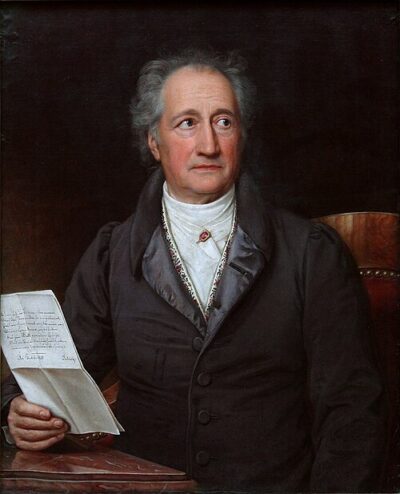 Johann Wolfgang von GoetheGerman writer, artist, natural scientist and politician (1749–1832)
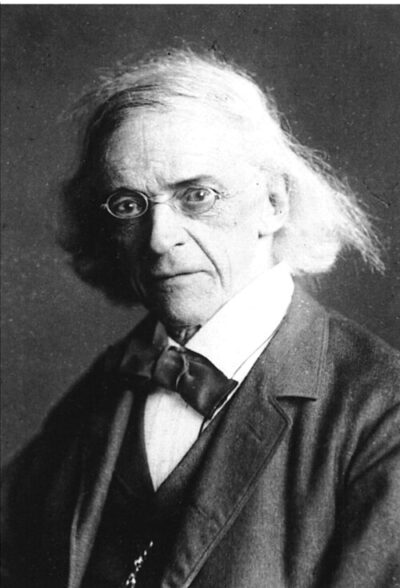 Theodor MommsenGerman classical scholar and historian (1817–1903)
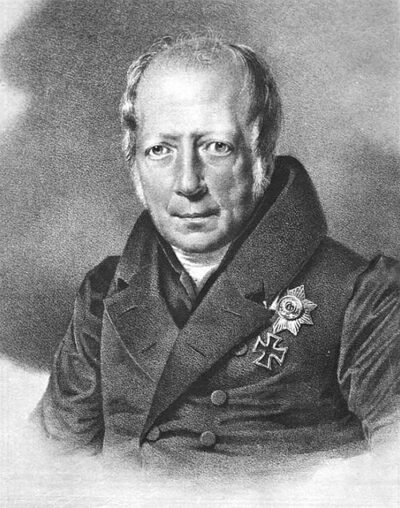 Wilhelm von HumboldtPrussian philosopher, government official, diplomat, and educator (1767–1835)
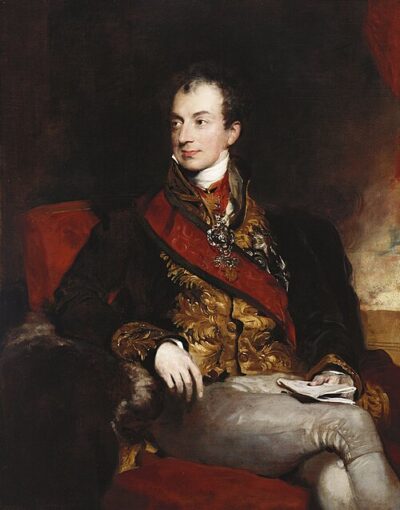 Klemens von MetternichAustrian diplomat, foreign minister and Chancellor (1773–1859)
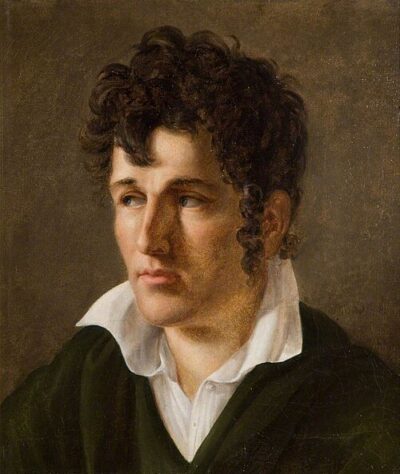 François-Auguste-René de ChateaubriandFrench writer, politician and historian (1768–1848)
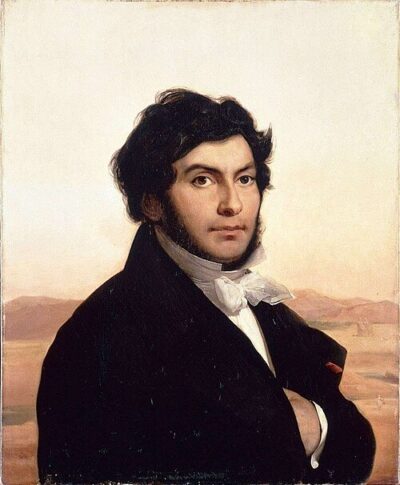 Jean-François ChampollionFrench classical scholar (1790-1832)
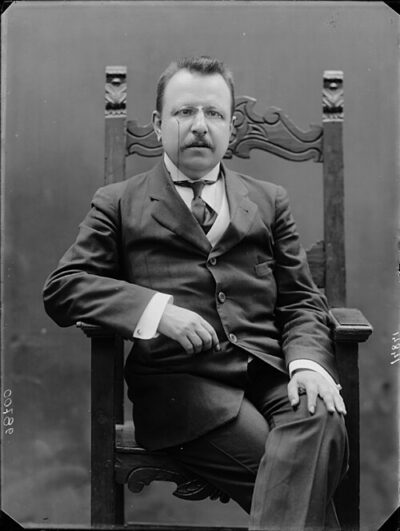 Benedetto CroceItalian philosopher (1866-1952)
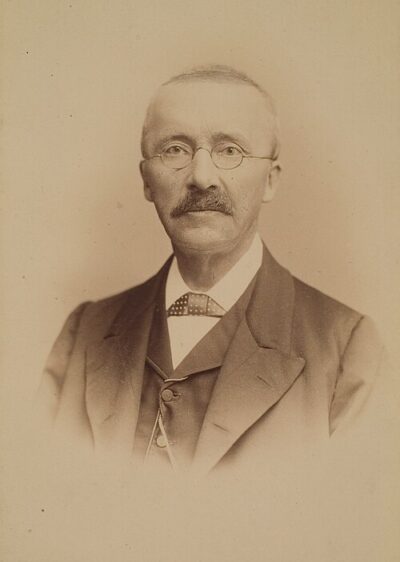 Heinrich SchliemannGerman businessman and archaeologist (1822–1890)
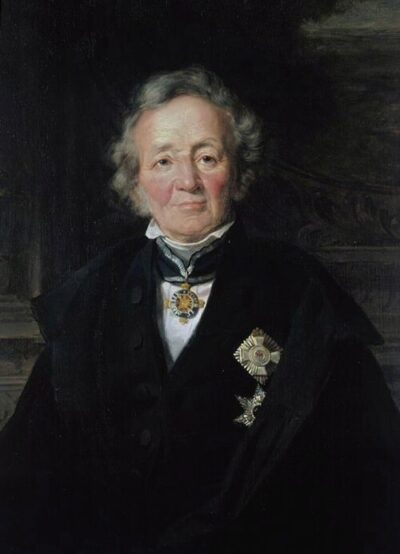 Leopold von RankeGerman historian and founder of modern source-based history (1795-1886)
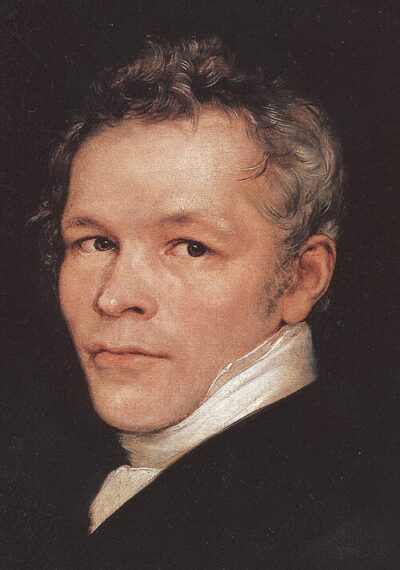 Karl Friedrich SchinkelPrussian architect, city planner and painter (1781–1841)
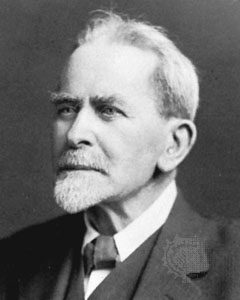 James George FrazerScottish social anthropologist (1854–1941)
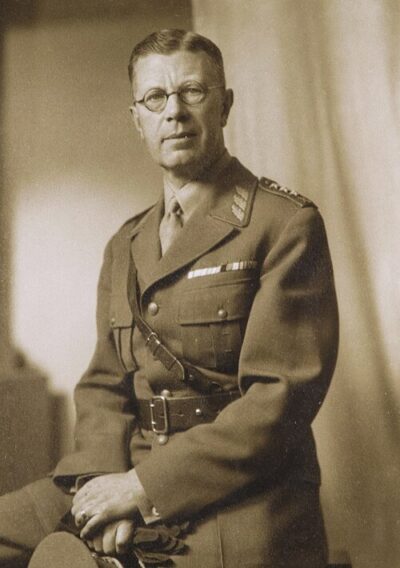 Gustaf VI Adolf of SwedenKing of Sweden (1950–1973); anthropologist, art historian, collector and archaeologist
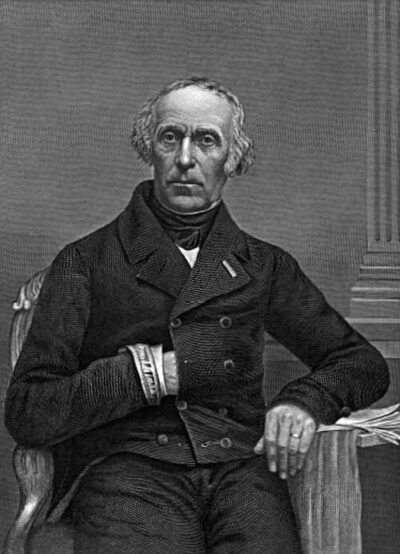 François GuizotFrench historian, orator and statesman (1787–1874)
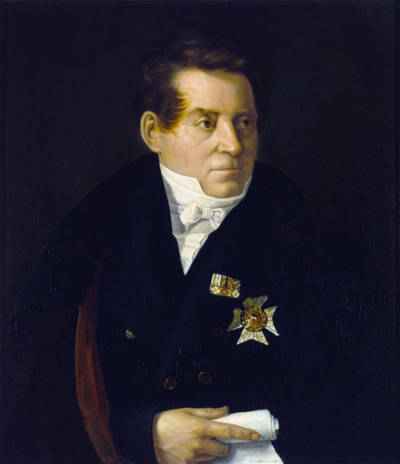 August Wilhelm von SchlegelGerman poet, translator, critic, and writer (1767–1845)
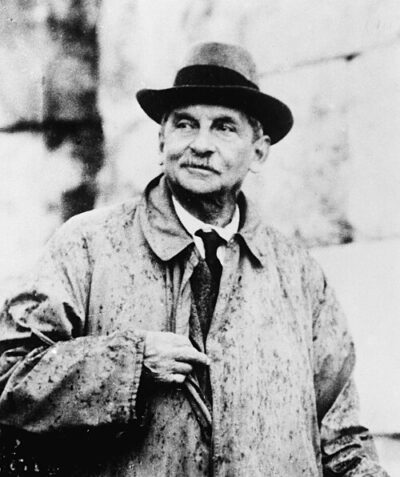 Arthur EvansBritish archaeologist and scholar (1851–1941)
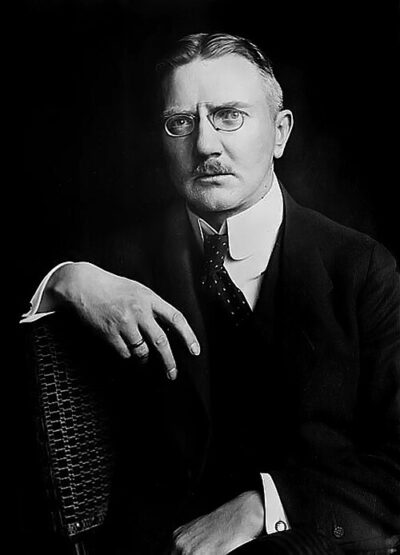 Hjalmar SchachtGerman politician and economist (1877–1970)
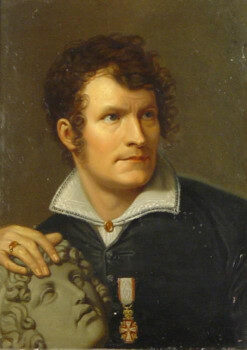 Bertel ThorvaldsenDanish sculptor (1770–1844)
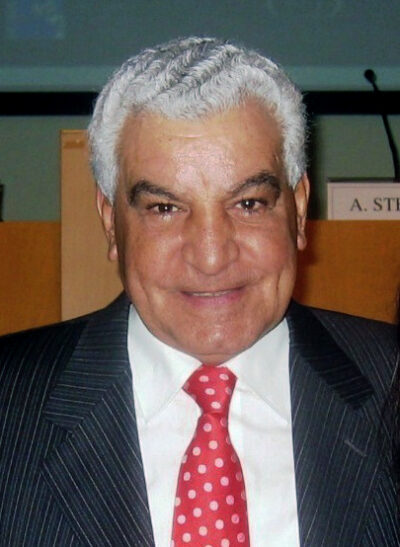 Zahi HawassEgyptian egyptologist and archaeologist
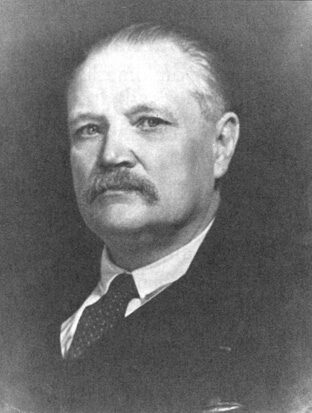 Michael RostovtzeffRussian historian of ancient history (1870–1952)
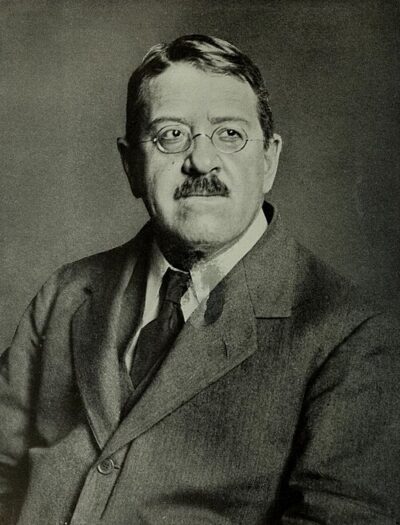 George Andrew ReisnerAmerican archeologist (1867–1942)
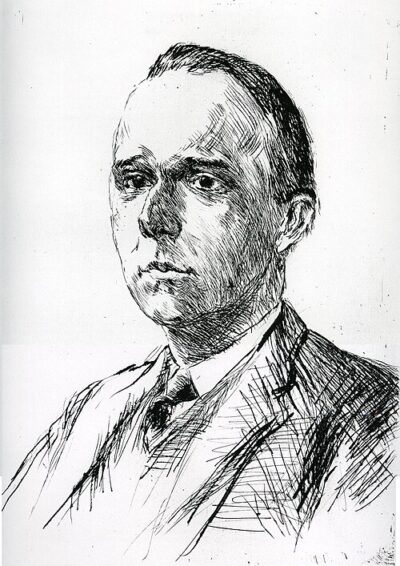 Werner JaegerGerman-American classical philologist (1888-1961)
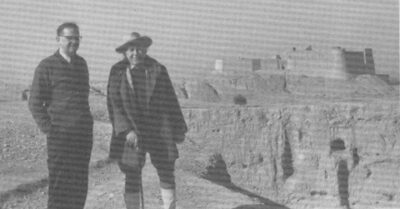 Richard N. FryeAmerican historian (1920–2014)
- CCarl BlegenAmerican archaeologist (1887–1971)
