
President-elect of the United States
The President-elect of the United States is a winning candidate of the U.S. presidential election in the time before inauguration. It was created in 1789.
- Office of
- United States
- Country
- United States
- Created
- 1789
All 4 facts, and where they come from
Facts
4 facts · 0 confirmed by two sources · 0 cited · 4 from one source
Where this comes from
Papalocal keeps its own record. It started from these sources; what each one said is kept here as it was copied, so a change on their side never changes this page by itself. Tap one to read its version.
What Wikidata says · copied November 16, 2026 · revision 2569528708
- Described as
- winning candidate of the U.S. presidential election in the time before inauguration
- Other names
- President-Elect
- What it is
- position
- Created
- 1789
- Country
- United States
- Office of
- United States
- Wikipedias with a page
- 33
Wikidata item Q1467287 (wikidata.org/wiki/Q1467287), public domain (CC0). Copied 2026-11-16.
What Wikipedia says · copied November 16, 2026 · revision 1385962695
The president-elect of the United States is the candidate who has presumptively won the United States presidential election and is awaiting inauguration to become the president. There is no explicit indication in the U.S. Constitution as to when that person actually becomes president-elect, although the Twentieth Amendment uses the term "president-elect", thereby giving the term constitutional basis. It is assumed the Congressional certification of votes cast by the Electoral College of the United States – occurring after the third day of January following the swearing-in of the new Congress, per provisions of the Twelfth Amendment – unambiguously confirms the successful candidate as the official "president-elect" under the U.S. Constitution. As an unofficial term, president-elect has been used by the media since at least the latter half of the 19th century and was in use by politicians since at least the 1790s. Politicians and the media have applied the term to the projected winner, even on election night, and very few who turned out to lose have been referred to as such.
While Election Day is held in early November, formal voting by the members of the Electoral College takes place in mid-December, and those votes are later delivered to a joint session of the Congress to be counted and certified, and the presidential inauguration (at which the oath of office is taken) is then usually held on January 20. The only constitutional provision pertaining directly to the person who has won the presidential election is their availability to take the oath of office. The Presidential Transition Act of 1963 empowers the General Services Administration to determine who the apparent election winner is, and provides for a timely and organized sequence for the federal government's transition planning in cooperation with the president-elect's transition team; it also includes the provision of office space for the "apparent successful candidates". By convention, during the period between the election and the inauguration, the president-elect actively prepares to carry out the duties of the office of president and works with the outgoing (or lame duck) president to ensure a smooth handover of presidential responsibilities. Since 2008, incoming presidents have also used the name Office of the President-Elect to refer to their transition organization, despite a lack of formal description for it.
All elected presidential candidates are referred to as president-elect, with the general exception of incumbent presidents who have won re-election for a second consecutive term as they are already in office and are not waiting to become president. A sitting vice president who is elected president is referred to as president-elect.
From the Wikipedia article “President-elect of the United States” (en.wikipedia.org/wiki/President-elect_of_the_United_States), by its contributors, under CC BY-SA 4.0 (creativecommons.org/licenses/by-sa/4.0/). Copied 2026-11-16; not changed.
Confirmed Two sources agree. Cited One source, and it names where it got it. One source One source, without a reference of its own. Sources disagree The sources disagree. We show the best-supported value and keep theirs below.
People connected 36
Held this office 36
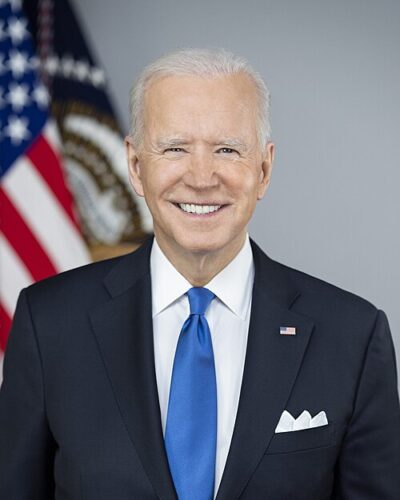 Joe Biden (2020–2021)46th President of the United States (2021–2025)
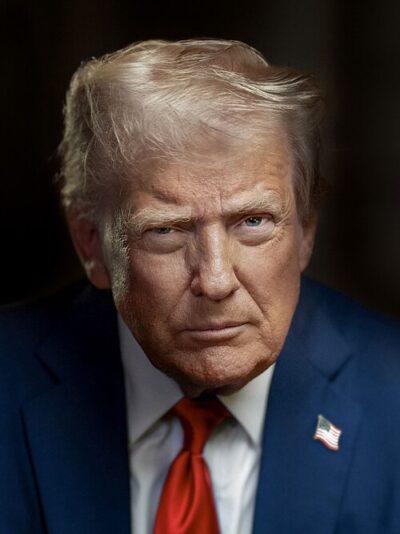 Donald Trump (2016–2025)President of the United States (2017–2021; since 2025)
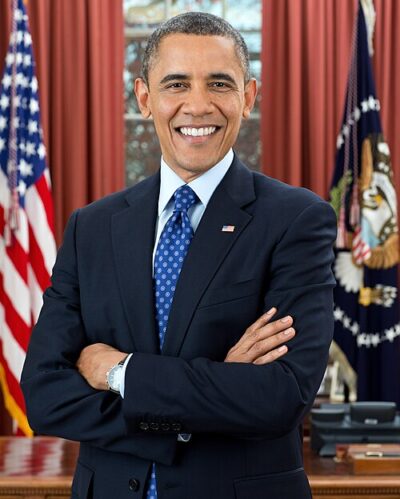 Barack Obama (2008–2009)44th President of the United States (2009–2017)
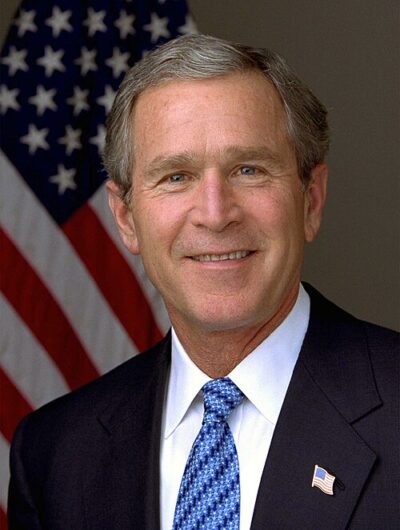 George W. Bush (2000–2001)43rd President of the United States (2001–2009)
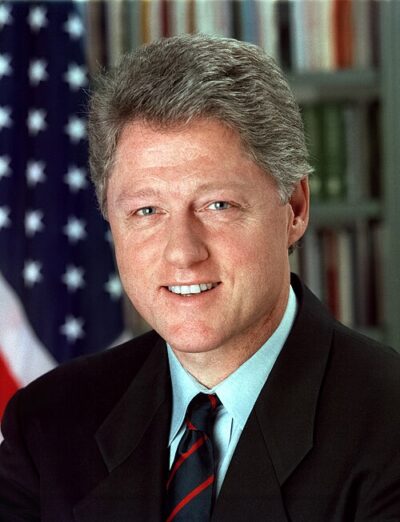 Bill Clinton (1992–1993)42nd President of the United States (1993–2001)
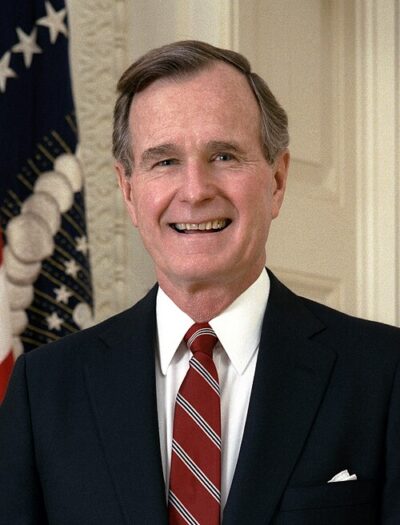 George H. W. Bush (1988–1989)41st President of the United States (1989–1993)
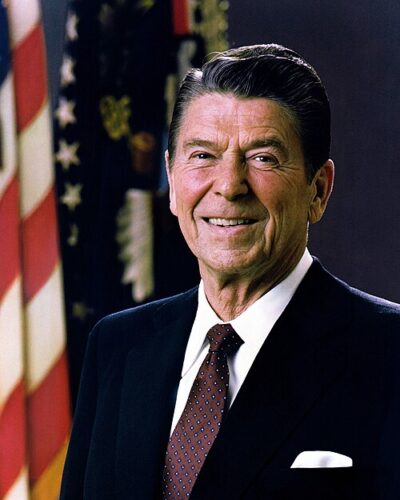 Ronald Reagan (1980–1981)president of the United States from 1981 to 1989 and actor (1911–2004)
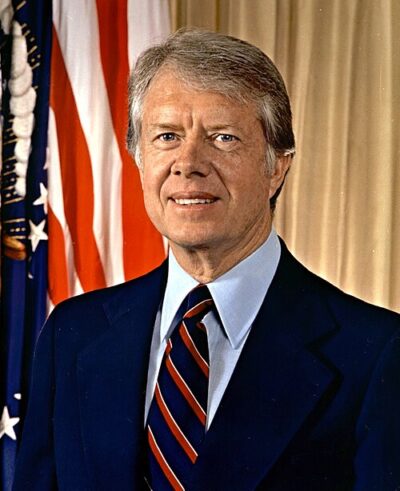 Jimmy Carter (1976–1977)president of the United States from 1977 to 1981 (1924–2024)
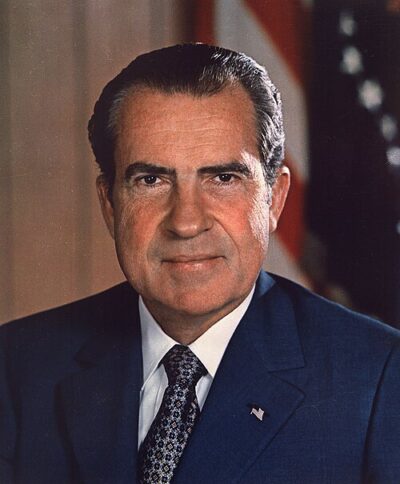 Richard Nixon (1968–1969)president of the United States from 1969 to 1974 (1913–1994)
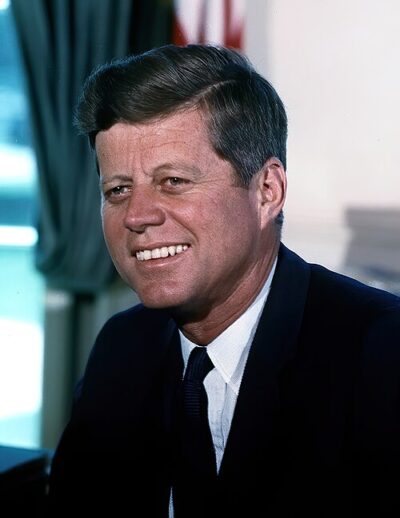 John F. Kennedy (1960–1961)president of the United States from 1961 to 1963 (1917–1963)
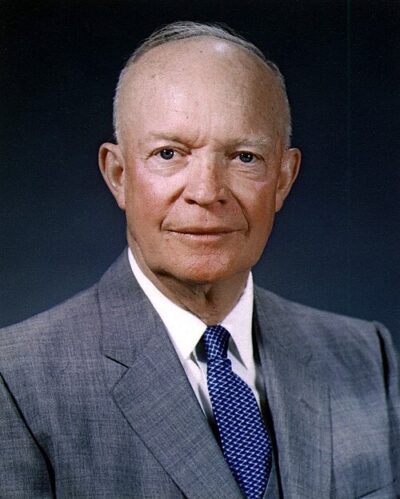 Dwight D. Eisenhower (1952–1953)president of the United States from 1953 to 1961 (1890–1969)
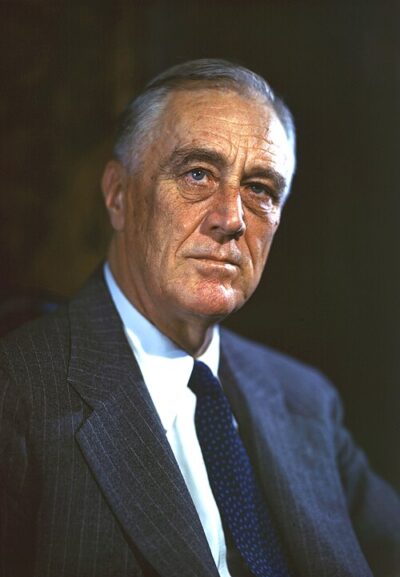 Franklin Delano Roosevelt (1932–1933)president of the United States from 1933 to 1945 (1882–1945)
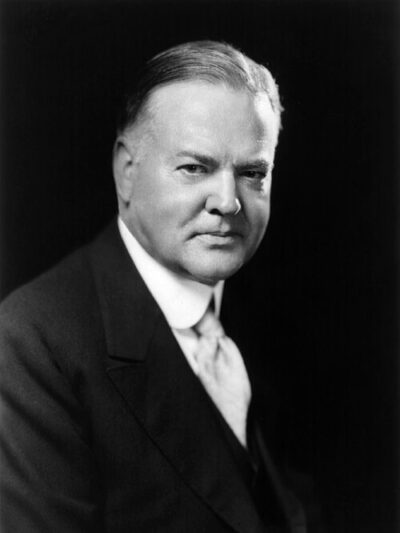 Herbert Hoover (1928–1929)president of the United States from 1929 to 1933 (1874–1964)
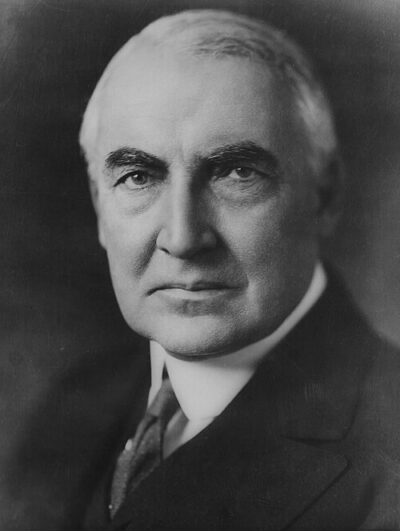 Warren G. Harding (1920–1921)president of the United States from 1921 to 1923
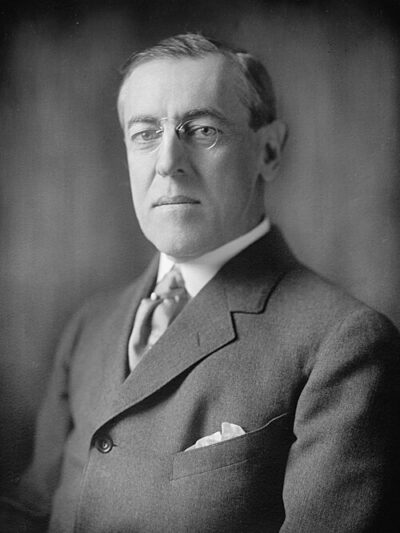 Woodrow Wilson (1912–1913)28th President of the United States (1913–1921)
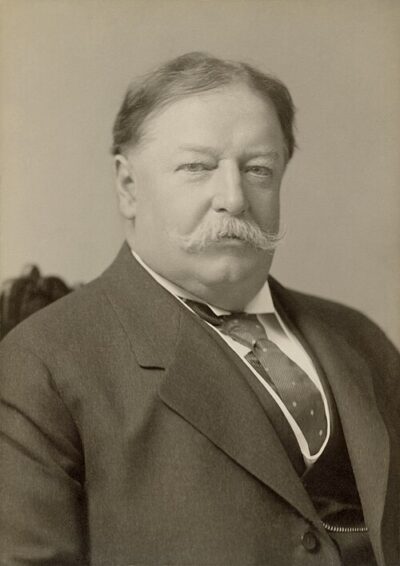 William Howard Taft (1908–1909)27th President of the United States from 1909 to 1913 (1857–1930)
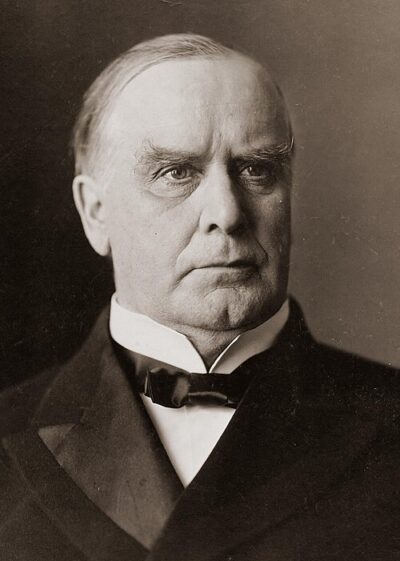 William McKinley (1896–1897)president of the United States from 1897 to 1901 (1843–1901)
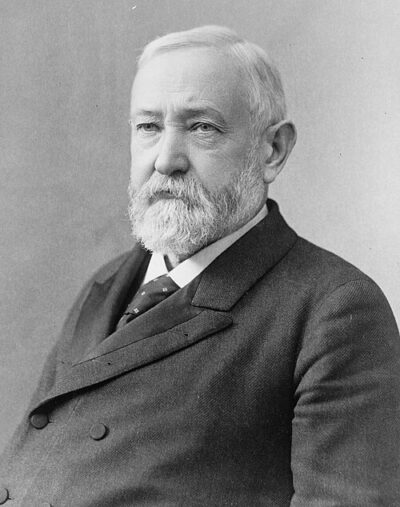 Benjamin Harrison (1888–1889)President of the United States from 1889–1893 (1833–1901)
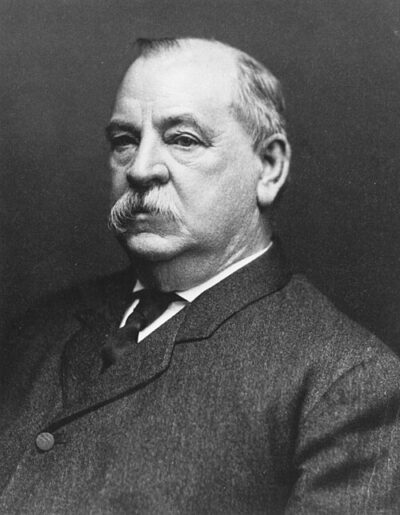 Grover Cleveland (1884–1893)22nd & 24th President of the United States (1885–1889; 1893–1897)
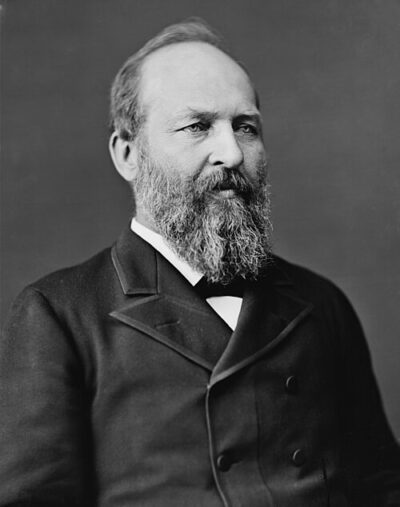 James A. Garfield (1880–1881)president of the United States in 1881
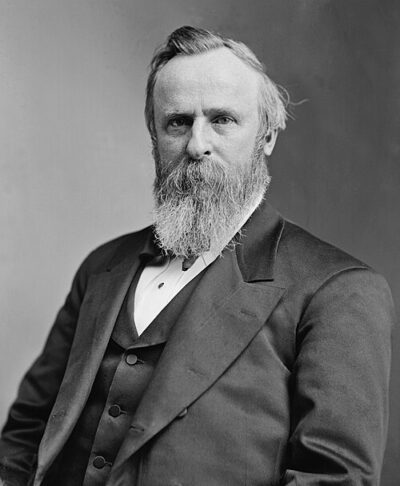 Rutherford B. Hayes (1877)president of the United States from 1877 to 1881 (1822–1893)
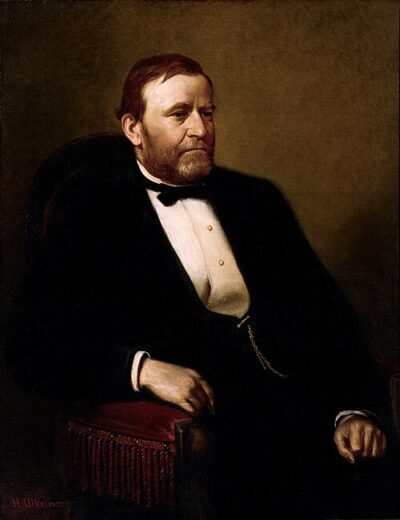 Ulysses S. Grant (1868–1869)president of the United States from 1869 to 1877
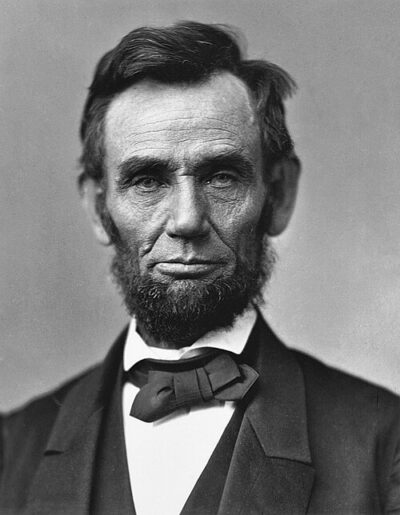 Abraham Lincoln (1860–1861)president of the United States from 1861 to 1865 (1809–1865)
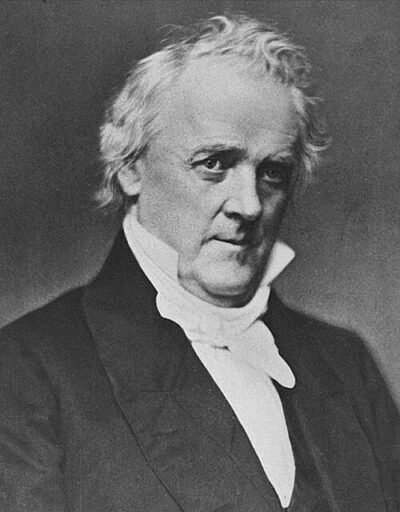 James Buchanan (1856–1857)president of the United States from 1857 to 1861
and 12 more
