

Rumford Medal
Rumford Medal is an award bestowed by Britain's Royal Society every alternating year for an outstandingly important recent discovery in the field of thermal or optical properties of matter. It is given by the Royal Society of London.
- Given by
- Royal Society of London
- Country
- United Kingdom
All 6 facts, and where they come from
Facts
6 facts · 0 confirmed by two sources · 0 cited · 6 from one source
Where this comes from
Papalocal keeps its own record. It started from these sources; what each one said is kept here as it was copied, so a change on their side never changes this page by itself. Tap one to read its version.
What Wikidata says · copied November 16, 2026 · revision 2514028456
- Described as
- an award bestowed by Britain's Royal Society every alternating year for an outstandingly important recent discovery in the field of thermal or optical properties of matter
- What it is
- science award; medal
- Country
- United Kingdom
- Given by
- Royal Society of London
- Named after
- Benjamin Thompson
- Official website
- https://royalsociety.org/grants-schemes-awards/awards/rumford-medal
- Wikipedias with a page
- 26
Wikidata item Q285167 (wikidata.org/wiki/Q285167), public domain (CC0). Copied 2026-11-16.
What Wikipedia says · copied November 16, 2026 · revision 1373925212
The Rumford Medal is an award bestowed by the Royal Society for "outstanding contributions in the field of physics". The award is named in honour of British scientist Sir Benjamin Thompson, Count Rumford, who is noted for his works on thermodynamics and for establishing the Royal Institution. The award was created in 1796 after Thompson transferred £1,000 to the Royal Society in stocks, instructing the latter to grant the awardee the fund's interest as a premium. Thompson was awarded the inaugural award in 1800.
The award initially consisted of two medals, one each in silver and gold, struck in the same die. This was later replaced with a single medal made of silver gilt. The medal is awarded with a cash prize of £2,000. British painter Robert Smirke created the original design of the medal. The diameter of the medal is 3 inches (7.62 cm). The obverse featured a tripod altar with a flame upon it, circumscribed by a Latin inscription from Lucretius' poem De rerum natura "Noscere quae vis et causa". The reverse had the Latin inscription "Proemium optime merenti ex instituto Benj. a Rumford, S.R.I. Comitis: adjudicatum a Reg. Soc. Lond." surrounded by an ornamental border of leaves. This design was discontinued in 1863. As of 2024, the obverse of the medal has a portrait of Thompson, surrounded by the Latin inscription "Beniamin Ab Rvmford S. Rom. Imp. Comes Institvit" ("Benjamin Rumford, Count of the Holy Roman Empire, founded this"), with the Roman numeral MDCCXCVI (1796) on the exergue. The reverse has the Latin inscription "Optime In Lvcis Caloqisqve Natvra Exqvirena Merenti Adivdicat Soc: Reg: Lond." ("The Royal Society of London awards this to one outstandingly deserving in investigating the nature of light and heat") inscribed within a wreath of oak and laurel leaves bound with ribbons.
All citizens or residents of the Commonwealth of Nations or the Republic of Ireland for more than three years are eligible for the medal. Candidates for the medal are selected by the Royal Society Council on the recommendations of the Physical Sciences Awards Committee. Ten times during the early 19th century, no medals were awarded due to the unavailability of suitable candidates or political considerations of the Royal Society Council.
Since its inception, the medal has been granted to 108 scientists. It has been awarded to citizens of the United Kingdom sixty-seven times, France fourteen times, Germany seven times, the Netherlands seven times, Sweden four times, the United States thrice, Italy twice, Hungary twice, and once each to citizens of Australia, Belgium, Luxembourg, Mexico and New Zealand. The medal has been awarded to multiple individuals twice: in 1896, to Philipp Lenard and Wilhelm Röntgen and in 1918, to Charles Fabry and Alfred Perot. From 1800 to 2018, the medal was awarded biennially; since then it has been awarded annually. The most recent recipient is British physicist Tony Bell, who received it in 2024. British academic and engineer Polina Bayvel is the only female recipient.
From the Wikipedia article “Rumford Medal” (en.wikipedia.org/wiki/Rumford_Medal), by its contributors, under CC BY-SA 4.0 (creativecommons.org/licenses/by-sa/4.0/). Copied 2026-11-16; not changed.
Confirmed Two sources agree. Cited One source, and it names where it got it. One source One source, without a reference of its own. Sources disagree The sources disagree. We show the best-supported value and keep theirs below.
Picture: Wikimedia Commons: Rumford Medal (1910).png · See Commons file page
People connected 37
Won it 37
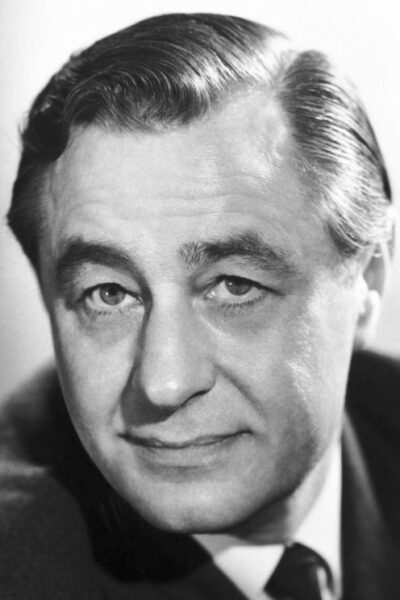 George Porter (1978)British chemist (1920–2002)
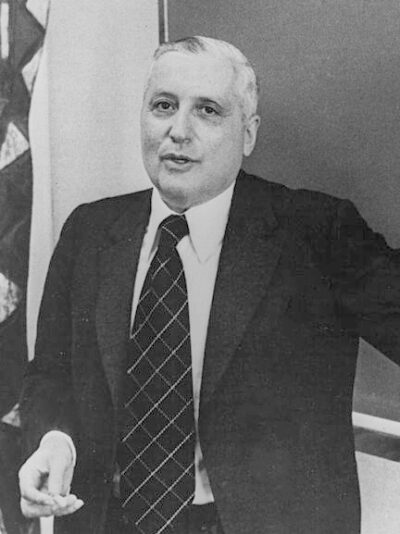 Ilya Prigogine (1976)Russian-Belgian physical chemist (1917–2003)
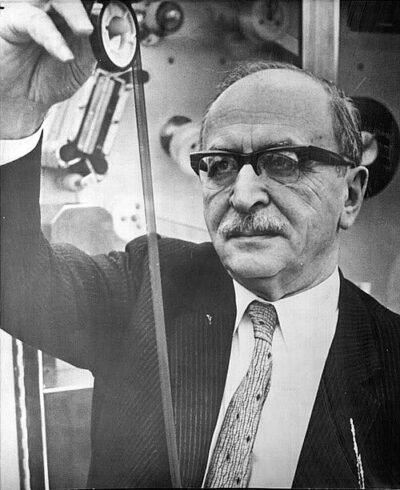 Dennis Gabor (1968)Nobel Prize-winning physicist and inventor of holography
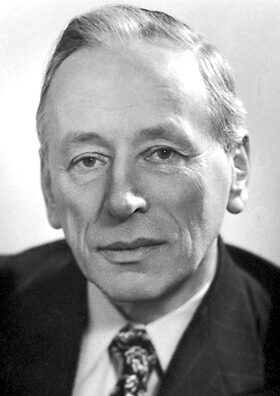 Frits Zernike (1952)Dutch physicist (1888–1966)
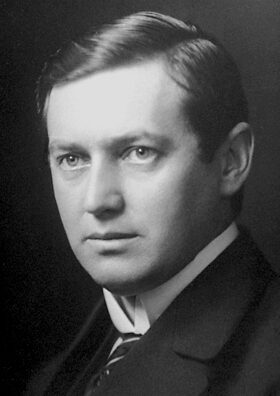 Manne Siegbahn (1940)Swedish physicist (1886-1978)
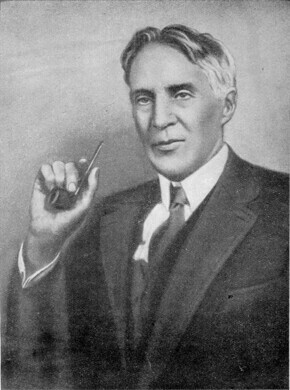 Robert W. Wood (1938)American physicist and inventor (1868–1955)
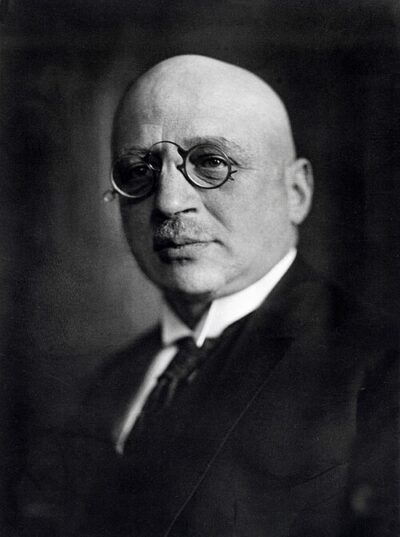 Fritz Haber (1932)German chemist and receiver of the Nobel prize (1868–1934)
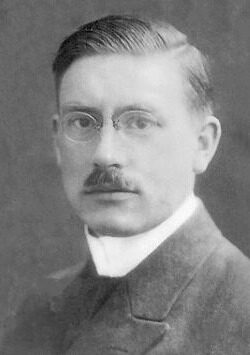 Peter Debye (1930)Dutch-American physicist and physical chemist (1884–1966)
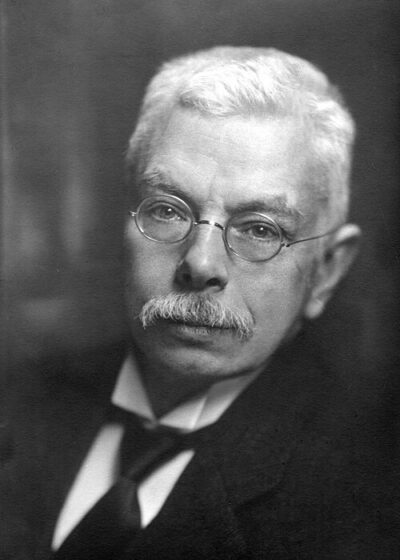 Pieter Zeeman (1922)Dutch physicist (1865–1943)
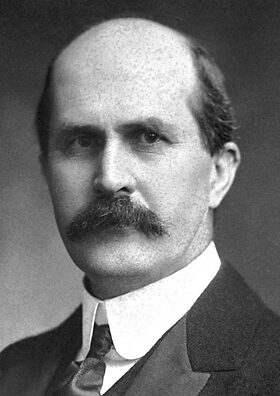 William Henry Bragg (1916)British scientist (1862–1942)
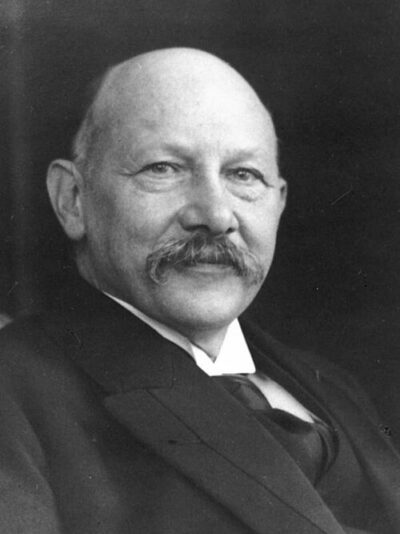 Heike Kamerlingh Onnes (1912)Dutch physicist, Nobel prize winner (1853-1926)
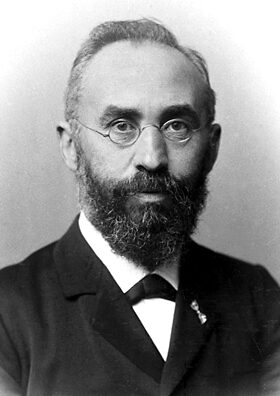 Hendrik Lorentz (1908)Dutch physicist (1853–1928)
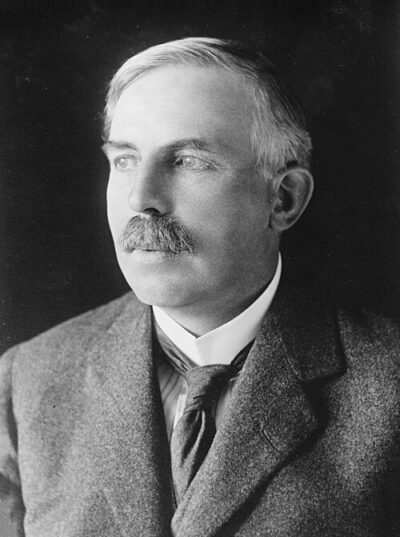 Ernest Rutherford (1904)New Zealand physicist (1871–1937)
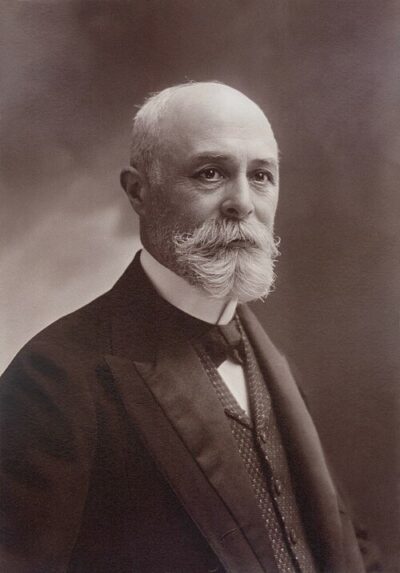 Antoine Henri Becquerel (1900)French physicist (1852–1908)
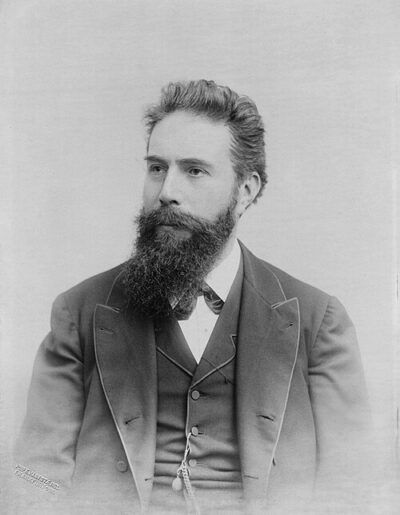 Wilhelm Röntgen (1896)German physicist (1845–1923)
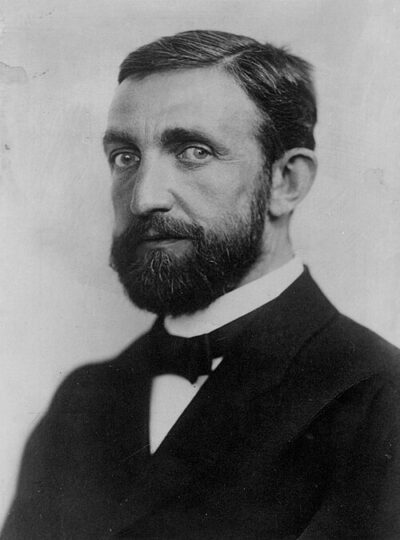 Philipp Lenard (1896)German physicist (1862–1947)
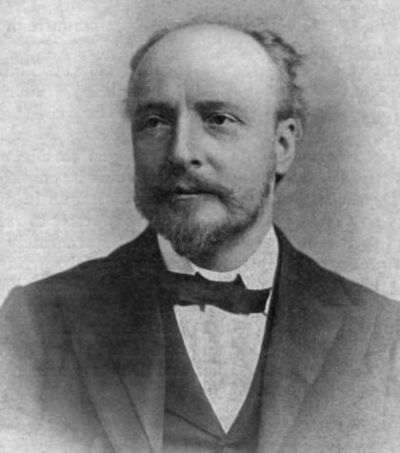 James Dewar (1894)Scottish chemist and physicist (1842–1923)
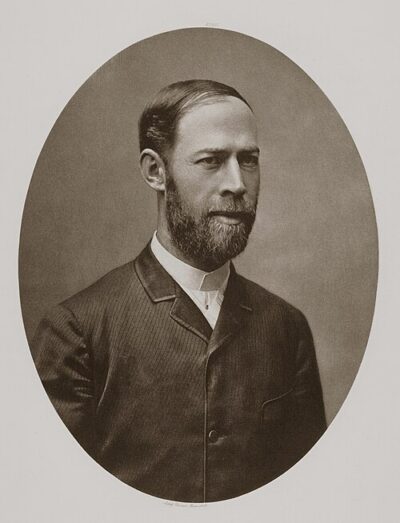 Heinrich Hertz (1890)German physicist (1857–1894)
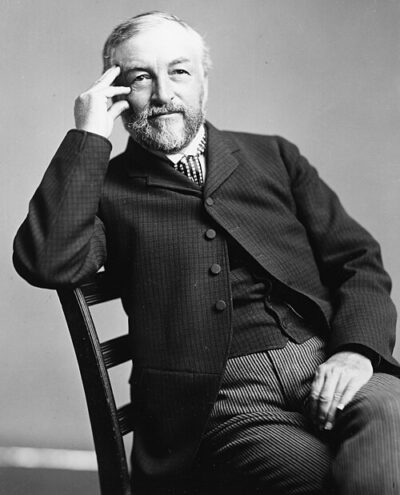 Samuel Langley (1886)American physicist, pioneer of aviation, and 3rd Secretary of the Smithsonian (1834-1906)
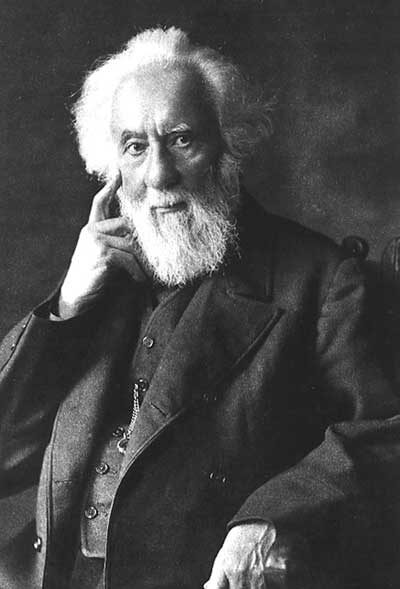 William Huggins (1880)British astronomer (1824–1910)
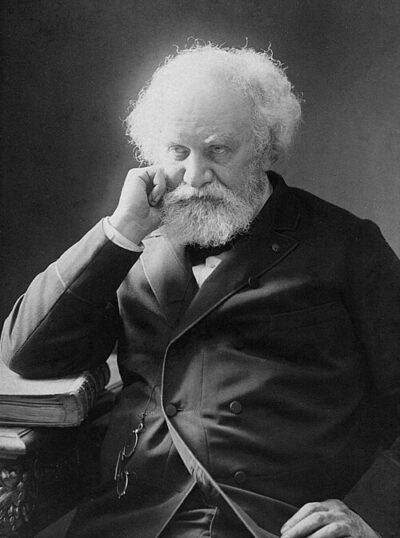 Pierre Janssen (1876)French astronomer (1824-1907)
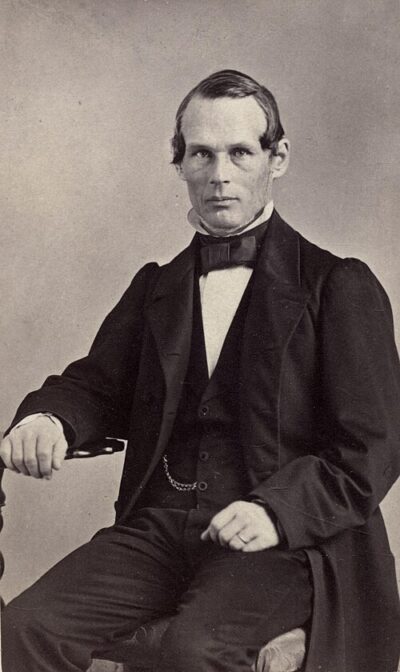 Anders Jonas Ångström (1872)Swedish physicist
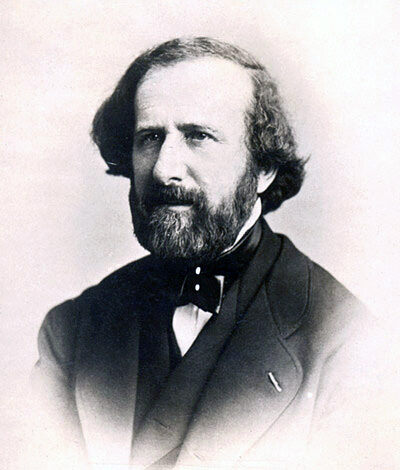 Hippolyte Fizeau (1866)French physicist (1819–1896)
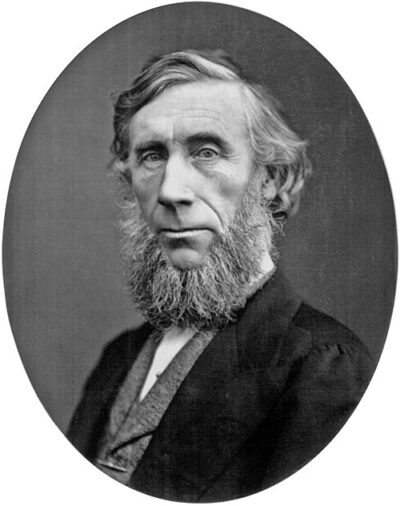 John Tyndall (1864)Irish physicist (1820–1893)
and 13 more
