
Russian Social Democratic Labour Party
The Russian Social Democratic Labour Party is a political party in the Russian Empire. It was founded in 1898. Its headquarters are in Saint Petersburg. It stands for socialism, social democracy and Marxism.
- Country
- Russian Empire
- Founded
- March 13, 1898
- Ideology
- socialism
- Chair
- Pavel Axelrod (1917–1924)
All 12 facts, and where they come from
Facts
12 facts · 0 confirmed by two sources · 5 cited · 7 from one source
Where this comes from
Papalocal keeps its own record. It started from these sources; what each one said is kept here as it was copied, so a change on their side never changes this page by itself. Tap one to read its version.
What Wikidata says · copied November 16, 2026 · revision 2557606017
- Described as
- political party in the Russian Empire
- Other names
- RSDLP, Russian Social Democratic Labor Party
- What it is
- political party
- Followed by
- Russian Social Democratic Labour Party (bolshevik)
- Founded
- March 13, 1898 · 1 reference
- Ended
- April 24, 1917 · 1 reference
- Headquarters
- Saint Petersburg
- Country
- Russian Empire · 1 reference; Russian Republic
- Chair
- Vladimir Lenin (1903–1905); Yuly Martov (1905–1917)
- Ideology
- socialism; social democracy; Marxism · 1 reference
- Wikipedias with a page
- 60
Wikidata item Q204911 (wikidata.org/wiki/Q204911), public domain (CC0). Copied 2026-11-16.
What Wikipedia says · copied November 16, 2026 · revision 1375444378
The Russian Social Democratic Labour Party (RSDLP), also known as the Russian Social Democratic Workers' Party (RSDWP) or the Russian Social Democratic Party (RSDP), was a socialist political party founded in 1898 in Minsk, Russian Empire. The party emerged from the merger of various Marxist groups operating under Tsarist repression, and was dedicated to the overthrow of the autocracy and the establishment of a socialist state based on the revolutionary leadership of the Russian proletariat.
The RSDLP's formative years were marked by ideological and strategic disputes culminating at its Second Congress in 1903, where the party split into two main factions: the Bolsheviks, led by Vladimir Lenin, who advocated a tightly organized vanguard of professional revolutionaries; and the Mensheviks, led by Julius Martov and others, who favored a more moderate, broad-based model. During and in the years after the 1905 Revolution, the RSDLP operated both legally and underground, publishing newspapers, infiltrating trade unions, and agitating among industrial workers.
Despite repeated attempts at reunification, the rift between the Bolsheviks and Mensheviks widened, resulting in a formal split in 1912. The February Revolution of 1917 saw some Mensheviks support cooperation with the Provisional Government, which the Bolsheviks opposed in favor of "all power to the soviets". After the Bolsheviks seized power in the October Revolution later that year, the RSDLP was effectively dissolved. In 1918, the Bolshevik party formally renamed itself the Russian Communist Party (Bolsheviks), which later became the Communist Party of the Soviet Union.
From the Wikipedia article “Russian Social Democratic Labour Party” (en.wikipedia.org/wiki/Russian_Social_Democratic_Labour_Party), by its contributors, under CC BY-SA 4.0 (creativecommons.org/licenses/by-sa/4.0/). Copied 2026-11-16; not changed.
Confirmed Two sources agree. Cited One source, and it names where it got it. One source One source, without a reference of its own. Sources disagree The sources disagree. We show the best-supported value and keep theirs below.
People connected 24
Party members
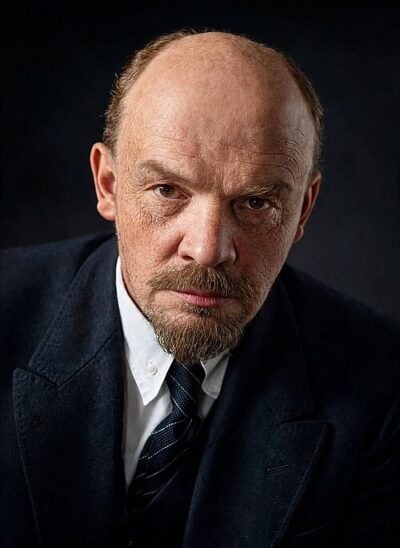 Vladimir Lenin (–1917)Russian revolutionary, politician, political theorist, and founder of the Soviet Union (1870–1924)
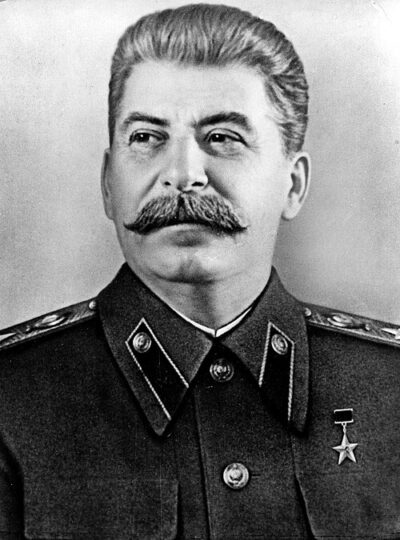 Joseph Stalin (1901–1903)politician and leader of the Union of Soviet Socialist Republics from 1924 to 1953
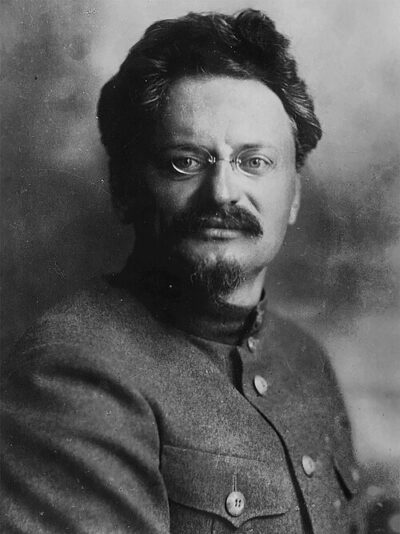 Leon TrotskyRussian Marxist revolutionary (1879–1940)
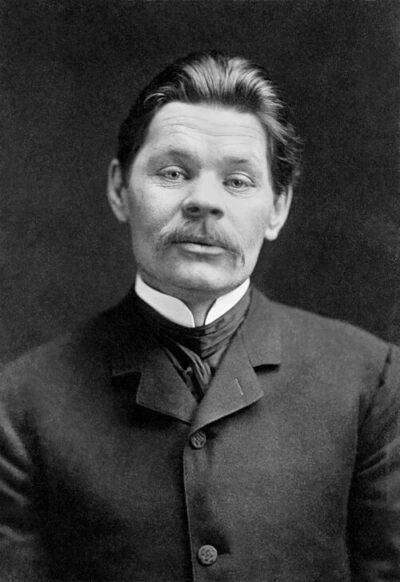 Maxim GorkyRussian and Soviet writer (1868–1936)
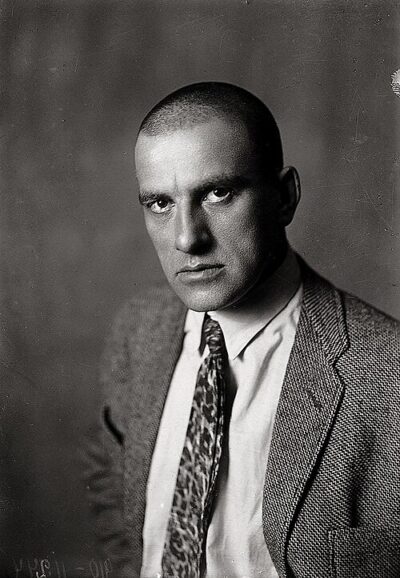 Vladimir MayakovskyRussian and Soviet poet (1893–1930)
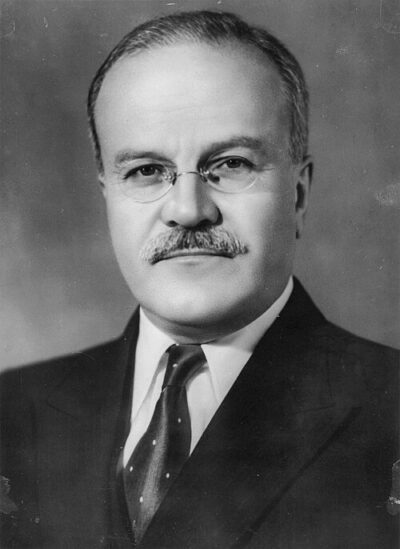 Vyacheslav Molotov (1906–1917)Soviet politician, statesman and diplomat (1890–1986)
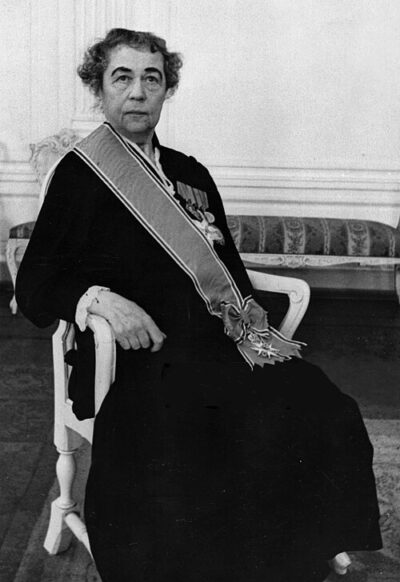 A. KollontaĭSoviet revolutionary, ambassador, diplomat, feminist
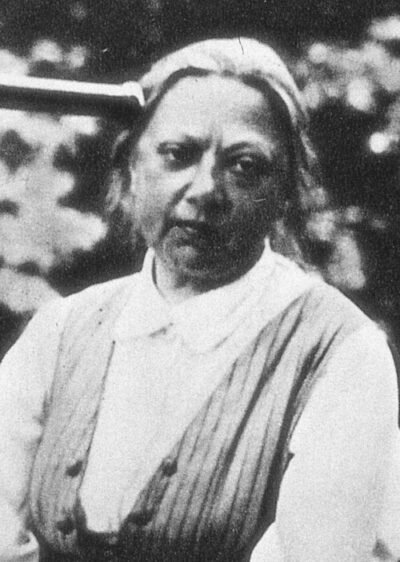 Nadezhda KrupskayaRussian revolutionary and politician (1869–1939)
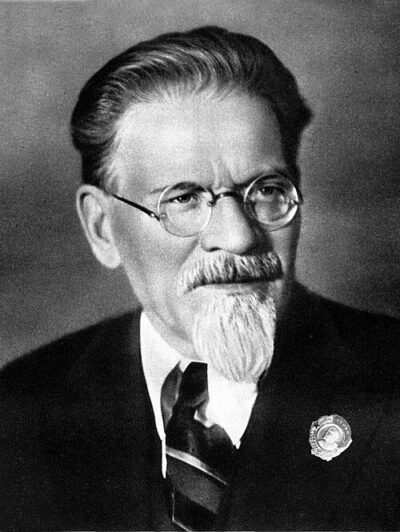 Mikhail Ivanovich Kalinin (–1917)Soviet politician (1875–1946)
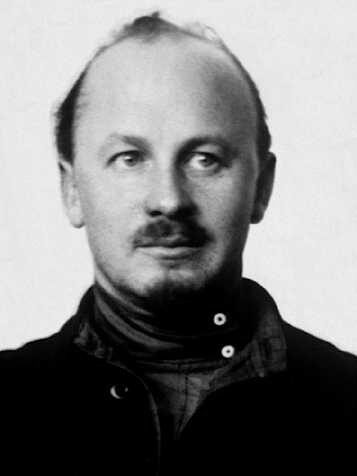 Nikolai BukharinRussian revolutionary and politician (1888–1938)
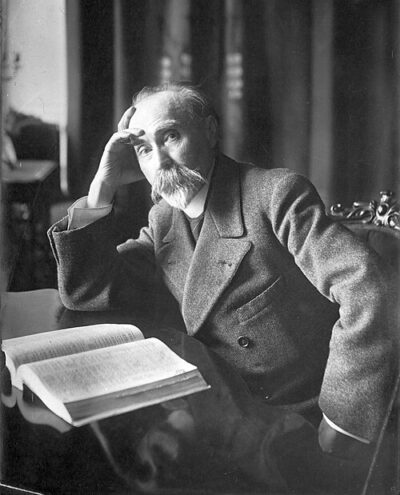 Georgi PlekhanovRussian philosopher (1856–1918)
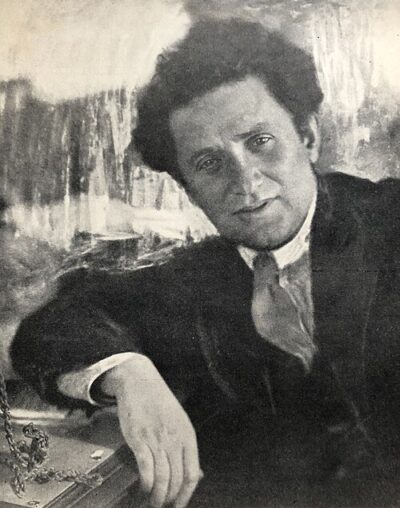 Grigory ZinovievRussian revolutionary (1883-1936)
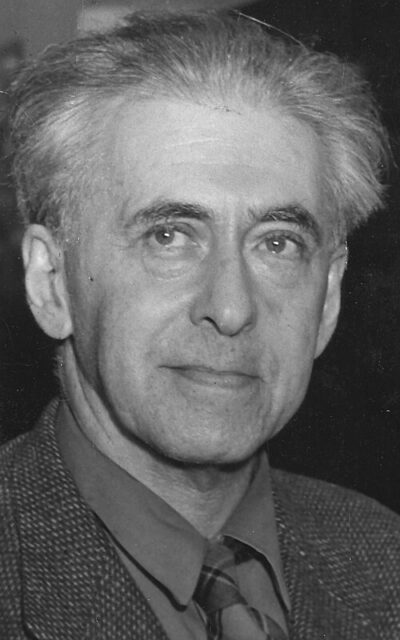 Ilya EhrenburgSoviet writer, Bolshevik revolutionary, journalist and historian (1891–1967)
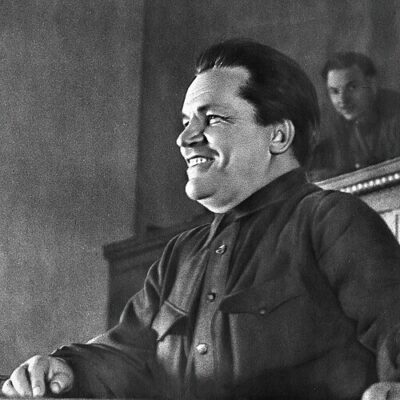 Sergei Kirov (1904)Soviet politician and Bolshevik revolutionary (1886–1934)
 Anatoly LunacharskyRussian Soviet revolutionary, politician and writer (1875–1933)
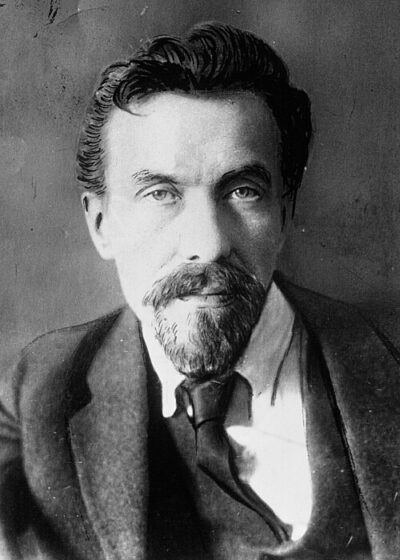 Alexei RykovPremier of Russia and the Soviet Union (1881-1938)
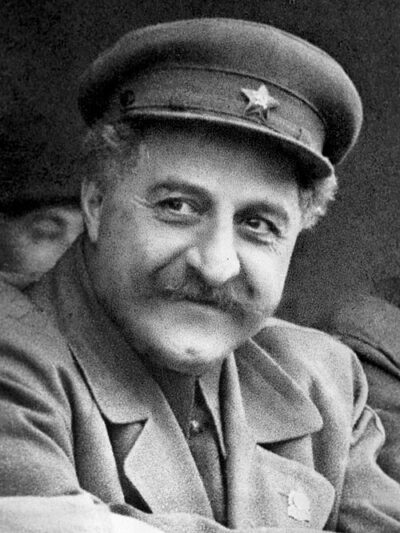 Sergo Ordzhonikidze (1903–)Soviet politician (1886-1937)
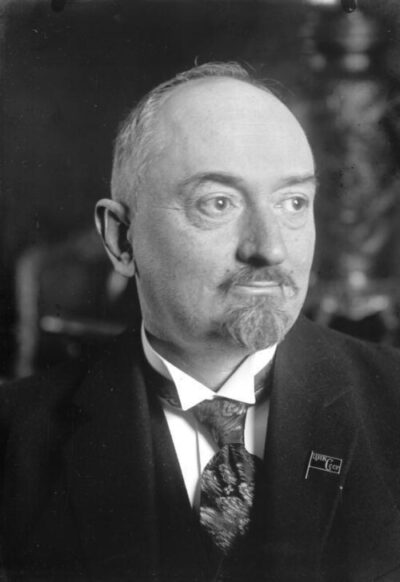 Georgy Vasil'evič Chicherin (1905–)Marxist revolutionary and Soviet politician
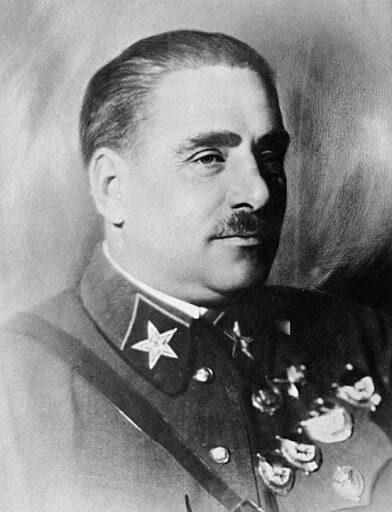 Vasily BlyukherSoviet marshal (1889–1938)
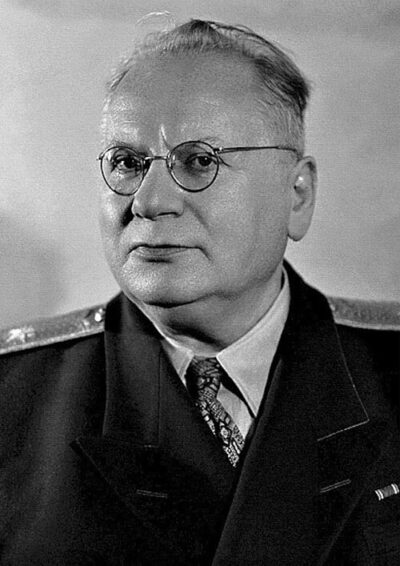 Maxim Litvinov (1898–1903)Soviet diplomat and foreign minister (1876–1951)
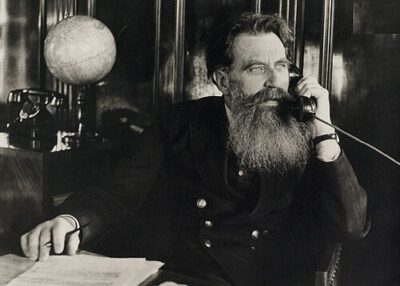 Otto Schmidt (–1918)Russian geophysicist and polar explorer of Baltic German origin (1891-1956)
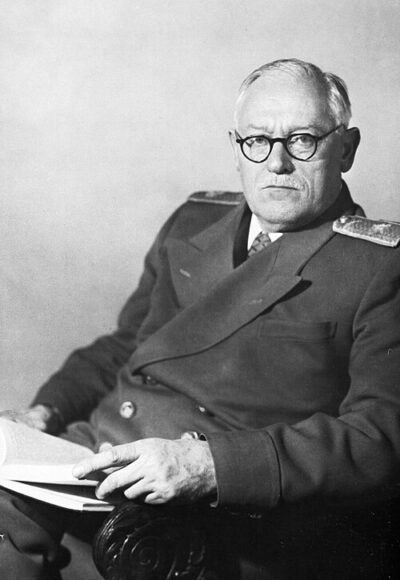 Andrey VyshinskySoviet politician, jurist and diplomat (1883-1954)
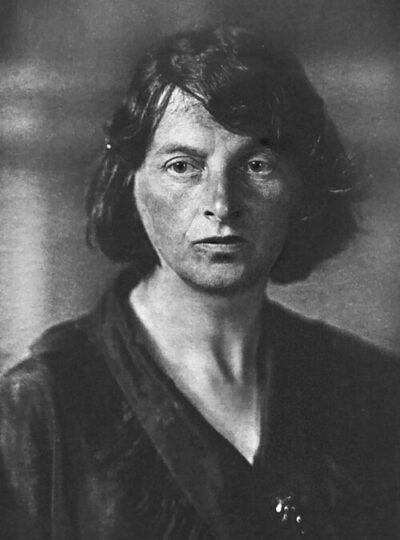 Inessa ArmandFrench communist politician, editor
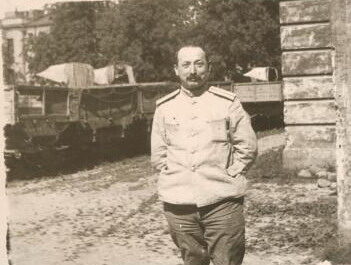 Fyodor DanRussian revolutionary (1871-1947)
