
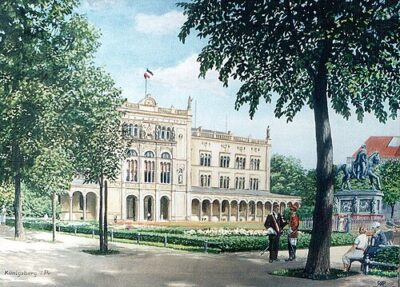
University of Königsberg
The University of Königsberg is a university. It was founded in 1544 by Albert, Duke in Prussia.
- Located in
- Kaliningrad
- Country
- Kingdom of Prussia (–1918)
- Founded
- 1544
- What it is
- university (–1945)
All 7 facts, and where they come from
Facts
7 facts · 0 confirmed by two sources · 0 cited · 7 from one source
Where this comes from
Papalocal keeps its own record. It started from these sources; what each one said is kept here as it was copied, so a change on their side never changes this page by itself. Tap one to read its version.
What Wikidata says · copied November 16, 2026 · revision 2553054149
- Described as
- former university of Königsberg in Eastern Prussia (1544-1945)
- Other names
- Albertina, Albertus-Universität Königsberg
- What it is
- university (–1945)
- Founded
- 1544
- Ended
- 1945
- Founded by
- Albert, Duke in Prussia
- Located in
- Kaliningrad
- Country
- Kingdom of Prussia (–1918); German Reich (–1945)
- Wikipedias with a page
- 41
Wikidata item Q672420 (wikidata.org/wiki/Q672420), public domain (CC0). Copied 2026-11-16.
What Wikipedia says · copied November 16, 2026 · revision 1380190945
The University of Königsberg (German: Albertus-Universität Königsberg), commonly known as Albertina, was a university in Königsberg, East Prussia. It was founded in 1544 as the world's second Protestant academy (after the University of Marburg) by Duke Albert of Prussia and received the royal privilege by King Sigismund II Augustus of Poland in 1560.
Following World War II, the city of Königsberg (renamed Kaliningrad) was transferred to the Soviet Union under the terms of the 1945 Potsdam Agreement. The Albertina was closed and the remaining German population was expelled. Today, the Immanuel Kant Baltic Federal University claims to maintain the traditions of the Albertina.
From the Wikipedia article “University of Königsberg” (en.wikipedia.org/wiki/University_of_Königsberg), by its contributors, under CC BY-SA 4.0 (creativecommons.org/licenses/by-sa/4.0/). Copied 2026-11-16; not changed.
Confirmed Two sources agree. Cited One source, and it names where it got it. One source One source, without a reference of its own. Sources disagree The sources disagree. We show the best-supported value and keep theirs below.
Picture: Igor Avtukhov, via Wikimedia Commons · Public domain
People connected 70
Studied here 54
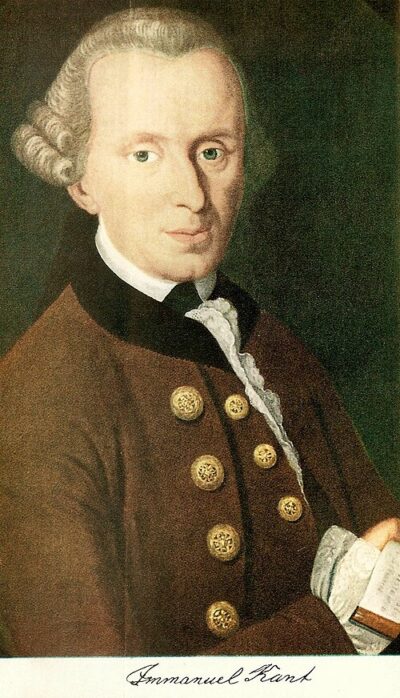 Immanuel Kant (1740–1746)German philosopher (1724-1804)
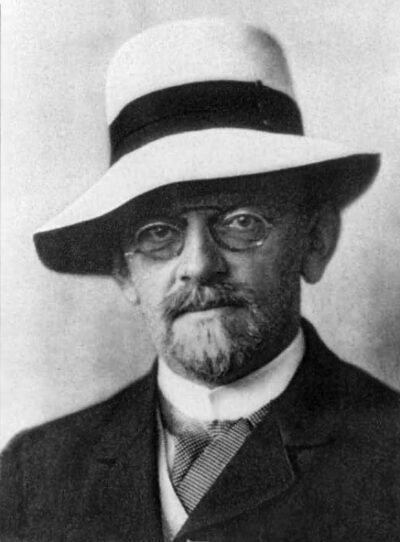 David Hilbert (1880–1885)German mathematician (1862–1943)
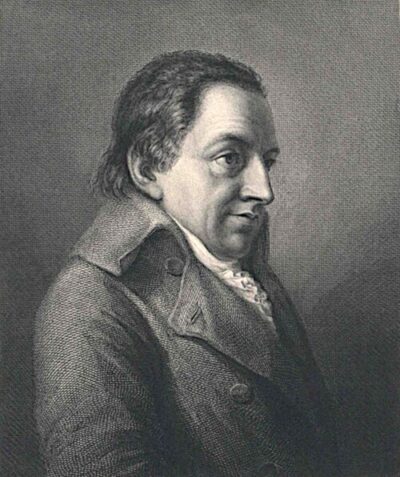 Johann Gottlieb FichteGerman philosopher (1762–1814)
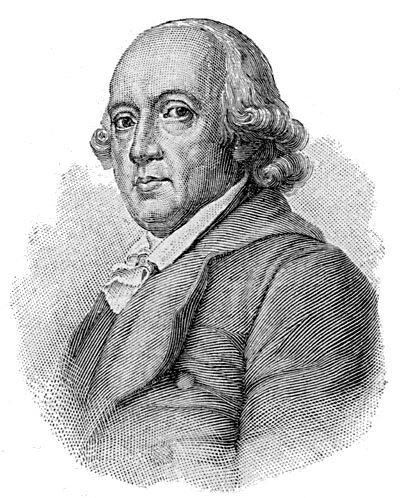 Johann Gottfried HerderGerman philosopher, theologian, poet (1744–1803)
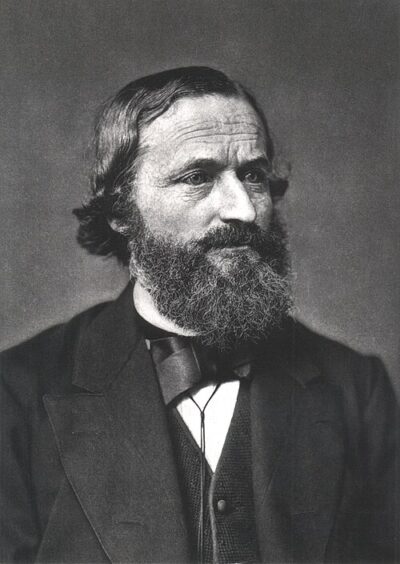 Gustav Kirchhoff (1842–1847)German physicist (1824–1887)
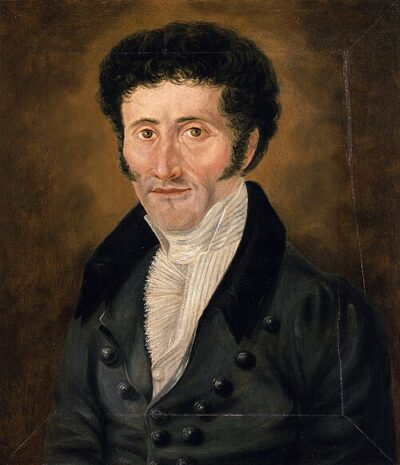 E. T. A. HoffmannGerman writer (1776-1822)
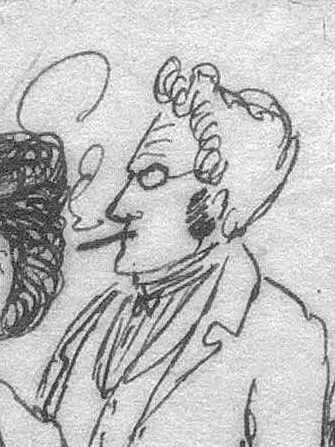 Max Stirner (1832–1833)German philosopher (1806–1856)
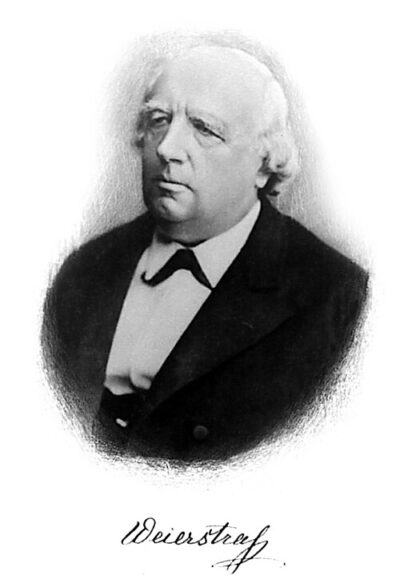 Karl Weierstraß (–1854)German mathematician (1815–1897)
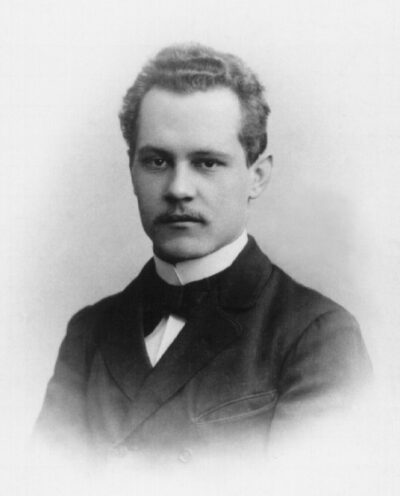 Arnold Sommerfeld (1886–1891)German physicist (1868-1951)
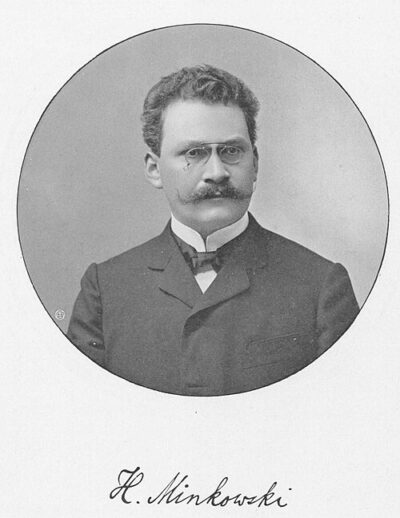 Hermann Minkowski (1880–1885)German mathematician and physicist (1864–1909)
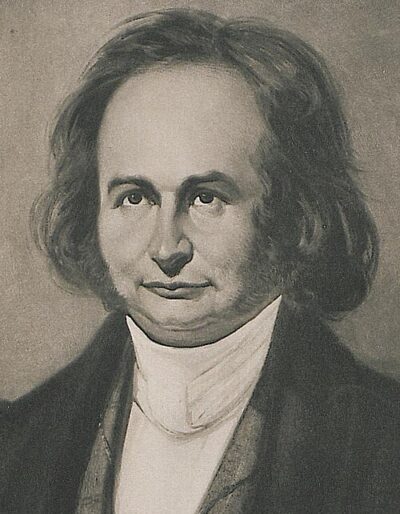 Carl Gustav Jacob JacobiGerman mathematician (1804–1851)
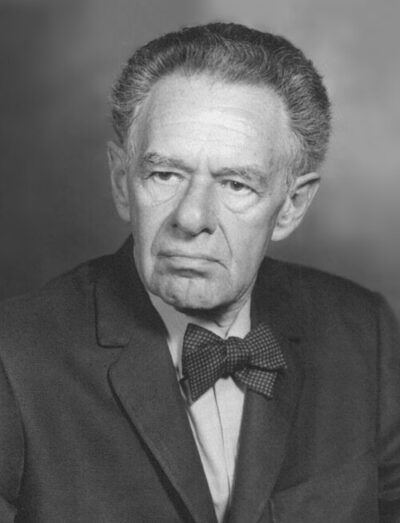 Fritz Albert LipmannGerman-American biochemist
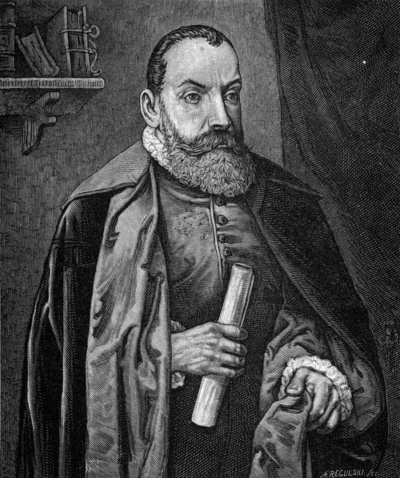 Jan Kochanowski (1555–1556)Polish Renaissance poet (1530–1584)
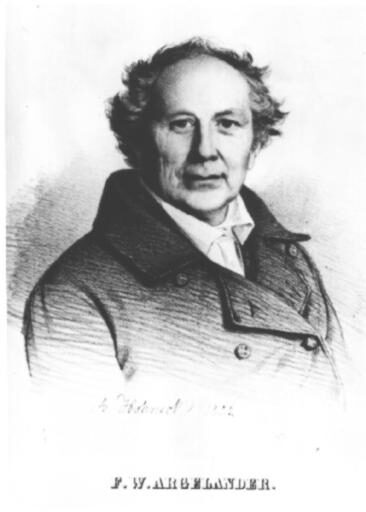 Friedrich Wilhelm ArgelanderGerman astronomer (1799–1875)
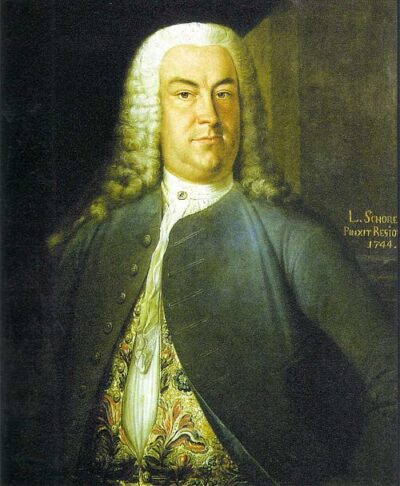 Johann Christoph GottschedGerman writer, dramaturge, linguist and literary theorist as well as professor of poetics, logic and metaphysics (1700–1766)
- CChristian Goldbach (–1710)German mathematician
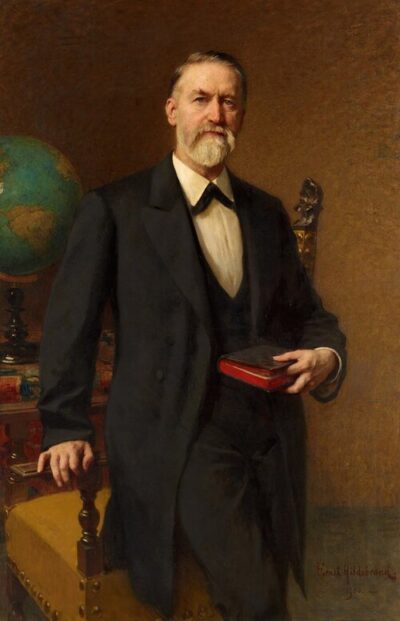 Arthur AuwersGerman astronomer (1838–1915)
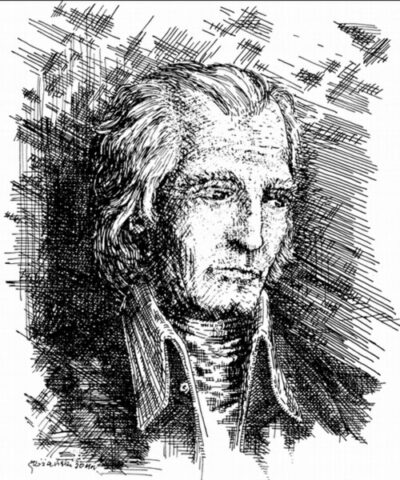 Kristijonas DonelaitisPrussian Lithuanian poet and Lutheran pastor (1714–1780)
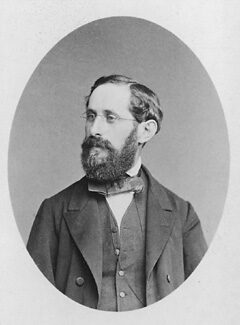 Eduard Heine (1842–1843)German mathematician (1821–1881)
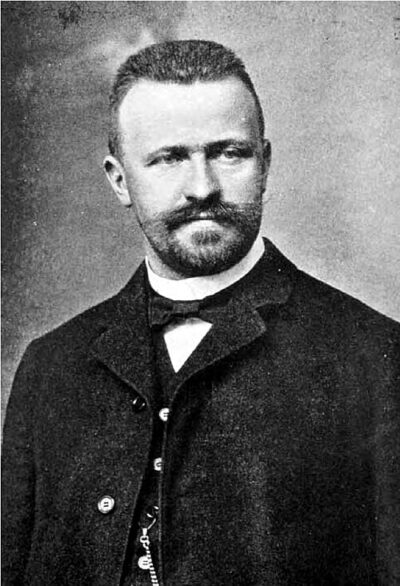 Erich von DrygalskiGerman geographer (1865–1949)
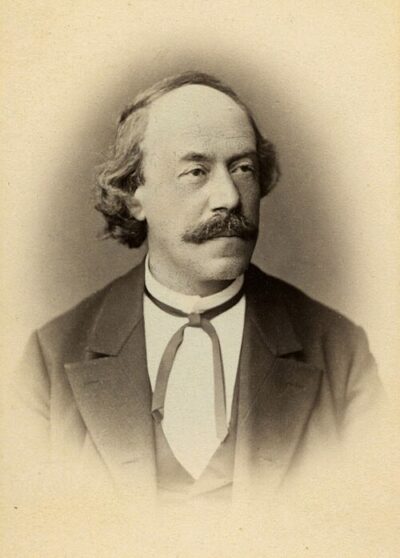 Rudolf Lipschitz (1847–1849)German mathematician (1832-1903)
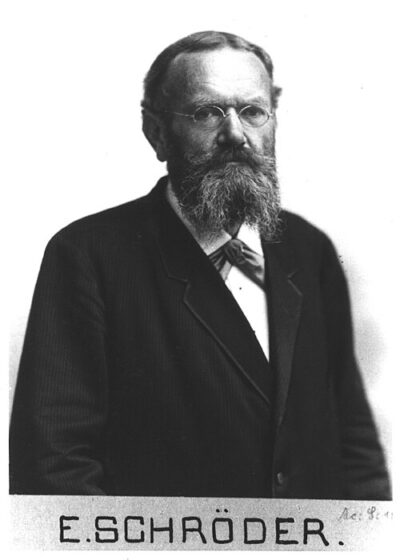 Ernst Schröder (1862–1864)German mathematician (1841-1902)
- TTheodor Kaluza (1903–1907)mathematician, physicist and university teacher (1885-1954)
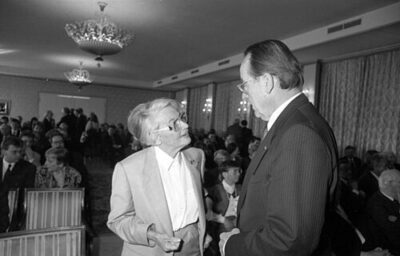 Elisabeth Noelle-NeumannGerman political scientist (1916–2010)
and 30 more
Worked here 26
- Immanuel KantGerman philosopher (1724-1804)
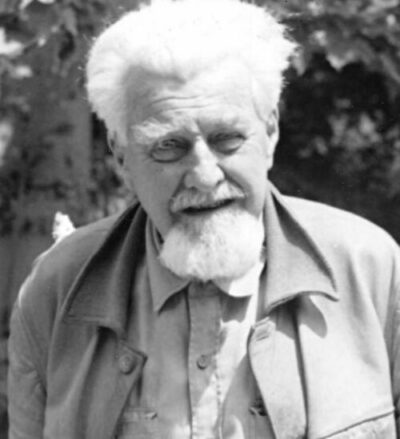 Konrad LorenzAustrian zoologist, winner of the Nobel Prize in Physiology or Medicine in 1973 (1903–1989)
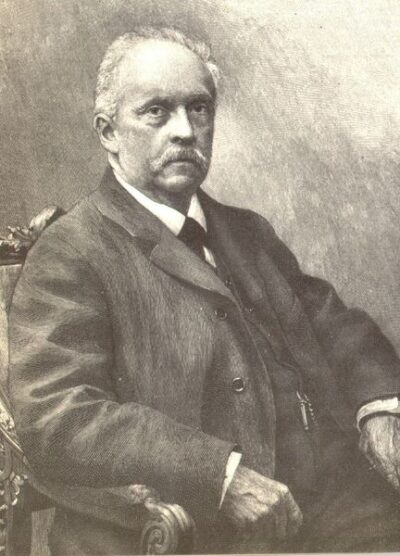 Hermann von Helmholtz (1849–1855)German physicist and physiologist (1821-1894)
- Hermann Minkowski (1885–1894)German mathematician and physicist (1864–1909)
- Carl Gustav Jacob Jacobi (1826–1843)German mathematician (1804–1851)
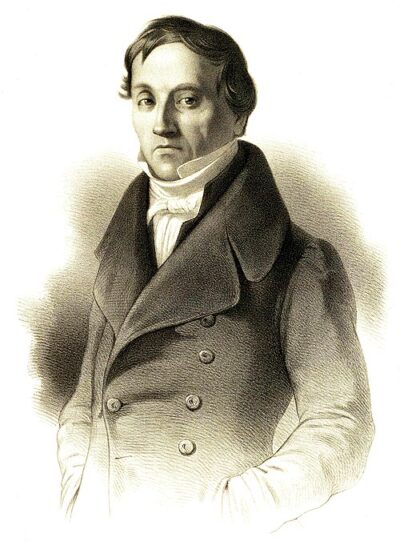 Karl Ernst von Baer (1817–)Baltic German scientist (1792-1876)
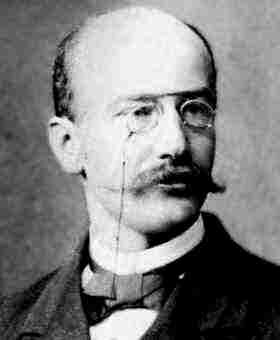 Ferdinand von Lindemann (1883–1893)German mathematician (1852–1939)
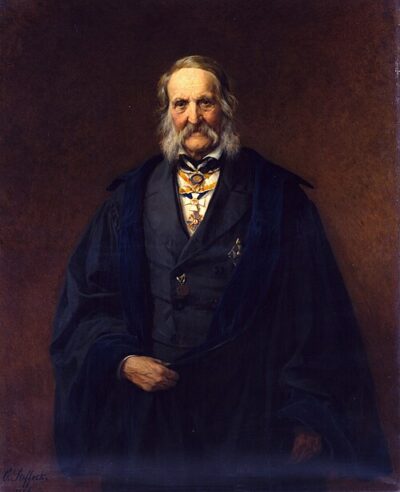 Franz Ernst Neumann (1825–1876)German physicist and mineralogist (1798-1895)
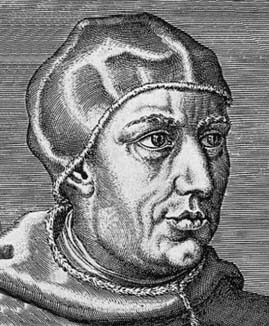 Michael Stifel (1551–1554)German mathematician
- TTheodor Kaluza (1909–1929)mathematician, physicist and university teacher (1885-1954)
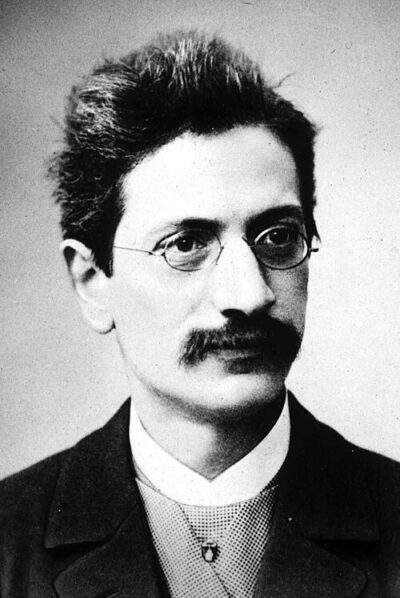 Adolf Hurwitz (1884–1892)German mathematician (1859–1919)
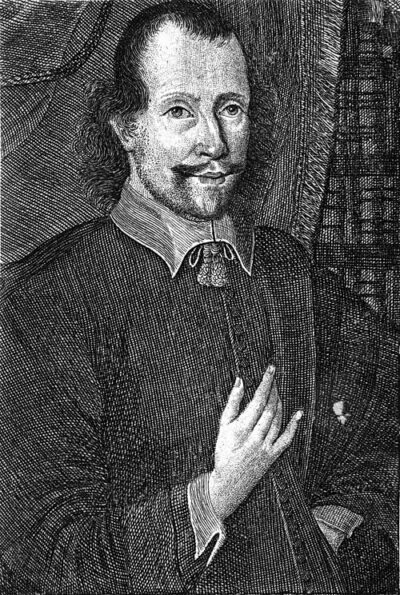 Simon DachGerman writer
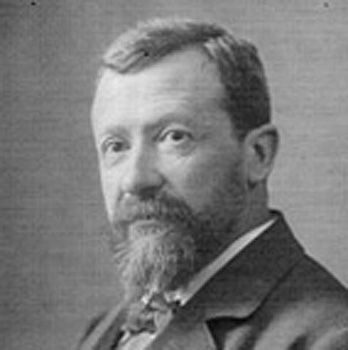 Otto Hölder (1896–1899)German mathematician (1859–1937)
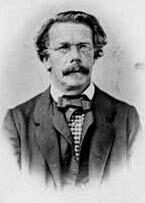 Otto Hesse (1840–1855)German mathematician (*1811 – †1874)
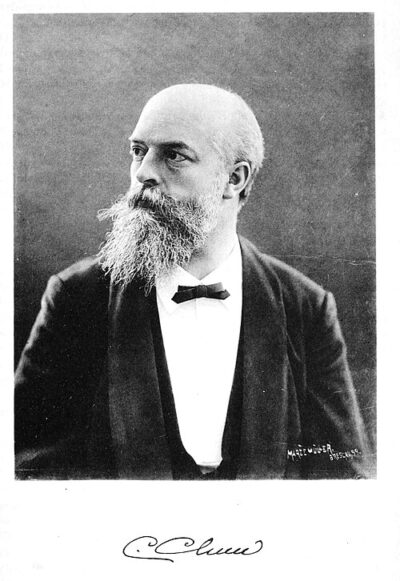 Carl Chun (1883–1891)German zoologist (1852–1914)
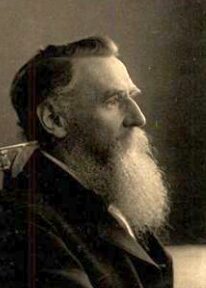 Woldemar Voigt (1875–1883)German physicist (1850–1919)
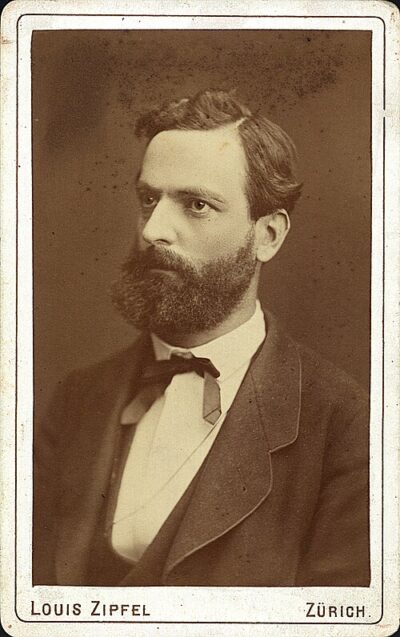 Heinrich Martin Weber (1875–1883)German mathematician (1842–1913)
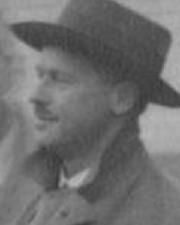 Ludwig Bieberbach (1910–1913)German mathematician and leading representative of National Socialist German mathematics (1886–1982)
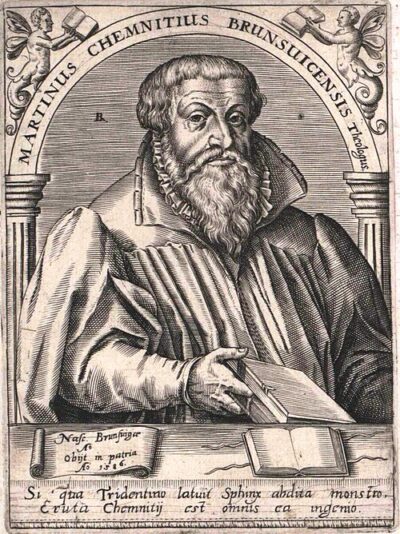 Martin ChemnitzGerman theologian (1522-1586)
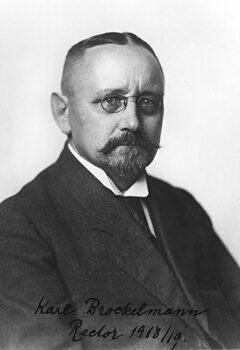 Carl Brockelmann (1903–1910)German orientalist (1868–1956)
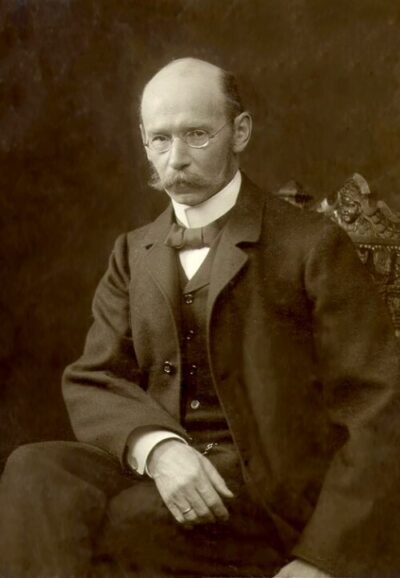 Hermann Struve (1895–)Baltic German astronomer (1854–1920)
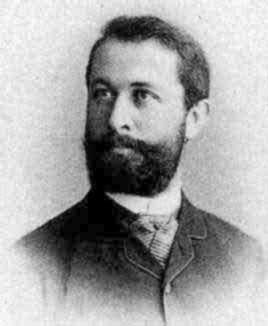 Arthur Moritz Schoenflies (1899–1911)German mathematician (1853–1928)
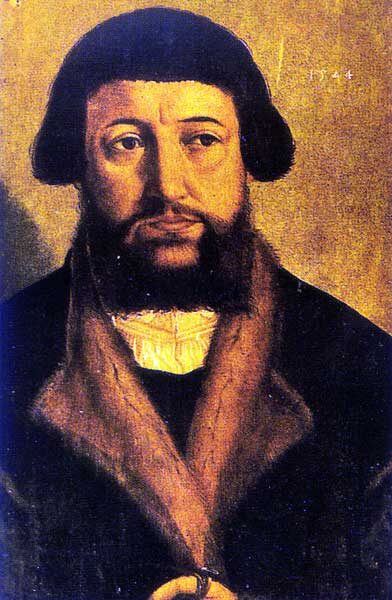 Andreas OsianderGerman theologian and Protestant reformer (1498-1552)
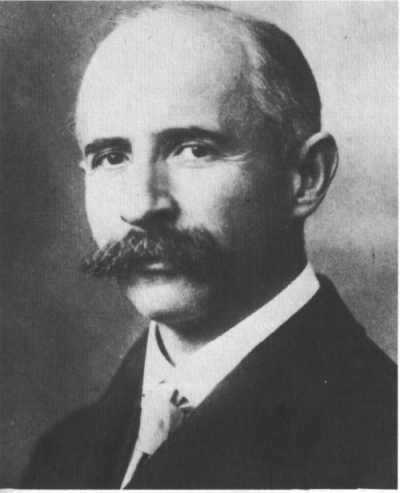 Walter KaufmannGerman physicist (1871–1947)
and 2 more
