
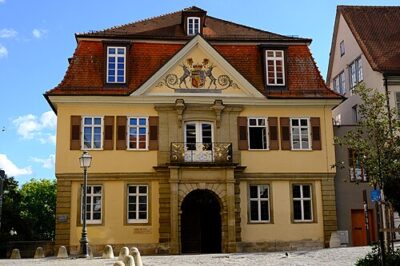
University of Tübingen
The University of Tübingen is a public research university in Tübingen, Germany. It was founded in 1477 by Eberhard I, Duke of Württemberg. 28,238 students study there (2023).
- Located in
- Tübingen
- Country
- Germany
- Founded
- 1477
- Students
- 28,238 (2023)
- What it is
- comprehensive university
All 12 facts, and where they come from
Facts
12 facts · 0 confirmed by two sources · 3 cited · 9 from one source
Where this comes from
Papalocal keeps its own record. It started from these sources; what each one said is kept here as it was copied, so a change on their side never changes this page by itself. Tap one to read its version.
What Wikidata says · copied November 16, 2026 · revision 2552803080
- Described as
- public research university in Tübingen, Germany
- Other names
- Eberhard Karls University, Eberhard Karls University, Tübingen, University of Tubingen, Eberhard Karl University of Tübingen, University of Tuebingen, uni-tuebingen.de, UT, Eberhard Karls University of Tübingen, Tübingen University, UTübingen, Eberhard Karls Universität Tübingen, Universität Tübingen
- What it is
- comprehensive university; public university · 1 reference; public research university · 1 reference
- Founded
- 1477
- Founded by
- Eberhard I, Duke of Württemberg
- Headquarters
- Tübingen
- Located in
- Tübingen
- Country
- Germany · 2 references
- Students
- 18,601 (1998) · 1 reference
- Named after
- Eberhard I, Duke of Württemberg; Karl II Eugen, Duke of Württemberg
- Official website
- https://uni-tuebingen.de/
- Wikipedias with a page
- 86
Wikidata item Q153978 (wikidata.org/wiki/Q153978), public domain (CC0). Copied 2026-11-16.
What Wikipedia says · copied November 16, 2026 · revision 1377510568
The University of Tübingen, officially the Eberhard Karls University of Tübingen (German: Eberhard Karls Universität Tübingen; Latin: Universitas Eberhardina Carolina), is a public research university located in the city of Tübingen, Baden-Württemberg, Germany.
The University of Tübingen is one of eleven German Excellence Universities. The University of Tübingen is especially known as a centre for the study of plant biology, medicine, law, archeology, ancient cultures, philosophy, theology, religious studies, humanities, and more recently as a center of excellence for artificial intelligence. The university's noted alumni and faculty include presidents, a pope, EU Commissioners, judges of the Federal Constitutional Court, and Johannes Kepler. The university is associated with eleven Nobel laureates, especially in the fields of medicine and chemistry.
From the Wikipedia article “University of Tübingen” (en.wikipedia.org/wiki/University_of_Tübingen), by its contributors, under CC BY-SA 4.0 (creativecommons.org/licenses/by-sa/4.0/). Copied 2026-11-16; not changed.
Confirmed Two sources agree. Cited One source, and it names where it got it. One source One source, without a reference of its own. Sources disagree The sources disagree. We show the best-supported value and keep theirs below.
Picture: Dktue, via Wikimedia Commons · CC0
People connected 168
Studied here 124
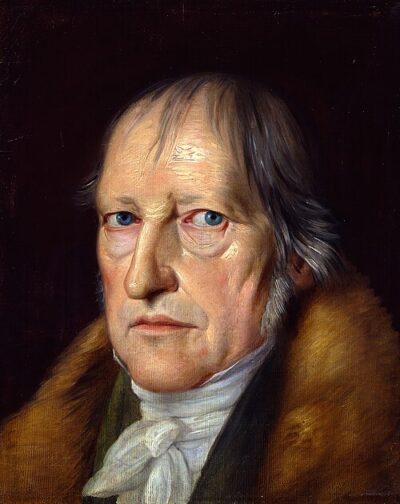 Georg Wilhelm Friedrich HegelGerman philosopher and theologian (1770–1831)
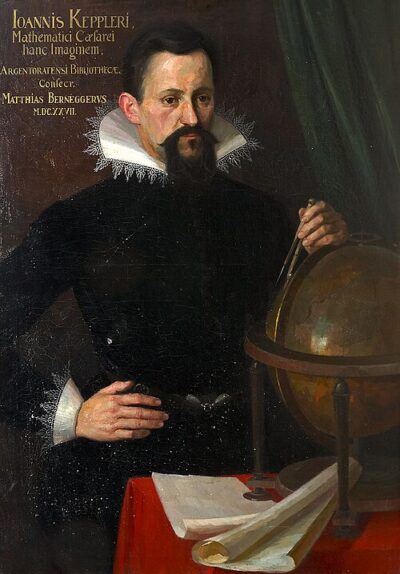 Johannes KeplerGerman mathematician and astronomer (1571–1630)
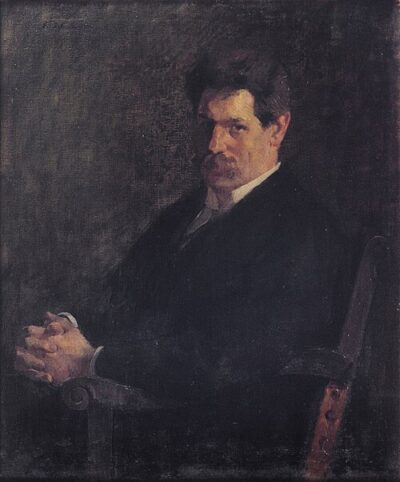 Albert SchweitzerFrench-German physician, theologian, musician, and philosopher (1875-1965)
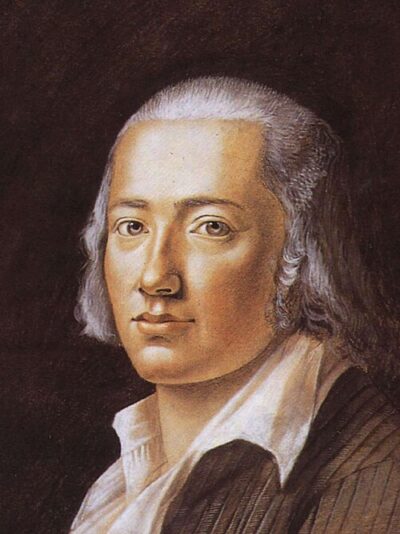 Friedrich HölderlinGerman poet
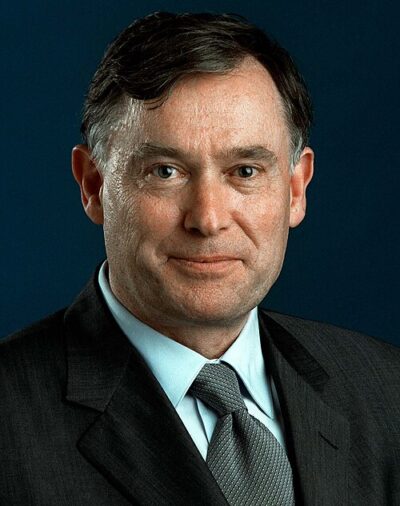 Horst KöhlerGerman politician (CDU); president of Germany, 2004–2010
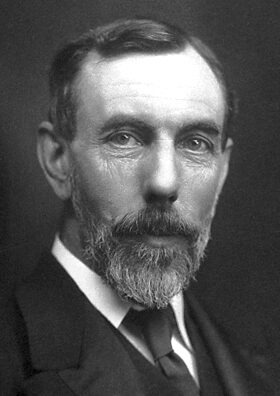 William Ramsay (1871–1878)Scottish chemist (1852–1916)
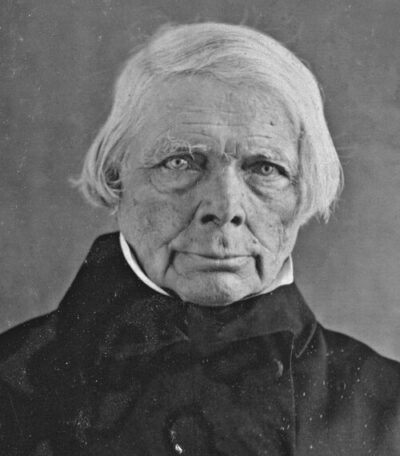 Friedrich Wilhelm Joseph SchellingGerman philosopher (1775–1854)
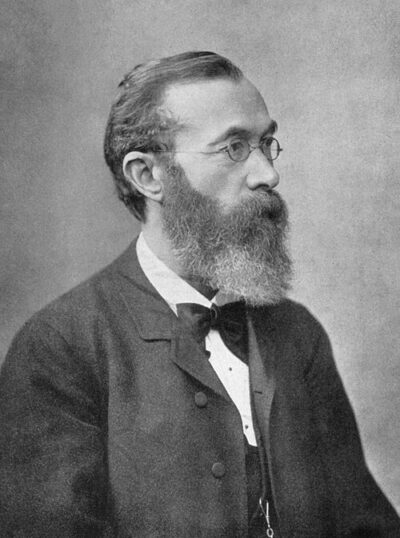 Wilhelm WundtGerman physician, physiologist, philosopher and professor (1832–1920)
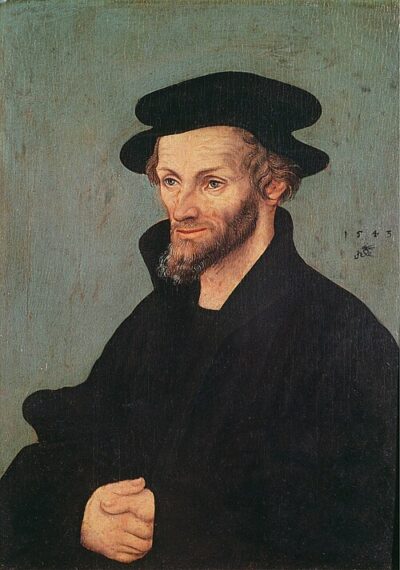 Philipp Melanchthon (1512–1514)German theologian and reformer (1497-1560)
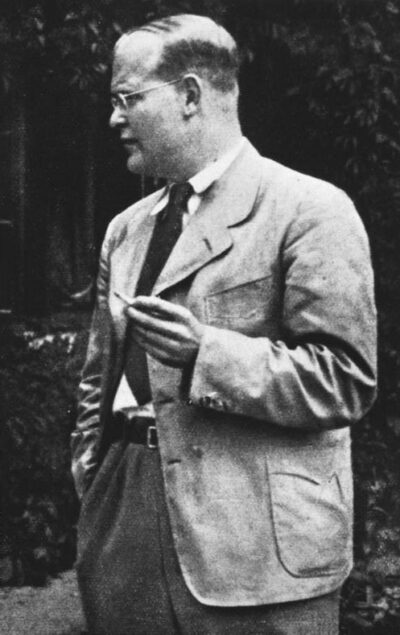 Dietrich Bonhoeffer (1923–)German Lutheran pastor, theologian, anti-Nazi dissident (1906–1945)
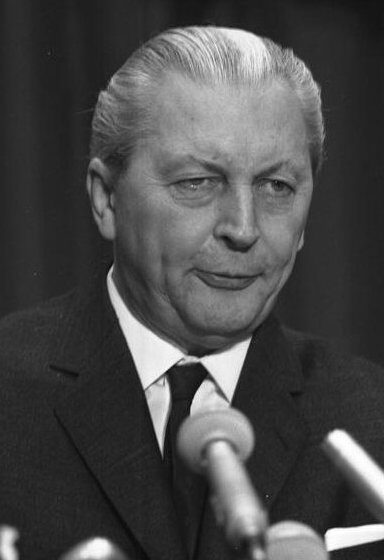 Kurt Georg KiesingerChancellor of West Germany (1966–1969)
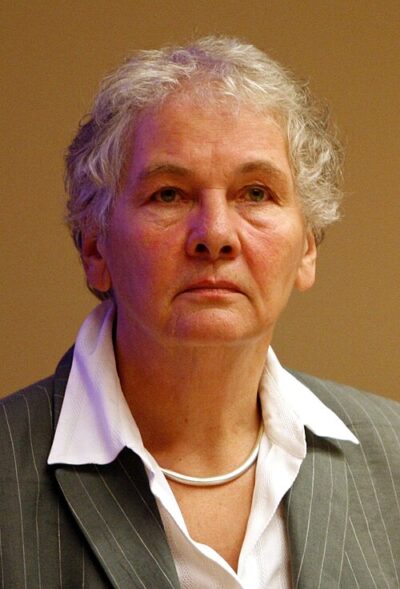 Christiane Nüsslein-VolhardGerman biologist (1995 Nobel Prize)
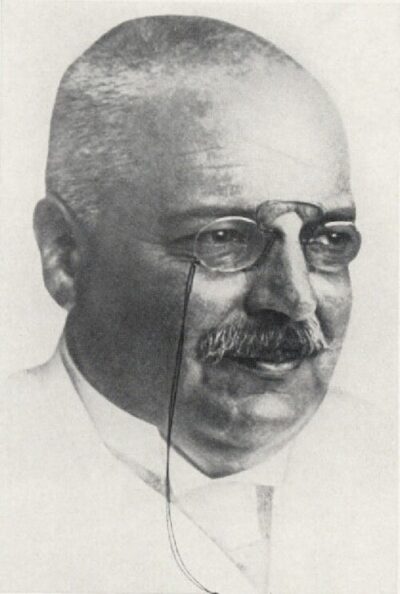 Alois AlzheimerGerman psychiatrist and neuropathologist (1864–1915)
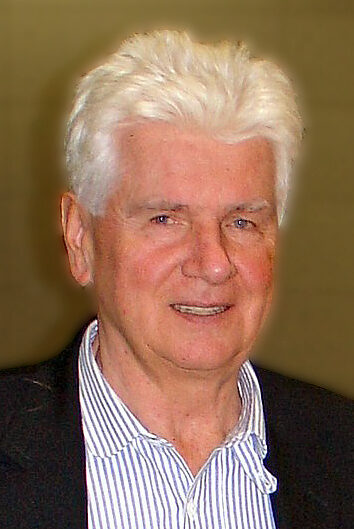 Günter BlobelGerman American biologist (1999 Nobel Prize)
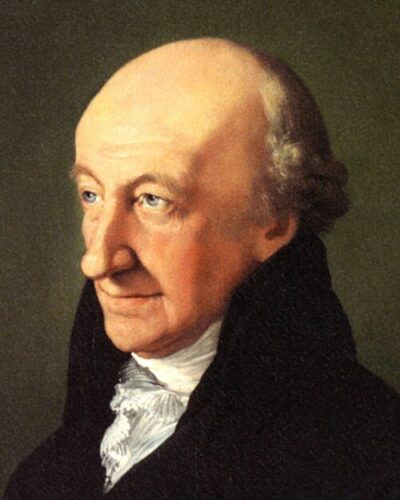 Christoph Martin Wieland (1750–1752)German poet and writer (1733–1813)
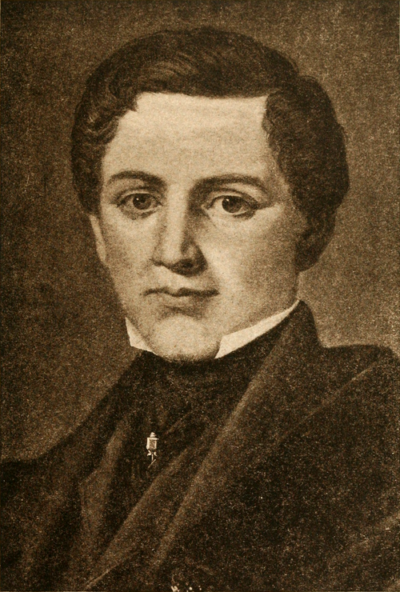 Wilhelm Hauff (1820–1824)German poet and novelist (1802–1827)
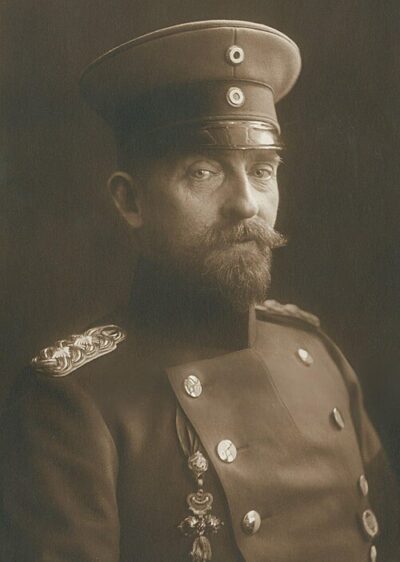 Ferdinand I of Romaniaking of Romania (1865–1927; ruled 1914–1927)
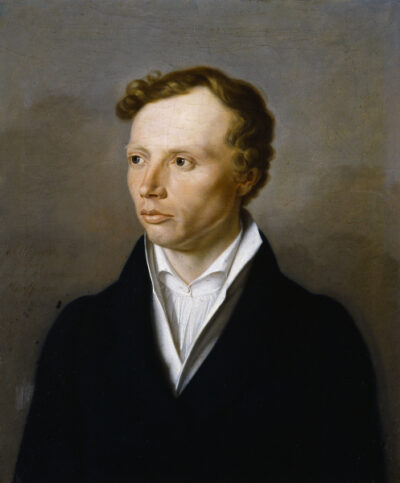 Ludwig UhlandGerman poet and politician (1787–1862)
- GGeorg WittigGerman chemist (1979 Nobel Prize)
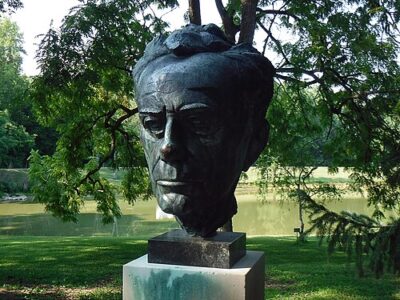 Paul TillichGerman-American theologian and philosopher
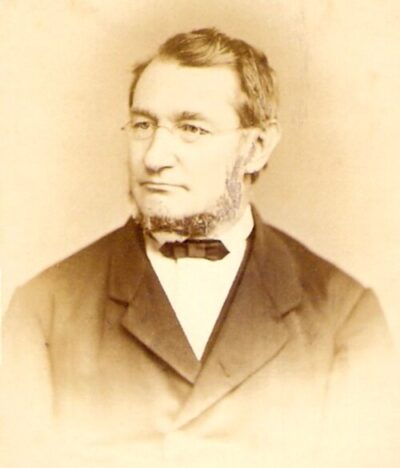 Robert Mayer (–1838)German physicist (1814-1878)
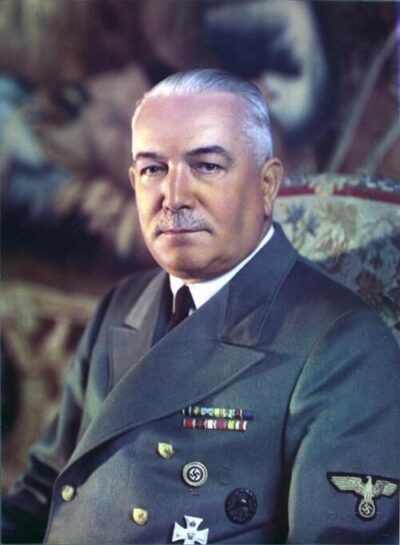 Konstantin von NeurathGerman Foreign Minister, Ambassador and Reich Protector in Bohemia and Moravia, general and Nazi war criminal (1873-1956)
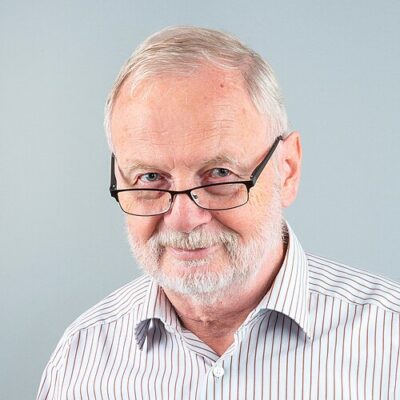 Hartmut MichelGerman biochemist (1988 Nobel Prize)
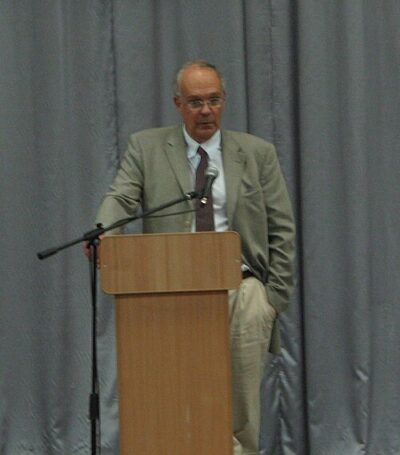 Bert SakmannGerman biologist and physician (1991 Nobel Prize)
and 100 more
Worked here 67
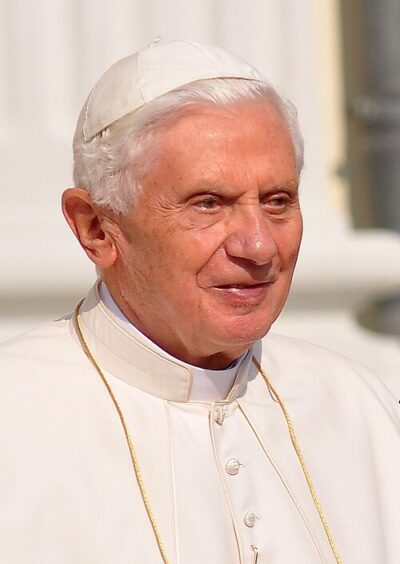 Benedict XVI265 th pope of the Catholic Church (2005–2013)
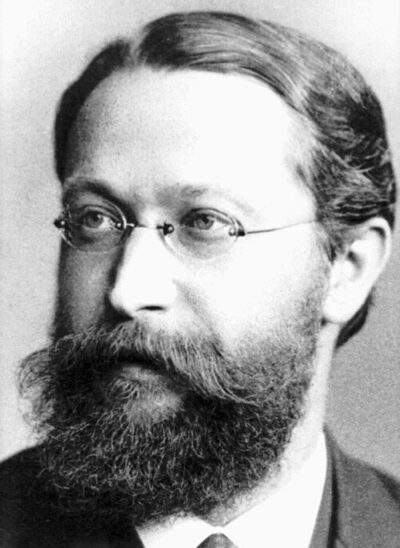 Karl Ferdinand BraunGerman physicist (1850–1918)
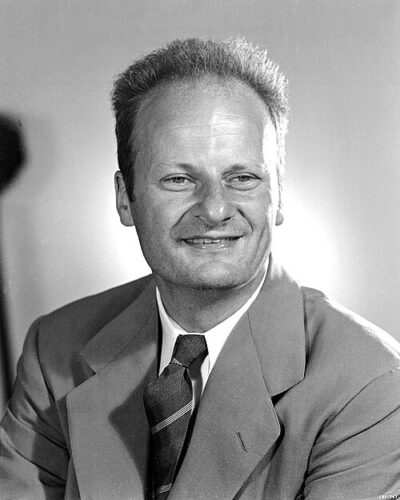 Hans Bethe (1931–1933)German-American nuclear physicist
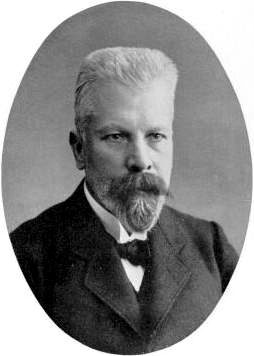 Eduard BuchnerGerman chemist (1907 Nobel Prize)
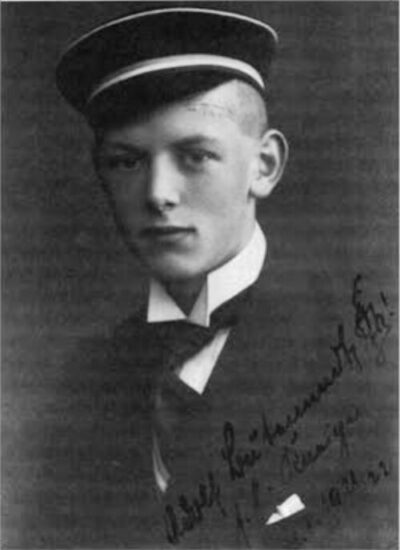 Adolf ButenandtGerman biochemist (1903-1995)
- Christiane Nüsslein-VolhardGerman biologist (1995 Nobel Prize)
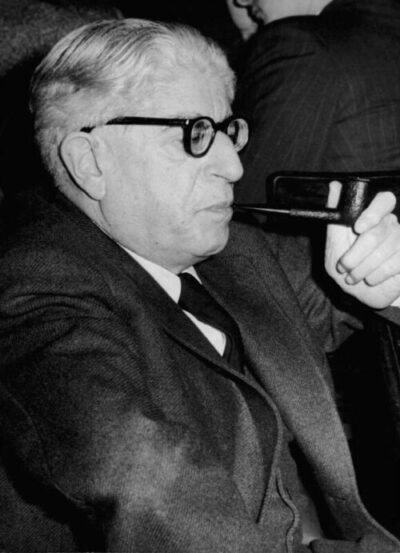 Ernst BlochGerman philosopher (1885–1977)
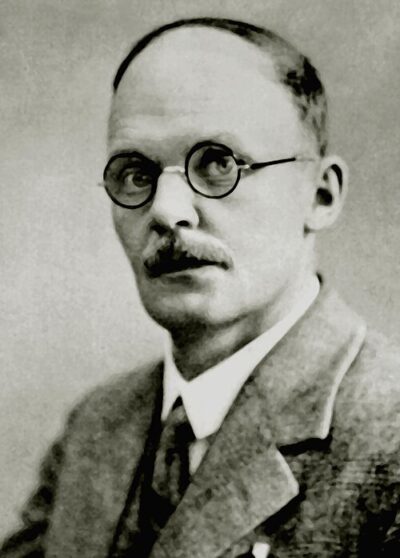 Hans Geiger (1929–)German physicist (1882–1945)
- Ludwig UhlandGerman poet and politician (1787–1862)
- GGeorg Wittig (1944–1956)German chemist (1979 Nobel Prize)
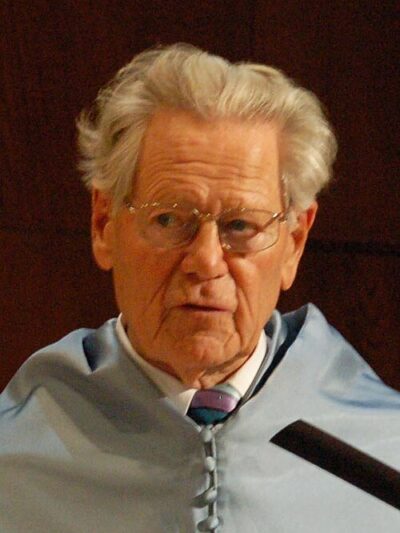 Hans KüngSwiss Catholic priest, theologian and author (1928-2021)
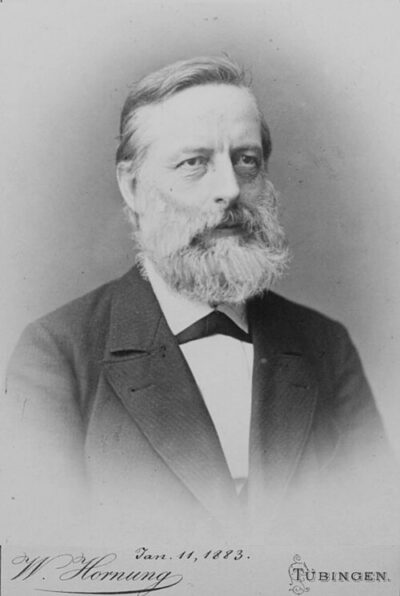 Lothar Meyer (1876–1895)German chemist and physician (1830-1895)
- Hartmut MichelGerman biochemist (1988 Nobel Prize)
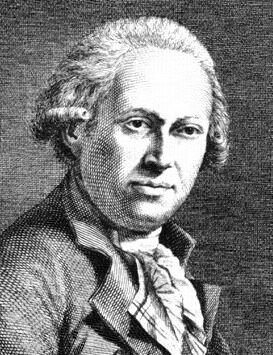 Johann Friedrich GmelinGerman naturalist (1748–1804)
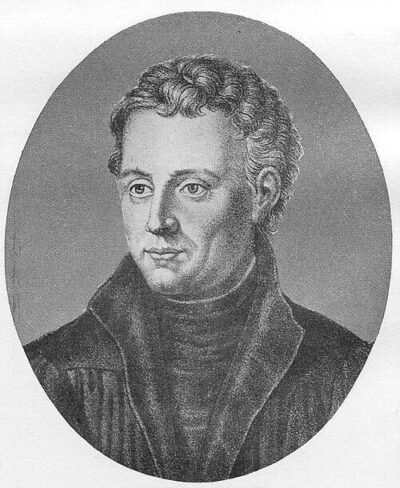 Johann ReuchlinGerman humanist and scholar of Greek and Hebrew (1455-1522)
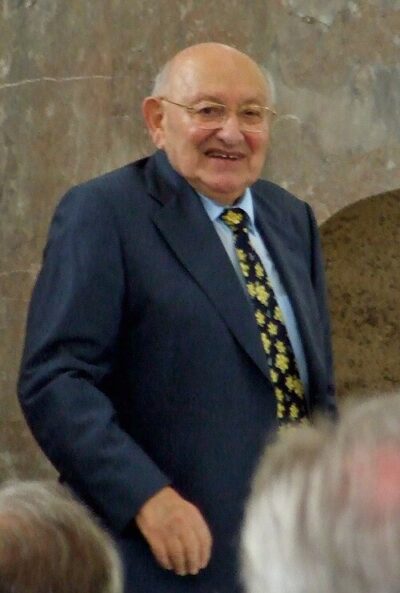 Marcel Reich-Ranicki (1974–)Polish-born German literary critic (1920–2013)
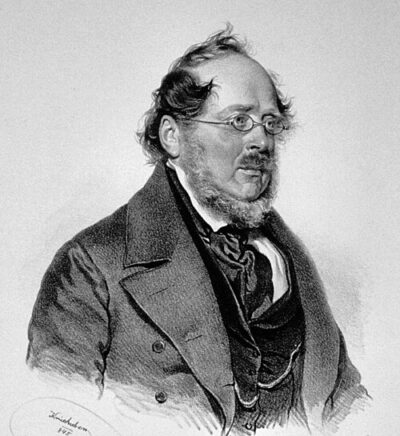 Friedrich ListGerman economist
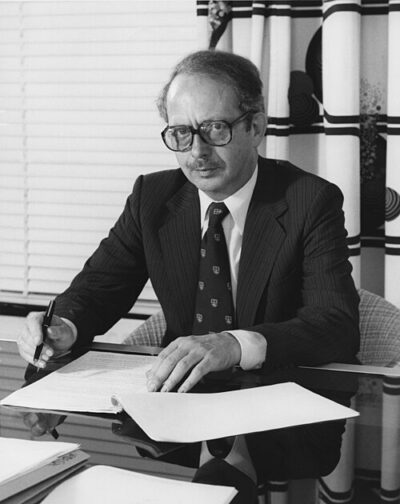 Ralf DahrendorfGerman-British sociologist, politician (1929–2009)
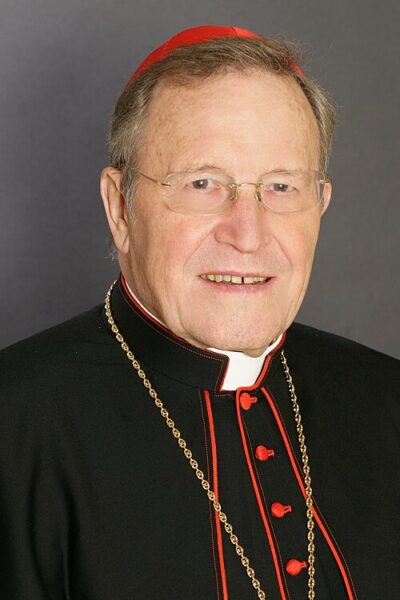 Walter Kaspercardinal and bishop of the Catholic Church
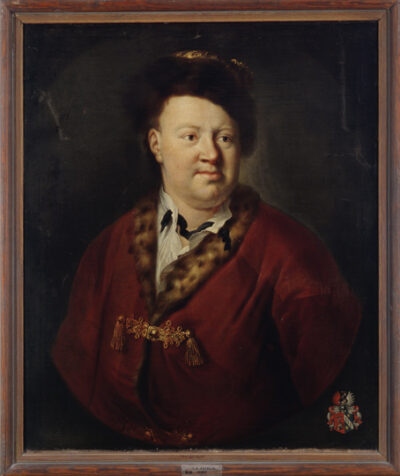 Johann Georg GmelinGerman and Russian scientist (1709-1755)
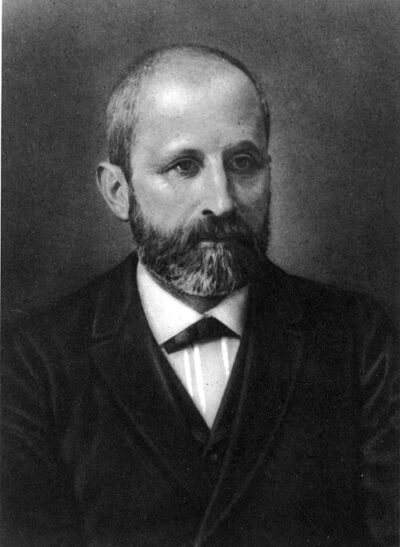 Friedrich MiescherSwiss biochemist (1844-1895)
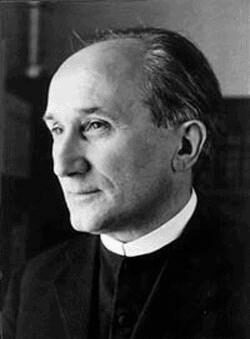 Romano GuardiniGerman Catholic philosopher (1885–1968)
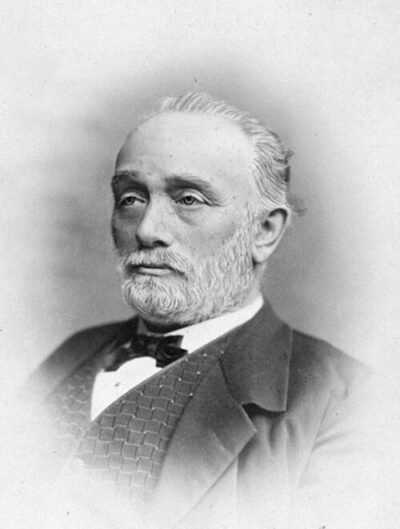 Ludwig BüchnerGerman philosopher and scientist (1824-1899)
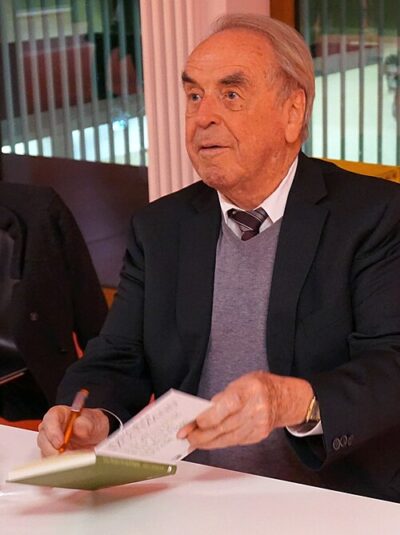 Jürgen Moltmann (1967–1994)German Reformed theologian (1926–2024)
and 43 more
