

British Academy
The British Academy is a learning society in the UK. It was founded in 1902. Its headquarters are in Carlton House Terrace. It has 164 employees (2025).
- Founded
- 1902
- Headquarters
- Carlton House Terrace
- Industry
- higher education
- Employees
- 164 (2025)
- Country
- United Kingdom
All 10 facts, and where they come from
Facts
10 facts · 0 confirmed by two sources · 2 cited · 8 from one source
Where this comes from
Papalocal keeps its own record. It started from these sources; what each one said is kept here as it was copied, so a change on their side never changes this page by itself. Tap one to read its version.
What Wikidata says · copied November 16, 2026 · revision 2549241146
- Described as
- learning society in the UK
- Other names
- The British Academy, thebritishacademy.ac.uk
- What it is
- learned society; national academy
- Founded
- 1902 · 1 reference
- Headquarters
- Carlton House Terrace · 1 reference
- Located in
- London · 1 reference
- Country
- United Kingdom · 1 reference
- Industry
- higher education
- Employees
- 57 (2017) · 1 reference
- Part of
- Royal Society of London
- Official website
- https://thebritishacademy.ac.uk
- Wikipedias with a page
- 41
Wikidata item Q723551 (wikidata.org/wiki/Q723551), public domain (CC0). Copied 2026-11-16.
What Wikipedia says · copied November 16, 2026 · revision 1384672105
The British Academy (full name: The British Academy for the Promotion of Historical, Philosophical and Philological Studies) is the United Kingdom's national academy for the humanities and the social sciences.
It was established in 1902 and received its royal charter in the same year. It is now a fellowship of more than 1,000 leading scholars spanning all disciplines across the humanities and social sciences and a funding body for research projects across the United Kingdom. The academy is a self-governing and independent registered charity, based at 10–11 Carlton House Terrace in London.
The British Academy is primarily funded with annual government grants. In 2022, £49.3m of its £51.7m of charitable income came from the Department for Business, Energy, and Industrial Strategy – in the same year it took in around £2.0m in trading income and £0.56m in other income. This funding is expected to continue under the new Department for Business and Trade.
From the Wikipedia article “British Academy” (en.wikipedia.org/wiki/British_Academy), by its contributors, under CC BY-SA 4.0 (creativecommons.org/licenses/by-sa/4.0/). Copied 2026-11-16; not changed.
Confirmed Two sources agree. Cited One source, and it names where it got it. One source One source, without a reference of its own. Sources disagree The sources disagree. We show the best-supported value and keep theirs below.
Picture: Wikimedia Commons: British Academy front.jpg · See Commons file page
People connected 47
Members 47
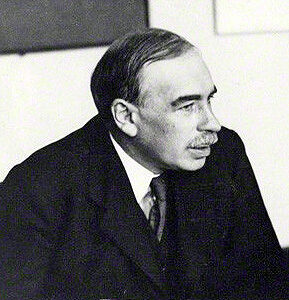 John Maynard KeynesBritish economist (1883–1946)
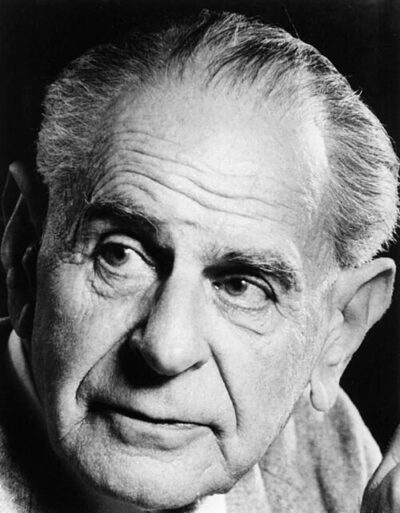 Karl Popper (1958–)Austrian-British philosopher of science and social and política e falsificationism and for criticism of Plato, Hegel and Marx as totalitarian opponents of open society (1902-1994)
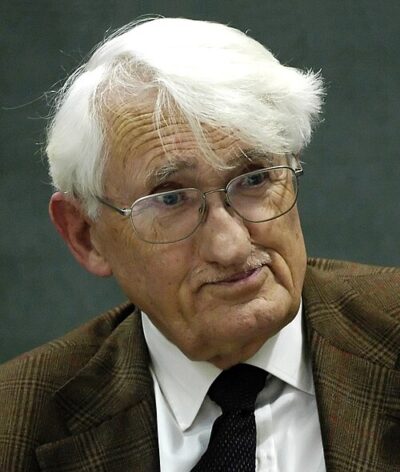 Jürgen HabermasGerman sociologist and philosopher (1929–2026)
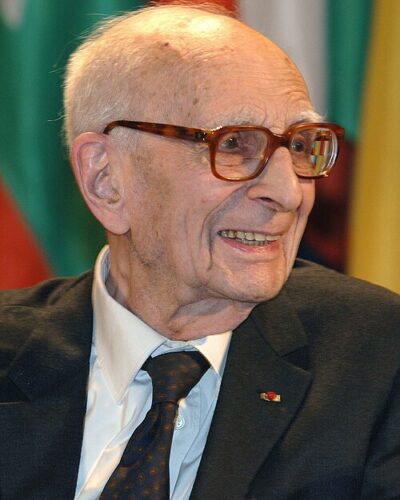 Claude Lévi-StraussFrench anthropologist and ethnologist (1908–2009)
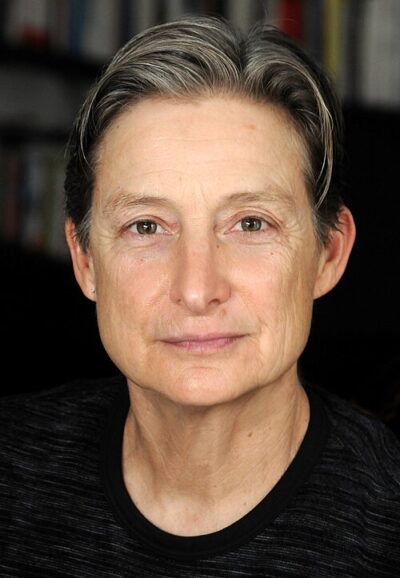 Judith Butler (2015–)American feminist gender studies philosopher (born 1956)
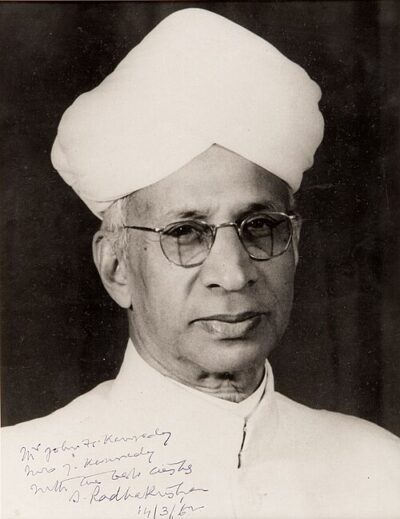 Sarvepalli Radhakrishnan2nd President and 1st Vice President of India, Indian philosopher and politician (1888–1975)
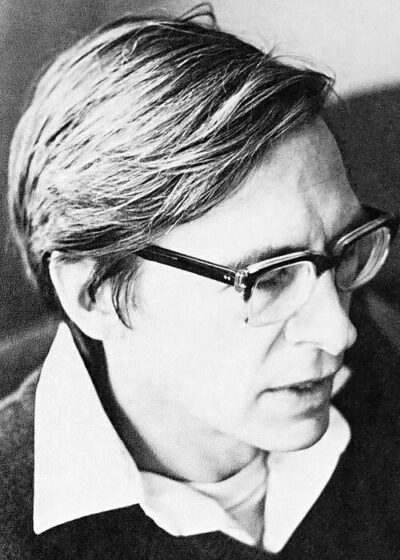 John RawlsAmerican philosopher, philosophy teacher
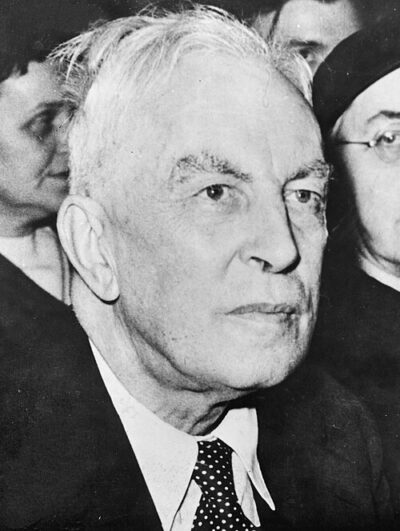 Arnold J. Toynbee (1937–)British historian (1889–1975)
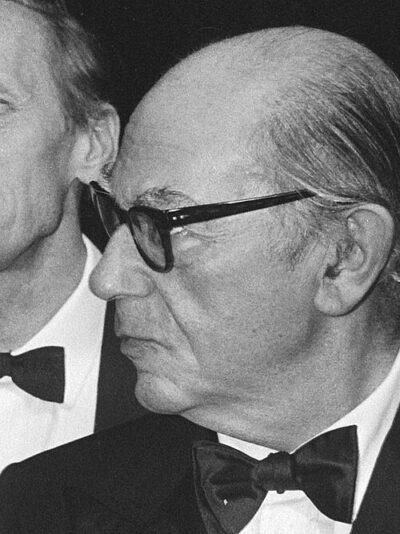 Isaiah Berlin (1957–)Russo-British-Latvian Jewish social and political theorist, philosopher and historian of ideas (1909–1997)
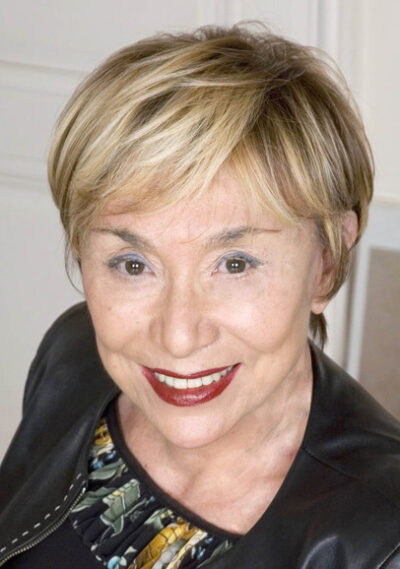 Julia KristevaBulgarian philosopher, psychoanalyst & academic
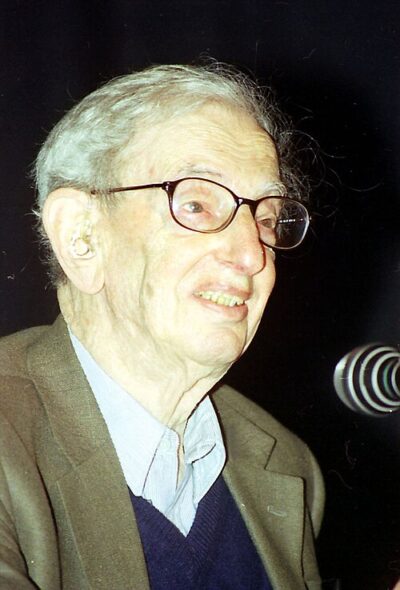 Eric Hobsbawm (1978–)British academic historian and Marxist historiographer (1917–2012)
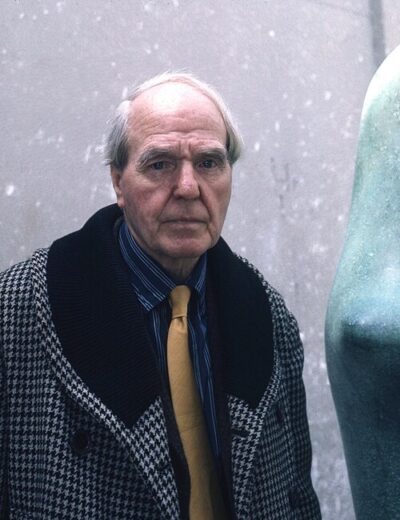 Henry MooreEnglish sculptor (1898–1986)
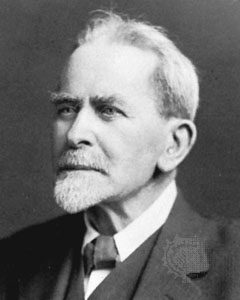 James George FrazerScottish social anthropologist (1854–1941)
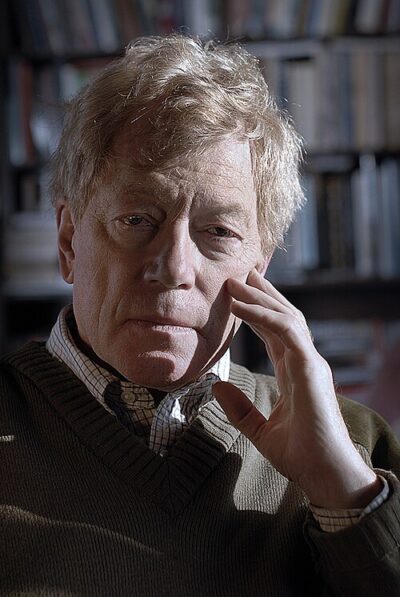 Roger ScrutonEnglish conservative philosopher and writer (1944–2020)
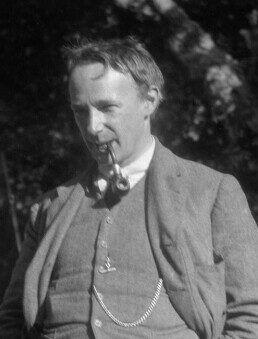 G. E. Moore (1918–)English philosopher (1873–1958)
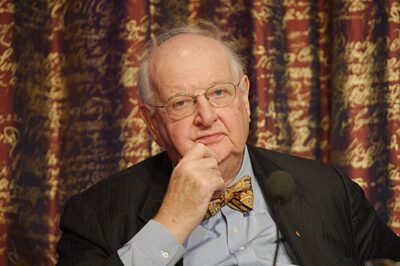 Angus Deaton (2001–)British microeconomist (born 1945)
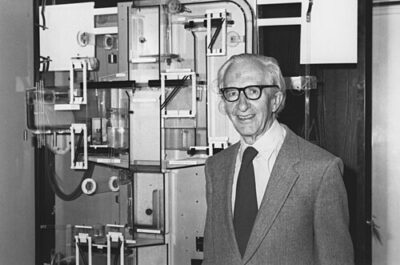 James MeadeBritish economist
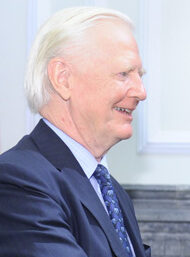 James MirrleesScottish economist (1936-2018)
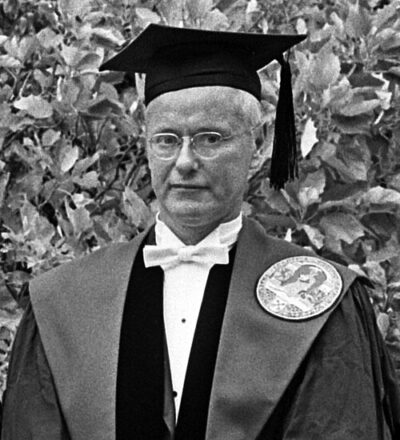 Robert K. MertonAmerican sociologist (1910–2003)
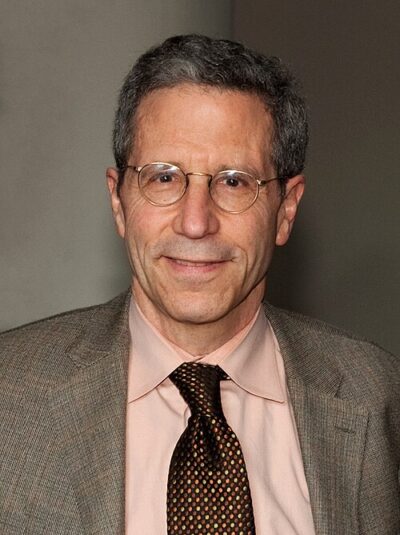 Eric MaskinAmerican Nobel laureate in economics
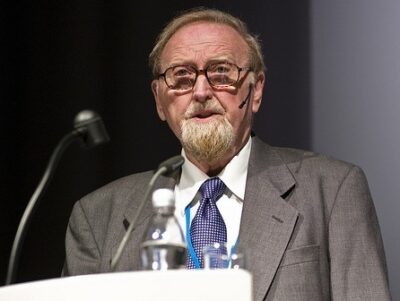 Clive Granger (2002–)British economist
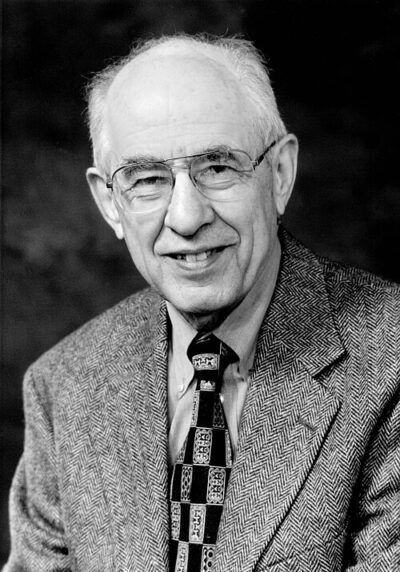 Hilary PutnamAmerican philosopher and mathematician
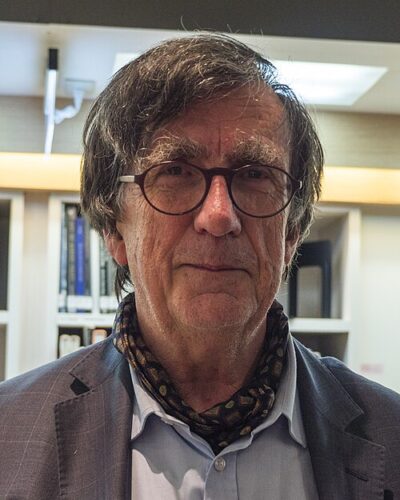 Bruno Latour (2018–)French sociologist and philosopher (1947–2022)
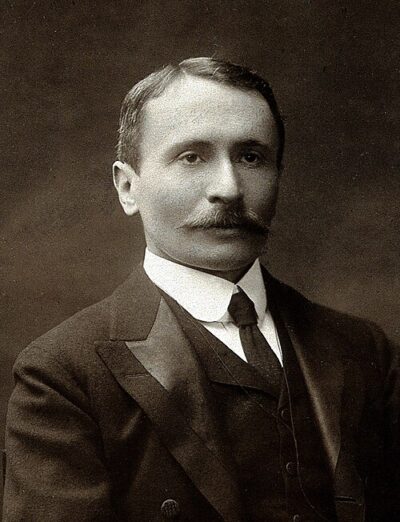 Aurel SteinHungarian-British archaeologist (1862-1943)
and 23 more
