
Darwin Medal
Darwin Medal is a medal awarded by the Royal Society every alternate year. It was created in 1890. It is given by the Royal Society of London.
- Given by
- Royal Society of London
- Country
- United Kingdom
- Created
- 1890
All 7 facts, and where they come from
Facts
7 facts · 0 confirmed by two sources · 5 cited · 2 from one source
Where this comes from
Papalocal keeps its own record. It started from these sources; what each one said is kept here as it was copied, so a change on their side never changes this page by itself. Tap one to read its version.
What Wikidata says · copied November 16, 2026 · revision 2484146981
- Described as
- medal awarded by the Royal Society every alternate year
- What it is
- science award · 1 reference; medal · 1 reference
- Created
- 1890 · 1 reference
- Country
- United Kingdom
- Given by
- Royal Society of London · 1 reference
- Named after
- Charles Darwin · 1 reference
- Official website
- https://royalsociety.org/grants-schemes-awards/awards/darwin-medal/
- Wikipedias with a page
- 28
Wikidata item Q756994 (wikidata.org/wiki/Q756994), public domain (CC0). Copied 2026-11-16.
What Wikipedia says · copied November 16, 2026 · revision 1359066406
The Darwin Medal is one of the medals awarded by the Royal Society for "distinction in evolution, biological diversity and developmental, population and organismal biology".
In 1885, the International Darwin Memorial Fund was transferred to the Royal Society. The fund was devoted for promotion of biological research, and was used to establish the Darwin Medal. The medal was first awarded to Alfred Russel Wallace in 1890 for "his independent origination of the theory of the origin of species by natural selection." The medal commemorates the work of English biologist Charles Darwin (1809–1882). Darwin, most famous for his 1859 book On the Origin of Species, was a fellow of the Royal Society, and had received the Royal Medal in 1853 and the Copley Medal in 1864.
The diameter of the Darwin Medal is 2+1⁄4 inch (5.7 cm). It is made of silver. The obverse has Darwin's portrait, while the reverse has a wreath of plants with Darwin's name in Latin, "Carolus Darwin". It is surrounded by the years of his birth and death in Roman numerals (MDCCCIX and MDCCCLXXXII). The general design of the medal was by John Evans, the president of the Royal Numismatic Society.
Since its creation the Darwin Medal has been awarded over 60 times. Among the recipients are Francis Darwin, Charles Darwin's son, and two married couples: Jack and Yolande Heslop-Harrison in 1982 and Peter and Rosemary Grant in 2002. Initially accompanied by a grant of £100, the medal is currently awarded with a grant of £2,000. All citizens who have been residents of the United Kingdom, Commonwealth of Nations, or the Republic of Ireland for more than three years are eligible for the medal. The medal was awarded biennially from 1890 until 2018; since then it is awarded annually.
From the Wikipedia article “Darwin Medal” (en.wikipedia.org/wiki/Darwin_Medal), by its contributors, under CC BY-SA 4.0 (creativecommons.org/licenses/by-sa/4.0/). Copied 2026-11-16; not changed.
Confirmed Two sources agree. Cited One source, and it names where it got it. One source One source, without a reference of its own. Sources disagree The sources disagree. We show the best-supported value and keep theirs below.
People connected 17
Won it
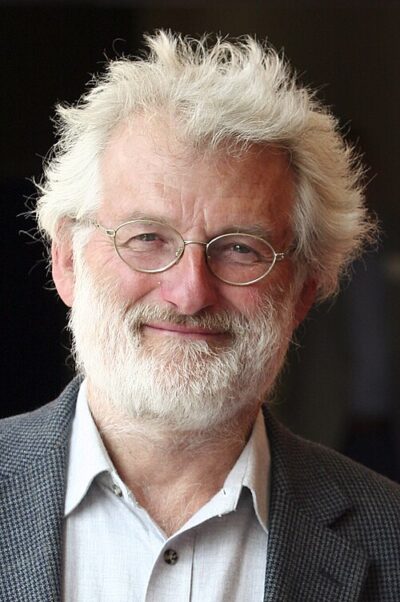 John Sulston (1996)British biologist and Nobel laureate (1942–2018)
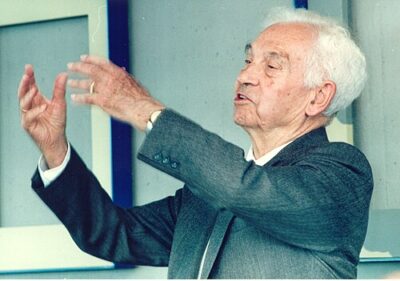 Ernst Mayr (1984)German-American evolutionary biologist (1904-2005)
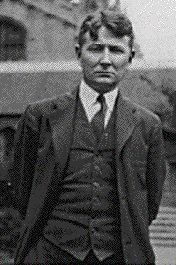 Sewall Wright (1980)American geneticist (1889-1988)
- GGaylord Simpson (1962)American paleontologist (1902–1984)
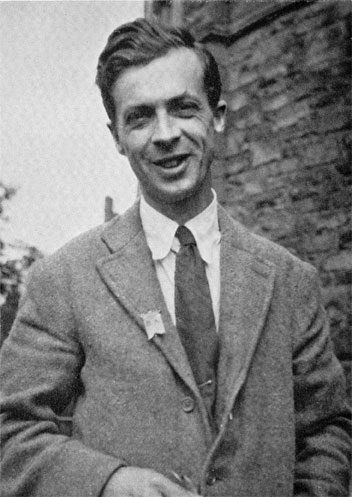 Julian Huxley (1956)British evolutionary biologist, philosopher, author (1887–1975)
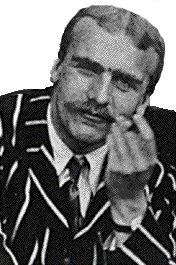 J.B.S. Haldane (1952)Geneticist and evolutionary biologist (1892-1964)
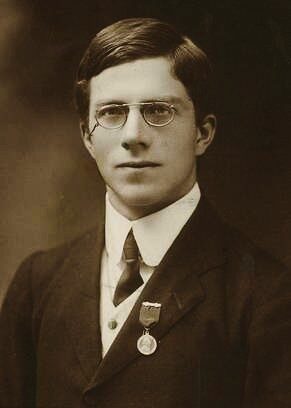 Ronald Fisher (1948)British statistician, evolutionary biologist and geneticist (1890–1962)
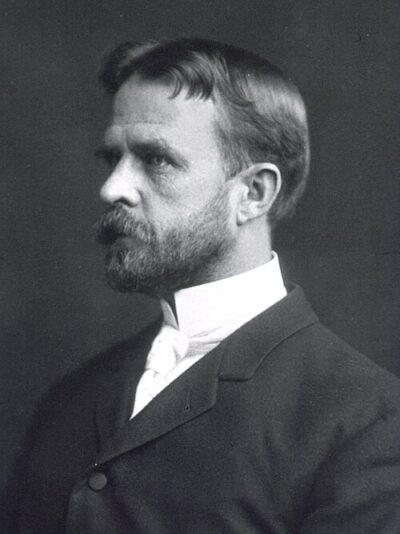 Thomas Hunt Morgan (1924)American biologist and professor from Kentucky (1866–1945)
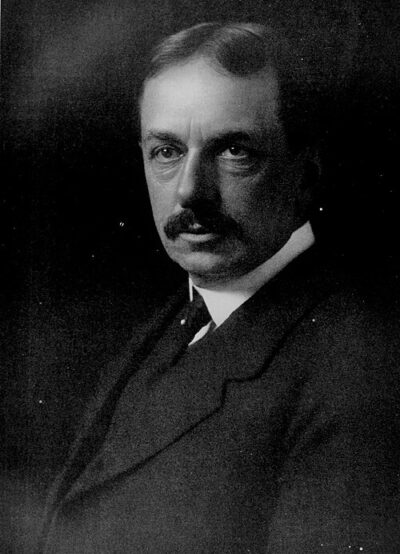 Henry Fairfield Osborn (1918)American geologist (1857–1935)
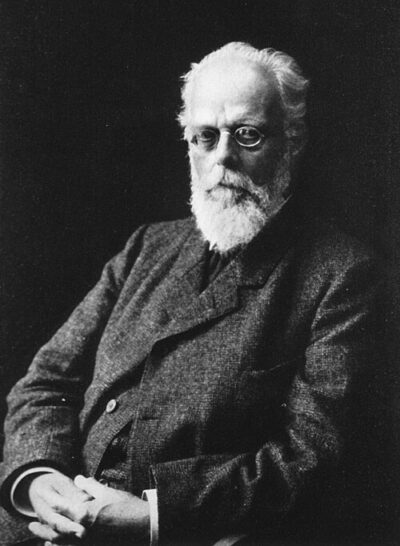 August Weismann (1908)German evolutionary biologist (1834-1914)
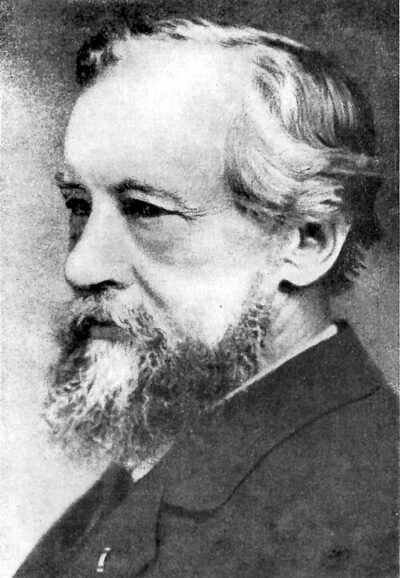 Hugo de Vries (1906)Dutch botanist (1848-1935)
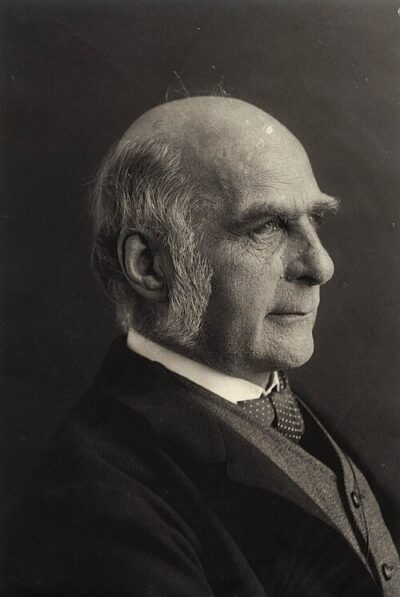 Francis Galton (1902)British eugenist, polymath, and behavioural geneticist (1822–1911)
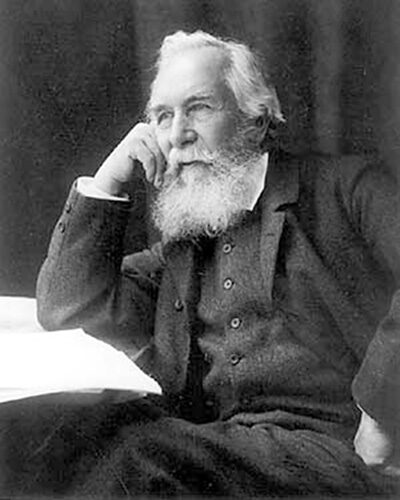 Ernst Haeckel (1900)German zoologist (1834-1919)
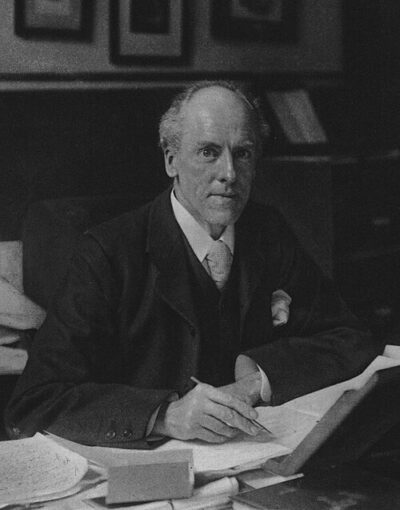 Karl Pearson (1898)English mathematician, biometrician, and eugenicist (1857–1936)
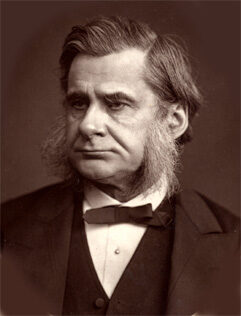 Thomas Henry Huxley (1894)British biologist and comparative anatomist (1825–1895)
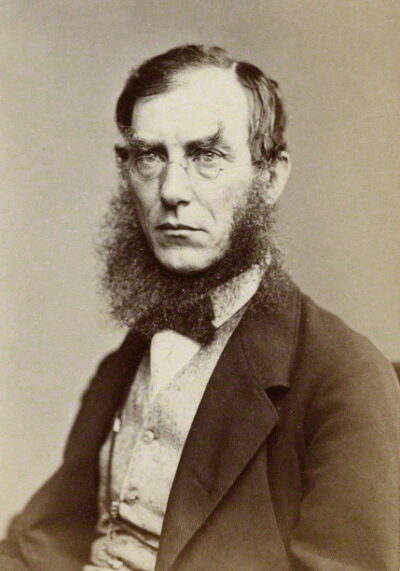 Joseph Dalton Hooker (1892)British botanist, lichenologist, and surgeon (1817–1911)
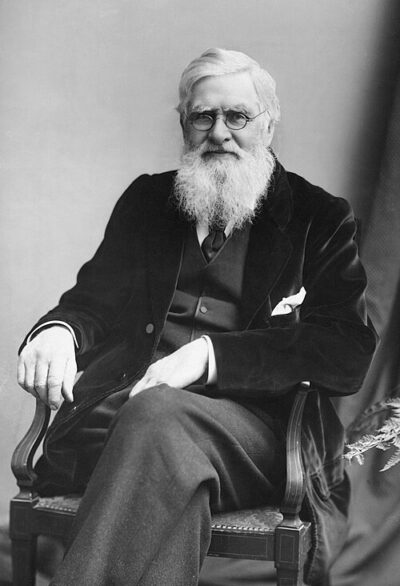 Alfred Russel Wallace (1890)British naturalist, explorer, geographer, anthropologist and biologist (1823–1913)
