
Emperor of China
The Emperor of China is a sovereign of Imperial China. It is an office of the Chinese Empire.
- Office of
- Chinese Empire
- Country
- Chinese Empire
All 3 facts, and where they come from
Facts
3 facts · 0 confirmed by two sources · 0 cited · 3 from one source
Where this comes from
Papalocal keeps its own record. It started from these sources; what each one said is kept here as it was copied, so a change on their side never changes this page by itself. Tap one to read its version.
What Wikidata says · copied November 16, 2026 · revision 2565829334
- Described as
- sovereign of Imperial China
- Other names
- Chinese emperor, Son of Heaven, Huangdi, Huang Di, Huang-ti, Huang Ti, Huang, Di, Ti, emperor, Emperor, hoang ti
- What it is
- historical position
- Country
- Chinese Empire
- Office of
- Chinese Empire
- Wikipedias with a page
- 43
Wikidata item Q268218 (wikidata.org/wiki/Q268218), public domain (CC0). Copied 2026-11-16.
What Wikipedia says · copied November 16, 2026 · revision 1380266580
Throughout Chinese history, "Emperor" (Chinese: 皇帝; pinyin: Huángdì) was the superlative title held by the monarchs of imperial China's various dynasties. In traditional Chinese political theory, the emperor was the "Son of Heaven", an autocrat with the divine mandate to rule all under Heaven. Emperors were often worshipped posthumously under a secular imperial cult. The lineage of emperors descended from a paternal family line constituted a dynasty, and succession in most cases theoretically followed agnatic primogeniture. The emperor of China was an absolute monarch, though in the late Qing reforms plans were made to move the emperor to a constitutional monarch.
During the Han dynasty, Confucianism gained sanction as the official political theory. The absolute authority of the emperor came with a variety of governing duties and moral obligations; failure to uphold these was thought to remove the dynasty's Mandate of Heaven and to justify its overthrow. In practice, emperors sometimes avoided the strict rules of succession and dynasties' purported "failures" were detailed in official histories written by their successful replacements or even later dynasties. The power of the emperor was also limited by the imperial bureaucracy, which was staffed by scholar-officials, and eunuchs during some dynasties. An emperor was also constrained by filial obligations to his ancestors' policies and dynastic traditions, such as those first detailed in the Ming-era Huang-Ming Zuxun (Ancestral Instructions).
From the Wikipedia article “Emperor of China” (en.wikipedia.org/wiki/Emperor_of_China), by its contributors, under CC BY-SA 4.0 (creativecommons.org/licenses/by-sa/4.0/). Copied 2026-11-16; not changed.
Confirmed Two sources agree. Cited One source, and it names where it got it. One source One source, without a reference of its own. Sources disagree The sources disagree. We show the best-supported value and keep theirs below.
People connected 28
Held this office 28
- WWang Mang (9–23)Han dynasty official and founding Emperor of the Xin Dynasty (c.45 BC-23 AD)
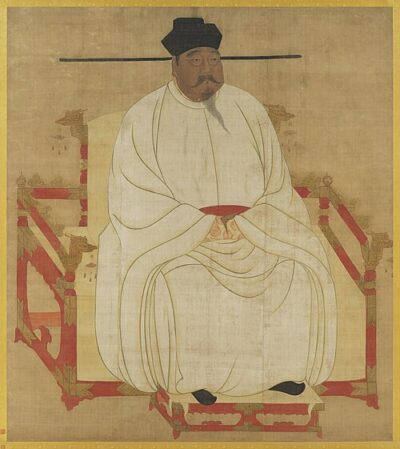 Emperor Taizu of Song (960–976)founding emperor of the Song Dynasty (reigned 960–976)
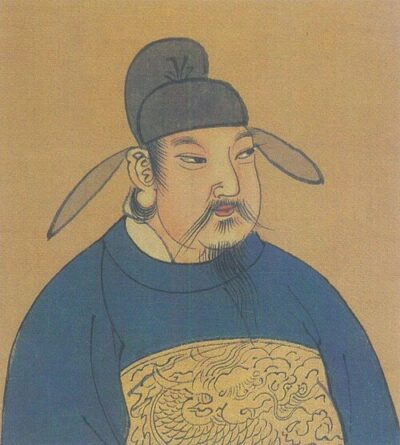 Emperor Xuanzong of Tang (712–756)7th emperor of the Tang dynasty, reigning from 713 to 756 CE
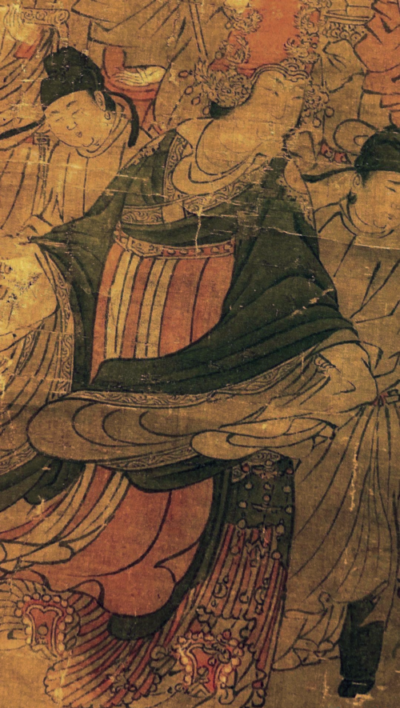 Wu Zetian (690–705)founding empress of Zhou dynasty (r. 690–705); de facto ruler of Tang dynasty from 665 to 690
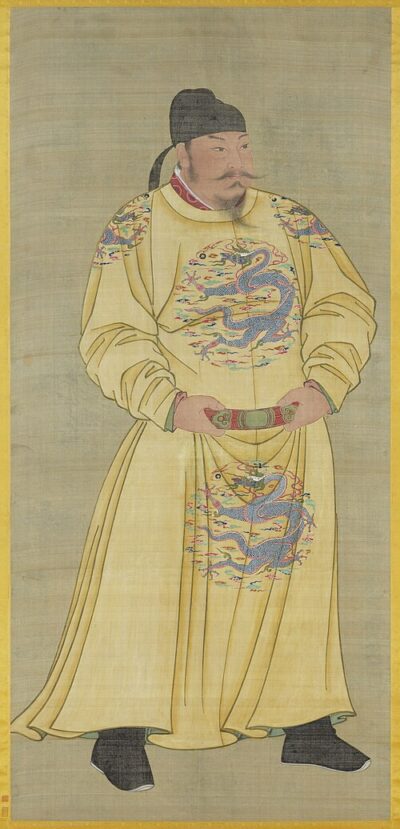 Emperor Taizong of Tang (626–649)Chinese emperor of the Tang Dynasty (598-649) (r. 626-649)
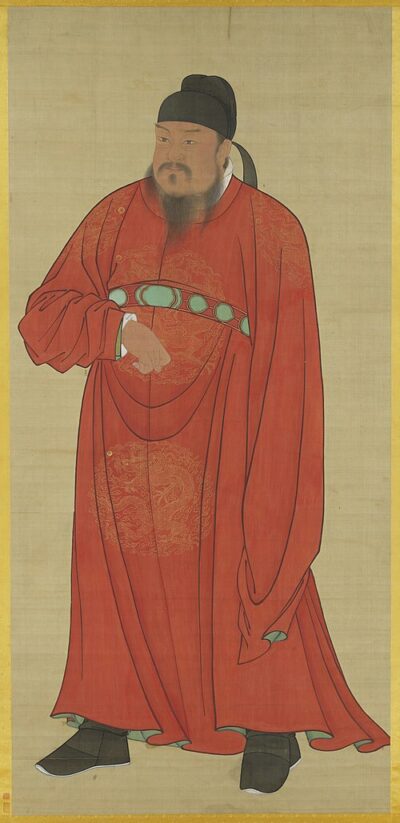 Emperor Gaozu of Tang (618–626)Founding emperor of the Tang Dynasty (566-635) (r. 618–626)
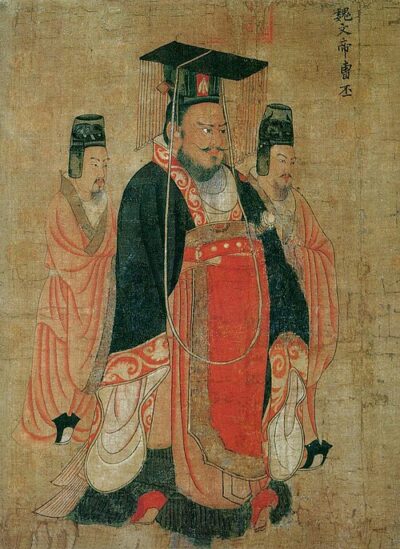 Cao Pi (220–226)Cao Wei Emperror (187-226)
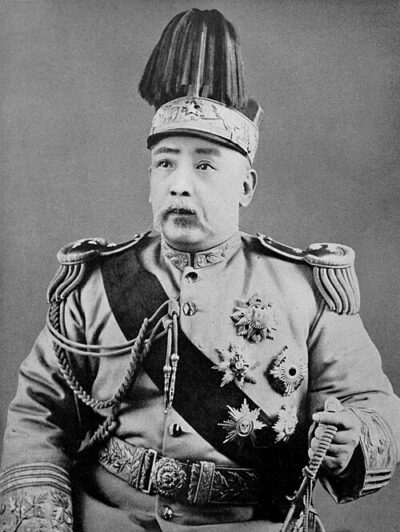 Yuan Shikai (1915–1916)Chinese military and government official (1859–1916)
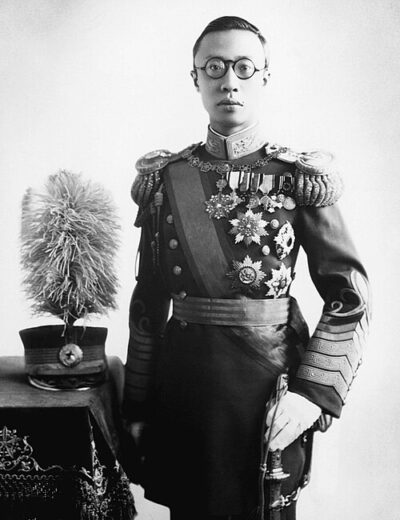 Puyi (1908–1917)Last Emperor of Qing dynasty and Manchukuo (1906–1967)
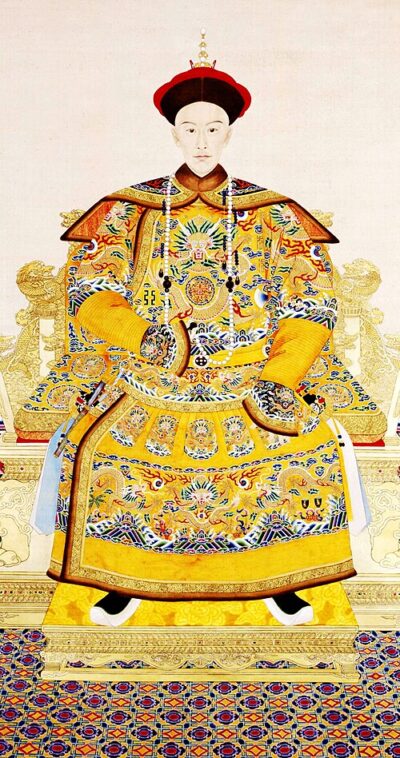 Guangxu Emperor (1875–1908)Chinese emperor (1871-1908)
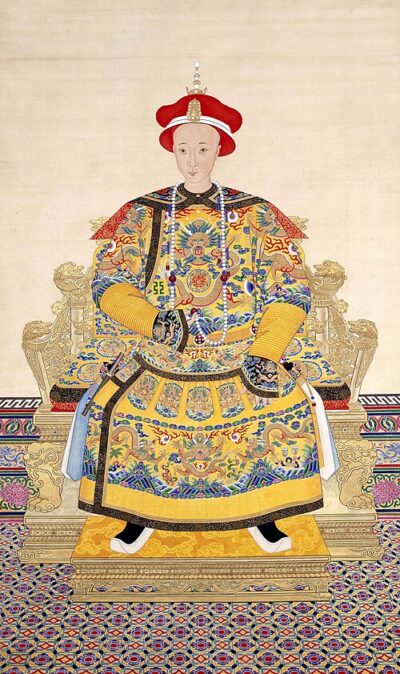 Tongzhi Emperor (1861–1875)emperor of the Qing Dynasty (1856-1875)
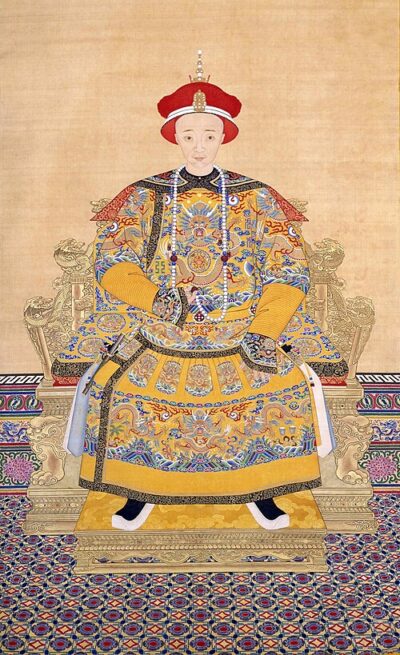 Xianfeng Emperor (1850–1861)The ninth emperor (and the seventh after defeating Ming) of the Qing Dynasty (1831-1861)
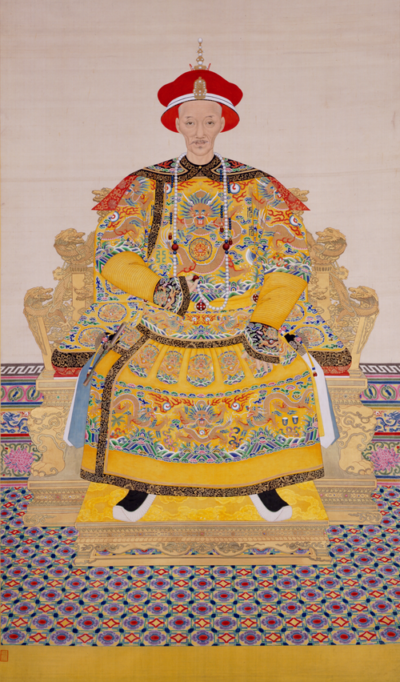 Daoguang Emperor (1820–1850)Qing-dynasty Chinese emperor (1782–1850)
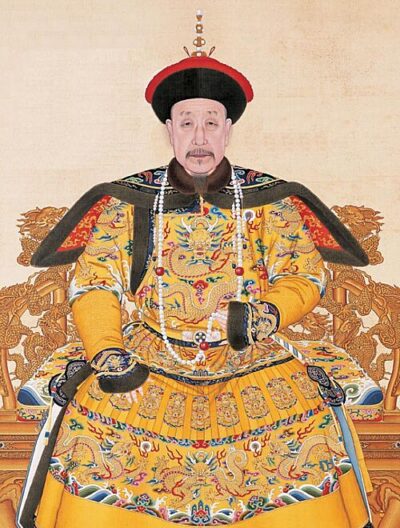 Qianlong Emperor (1735–1796)emperor of the Qing Dynasty (1711–1799)
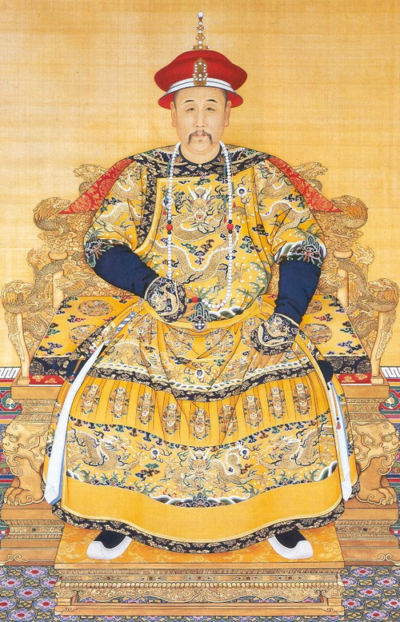 Yongzheng Emperor (1722–1735)emperor of Qing-dynasty China from 1722 to 1735 (1678–1735)
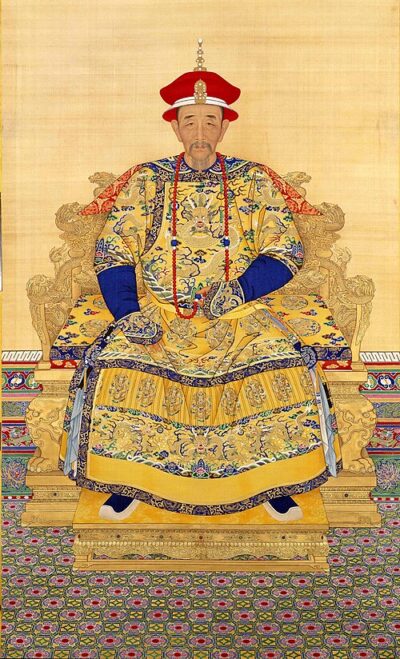 Kangxi Emperor (1661–1722)3rd Emperor of the Qing dynasty (r. 1661–1722)
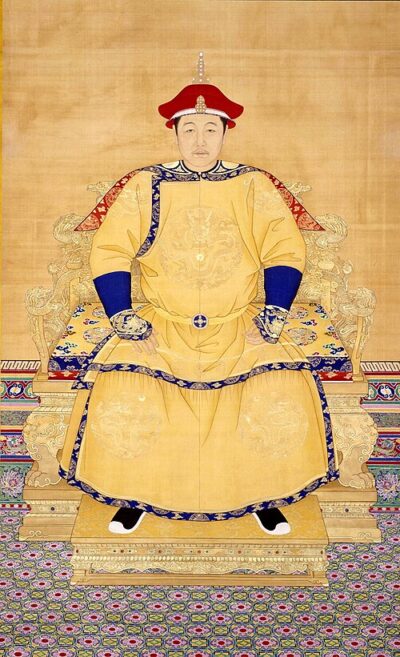 Shunzhi Emperor (1644–1661)Qing Dynasty emperor of China (1638–1661)
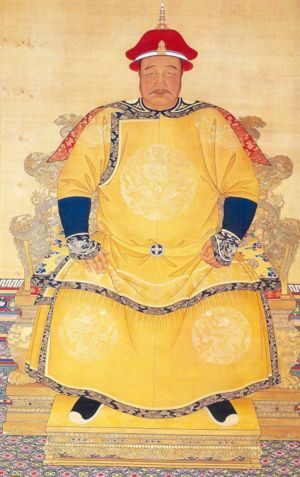 Hong Taiji (1636–1643)1st emperor of the Qing Dynasty (1592-1643)
- CChongzhen Emperor (1627–1644)emperor of the Ming Dynasty
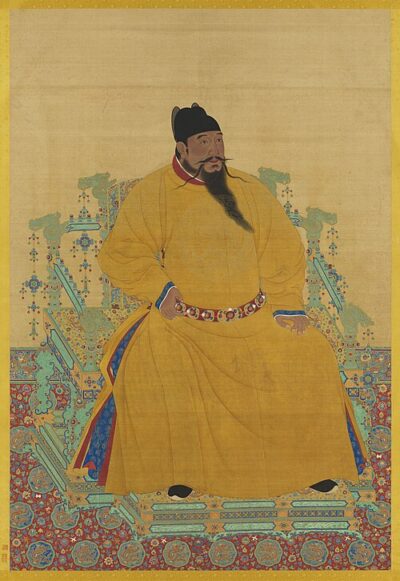 Yongle Emperor (1402–1424)emperor of Ming dynasty China from 1402 to 1424
 Jianwen Emperor (1398–1402)emperor of China from 1398 to 1402
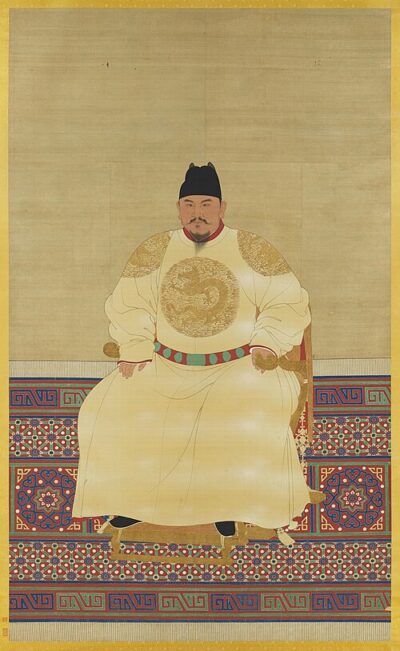 Hongwu Emperor (1368–1398)founding emperor of China's Ming dynasty; ruled 1368–1398
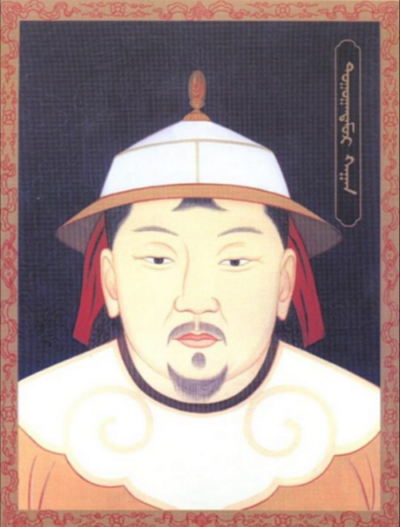 Toghon Temür (1333–1368)Yuan and Northern Yuan emperor from 1333 to 1370
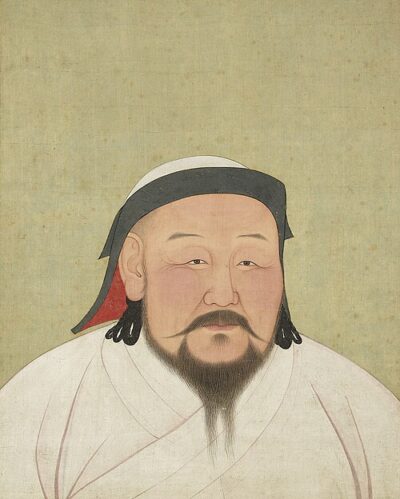 Kublai Khan (1271–1294)founding emperor of the Yuan dynasty, grandson of Genghis Khan (1215–1294)
and 4 more
