

Heidelberg Academy of Sciences and Humanities
The Heidelberg Academy of Sciences and Humanities is an academy of sciences. It was founded in 1909.
- Founded
- May 22, 1909
- Headquarters
- Heidelberg
- Country
- Germany
All 9 facts, and where they come from
Facts
9 facts · 0 confirmed by two sources · 0 cited · 9 from one source
Where this comes from
Papalocal keeps its own record. It started from these sources; what each one said is kept here as it was copied, so a change on their side never changes this page by itself. Tap one to read its version.
What Wikidata says · copied November 16, 2026 · revision 2552804151
- Described as
- academy of sciences
- What it is
- academy of sciences; building
- Founded
- May 22, 1909
- Headquarters
- Heidelberg
- Located in
- Heidelberg
- Country
- Germany
- Chair
- Thomas W. Holstein (2015–2020); Paul Kirchhof (2013–2015)
- Official website
- http://www.haw.uni-heidelberg.de/
- Wikipedias with a page
- 15
Wikidata item Q833738 (wikidata.org/wiki/Q833738), public domain (CC0). Copied 2026-11-16.
What Wikipedia says · copied November 16, 2026 · revision 1329105910
The Heidelberg Academy of Sciences and Humanities (German: Heidelberger Akademie der Wissenschaften), established in 1909 in Heidelberg, Germany, is an assembly of scholars and scientists in the German state of Baden-Wuerttemberg.
The academy is a member of the Union of German Academies of Sciences and Humanities.
From the Wikipedia article “Heidelberg Academy of Sciences and Humanities” (en.wikipedia.org/wiki/Heidelberg_Academy_of_Sciences_and_Humanities), by its contributors, under CC BY-SA 4.0 (creativecommons.org/licenses/by-sa/4.0/). Copied 2026-11-16; not changed.
Confirmed Two sources agree. Cited One source, and it names where it got it. One source One source, without a reference of its own. Sources disagree The sources disagree. We show the best-supported value and keep theirs below.
Picture: Wikimedia Commons: Heidelberger Akademie der Wissenschaften 2020-08-27.jpg · See Commons file page
People connected 42
Members 42
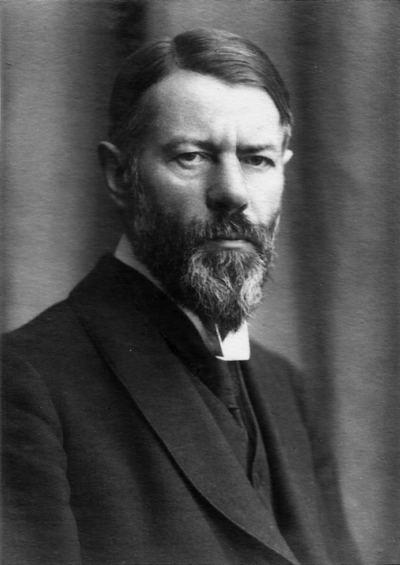 Max Weber (1909–)German sociologist, philosopher, and political economist (1864–1920)
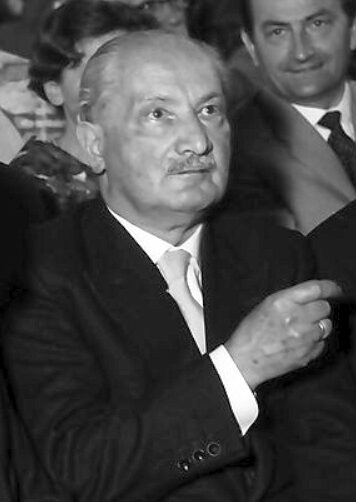 Martin Heidegger (1958–)German philosopher (1889–1976)
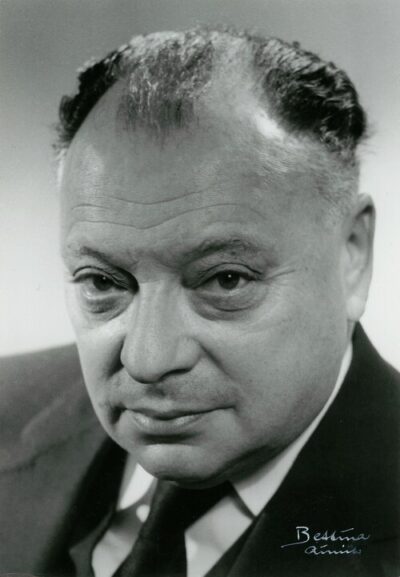 Wolfgang Pauli (1950–)physicist, Nobel prize winner (1900–1958)
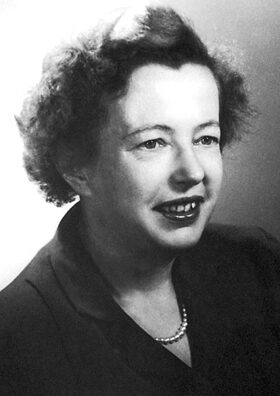 Maria Göppert Mayer (1950–)German-born American theoretical physicist (1906-1972)
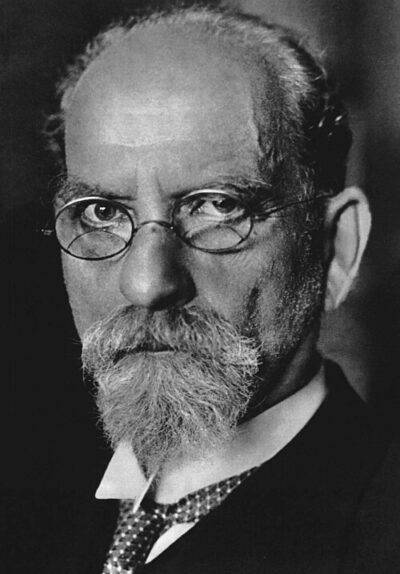 Edmund Husserl (1917–)German philosopher, known as the father of phenomenology (1859–1938)
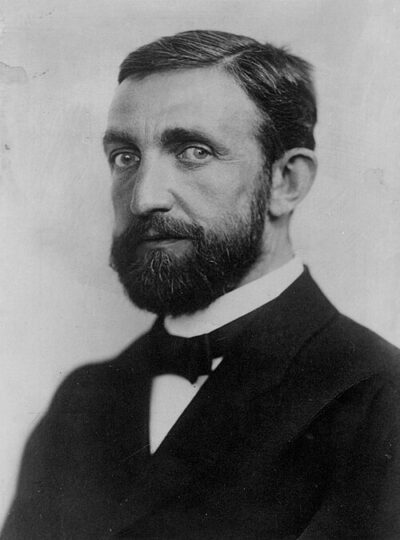 Philipp Lenard (1909–1934)German physicist (1862–1947)
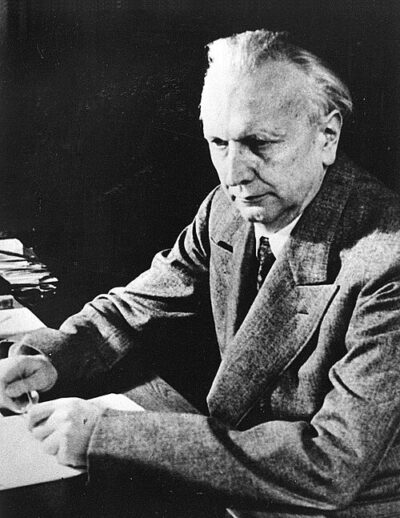 Karl Jaspers (1947–)German-Swiss psychiatrist and philosopher (1883–1969)
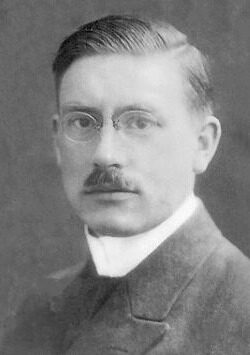 Peter Debye (1959–)Dutch-American physicist and physical chemist (1884–1966)
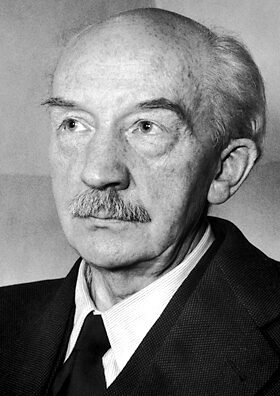 Walther Bothe (1933–)German physicist, mathematician and chemist (1891–1957)
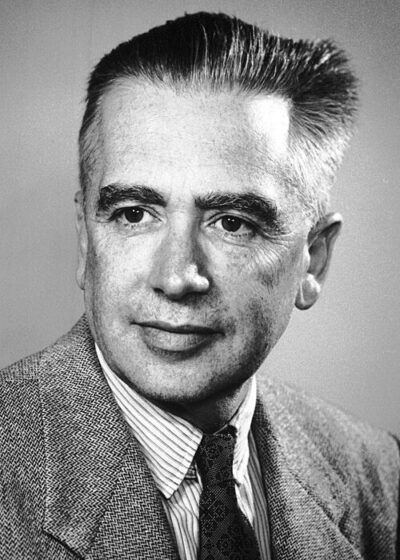 Emilio G. Segrè (1950–)Italian physicist and Nobel laureate
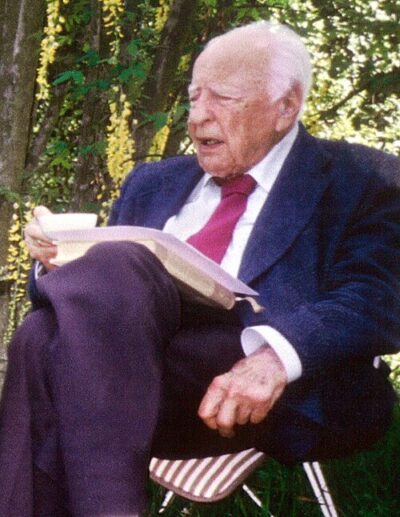 Hans-Georg Gadamer (1950–)German philosopher (1900–2002)
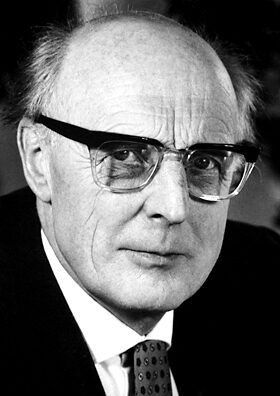 Johannes Hans Daniel Jensen (1949–)German nuclear physicist (1907–1973)
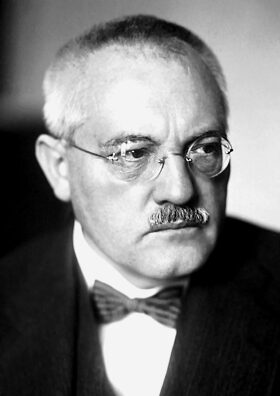 Carl Bosch (1935–)German chemical engineer (1874–1940)
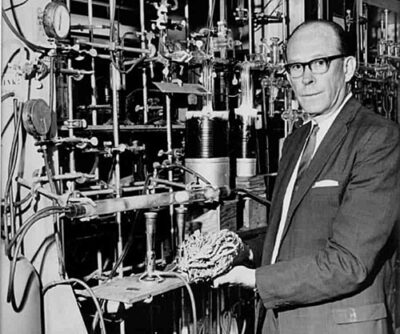 Willard Libby (1958–)American physical chemist
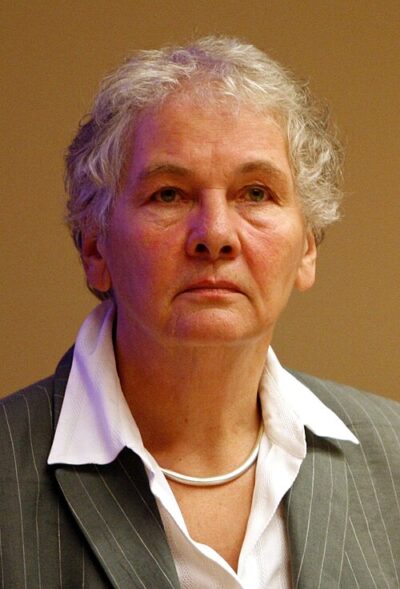 Christiane Nüsslein-Volhard (1989–)German biologist (1995 Nobel Prize)
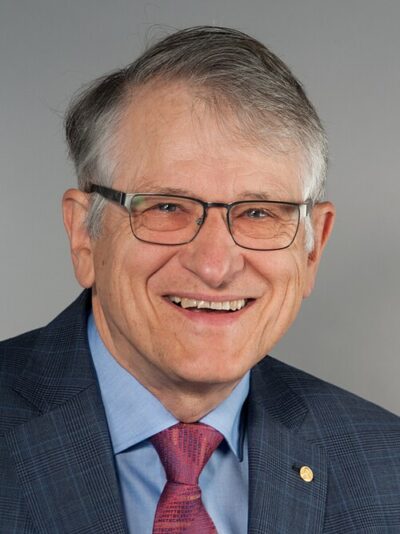 Klaus von Klitzing (1995–)German physicist
- WWolfgang Paul (1983–)German physicist (1913–1993)
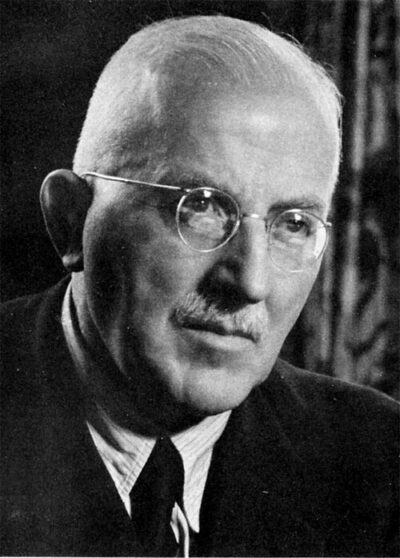 Hermann Staudinger (1929–)German chemist, winner of the 1953 Nobel Prize in Chemistry (1881–1965)
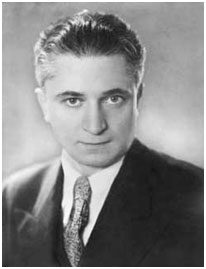 Fernand Braudel (1965–)French historian and leader of the Annales School
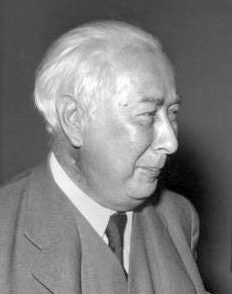 Theodor Heuss (1959–)German journalist and politician (1884-1963)
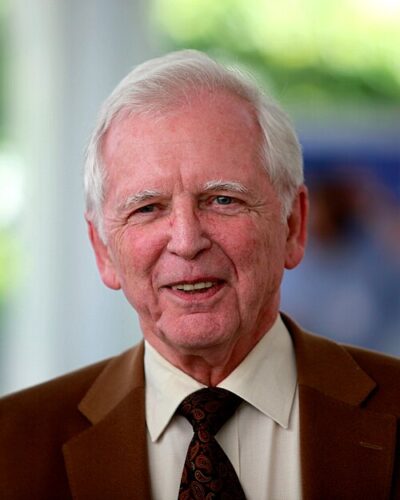 Harald zur Hausen (1986–)German virologist and professor emeritus (1936–2023)
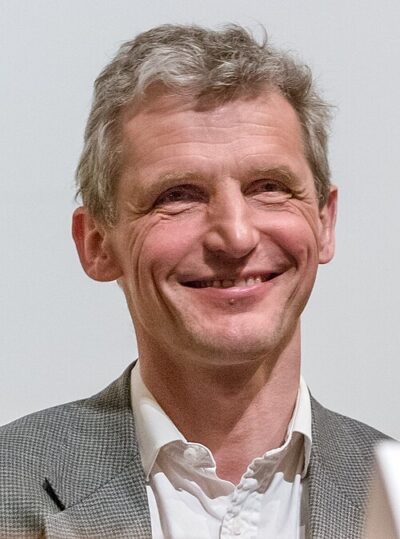 Wolfgang Ketterle (2001–)German physicist
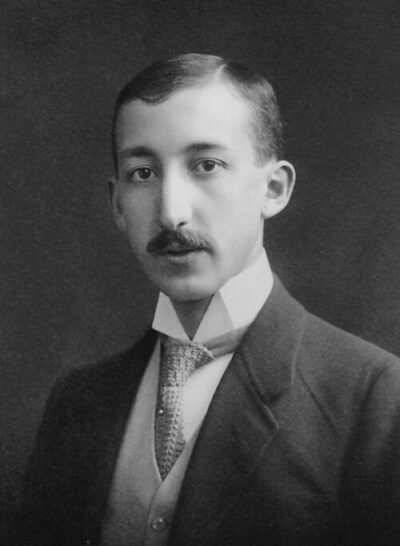 George de Hevesy (1929–)Hungarian chemist (1885–1966)
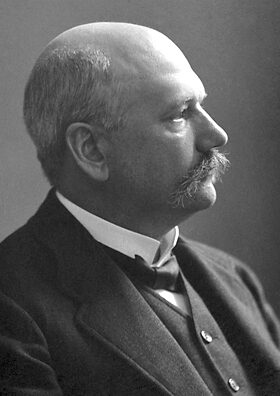 Albrecht Kossel (1909–)German biochemist and pioneer in the study of genetics
and 18 more
