

Imperial German Army
The Imperial German Army is a 1871–1919 land warfare branch of the German military.
- Founded
- 1871
- Country
- German Reich
All 4 facts, and where they come from
Facts
4 facts · 0 confirmed by two sources · 0 cited · 4 from one source
Where this comes from
Papalocal keeps its own record. It started from these sources; what each one said is kept here as it was copied, so a change on their side never changes this page by itself. Tap one to read its version.
What Wikidata says · copied November 17, 2026 · revision 2549990502
- Described as
- 1871–1919 land warfare branch of the German military
- Other names
- German Army
- What it is
- army
- Founded
- 1871 · 1 reference
- Ended
- 1919 · 1 reference
- Country
- German Reich
- Wikipedias with a page
- 43
Wikidata item Q313422 (wikidata.org/wiki/Q313422), public domain (CC0). Copied 2026-11-17.
What Wikipedia says · copied November 17, 2026 · revision 1383881306
The Imperial German Army (1871–1919), officially referred to as the German Army (German: Deutsches Heer), was the unified ground and air force of the German Empire. It was established in 1871 with the political unification of Germany under the leadership of Prussia, and was dissolved in 1919, after the defeat of the German Empire in World War I (1914–1918). In the Federal Republic of Germany, the term Deutsches Heer refers to the German Army, the land component of the Bundeswehr.
From the Wikipedia article “Imperial German Army” (en.wikipedia.org/wiki/Imperial_German_Army), by its contributors, under CC BY-SA 4.0 (creativecommons.org/licenses/by-sa/4.0/). Copied 2026-11-17; not changed.
Confirmed Two sources agree. Cited One source, and it names where it got it. One source One source, without a reference of its own. Sources disagree The sources disagree. We show the best-supported value and keep theirs below.
Picture: Wikimedia Commons: German street barricade in Charleroi Belgium 1914 by Martin Frost.jpg · See Commons file page
People connected 77
Military branch 72
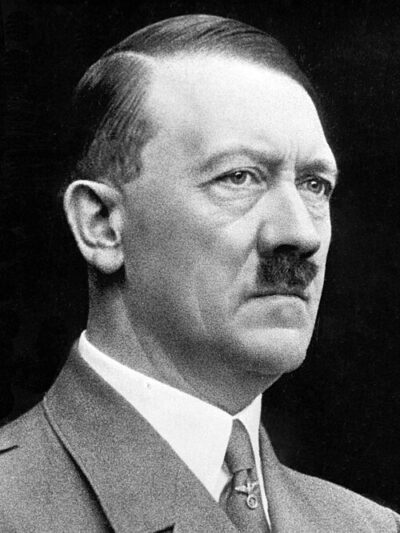 Adolf Hitler (1914–1918)Dictator of Germany from 1933 to 1945 (1889–1945)
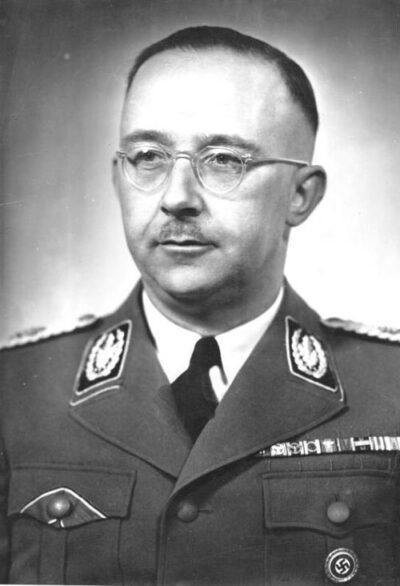 Heinrich HimmlerGerman Nazi politician; leader of the German SS & main architect of the Holocaust (1900-1945)
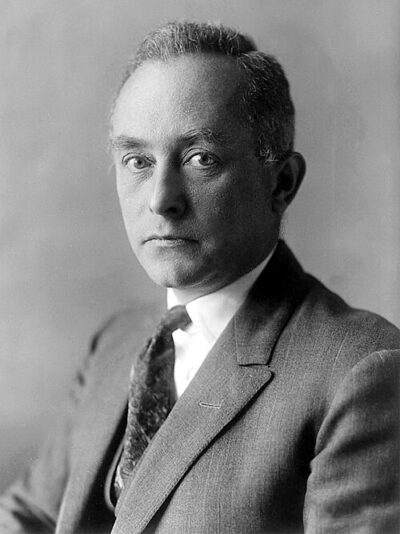 Max Born (1906–1907)German-Jewish physicist and mathematician (1882–1970)
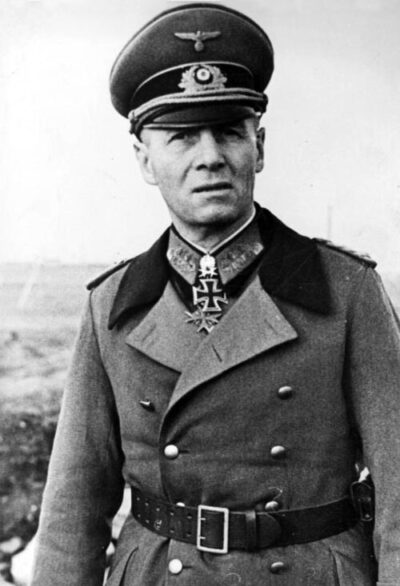 Erwin Rommel (1910–1918)German field marshal (1891–1944)
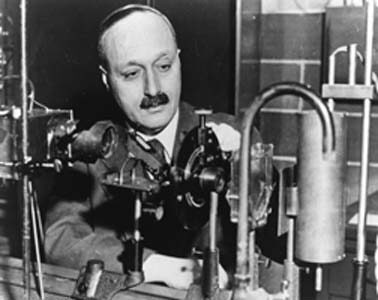 James Franck (1914–1918)German-American physicist (1882–1964)
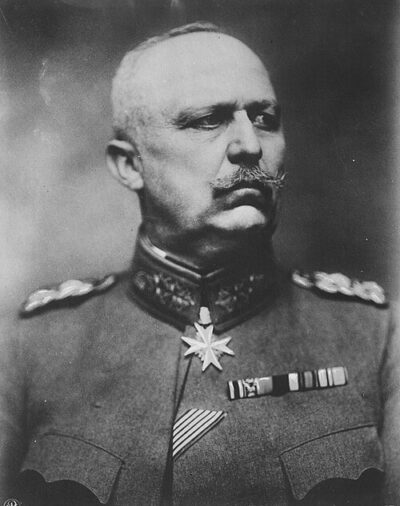 Erich LudendorffGerman general and politician (1865–1937)
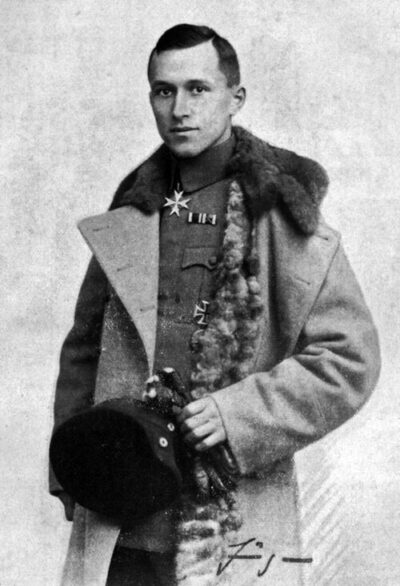 Ernst JüngerGerman writer (1895–1998)
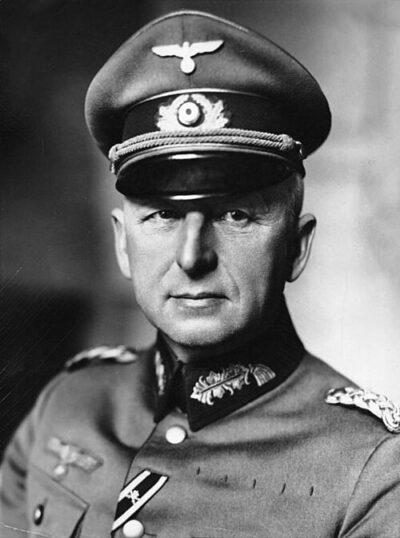 Erich von MansteinGerman field marshal (1887-1973)
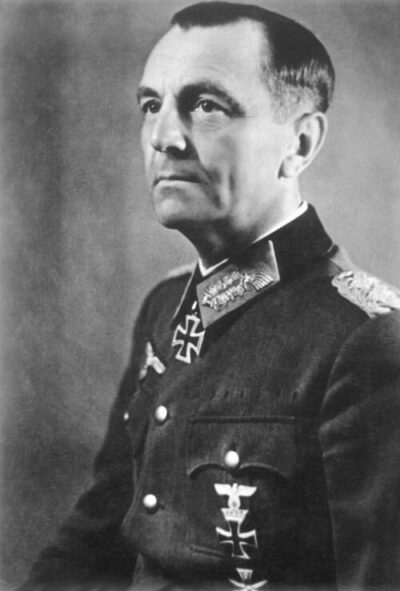 Friedrich Paulus (1910–1919)German general (1890–1957)
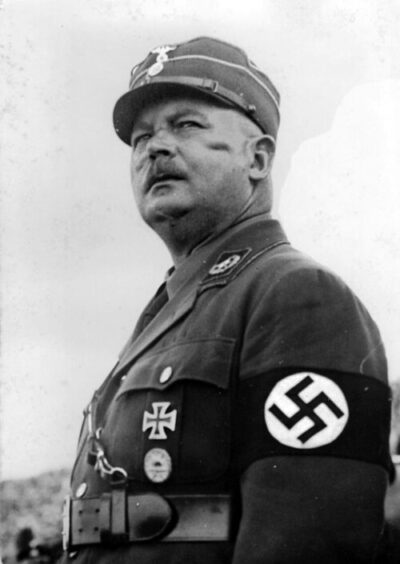 Ernst RöhmGerman Nazi politician, military officer and leader of the Sturmabteilung (1887-1934)
 Ernst ThälmannGerman communist politician, leader of Communist Party of Germany (1886–1944)
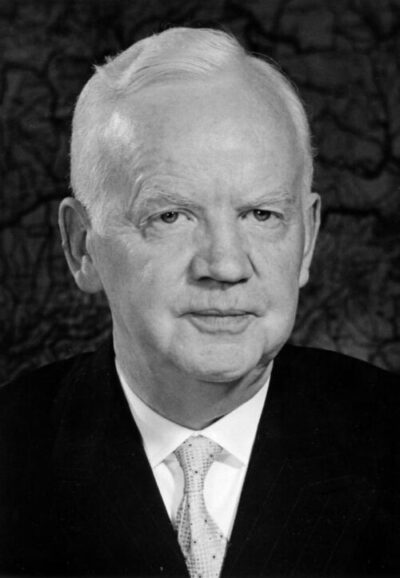 Heinrich LübkeGerman politician (1894-1972)
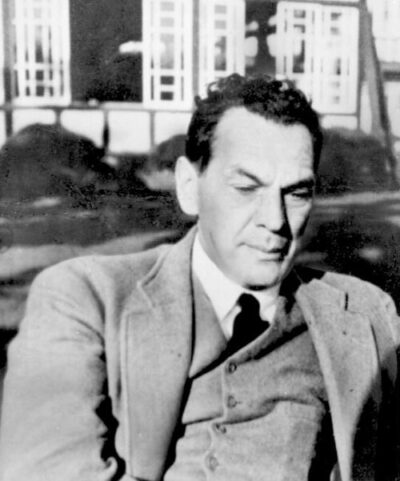 Richard Sorge (1914–1918)Soviet spy in Germany and Japan (1895-1944)
- WWalter ModelGerman field marshal (1891-1945)
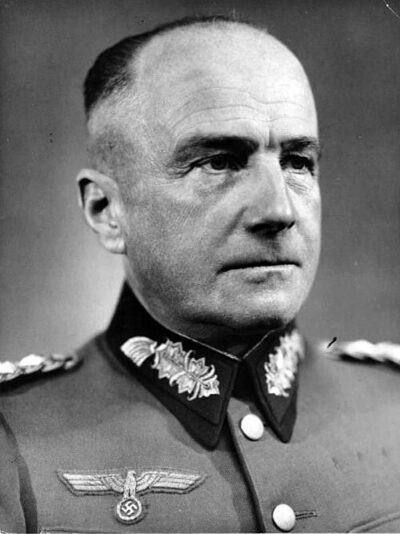 Walther von BrauchitschGerman field marshal (1881-1948)
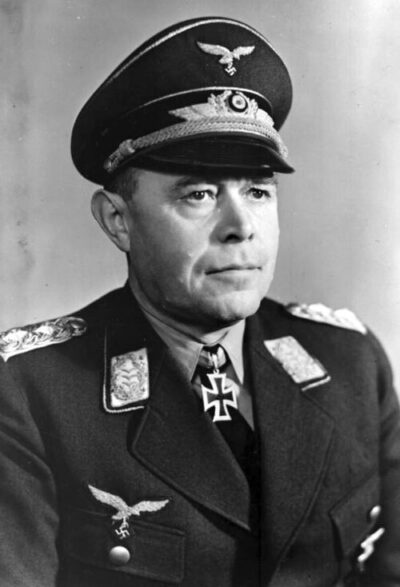 Albert KesselringGerman Luftwaffe Generalfeldmarschall during World War II (1885–1960)
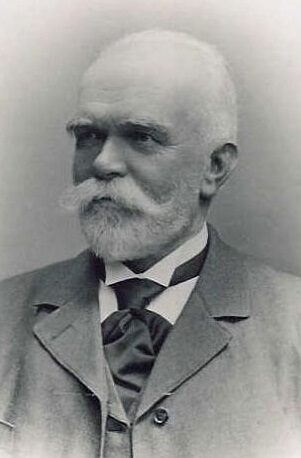 Leo von CapriviGerman Chancellor and Prussian General of the Infantry and Prime Minister (1831–1899)
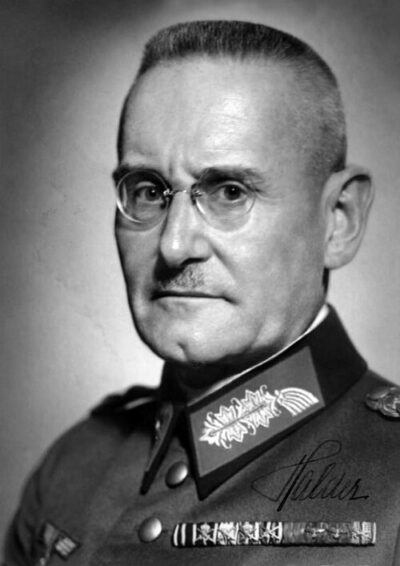 Franz HalderGerman general (1884–1972)
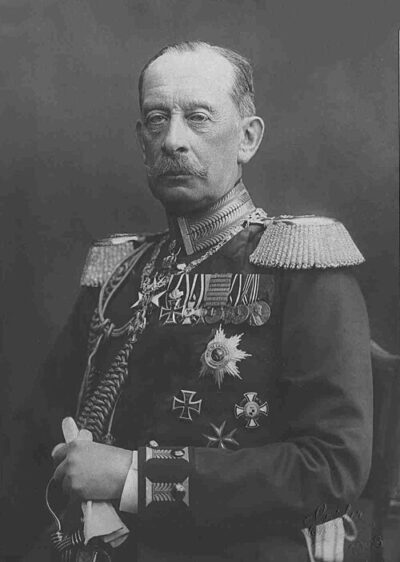 Alfred von SchlieffenPrussian Field Marshal and Chief of the General Staff (1833-1913)
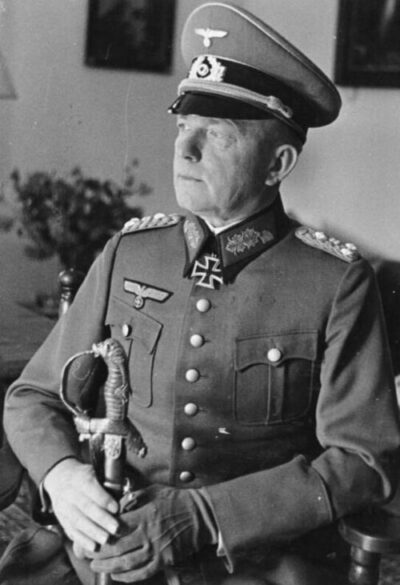 Paul Ludwig Ewald von KleistGerman field marshal (1881–1954)
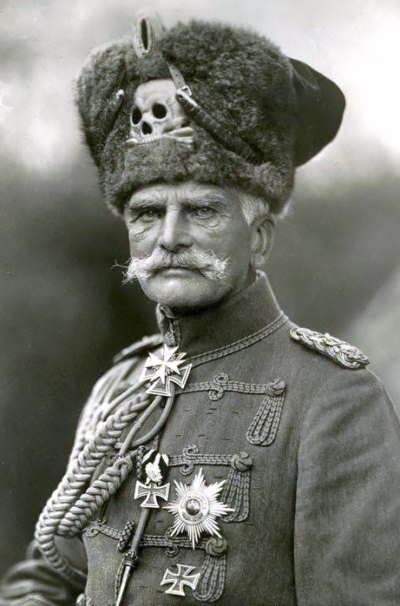 August von MackensenGerman field marshal (1849–1945)
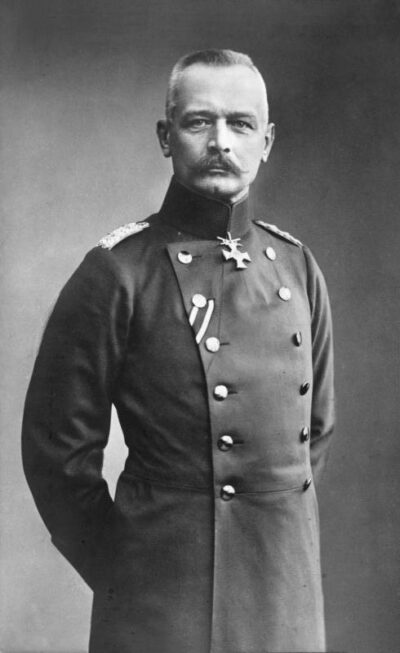 Erich von FalkenhaynChief of Germany's General Staff during the first two years of the First World War (1861-1922)
 Hans von SeecktGerman general (1866-1936)
 Ludwig BeckGerman general (1880–1944)
and 48 more
Worked here
 Carl Ludwig Siegel (1917–1919)German mathematician (1896-1981)
 Wilhelm Ackermann (1915–1919)German mathematician best known for the Ackermann function (1896–1962)
 Gottlob Berger (1914–1919)SS general (1896–1975)
 Heinz Hopf (1914–1918)German mathematician (1894–1971)
 Abraham Fraenkel (1914–1918)Israeli mathematician (1891-1965)
