

Indian National Congress
The Indian National Congress is a centrist-liberal political party in India. It was founded in 1885 by Allan Hume, Dadabhai Naoroji and Dinshaw Edulji Wacha. Its headquarters are in CHHATRAPATI SHIVAJI MAHARAJ. It stands for Third Way, secularism and civic nationalism.
- Country
- India
- Founded
- December 28, 1885
- Ideology
- Third Way
- Chair
- Mallikarjun Kharge (2022–)
All 13 facts, and where they come from
Facts
13 facts · 0 confirmed by two sources · 1 cited · 12 from one source
Where this comes from
Papalocal keeps its own record. It started from these sources; what each one said is kept here as it was copied, so a change on their side never changes this page by itself. Tap one to read its version.
What Wikidata says · copied November 16, 2026 · revision 2563821019
- Described as
- centrist-liberal political party in India
- Other names
- INC, Congress, Indian Congress Party, Congress Party
- What it is
- political party
- Founded
- December 28, 1885
- Founded by
- Allan Hume; Dadabhai Naoroji; Dinshaw Edulji Wacha
- Headquarters
- CHHATRAPATI SHIVAJI MAHARAJ
- Country
- India
- Chair
- Sonia Gandhi (2019–2022); Rahul Gandhi (–2019)
- Ideology
- Third Way; secularism; civic nationalism
- Official website
- https://inc.in
- Wikipedias with a page
- 98
Wikidata item Q10225 (wikidata.org/wiki/Q10225), public domain (CC0). Copied 2026-11-16.
What Wikipedia says · copied November 16, 2026 · revision 1385957399
The Indian National Congress (INC), also known as the Congress Party, or simply the Congress, is a big tent political party in India. It is one of the oldest parties in India. Founded on 28 December 1885, it was the first modern nationalist movement to emerge in the non-European British Empire. From the late 19th century, and especially after 1920, under the leadership of Mahatma Gandhi, the Congress became the principal leader of the Indian independence movement. The Congress was one of the parties who led India to independence from the United Kingdom, and significantly influenced other anti-colonial nationalist movements in the British Empire.
The INC is a "big tent" party that has been described as sitting on the centre of the Indian political spectrum. The party held its first session in 1885 in Bombay where W.C. Bonnerjee presided over it. After Indian independence in 1947, Congress emerged as a catch-all, Indian nationalist and secular party, dominating Indian politics for the next 50 years. The party's first prime minister, Jawaharlal Nehru, led the Congress to support socialist policies by creating the Planning Commission, introducing Five-Year Plans, implementing a mixed economy, and establishing a secular state. After Nehru's death and the short tenure of Lal Bahadur Shastri, Indira Gandhi became the leader of the party. In the 17 general elections since independence, it has won an outright majority on seven occasions and has led the ruling coalition a further three times, heading the central government for more than 54 years. There have been six prime ministers from the Congress party, the first being Jawaharlal Nehru (1947–1964), and the most recent being Manmohan Singh (2004–2014). Since the 1990s, the Bharatiya Janata Party has emerged as the main rival of the Congress in both national and regional politics.
In 1969, the party suffered a major split, with a faction led by Indira Gandhi leaving to form the Congress (R), with the remainder becoming the Congress (O). The Congress (R) became the dominant faction, winning the 1971 general election by a huge margin. From 1975 to 1977, Indira Gandhi declared a state of emergency in India, resulting in widespread oppression and abuses of power. Another split in the party occurred in 1979, leading to the creation of the Congress (I), which was recognised as the Congress by the Election Commission in 1981. Under Rajiv Gandhi's leadership, the party won a massive victory in the 1984 general elections, nevertheless losing the election held in 1989 to the National Front. The Congress then returned to power under P. V. Narasimha Rao, who moved the party towards an economically liberal agenda, a sharp break from previous leaders. However, it lost the 1996 general election and was replaced in government by the National Front. After a record eight years out of office, the Congress-led coalition known as the United Progressive Alliance (UPA) under Manmohan Singh formed a government after the 2004 general elections. Subsequently, the UPA again formed the government after winning the 2009 general elections, and Singh became the first prime minister since Indira Gandhi in 1971 to be re-elected after completing a full five-year term. However, under the leadership of Rahul Gandhi in the 2014 general election, the Congress suffered a heavy defeat, winning only 44 seats of the 543-member Lok Sabha (the lower house of the Parliament of India). In the 2019 general election, the party failed to make any substantial gains and won 52 seats, failing to form the official opposition yet again. In the 2024 general election, the party performed better-than-expected, and won 99 seats, forming the official opposition with their highest seat count in a decade.
On social issues, it advocates secular policies that encourage equal opportunity, right to health, right to education, civil liberty, and support social market economy, and a strong welfare state. Being a centrist party, its policies predominantly reflected balanced positions including secularism, egalitarianism, and social stratification. The INC supports contemporary economic reforms such as liberalisation, privatisation and globalisation. A total of 61 people have served as the president of the INC since its formation. Sonia Gandhi is the longest-serving president of the party, having held office for over twenty years from 1998 to 2017 and again from 2019 to 2022 (as interim). Mallikarjun Kharge is the current party president. The district party is the smallest functional unit of Congress. There is also a Pradesh Congress Committee (PCC), present at the state level in every state. Together, the delegates from the districts and PCCs form the All India Congress Committee (AICC). The party is additionally structured into various committees and segments including the Working Committee (CWC), Seva Dal, Indian Youth Congress (IYC), Indian National Trade Union Congress (INTUC), and National Students' Union of India (NSUI). The party holds the annual plenary sessions, at which senior Congress figures promote party policy.
From the Wikipedia article “Indian National Congress” (en.wikipedia.org/wiki/Indian_National_Congress), by its contributors, under CC BY-SA 4.0 (creativecommons.org/licenses/by-sa/4.0/). Copied 2026-11-16; not changed.
Confirmed Two sources agree. Cited One source, and it names where it got it. One source One source, without a reference of its own. Sources disagree The sources disagree. We show the best-supported value and keep theirs below.
Picture: Wikimedia Commons: INC Flag Official.jpg · See Commons file page
People connected 37
Party members 37
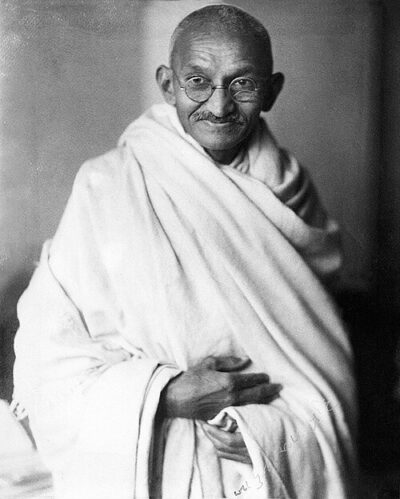 Mahatma GandhiIndian independence activist (1869–1948)
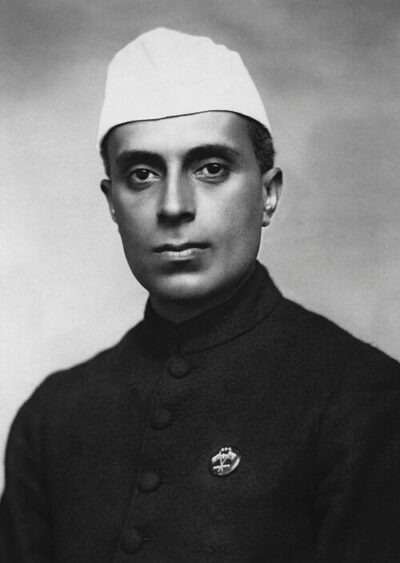 Jawaharlal NehruPrime Minister of India from 1947 to 1964
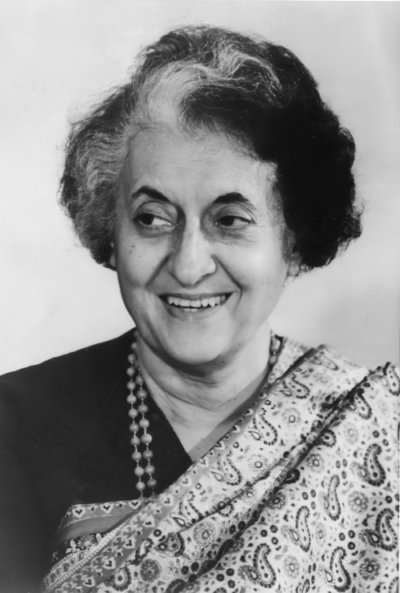 Indira GandhiPrime Minister of India (1966-1977; 1980-1984)
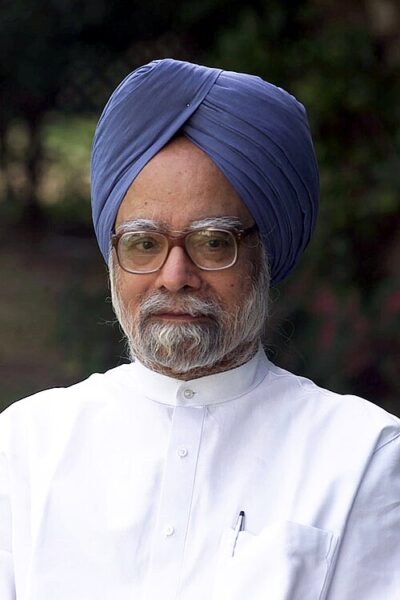 Manmohan SinghIndian economist, bureaucrat, academician and politician
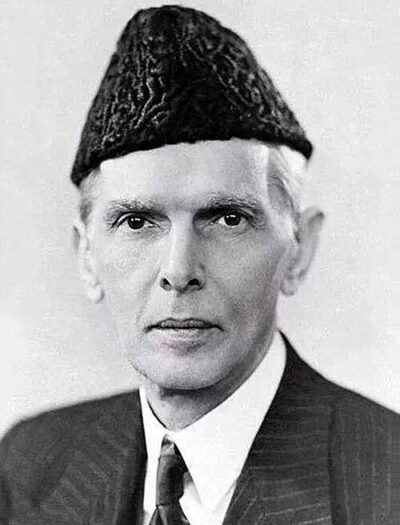 Mohammad Ali Jinnah (1906–1920)politician and the founder of Pakistan (1876–1948)
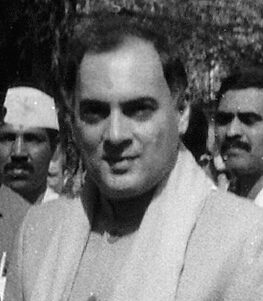 Rajiv GandhiPrime Minister of India (1984-1989)
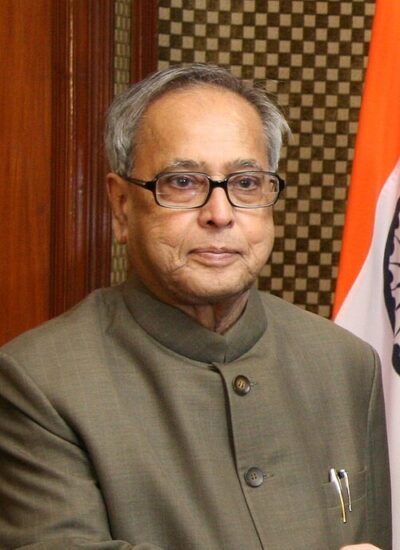 Pranab MukherjeePresident of India from 2012 to 2017
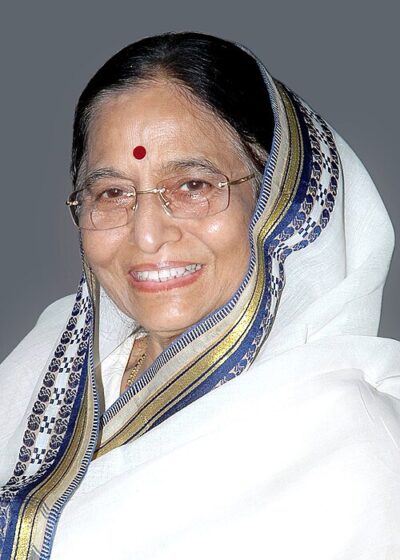 Pratibha PatilPresident of India from 2007 to 2012
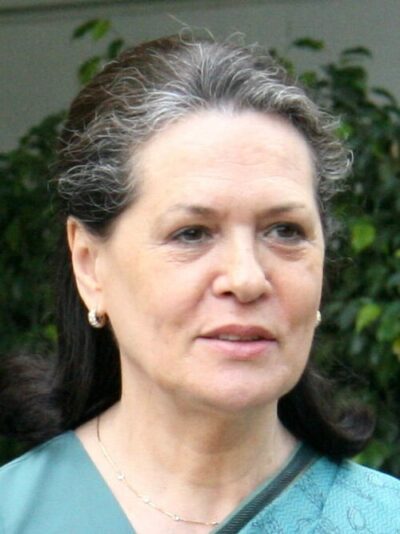 Sonia GandhiIndian politician
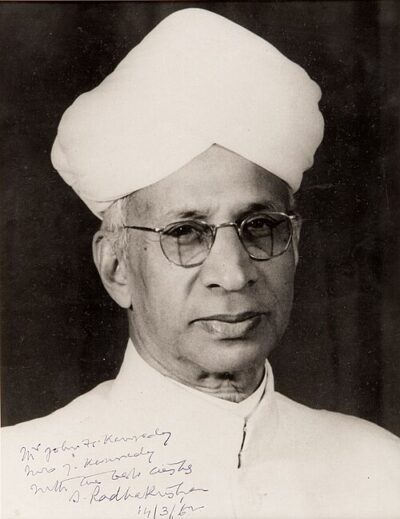 Sarvepalli Radhakrishnan2nd President and 1st Vice President of India, Indian philosopher and politician (1888–1975)
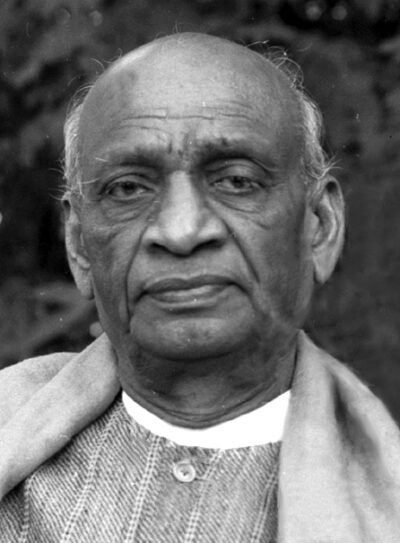 Sardar Vallabhbhai PatelIndian barrister, leader of the Indian National Congress and founding father of the Republic of India (1875-1950)
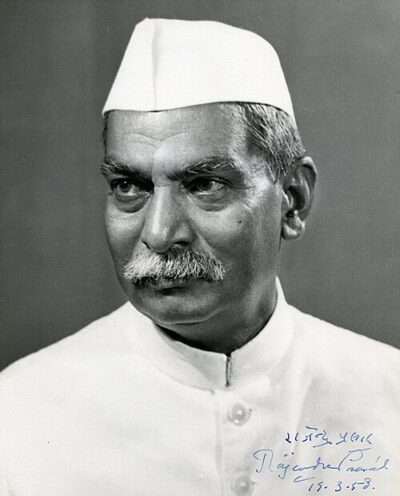 Rajendra PrasadIndian statesman, lawyer and writer (1884–1963); first President of India
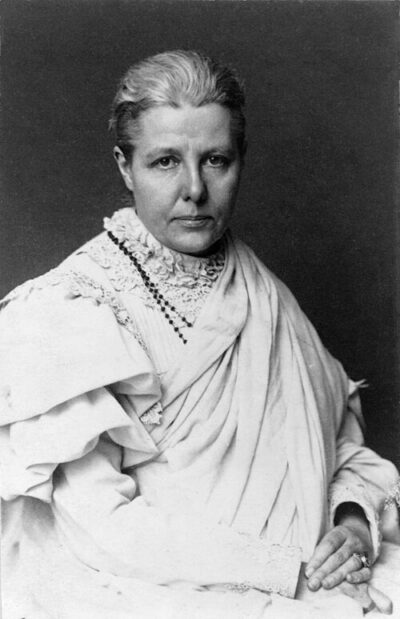 Annie BesantBritish socialist, theosophist, women's rights activist, writer and orator (1847-1933)
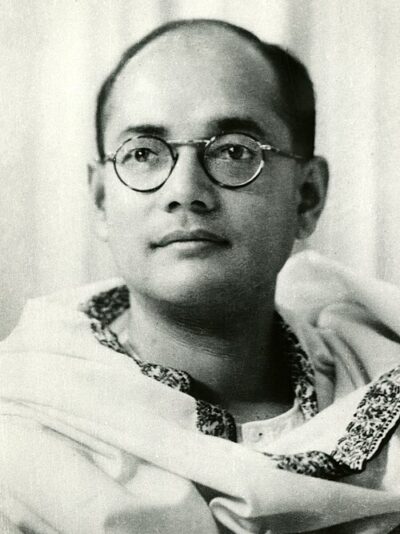 Subhas Chandra BoseIndian nationalist leader (1897-1945)
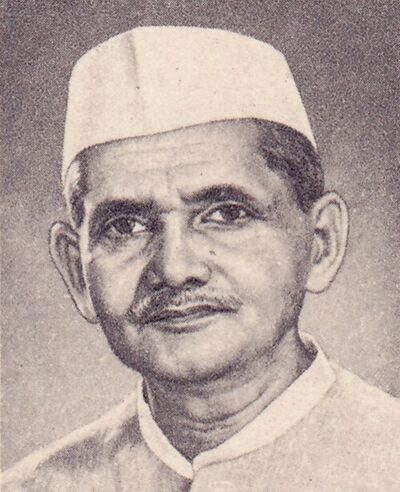 Lal Bahadur ShastriPrime Minister of India from 1964 to 1966
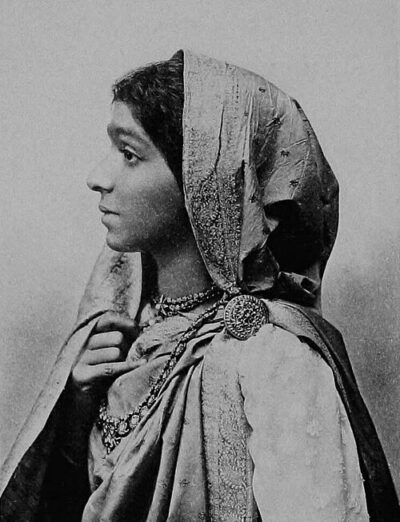 Sarojini NaiduIndian poet, politician, governor of the United Provinces of Agra and Oudh from1947 to 1949
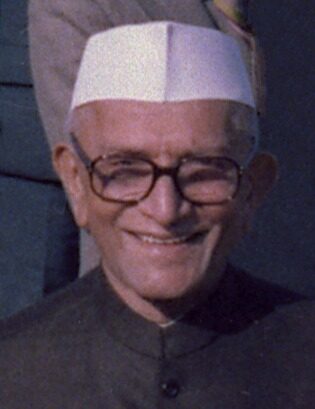 Morarji DesaiPrime Minister of India (1977-1979)
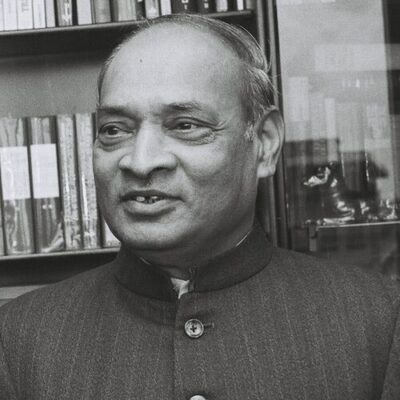 P. V. Narasimha RaoPrime Minister of India (1991-1996)
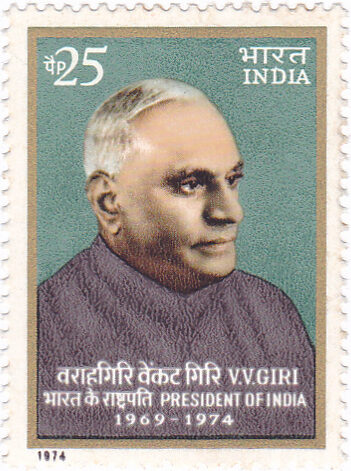 V. V. GiriIndian politician and 4th president of India (1894-1980)
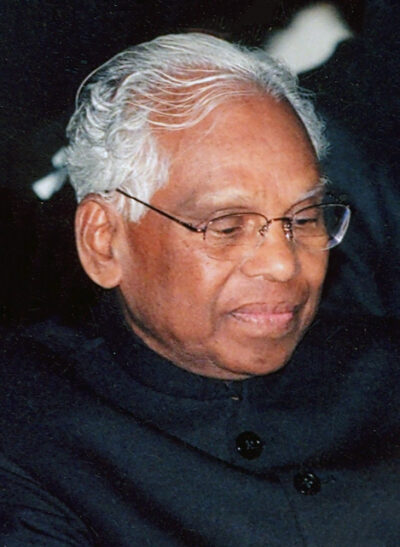 K. R. NarayananPresident of India from 1997 to 2002
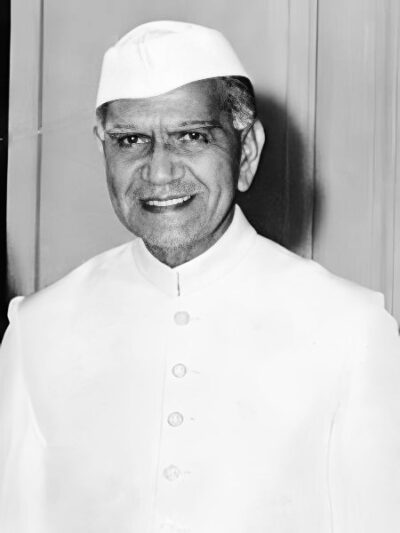 Fakhruddin Ali Ahmedpolitician, fifth President of India (1905-1977)
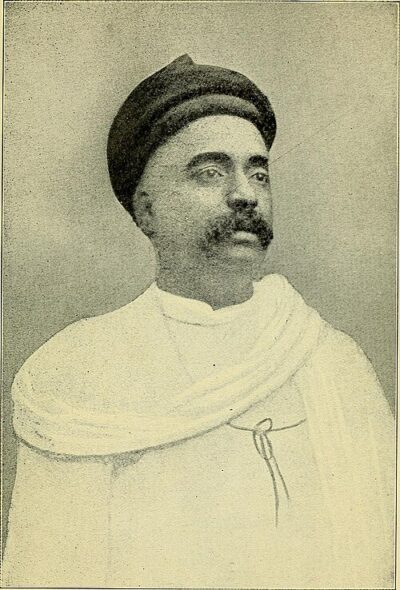 Bal Gangadhar TilakIndian nationalist leader, writer and journalist (1856–1920)
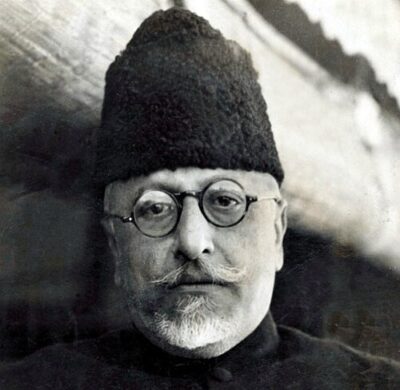 Abul Kalam AzadIndian politician and writer (1888–1958)
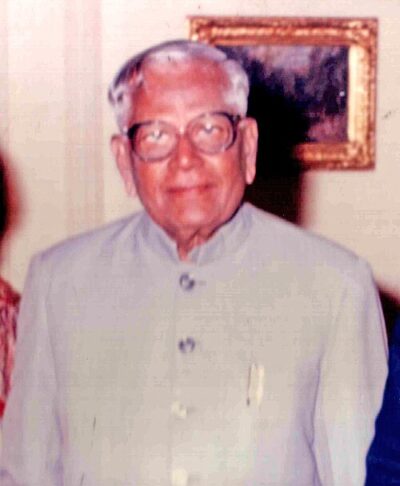 R. VenkataramanPresident of India from 1987 to 1992
and 13 more
