
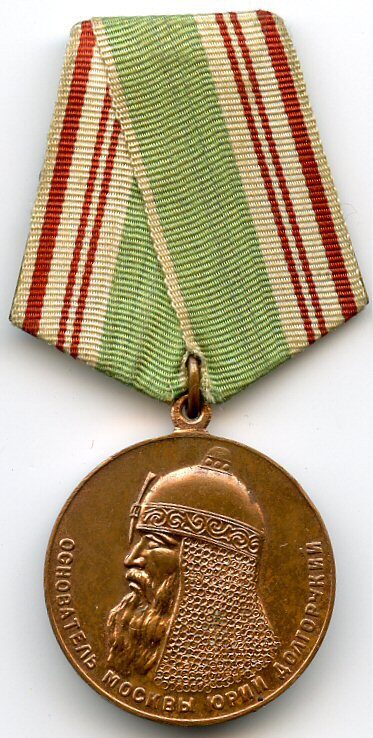
Medal "In Commemoration of the 800th Anniversary of Moscow"
Medal "In Commemoration of the 800th Anniversary of Moscow" is a commemorative medal of the Soviet Union. It was created in 1947.
- Country
- Soviet Union
- Created
- September 20, 1947
All 5 facts, and where they come from
Facts
5 facts · 0 confirmed by two sources · 0 cited · 5 from one source
Where this comes from
Papalocal keeps its own record. It started from these sources; what each one said is kept here as it was copied, so a change on their side never changes this page by itself. Tap one to read its version.
What Wikidata says · copied November 17, 2026 · revision 2555778646
- Described as
- commemorative medal of the Soviet Union
- What it is
- jubilee medal; medal · 1 reference
- Created
- September 20, 1947
- Country
- Soviet Union
- Named after
- 800th Anniversary of Moscow
- Wikipedias with a page
- 19
Wikidata item Q2634074 (wikidata.org/wiki/Q2634074), public domain (CC0). Copied 2026-11-17.
What Wikipedia says · copied November 17, 2026 · revision 1386203702
The Medal "In Commemoration of the 800th Anniversary of Moscow" (Russian: Медаль «В память 800-летия Москвы») was a state commemorative medal of the Soviet Union established by decree of the Presidium of the Supreme Soviet of the USSR on September 20, 1947 and bestowed to prominent Soviet citizens and veterans in commemoration of the 800th anniversary of the first Russian reference to Moscow, dating to 1147 when Yuri Dolgorukiy called upon the prince of the Novgorod-Severski to "come to me, brother, to Moscow". Its statute was amended by decree of the Presidium of the Supreme Soviet of the USSR on July 17, 1980.
From the Wikipedia article “Medal "In Commemoration of the 800th Anniversary of Moscow"” (en.wikipedia.org/wiki/Medal_"In_Commemoration_of_the_800th_Anniversary_of_Moscow"), by its contributors, under CC BY-SA 4.0 (creativecommons.org/licenses/by-sa/4.0/). Copied 2026-11-17; not changed.
Confirmed Two sources agree. Cited One source, and it names where it got it. One source One source, without a reference of its own. Sources disagree The sources disagree. We show the best-supported value and keep theirs below.
Picture: Fdutil, via Wikimedia Commons · CC BY-SA 3.0
People connected 120
Won it 120
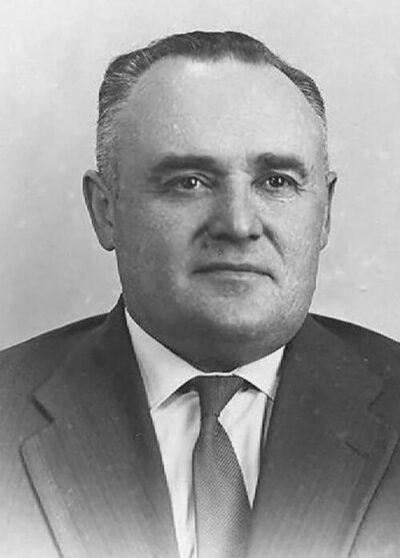 Sergei Korolev (1949)Soviet rocket engineer and spacecraft designer (1907-1966)
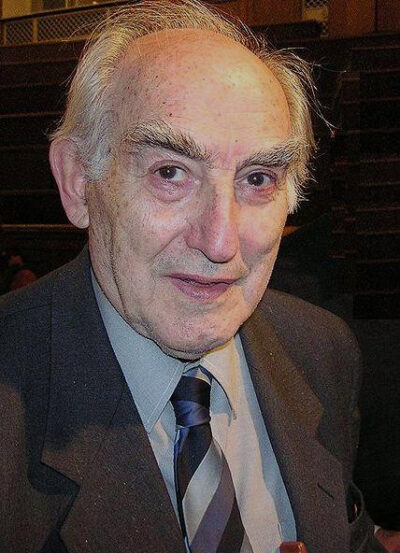 Vitaly Ginzburg (1948)Russian physicist (1916–2009)
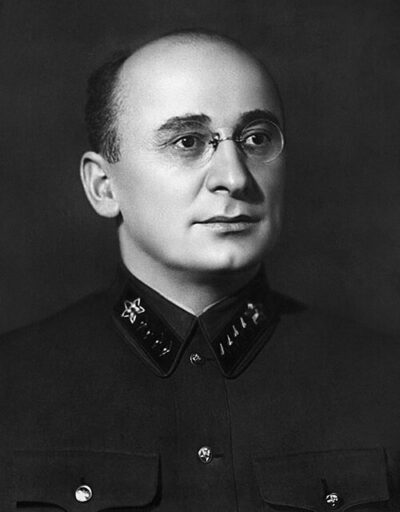 Lavrentiy Beria (1948)Soviet politician and NKVD police chief
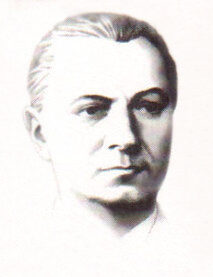 Valentin Glushko (1948)Soviet rocket engineer (1908-1989)
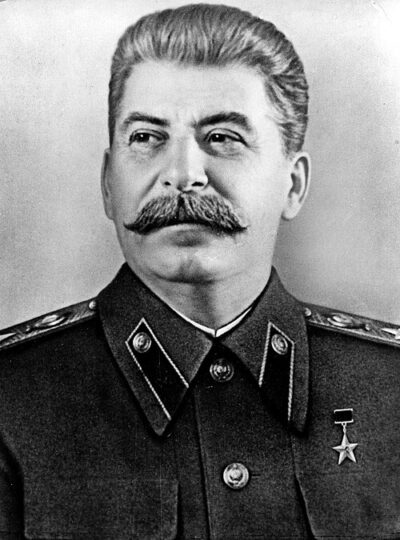 Joseph Stalin (1947)politician and leader of the Union of Soviet Socialist Republics from 1924 to 1953
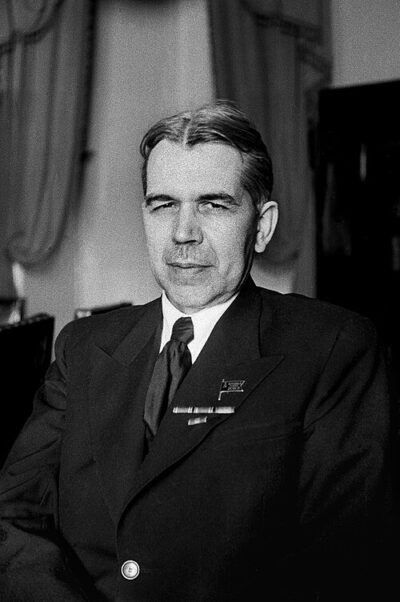 Sergey Vavilov (1947)Soviet physicist
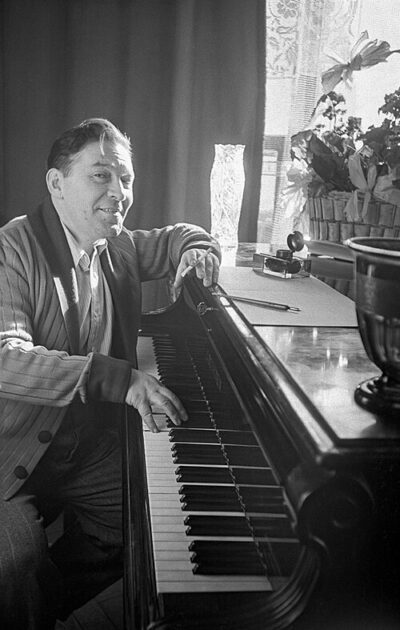 Leonid Utyosov (1947)Soviet musician (1895–1982)
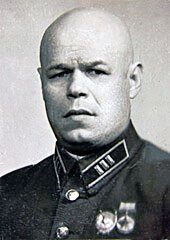 Pavel Rybalko (1947)Soviet military commander (1894-1948)
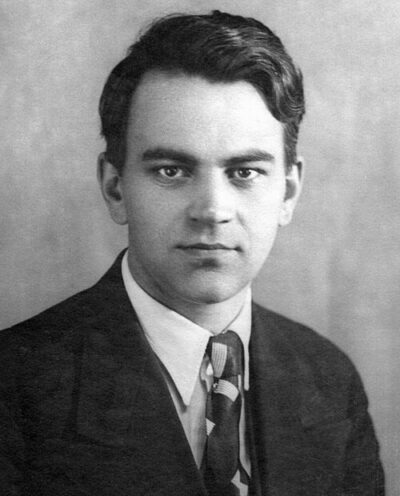 Mstislav Keldysh (1945)Soviet mathematician and physicist (1911-1978)
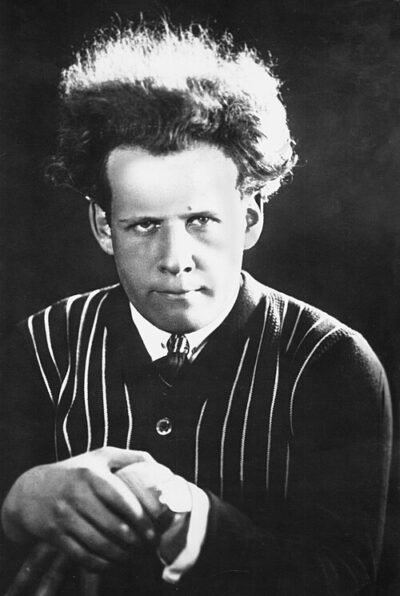 Sergei EisensteinSoviet filmmaker (1898–1948)
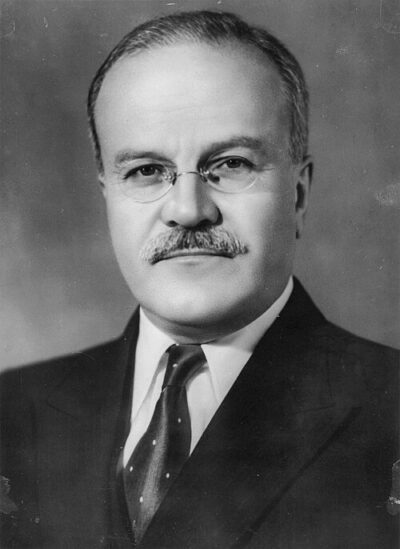 Vyacheslav MolotovSoviet politician, statesman and diplomat (1890–1986)
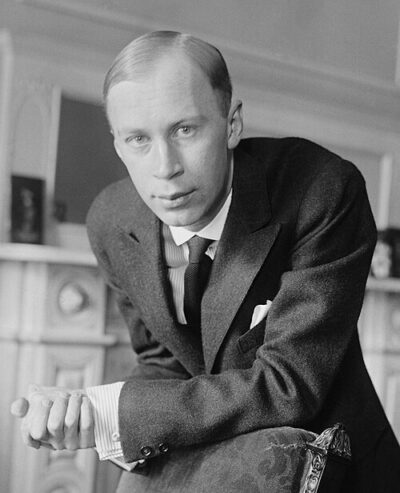 Sergei ProkofievRussian and Soviet pianist, composer and conductor (1891–1953)
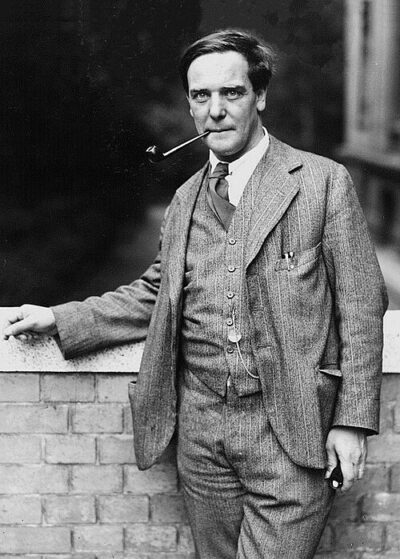 Pyotr KapitsaSoviet physicist
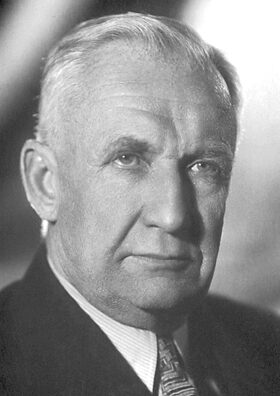 Igor TammSoviet physicist (1895–1971)
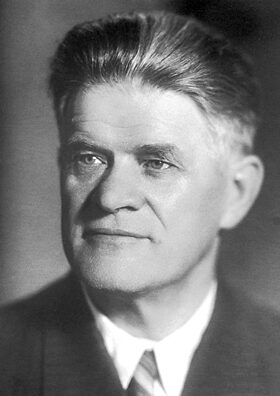 Pavel CherenkovSoviet physicist (1904-1990)
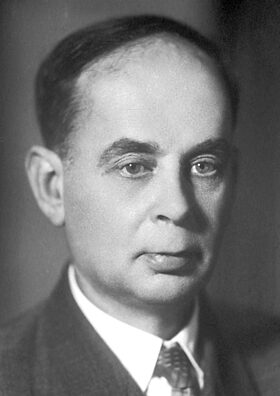 Ilya FrankSoviet physicist
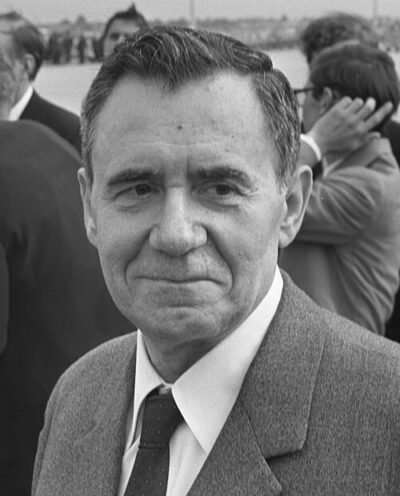 Andrei GromykoSoviet diplomat
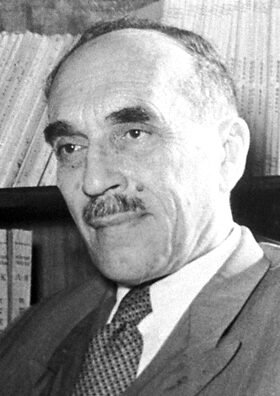 Nikolay SemyonovSoviet physical chemist (1896-1986)
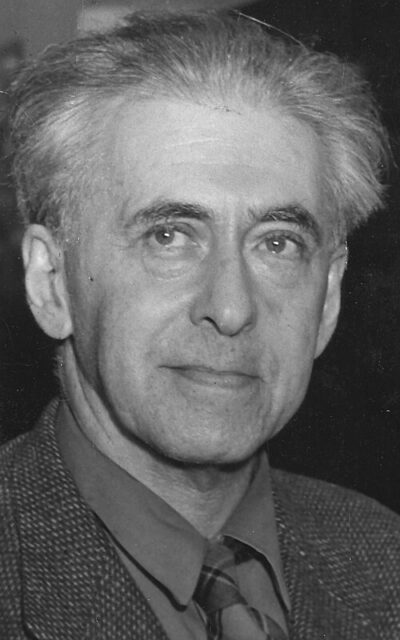 Ilya EhrenburgSoviet writer, Bolshevik revolutionary, journalist and historian (1891–1967)
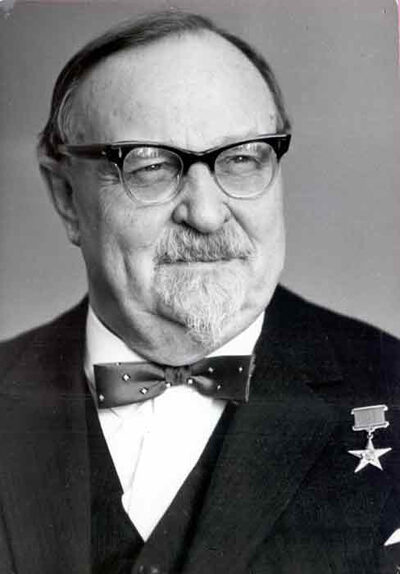 Alexander OparinSoviet biochemist (1894-1980)
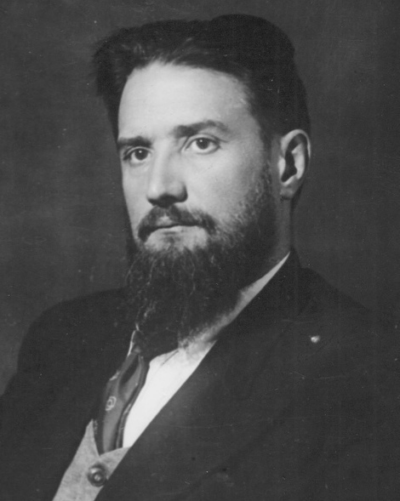 Igor KurchatovSoviet nuclear physicist (1903-1960)
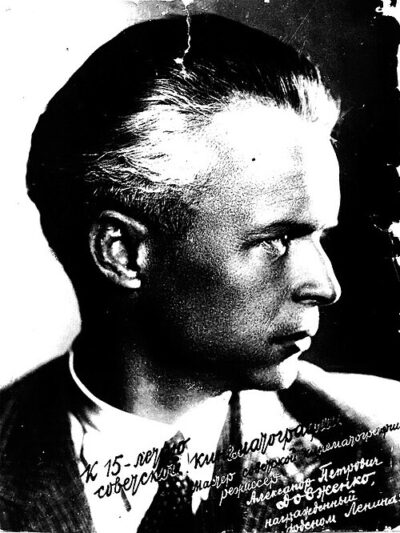 Oleksandr DovzhenkoSoviet Ukrainian screenwriter, film producer and director (1894–1956)
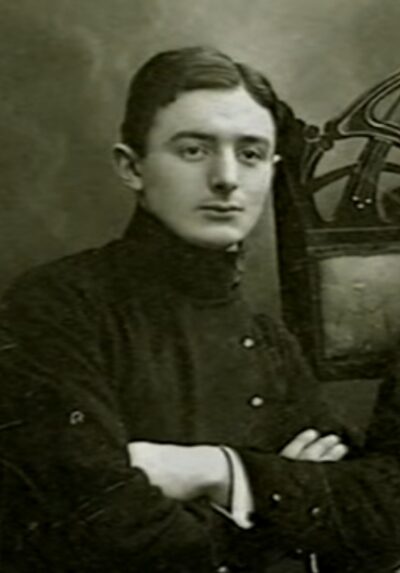 Dziga VertovRussian-Soviet documentary/avantgarde filmmaker (1896-1954)
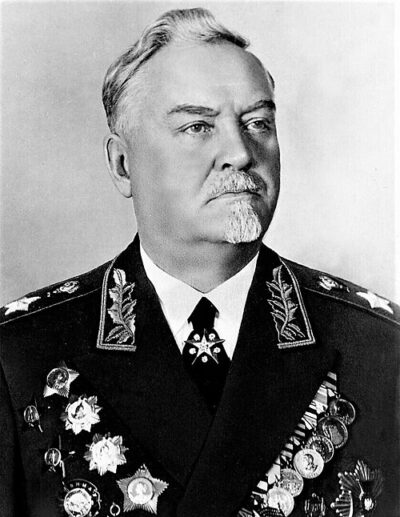 Nikolai BulganinSoviet politician (1895–1975)
and 96 more
