

Red Army
The Red Army is a Soviet army and air force from 1918 to 1946. It was founded by Joseph Stalin, Nikolai Podvoisky and Vladimir Lenin.
- Founded
- February 23, 1918
- Founded by
- Joseph Stalin
- Country
- Soviet Union
All 11 facts, and where they come from
Facts
11 facts · 0 confirmed by two sources · 0 cited · 11 from one source
Where this comes from
Papalocal keeps its own record. It started from these sources; what each one said is kept here as it was copied, so a change on their side never changes this page by itself. Tap one to read its version.
What Wikidata says · copied November 17, 2026 · revision 2563022607
- Described as
- Soviet army and air force from 1918 to 1946
- Other names
- Red Workers' and Peasants' Army, PKKA, RKKA, Workers' and Peasants' Red Army
- What it is
- army
- Comes after
- Russian Revolution Army
- Followed by
- Soviet Army
- Founded
- February 23, 1918
- Ended
- February 25, 1946
- Founded by
- Joseph Stalin; Nikolai Podvoisky; Vladimir Lenin
- Country
- Russian Socialist Federative Soviet Republic; Soviet Union
- Named after
- red
- Wikipedias with a page
- 109
Wikidata item Q251395 (wikidata.org/wiki/Q251395), public domain (CC0). Copied 2026-11-17.
What Wikipedia says · copied November 17, 2026 · revision 1386073284
The Workers' and Peasants' Red Army, often referred by its shortened name as the Red Army, was the army and air force of the Russian Soviet Republic and, from 1922, the Soviet Union. The army was established in January 1918 by a decree of the Council of People's Commissars to oppose the military forces of the new nation's adversaries during the Russian Civil War, especially the various groups collectively known as the White Army. In February 1946, the Red Army (which embodied the main component of the Soviet Armed Forces alongside the Soviet Navy) was renamed the "Soviet Army". Following the dissolution of the Soviet Union, it was split between the post-Soviet states, with its bulk becoming the Russian Ground Forces, commonly considered to be the successor of the Soviet Army.
Although the Red Army's performance in the Polish-Soviet War, the Winter War, and the opening stages of Operation Barbarossa was mixed and often poor, it ultimately emerged as a highly effective fighting force that was capable of shattering the Axis frontline. The Red Army provided the largest ground force in the Allied victory in the European theatre of World War II, and its invasion of Manchuria assisted the unconditional surrender of Japan. On the Eastern Front, it fought the largest and deadliest land war in history, which accounted for roughly 75% of German combat casualties during the war, and ultimately captured the German capital, Berlin. Red Army personnel were also involved in Soviet war crimes against civilians and prisoners of war, particularly in Eastern and Central Europe.
Up to 34 million soldiers served in the Red Army during World War II, 8 million of which were non-Slavic minorities. Officially, the Red Army lost 6,329,600 killed in action (KIA), 555,400 deaths by disease and 4,559,000 missing in action (MIA) (mostly captured). Of the 4.5 million missing, 939,700 rejoined the ranks in liberated Soviet territory, and a further 1,836,000 returned from German captivity. The official grand total of losses (killed, missing and died of disease or in captivity) amounted to 8,668,300, the majority of which were ethnic Russians (5,756,000), followed by ethnic Ukrainians (1,377,400). This is the official total dead, but other estimates give the number of total dead up to almost 11 million. Officials at the Russian Central Defense Ministry Archive (CDMA) maintain that their database lists the names of roughly 14 million dead and missing service personnel.
From the Wikipedia article “Red Army” (en.wikipedia.org/wiki/Red_Army), by its contributors, under CC BY-SA 4.0 (creativecommons.org/licenses/by-sa/4.0/). Copied 2026-11-17; not changed.
Confirmed Two sources agree. Cited One source, and it names where it got it. One source One source, without a reference of its own. Sources disagree The sources disagree. We show the best-supported value and keep theirs below.
Picture: Wikimedia Commons: Oath to the Red Army.jpg · See Commons file page
People connected 56
Military branch 55
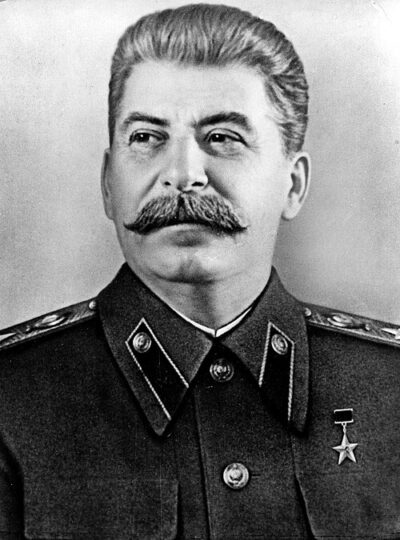 Joseph Stalinpolitician and leader of the Union of Soviet Socialist Republics from 1924 to 1953
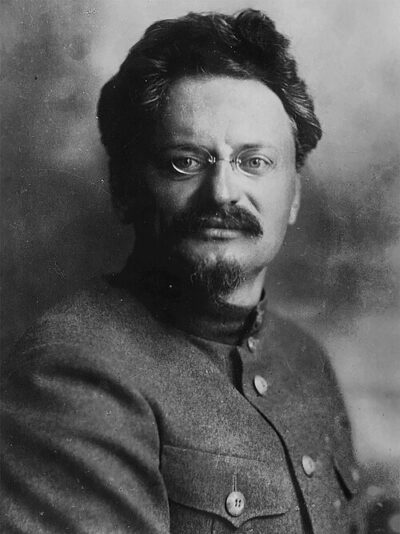 Leon TrotskyRussian Marxist revolutionary (1879–1940)
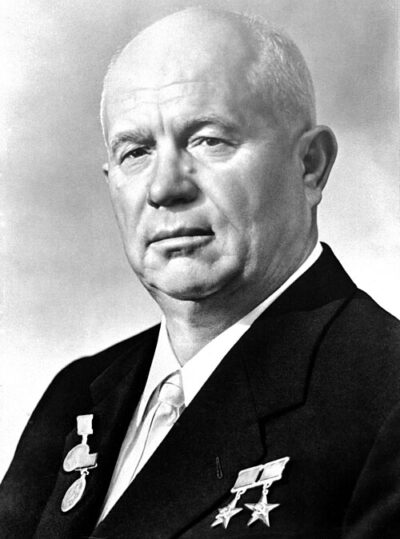 Nikita Khrushchevleader of the Soviet Union from 1953 to 1964
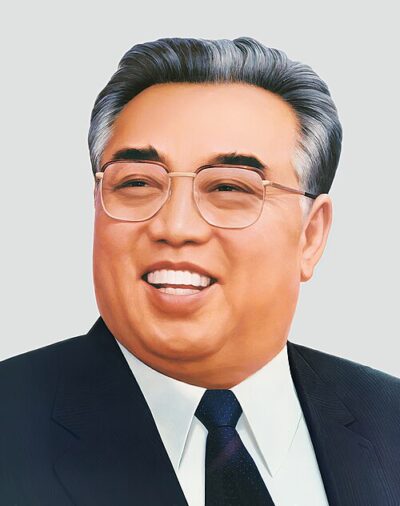 Kim Il-sung (1942–1945)Supreme Leader of North Korea from 1948 to 1994
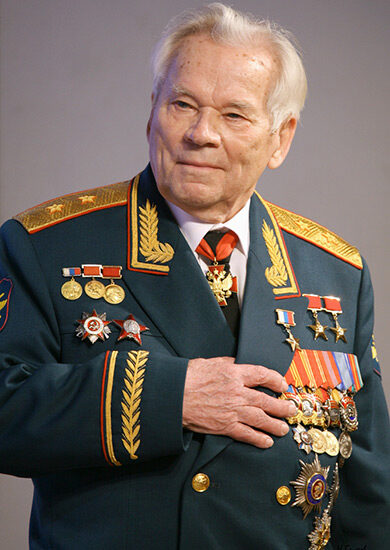 Mikhail KalashnikovSoviet and Russian small arms designer (1919–2013)
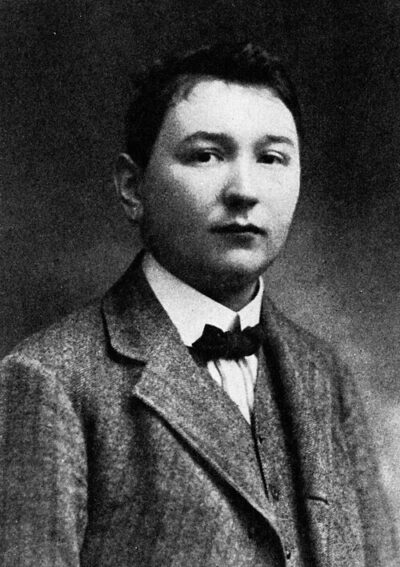 Jaroslav HašekCzech humorist, satirist, writer and anarchist (1883-1923)
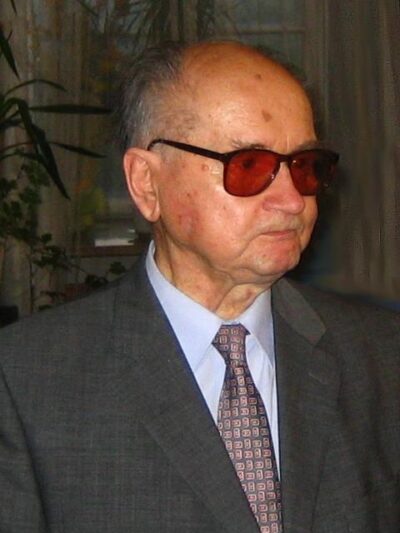 Wojciech JaruzelskiPolish military and political official, leader of the Polish People's Republic from 1981 to 1989
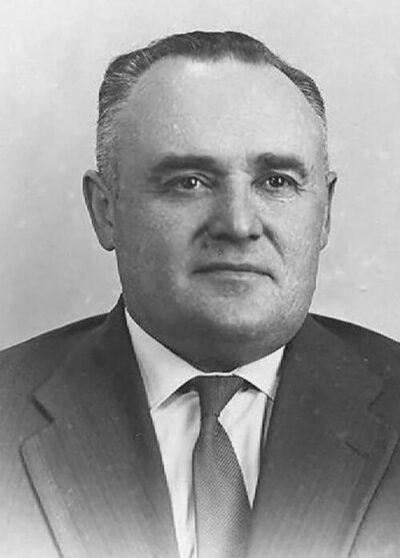 Sergei KorolevSoviet rocket engineer and spacecraft designer (1907-1966)
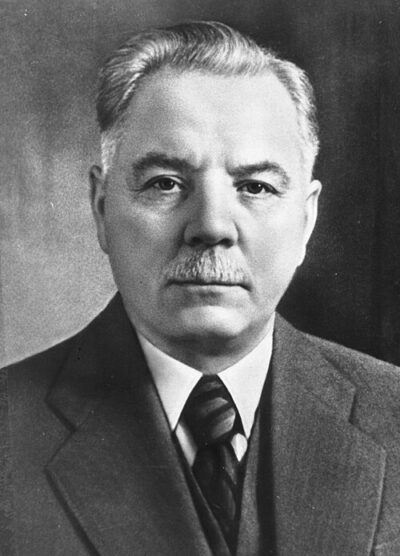 Kliment Voroshilov (1918–)Soviet marshal and politician
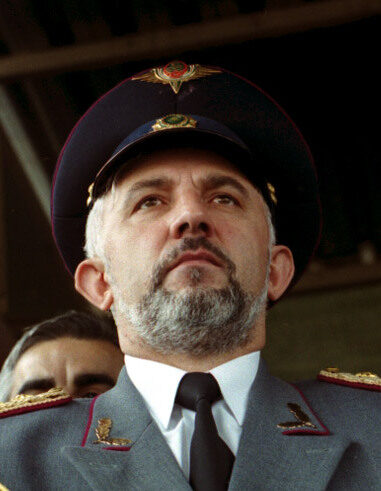 Aslan MaskhadovChechen warlord and politician
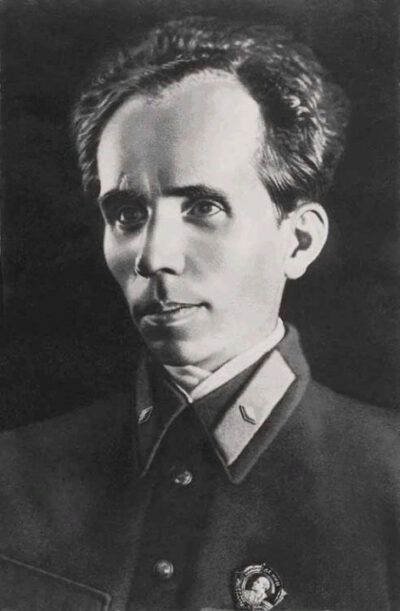 Nikolai Ostrovsky (1919–)Ukrainian-Russian writer (1904-1936)
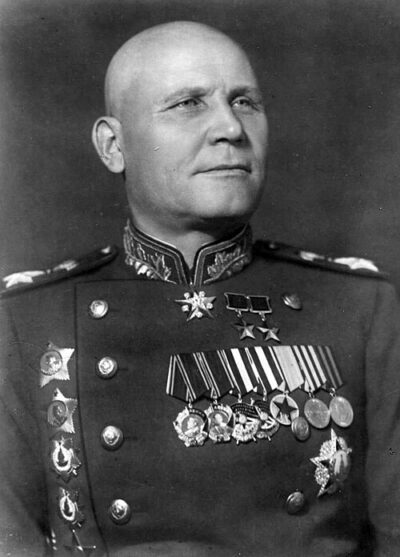 Ivan Konev (1918–)Soviet military commander (1897-1973)
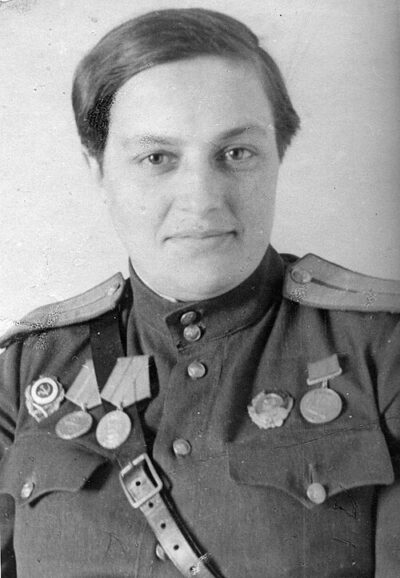 Lyudmila PavlichenkoSoviet sniper (1916–1974)
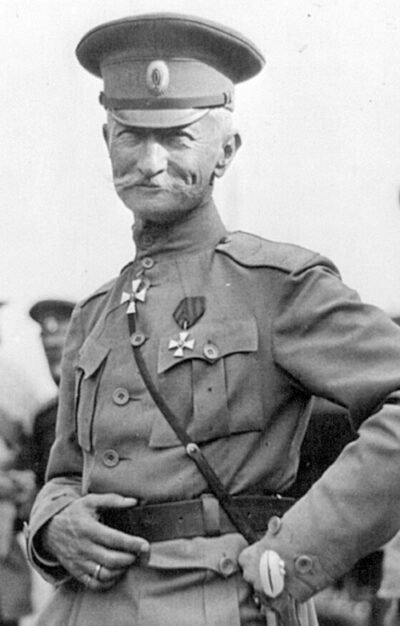 Aleksey Brusilov (1920–)Russian and Soviet military commander
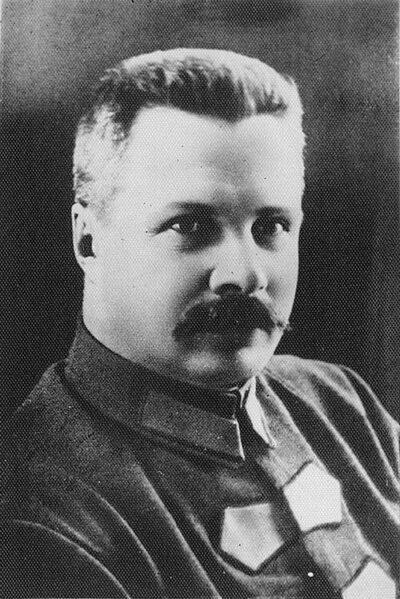 Mikhail FrunzeSoviet army officer (1885–1925)
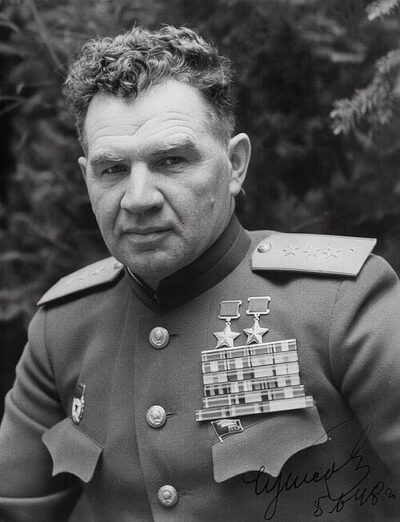 Vasily Chuikov (1918–)Soviet marshal (1900–1982)
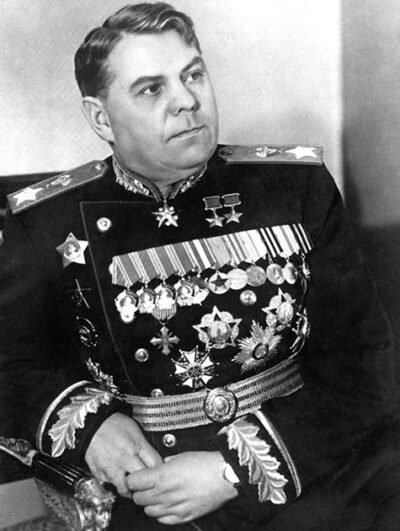 Aleksandr Michajlovič Vasilevskij (1919–)Marshal of the Soviet Union (1895-1977)
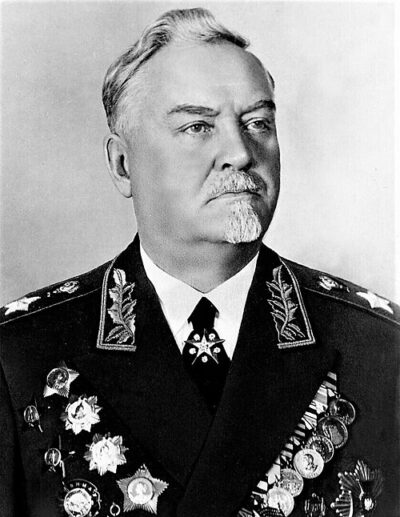 Nikolai BulganinSoviet politician (1895–1975)
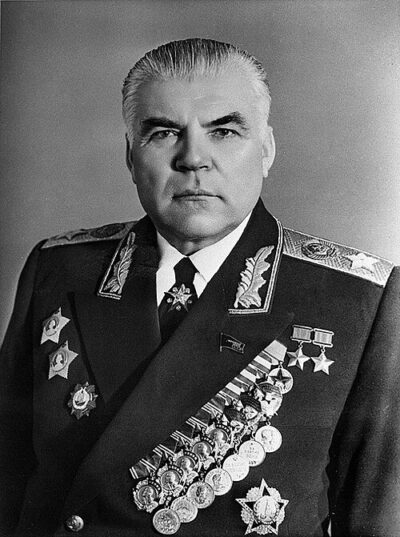 Rodion Malinovsky (1919–)Soviet military commander
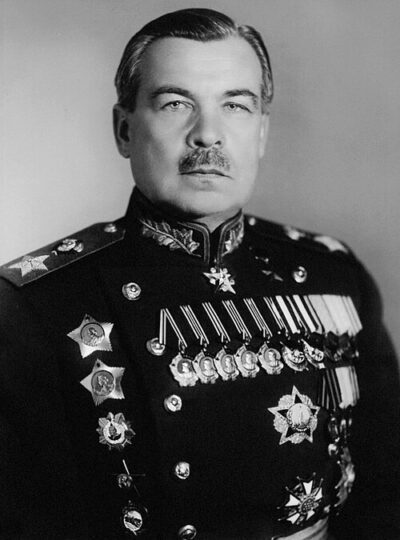 Leonid Govorov (1920–)Soviet marshal (1897–1955)
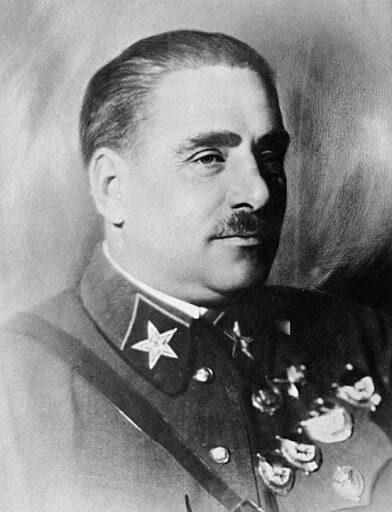 Vasily BlyukherSoviet marshal (1889–1938)
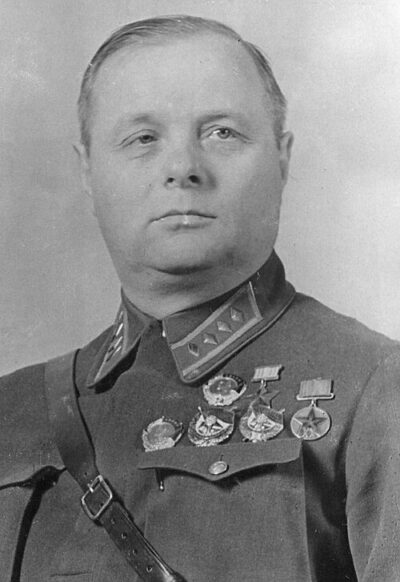 Kirill MeretskovSoviet marshal (1897–1968)
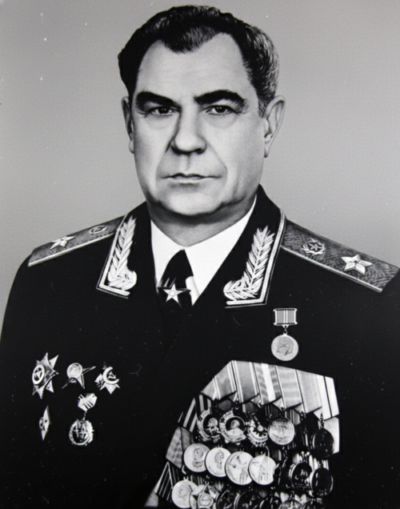 Dmitry Yazov (1941–)Soviet minister of defence (1924-2020)
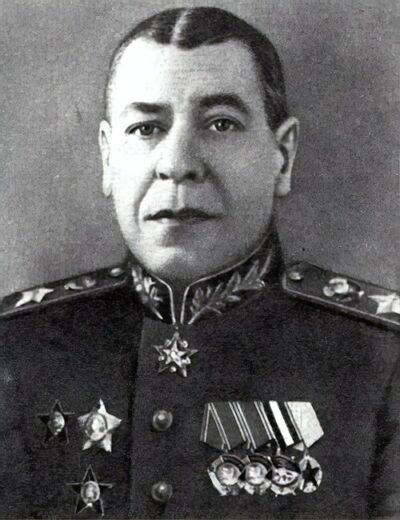 Boris Shaposhnikov (1918–)Marshal of the Soviet Union (1882-1945)
and 31 more


