
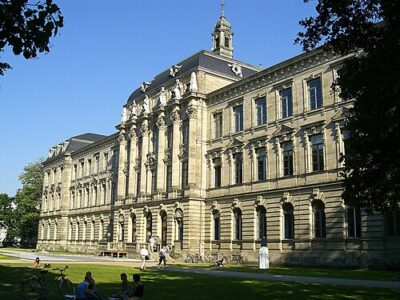
University of Erlangen–Nuremberg
The University of Erlangen–Nuremberg is a public research university in the cities of Erlangen and Nuremberg in Bavaria, Germany, 1961-. It was founded by Friedrich III, Margrave of Brandenburg-Bayreuth. 39,658 students study there (2022).
- Located in
- Nuremberg
- Country
- Germany
- Founded
- 1961
- Students
- 39,658 (2022)
- What it is
- public research university
All 13 facts, and where they come from
Facts
13 facts · 0 confirmed by two sources · 3 cited · 10 from one source
Where this comes from
Papalocal keeps its own record. It started from these sources; what each one said is kept here as it was copied, so a change on their side never changes this page by itself. Tap one to read its version.
What Wikidata says · copied November 16, 2026 · revision 2568990108
- Described as
- public research university in the cities of Erlangen and Nuremberg in Bavaria, Germany, 1961-
- Other names
- Friedrich-Alexander-Universität Erlangen-Nürnberg, FAU, Friedrich-Alexander-University Erlangen-Nürnberg, University of Erlangen-Nuremberg, FAU Erlangen-Nuernberg
- What it is
- public research university · 1 reference; comprehensive university; public university
- Comes after
- University of Erlangen · 1 reference
- Founded
- 1961 · 1 reference
- Founded by
- Friedrich III, Margrave of Brandenburg-Bayreuth
- Headquarters
- Erlangen
- Located in
- Nuremberg
- Country
- Germany · 1 reference
- Students
- 39,868 (2016) · 1 reference
- Named after
- Friedrich III, Margrave of Brandenburg-Bayreuth; Alexander, Margrave of Brandenburg-Ansbach
- Official website
- https://www.fau.eu/
- Wikipedias with a page
- 38
Wikidata item Q40025 (wikidata.org/wiki/Q40025), public domain (CC0). Copied 2026-11-16.
What Wikipedia says · copied November 16, 2026 · revision 1381171936
The Friedrich-Alexander University of Erlangen–Nuremberg (German: Friedrich-Alexander-Universität Erlangen-Nürnberg, FAU) is a public research university in the cities of Erlangen and Nuremberg in Bavaria, Germany. The name Friedrich-Alexander is derived from the university's first founder Friedrich, Margrave of Brandenburg-Bayreuth, and its benefactor Alexander, Margrave of Brandenburg-Ansbach.
With around 40,000 students and over 275 degree programs in five faculties, FAU is one of the 15 largest universities in Germany. It is the third largest university in Bavaria. It was established in Bayreuth in 1742 and moved to Erlangen in 1743. FAU expanded to Nuremberg in 1961 and to Fürth in 2004. About two-thirds of students mainly use the campus in Erlangen and one-third use the one in Nuremberg.
In the winter semester of 2024/25, around 50 percent of the nearly 40,000 students were female, and around 9,200 came from abroad. As a comprehensive university, FAU offers a wide range of subjects across 272 degree programs, including 82 bachelor's degrees, 98 master's degrees, and 92 degrees leading to a state examination, such as teaching, law, or medicine (as of 2023). To reduce the risk of technology drain, the admission of scholarship holders from the China Scholarship Council (CSC) was initially suspended in 2023, but only temporarily. An exception is made for students who come to Germany with an additional scholarship from the German Academic Exchange Service (DAAD).
FAU is a member of the German Research Foundation DFG. Based on DFG funding, FAU has been one of the top ten universities in Germany for many years now. A total of 117.7 million euros in funding were approved in 2023. The university has seven DFG research groups and several graduate colleges. Due to numerous collaborations with other universities, colleges, and technical colleges in the region, Friedrich-Alexander University has outposts throughout northern Bavaria. The FAU Language Center enables students of all disciplines to obtain international language qualifications with UNIcert certification. FAU is a member of MedienCampus Bayern, the umbrella organization for media education and training in Bavaria.
From the Wikipedia article “University of Erlangen–Nuremberg” (en.wikipedia.org/wiki/University_of_Erlangen–Nuremberg), by its contributors, under CC BY-SA 4.0 (creativecommons.org/licenses/by-sa/4.0/). Copied 2026-11-16; not changed.
Confirmed Two sources agree. Cited One source, and it names where it got it. One source One source, without a reference of its own. Sources disagree The sources disagree. We show the best-supported value and keep theirs below.
Picture: Akriesch (also de:Benutzer:Akriesch), via Wikimedia Commons · CC BY 2.5
People connected 72
Studied here 52
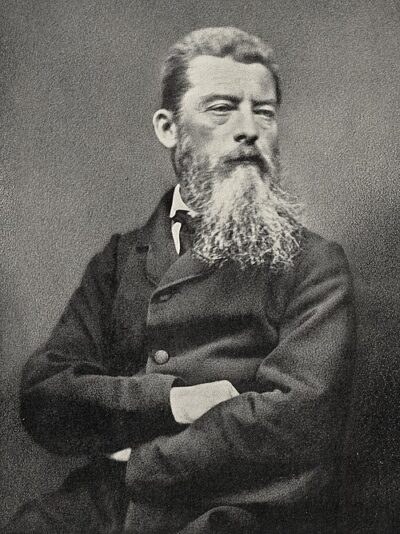 Ludwig FeuerbachGerman philosopher and anthropologist (1804–1872)
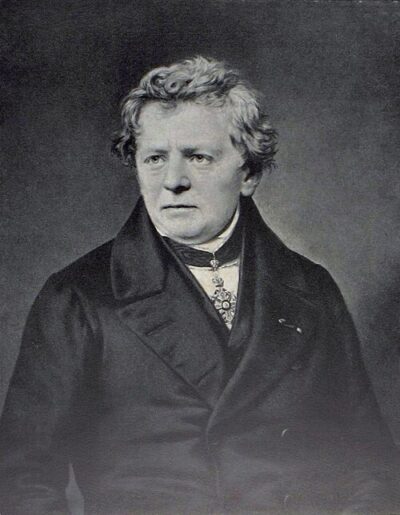 Georg Simon Ohm (1805–1811)German physicist and mathematician
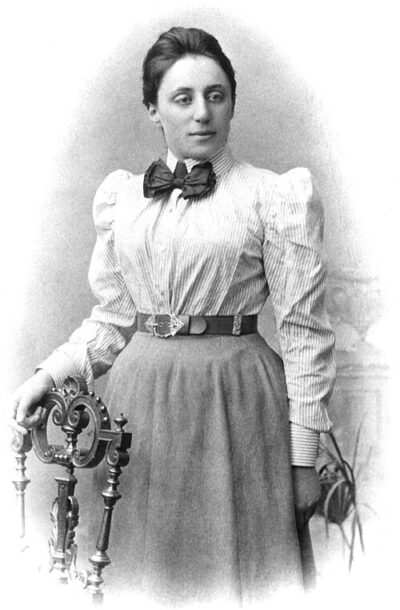 Emmy Noether (1900–1907)German Jewish mathematician (1882–1935)
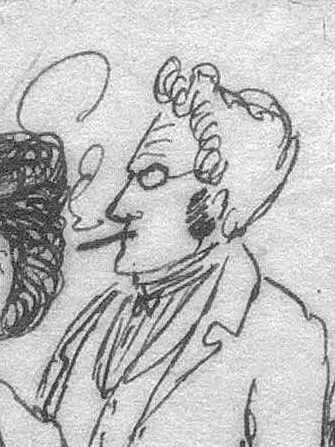 Max Stirner (1828–1829)German philosopher (1806–1856)
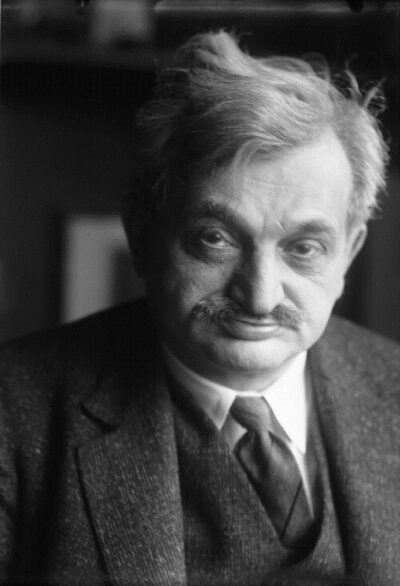 Emanuel Lasker (–1900)Greman chess player, World Chess champion (1868–1941)
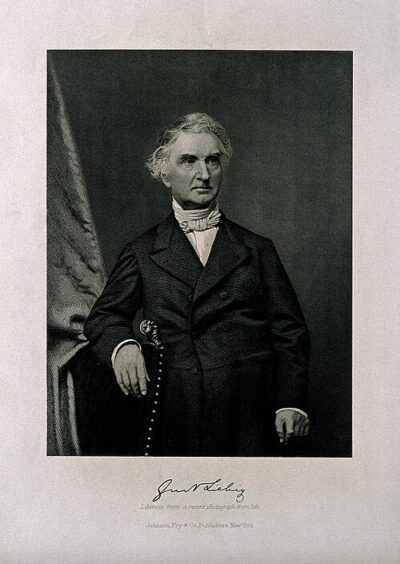 Justus von LiebigGerman chemist (1803–1873)
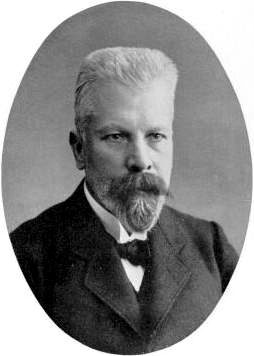 Eduard BuchnerGerman chemist (1907 Nobel Prize)
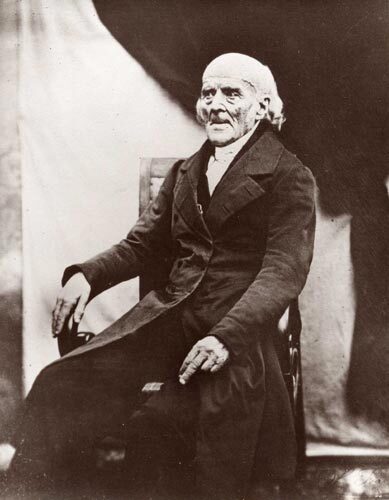 Samuel HahnemannGerman physician known for creating homeopathy
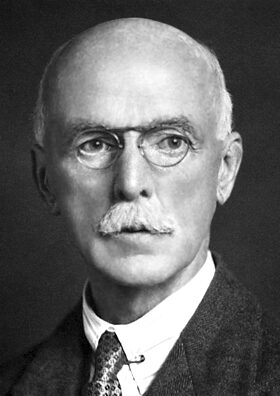 Arthur HardenBritish biochemist
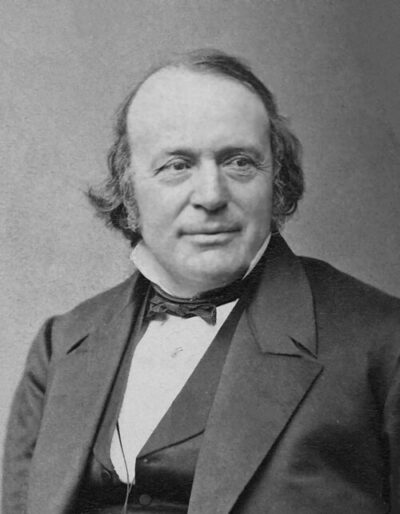 Louis Agassiz (–1828)Swiss-American naturalist (1807–1873)
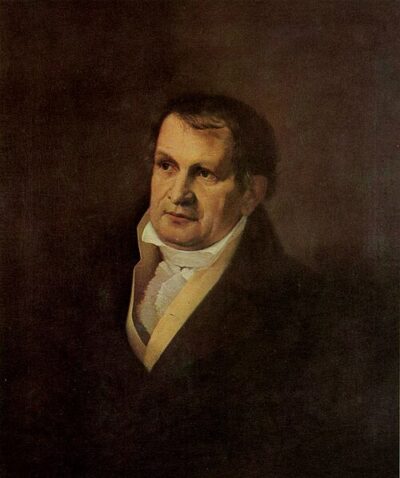 Ludwig TieckGerman poet, writer, and critic (1773–1853)
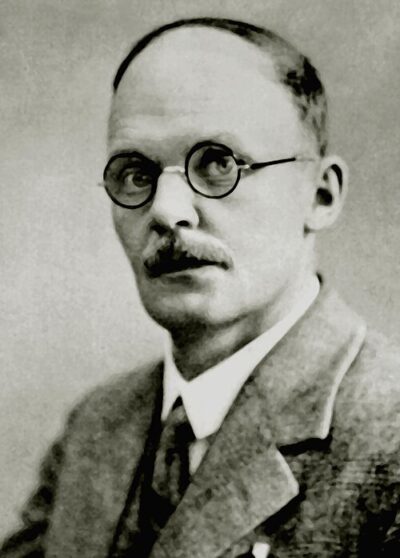 Hans GeigerGerman physicist (1882–1945)
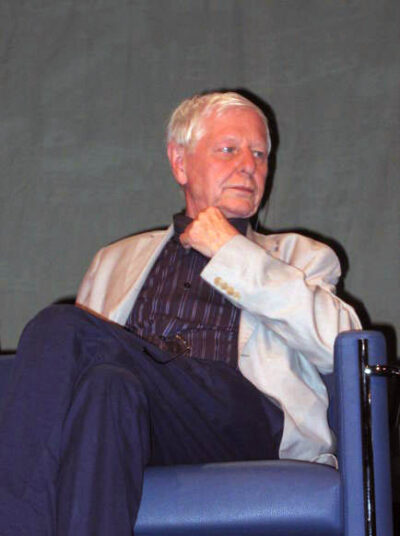 Hans Magnus EnzensbergerGerman writer and editor (1929–2022)
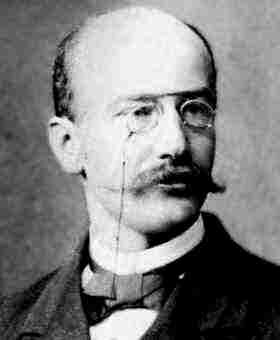 Ferdinand von Lindemann (1872–1873)German mathematician (1852–1939)
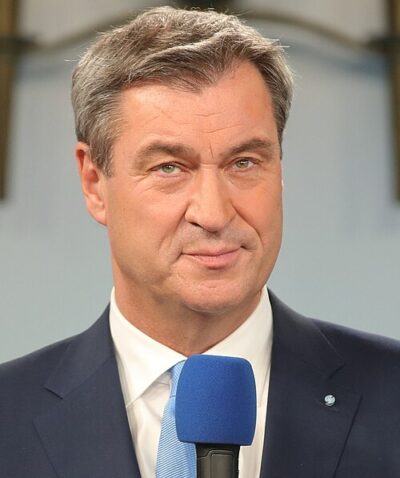 Markus Söder (1987–1991)German politician (CSU)
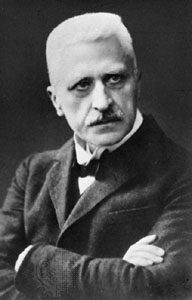 Rudolf OttoGerman theologian, philosopher, and comparative religionist (1869–1937)
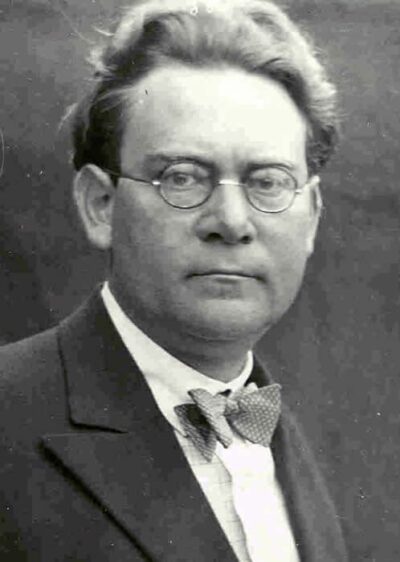 Hans Reichenbach (–1915)German–American philosopher
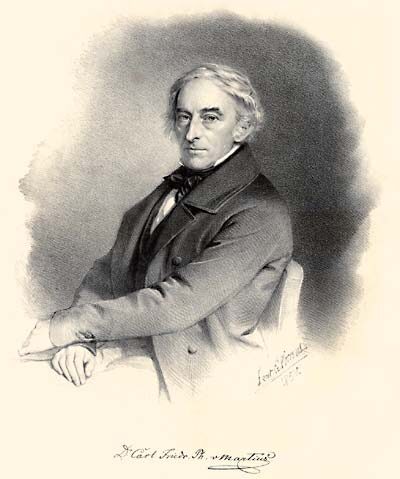 Carl Friedrich Philipp von MartiusGerman botanist (1794-1868)
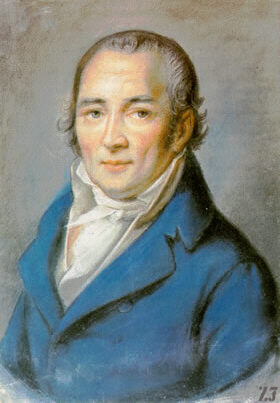 Johann Peter Hebel (–1780)German short story writer and dialectal poet (1760–1826)
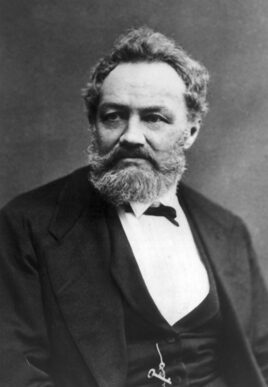 Alexander von MiddendorffBaltic German explorer and scientist (1815-1894)
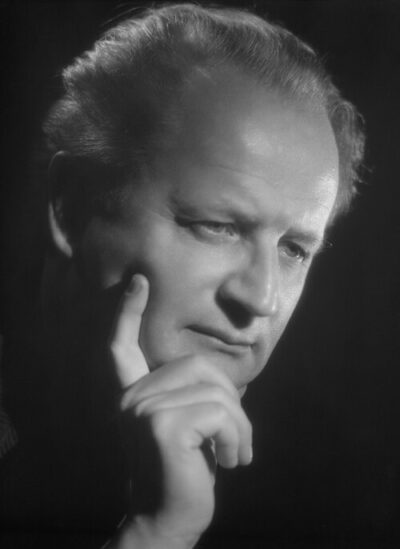 Wilhelm KempffGerman pianist and composer (1895–1991)
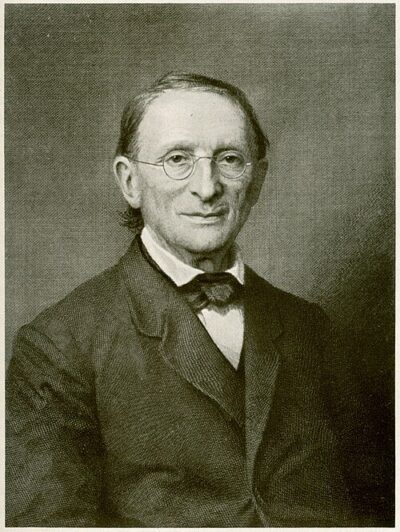 Carl LudwigGerman physiologist (1816-1895)
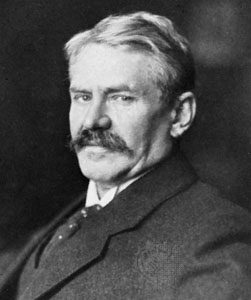 Ernst TroeltschGerman philosopher and theologian (1865-1923)
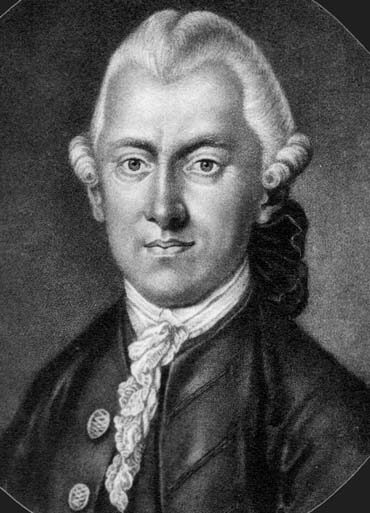 Johann Christian Daniel von SchreberGerman naturalist (1739–1810)
and 28 more
Worked here 28
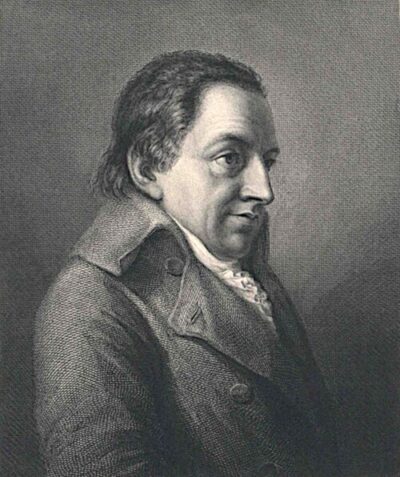 Johann Gottlieb FichteGerman philosopher (1762–1814)
- Georg Simon Ohm (1811–1812)German physicist and mathematician
- Emmy NoetherGerman Jewish mathematician (1882–1935)
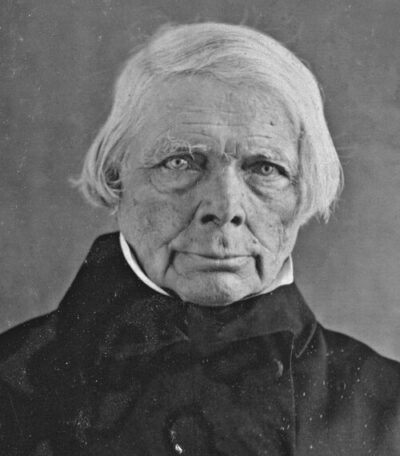 Friedrich Wilhelm Joseph SchellingGerman philosopher (1775–1854)
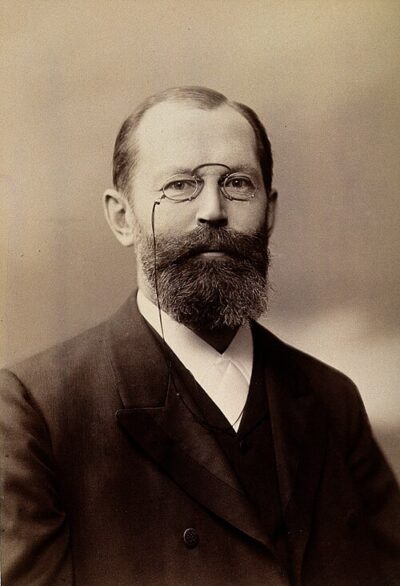 Emil FischerGerman chemist (1852–1919)
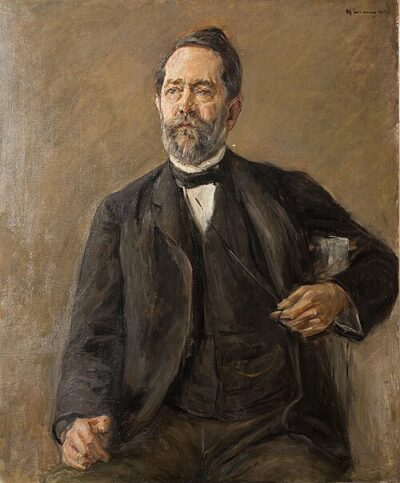 Felix Klein (1872–1875)German mathematician, author of the Erlangen Program (1849–1925)
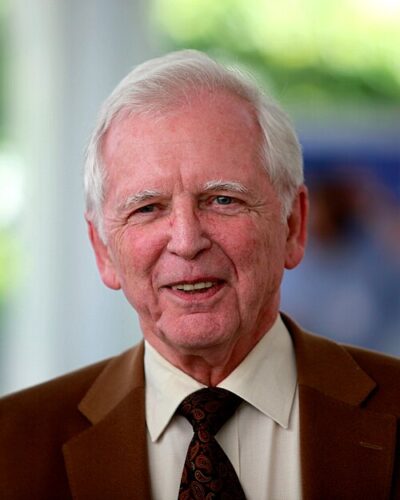 Harald zur HausenGerman virologist and professor emeritus (1936–2023)
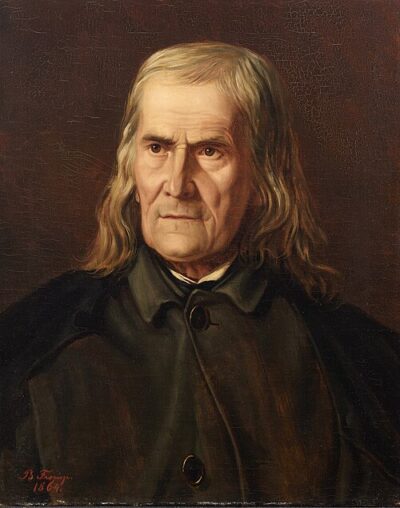 Friedrich RückertGerman poet, translator, and professor of Oriental languages (1788–1866)
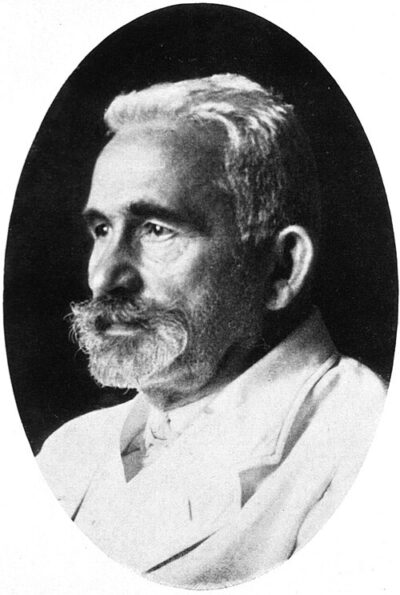 Emil KraepelinGerman psychiatrist (1856–1926)
- Markus SöderGerman politician (CSU)
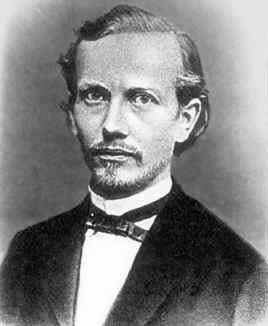 Hermann Hankel (1867–1869)German mathematician (1839–1873)
- Johann Christian Daniel von SchreberGerman naturalist (1739–1810)
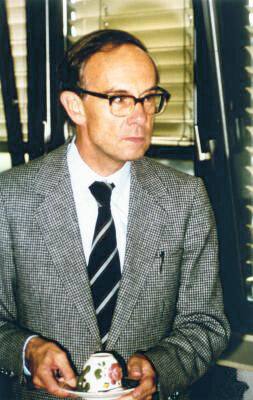 Friedrich Hirzebruch (1951–1952)German mathematician (1927–2012)
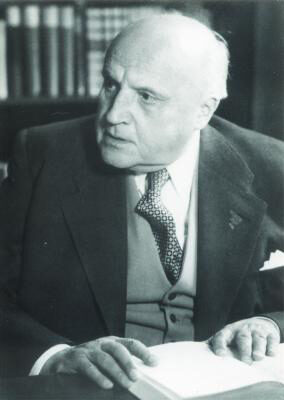 Erhard Schmidt (1910–1911)German mathematician (1876–1959)
- PPhilipp Ludwig Statius MüllerGerman zoologist (1725–1776)
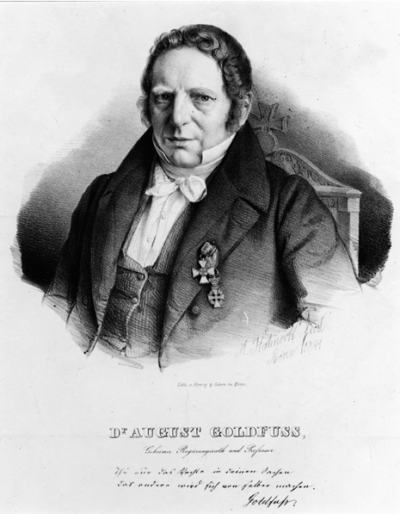 Georg August GoldfussGerman paleontologist, mineralogist, zoologist and botanist (1782-1848)
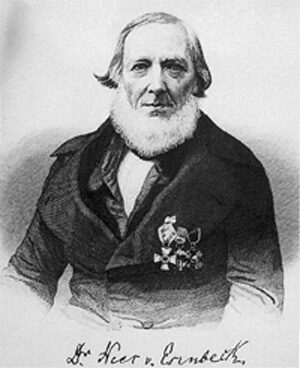 Christian Gottfried Daniel Nees von EsenbeckGerman botanist, embryologist and natural philosopher (1776-1858)
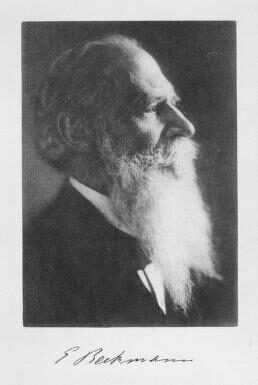 Ernst Otto BeckmannGerman chemist (1853–1923)
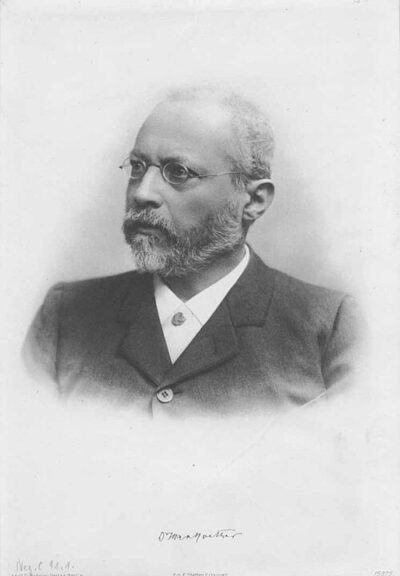 Max Noether (1875–1921)German mathematician (1844–1921)
 Paul Gordan (1874–1910)German mathematician (1837-1912)
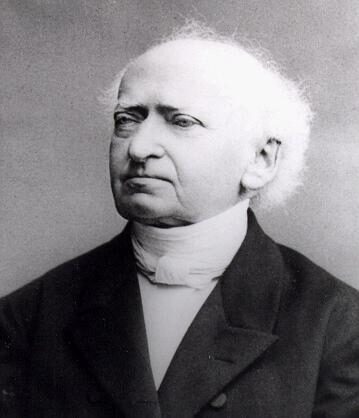 Franz DelitzschGerman Lutheran theologian and hebraist (1813-1890)
- JJulius Pokornýlinguist (1887-1970)
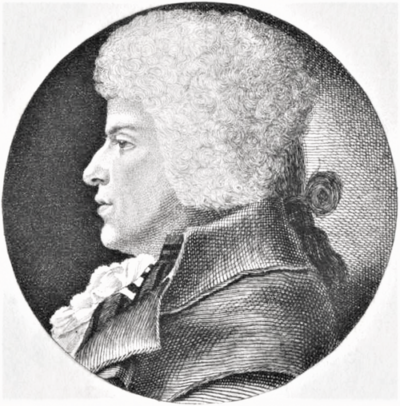 Georg Franz HoffmannGerman botanist (1760-1826)
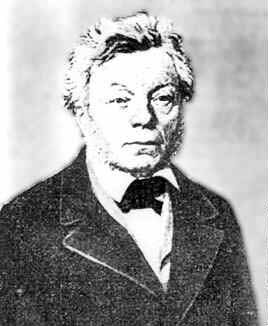 Karl Georg Christian von Staudt (1835–1867)German geometer (1798-1867)
and 4 more
