

Bharat Ratna
Bharat Ratna is India's highest civilian award. It was created in 1954.
- Country
- India
- Created
- June 2, 1954
All 4 facts, and where they come from
Facts
4 facts · 0 confirmed by two sources · 0 cited · 4 from one source
Where this comes from
Papalocal keeps its own record. It started from these sources; what each one said is kept here as it was copied, so a change on their side never changes this page by itself. Tap one to read its version.
What Wikidata says · copied November 16, 2026 · revision 2550171038
- Described as
- India's highest civilian award
- What it is
- civil decoration
- Created
- June 2, 1954
- Country
- India
- Official website
- https://dashboard-padmaawards.gov.in/?Award=Bharat%20Ratna
- Wikipedias with a page
- 53
Wikidata item Q322132 (wikidata.org/wiki/Q322132), public domain (CC0). Copied 2026-11-16.
What Wikipedia says · copied November 16, 2026 · revision 1376679920
The Bharat Ratna (Sanskrit pronunciation: [bʱaːɾət̪ ɾət̪n̪ə]; lit. 'Jewel of India') is the highest civilian award of the Republic of India. Instituted on 2 January 1954, the award is conferred in recognition of "exceptional service/performance of the highest order", without distinction of race, occupation, position or gender. The award was originally limited to achievements in the arts, literature, science, and public services, but the Government of India expanded the criteria to include "any field of human endeavour" in December 2011. The recipients receive a Sanad (certificate) signed by the president and a sacred fig leaf-shaped medallion. Bharat Ratna recipients rank seventh in the Indian order of precedence.
The first recipients of the Bharat Ratna were: the former governor-general of the Union of India C. Rajagopalachari, the former president of the Republic of India Sarvepalli Radhakrishnan; and the Indian physicist C. V. Raman, who were honoured in 1954. Since then, the award has been bestowed upon 53 individuals, including 18 who were awarded posthumously. The original statutes did not provide for posthumous awards but were amended in January 1966 to permit them to honour former prime minister Lal Bahadur Shastri, the first individual to be honoured posthumously. In 2014, cricketer Sachin Tendulkar, then aged 40, became the youngest recipient, while social reformer Dhondo Keshav Karve was the oldest recipient when he was awarded on his 100th birthday. Though usually conferred on India-born citizens, the award has been conferred on one naturalized citizen, Mother Teresa, and on two non-Indians: Abdul Ghaffar Khan (born in British India and later a citizen of Pakistan) and Nelson Mandela, a citizen of South Africa.
The Bharat Ratna, along with other personal civil honours, was briefly suspended from July 1977 to January 1980, during the change in the national government; and for a second time from August 1992 to December 1995, when several public-interest litigations challenged the constitutional validity of the awards. In 1992, the government's decision to confer the award posthumously on Subhas Chandra Bose was opposed by those who had refused to accept the fact of his death, including some members of his extended family. Following a 1997 Supreme Court decision, the press communique announcing Bose's award was cancelled; it is the only time when the award was announced but not conferred.
From the Wikipedia article “Bharat Ratna” (en.wikipedia.org/wiki/Bharat_Ratna), by its contributors, under CC BY-SA 4.0 (creativecommons.org/licenses/by-sa/4.0/). Copied 2026-11-16; not changed.
Confirmed Two sources agree. Cited One source, and it names where it got it. One source One source, without a reference of its own. Sources disagree The sources disagree. We show the best-supported value and keep theirs below.
Picture: Wikimedia Commons: Bharat Ratna.jpg · See Commons file page
People connected 23
Won it
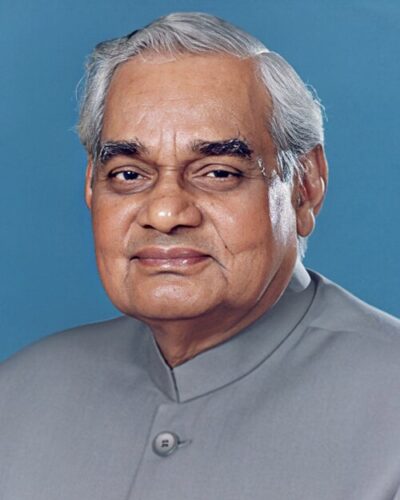 Atal Bihari Vajpayee (2015)Prime Minister of India in 1996 and from 1998 to 2004
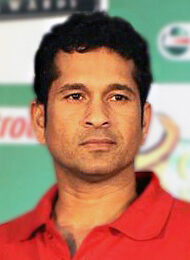 Sachin Tendulkar (2014)Indian cricket player (born 1973)
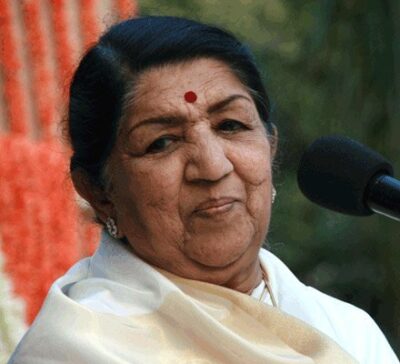 Lata Mangeshkar (2001)Indian singer (1929–2022)
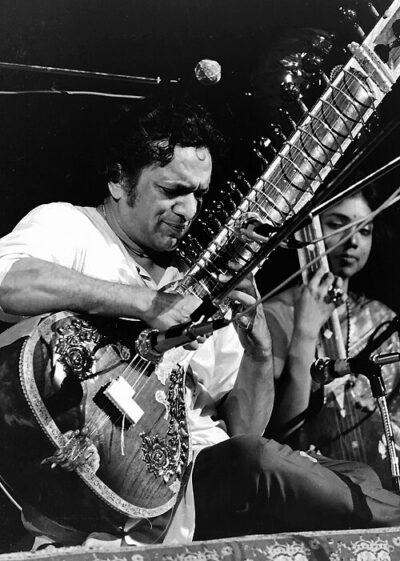 Ravi Shankar (1999)Indian sitar player (1920–2012)
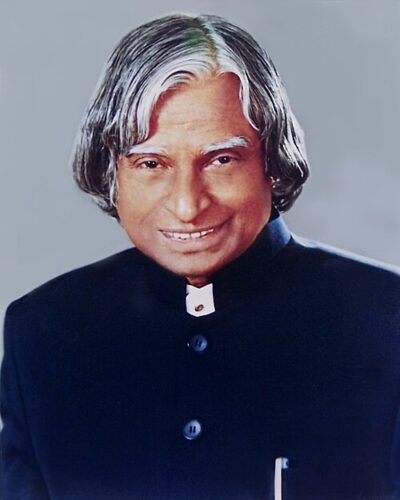 A. P. J. Abdul Kalam (1997)Indian scientist, president and statesman (1931–2015)
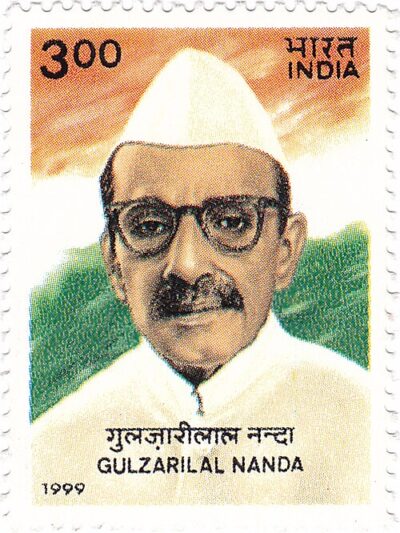 Gulzarilal Nanda (1997)Indian politician (1898-1998)
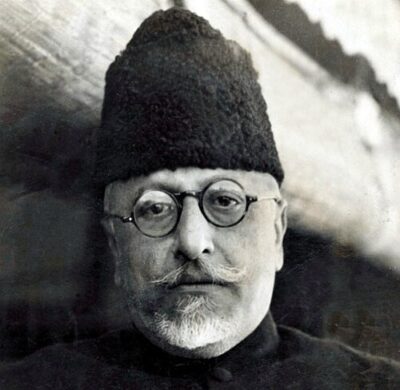 Abul Kalam Azad (1992)Indian politician and writer (1888–1958)
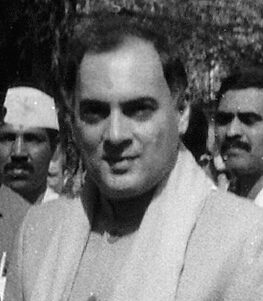 Rajiv Gandhi (1991)Prime Minister of India (1984-1989)
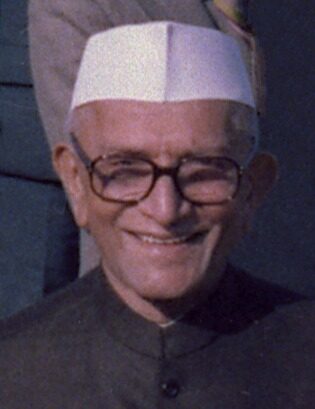 Morarji Desai (1991)Prime Minister of India (1977-1979)
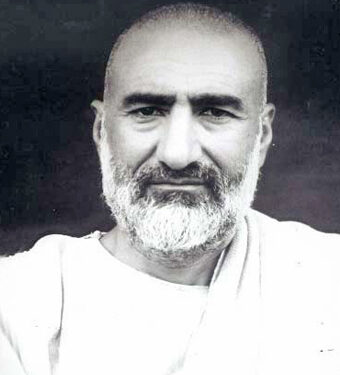 Abdul Ghaffar Khan (1987)Pashtun independence activist against British rule in India
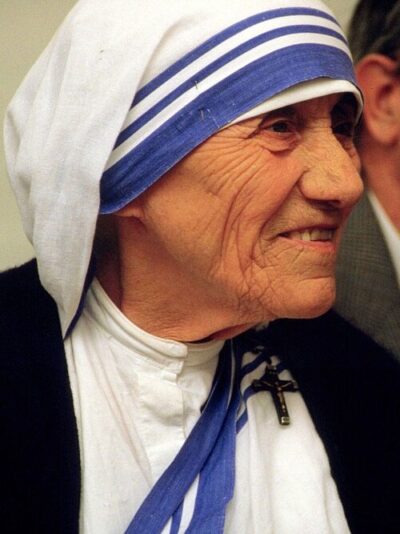 Mother Teresa (1980)Albanian-Indian Catholic nun and missionary (1910–1997)
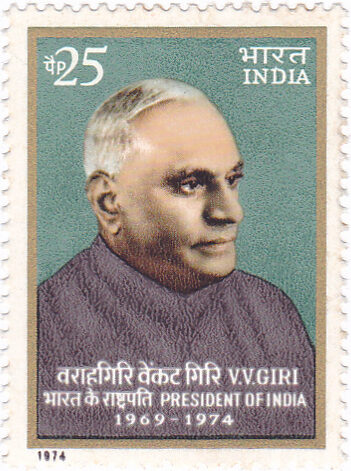 V. V. Giri (1975)Indian politician and 4th president of India (1894-1980)
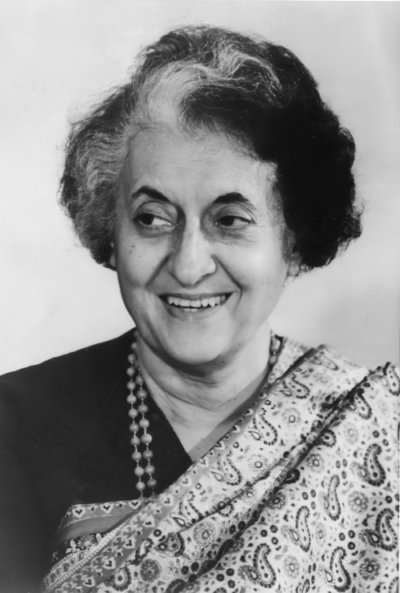 Indira Gandhi (1971)Prime Minister of India (1966-1977; 1980-1984)
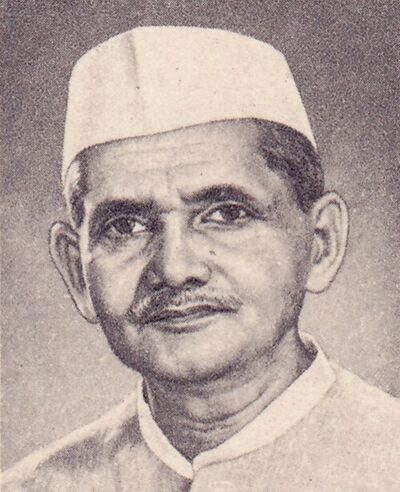 Lal Bahadur Shastri (1966)Prime Minister of India from 1964 to 1966
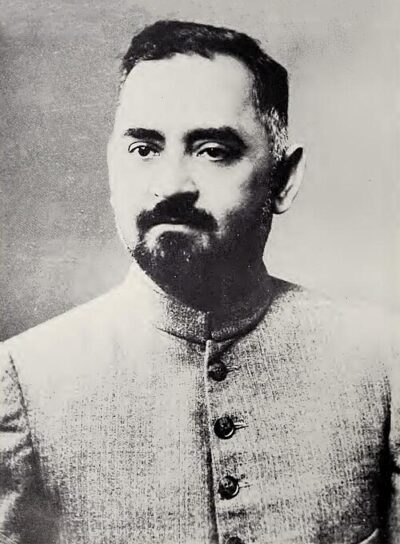 Zakir Husain (1963)3rd President of India (1897-1969)
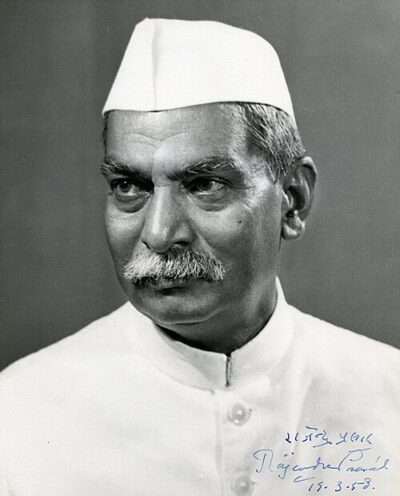 Rajendra Prasad (1962)Indian statesman, lawyer and writer (1884–1963); first President of India
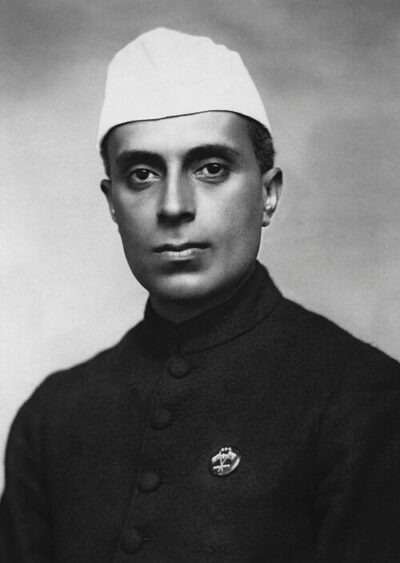 Jawaharlal Nehru (1955)Prime Minister of India from 1947 to 1964
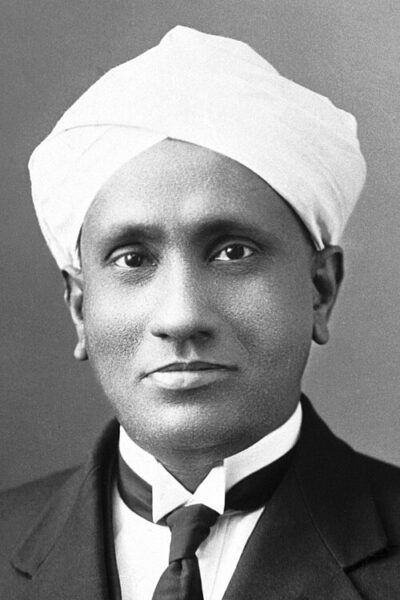 Chandrasekhara Venkata Raman (1954)Indian physicist (1888–1970)
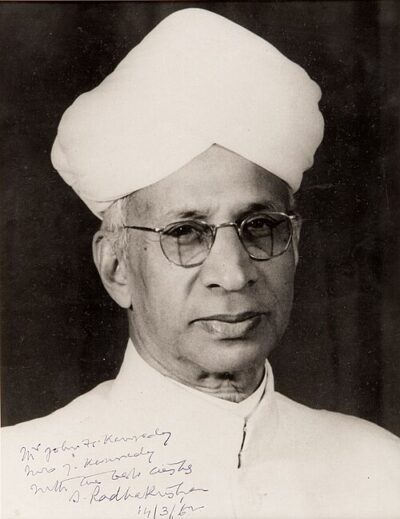 Sarvepalli Radhakrishnan (1954)2nd President and 1st Vice President of India, Indian philosopher and politician (1888–1975)
 C. Rajagopalachari (1954)Indian politician and activist (1878–1972)
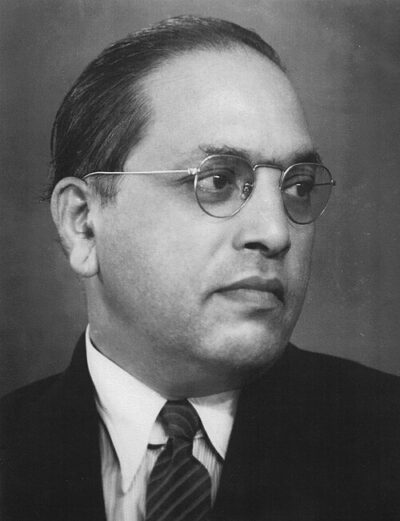 B. R. AmbedkarIndian jurist, economist, and social reformer (1891–1956)
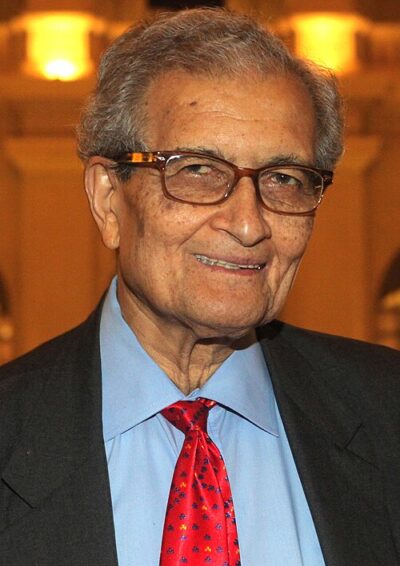 Amartya SenIndian economist and philosopher (1933-)
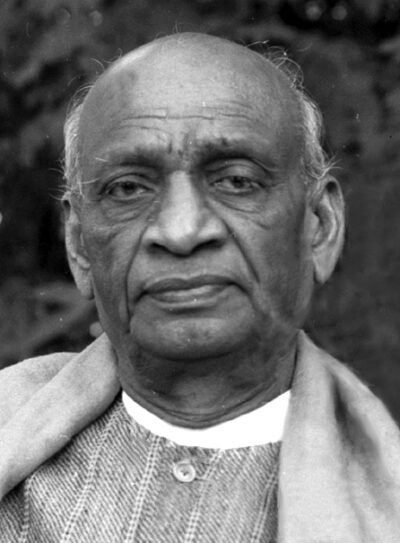 Sardar Vallabhbhai PatelIndian barrister, leader of the Indian National Congress and founding father of the Republic of India (1875-1950)
