
Federalist Party
The Federalist Party is the first political party in the United States. It was founded in 1792 by Alexander Hamilton. Its headquarters are in Washington, D.C. It stands for traditionalist conservatism in the United States, centralism and protectionism.
- Country
- United States
- Founded
- 1792
- Ideology
- traditionalist conservatism in the United States
- Chair
- Alexander Hamilton
All 12 facts, and where they come from
Facts
12 facts · 0 confirmed by two sources · 0 cited · 12 from one source
Where this comes from
Papalocal keeps its own record. It started from these sources; what each one said is kept here as it was copied, so a change on their side never changes this page by itself. Tap one to read its version.
What Wikidata says · copied November 16, 2026 · revision 2520700346
- Described as
- first political party in the United States
- Other names
- Pro-Administration Party, Federalists
- What it is
- political party
- Founded
- 1792
- Ended
- 1824
- Founded by
- Alexander Hamilton
- Headquarters
- Washington, D.C.
- Country
- United States
- Chair
- Alexander Hamilton; John Jay · 1 reference
- Ideology
- traditionalist conservatism in the United States; centralism; protectionism; industrialisation · 1 reference
- Wikipedias with a page
- 43
Wikidata item Q42189 (wikidata.org/wiki/Q42189), public domain (CC0). Copied 2026-11-16.
What Wikipedia says · copied November 16, 2026 · revision 1383573544
The Federalist Party was a conservative and nationalist American political party and the first known political party in the United States. It dominated the national government from 1789 to 1801 with Alexander Hamilton serving as its leading ideological figure and chief architect of its economic policies. The party was defeated by the Democratic-Republican Party in 1800, and it became a minority party while keeping its stronghold in New England. It made a brief resurgence by opposing the War of 1812, then collapsed with its last presidential candidate in 1816, although it lasted for a few years afterwards.
The party appealed to businesses who favored banks, national over state government, and maintaining an army and navy. In world affairs, the party preferred Great Britain and strongly opposed involvement in the French Revolutionary and Napoleonic Wars. The party favored centralization, federalism, modernization, industrialization, and protectionism.
The Federalists called for a strong national government that promoted economic growth and fostered friendly relationships with Great Britain in opposition to Revolutionary France. The Federalist Party came into being between 1789 and 1790 as a national coalition of bankers and businessmen in support of Hamilton's fiscal policies. These supporters worked in every state to build an organized party committed to a fiscally sound and nationalistic government. The only Federalist president was John Adams. George Washington was broadly sympathetic to the Federalist program, but he remained officially non-partisan during his entire presidency. The Federalist Party controlled the national government until 1801, when it was overwhelmed by the Democratic-Republican opposition led by President Thomas Jefferson.
Federalist policies called for a national bank, tariffs, and good relations with Great Britain as expressed in the Jay Treaty negotiated in 1794. Hamilton developed the concept of implied powers and successfully argued the adoption of that interpretation of the Constitution. The Democratic-Republicans led by Jefferson denounced most of the Federalist policies, especially the bank and implied powers, and vehemently attacked the Jay Treaty as a sell-out of American interests to Britain. The Jay Treaty passed and the Federalists won most of the major legislative battles in the 1790s. They held a strong base in the nation's cities and in New England. They factionalized when President Adams secured peace with France, to the anger of Hamilton's larger faction. The Jeffersonians won the presidential election of 1800, and the Federalists never returned to power. They recovered some strength through their intense opposition to the War of 1812, but they practically vanished during the Era of Good Feelings that followed the end of the war in 1815.
The Federalists left a lasting legacy in the form of a strong federal government. After losing executive power, they decisively shaped Supreme Court policy for another three decades through Chief Justice John Marshall.
From the Wikipedia article “Federalist Party” (en.wikipedia.org/wiki/Federalist_Party), by its contributors, under CC BY-SA 4.0 (creativecommons.org/licenses/by-sa/4.0/). Copied 2026-11-16; not changed.
Confirmed Two sources agree. Cited One source, and it names where it got it. One source One source, without a reference of its own. Sources disagree The sources disagree. We show the best-supported value and keep theirs below.
People connected 46
Party members 46
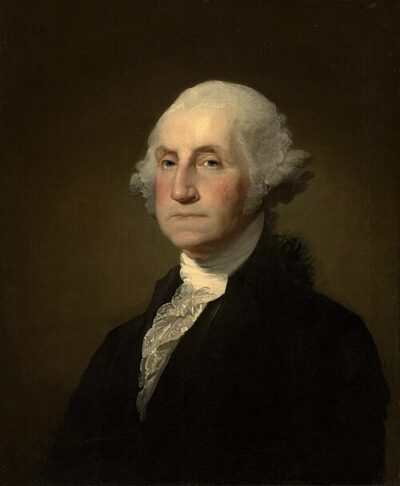 George Washington (1798–)Founding Father and first U.S. president (1732–1799)
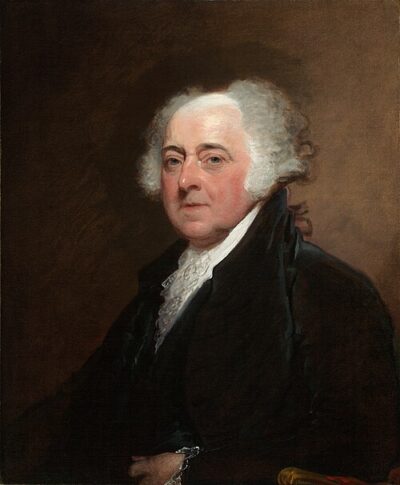 John AdamsFounding Father, U.S. president from 1797 to 1801 (1735–1826)
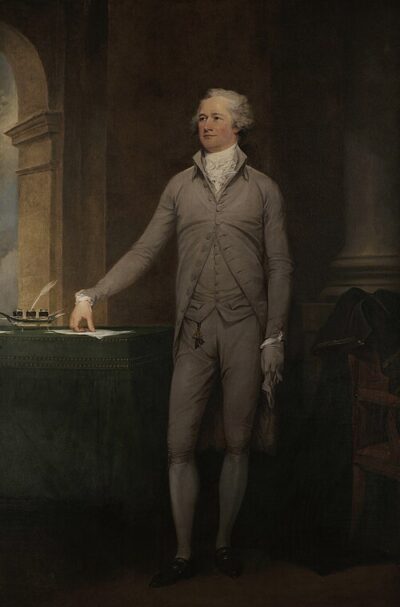 Alexander HamiltonAmerican Founding Father and statesman (1755/1757–1804)
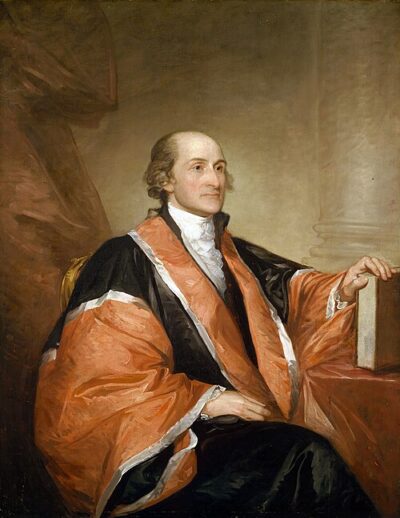 John JayFounding Father, U.S. Chief Justice from 1789 to 1795
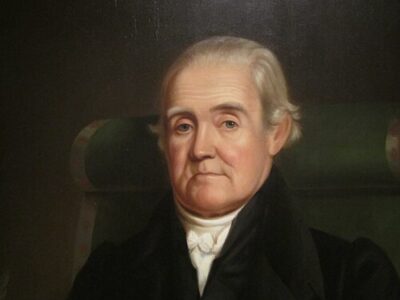 Noah WebsterAmerican lexicographer, textbook pioneer, English-language spelling reformer, writer, editor and author (1758-1843)
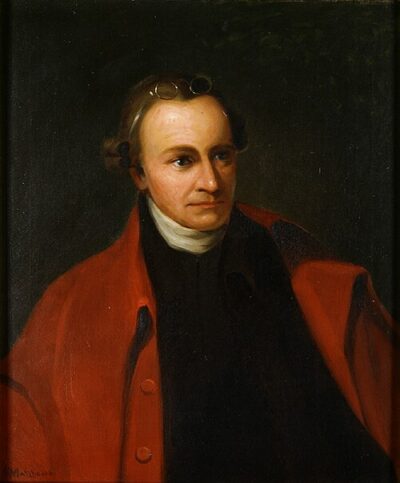 Patrick HenryAmerican Founding Father, orator and politician (1736 – 1799)
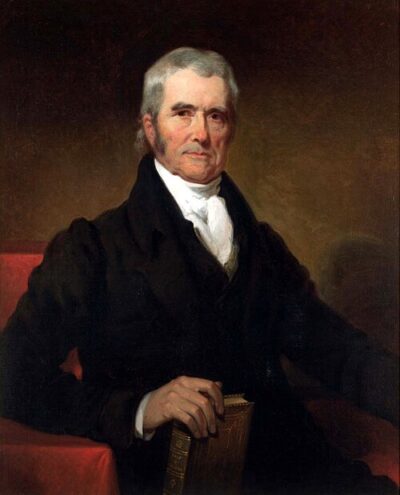 John Marshallchief justice of the United States from 1801 to 1835, (1755-1835)
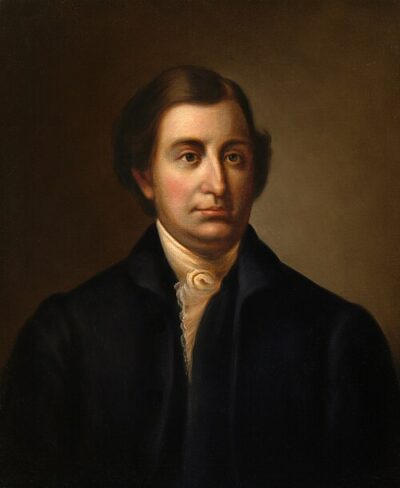 Edmund RandolphAmerican attorney (1753-1813)
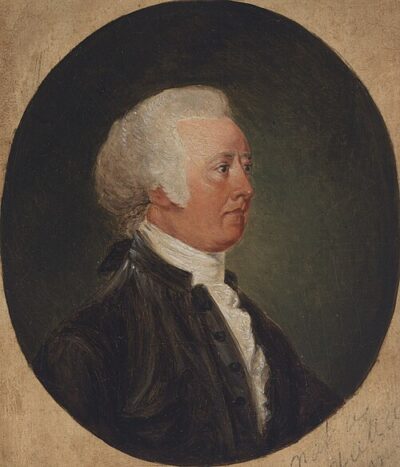 John Rutledgechief justice of the United States in 1795
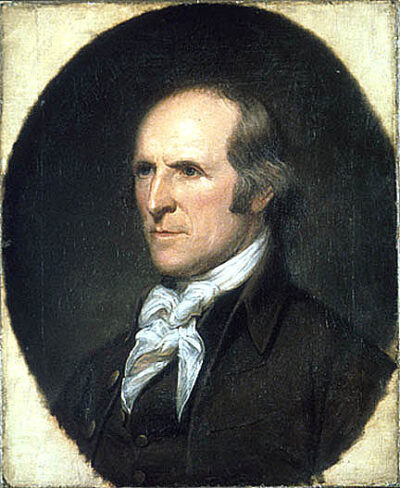 Timothy PickeringAmerican statesman (1745-1829)
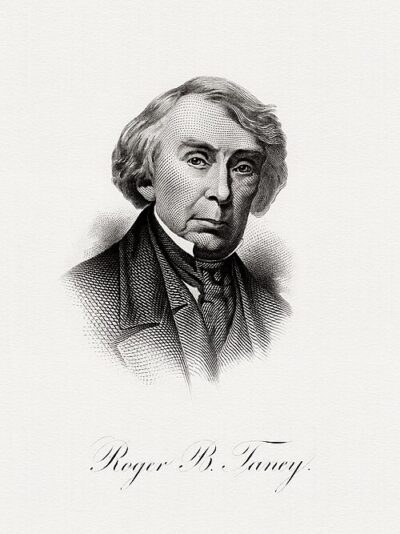 Roger B. Taneychief justice of the United States from 1836 to 1864 (1777–1864)
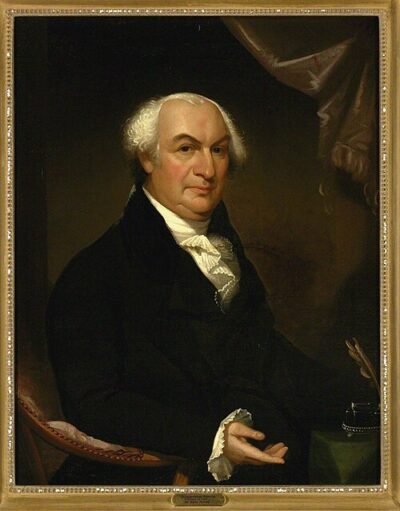 Gouverneur MorrisAmerican politician (1752-1816)
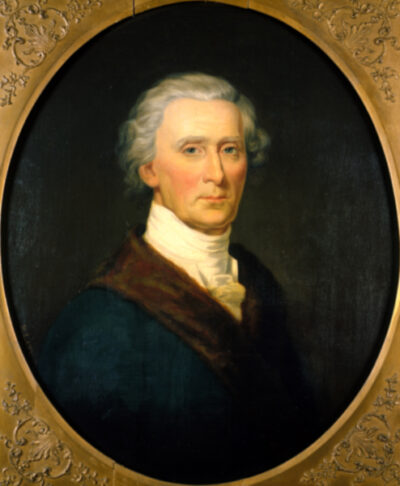 Charles Carroll of CarrolltonAmerican planter and signatory of the Declaration of Independence (1737-1832)
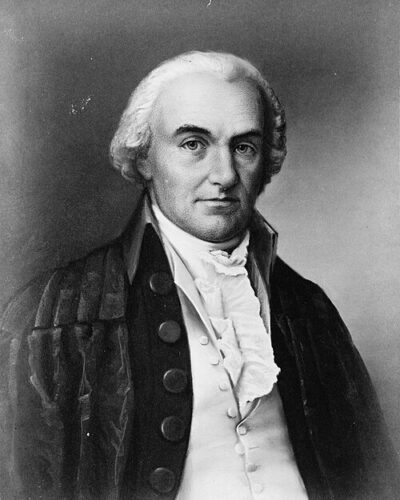 Oliver Ellsworthchief justice of the United States from 1796 to 1800
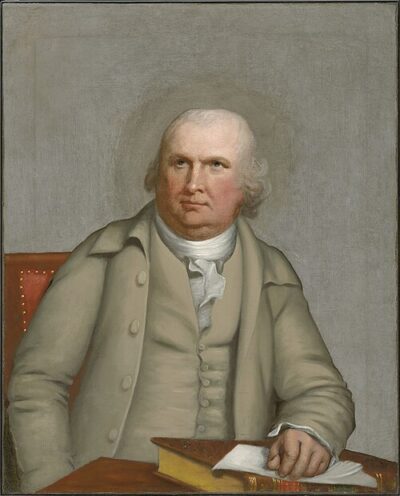 Robert MorrisAmerican financier and Founding Father of the United States (1734-1806)
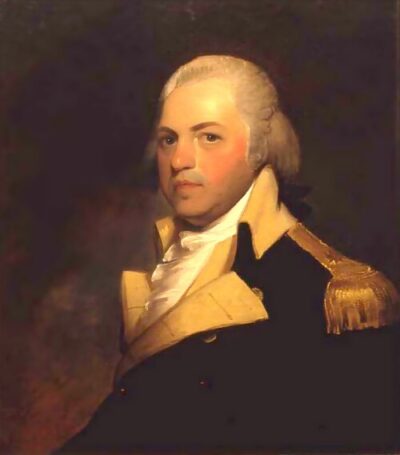 Henry Lee IIIAmerican politician, governor, and representative (1756–1818)
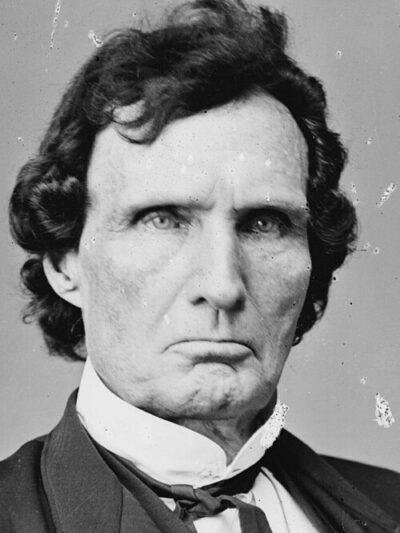 Thaddeus StevensAmerican statesman (1792–1868)
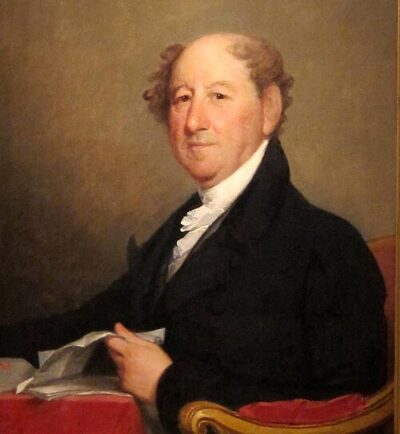 Rufus KingAmerican Founding Father (1755–1827)
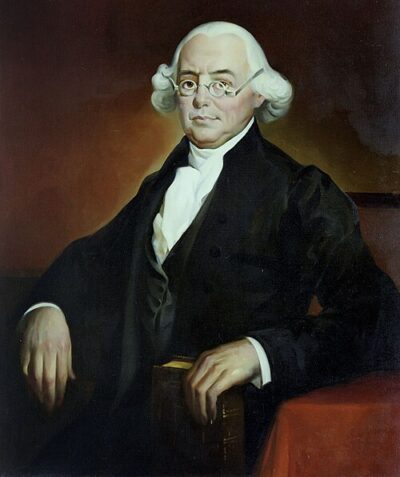 James WilsonJustice on the US Supreme Court (1742-1798)
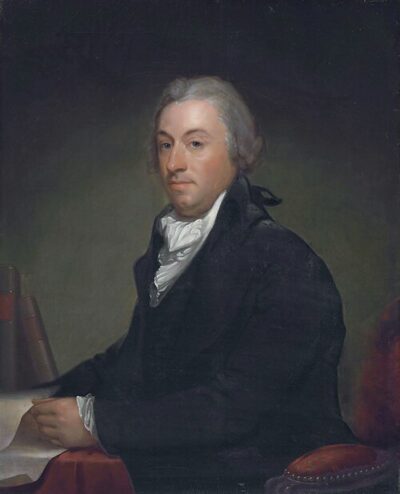 Robert R. Livingston (1783–)(1746-1813) American lawyer, politician, diplomat and founding father
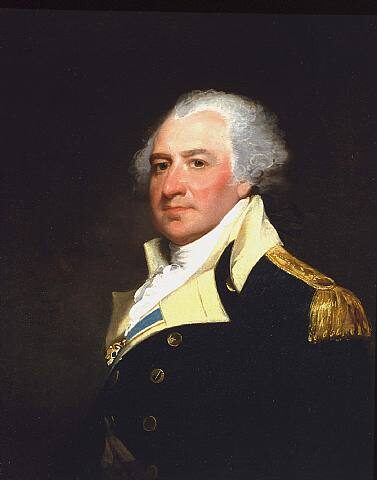 Thomas MifflinAmerican politician (1744-1800)
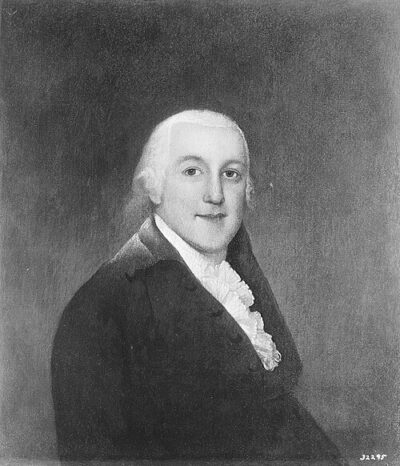 Edward RutledgeAmerican politician, youngest signer of the Declaration of Independence (1749-1800)
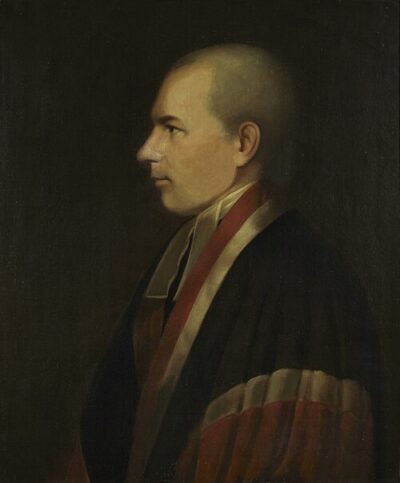 William PatersonGovernor of New Jersey (1745-1806)
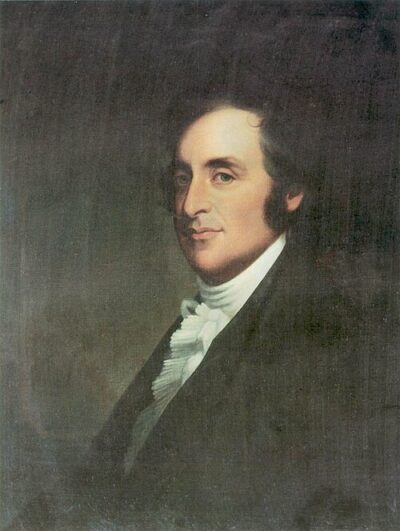 Samuel DexterAmerican politician (1761–1816) who served in Congress and in Presidential Cabinets of John Adams and Thomas Jefferson
and 22 more
