

Order of Saint Hubert
Order of Saint Hubert is a Bavarian order. It was created in 1473 by Gerhard VII, Duke of Jülich-Berg.
- Country
- Kingdom of Bavaria
- Created
- 1473
All 5 facts, and where they come from
Facts
5 facts · 0 confirmed by two sources · 0 cited · 5 from one source
Where this comes from
Papalocal keeps its own record. It started from these sources; what each one said is kept here as it was copied, so a change on their side never changes this page by itself. Tap one to read its version.
What Wikidata says · copied November 17, 2026 · revision 2516838219
- Described as
- Bavarian order
- What it is
- order of chivalry
- Created
- 1473
- Founded by
- Gerhard VII, Duke of Jülich-Berg · 1 reference
- Country
- Kingdom of Bavaria
- Named after
- Hubertus
- Wikipedias with a page
- 14
Wikidata item Q699459 (wikidata.org/wiki/Q699459), public domain (CC0). Copied 2026-11-17.
What Wikipedia says · copied November 17, 2026 · revision 1359676441
The Royal Order of Saint Hubert (German: Sankt Hubertus Königlicher Orden), or sometimes (German: Königlicher Orden des Heiligen Hubertus) is a Roman Catholic dynastic order of knighthood founded in 1444 or 1445 by Gerhard VII, Duke of Jülich-Berg. He sought to commemorate his victory over the House of Egmond at the Battle of Linnich on 3 November, which is Saint Hubert's day.
The establishment of the Order occurred during a long-term, intermittent territorial dispute, initially between the Dukes of Jülich and the Dukes of Guelders, who were descended from a female line of the House of Jülich. The dispute began in the 1430s, when Arnold, Duke of Gelderland claimed the duchy of Jülich and the county of Ravensberg, and was resolved in the 1614 Treaty of Xanten, which established the United Duchies of Jülich-Cleves-Berg of the counties of Ravensberg and Mark with the duchies of Cleves, Jülich and Berg. In 1778, Charles Theodore, Duke of Jülich and Berg and the Count-Elector Palatine, succeeded his childless cousin, Maximilian III Joseph, Elector of Bavaria and brought the Order to Bavaria.
Initially, the order was open to men and women, although limiting the number of male companions to sixty. It commemorated the conversion of Saint Hubert and his standing as the patron saint of hunters and knights. Over time, the award had other uses as a reward for loyalty to the monarch and service to the princely state.
From the Wikipedia article “Order of Saint Hubert” (en.wikipedia.org/wiki/Order_of_Saint_Hubert), by its contributors, under CC BY-SA 4.0 (creativecommons.org/licenses/by-sa/4.0/). Copied 2026-11-17; not changed.
Confirmed Two sources agree. Cited One source, and it names where it got it. One source One source, without a reference of its own. Sources disagree The sources disagree. We show the best-supported value and keep theirs below.
Picture: Wikimedia Commons: Versierselen van de Ordevan Sint Hubertus.jpg · See Commons file page
People connected 42
Won it 41
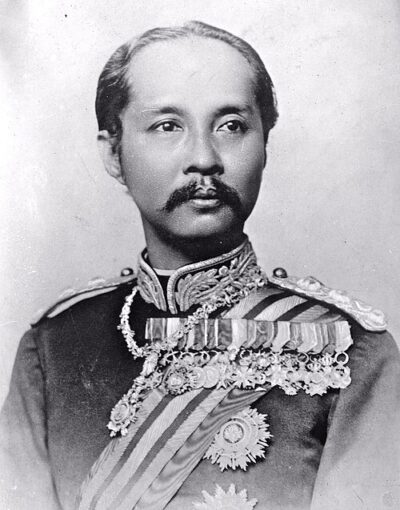 Chulalongkorn (1906)King of Siam (1853-1910)
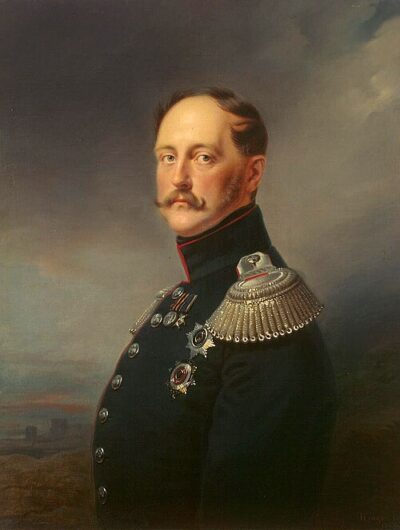 Nicholas I of Russia (1826)The 11th Emperor of Russia, 1825–1855 (lived 1796-1855)
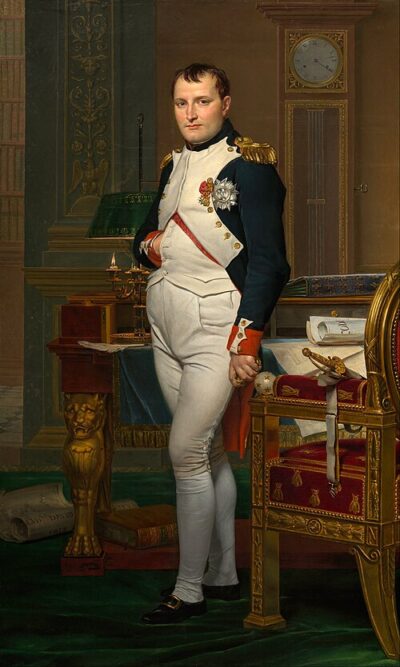 Napoleon (1805)French military leader, French Emperor 1804–1814 and again in 1815 (1769–1821)
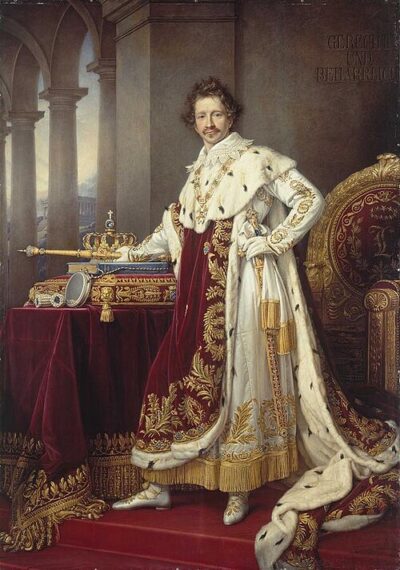 Ludwig I of Bavaria (1799)King of Bavaria (1786–1868)
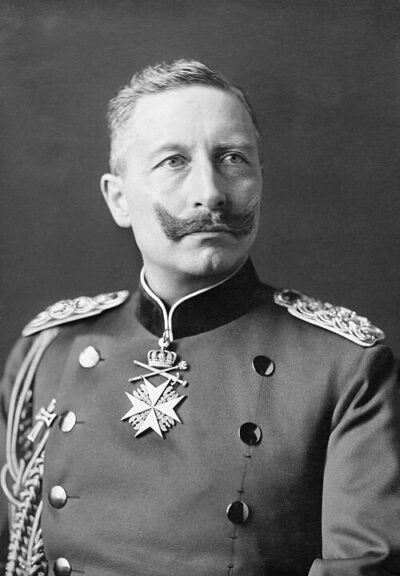 Wilhelm IIas King of Prussia last German Emperor from 1888 to 1918 (1859–1941)
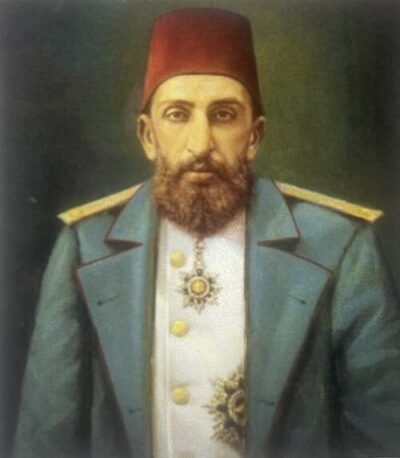 Abdul Hamid II34th Sultan of the Ottoman Empire (1876–1909)
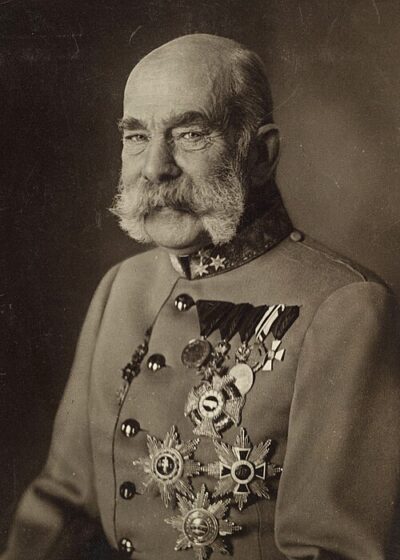 Franz Joseph I of AustriaEmperor of Austria and King of Hungary (1830–1916)
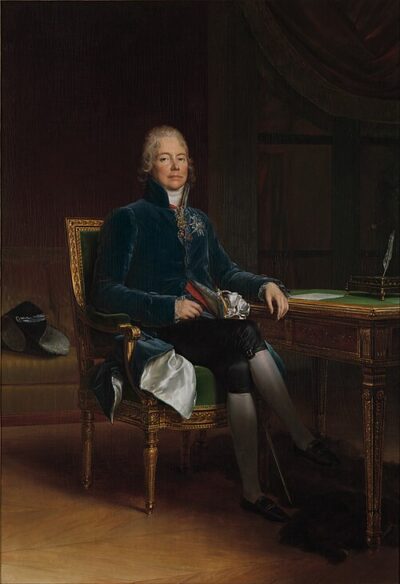 Charles-Maurice de Talleyrand-PérigordFrench diplomat (1754-1838)
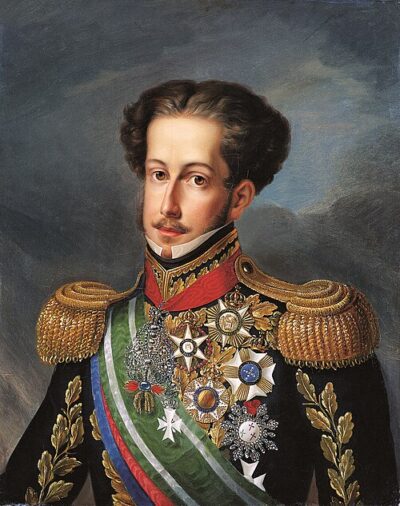 Pedro I of BrazilEmperor of Brazil from 1822 to 1831 and King of Portugal in 1826 (1798-1834)
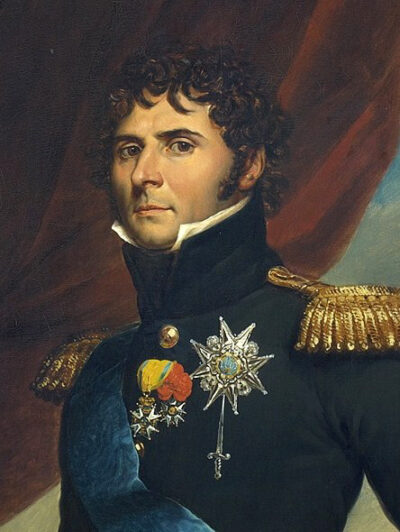 Charles XIV John of SwedenKing of Sweden and Norway between 1818–1844. Prince of Ponte Corvo 1806–1810 and French field marshal (1763–1844)
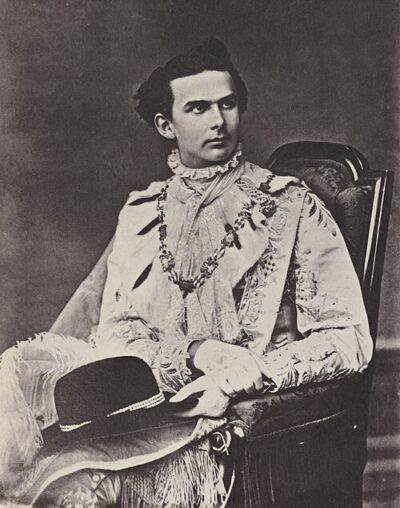 Ludwig II of BavariaKing of Bavaria (1845–1886)
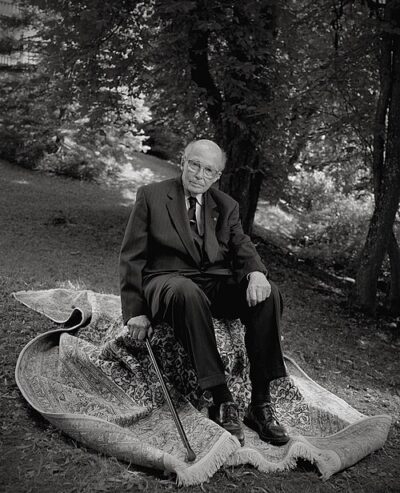 Otto von HabsburgHead of the House of Habsburg and German politician
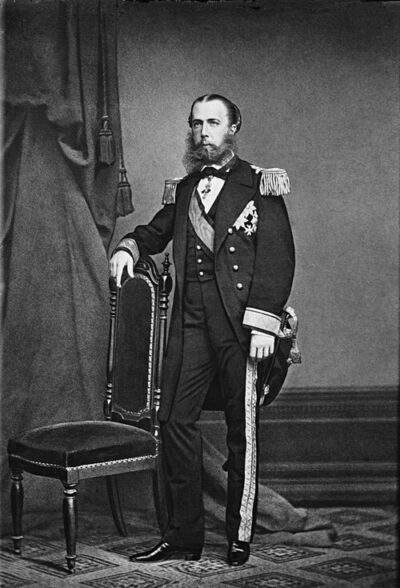 Maximilian I of Mexicoemperor of Mexico (1832-1867)
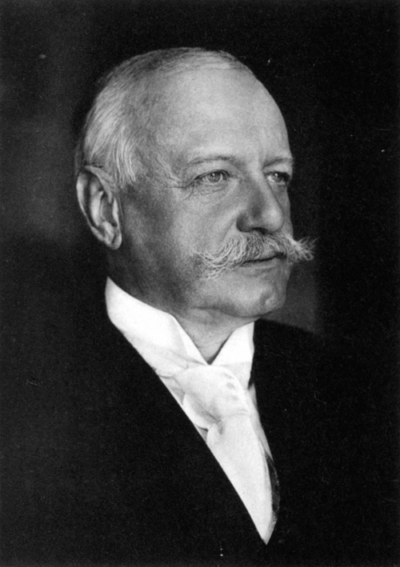 Bernhard von BülowGerman and Prussian politician (1849–1929)
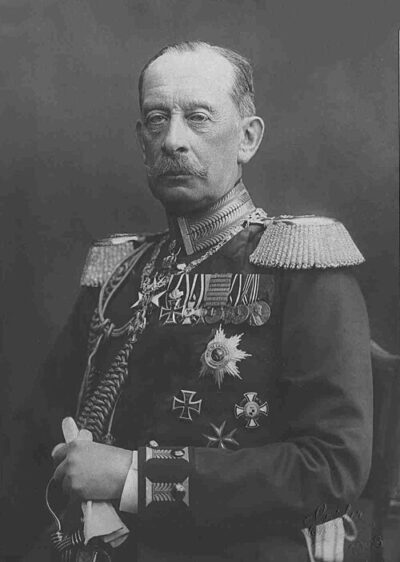 Alfred von SchlieffenPrussian Field Marshal and Chief of the General Staff (1833-1913)
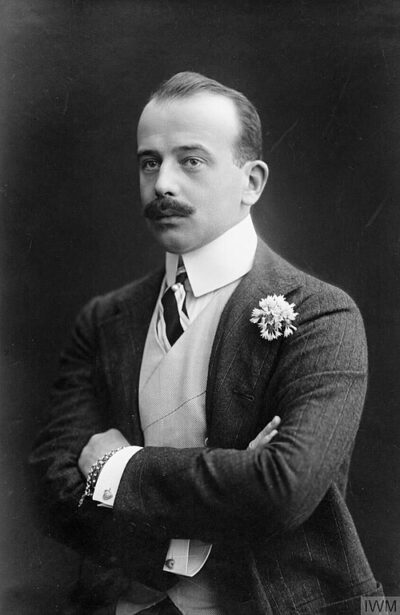 Prince Maximilian of BadenGerman chancellor (1867-1929)
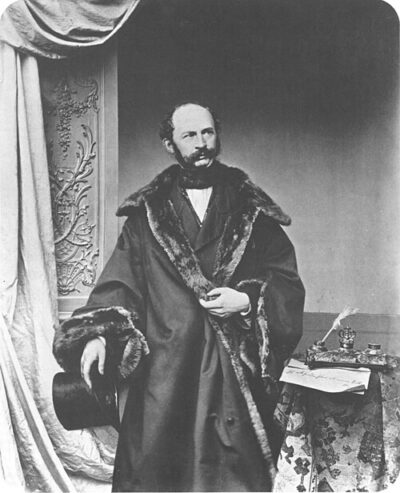 Maximilian II of BavariaKing of Bavaria between 1848 and 1864 (1811–1864)
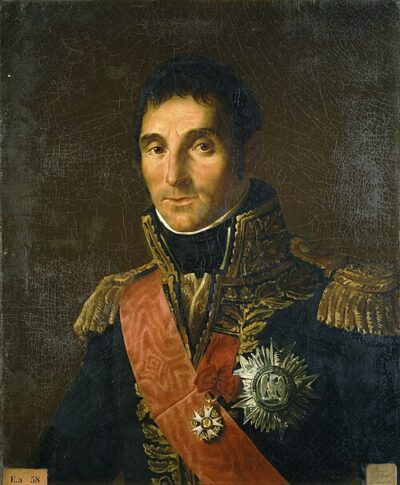 André MassénaFrench military commander during the Revolutionary and Napoleonic Wars (1758-1817)
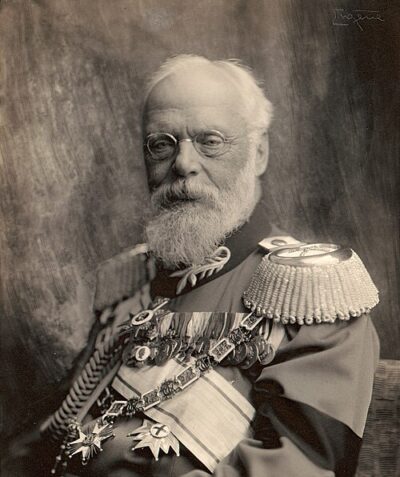 Ludwig III of BavariaKing of Bavaria (1845-1921)
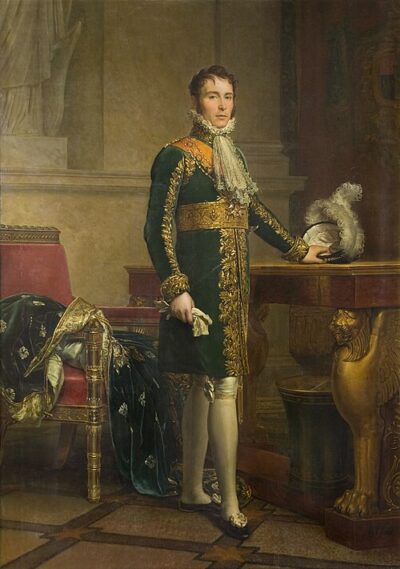 Eugène de BeauharnaisFrench statesman and military officer (1781–1824)
 Otto, King of BavariaKing of Bavaria (1848-1916)
 Charles Theodore, Elector of BavariaElector Palatine (1742-1777), Elector of Bavaria (1777-1799)
 Francis II of the Two SiciliesKing of the Two Sicilies (1836-1894) and Servant of God
 Archduke Franz Karl of AustriaAustrian archduke (1802-1878)
and 17 more

