St John's College
St John's College is a constituent college of the University of Cambridge. It was founded in 1511 by Margaret Beaufort. It has 497 employees (2025).
- Located in
- Cambridge
- Country
- United Kingdom
- Founded
- 1511
- What it is
- college of the University of Cambridge
All 10 facts, and where they come from
Facts
10 facts · 0 confirmed by two sources · 1 cited · 9 from one source
Where this comes from
Papalocal keeps its own record. It started from these sources; what each one said is kept here as it was copied, so a change on their side never changes this page by itself. Tap one to read its version.
What Wikidata says · copied November 16, 2026 · revision 2537086502
- Described as
- constituent college of the University of Cambridge
- Other names
- The Master, Fellows and Scholars of the College of St John the Evangelist in the University of Cambridge, St. John's College, Cambridge, St Johns College, St John's College, Cambridge, St John's College, University of Cambridge
- What it is
- college of the University of Cambridge; university building; charitable organization
- Founded
- 1511
- Founded by
- Margaret Beaufort
- Located in
- Cambridge
- Country
- United Kingdom
- Employees
- 463 (2016) · 1 reference
- Named after
- John the Evangelist
- Official website
- http://www.joh.cam.ac.uk/
- Wikipedias with a page
- 29
Wikidata item Q691283 (wikidata.org/wiki/Q691283), public domain (CC0). Copied 2026-11-16.
What Wikipedia says · copied November 16, 2026 · revision 1375387594
St John's College is a constituent college of the University of Cambridge, founded by the Tudor matriarch Lady Margaret Beaufort. In constitutional terms, the college is a charitable corporation established by a charter dated 9 April 1511. The aims of the college, as specified by its statutes, are the promotion of education, religion, learning and research. It is one of the largest Oxbridge colleges in terms of student numbers. For 2022, St John's was ranked 6th of 29 colleges in the Tompkins Table (the annual league table of Cambridge colleges) with over 35 per cent of its students earning first-class honours. It is the second wealthiest college in Oxford and Cambridge, after its neighbour Trinity College, Cambridge. The college occupies a site by the River Cam, and features eleven courts, the Bridge of Sighs, and a chapel designed by George Gilbert Scott.
Members of the college include the winners of twelve Nobel Prizes, seven prime ministers, twelve archbishops of various countries, at least two princes and three saints. The Romantic poet William Wordsworth studied at St John's, as did William Wilberforce and Thomas Clarkson, two abolitionists who led the movement that brought slavery to an end in the British Empire. Prince William was affiliated with the college while undertaking a university-run course in estate management in 2014.
St John's is well known for its choir, its members' success in a variety of inter-collegiate sporting competitions and its annual May Ball. The Cambridge Apostles and the Cambridge University Moral Sciences Club were founded by members of the college. The Oxford and Cambridge Boat Race tradition began with a St John's student and the college boat club, Lady Margaret Boat Club, is the oldest in the university. In 2011, the college celebrated its quincentenary, an event marked by a visit of Queen Elizabeth II and Prince Philip, Duke of Edinburgh.
From the Wikipedia article “St John's College, Cambridge” (en.wikipedia.org/wiki/St_John's_College,_Cambridge), by its contributors, under CC BY-SA 4.0 (creativecommons.org/licenses/by-sa/4.0/). Copied 2026-11-16; not changed.
Confirmed Two sources agree. Cited One source, and it names where it got it. One source One source, without a reference of its own. Sources disagree The sources disagree. We show the best-supported value and keep theirs below.
Picture: Wikimedia Commons: St. John’s College.jpg · See Commons file page
People connected 37
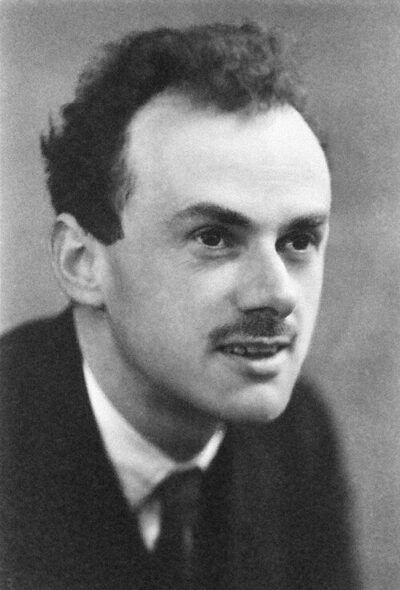
Studied here 36
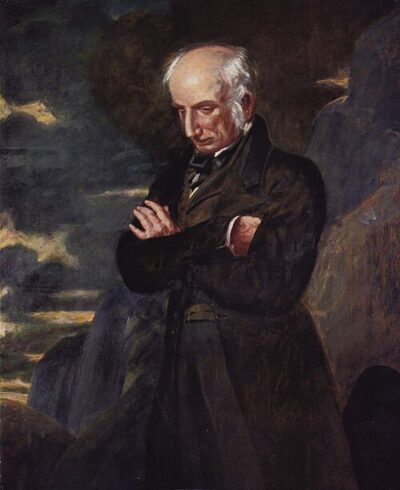 William WordsworthEnglish Romantic poet (1770–1850)
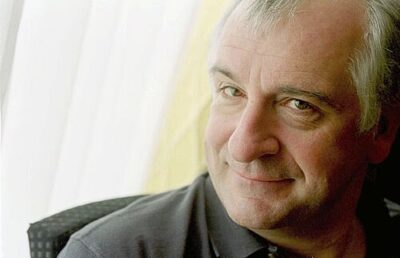 Douglas Adams (1971–1974)British science fiction writer and humorist (1952–2001)
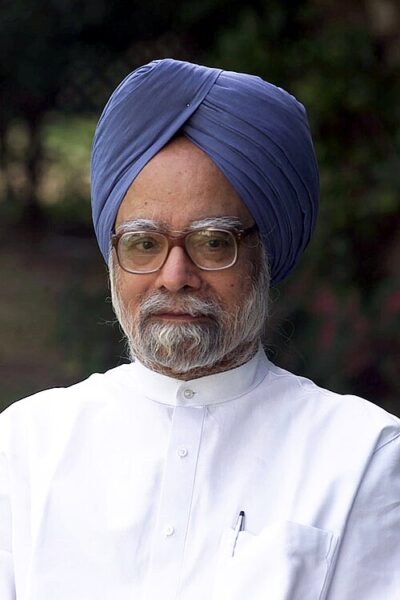 Manmohan Singh (1956–1957)Indian economist, bureaucrat, academician and politician
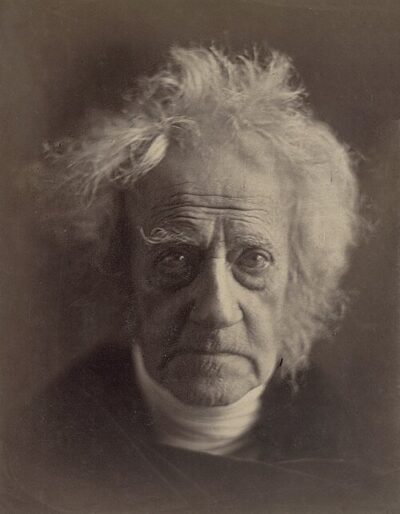 John Frederick William Herschel (1809–1813)English polymath, mathematician, astronomer, chemist, inventor and photographer (1792–1871)
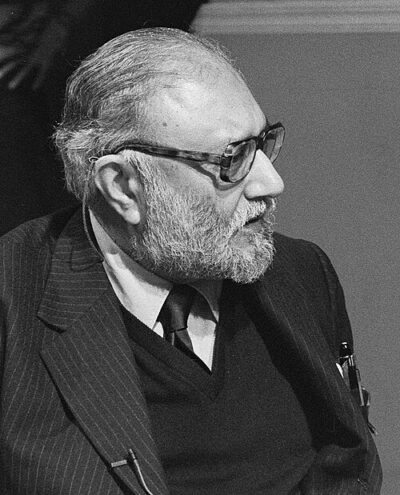 Abdus Salamtheoretical physicist, and Nobel Prize in Physics recipient
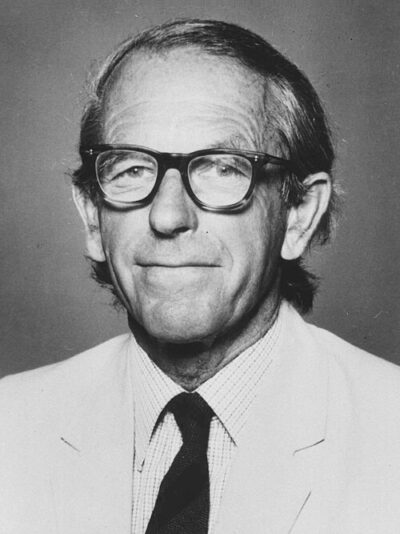 Frederick Sanger (1936–1939)British biochemist (1918–2013)
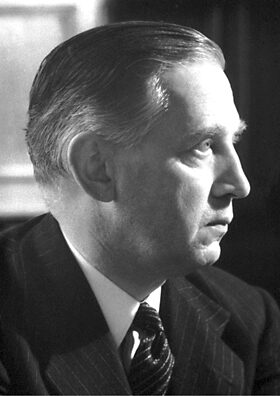 Edward Victor AppletonEnglish physicist (1892–1965)
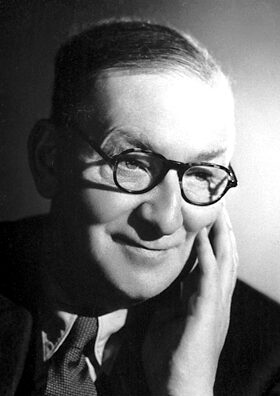 John CockcroftBritish physicist (1897–1967)
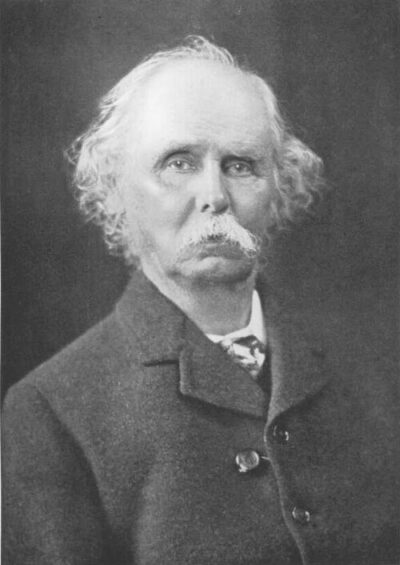 Alfred MarshallBritish economist (1842–1924)
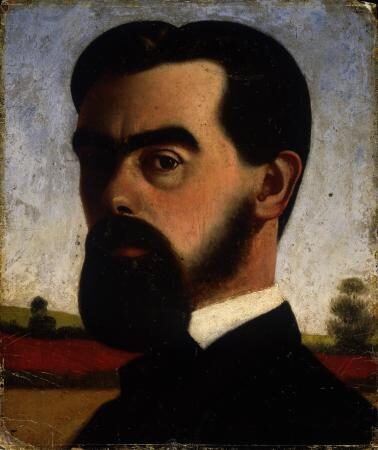 Samuel ButlerEnglish novelist and critic (1835–1902)
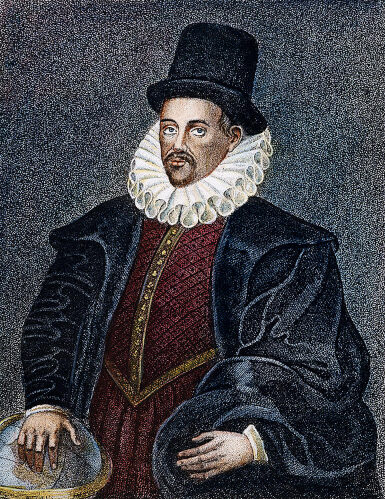 William GilbertEnglish physician, physicist and natural philosopher (1544-1603)
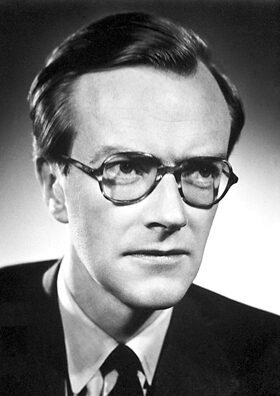 Maurice WilkinsNew Zealand-born English physicist and biologist
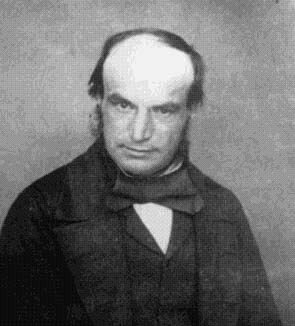 John Couch Adams (1839–1843)English mathematician and astronomer (1819–1892)
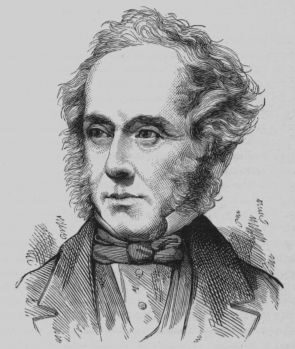 Henry Temple, 3rd Viscount PalmerstonBritish statesman and prime minister (1784–1865)
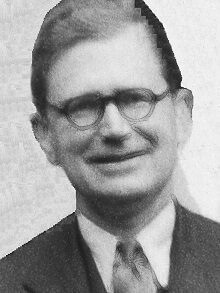 Nevill Francis MottEnglish physicist, Nobel prize winner
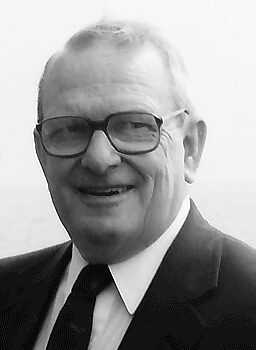 Allan McLeod CormackAmerican physicist (1924-1998)
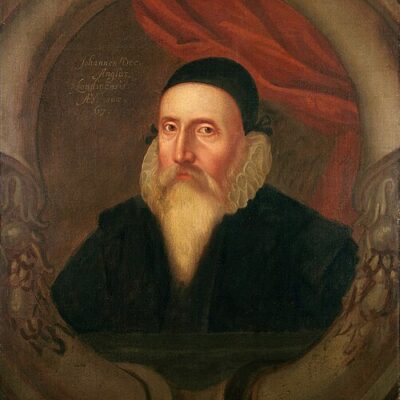 John Dee (1542–1546)16th-century English mathematician, astrologer, and alchemist
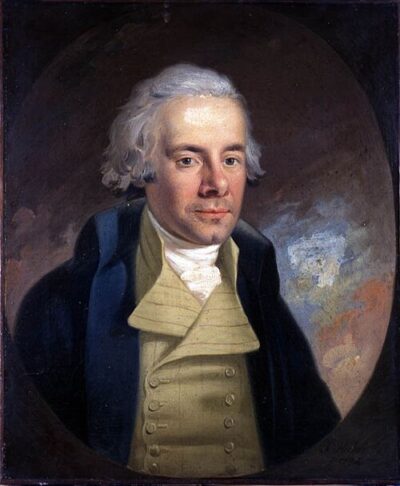 William WilberforceEnglish politician and abolitionist (1759–1833)
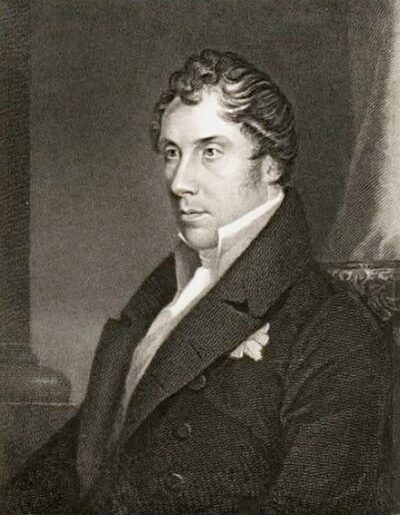 George Hamilton-Gordon, 4th Earl of AberdeenBritish politician (1784-1860)
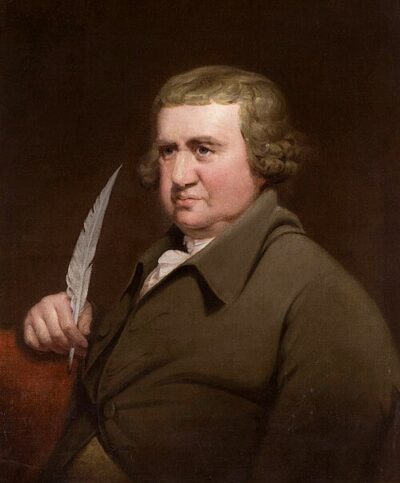 Erasmus Darwin (1750–)English physician (1731-1802)
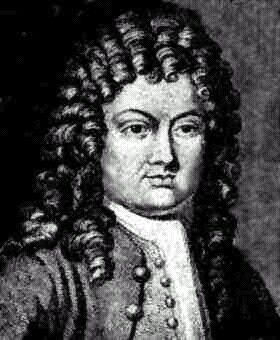 Brook Taylor (1703–1709)English mathematician (1685–1731)
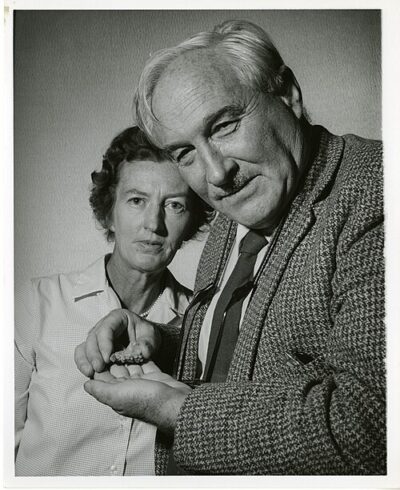 Louis Leakeykenyan-British archaeologist and naturalist
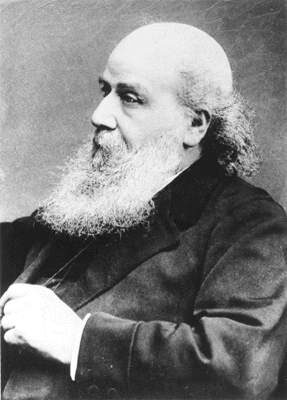 James Joseph Sylvester (1831–1837)English mathematician (1814-1897)
 Emma CorrinBritish actor (born 1995)
and 12 more