

University of Jena
The University of Jena is a university located in Jena, Thuringia, Germany. It was founded in 1558 by John Frederick II of Saxony. It has 6,979 employees (2013). 17,345 students study there (2021).
- Located in
- Jena
- Country
- Germany
- Founded
- 1558
- Students
- 17,345 (2021)
- What it is
- public university
All 11 facts, and where they come from
Facts
11 facts · 0 confirmed by two sources · 1 cited · 10 from one source
Where this comes from
Papalocal keeps its own record. It started from these sources; what each one said is kept here as it was copied, so a change on their side never changes this page by itself. Tap one to read its version.
What Wikidata says · copied November 16, 2026 · revision 2552803102
- Described as
- university located in Jena, Thuringia, Germany
- Other names
- Alma Mater Jenensis, Jena University, UJena
- What it is
- public university; comprehensive university
- Founded
- 1558
- Founded by
- John Frederick II of Saxony
- Headquarters
- Jena
- Located in
- Jena · 1 reference
- Country
- Germany
- Employees
- 6,979 (2013)
- Students
- 13,094 (1998) · 1 reference
- Named after
- Friedrich Schiller (1934–)
- Official website
- https://www.uni-jena.de/
- Wikipedias with a page
- 54
Wikidata item Q154561 (wikidata.org/wiki/Q154561), public domain (CC0). Copied 2026-11-16.
What Wikipedia says · copied November 16, 2026 · revision 1378080481
The University of Jena, officially the Friedrich Schiller University Jena (German: Friedrich-Schiller-Universität Jena, abbreviated FSU, shortened form Uni Jena), is a public research university located in Jena, Thuringia, Germany.
The university was established in 1558 and is counted among the ten oldest universities in Germany. It is affiliated with six Nobel Prize winners, most recently in 2000 when Jena graduate Herbert Kroemer won the Nobel Prize for physics. It was renamed after the poet Friedrich Schiller who was teaching as professor of philosophy when Jena attracted some of the most influential minds at the turn of the 19th century. With Karl Leonhard Reinhold, Johann Gottlieb Fichte, G. W. F. Hegel, F. W. J. Schelling and Friedrich Schlegel on its teaching staff, the university was at the centre of the emergence of German idealism and early Romanticism.
As of 2014, the university has around 19,000 students enrolled and 375 professors. Its current president, Prof. Dr. Andreas Marx, has held the role since 2024 after his predecessor, Prof. Dr. Walter Rosenthal, became the President of the German Rectors' Conference in 2023.
From the Wikipedia article “University of Jena” (en.wikipedia.org/wiki/University_of_Jena), by its contributors, under CC BY-SA 4.0 (creativecommons.org/licenses/by-sa/4.0/). Copied 2026-11-16; not changed.
Confirmed Two sources agree. Cited One source, and it names where it got it. One source One source, without a reference of its own. Sources disagree The sources disagree. We show the best-supported value and keep theirs below.
Picture: Wikimedia Commons: Universitäts Hauptgebäude. Jena.jpg · See Commons file page
People connected 47
Studied here 38
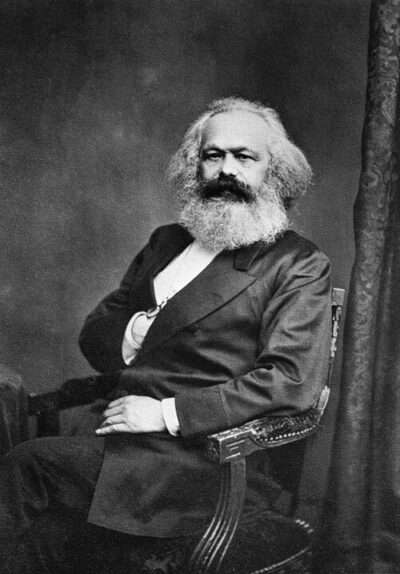 Karl MarxGerman-born philosopher (1818–1883)
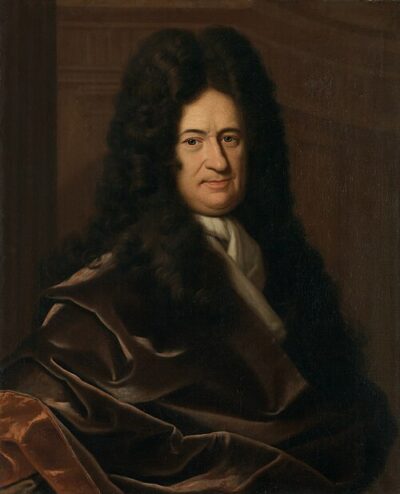 Gottfried Wilhelm Leibniz (1663)German mathematician and philosopher (1646–1716)
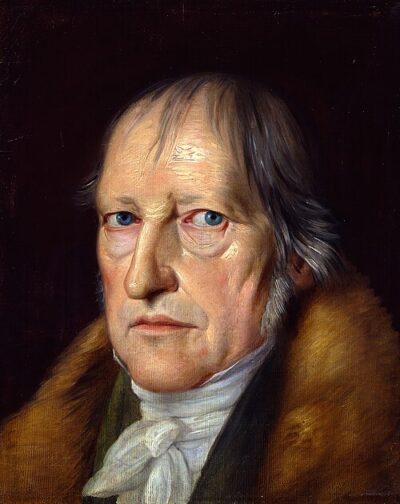 Georg Wilhelm Friedrich HegelGerman philosopher and theologian (1770–1831)
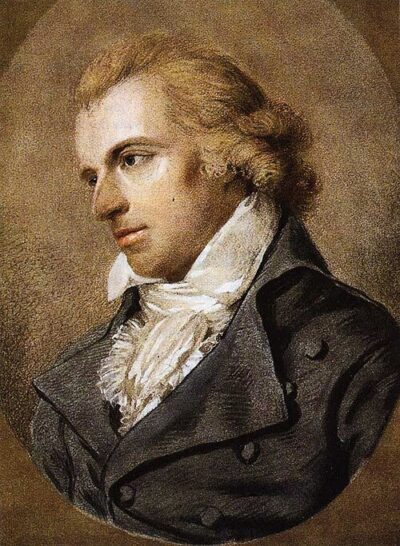 Friedrich SchillerGerman playwright, poet, philosopher and historian (1759–1805)
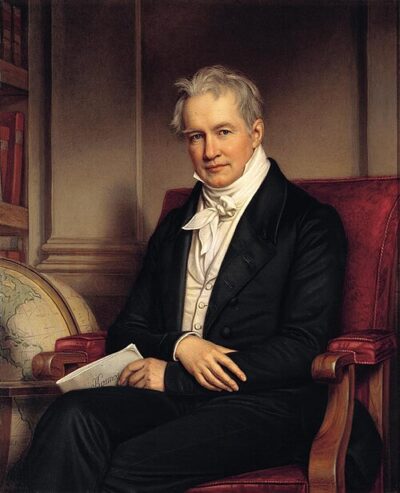 Alexander von HumboldtPrussian geographer, naturalist and explorer (1769–1859)
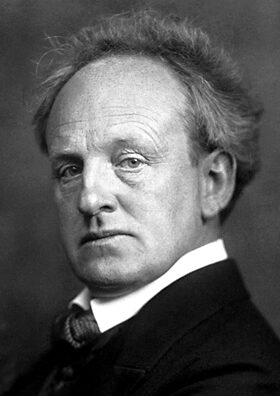 Gerhart HauptmannGerman dramatist who received the Nobel Prize in Literature in 1912 (1862-1946)
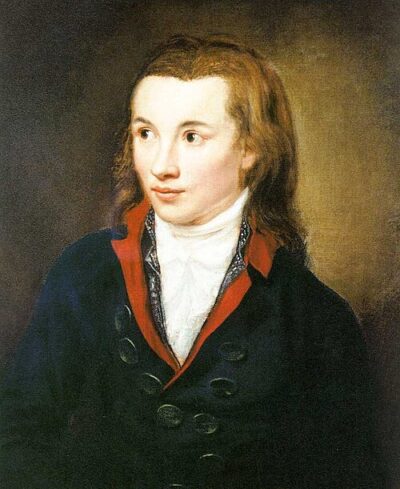 Novalis (1790–1794)German poet and writer (1772-1801)
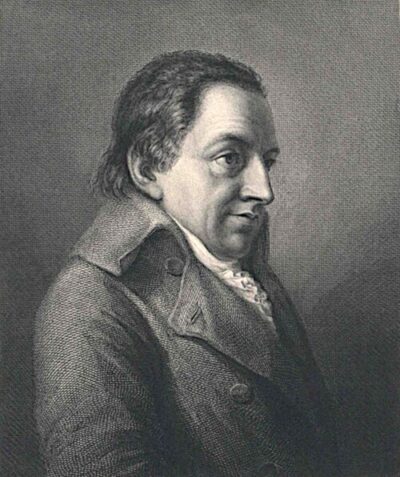 Johann Gottlieb FichteGerman philosopher (1762–1814)
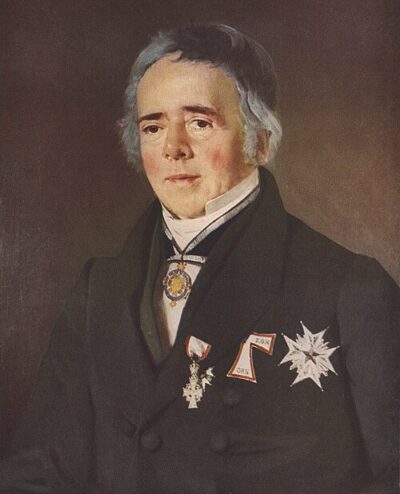 Hans Christian ØrstedDanish physicist and chemist (1777-1851)
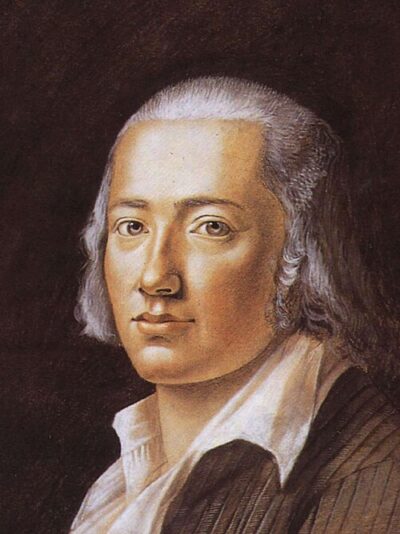 Friedrich HölderlinGerman poet
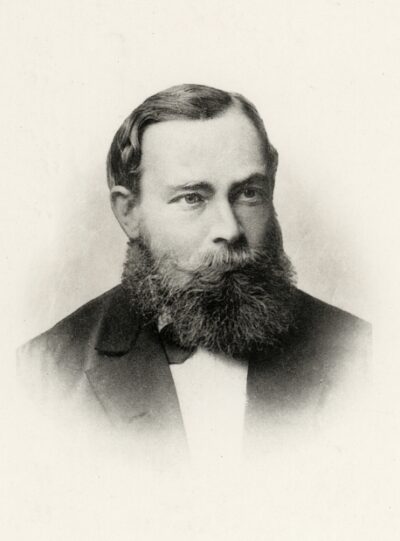 Gottlob Frege (1869–1871)German philosopher, logician, and mathematician (1848–1925)
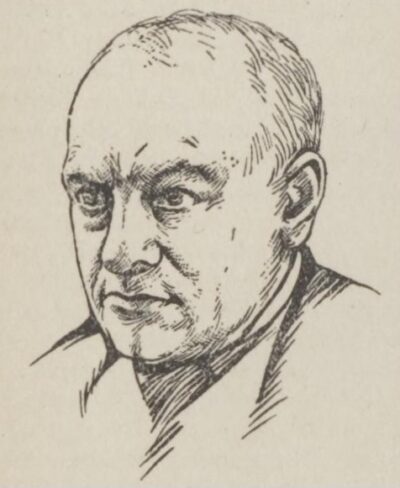 Max SchelerGerman philosopher (1874-1928)
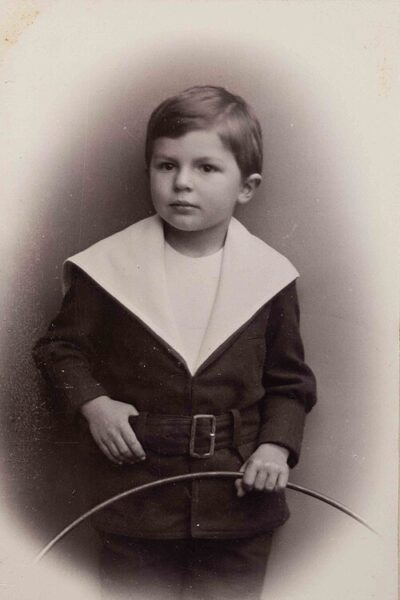 Rudolf Carnap (1910–1921)German philosopher and logician (1891–1970)
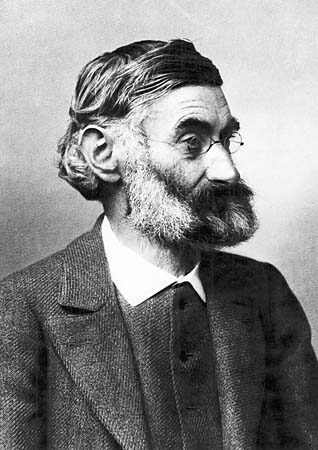 Ernst Abbe (1857–1859)German physicist (1840-1905)
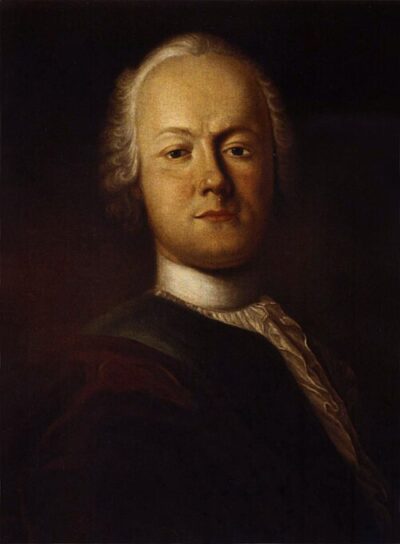 Friedrich Gottlieb Klopstock (1745–)German poet, writer and linguist
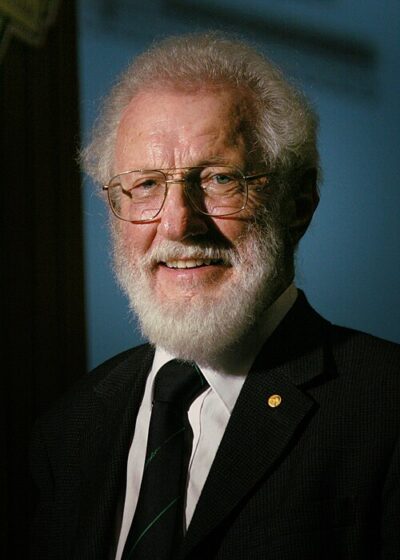 Herbert KroemerGerman-American physics (1928–2024)
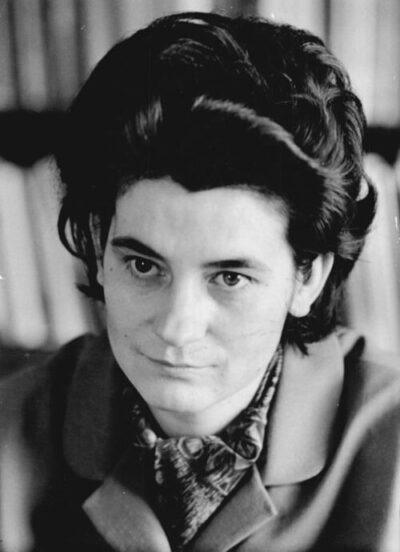 Christa WolfGerman novelist and essayist (1929–2011)
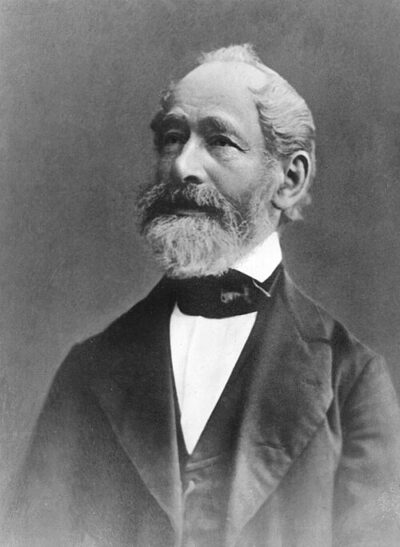 Carl ZeissGerman optical physicist (1816–1888)
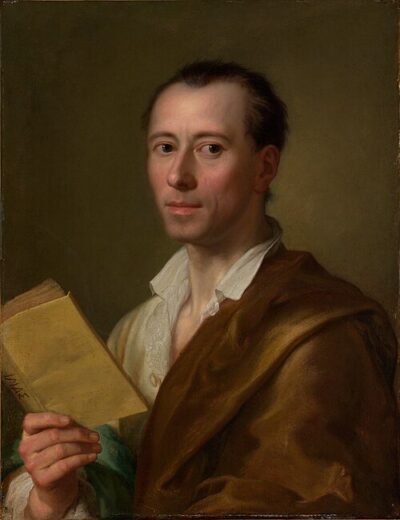 Johann Joachim Winckelmann (1741–1742)German art historian and archaeologist, and conservator of the Vatican Library (1717–1768)
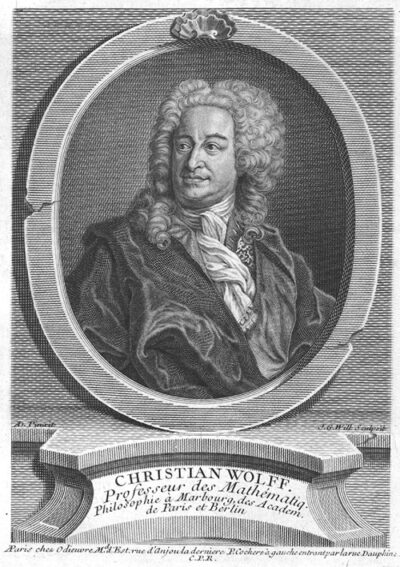 Christian Wolff (1699–)German philosopher (1679–1754)
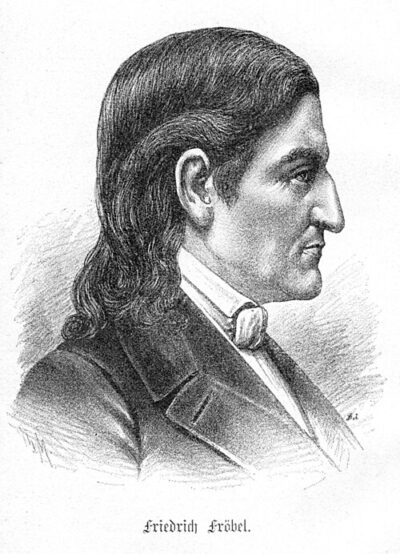 Friedrich FröbelGerman educator
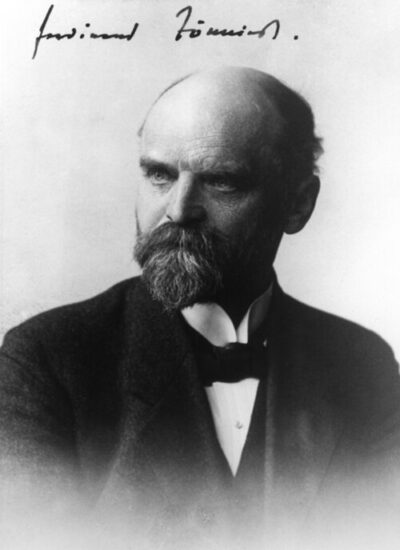 Ferdinand TönniesGerman sociologist, economist and philosopher (1855–1936)
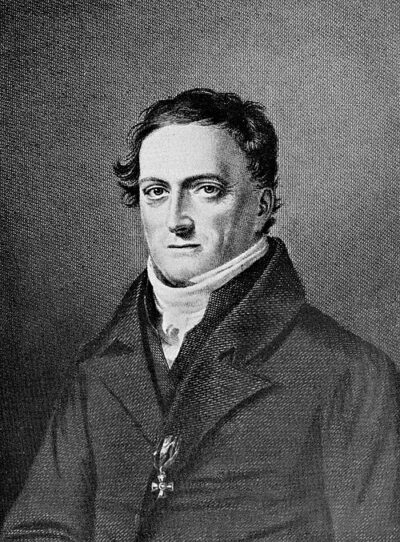 Johann Friedrich HerbartGerman philosopher, psychologist, and founder of pedagogy as an academic discipline (1776-1841)
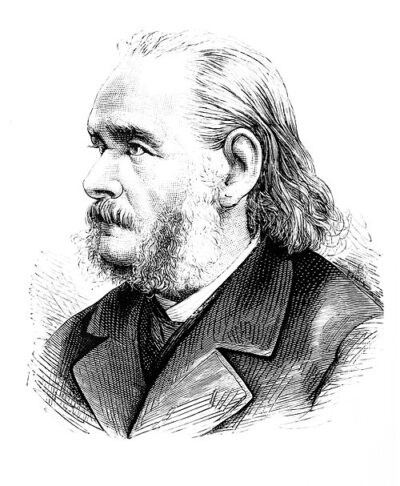 Matthias Jacob SchleidenGerman botanist and philosopher (1804-1881)
and 14 more
Worked here
- Georg Wilhelm Friedrich HegelGerman philosopher and theologian (1770–1831)
- Friedrich SchillerGerman playwright, poet, philosopher and historian (1759–1805)
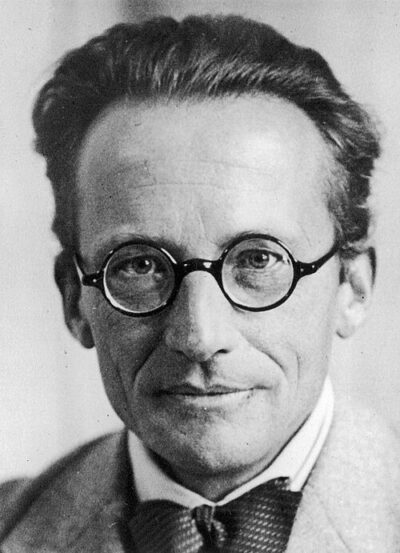 Erwin SchrödingerAustrian physicist (1887–1961)
- Alexander von HumboldtPrussian geographer, naturalist and explorer (1769–1859)
- Johann Gottlieb FichteGerman philosopher (1762–1814)
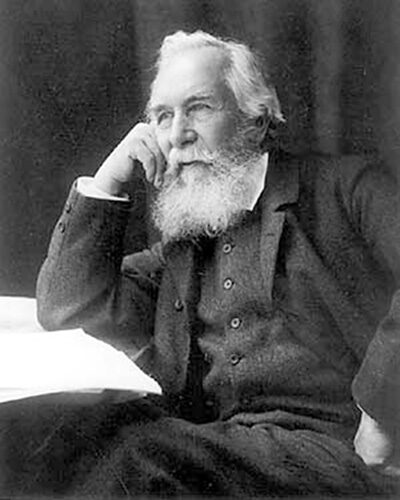 Ernst HaeckelGerman zoologist (1834-1919)
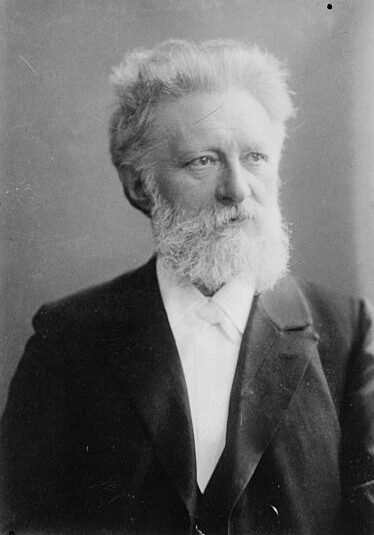 Rudolf Christoph Eucken(1846-1926) German philosopher
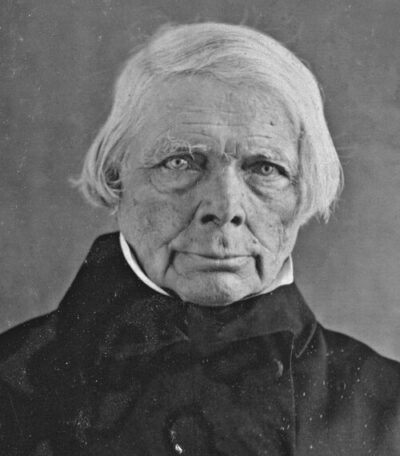 Friedrich Wilhelm Joseph SchellingGerman philosopher (1775–1854)
- Gottlob Frege (1874–)German philosopher, logician, and mathematician (1848–1925)
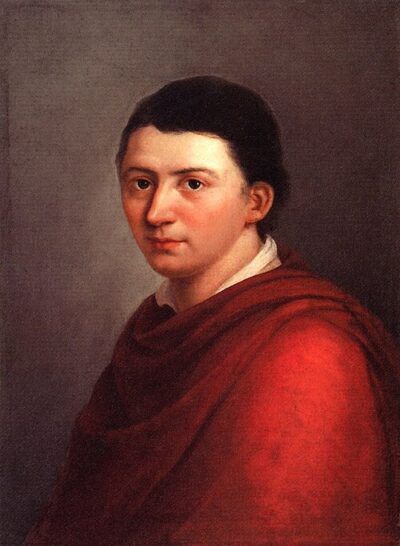 Friedrich SchlegelGerman poet, critic and scholar, editor
- Max SchelerGerman philosopher (1874-1928)
- Ernst Abbe (1863–1891)German physicist (1840-1905)
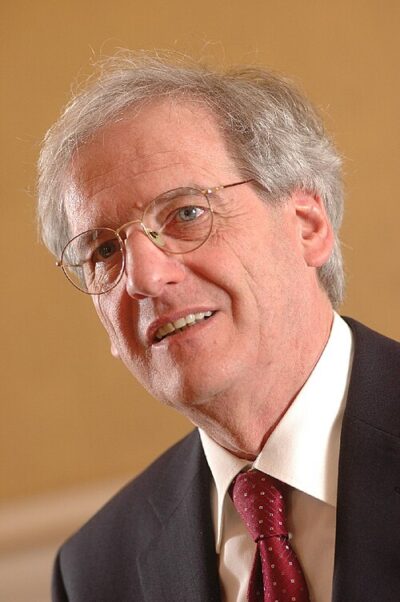 László Sólyompolitician and former President of Hungary (1942–2023)
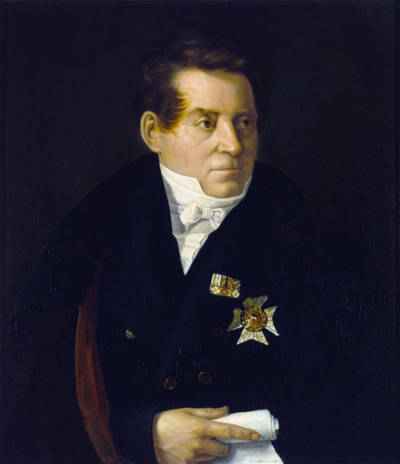 August Wilhelm von SchlegelGerman poet, translator, critic, and writer (1767–1845)
- Matthias Jacob SchleidenGerman botanist and philosopher (1804-1881)
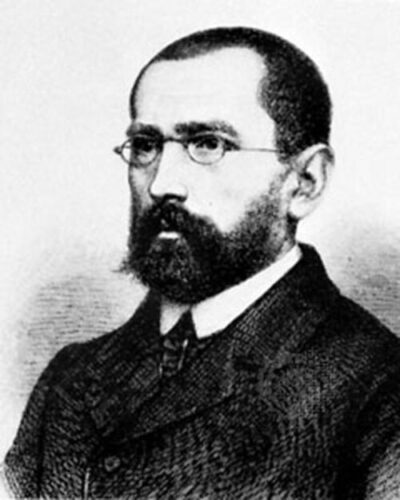 August SchleicherGerman philologist (1821–1868)
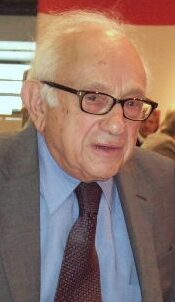 Fritz SternAmerican historian (1926–2016)
