Freemasonry
Freemasonry is a fraternal organization. It was founded in 1717.
- Founded
- June 24, 1717
All 5 facts, and where they come from
Facts
5 facts · 0 confirmed by two sources · 1 cited · 4 from one source
Where this comes from
Papalocal keeps its own record. It started from these sources; what each one said is kept here as it was copied, so a change on their side never changes this page by itself. Tap one to read its version.
What Wikidata says · copied November 16, 2026 · revision 2567818416
- Described as
- fraternal organization
- Other names
- masonry, Free and Accepted Mason, masonic order, Ancient Free and Accepted Masons, AF and AM, F and AM, AF&AM, F&AM
- What it is
- fraternal organization; society
- Founded
- June 24, 1717 · 1 reference
- Named after
- liberty; masonry
- Wikipedias with a page
- 112
Wikidata item Q41726 (wikidata.org/wiki/Q41726), public domain (CC0). Copied 2026-11-16.
What Wikipedia says · copied November 16, 2026 · revision 1385908824
Freemasonry (sometimes spelled Free-Masonry) consists of fraternal groups that trace their origins to medieval guilds of stonemasons. Freemasonry is considered the oldest existing secular fraternal organisation, with documents and traditions dating back to the 14th century. The core tenets of freemasonry are Brotherly Love, Relief, and Truth.
Modern Freemasonry broadly consists of three main recognition groups: Regular Freemasonry, which is the largest body and forms the majority of organised freemasonry worldwide. It follows the traditional practices of Freemasonry, insisting that a "volume of sacred law", such as the Bible, the Quran, or other religious scripture be open in a working lodge, that every member professes belief in a supreme being, that no women be admitted, and that discussion of religion or politics does not take place within the lodge; Liberal or Continental Freemasonry, which is globally much smaller in size and consists of the jurisdictions that have removed some, or all, of these traditional requirements; and Women’s and Mixed-Gender Freemasonry (Co-Freemasonry), which includes organizations that either admit women exclusively (such as the Order of Women Freemasons and the Honourable Fraternity of Ancient Freemasons in the UK) or accept both men and women (such as Le Droit Humain). These lodges are not officially recognized by Regular Freemasonry but operate independently, often deviating from the traditional practices of Freemasonry, but following similar Masonic rules, regulations, rituals and traditions (sometimes sharing buildings, such as Freemasons' Hall in London).
The basic, local organisational unit of Freemasonry is the Lodge. Lodges are usually supervised at the regional level by a Grand Lodge (or, sometimes, a Grand Orient). There is no international, worldwide Grand Lodge that supervises all of Freemasonry; each grand lodge is independent, and they do not necessarily recognise each other as being legitimate. However, The United Grand Lodge of England (UGLE), which dates back to June 1717, is the oldest Grand Lodge and is universally regarded as the Mother Grand Lodge of organised Freemasonry, recognising 246 Foreign Grand Lodges across the world. Recognition in the masonic sense considers their practice of freemasonry and the nature of the Grand Lodges formation.
The degrees of Freemasonry are the three grades of medieval craft guilds: Entered Apprentice, Journeyman or Fellow of the craft, and Master Mason. The candidate of these three degrees is progressively taught the meanings of the symbols of Freemasonry and entrusted with grips, signs, and words to signify to other members that he has been so initiated. The degrees are part allegorical morality play and part lecture. These three degrees form Craft Freemasonry, and members of any of these degrees are known as Free-Masons, Freemasons, or Masons. Once the Craft degrees have been conferred upon a Mason, he is qualified to join various "Concordant bodies" which offer additional degrees. These organisations are usually administered separately from the Grand Lodges who administer the Craft degrees. The extra degrees vary with locality and jurisdiction. In addition to these bodies, there are further organisations outside of the more traditional rites of Freemasonry that require an individual to be a Master Mason before they can join.
Throughout its history Freemasonry has received criticism and opposition on religious, moral and political grounds. The Catholic Church, some Protestant denominations and certain Islamic countries or entities have expressed opposition to or banned membership in Freemasonry. Opposition to Freemasonry is sometimes rooted in antisemitism or conspiracy theories, and Freemasons have been persecuted by authoritarian states.
From the Wikipedia article “Freemasonry” (en.wikipedia.org/wiki/Freemasonry), by its contributors, under CC BY-SA 4.0 (creativecommons.org/licenses/by-sa/4.0/). Copied 2026-11-16; not changed.
Confirmed Two sources agree. Cited One source, and it names where it got it. One source One source, without a reference of its own. Sources disagree The sources disagree. We show the best-supported value and keep theirs below.
Picture: Wikimedia Commons: Palazzo Roffia, galleria 00.JPG · See Commons file page
People connected 42
Members 41
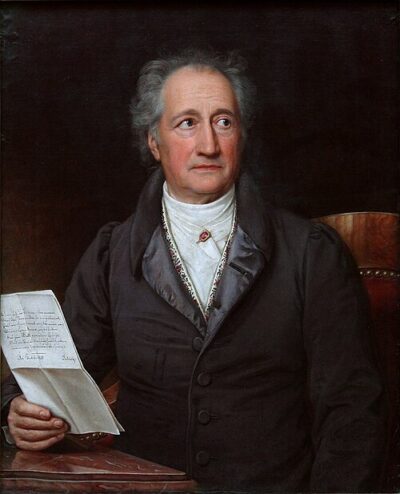 Johann Wolfgang von GoetheGerman writer, artist, natural scientist and politician (1749–1832)
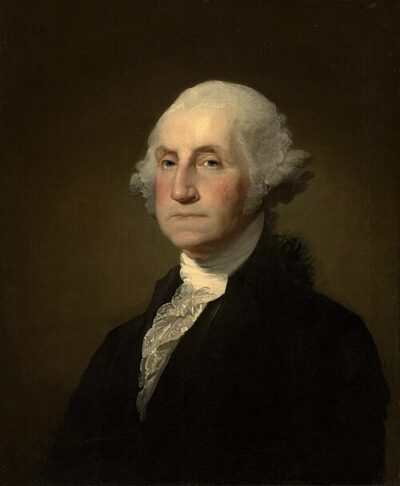 George WashingtonFounding Father and first U.S. president (1732–1799)
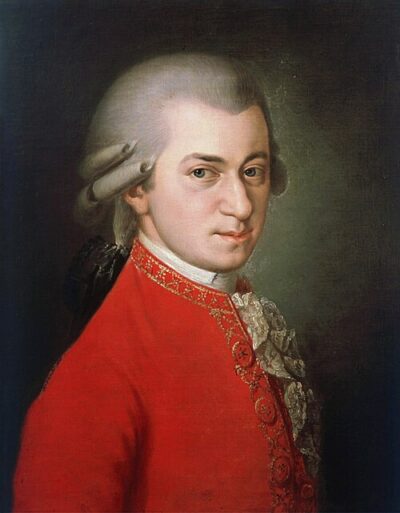 Wolfgang Amadeus Mozart (1784–)Austrian composer of the Classical period (1756–1791)
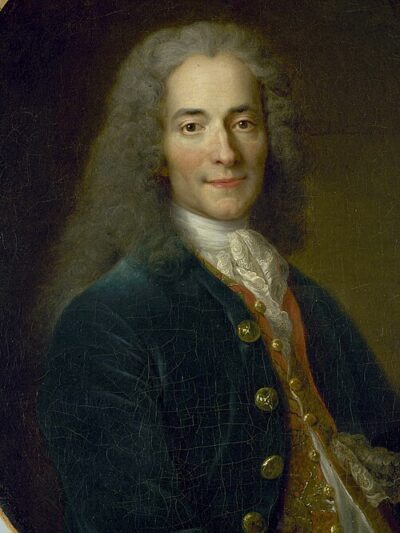 Voltaire (1778–)French writer, historian and philosopher (1694–1778)
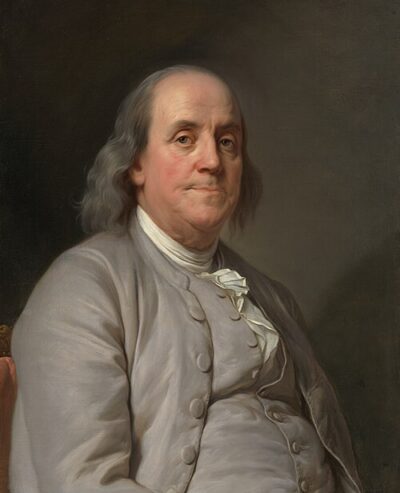 Benjamin FranklinAmerican polymath and statesman (1706–1790)
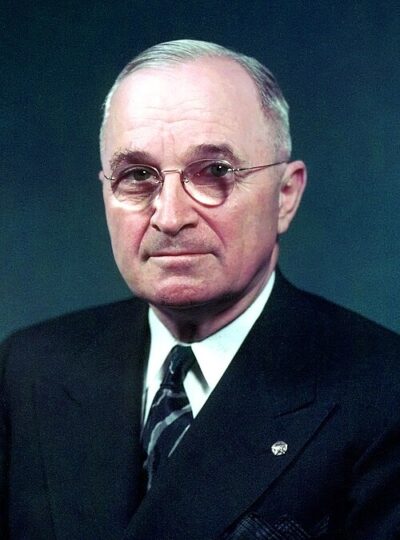 Harry S. Trumanpresident of the United States from 1945 to 1953; politician (1884–1972)
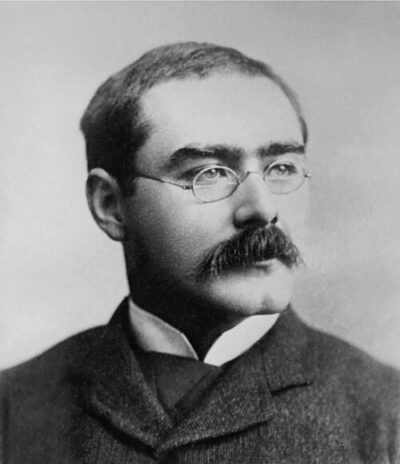 Rudyard KiplingEnglish writer and poet (1865–1936)
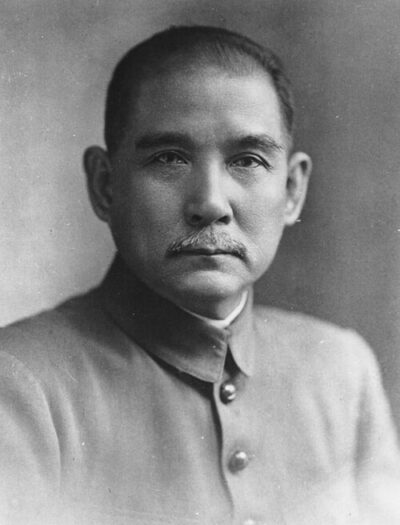 Sun Yat-senChinese politician, physician, and revolutionary (1866–1925)
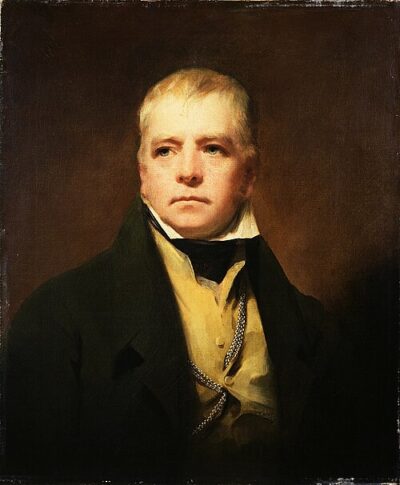 Walter ScottScottish novelist, poet and playwright (1771–1832)
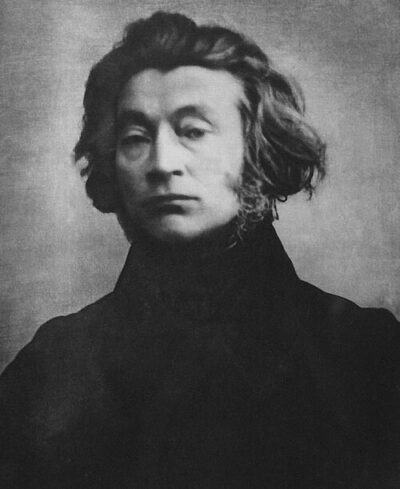 Adam MickiewiczPolish national poet, dramatist, essayist, publicist, translator, and political activist (1798-1855)
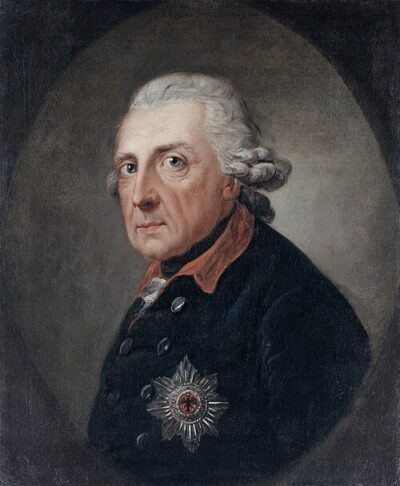 Frederick II of PrussiaKing of Prussia from 1740 to 1786 (1712-1786)
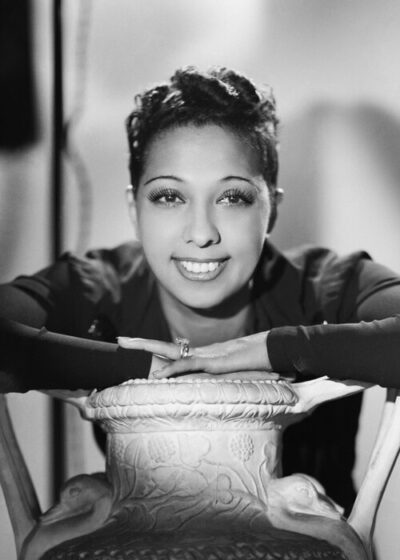 Josephine Baker (1960–1964)American-born French dancer, singer and actress (1906–1975)
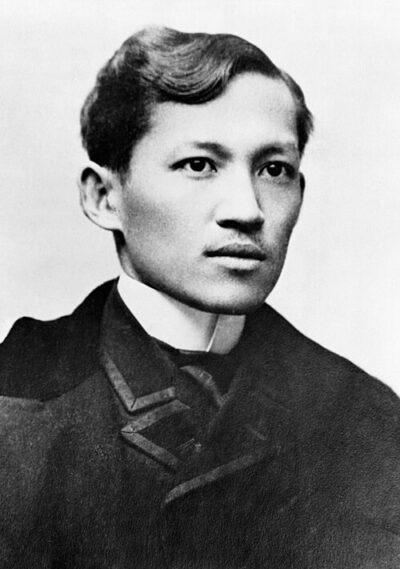 José RizalFilipino nationalist, writer and polymath (1861–1896)
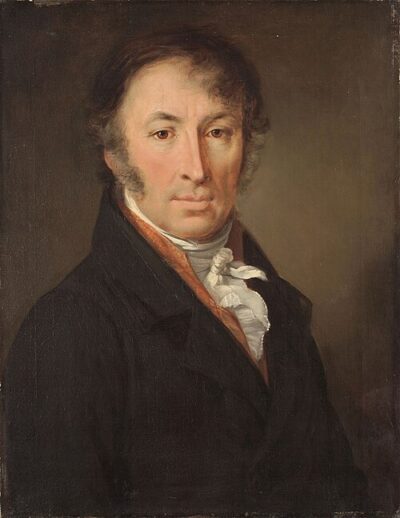 Nikolay KaramzinRussian writer, poet, critic
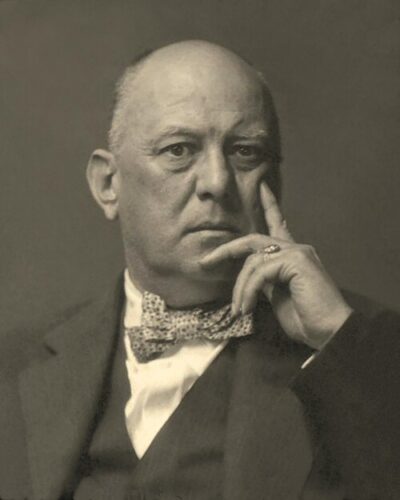 Aleister CrowleyEnglish occultist (1875–1947)
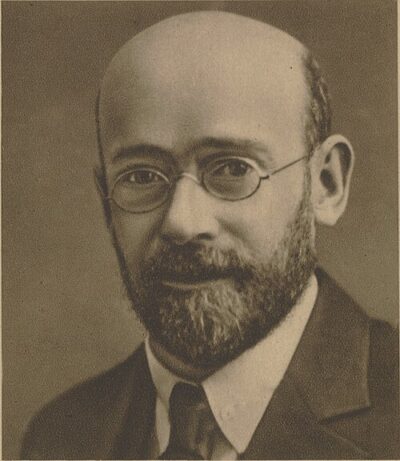 Janusz KorczakPolish-Jewish educator and physician (1878–1942)
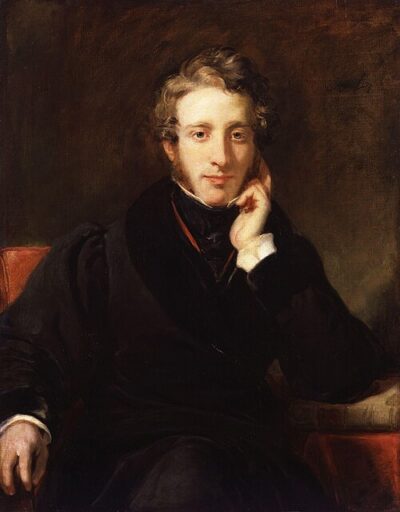 Edward Bulwer-LyttonBritish statesman and author (1803–1873)
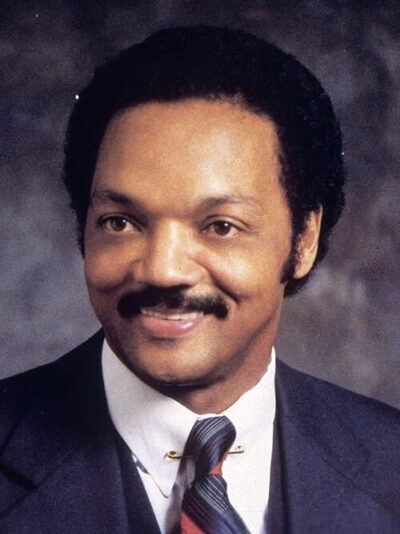 Jesse JacksonAmerican Baptist minister, activist, civil rights leader, politician, and founder of the Rainbow PUSH Coalition (1941–2026)
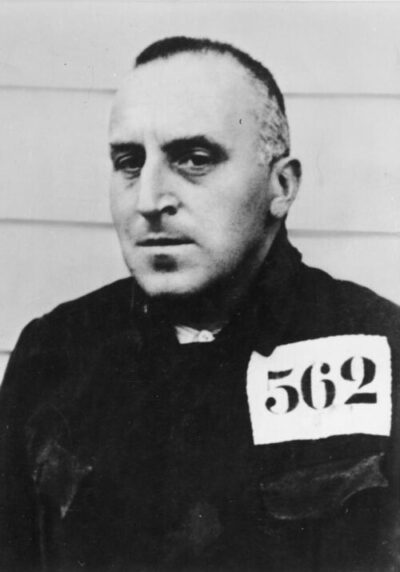 Carl von OssietzkyGerman journalist, author, pacifist and recipient of the 1935 Nobel Peace Prize (1889–1938)
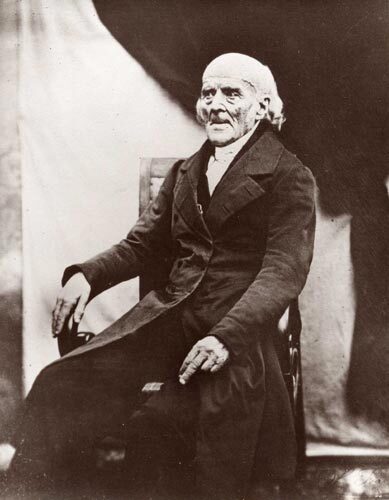 Samuel Hahnemann (1817–)German physician known for creating homeopathy
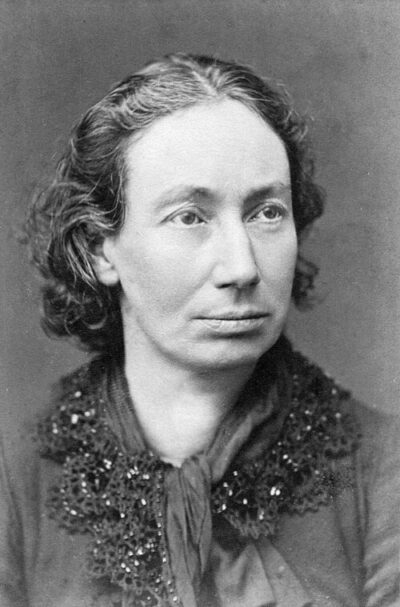 Louise MichelFrench author and anarchist (1830-1905)
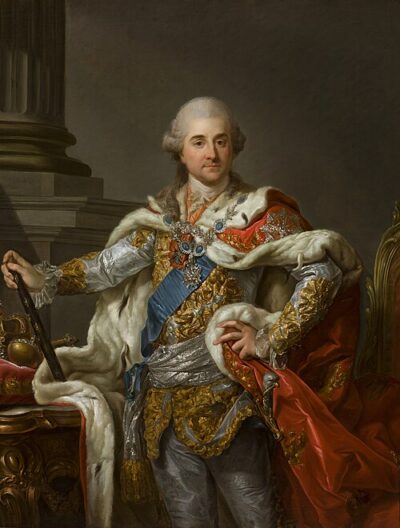 Stanisław August PoniatowskiKing of Poland and Grand Duke of Lithuania (1764-1795)
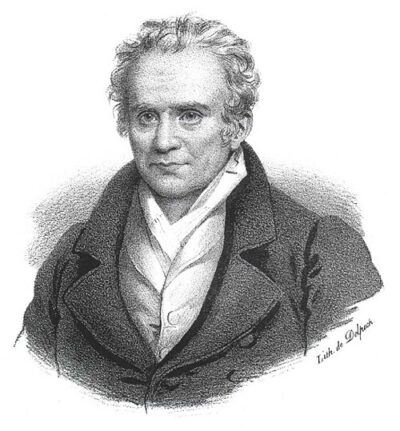 Gaspard MongeFrench mathematician, inventor of descriptive geometry and father of differential geometry (1746-1818)
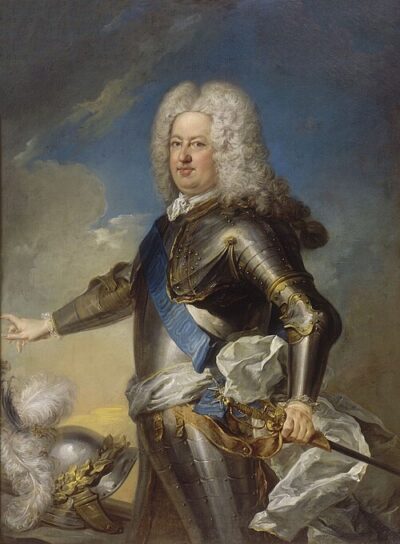 Stanisław LeszczyńskiKing of Poland and Grand Duke of Lithuania (1677–1766)
and 17 more