

Institute for Advanced Study
Institute for Advanced Study is a postgraduate center in Princeton, New Jersey, US. It was founded in 1930 by Abraham Flexner, Louis Bamberger and Caroline Bamberger Fuld. It won the EPS Historic Site.
- Founded
- 1930
- Founded by
- Abraham Flexner
- Headquarters
- Princeton
- Country
- United States
All 11 facts, and where they come from
Facts
11 facts · 0 confirmed by two sources · 3 cited · 8 from one source
Where this comes from
Papalocal keeps its own record. It started from these sources; what each one said is kept here as it was copied, so a change on their side never changes this page by itself. Tap one to read its version.
What Wikidata says · copied November 16, 2026 · revision 2541747073
- Described as
- postgraduate center in Princeton, New Jersey, US
- Other names
- IAS, Princeton Institute for Advanced Study
- What it is
- research institute; archives · 1 reference
- Founded
- 1930
- Founded by
- Abraham Flexner; Louis Bamberger; Caroline Bamberger Fuld
- Headquarters
- Princeton · 1 reference
- Located in
- Princeton · 1 reference
- Country
- United States · 2 references
- Awards
- EPS Historic Site · 1 reference
- Official website
- https://ias.edu
- Wikipedias with a page
- 39
Wikidata item Q635642 (wikidata.org/wiki/Q635642), public domain (CC0). Copied 2026-11-16.
What Wikipedia says · copied November 16, 2026 · revision 1381466294
The Institute for Advanced Study (IAS) is a center for theoretical research and intellectual inquiry, designed and funded by the U.S. government, the Rockefeller Foundation and the Carnegie Endowment, located in Princeton, New Jersey. It has served as the academic home of internationally preeminent scholars, including Albert Einstein, J. Robert Oppenheimer, Emmy Noether, Hermann Weyl, John von Neumann, Michael Walzer, Clifford Geertz, Freeman Dyson and Kurt Gödel, many of whom had emigrated from Europe to the United States.
It was founded in 1930 by American educator Abraham Flexner, together with philanthropists Louis Bamberger and Caroline Bamberger Fuld. Despite collaboration and neighboring geographic location, the institute is independent and has no formal ties to Princeton University. Having no students, the institute does not charge tuition or fees.
Flexner's guiding principle in founding the institute was the pursuit of knowledge for its own sake. The faculty have no classes to teach. There are no degree programs or experimental facilities at the institute. Research is never contracted or directed. It is left to each individual researcher to pursue their own goals. Established during the rise of fascism in Europe, the institute played a key role in the transfer of intellectual capital from Europe to America. It quickly earned its reputation as the pinnacle of academic and scientific life—a reputation it has retained.
The institute consists of four schools: Historical Studies, Mathematics, Natural Sciences, and Social Sciences. The institute also has a program in Systems Biology.
It is supported entirely by endowments, grants, and gifts. It is one of eight American mathematics institutes funded by the National Science Foundation. It is the model for all ten members of the consortium Some Institutes for Advanced Study.
From the Wikipedia article “Institute for Advanced Study” (en.wikipedia.org/wiki/Institute_for_Advanced_Study), by its contributors, under CC BY-SA 4.0 (creativecommons.org/licenses/by-sa/4.0/). Copied 2026-11-16; not changed.
Confirmed Two sources agree. Cited One source, and it names where it got it. One source One source, without a reference of its own. Sources disagree The sources disagree. We show the best-supported value and keep theirs below.
Picture: Wikimedia Commons: Fuld Hall, Institute for Advanced Study, Princeton, NJ.jpg · See Commons file page
People connected 57
Worked here 57
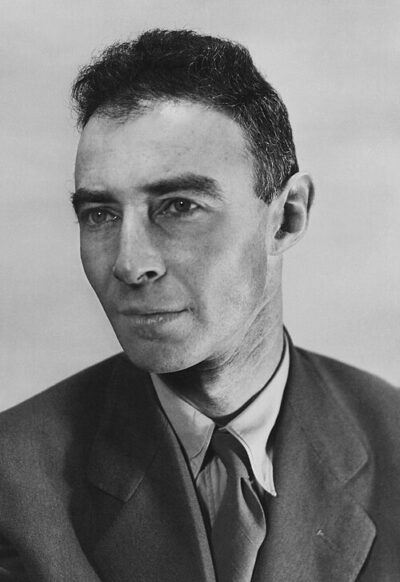 J. Robert OppenheimerAmerican theoretical physicist (1904–1967)
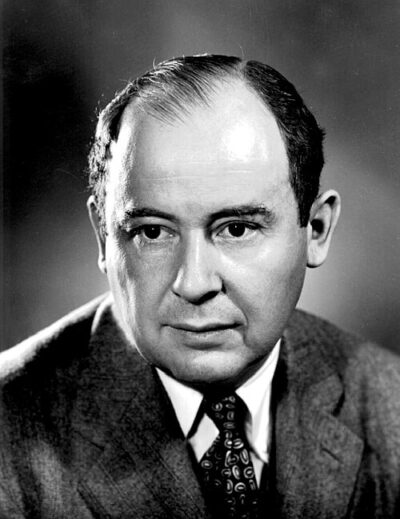 John von Neumann (1933–1957)Hungarian and American mathematician and physicist (1903–1957)
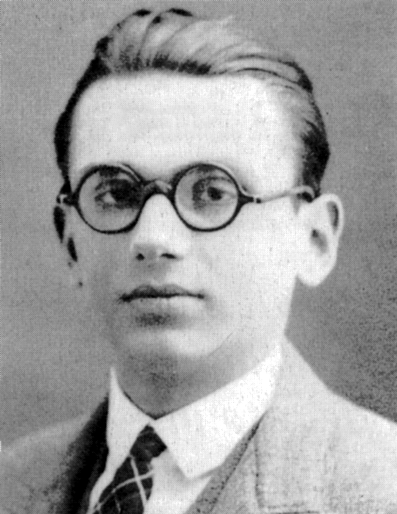 Kurt Gödel (1940–1978)Austrian-American logician, mathematician, and philosopher of mathematics (1906–1978)
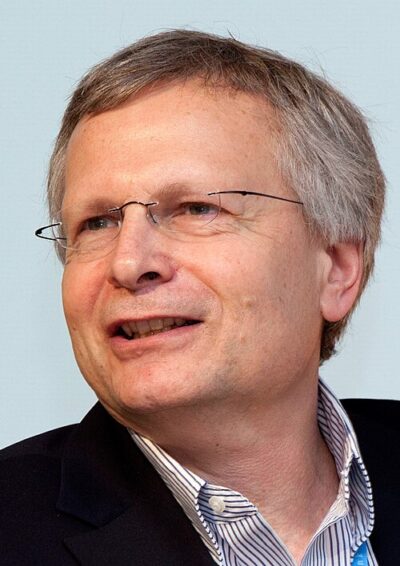 Dani RodrikTurkish economist and publicist (born 1957)
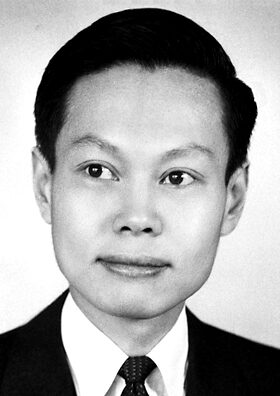 Chen-ning YangChinese physicist (1922–2025)
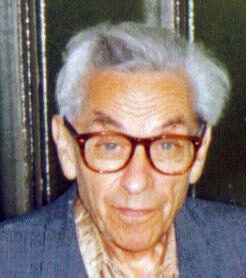 Paul Erdős (1938–1940)Hungarian mathematician (1913–1996)
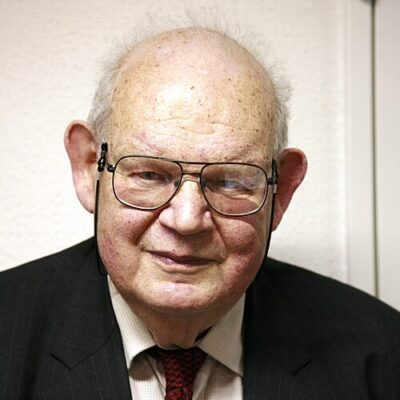 Benoit Mandelbrot (1953–1954)Polish-born, French and American mathematician (1924–2010)
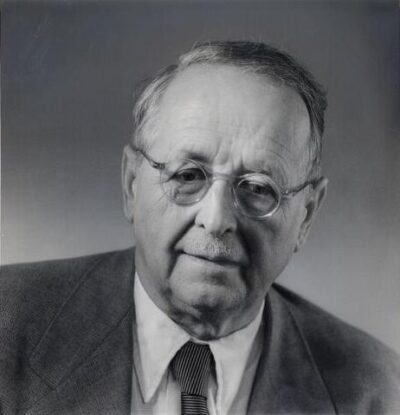 Hermann Weyl (1933–1952)German mathematician (1885–1955)
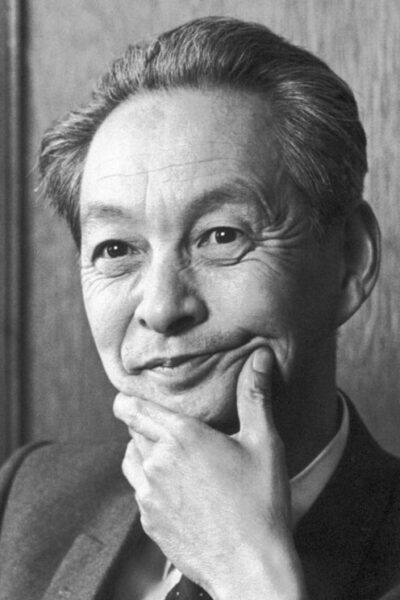 Shinichiro TomonagaJapanese physicist (1906-1979)
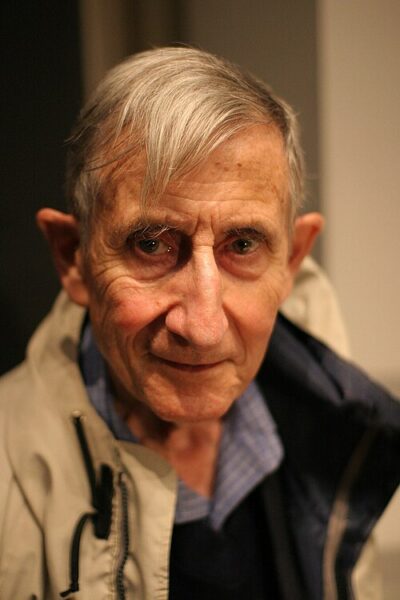 Freeman Dyson (1953–2020)theoretical physicist and mathematician (1923–2020)
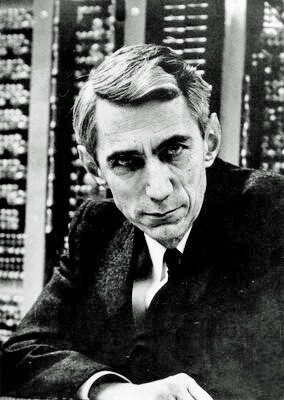 Claude Shannon (1940–1941)American mathematician and information theorist (1916–2001)
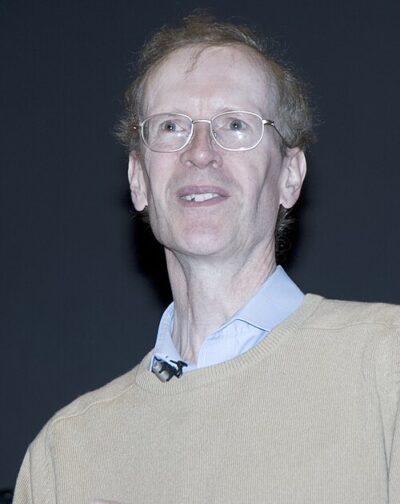 Andrew WilesEnglish mathematician (1953–)
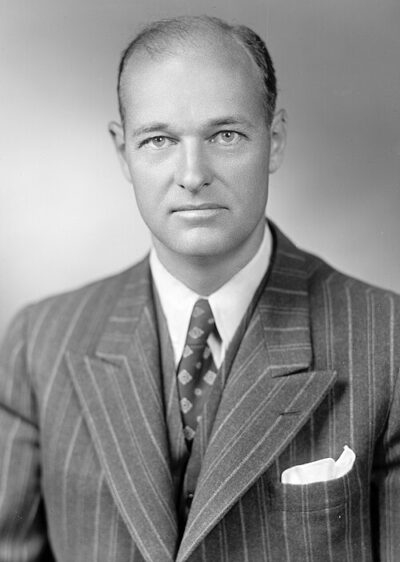 George F. KennanAmerican advisor, diplomat, political scientist and historian (1904-2005)
 Stanisław Ulam (1935)Polish-American mathematician (1909–1984)
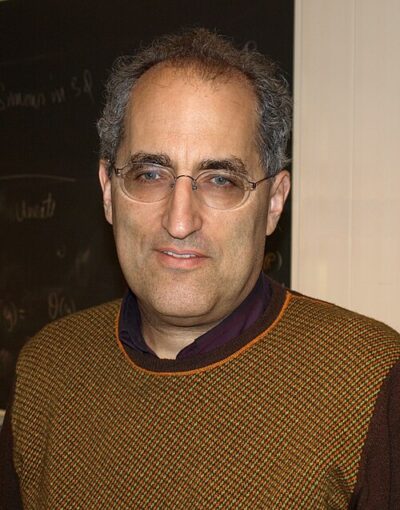 Edward WittenAmerican theoretical physicist
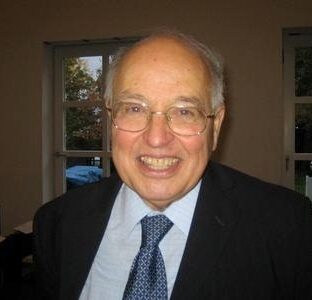 Michael Atiyah (1955–1972)British mathematician
- LLiu GangChinese scientist and revolutionary (born 1961)
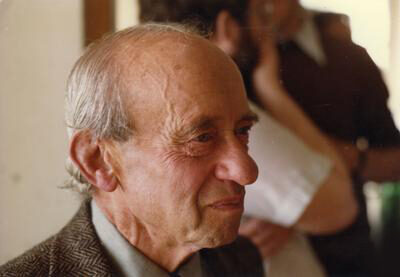 Alfred Tarski (1941–1942)Polish-American logician (1901-1983)
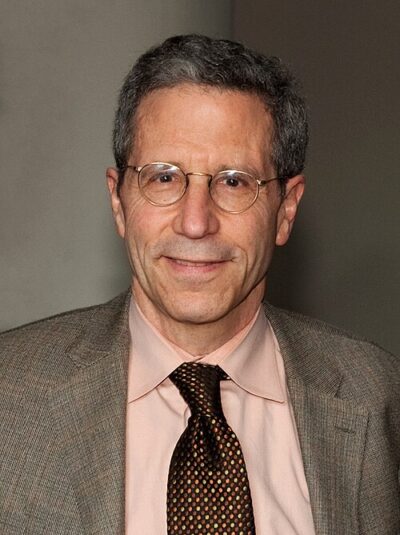 Eric MaskinAmerican Nobel laureate in economics
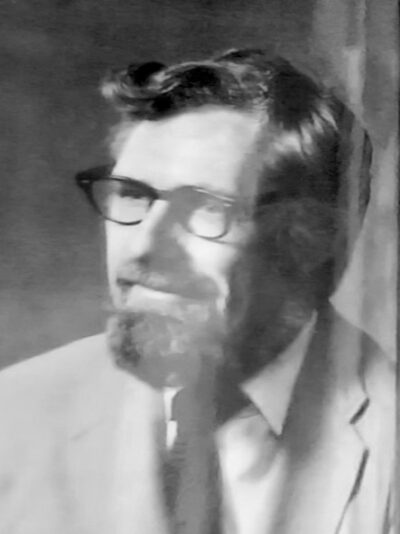 Clifford Geertz (1970–2000)American anthropologist
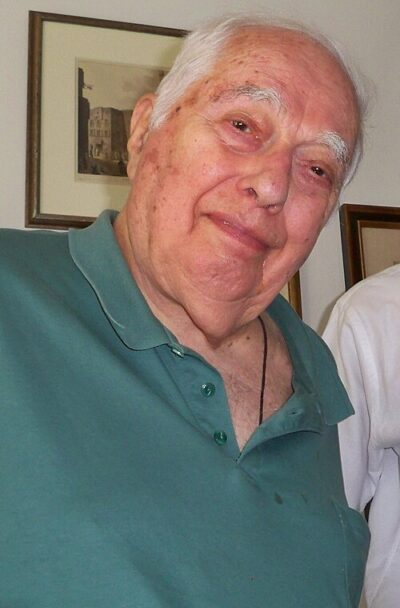 Bernard LewisBritish-American historian (1916–2018)
 Erwin PanofskyGerman art historian (1892–1968)
 Atle Selberg (1947–1987)Norwegian mathematician (1917–2007)
 André Weil (1958–1976)French mathematician (1906-1998)
and 33 more
