
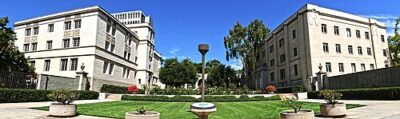
California Institute of Technology
The California Institute of Technology is a private research university located in Pasadena, California, USA. It was founded in 1891. It has 979 employees. 2,397 students study there (2021).
- Located in
- Pasadena
- Country
- United States
- Founded
- 1891
- Students
- 2,397 (2021)
- What it is
- university
All 10 facts, and where they come from
Facts
10 facts · 0 confirmed by two sources · 3 cited · 7 from one source
Where this comes from
Papalocal keeps its own record. It started from these sources; what each one said is kept here as it was copied, so a change on their side never changes this page by itself. Tap one to read its version.
What Wikidata says · copied November 16, 2026 · revision 2568350862
- Described as
- private research university located in Pasadena, California, USA
- Other names
- Caltech, Cal Tech, CIT
- What it is
- university; private not-for-profit educational institution · 1 reference
- Founded
- 1891
- Headquarters
- California
- Located in
- Pasadena
- Country
- United States · 1 reference
- Industry
- higher education
- Employees
- 979 · 1 reference
- Students
- 2,238 (2017)
- Official website
- https://caltech.edu · 1 reference
- Wikipedias with a page
- 85
Wikidata item Q161562 (wikidata.org/wiki/Q161562), public domain (CC0). Copied 2026-11-16.
What Wikipedia says · copied November 16, 2026 · revision 1381348419
The California Institute of Technology (branded as Caltech) is a private research university in Pasadena, California, United States. The university is responsible for many modern scientific advancements and is among a small group of institutes of technology in the United States that are devoted to the instruction of pure and applied sciences.
The institution was founded as a preparatory and vocational school by Amos G. Throop in 1891 and began attracting influential scientists such as George Ellery Hale, Arthur Amos Noyes, and Robert Andrews Millikan in the early 20th century. The vocational and preparatory schools were disbanded and spun off in 1910, and the college assumed its present name in 1920. In 1934, Caltech was elected to the Association of American Universities, and the antecedents of NASA's Jet Propulsion Laboratory, which Caltech continues to manage and operate, were established between 1936 and 1943 under Theodore von Kármán.
Caltech has six academic divisions with strong emphasis on science and engineering, managing $332 million in research grants as of 2010. Its 124-acre (50 ha) primary campus is located approximately 11 mi (18 km) northeast of downtown Los Angeles, in Pasadena. First-year students are required to live on campus, and 95% of undergraduates remain in the on-campus housing system at Caltech. Students agree to abide by an honor code which allows faculty to assign take-home examinations. The Caltech Beavers compete in 13 intercollegiate sports in the NCAA Division III's Southern California Intercollegiate Athletic Conference (SCIAC).
Scientists and engineers at or from the university have played an essential role in many modern scientific breakthroughs and innovations, including advances in space research, sustainability science, quantum physics, and seismology. As of October 2024, there are 80 Nobel laureates who have been affiliated with Caltech, making it the institution with the highest number of Nobelists per capita in America. This includes 48 alumni and faculty members (49 prizes, with chemist Linus Pauling being the only individual in history to win two unshared prizes). In addition, 68 National Medal of Science Recipients, 43 MacArthur Fellows, 15 National Medal of Technology and Innovation recipients, 11 astronauts, 5 science advisors to the president, 4 Fields Medalists, and 6 Turing Award winners have been affiliated with Caltech.
From the Wikipedia article “California Institute of Technology” (en.wikipedia.org/wiki/California_Institute_of_Technology), by its contributors, under CC BY-SA 4.0 (creativecommons.org/licenses/by-sa/4.0/). Copied 2026-11-16; not changed.
Confirmed Two sources agree. Cited One source, and it names where it got it. One source One source, without a reference of its own. Sources disagree The sources disagree. We show the best-supported value and keep theirs below.
Picture: Canon.vs.nikon, via Wikimedia Commons · CC BY-SA 3.0
People connected 154
Studied here 99
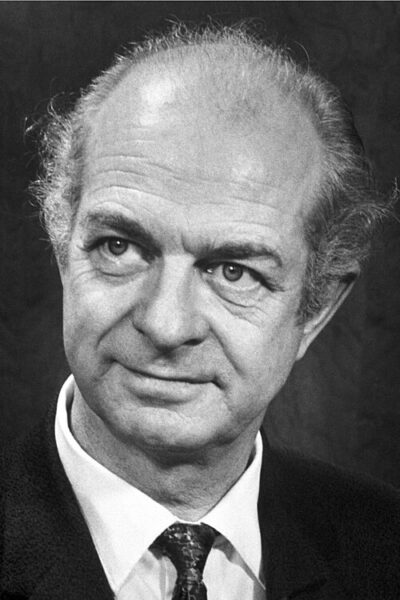 Linus Pauling (–1925)American scientist (1901–1994)
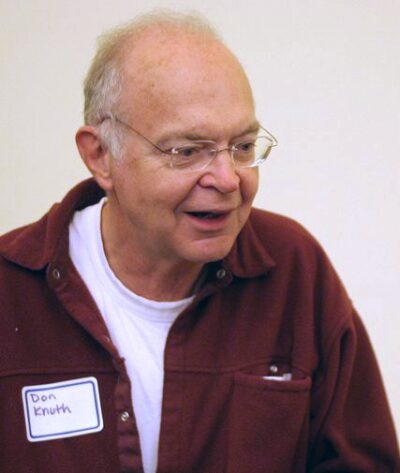 Donald Knuth (1960–1963)American computer scientist and mathematician (born 1938)
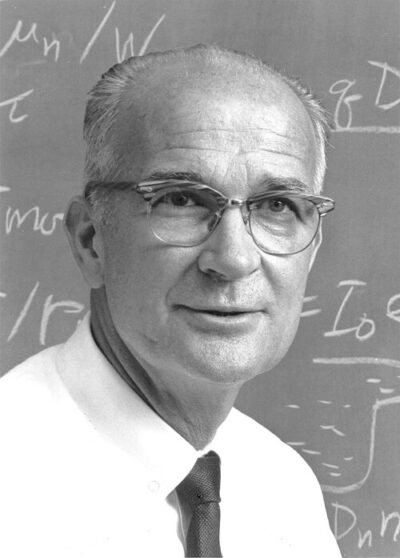 William Shockley (–1932)American physicist and inventor (1910–1989)
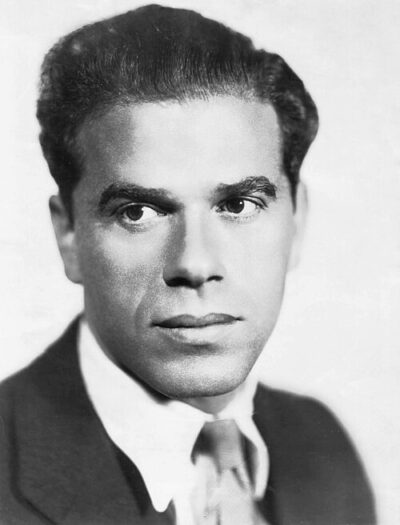 Frank CapraItalian-born American film director (1897–1991)
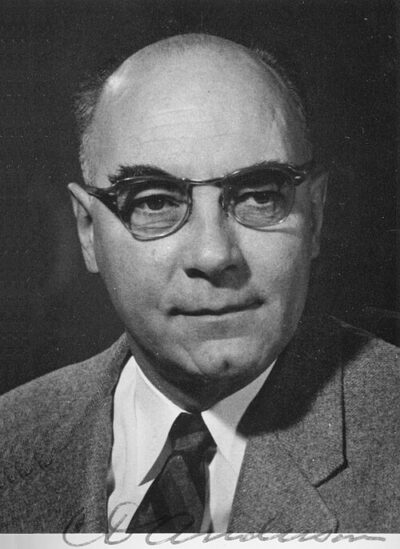 Carl David AndersonAmerican physicist
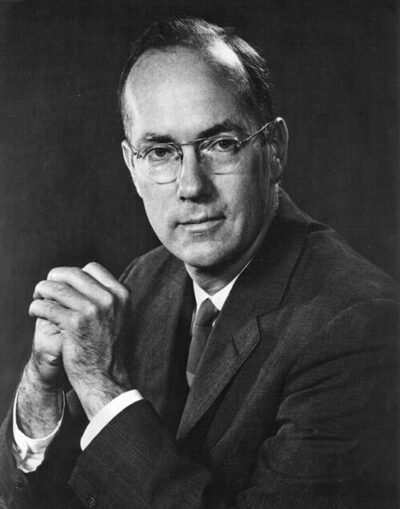 Charles Hard Townes20th-century American physicist
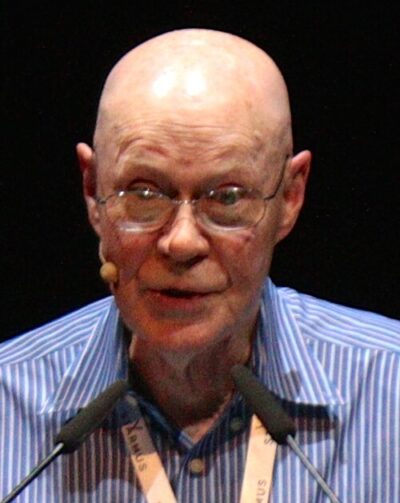 Robert Wilson (1957–1962)American astronomer (born 1936)
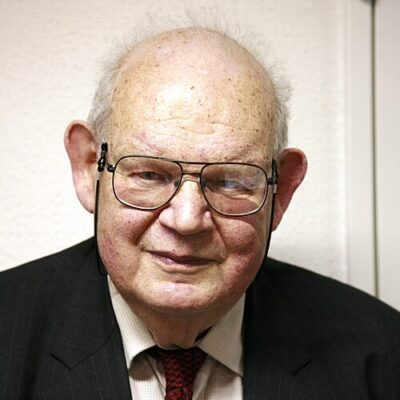 Benoit Mandelbrot (1947–1949)Polish-born, French and American mathematician (1924–2010)
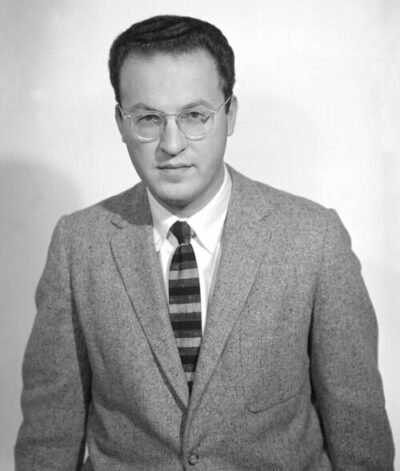 Donald Arthur GlaserAmerican physicist and neurobiologist (1926–2013)
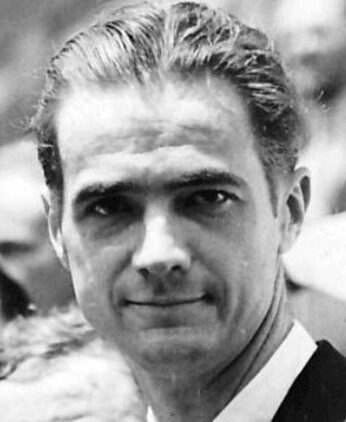 Howard HughesAmerican aviator, engineer, industrialist, and film producer (1905–1976)
 William Alfred FowlerAmerican nuclear physicist (1911-1995)
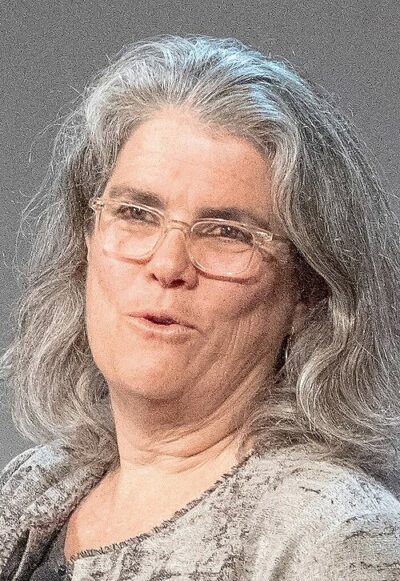 Andrea M. Ghez (–1992)American astronomer
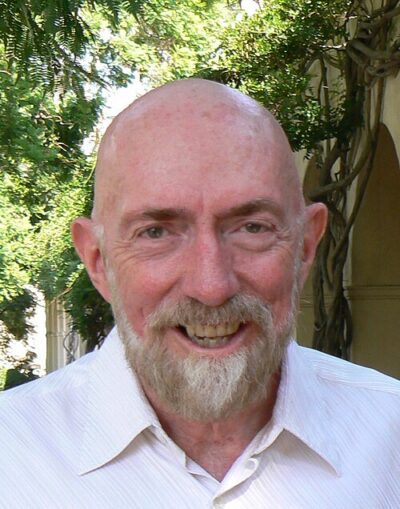 Kip S. Thorne (–1962)American physicist (born 1940)
- KKenneth G. WilsonNobel prize winning US physicist
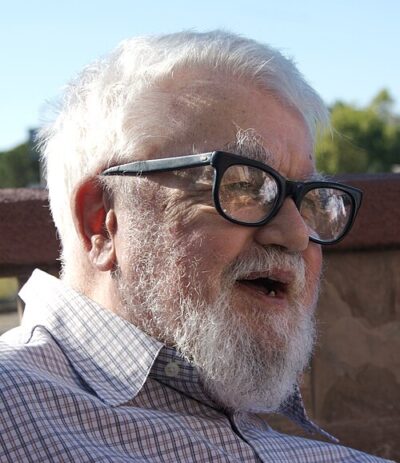 John McCarthy (–1948)American computer scientist and cognitive scientist (1927-2011)
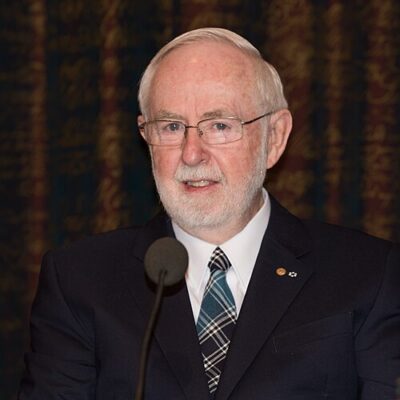 Arthur B. McDonald (1965–1969)Canadian physicist (born 1943)
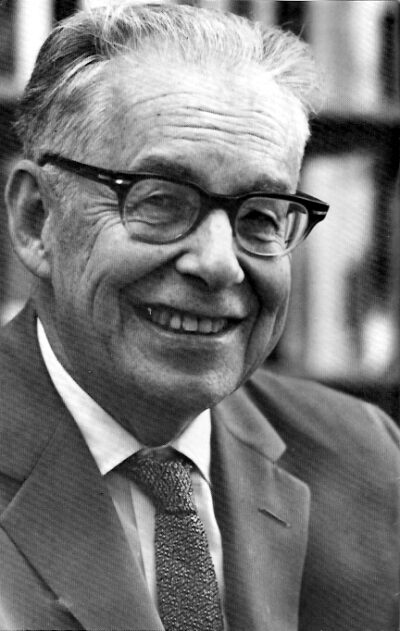 Charles Francis RichterAmerican seismologist
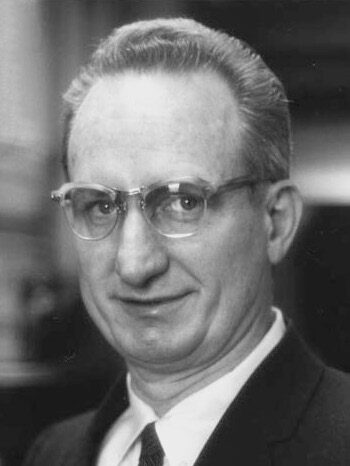 James RainwaterAmerican physicist
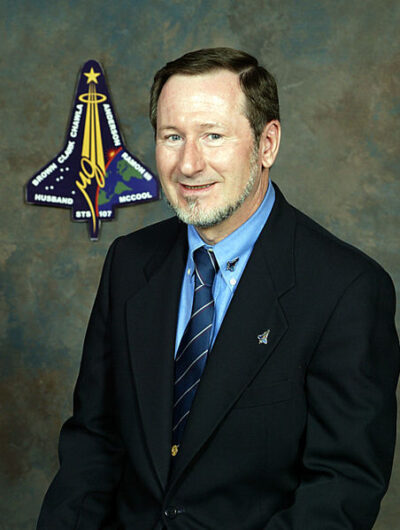 Douglas OsheroffAmerican physicist
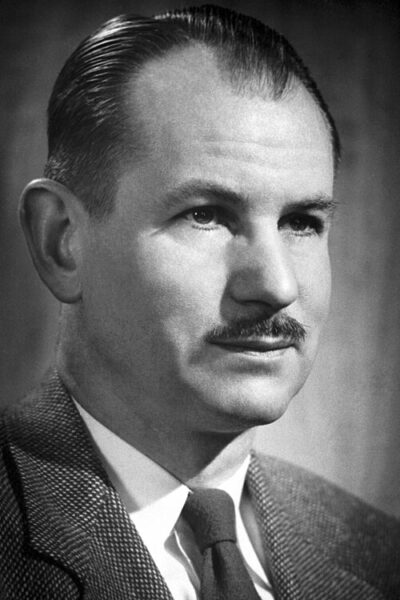 Edwin McMillanAmerican physicist (1907-1991)
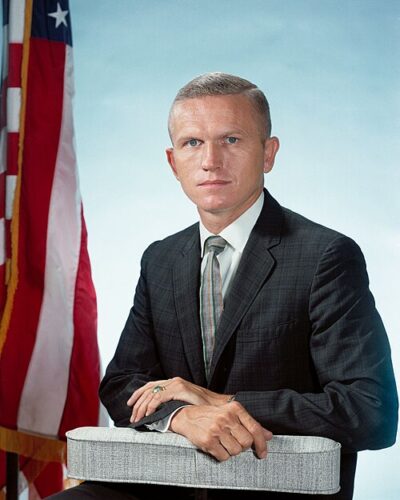 Frank BormanAmerican astronaut (1928–2023)
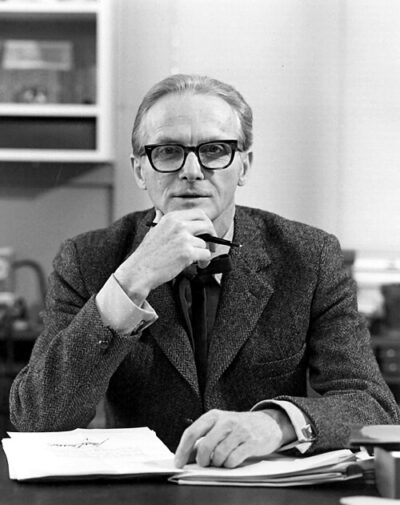 William LipscombNobel Prize-winning American inorganic and organic chemist
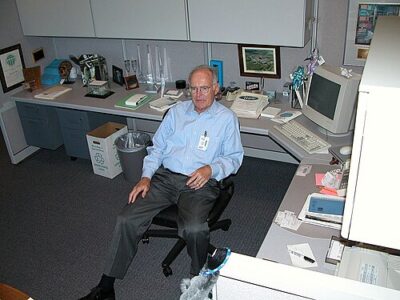 Gordon MooreAmerican businessman, co-founder of Intel Corporation (1929–2023)
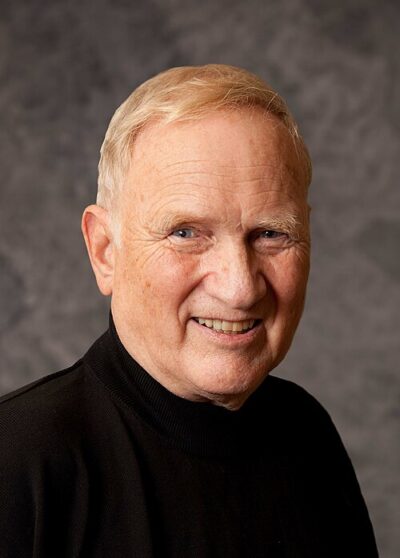 John Clauser (–1964)American physicist
and 75 more
Worked here 71
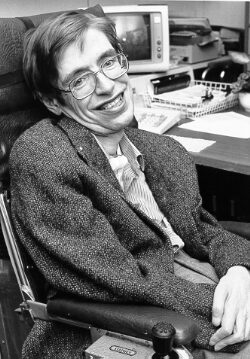 Stephen Hawking (1970–1975)British theoretical physicist, cosmologist and author (1942–2018)
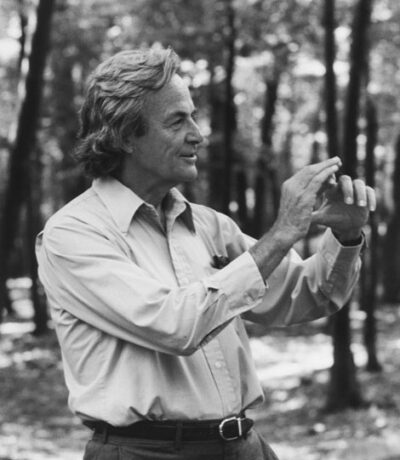 Richard Feynman (1950–1988)American theoretical physicist (1918–1988)
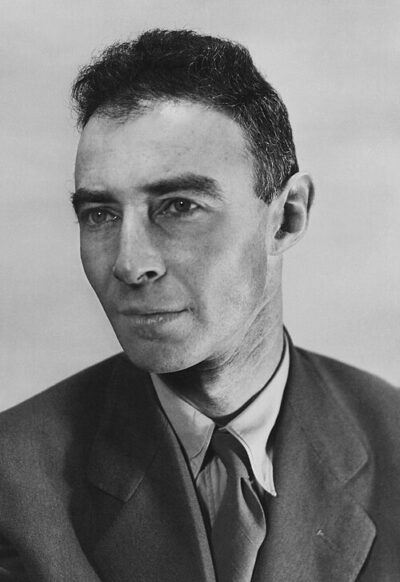 J. Robert OppenheimerAmerican theoretical physicist (1904–1967)
- Linus Pauling (1927–1963)American scientist (1901–1994)
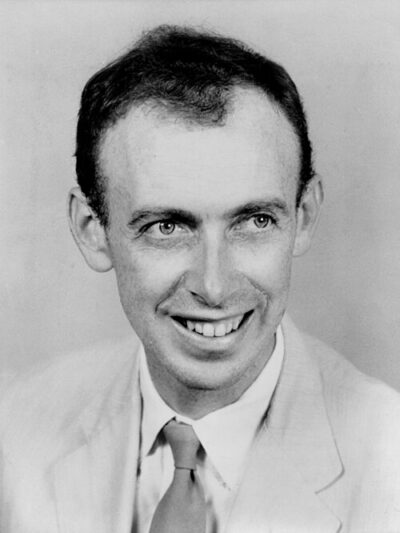 James Watson (1953–1955)American molecular biologist, geneticist, zoologist and Nobel Laureate (1928–2025)
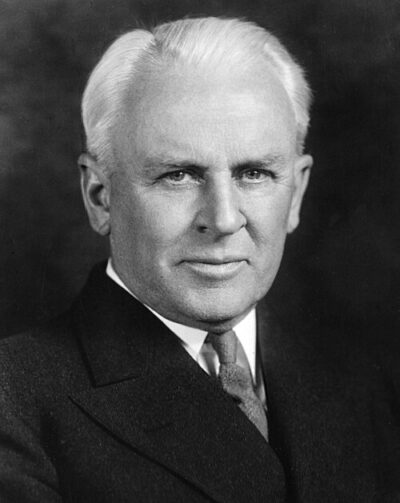 Robert Andrews MillikanAmerican physicist (1868–1953)
- Donald KnuthAmerican computer scientist and mathematician (born 1938)
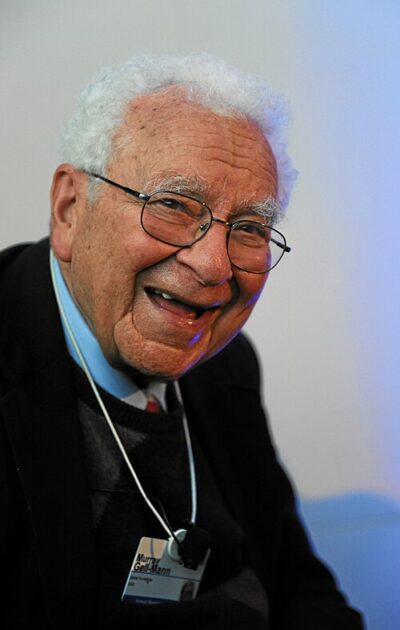 Murray Gell-MannAmerican physicist (1929–2019)
- Carl David AndersonAmerican physicist
- Robert Wilson (1962–)American astronomer (born 1936)
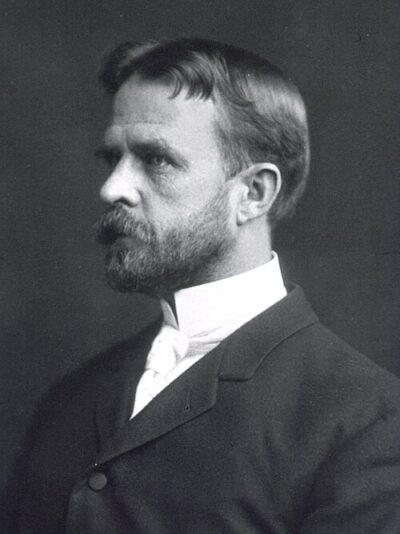 Thomas Hunt Morgan (1928–)American biologist and professor from Kentucky (1866–1945)
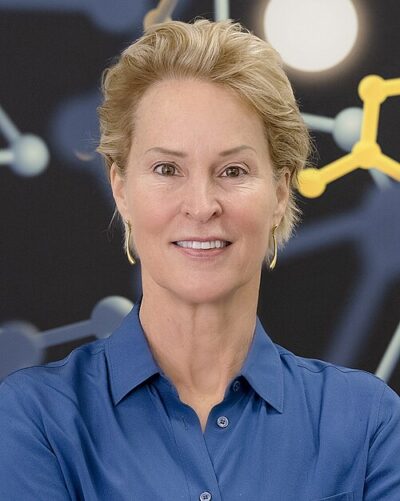 Frances ArnoldNobel prize winning US scientist and engineer (born 1956)
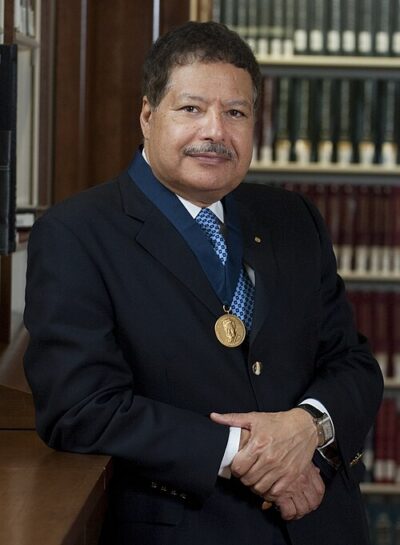 Ahmed ZewailEgyptian chemist
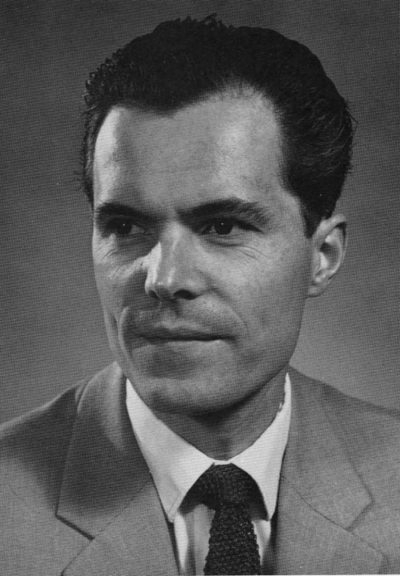 Rudolf Ludwig Mössbauer (1960–1964)German nuclear physicist and Noble Prize in Physics
- William Alfred FowlerAmerican nuclear physicist (1911-1995)
- Kip S. Thorne (1967–)American physicist (born 1940)
- Charles Francis RichterAmerican seismologist
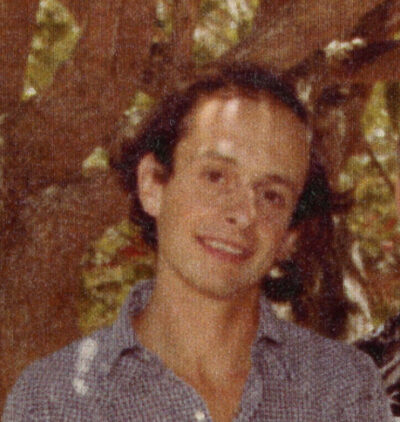 Hugh David PolitzerAmerican physicist
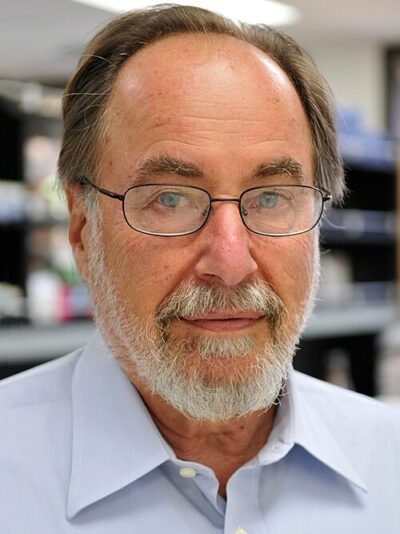 David BaltimoreAmerican biologist and Nobel laureate
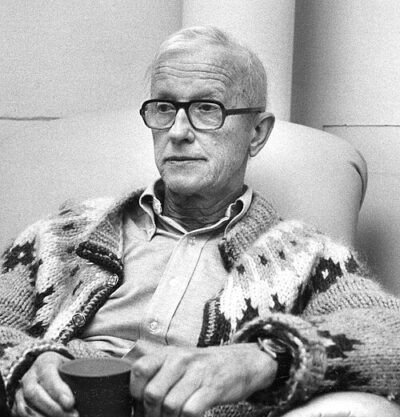 Max Delbrückbiophysicist (1906–1981)
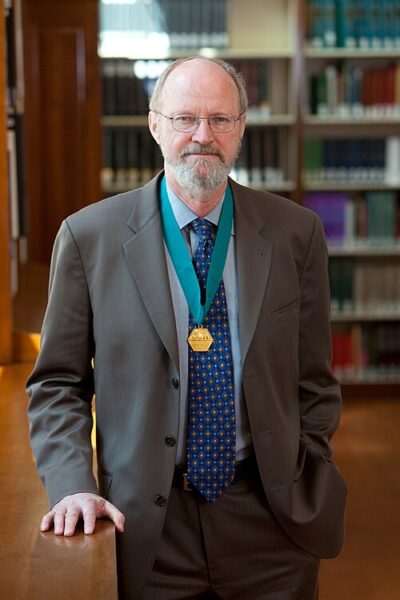 Robert H. GrubbsNobel prize winning American chemist (1942-2021)
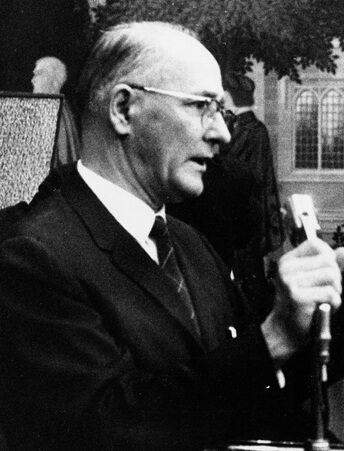 George Wells BeadleAmerican geneticist (1903-1989)
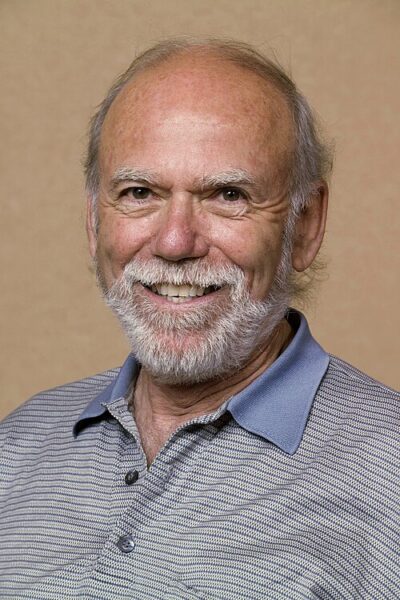 Barry C. BarishAmerican physicist
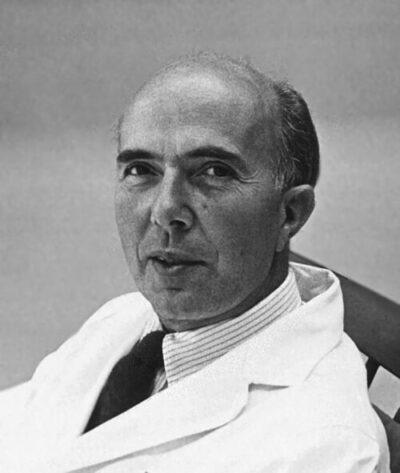 Renato DulbeccoItalian-born American virologist (1914-2012)
and 47 more
