
Faraday Lectureship Prize
Faraday Lectureship Prize is an award granted by the Royal Society of Chemistry. It was created in 1869.
- Given by
- Royal Society of Chemistry
- Country
- United Kingdom
- Created
- 1869
All 8 facts, and where they come from
Facts
8 facts · 0 confirmed by two sources · 0 cited · 8 from one source
Where this comes from
Papalocal keeps its own record. It started from these sources; what each one said is kept here as it was copied, so a change on their side never changes this page by itself. Tap one to read its version.
What Wikidata says · copied November 16, 2026 · revision 2555773082
- Described as
- award granted by the Royal Society of Chemistry
- Other names
- Faraday Lectureship
- What it is
- science award; chemistry award
- Created
- 1869
- Country
- United Kingdom
- Given by
- Royal Society of Chemistry; Royal Society of Chemistry Faraday Division
- Named after
- Michael Faraday
- Official website
- http://www.rsc.org/ScienceAndTechnology/Awards/FaradayLectureshipPrize/Index.asp
- Wikipedias with a page
- 11
Wikidata item Q1994574 (wikidata.org/wiki/Q1994574), public domain (CC0). Copied 2026-11-16.
What Wikipedia says · copied November 16, 2026 · revision 1305431775
The Faraday Lectureship Prize, previously known simply as the Faraday Lectureship, is awarded once every two years (approximately) by the Royal Society of Chemistry for "exceptional contributions to physical or theoretical chemistry". Named after Michael Faraday, the first Faraday Lecture was given in 1869, two years after Faraday's death, by Jean-Baptiste Dumas. As of 2009, the prize was worth £5000, with the recipient also receiving a medal and a certificate. As the name suggests, the recipient also gives a public lecture describing their work.
From the Wikipedia article “Faraday Lectureship Prize” (en.wikipedia.org/wiki/Faraday_Lectureship_Prize), by its contributors, under CC BY-SA 4.0 (creativecommons.org/licenses/by-sa/4.0/). Copied 2026-11-16; not changed.
Confirmed Two sources agree. Cited One source, and it names where it got it. One source One source, without a reference of its own. Sources disagree The sources disagree. We show the best-supported value and keep theirs below.
People connected 25
Won it 25
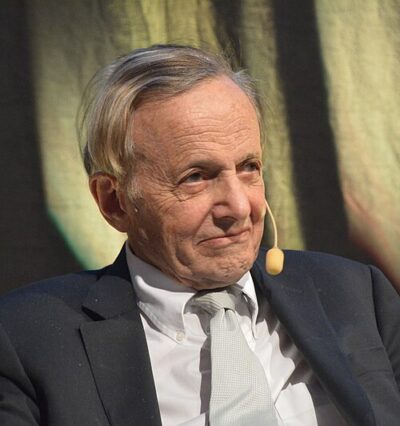 John Polanyi (2010)Hungarian-Canadian chemist
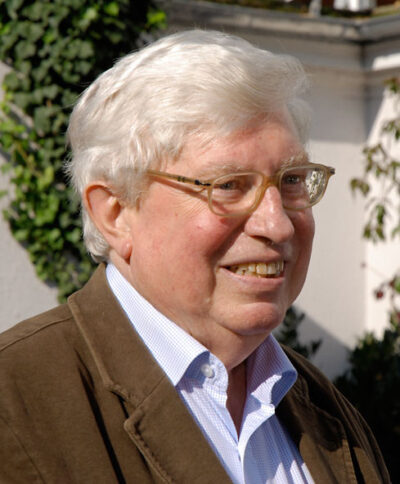 Gerhard Ertl (2007)German physicist
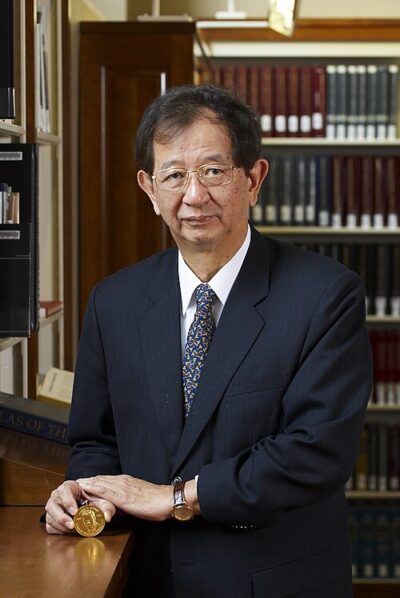 Yuan T. Lee (1992)Taiwanese chemist
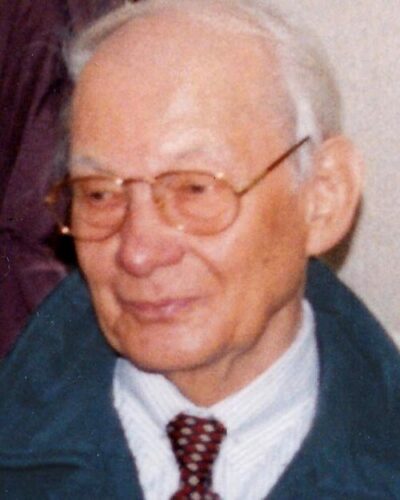 Manfred Eigen (1977)German biophysical chemist (1927-2019)
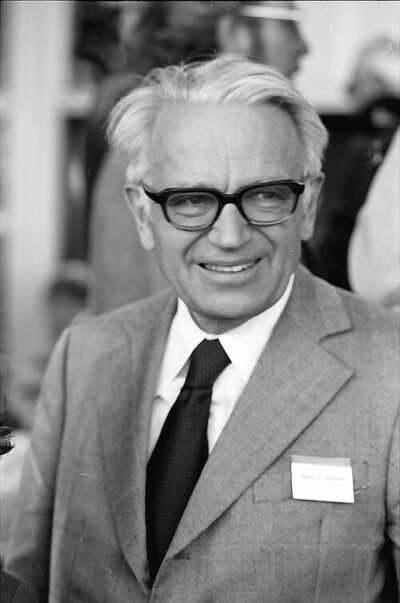 Gerhard Herzberg (1970)German-Canadian physicist and physical chemist (1904-1999)
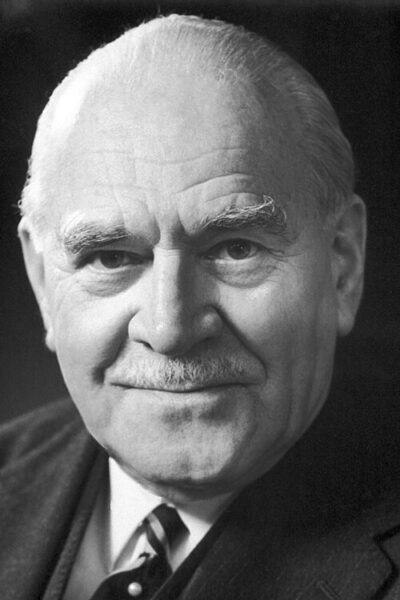 Ronald George Wreyford Norrish (1965)British chemist
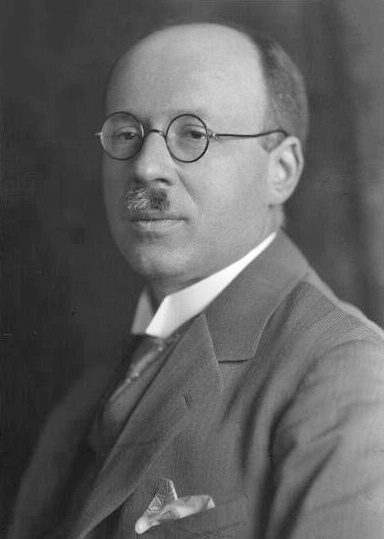 Leopold Ružička (1958)Croatian scientist (1887-1976)
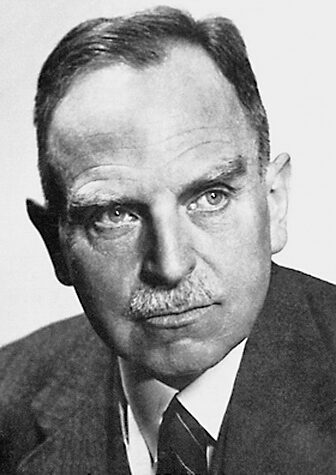 Otto Hahn (1956)German chemist and physicist (1879–1968)
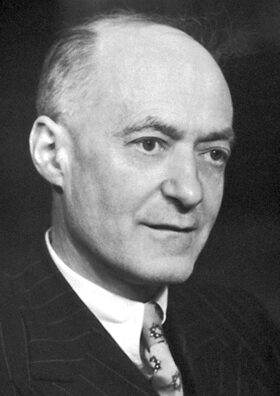 Cyril Norman Hinshelwood (1953)English physical chemist (1897-1967)
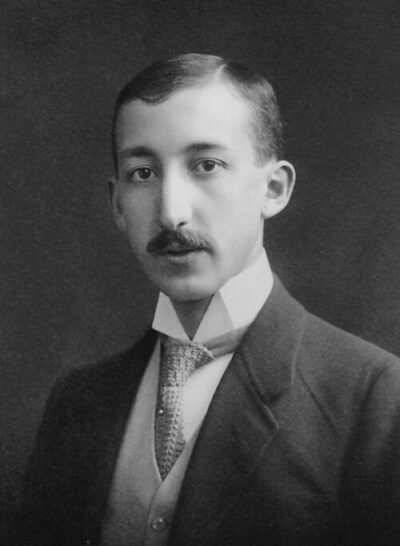 George de Hevesy (1950)Hungarian chemist (1885–1966)
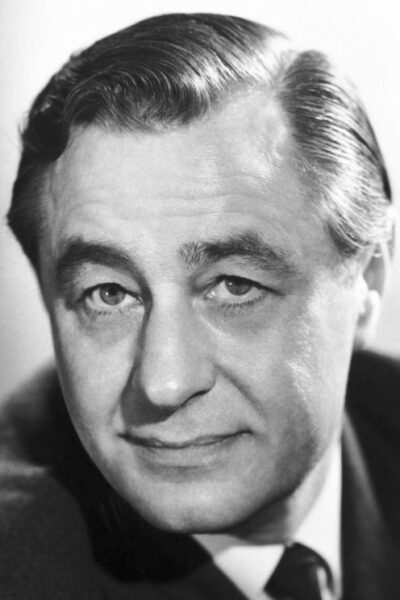 George Porter (1950)British chemist (1920–2002)
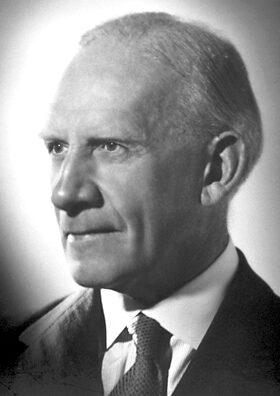 Robert Robinson (1947)English chemist (1886-1975)
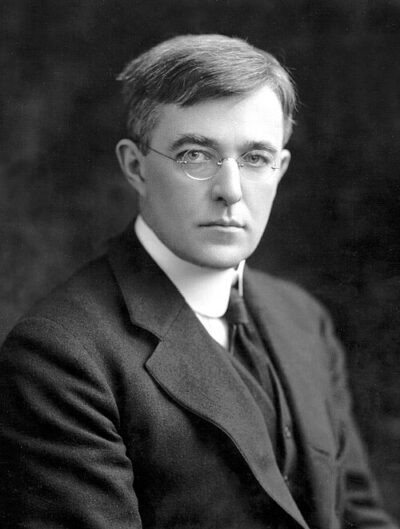 Irving Langmuir (1939)American chemist and physicist (1881–1957)
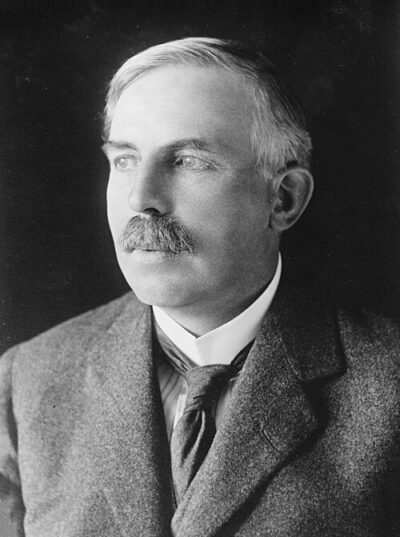 Ernest Rutherford (1936)New Zealand physicist (1871–1937)
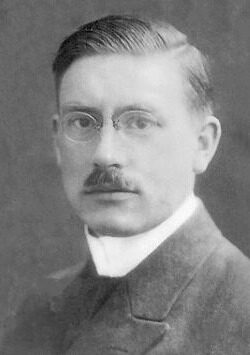 Peter Debye (1933)Dutch-American physicist and physical chemist (1884–1966)
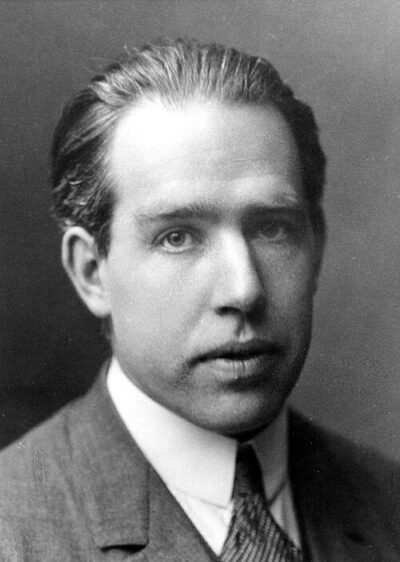 Niels Bohr (1930)Danish physicist (1885–1962)
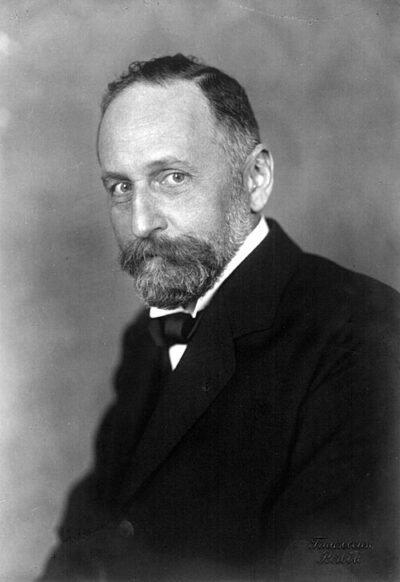 Richard Willstätter (1927)German chemist (1872–1942)
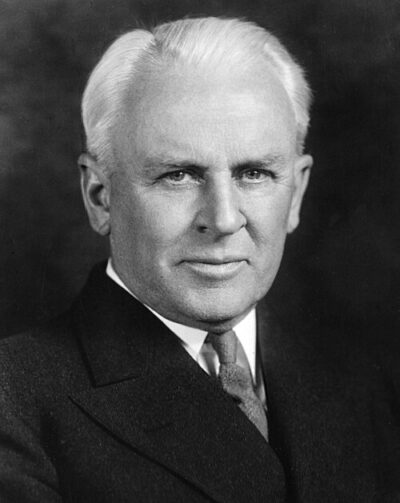 Robert Andrews Millikan (1924)American physicist (1868–1953)
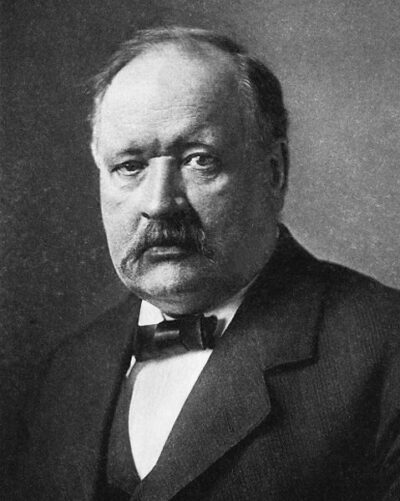 Svante August Arrhenius (1914)Swedish astronomer, chemist and physicist (1859–1927)
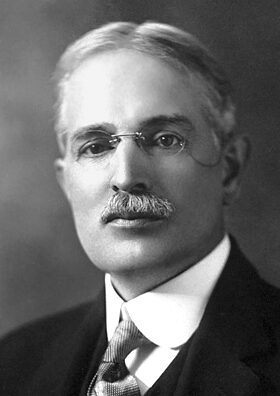 Theodore William Richards (1911)United States chemist (1868–1928)
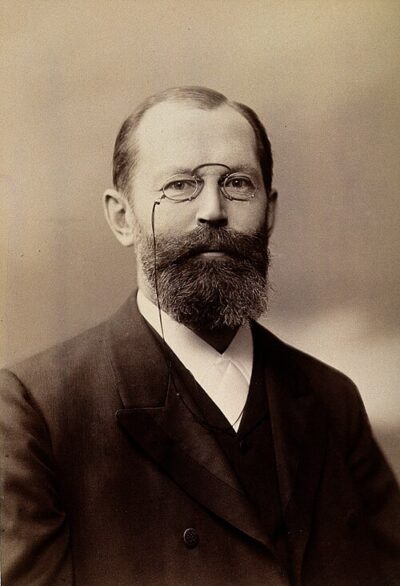 Emil Fischer (1907)German chemist (1852–1919)
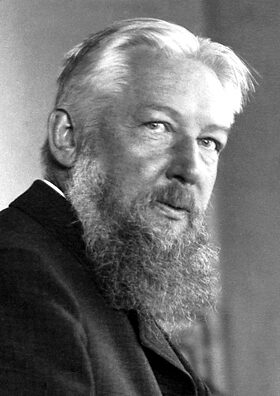 Wilhelm Ostwald (1904)Baltic German chemist (1853–1932)
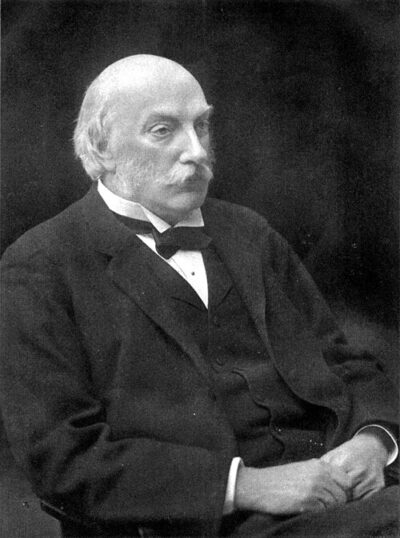 John William Strutt (1895)English physicist (1842–1919)
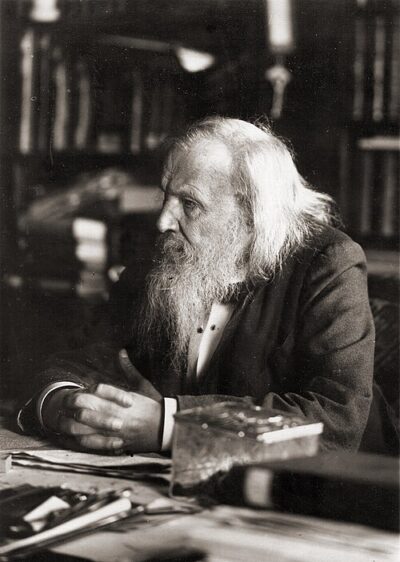 Dmitri Mendeleev (1889)Russian chemist (1834–1907)
and 1 more
