

Faraday Medal
Faraday Medal is an IET award. It was created in 1922. It is given by Institution of Engineering and Technology.
- Given by
- Institution of Engineering and Technology
- Country
- United Kingdom
- Created
- 1922
All 5 facts, and where they come from
Facts
5 facts · 0 confirmed by two sources · 0 cited · 5 from one source
Where this comes from
Papalocal keeps its own record. It started from these sources; what each one said is kept here as it was copied, so a change on their side never changes this page by itself. Tap one to read its version.
What Wikidata says · copied November 16, 2026 · revision 2569369533
- Described as
- IET award
- What it is
- award
- Created
- 1922
- Country
- United Kingdom
- Given by
- Institution of Engineering and Technology
- Named after
- Michael Faraday
- Wikipedias with a page
- 15
Wikidata item Q1396110 (wikidata.org/wiki/Q1396110), public domain (CC0). Copied 2026-11-16.
What Wikipedia says · copied November 16, 2026 · revision 1380849852
The Faraday Medal is a top-tier international medal awarded by the UK Institution of Engineering and Technology (IET) (previously known as the Institution of Electrical Engineers (IEE)). As one of the world's foremost awards in engineering and the most prestigious in electrical engineering, it is part of the IET Achievement Medals collection of awards. The medal is named after the British physicist Michael Faraday, the father of electromagnetism.
From the Wikipedia article “IET Faraday Medal” (en.wikipedia.org/wiki/IET_Faraday_Medal), by its contributors, under CC BY-SA 4.0 (creativecommons.org/licenses/by-sa/4.0/). Copied 2026-11-16; not changed.
Confirmed Two sources agree. Cited One source, and it names where it got it. One source One source, without a reference of its own. Sources disagree The sources disagree. We show the best-supported value and keep theirs below.
Picture: Wikimedia Commons: Faraday Medal Transparent Background.jpg · See Commons file page
People connected 23
Won it
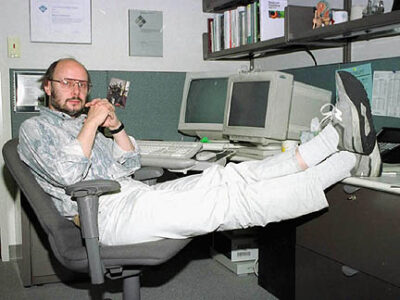 Bjarne Stroustrup (2017)Danish computer scientist, creator of C++ (born 1950)
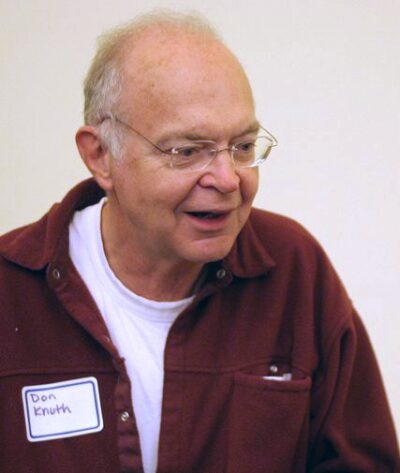 Donald Knuth (2011)American computer scientist and mathematician (born 1938)
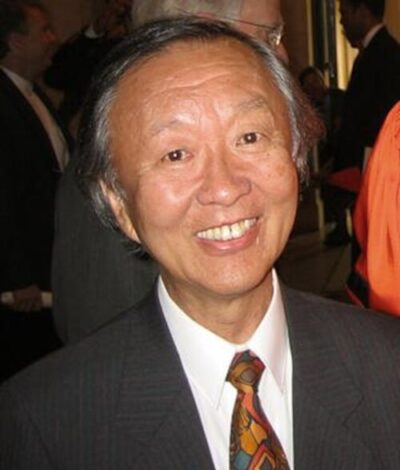 Charles K. Kao (1989)Hong Kong-British-American physicist
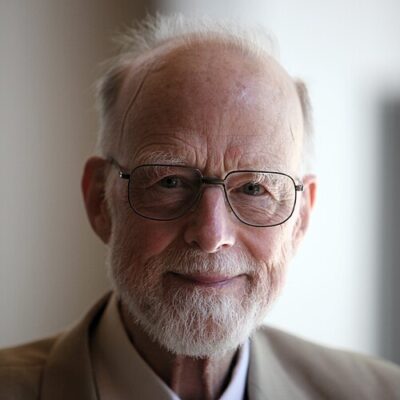 Tony Hoare (1985)British computer scientist
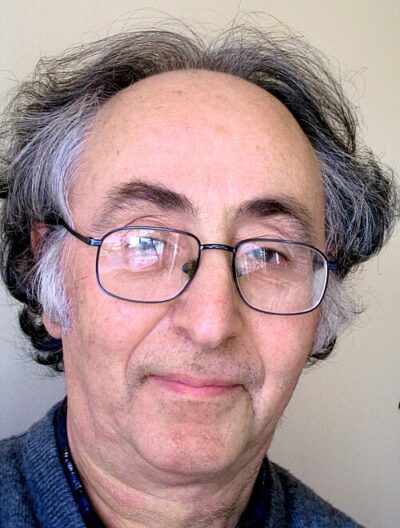 Brian David Josephson (1982)Welsh physicist
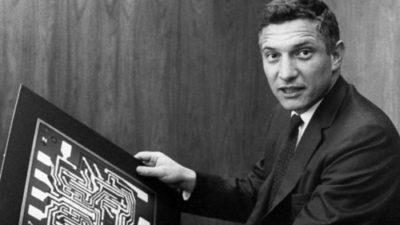 Robert Noyce (1979)American physicist, engineer and entrepreneur (1927–1990), co-founder of Fairchild Semiconductor and Intel
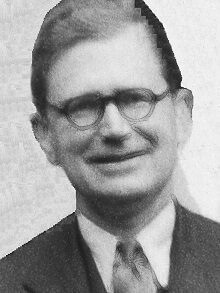 Nevill Francis Mott (1973)English physicist, Nobel prize winner
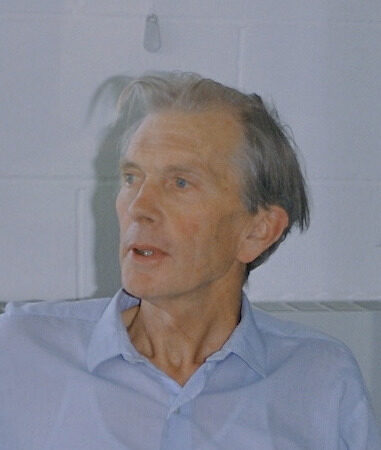 Martin Ryle (1971)English radio astronomer (1918–1984)
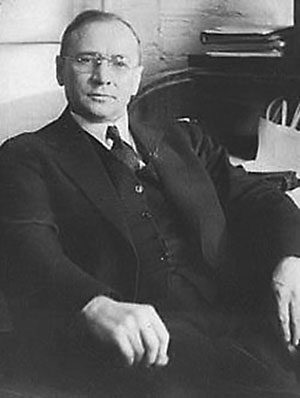 Vladimir K. Zworykin (1965)Russian-American engineer (1888–1982)
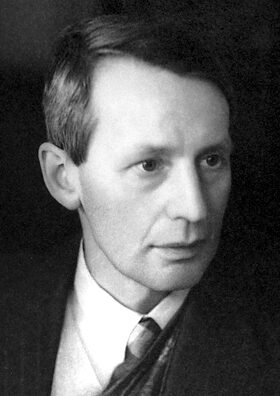 George Paget Thomson (1960)English physicist (1892–1975)
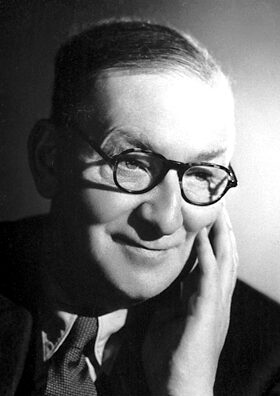 John Cockcroft (1955)British physicist (1897–1967)
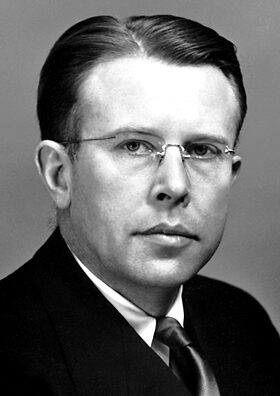 Ernest Lawrence (1952)American nuclear physicist (1901–1958)
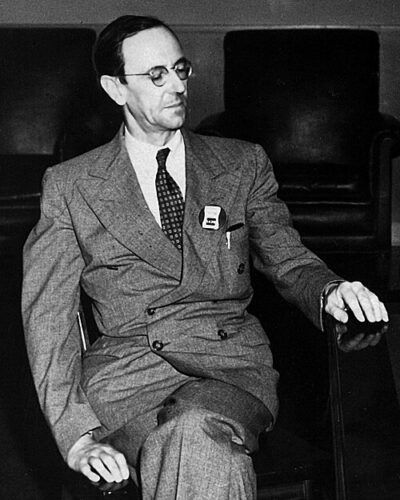 James Chadwick (1950)English physicist (1891-1974), who discovered the neutron in 1932
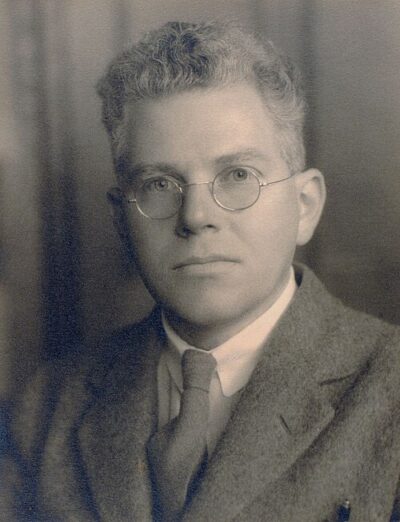 Mark Oliphant (1948)nuclear physicist, Governor of South Australia (1901–2000)
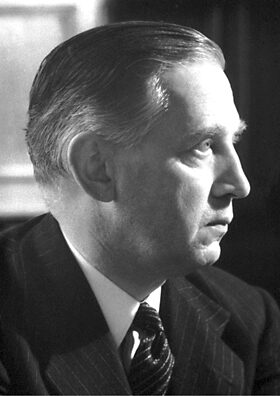 Edward Victor Appleton (1946)English physicist (1892–1965)
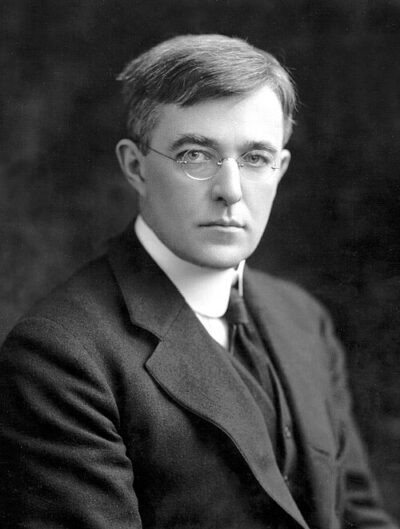 Irving Langmuir (1944)American chemist and physicist (1881–1957)
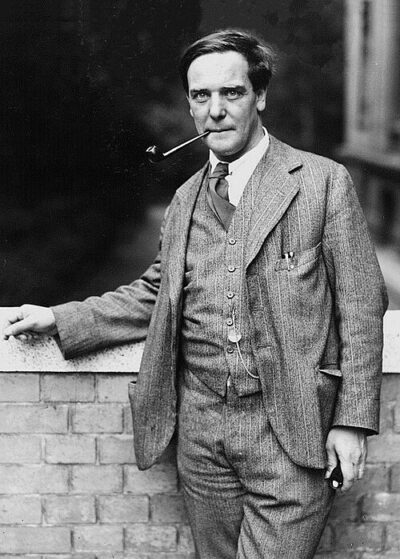 Pyotr Kapitsa (1942)Soviet physicist
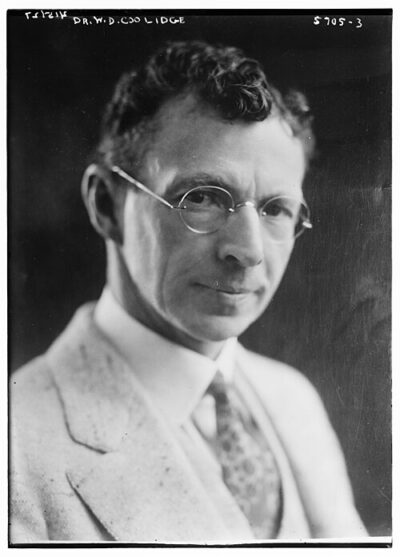 William David Coolidge (1939)American physicist (1873–1975)
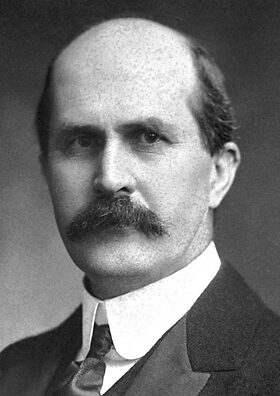 William Henry Bragg (1936)British scientist (1862–1942)
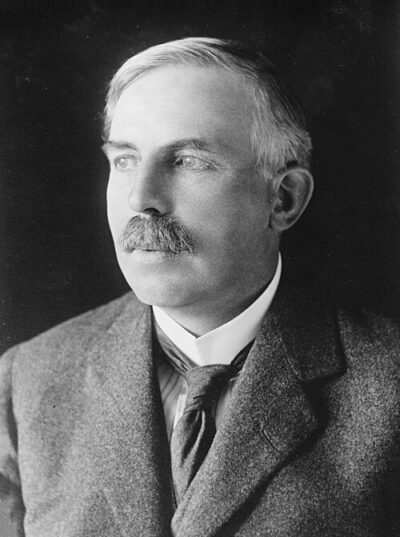 Ernest Rutherford (1930)New Zealand physicist (1871–1937)
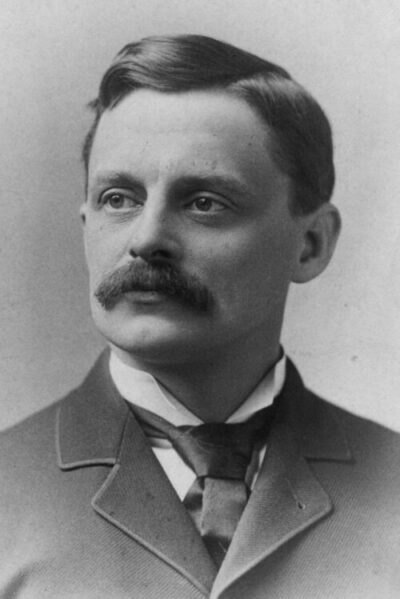 Elihu Thomson (1927)American inventor (1853–1937)
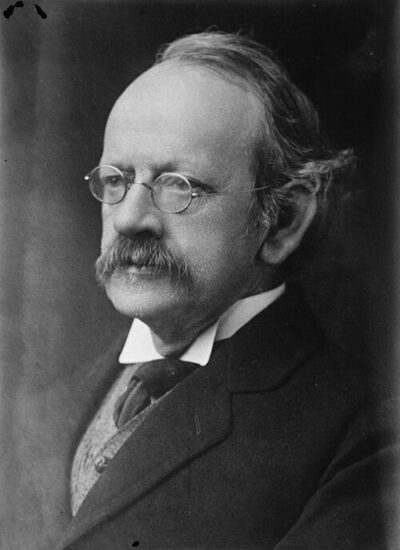 Joseph John Thomson (1925)British physicist (1856-1940)
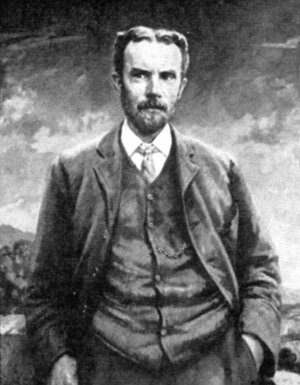 Oliver Heaviside (1922)electrical engineer, mathematician and physicist (1850–1925)
