
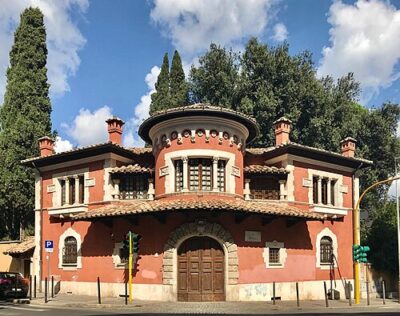
Accademia Nazionale delle Scienze detta dei XL
Accademia Nazionale delle Scienze detta dei XL is Italy's national academy of sciences. It was founded in 1782 by Antonio Maria Lorgna. Its headquarters are in Villa Torlonia.
- Founded
- 1782
- Founded by
- Antonio Maria Lorgna
- Headquarters
- Villa Torlonia
- Country
- Italy
All 11 facts, and where they come from
Facts
11 facts · 0 confirmed by two sources · 3 cited · 8 from one source
Where this comes from
Papalocal keeps its own record. It started from these sources; what each one said is kept here as it was copied, so a change on their side never changes this page by itself. Tap one to read its version.
What Wikidata says · copied November 16, 2026 · revision 2550786975
- Described as
- Italy's national academy of sciences
- Other names
- Accademia dei XL, Accademia delle Scienze detta dei XL, Accademia Nazionale delle Scienze, Accademia dei Quaranta, Accademia Nazionale dei XL, accademiaxl.it
- What it is
- academy of sciences; national academy; archives · 1 reference
- Founded
- 1782
- Founded by
- Antonio Maria Lorgna
- Headquarters
- Villa Torlonia
- Located in
- Rome · 1 reference
- Country
- Italy
- Chair
- Antonio Maria Lorgna (1782–1796) · 1 reference; Antonio Cagnoli (1796–1815)
- Official website
- http://www.accademiaxl.it/ · 1 reference
- Wikipedias with a page
- 11
Wikidata item Q3603946 (wikidata.org/wiki/Q3603946), public domain (CC0). Copied 2026-11-16.
What Wikipedia says · copied November 16, 2026 · revision 1350994283
The Accademia Nazionale delle Scienze (lit. 'National Academy of the Sciences'), or more formally L'Accademia Nazionale delle Scienze detta dei XL, and also called the Accademia dei XL (lit. 'Academy of the Forty'), is Italy's national academy of science. Its offices are located within the Villino Rosso, at the corner of via L. Spallanzani and via Siracusa, Villa Torlonia, Rome.
The academy promotes progress in mathematics, physics, and natural sciences; organizes meetings; publishes journals; establishes consultative committees for governmental agencies; and awards scientific prizes.
The academy contains 40 fellows and a variable number of "fellows in excess" who are age 70 and above, and who have been fellows for at least five years. It also contains 25 foreign members.
From the Wikipedia article “Accademia nazionale delle scienze” (en.wikipedia.org/wiki/Accademia_nazionale_delle_scienze), by its contributors, under CC BY-SA 4.0 (creativecommons.org/licenses/by-sa/4.0/). Copied 2026-11-16; not changed.
Confirmed Two sources agree. Cited One source, and it names where it got it. One source One source, without a reference of its own. Sources disagree The sources disagree. We show the best-supported value and keep theirs below.
Picture: Gustavo La Pizza, via Wikimedia Commons · CC BY 4.0
People connected 152
Members 152
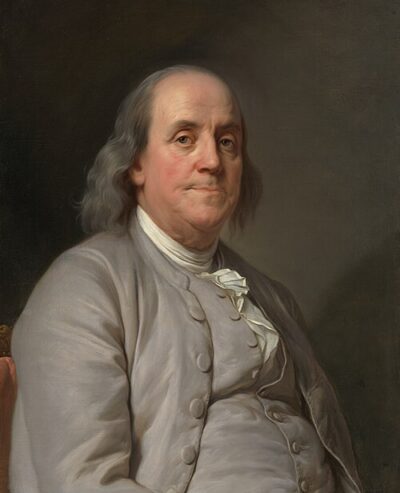 Benjamin Franklin (1786–)American polymath and statesman (1706–1790)
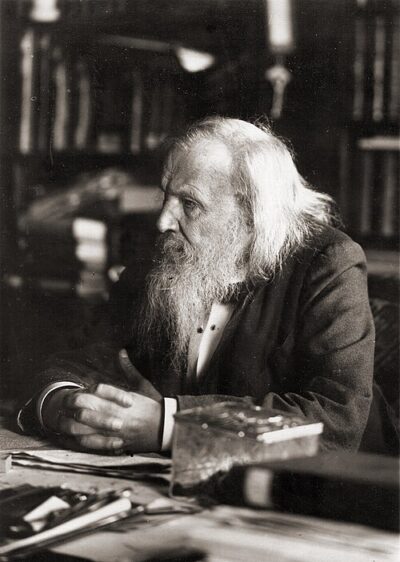 Dmitri MendeleevRussian chemist (1834–1907)
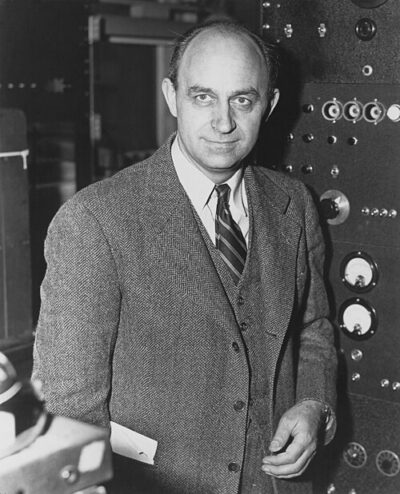 Enrico Fermi (1933–)Italian-American physicist (1901–1954)
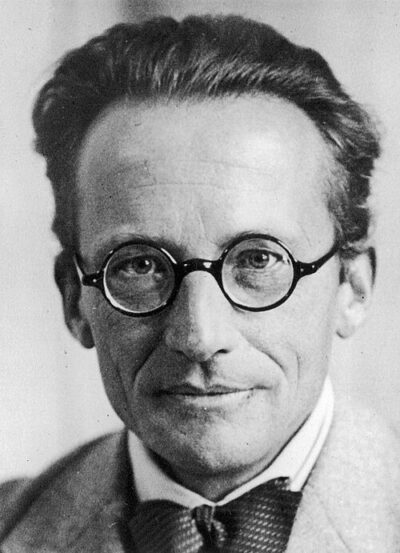 Erwin SchrödingerAustrian physicist (1887–1961)
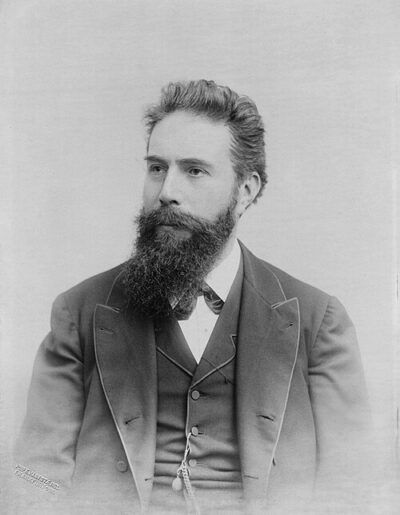 Wilhelm RöntgenGerman physicist (1845–1923)
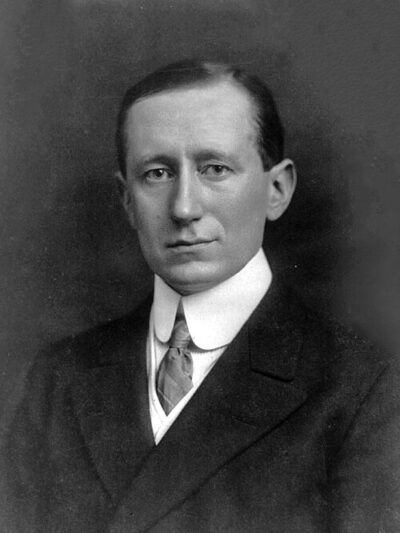 Guglielmo MarconiItalian inventor and radio pioneer (1874–1937)
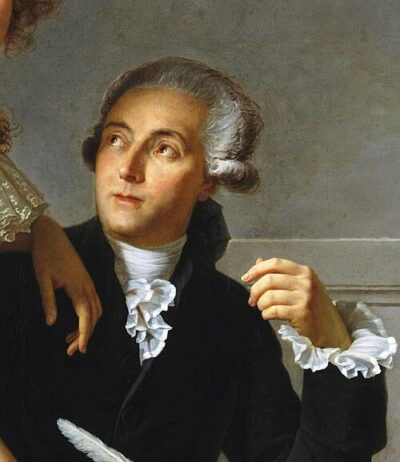 Antoine LavoisierFrench nobleman and chemist (1743–1794)
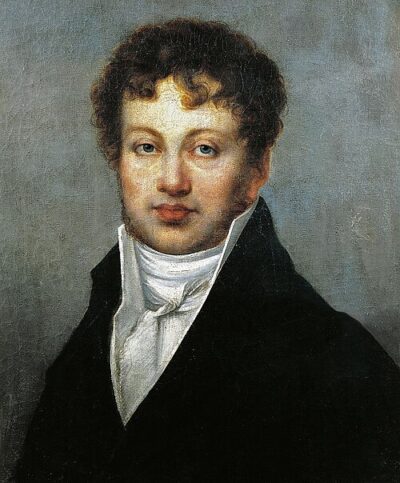 André-Marie AmpèreFrench physicist and mathematician (1775–1836)
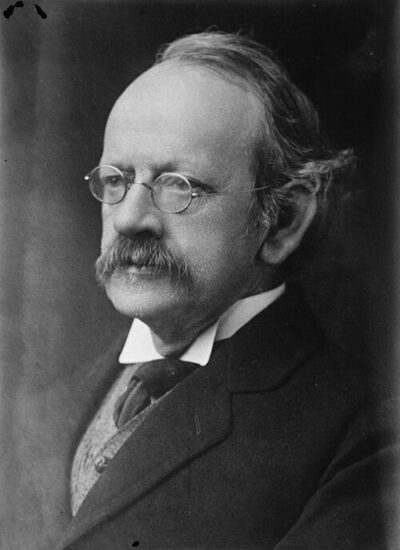 Joseph John ThomsonBritish physicist (1856-1940)
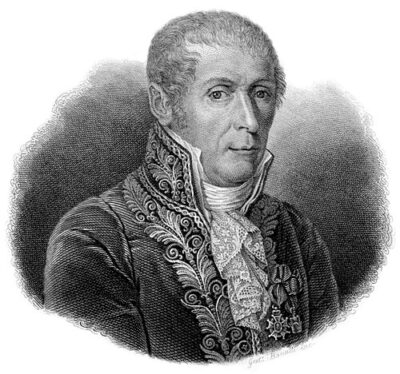 Alessandro VoltaItalian chemist and physicist (1745–1827)
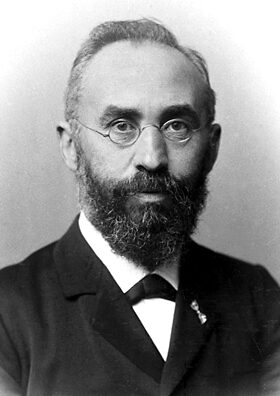 Hendrik LorentzDutch physicist (1853–1928)
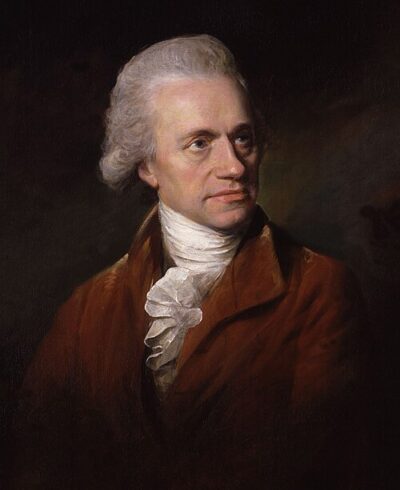 William HerschelGerman-born British astronomer and composer (1738–1822)
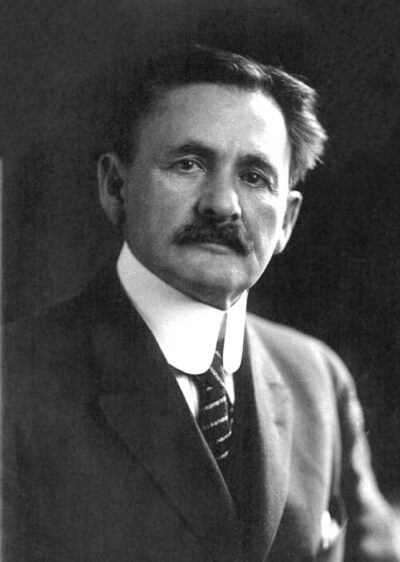 Albert Abraham MichelsonAmerican physicist (1852–1931)
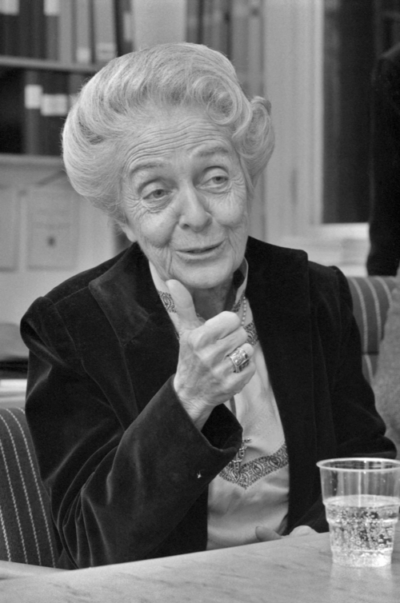 Rita Levi-Montalcini (1980–)Italian neurologist (1909–2012)
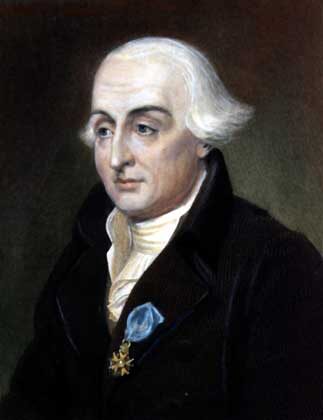 Joseph-Louis LagrangeMathematician and astronomer (1736–1813)
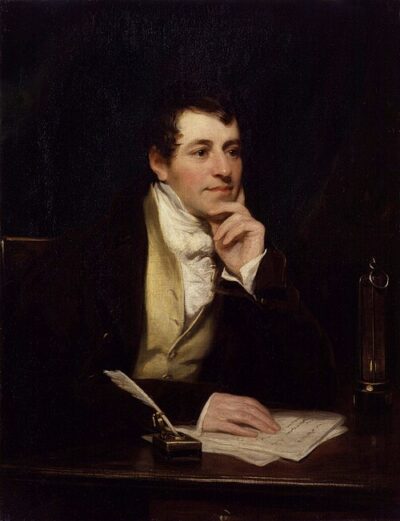 Humphry DavyBritish chemist
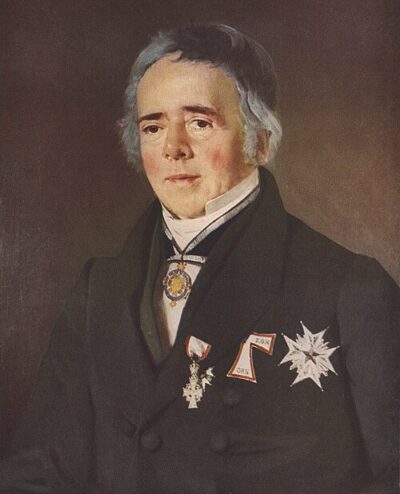 Hans Christian ØrstedDanish physicist and chemist (1777-1851)
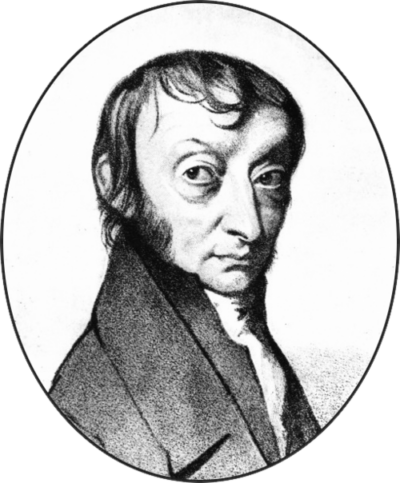 Amedeo AvogadroItalian scientist
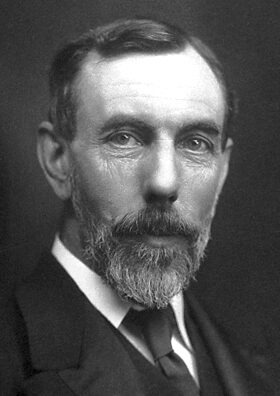 William RamsayScottish chemist (1852–1916)
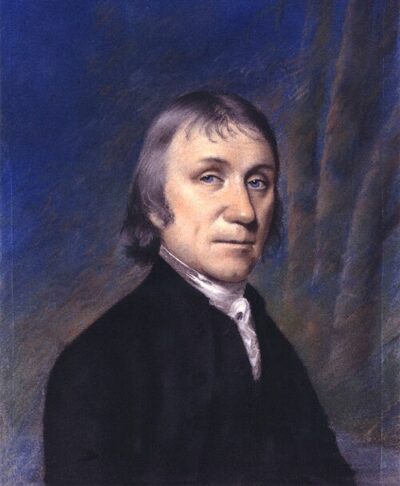 Joseph PriestleyEnglish chemist, theologian, educator, and political theorist (1733–1804)
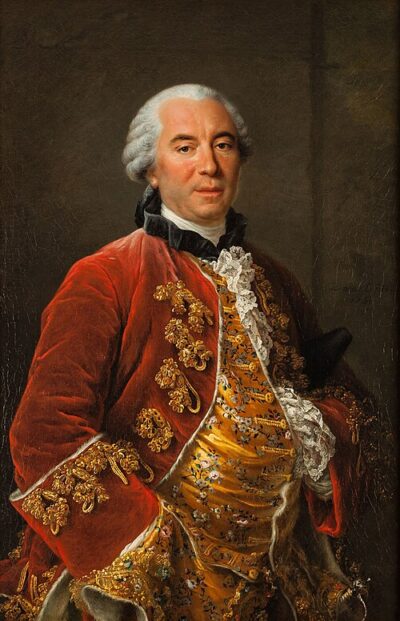 Georges-Louis Leclerc, Comte de Buffon (1786–)French natural historian (1707-1788)
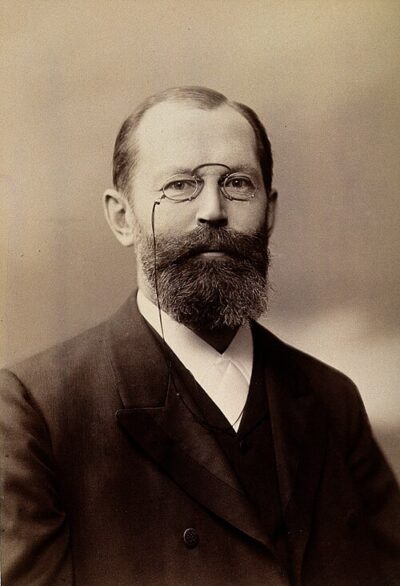 Emil FischerGerman chemist (1852–1919)
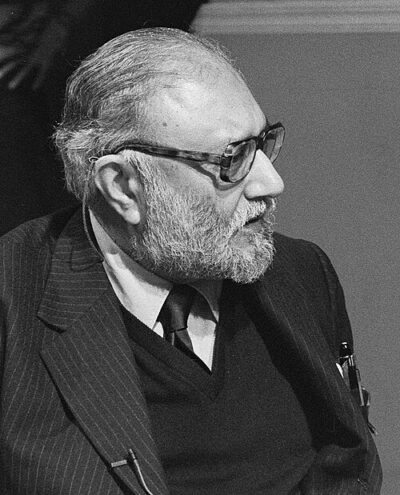 Abdus Salamtheoretical physicist, and Nobel Prize in Physics recipient
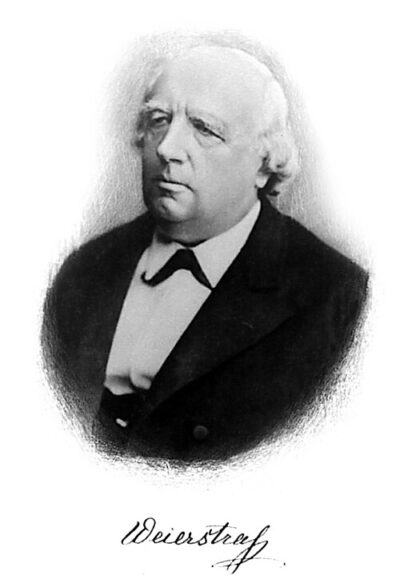 Karl WeierstraßGerman mathematician (1815–1897)
and 128 more
