

Hughes Medal
Hughes Medal is a Royal Society of London award. It was created in 1902.
- Given by
- Royal Society of London
- Country
- United Kingdom
- Created
- 1902
All 7 facts, and where they come from
Facts
7 facts · 0 confirmed by two sources · 0 cited · 7 from one source
Where this comes from
Papalocal keeps its own record. It started from these sources; what each one said is kept here as it was copied, so a change on their side never changes this page by itself. Tap one to read its version.
What Wikidata says · copied November 16, 2026 · revision 2528840545
- Described as
- Royal Society of London award
- What it is
- science award; medal
- Created
- 1902
- Country
- United Kingdom
- Given by
- Royal Society of London
- Named after
- David Edward Hughes
- Official website
- http://royalsociety.org/awards/hughes-medal/
- Wikipedias with a page
- 26
Wikidata item Q844872 (wikidata.org/wiki/Q844872), public domain (CC0). Copied 2026-11-16.
What Wikipedia says · copied November 16, 2026 · revision 1384351633
The Hughes Medal is awarded by the Royal Society "in recognition of an original discovery in the physical sciences, particularly electricity and magnetism or their applications." The medal is named after British–American scientist David E. Hughes. It was first awarded in 1902 to J. J. Thomson "for his numerous contributions to electric science, especially in reference to the phenomena of electric discharge in gases," and has since been awarded over one hundred times. Unlike other Royal Society medals, the Hughes Medal has never been awarded to the same individual more than once.
The award is given annually, and it consists of a silver-gilt medal and a cash prize of £2,000.
From the Wikipedia article “Hughes Medal” (en.wikipedia.org/wiki/Hughes_Medal), by its contributors, under CC BY-SA 4.0 (creativecommons.org/licenses/by-sa/4.0/). Copied 2026-11-16; not changed.
Confirmed Two sources agree. Cited One source, and it names where it got it. One source One source, without a reference of its own. Sources disagree The sources disagree. We show the best-supported value and keep theirs below.
Picture: Wikimedia Commons: HughesMedal.jpg · See Commons file page
People connected 39
Won it 39
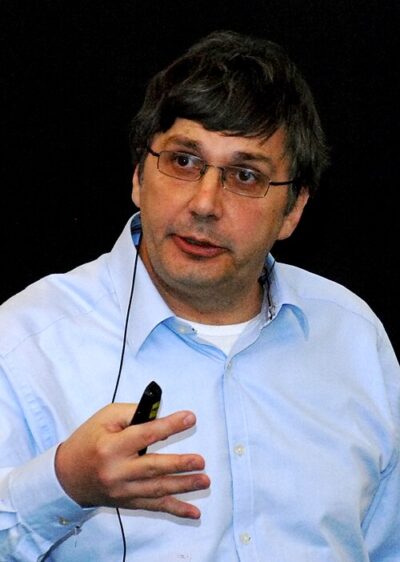 Andre Geim (2010)Russian-born Dutch-British physicist
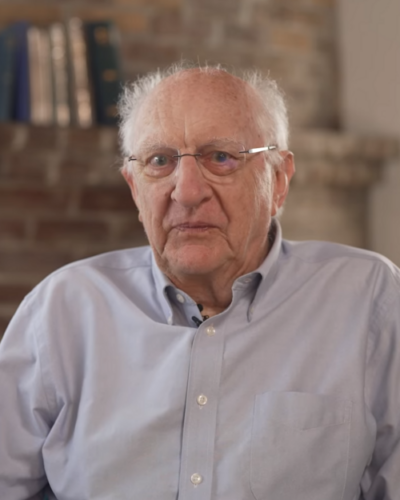 John Clarke (2004)British physicist (born 1942)
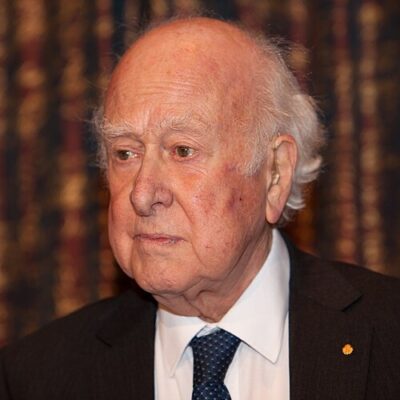 Peter Higgs (1981)British physicist and Nobel Prize winner (1929–2024)
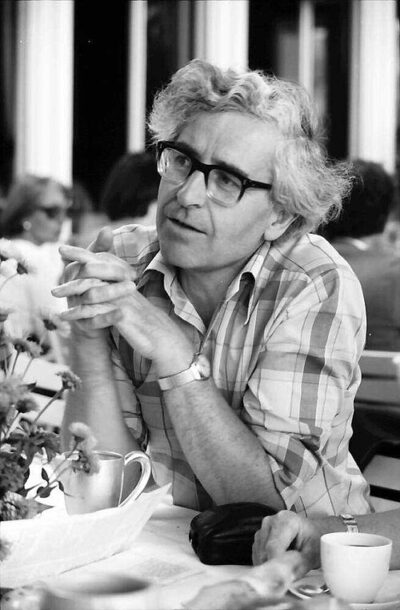 Antony Hewish (1977)English physicist and radio astronomer (1924–2021)
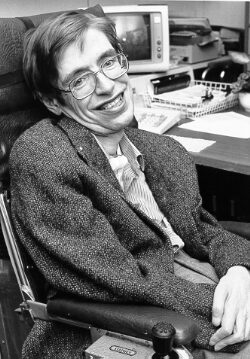 Stephen Hawking (1976)British theoretical physicist, cosmologist and author (1942–2018)
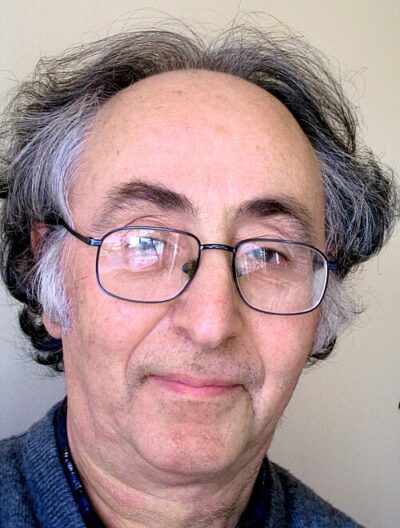 Brian David Josephson (1972)Welsh physicist
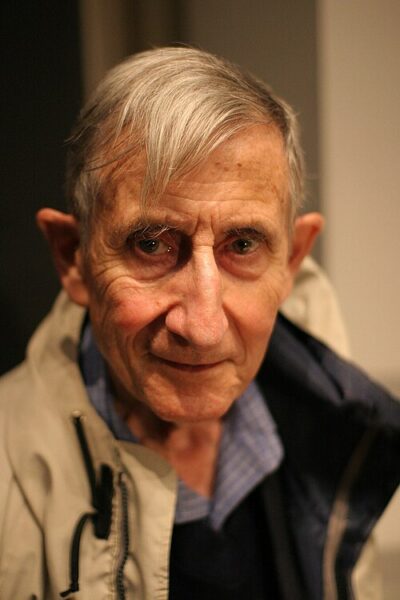 Freeman Dyson (1968)theoretical physicist and mathematician (1923–2020)
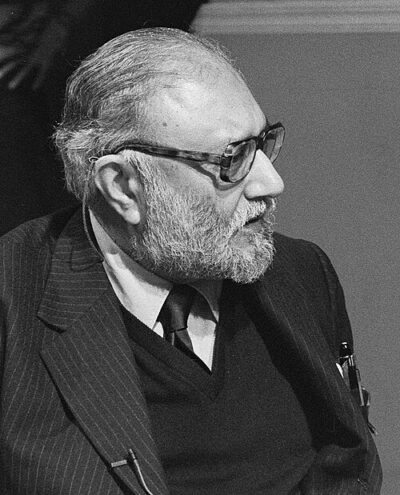 Abdus Salam (1964)theoretical physicist, and Nobel Prize in Physics recipient
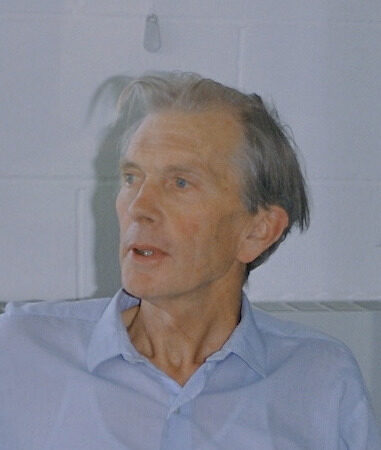 Martin Ryle (1954)English radio astronomer (1918–1984)
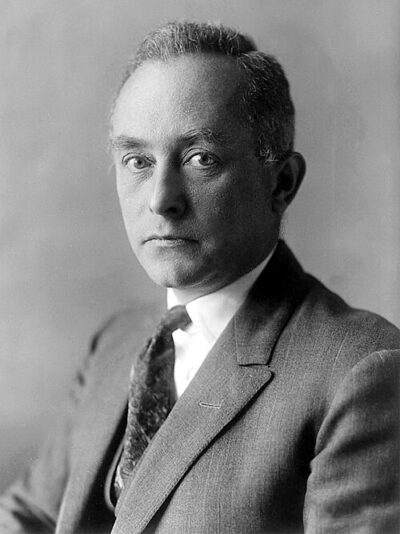 Max Born (1950)German-Jewish physicist and mathematician (1882–1970)
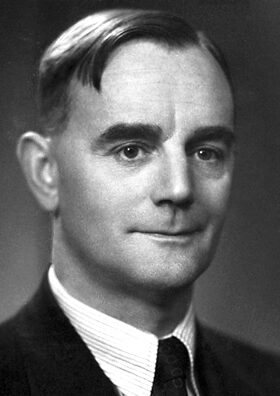 Cecil Frank Powell (1949)British physicist
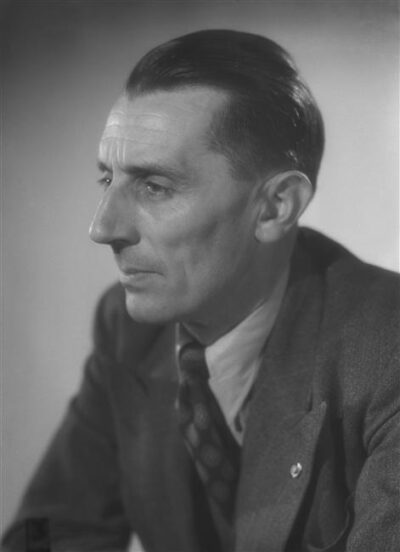 Frédéric Joliot-Curie (1947)French scientist (1900-1958)
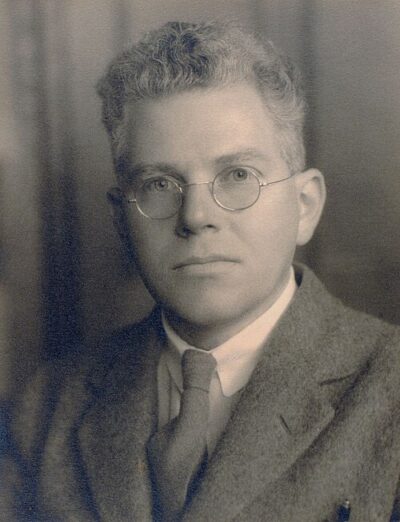 Mark Oliphant (1943)nuclear physicist, Governor of South Australia (1901–2000)
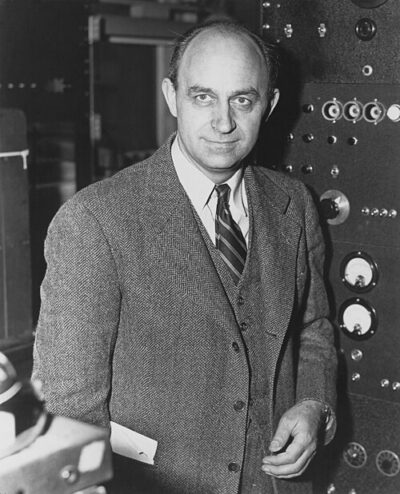 Enrico Fermi (1942)Italian-American physicist (1901–1954)
 Nevill Francis Mott (1941)English physicist, Nobel prize winner
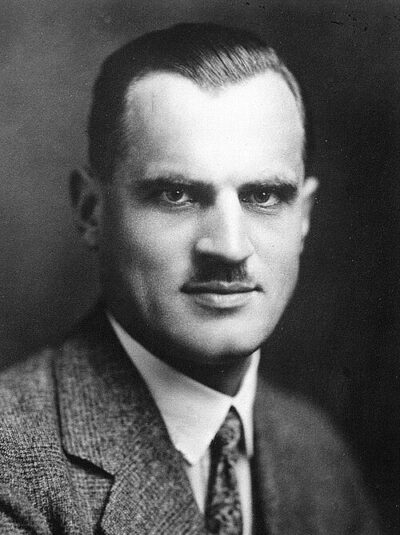 Arthur Holly Compton (1940)American physicist (1892–1962)
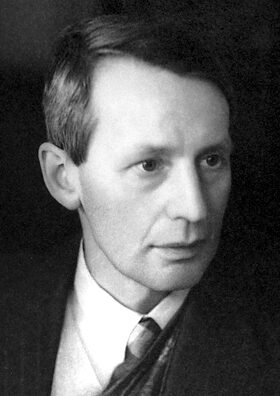 George Paget Thomson (1939)English physicist (1892–1975)
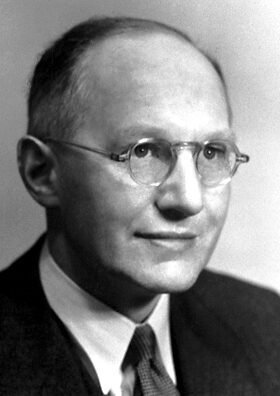 Ernest Walton (1938)Irish physicist and Nobel laureate (1903-1995)
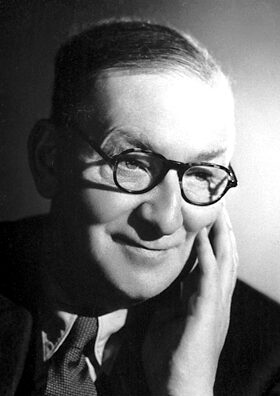 John Cockcroft (1938)British physicist (1897–1967)
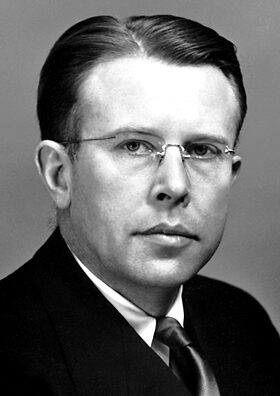 Ernest Lawrence (1937)American nuclear physicist (1901–1958)
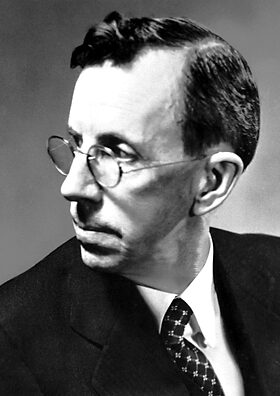 Clinton Davisson (1935)American physicist (1881-1958)
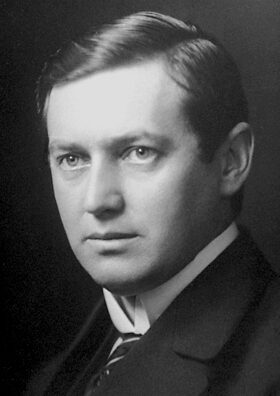 Manne Siegbahn (1934)Swedish physicist (1886-1978)
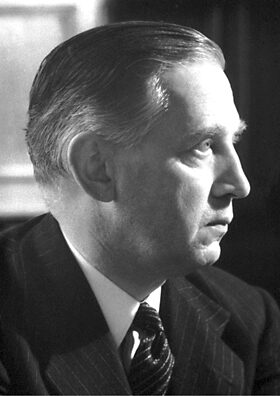 Edward Victor Appleton (1933)English physicist (1892–1965)
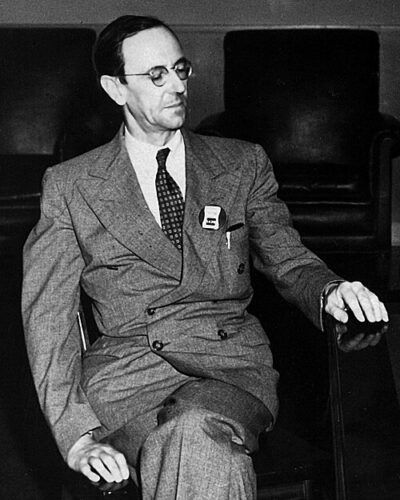 James Chadwick (1932)English physicist (1891-1974), who discovered the neutron in 1932
and 15 more
