
Max Planck Medal
Max Planck Medal is a science award of the Deutsche Physikalische Gesellschaft. It was created in 1929. It won the medal.
- Given by
- Deutsche Physikalische Gesellschaft
- Country
- Germany
- Created
- 1929
All 7 facts, and where they come from
Facts
7 facts · 0 confirmed by two sources · 0 cited · 7 from one source
Where this comes from
Papalocal keeps its own record. It started from these sources; what each one said is kept here as it was copied, so a change on their side never changes this page by itself. Tap one to read its version.
What Wikidata says · copied November 16, 2026 · revision 2489147402
- Described as
- science award of the Deutsche Physikalische Gesellschaft
- What it is
- medal
- Created
- 1929
- Country
- Germany
- Given by
- Deutsche Physikalische Gesellschaft
- Awards
- medal
- Named after
- Max Planck
- Official website
- https://www.dpg-physik.de/auszeichnungen/dpg-preise/max-planck-medaille
- Wikipedias with a page
- 35
Wikidata item Q317038 (wikidata.org/wiki/Q317038), public domain (CC0). Copied 2026-11-16.
What Wikipedia says · copied November 16, 2026 · revision 1345572917
The Max Planck Medal is the highest award of the German Physical Society (Deutsche Physikalische Gesellschaft), the world's largest organization of physicists, for extraordinary achievements in theoretical physics. The prize has been awarded annually since 1929, with few exceptions, and usually to a single person. The winner is awarded with a gold medal and hand-written parchment.
In 1943 it was not possible to manufacture the gold medal because the Berlin foundry was hit by a bomb. The board of directors of the German Physical Society decided to manufacture the medals in a substitute metal and to deliver the gold medals later.
The highest award of the German Physical Society for outstanding results in experimental physics is the Stern–Gerlach Medal.
From the Wikipedia article “Max Planck Medal” (en.wikipedia.org/wiki/Max_Planck_Medal), by its contributors, under CC BY-SA 4.0 (creativecommons.org/licenses/by-sa/4.0/). Copied 2026-11-16; not changed.
Confirmed Two sources agree. Cited One source, and it names where it got it. One source One source, without a reference of its own. Sources disagree The sources disagree. We show the best-supported value and keep theirs below.
People connected 29
Won it 29
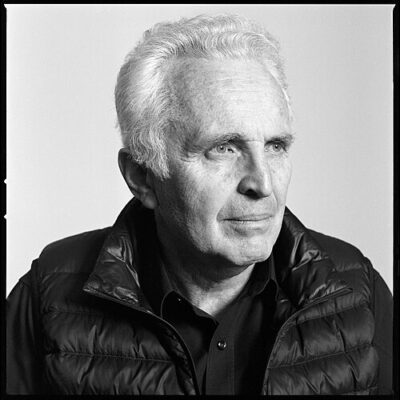 Aleksandr Polyakov (2021)Russian physicist
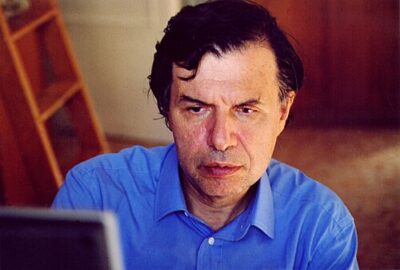 Giorgio Parisi (2011)Italian physicist (1948-)
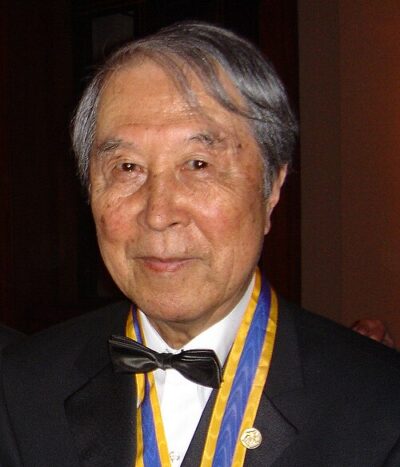 Yoichiro Nambu (1985)American theoretical physicist (1921-2015)
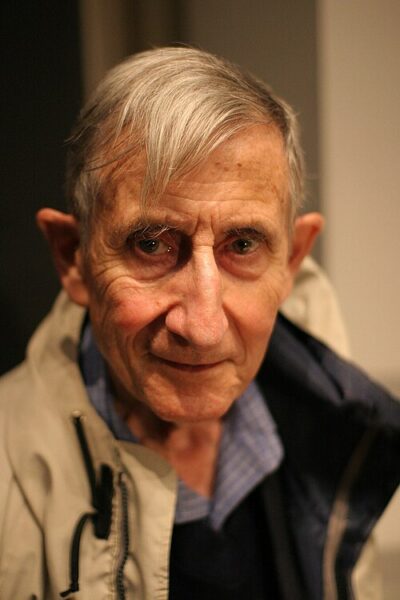 Freeman Dyson (1969)theoretical physicist and mathematician (1923–2020)
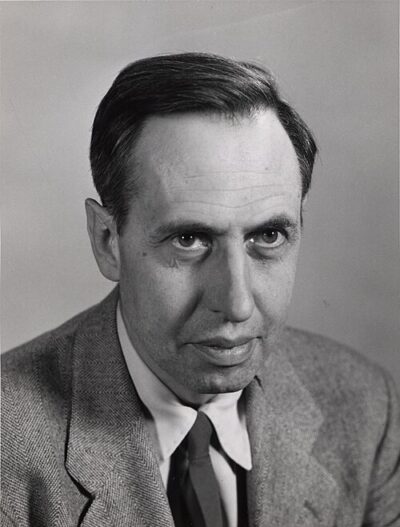 George Uhlenbeck (1965)Dutch physicist (1900–1988)
 Samuel Goudsmit (1964)Dutch-American physicist (1902–1978)
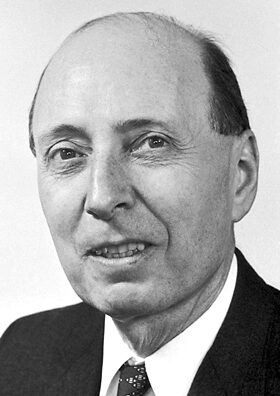 Eugene Paul Wigner (1961)Hungarian-American physicist and mathematician (1902–1995)
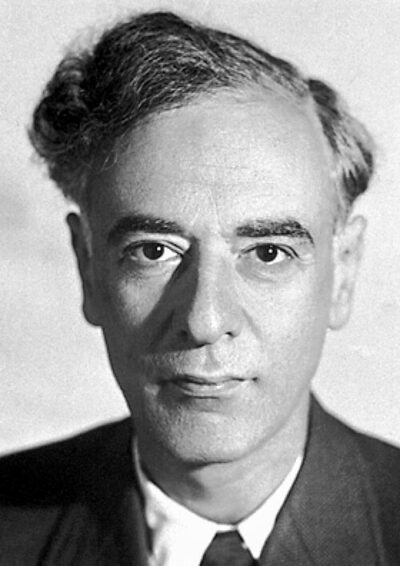 Lev Landau (1960)Soviet theoretical physicist (1908–1968)
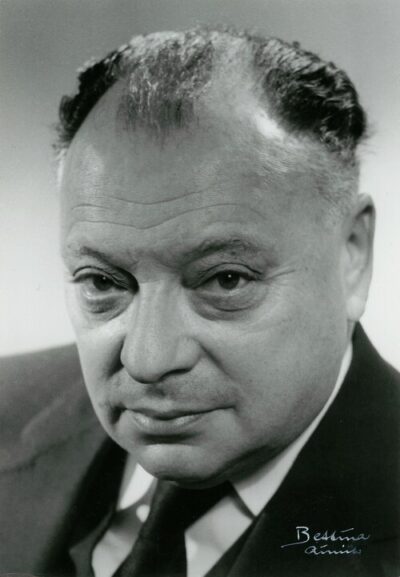 Wolfgang Pauli (1958)physicist, Nobel prize winner (1900–1958)
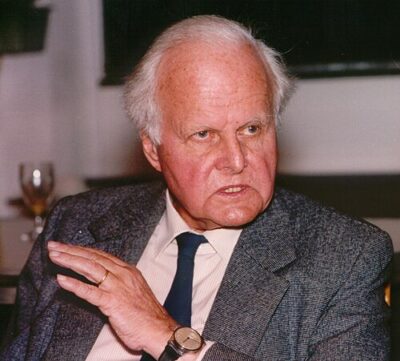 Carl Friedrich von Weizsäcker (1957)German physicist (1912–2007)
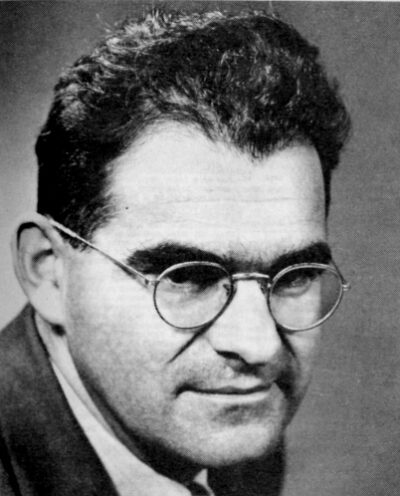 Victor Weisskopf (1956)Austrian American theoretical physicist (1908–2002)
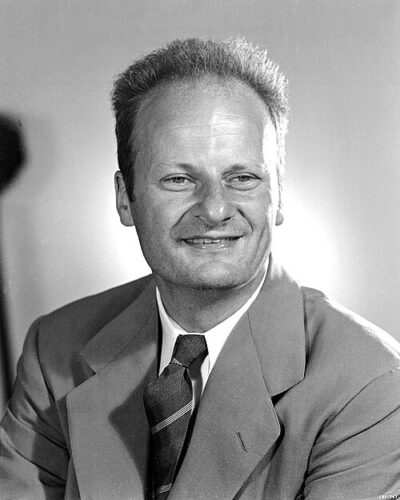 Hans Bethe (1955)German-American nuclear physicist
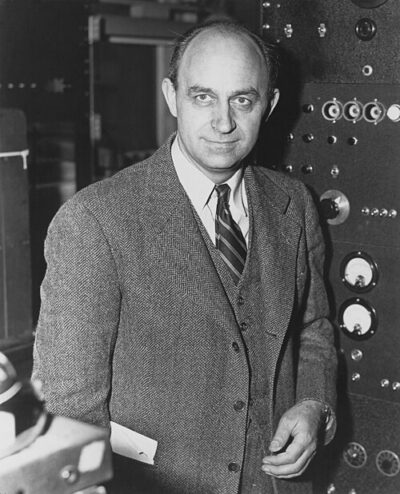 Enrico Fermi (1954)Italian-American physicist (1901–1954)
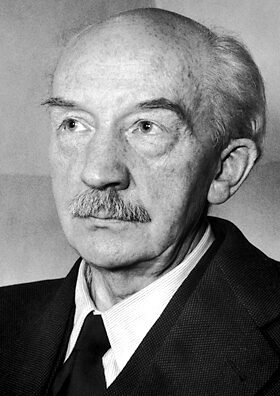 Walther Bothe (1953)German physicist, mathematician and chemist (1891–1957)
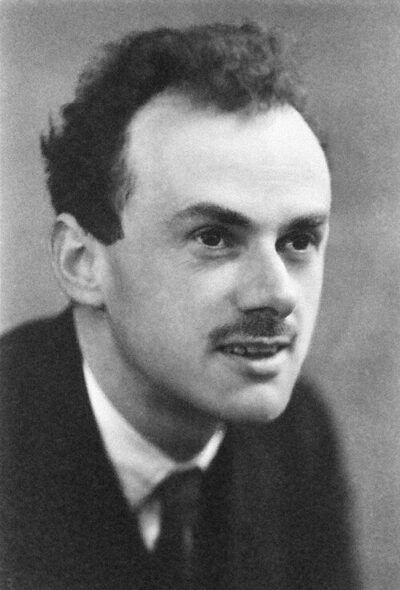 Paul Dirac (1952)British theoretical physicist (1902–1984)
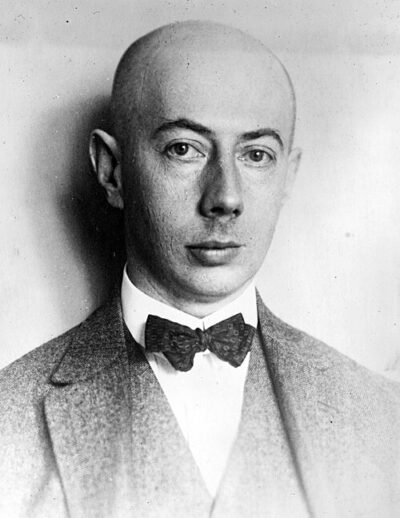 Gustav Ludwig Hertz (1951)German physicist (1887–1975)
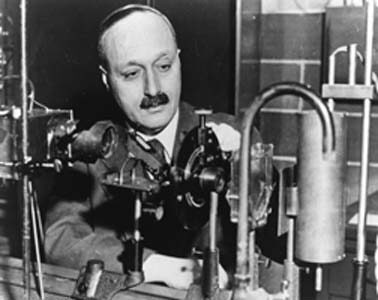 James Franck (1951)German-American physicist (1882–1964)
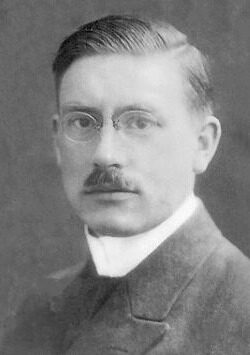 Peter Debye (1950)Dutch-American physicist and physical chemist (1884–1966)
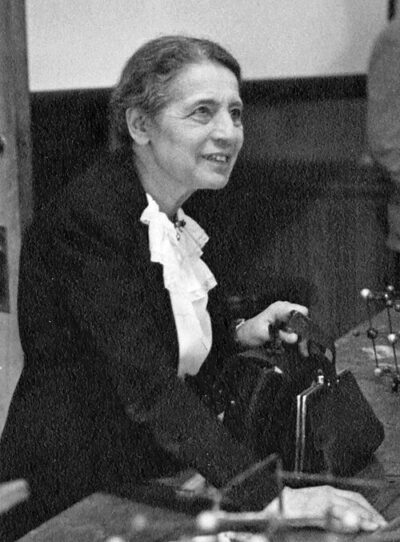 Lise Meitner (1949)Austrian-Swedish physicist
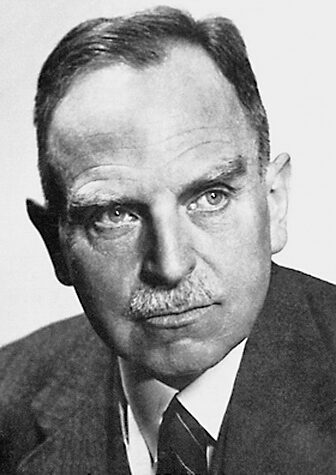 Otto Hahn (1949)German chemist and physicist (1879–1968)
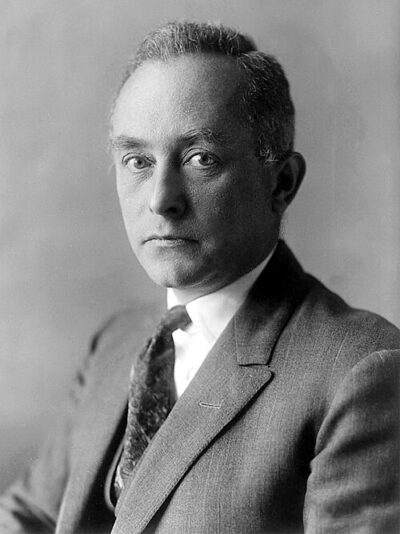 Max Born (1948)German-Jewish physicist and mathematician (1882–1970)
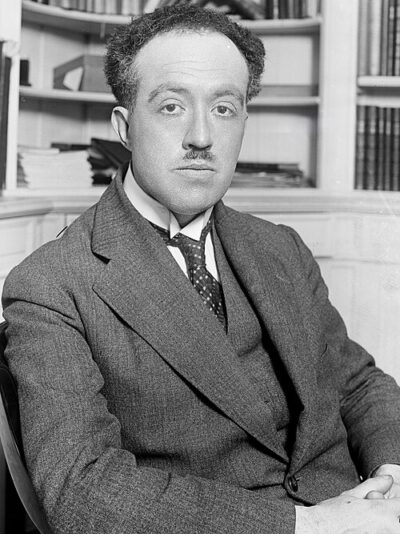 Louis de Broglie (1938)Nobel laureate credited to pioneer the discovery of wave character of matter (1892–1987)
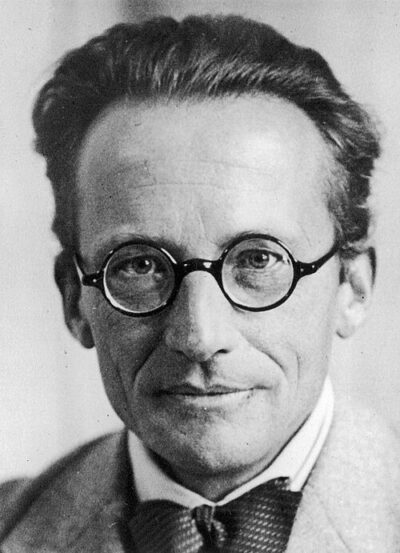 Erwin Schrödinger (1937)Austrian physicist (1887–1961)
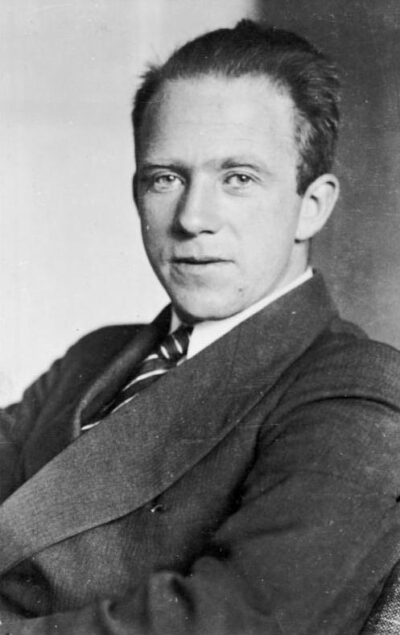 Werner Heisenberg (1933)German theoretical physicist and nobel prize winner (1901–1976)
and 5 more
