

Pour le Mérite
Pour le Mérite is a Kingdom of Prussia's highest order of merit. It was created in 1740.
- Country
- Prussia
- Created
- 1740
All 6 facts, and where they come from
Facts
6 facts · 0 confirmed by two sources · 0 cited · 6 from one source
Where this comes from
Papalocal keeps its own record. It started from these sources; what each one said is kept here as it was copied, so a change on their side never changes this page by itself. Tap one to read its version.
What Wikidata says · copied November 16, 2026 · revision 2542521628
- Described as
- Kingdom of Prussia's highest order of merit
- Other names
- Blue Max, Pour le Merite
- What it is
- courage award; order of merit; order of chivalry
- Created
- 1740
- Ended
- 1933
- Country
- Prussia
- Wikipedias with a page
- 41
Wikidata item Q156478 (wikidata.org/wiki/Q156478), public domain (CC0). Copied 2026-11-16.
What Wikipedia says · copied November 16, 2026 · revision 1378266329
The Pour le Mérite (German: [puːɐ̯ lə meˈʁiːt]; French: [puʁ lə me.ʁit], lit. 'For Merit'), also informally known as the Blue Max (German: Blauer Max) after German WWI flying ace Max Immelmann, is an order of merit established in 1740 by King Frederick II of Prussia. Alongside the extinct Order of the Black Eagle, Order of the Red Eagle, and the House Order of Hohenzollern, the award was one of the Kingdom of Prussia's most significant, with the Pour le Mérite itself being the highest order of bravery for officers of all ranks, and the highest recognition of civilian accomplishment awarded by the Prussian Crown.
Separated into two classes, each with their own designs, the Pour le Mérite was awarded as both a military and civil honour. While the military class has been extinct since the abolition of the German Monarchy, the civil honour continues to be awarded by the German state at the oversight of the Minister of State for Culture and discretion of the Federal President. The Pour le Mérite was awarded as a recognition of extraordinary personal achievement, rather than as a general marker of social status or a courtesy-honour, although certain restrictions of social class and military rank were applied. The order was secular, and membership endured for the remaining lifetime of the recipient, unless renounced or revoked.
New awards of the military class ceased with the end of the Prussian monarchy in November 1918. German author Ernst Jünger, who died in 1998, was the last living recipient of the military class award.
A civil class for merits in sciences, humanities, and arts was established in 1842 by King Frederick William IV. The civil class was revived as an independent organization in 1923 (Pour le Mérite für Wissenschaften und Künste). Instead of the King of Prussia, the President of Germany acted as head of the order. After the Second World War, the civil class was re-established in 1952. It is this manifestation of the Pour le Mérite that remains active. The Pour le Mérite is an order into which a person is admitted, like the United Kingdom's Order of the British Empire, and is not simply a medal or state decoration.
From the Wikipedia article “Pour le Mérite” (en.wikipedia.org/wiki/Pour_le_Mérite), by its contributors, under CC BY-SA 4.0 (creativecommons.org/licenses/by-sa/4.0/). Copied 2026-11-16; not changed.
Confirmed Two sources agree. Cited One source, and it names where it got it. One source One source, without a reference of its own. Sources disagree The sources disagree. We show the best-supported value and keep theirs below.
Picture: Wikimedia Commons: Kruis van de Orde Pour le Mérite 1914.gif · See Commons file page
People connected 59
Won it 59
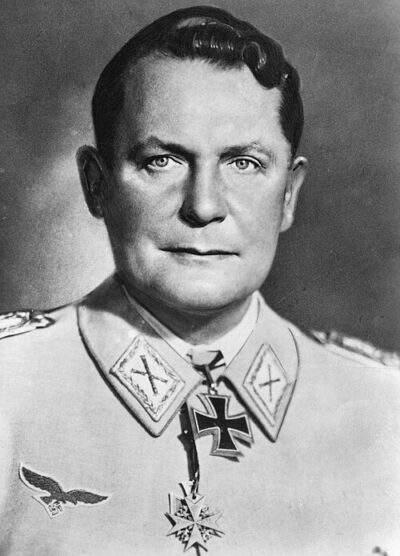 Hermann Göring (1918)German Nazi politician, military leader, and convicted war criminal (1893–1946)
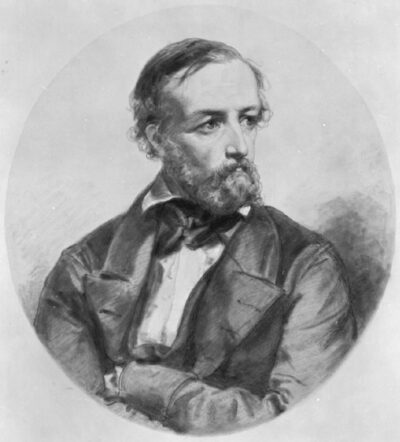 Johann Peter Gustav Lejeune Dirichlet (1855)German mathematician (1805–1859)
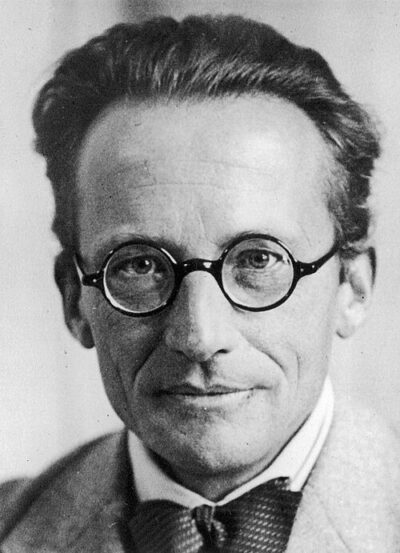 Erwin SchrödingerAustrian physicist (1887–1961)
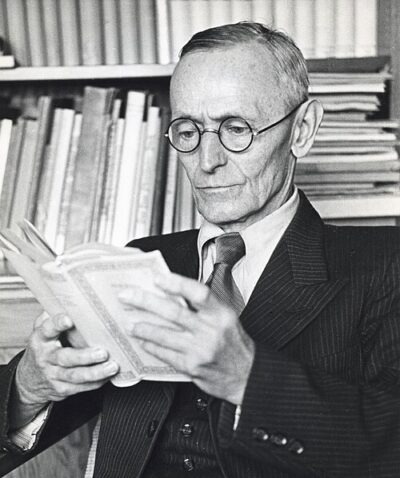 Hermann HesseNobel Prize winning German-Swiss poet, novelist and painter (1877–1962)
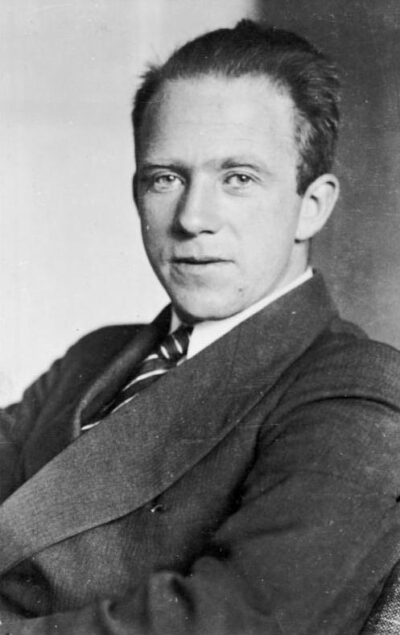 Werner HeisenbergGerman theoretical physicist and nobel prize winner (1901–1976)
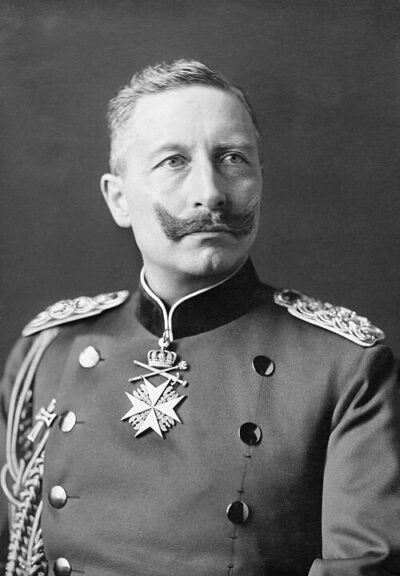 Wilhelm IIas King of Prussia last German Emperor from 1888 to 1918 (1859–1941)
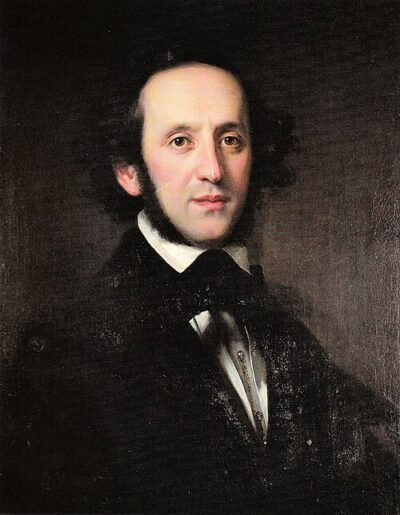 Felix MendelssohnGerman composer, pianist, organist and conductor of Jewish descent (1809-1847)
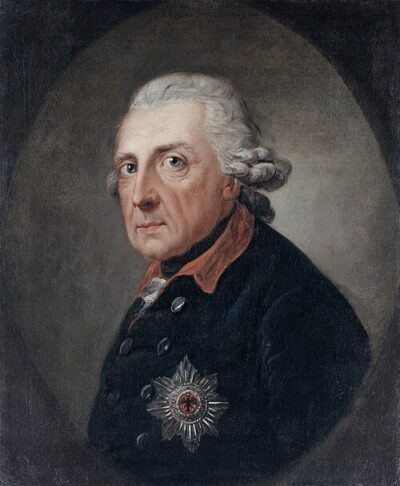 Frederick II of PrussiaKing of Prussia from 1740 to 1786 (1712-1786)
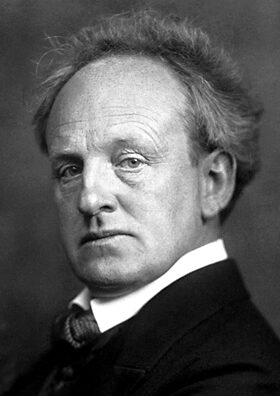 Gerhart HauptmannGerman dramatist who received the Nobel Prize in Literature in 1912 (1862-1946)
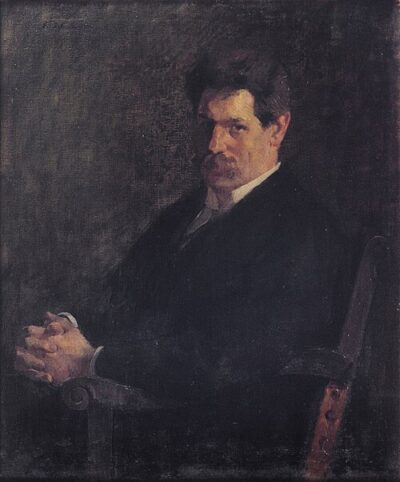 Albert SchweitzerFrench-German physician, theologian, musician, and philosopher (1875-1965)
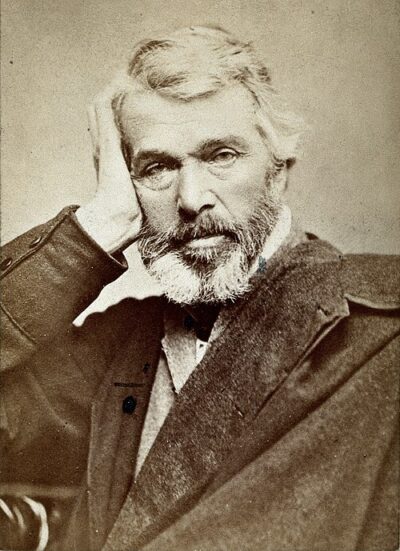 Thomas CarlyleScottish essayist, historian and philosopher (1795–1881)
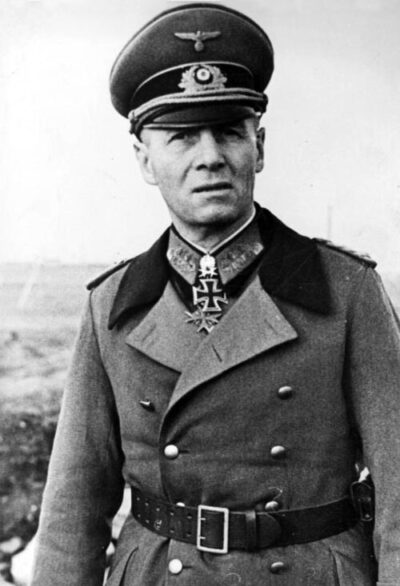 Erwin RommelGerman field marshal (1891–1944)
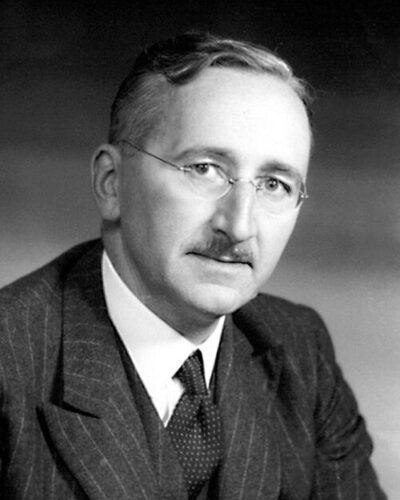 Friedrich HayekAustrian and British economist (1899–1992)
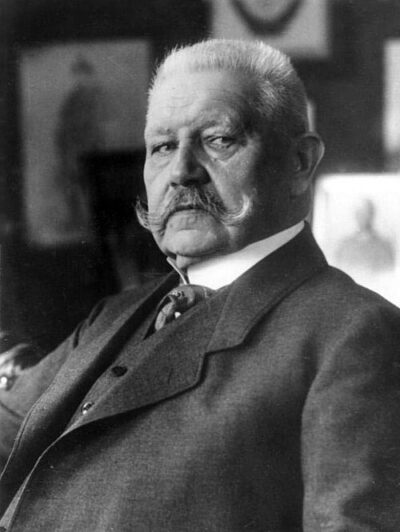 Paul von HindenburgPrussian-German field marshal of the German Empire, statesman and president of Weimar Germany and Nazi Germany (1847–1934)
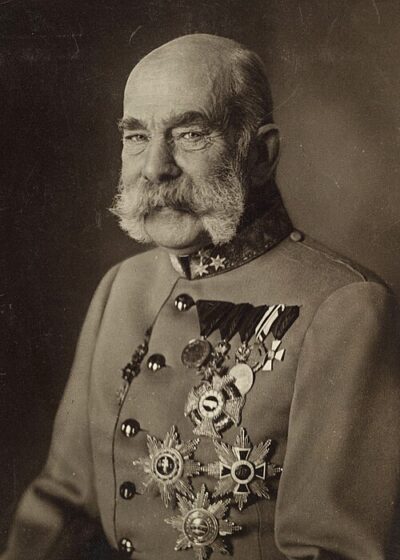 Franz Joseph I of AustriaEmperor of Austria and King of Hungary (1830–1916)
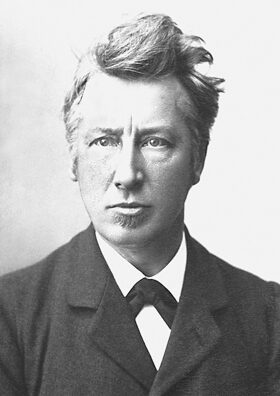 Jacobus Henricus van 't HoffDutch physical and organic chemist (1852-1911)
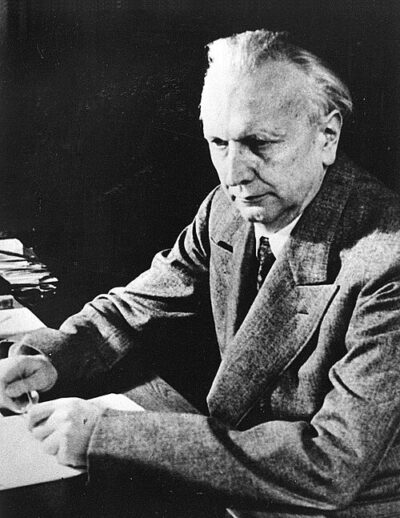 Karl JaspersGerman-Swiss psychiatrist and philosopher (1883–1969)
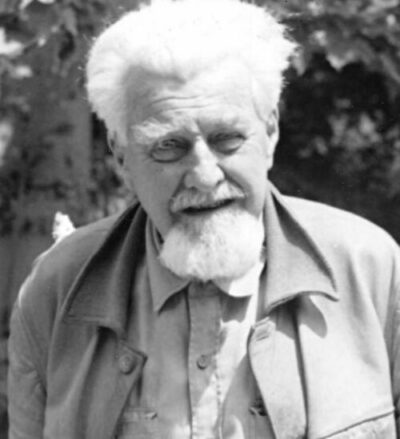 Konrad LorenzAustrian zoologist, winner of the Nobel Prize in Physiology or Medicine in 1973 (1903–1989)
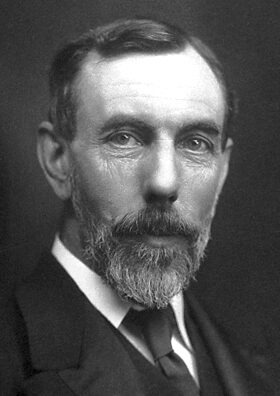 William RamsayScottish chemist (1852–1916)
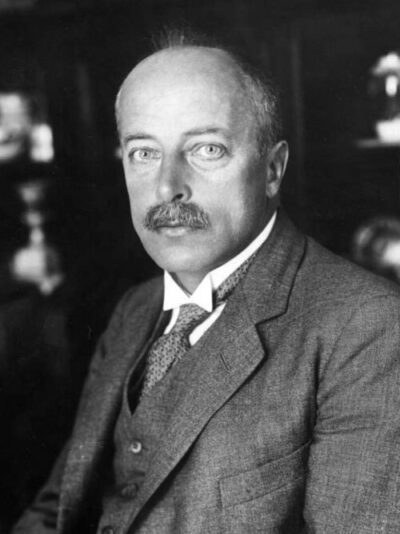 Max von LaueGerman physicist, Nobel laureate and anti-Nazi (1879–1960)
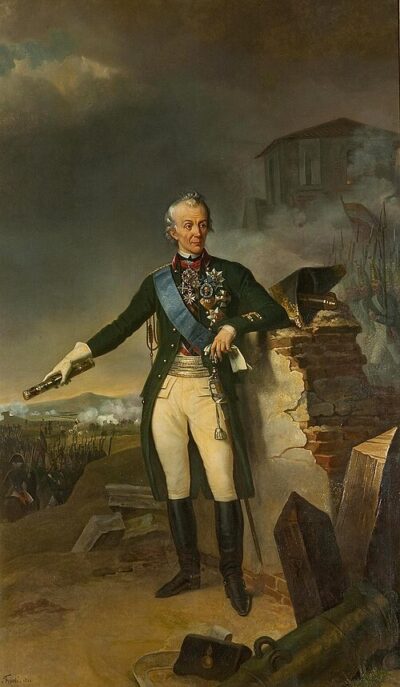 Alexander SuvorovRussian marshal (1730–1800)
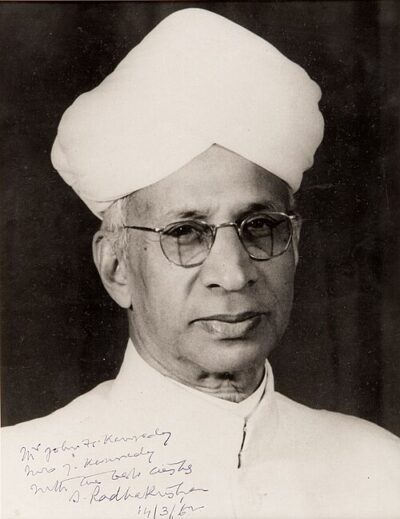 Sarvepalli Radhakrishnan2nd President and 1st Vice President of India, Indian philosopher and politician (1888–1975)
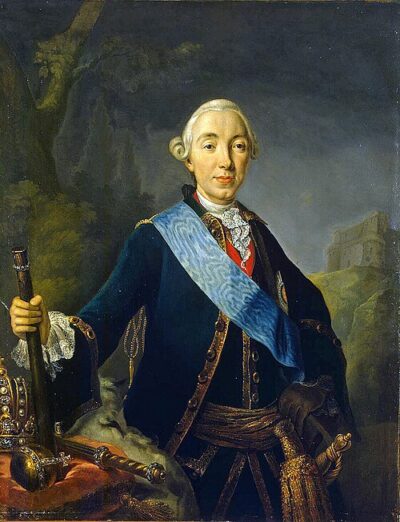 Peter III of RussiaThe seventh Emperor of Russia, 1762 (lived 1728-1762)
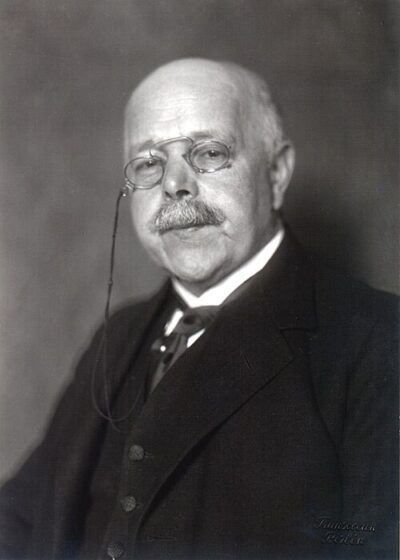 Walther Hermann NernstGerman physical chemist and physicist (1864–1941)
and 35 more
