
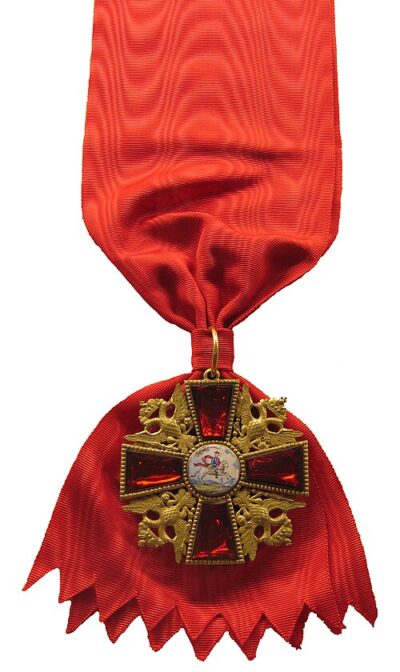
Order of Saint Alexander Nevsky
Order of Saint Alexander Nevsky is a single-grade order of chivalry of the Russian Empire (1725–1917).
- Country
- Russian Empire
- Created
- May 21, 1725
All 4 facts, and where they come from
Facts
4 facts · 0 confirmed by two sources · 0 cited · 4 from one source
Where this comes from
Papalocal keeps its own record. It started from these sources; what each one said is kept here as it was copied, so a change on their side never changes this page by itself. Tap one to read its version.
What Wikidata says · copied November 16, 2026 · revision 2510753590
- Described as
- single-grade order of chivalry of the Russian Empire (1725–1917)
- Other names
- Order of St. Alexander Nevsky, Imperial Order of Saint Alexander Nevsky, Imperial Order of St. Alexander Nevsky
- What it is
- order
- Created
- May 21, 1725
- Country
- Russian Empire
- Named after
- Alexander Nevsky
- Wikipedias with a page
- 20
Wikidata item Q10514065 (wikidata.org/wiki/Q10514065), public domain (CC0). Copied 2026-11-16.
What Wikipedia says · copied November 16, 2026 · revision 1384598502
The Imperial Order of Saint Alexander Nevsky was an order of chivalry of the Russian Empire first awarded on 1 June [O.S. 21 May] 1725 by Empress Catherine I of Russia.
From the Wikipedia article “Order of Saint Alexander Nevsky” (en.wikipedia.org/wiki/Order_of_Saint_Alexander_Nevsky), by its contributors, under CC BY-SA 4.0 (creativecommons.org/licenses/by-sa/4.0/). Copied 2026-11-16; not changed.
Confirmed Two sources agree. Cited One source, and it names where it got it. One source One source, without a reference of its own. Sources disagree The sources disagree. We show the best-supported value and keep theirs below.
Picture: Ordinarie, via Wikimedia Commons · CC BY-SA 3.0
People connected 151
Won it 151
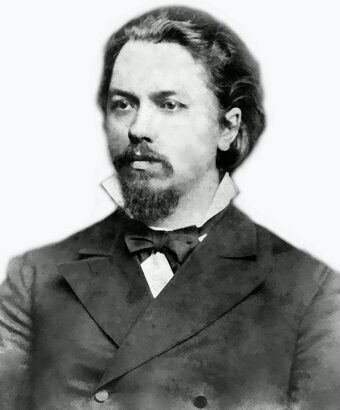 Alexander Karpinsky (1916)Russian geologist and president of the Russian Academy of Sciences (1847-1936)
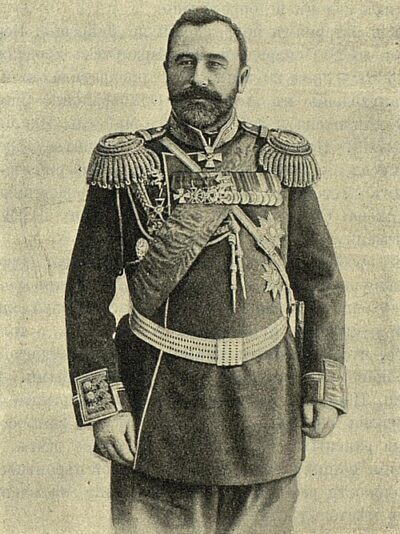 Alexei Kuropatkin (1896)Imperial Russian general (1848-1925)
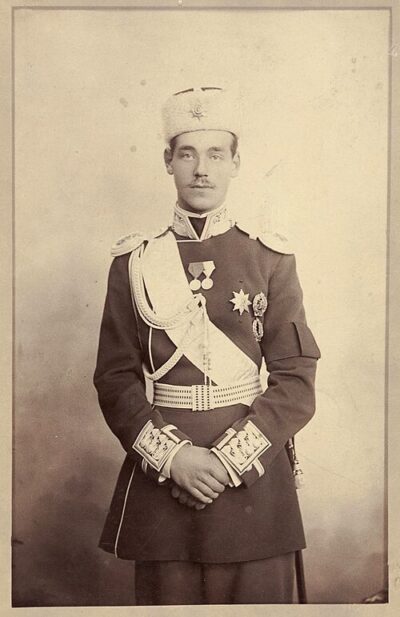 Grand Duke Michael Alexandrovich of Russia (1878)Grand Duke of Russia (1878–1918); youngest son of Alexander III of Russia and Maria Feodorovna (Dagmar of Denmark)
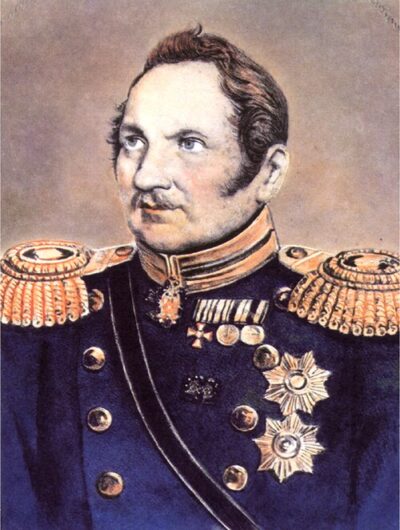 Fabian Gottlieb von Bellingshausen (1842)Baltic German officer in the Imperial Russian Navy, cartographer and explorer (1778–1852)
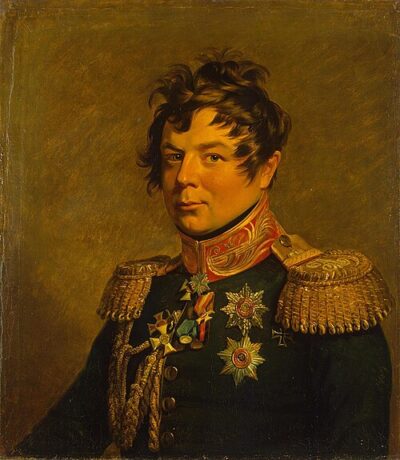 Hans Karl von Diebitsch (1814)Russian general (1785-1831)
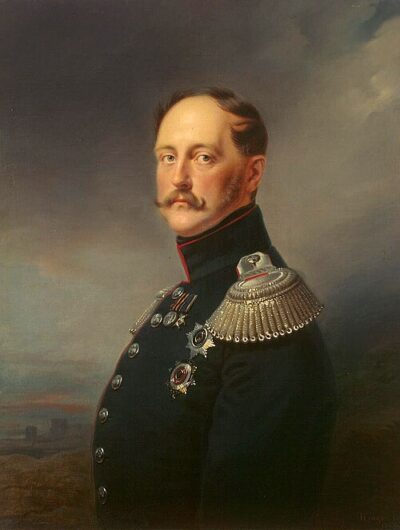 Nicholas I of Russia (1796)The 11th Emperor of Russia, 1825–1855 (lived 1796-1855)
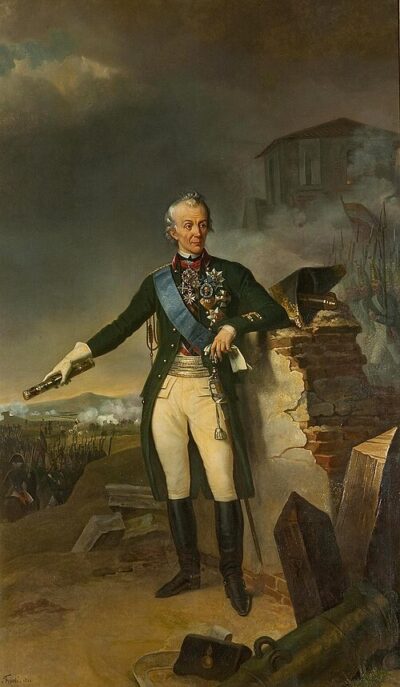 Alexander Suvorov (1771)Russian marshal (1730–1800)
 Adam Kazimierz Czartoryski (1762)Polish noble, writer, literary critic (1734–1823)
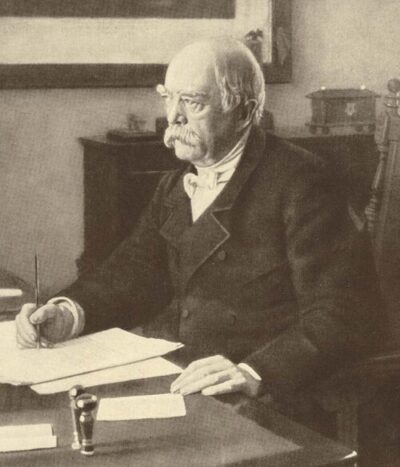 Otto von BismarckGerman statesman and Chancellor (1815-1898)
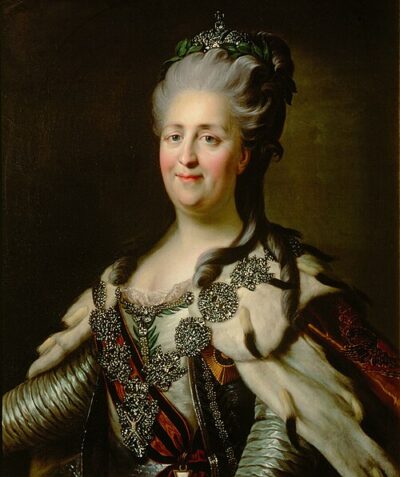 Catherine II of Russiaeighth Emperor of Russia, called the Great, r. 1762–1796 (lived 1729-1796)
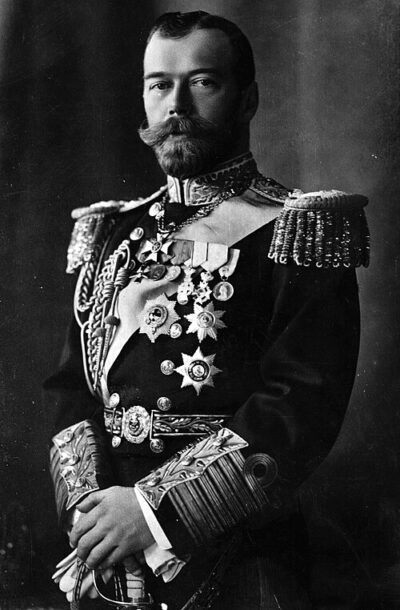 Nicholas II of Russia14th and last Emperor of Russia (1894–1917)
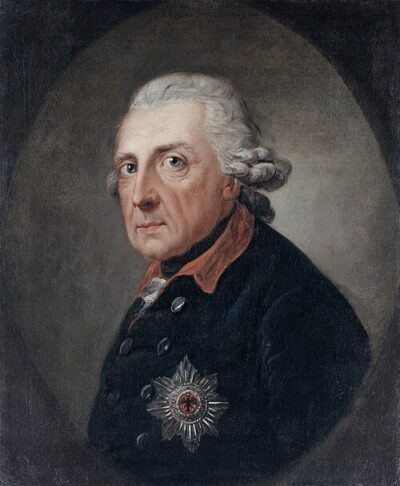 Frederick II of PrussiaKing of Prussia from 1740 to 1786 (1712-1786)
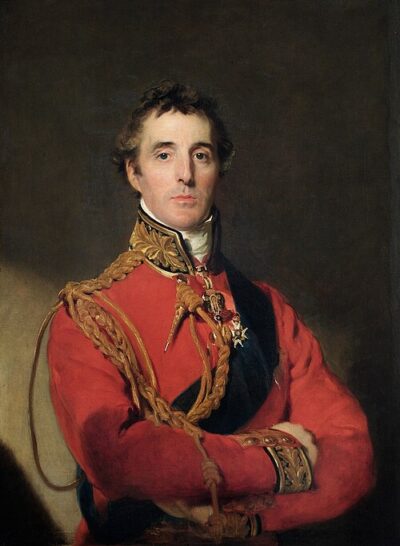 Arthur Wellesley, 1st Duke of WellingtonBritish Field Marshal, Prime Minister of the United Kingdom, 1828–1830, 1834 (1769-1852)
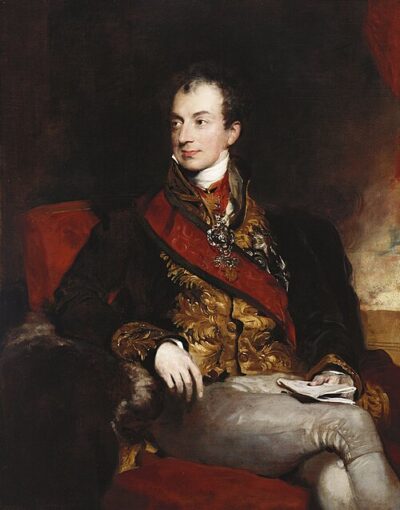 Klemens von MetternichAustrian diplomat, foreign minister and Chancellor (1773–1859)
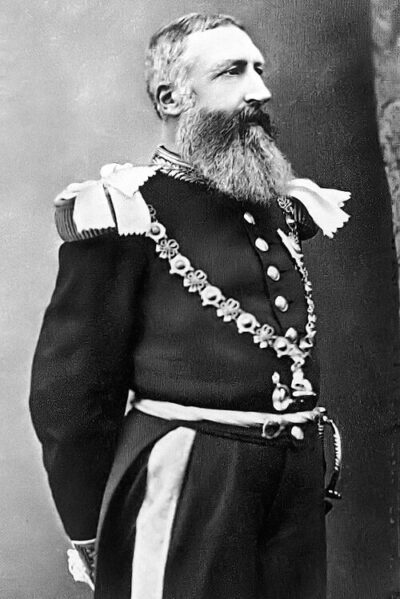 Leopold II of BelgiumKing of the Belgians from 1865 to 1909 (1835–1909)
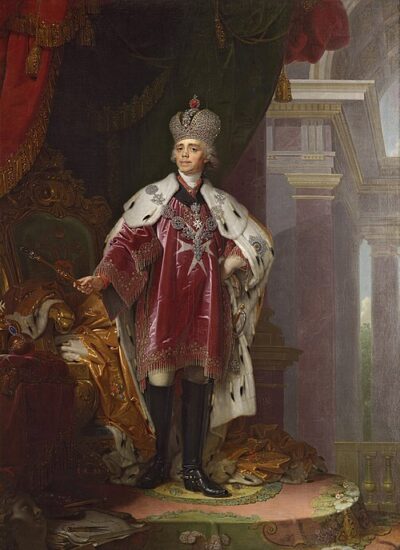 Paul I of RussiaThe ninth Emperor of Russia from 1796 to 1801 (1754-1801)
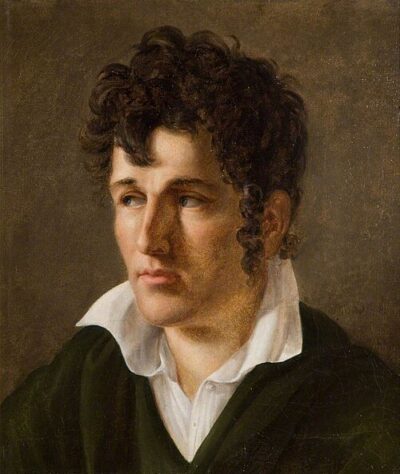 François-Auguste-René de ChateaubriandFrench writer, politician and historian (1768–1848)
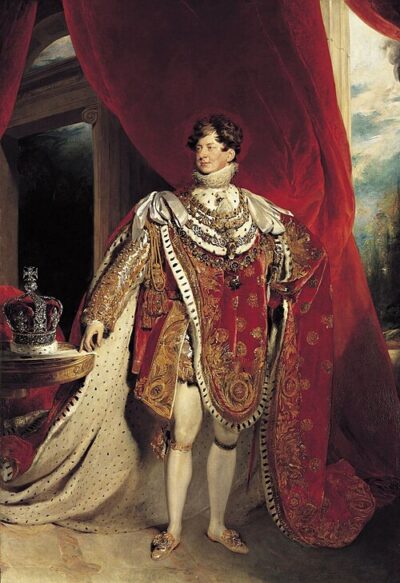 George IV of the United KingdomKing of the United Kingdom and Hanover from 1820 to 1830
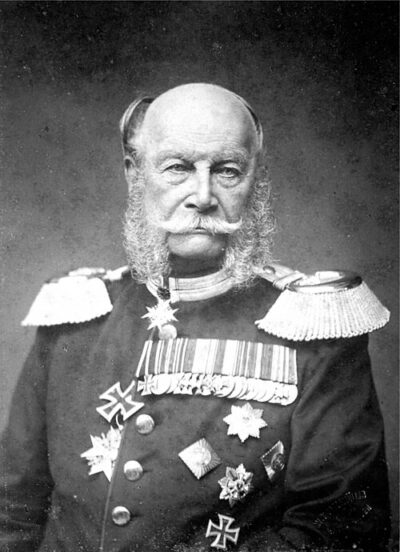 Wilhelm I19th-century German Emperor and King of Prussia (1797–1888)
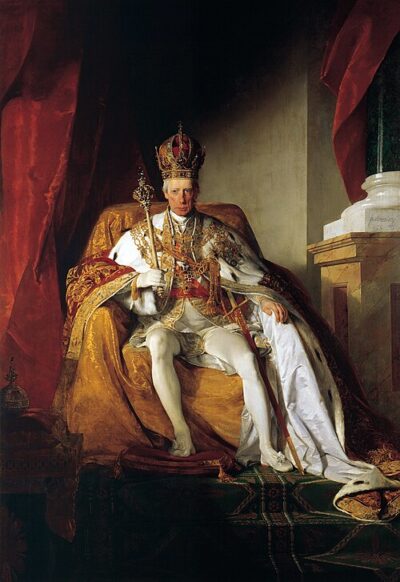 Francis II, Holy Roman Emperoralso known as Francis I, Emperor of Austria (1768-1835)
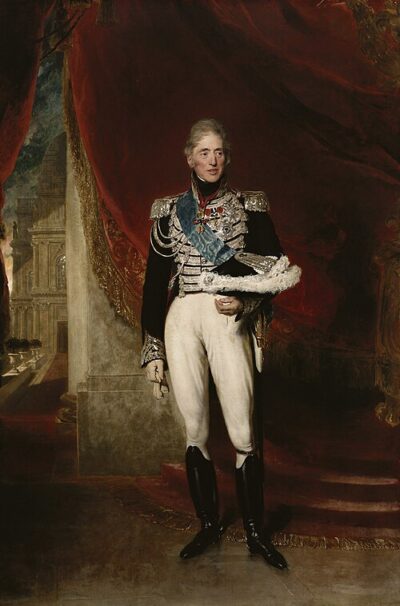 Charles X of FranceKing of France and Navarre from 1824 to 1830 (1757–1836)
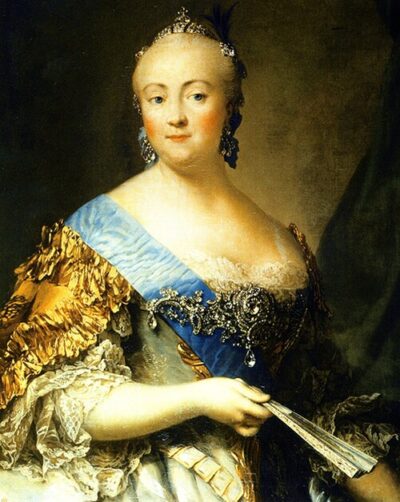 Elizabeth I of Russiasixth Empress of Russia from 1741 to 1762 (lived 1709-1762)
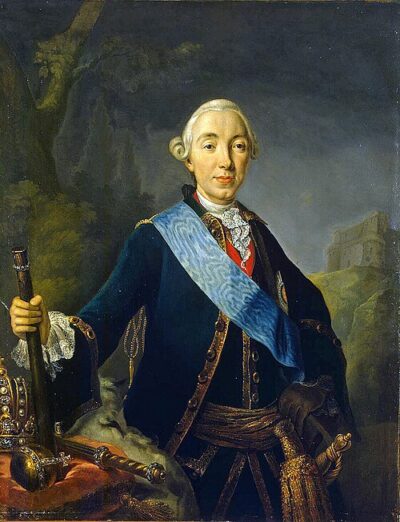 Peter III of RussiaThe seventh Emperor of Russia, 1762 (lived 1728-1762)
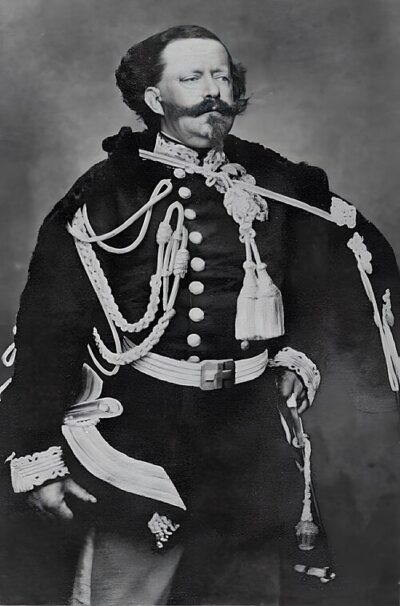 Victor Emmanuel II of ItalyKing of Sardinia (1849–1861) and King of Italy (1861–1878)
and 127 more
