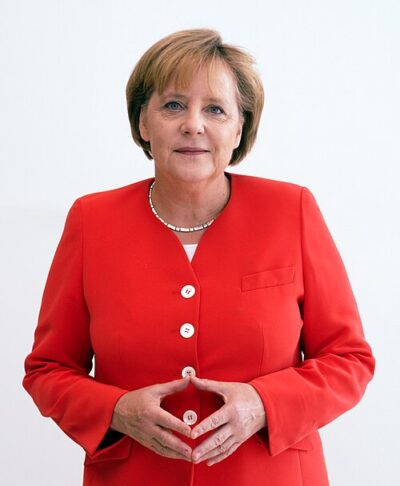
German Academy of Sciences at Berlin
The German Academy of Sciences at Berlin is a main research institution of East Germany (1946–1992). Its headquarters are in East Berlin. It has 24,000 employees.
- Founded
- 1946
- Headquarters
- East Berlin
- Employees
- 24,000
- Country
- East Germany
All 9 facts, and where they come from
Facts
9 facts · 0 confirmed by two sources · 0 cited · 9 from one source
Where this comes from
Papalocal keeps its own record. It started from these sources; what each one said is kept here as it was copied, so a change on their side never changes this page by itself. Tap one to read its version.
What Wikidata says · copied November 16, 2026 · revision 2516833413
- Described as
- main research institution of East Germany (1946–1992)
- Other names
- AdW, Academy of Sciences of the German Democratic Republic
- What it is
- research institute; educational institution; academy of sciences
- Comes after
- Royal Prussian Academy of Sciences
- Founded
- 1946
- Ended
- 1992
- Headquarters
- East Berlin
- Country
- East Germany
- Employees
- 24,000 · 1 reference
- Wikipedias with a page
- 18
Wikidata item Q49738 (wikidata.org/wiki/Q49738), public domain (CC0). Copied 2026-11-16.
What Wikipedia says · copied November 16, 2026 · revision 1383584057
The German Academy of Sciences at Berlin, (German: Deutsche Akademie der Wissenschaften zu Berlin (DAW)), in 1972 renamed the Academy of Sciences of the GDR (Akademie der Wissenschaften der DDR, abbreviated to AdW), was the most eminent research institution of East Germany (German Democratic Republic, GDR).
The DAW was the continuation of the Prussian Academy of Sciences (founded as Brandenburg Society of Sciences in 1700 by Gottfried Wilhelm Leibniz), which after end of war 1945 adapted to new conditions and therefore had performed denazification, changed its structure, its statute and its name. It was then reopened 1946 in the Eastern Sector of Berlin by the Russian military government SMAD. The academy was a learned society (scholarship society), in which awarded membership via election constituted scientific recognition. Unlike other academies of science, the DAW was also the host organization of a scientific community of non-academic research institutes.
Upon German reunification, the Academy's learned society was dissociated from its research institutes and any other affiliates and eventually dissolved in 1992. Since 1993, activities of the AdW's members and college have been continued by the newly established Leibniz Scientific Society (Leibniz-Sozietät der Wissenschaften). The AdW's pending and unfinished research projects and holdings were forwarded to and are carried out by the Berlin-Brandenburg Academy of Sciences and Humanities, established in 1992. The academy's numerous institutes were dissolved on December 31, 1991, and partially reorganized into other organizations such as the Leibniz Association, the Helmholtz Association of German Research Centres, the Max Planck Society and the Fraunhofer Society. A number of minor institutes and associated projects have been preserved and were transferred to other institutions such as the German Archaeological Institute.
From the Wikipedia article “German Academy of Sciences at Berlin” (en.wikipedia.org/wiki/German_Academy_of_Sciences_at_Berlin), by its contributors, under CC BY-SA 4.0 (creativecommons.org/licenses/by-sa/4.0/). Copied 2026-11-16; not changed.
Confirmed Two sources agree. Cited One source, and it names where it got it. One source One source, without a reference of its own. Sources disagree The sources disagree. We show the best-supported value and keep theirs below.
Picture: Wikimedia Commons: Bundesarchiv Bild 183-S97609, Berlin, Akademie der Wissenschaften.jpg · See Commons file page
People connected 48
Members 47
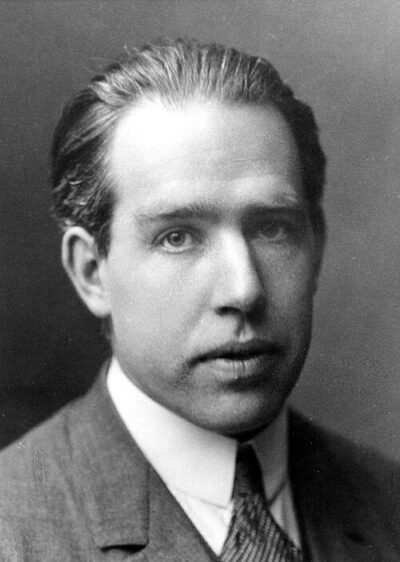 Niels BohrDanish physicist (1885–1962)
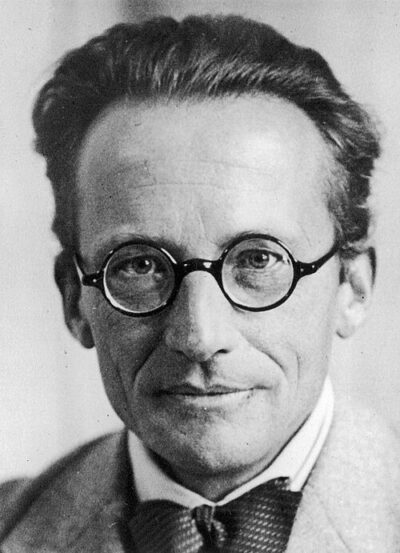 Erwin SchrödingerAustrian physicist (1887–1961)
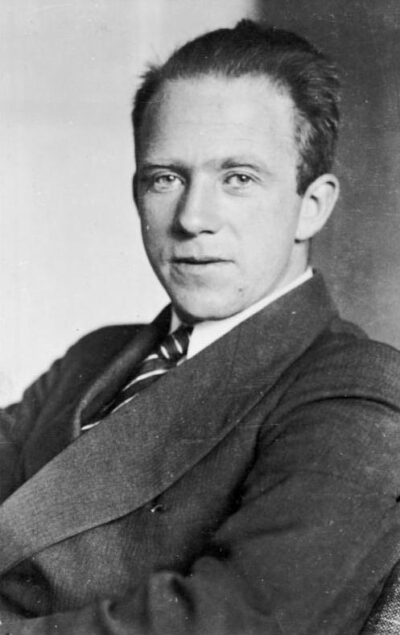 Werner HeisenbergGerman theoretical physicist and nobel prize winner (1901–1976)
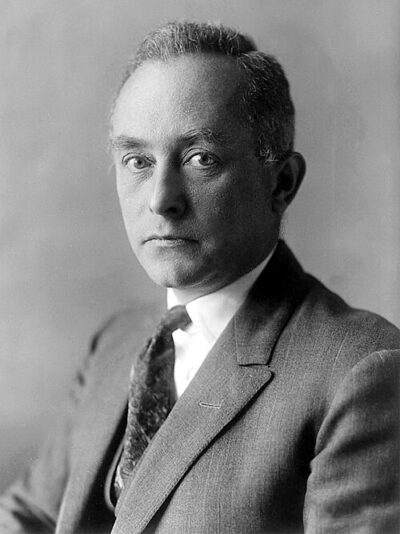 Max BornGerman-Jewish physicist and mathematician (1882–1970)
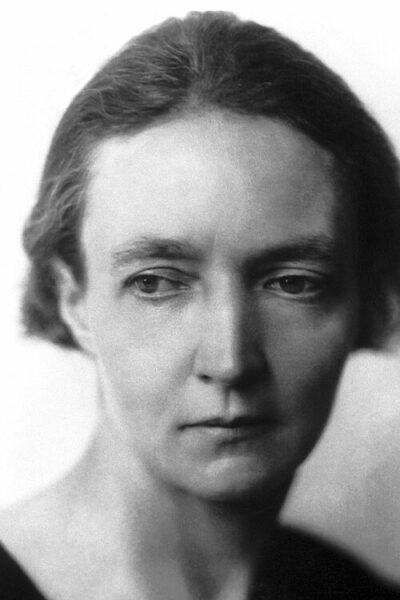 Irène Joliot-CurieFrench chemist and physicist (1897–1956)
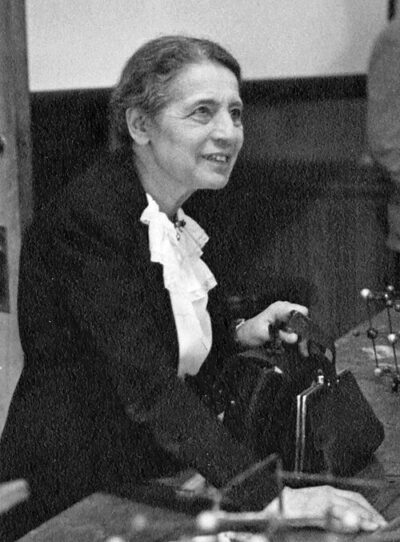 Lise MeitnerAustrian-Swedish physicist
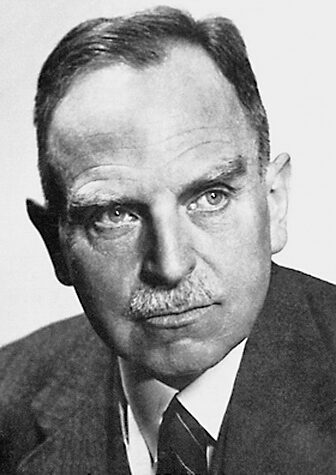 Otto HahnGerman chemist and physicist (1879–1968)
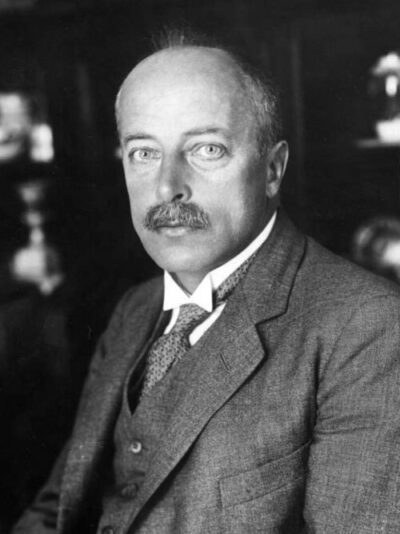 Max von LaueGerman physicist, Nobel laureate and anti-Nazi (1879–1960)
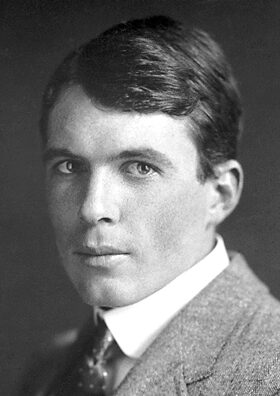 William Lawrence BraggAustralian-born British physicist and X-ray crystallographer
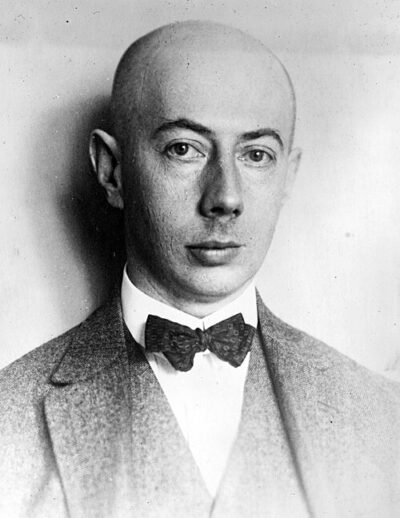 Gustav Ludwig HertzGerman physicist (1887–1975)
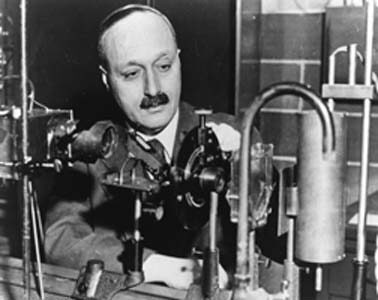 James FranckGerman-American physicist (1882–1964)
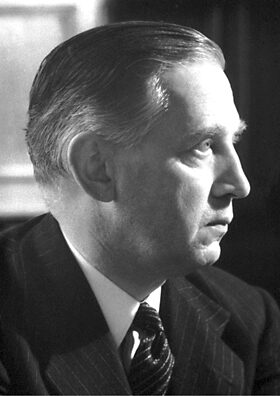 Edward Victor AppletonEnglish physicist (1892–1965)
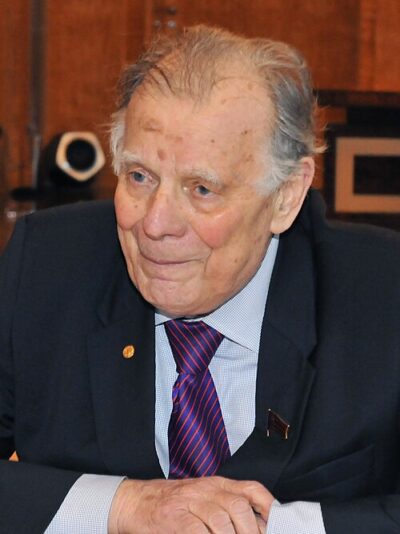 Zhores AlferovSoviet-Russian physicist (1930–2019)
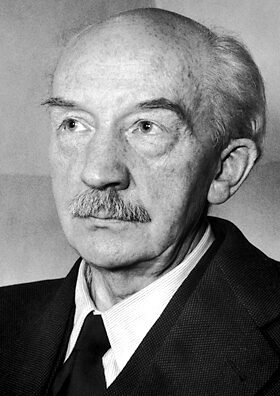 Walther BotheGerman physicist, mathematician and chemist (1891–1957)
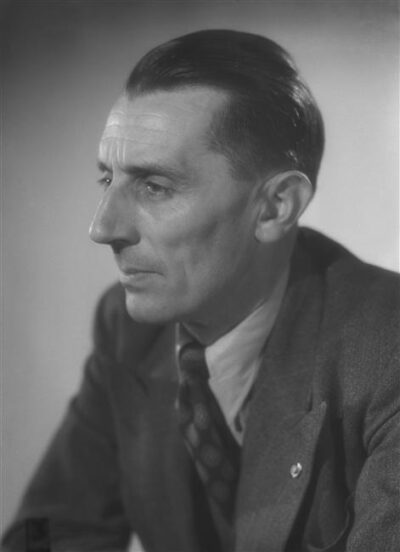 Frédéric Joliot-CurieFrench scientist (1900-1958)
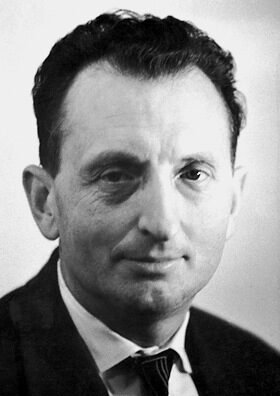 Alexander Prokhorov (1977–)Soviet and Russian physicist (1916-2002)
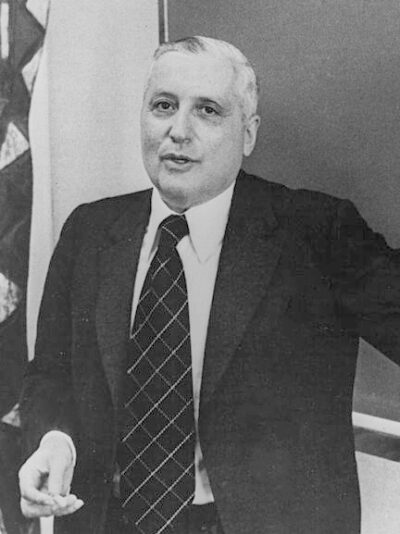 Ilya PrigogineRussian-Belgian physical chemist (1917–2003)
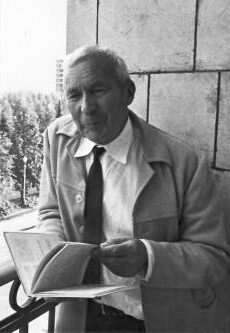 Andrey KolmogorovRussian mathematician (1903–1987)
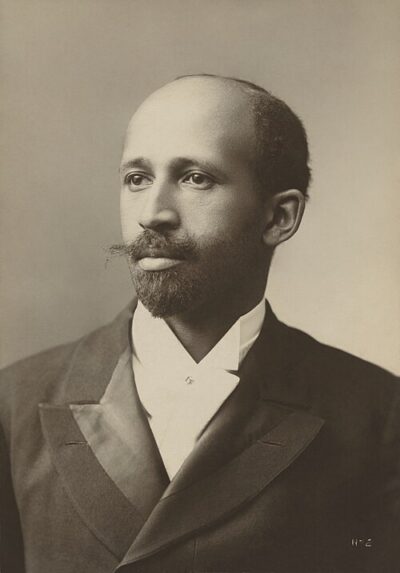 W. E. B. Du BoisAmerican sociologist and activist (1868–1963)
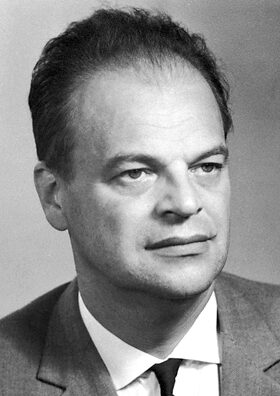 Nikolay BasovSoviet physicist (1922-2001)
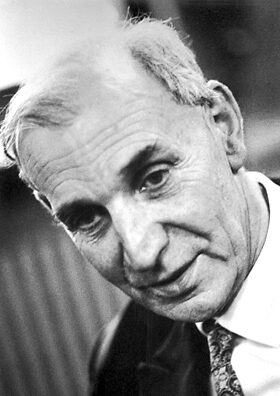 Alfred KastlerFrench physicist (1902–1984)
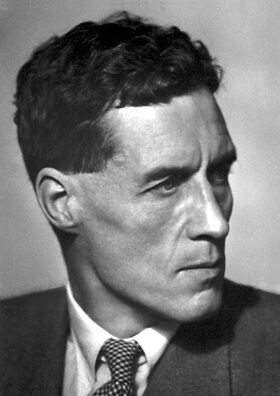 Patrick BlackettBritish physicist (1897-1974)
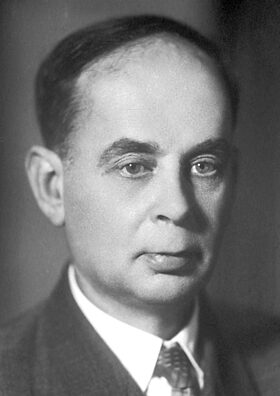 Ilya FrankSoviet physicist
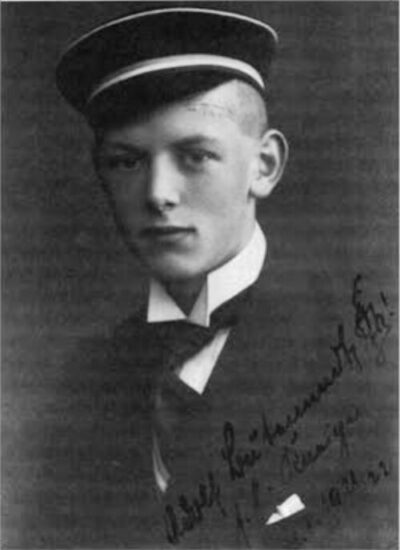 Adolf ButenandtGerman biochemist (1903-1995)
and 23 more