

Order of St. Andrew
Order of St. Andrew is the highest order of the Russian Empire. It was created in 1698.
- Country
- Russian Empire
- Created
- 1698
All 4 facts, and where they come from
Facts
4 facts · 0 confirmed by two sources · 0 cited · 4 from one source
Where this comes from
Papalocal keeps its own record. It started from these sources; what each one said is kept here as it was copied, so a change on their side never changes this page by itself. Tap one to read its version.
What Wikidata says · copied November 16, 2026 · revision 2569553255
- Described as
- highest order of the Russian Empire
- Other names
- Order of St. Andrew the Apostle the First-Called, Russian Order of St. Andrew
- What it is
- order
- Created
- 1698
- Country
- Russian Empire
- Named after
- Andrew the Apostle
- Wikipedias with a page
- 32
Wikidata item Q1126563 (wikidata.org/wiki/Q1126563), public domain (CC0). Copied 2026-11-16.
What Wikipedia says · copied November 16, 2026 · revision 1375321644
The Order of Saint Andrew the Apostle the First-Called (Russian: Орден Святого апостола Андрея Первозванного, romanised: Orden Svyatogo apostola Andreya Pervozvannogo) is the highest order conferred by both the Russian Imperial Family (as an order of chivalry) and by the Russian Federation (as a state order). Established as the first and highest order of chivalry of the Russian Tsardom and the Russian Empire in 1698, it was removed from the honours system under the USSR before being re-established as the top Russian civil and military order in 1998.
From the Wikipedia article “Order of St. Andrew” (en.wikipedia.org/wiki/Order_of_St._Andrew), by its contributors, under CC BY-SA 4.0 (creativecommons.org/licenses/by-sa/4.0/). Copied 2026-11-16; not changed.
Confirmed Two sources agree. Cited One source, and it names where it got it. One source One source, without a reference of its own. Sources disagree The sources disagree. We show the best-supported value and keep theirs below.
Picture: Wikimedia Commons: Badge to Order St Andrew both sides.jpg · See Commons file page
People connected 150
Won it 150
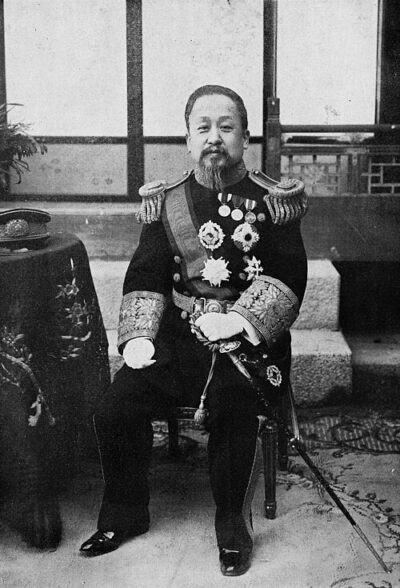 Gojong of the Korean Empire (1902)26th king of Joseon, first emperor of the Korean Empire (1852–1919)
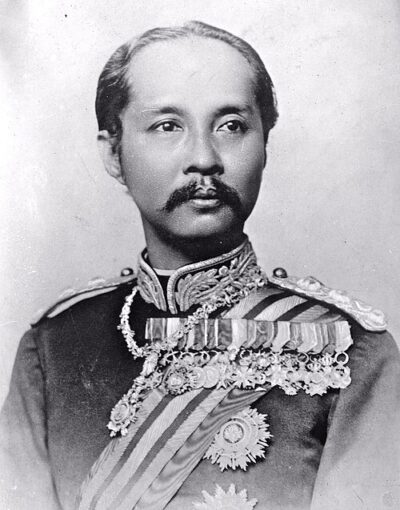 Chulalongkorn (1891)King of Siam (1853-1910)
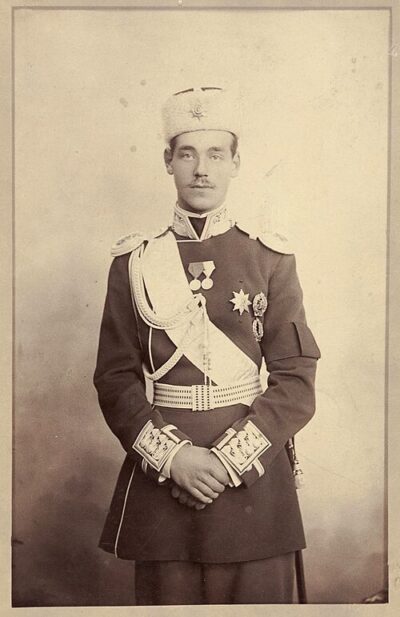 Grand Duke Michael Alexandrovich of Russia (1878)Grand Duke of Russia (1878–1918); youngest son of Alexander III of Russia and Maria Feodorovna (Dagmar of Denmark)
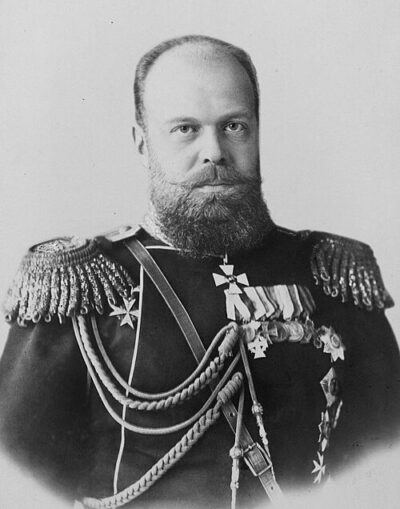 Alexander III of Russia (1845)Emperor of Russia from 1881 to 1894
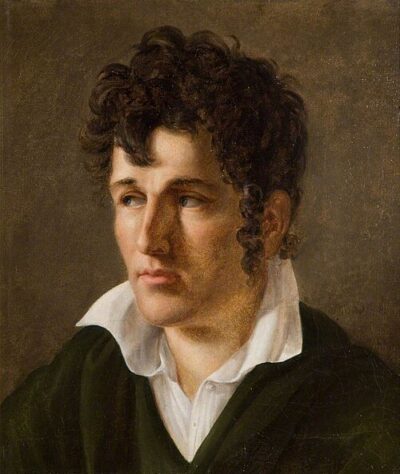 François-Auguste-René de Chateaubriand (1821)French writer, politician and historian (1768–1848)
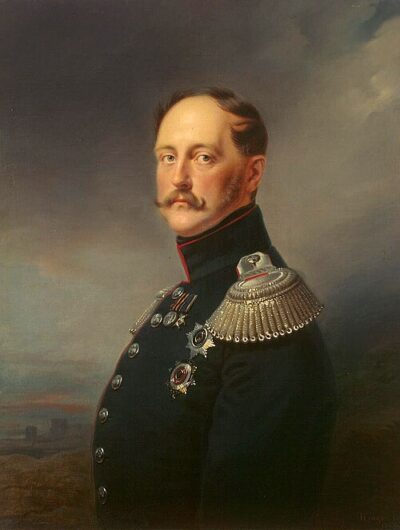 Nicholas I of Russia (1796)The 11th Emperor of Russia, 1825–1855 (lived 1796-1855)
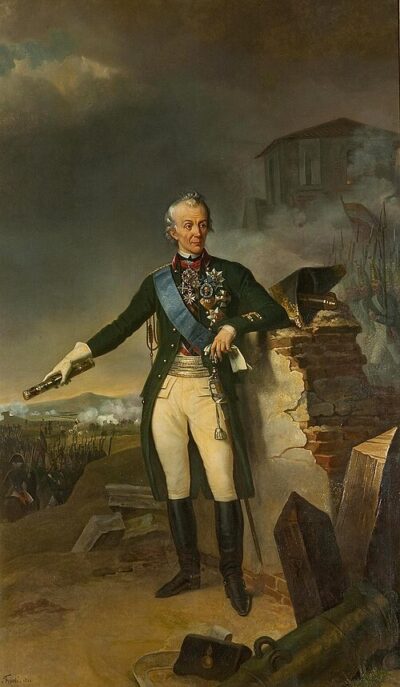 Alexander Suvorov (1787)Russian marshal (1730–1800)
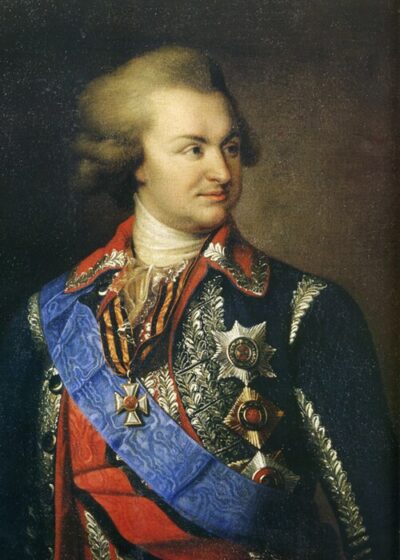 Gregory Potyomkin (1774)Russian military leader and politician (1739–1791)
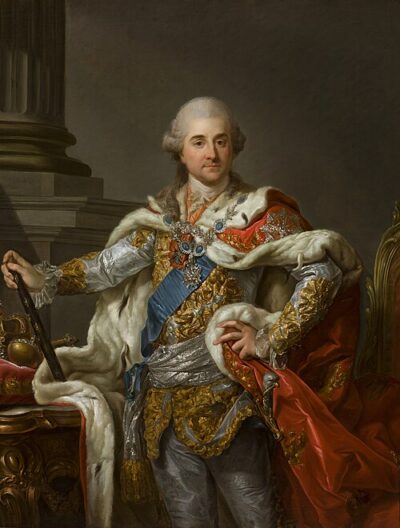 Stanisław August Poniatowski (1764)King of Poland and Grand Duke of Lithuania (1764-1795)
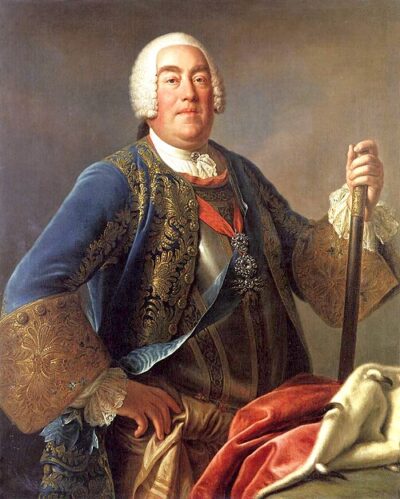 Augustus III of Poland (1736)King of Poland, Elector of Saxony (1696-1763)
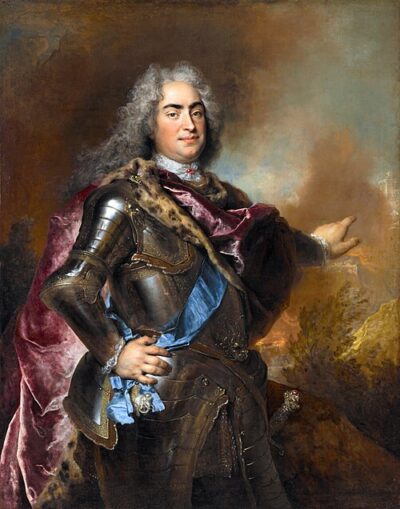 Augustus II the Strong (1712)King of Poland, Grand Duke of Lithuania and Elector of Saxony (1670–1733)
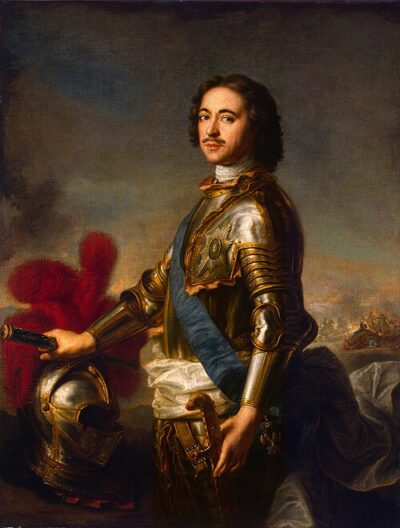 Peter the Great (1703)Tsar/Emperor of Russia from 1682 to 1725
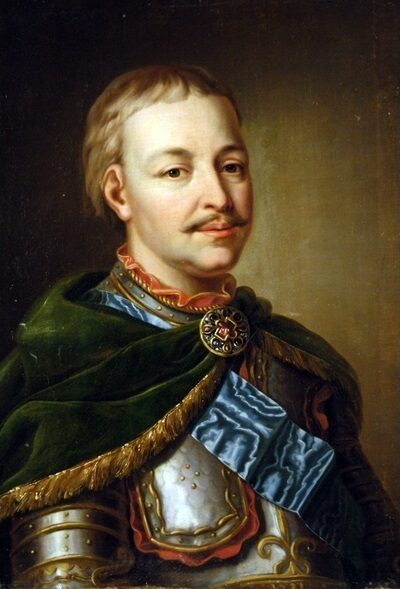 Ivan Mazepa (1700)Hetman of Ukrainian Cossacks from 1687 to 1708
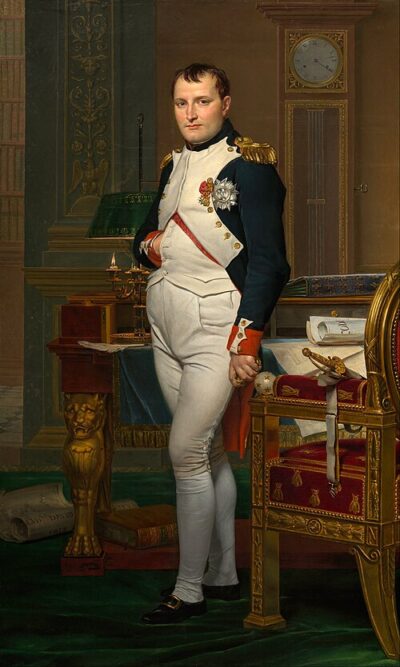 NapoleonFrench military leader, French Emperor 1804–1814 and again in 1815 (1769–1821)
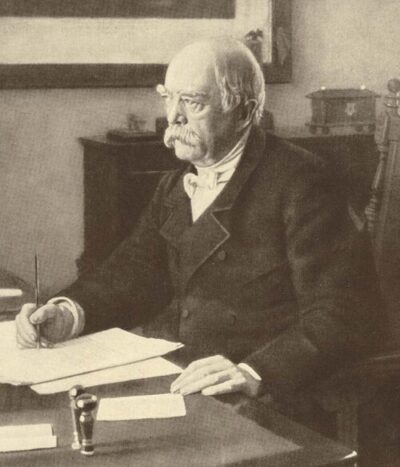 Otto von BismarckGerman statesman and Chancellor (1815-1898)
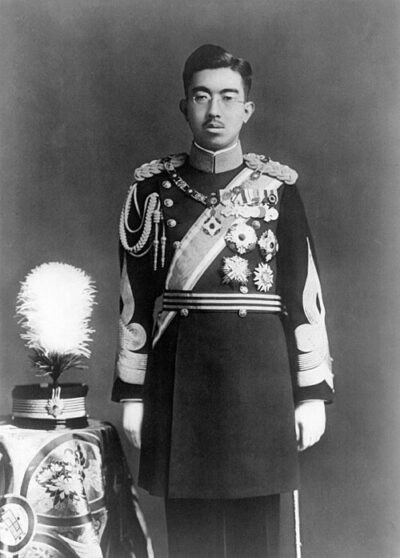 Hirohitoemperor of Japan from 1926 to 1989
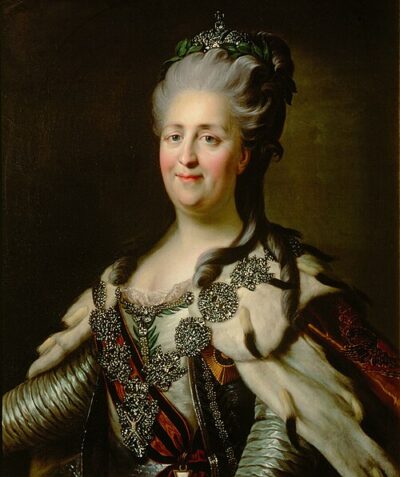 Catherine II of Russiaeighth Emperor of Russia, called the Great, r. 1762–1796 (lived 1729-1796)
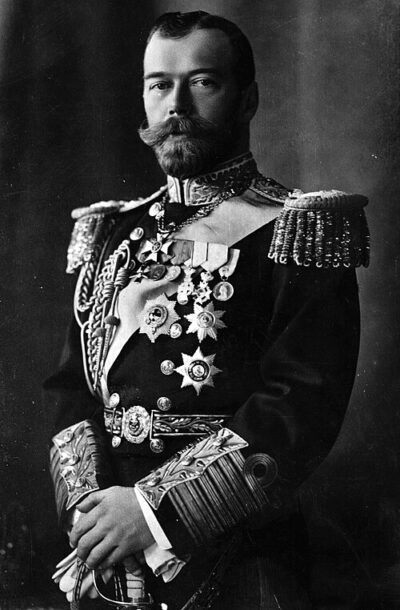 Nicholas II of Russia14th and last Emperor of Russia (1894–1917)
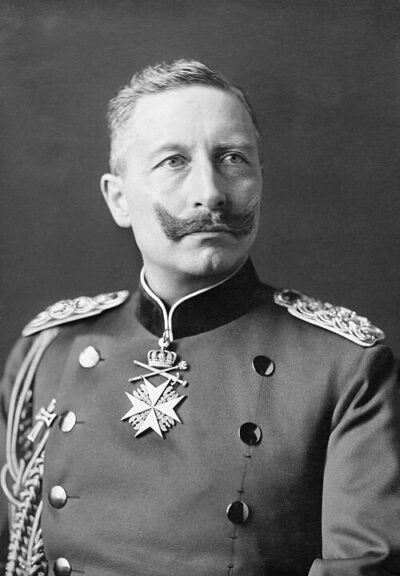 Wilhelm IIas King of Prussia last German Emperor from 1888 to 1918 (1859–1941)
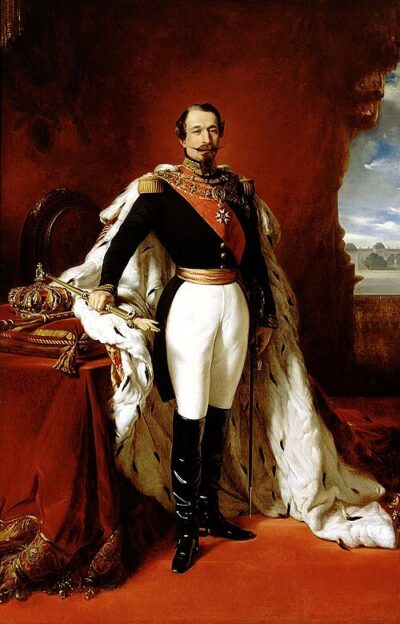 Napoleon IIIPresident of the Second French Republic, Emperor of the Second French Empire and last monarch of France (1808–1873)
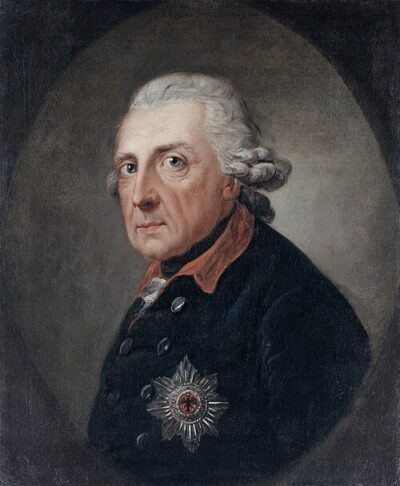 Frederick II of PrussiaKing of Prussia from 1740 to 1786 (1712-1786)
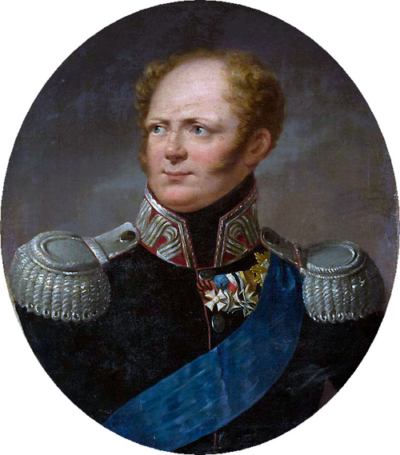 Alexander I of RussiaThe tenth Emperor of Russia (1777–1825)
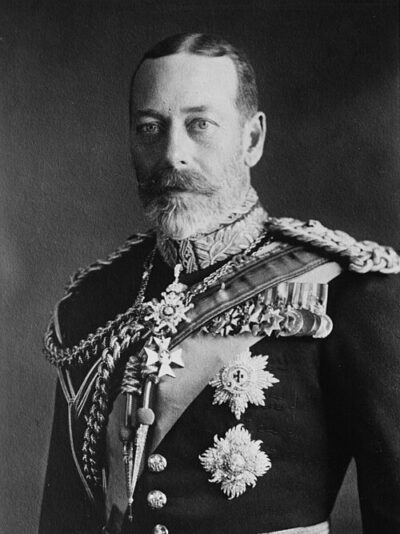 George VKing of the United Kingdom from 1910 to 1936
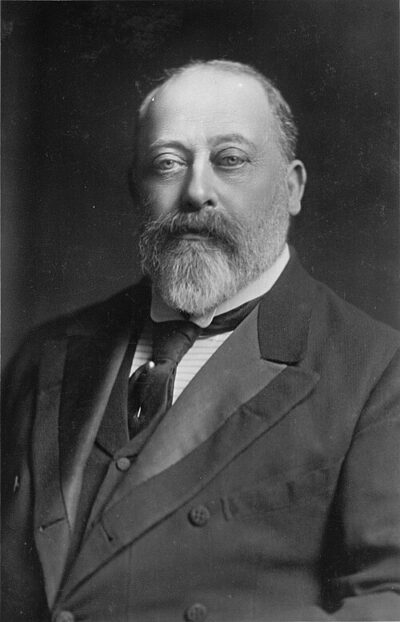 Edward VIIKing of the United Kingdom from 1901 to 1910
and 126 more
