Russian Academy of Sciences
The Russian Academy of Sciences is an academy of sciences. It was founded in 1724 by Peter the Great. Its headquarters are in Moscow. It won the Order of Lenin and 1 more.
- Founded
- February 8, 1724
- Founded by
- Peter the Great
- Headquarters
- Moscow
- Industry
- science and technology in Russia
- Country
- Russia
All 14 facts, and where they come from
Facts
14 facts · 0 confirmed by two sources · 2 cited · 12 from one source
Where this comes from
Papalocal keeps its own record. It started from these sources; what each one said is kept here as it was copied, so a change on their side never changes this page by itself. Tap one to read its version.
What Wikidata says · copied November 16, 2026 · revision 2567537162
- Described as
- academy of sciences
- Other names
- RAS, RAN, Rossíiskaya akadémiya naúk
- What it is
- academy of sciences; publishing house
- Founded
- February 8, 1724 · 2 references
- Founded by
- Peter the Great
- Headquarters
- Moscow
- Located in
- Moscow (1935–) · 1 reference
- Country
- Russia; Russian Empire
- Industry
- science and technology in Russia
- Chair
- Laurentius Blumentrost · 1 reference; Kirill Razumovsky · 1 reference
- Awards
- Order of Lenin · 1 reference; Friendship Order · 1 reference
- Official website
- https://new.ras.ru/
- Wikipedias with a page
- 66
Wikidata item Q83172 (wikidata.org/wiki/Q83172), public domain (CC0). Copied 2026-11-16.
What Wikipedia says · copied November 16, 2026 · revision 1380592247
The Russian Academy of Sciences (RAS; Russian: Росси́йская акаде́мия нау́к, РАН, romanized: Rossiyskaya akademiya nauk, RAN) consists of the national academy of Russia; a network of scientific research institutes from across the Russian Federation; and additional scientific and social units such as libraries, publishing units, and hospitals. Peter the Great established the academy (then the St. Petersburg Academy of Sciences) in 1724 with guidance from Gottfried Leibniz.
From its establishment, the academy benefited from a slate of foreign scholars as professors; the academy then gained its first clear set of goals from the 1747 Charter. The academy functioned as a university and research center throughout the mid-18th century until the university was dissolved, leaving research as the main pillar of the institution. The rest of the 18th century continuing on through the 19th century consisted of many published academic works from Academy scholars and a few Academy name changes, ending as The Imperial Saint Petersburg Academy of Sciences right before the Soviet period.
Now headquartered in Moscow, the academy (RAS) is a non-profit organization established in the form of a federal state budgetary institution chartered by the Government of Russia. In 2013, the Russian government restructured RAS, assigning control of its property and research institutes to a new government agency headed by Mikhail Kotyukov. As of November 2017, the academy included 1,008 institutions and other units; in total, about 125,000 people were employed of whom 47,000 were scientific researchers.
From the Wikipedia article “Russian Academy of Sciences” (en.wikipedia.org/wiki/Russian_Academy_of_Sciences), by its contributors, under CC BY-SA 4.0 (creativecommons.org/licenses/by-sa/4.0/). Copied 2026-11-16; not changed.
Confirmed Two sources agree. Cited One source, and it names where it got it. One source One source, without a reference of its own. Sources disagree The sources disagree. We show the best-supported value and keep theirs below.
Picture: Wikimedia Commons: Golden brain.png · See Commons file page
People connected 339
Members 337
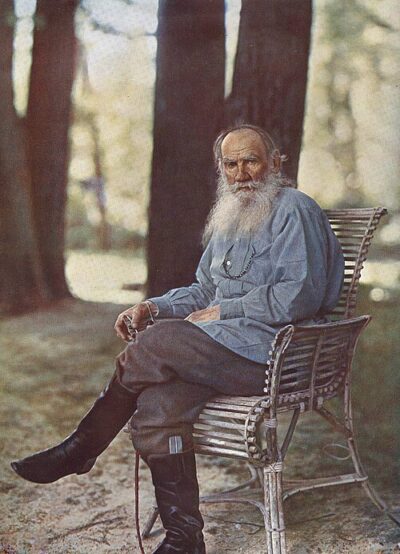 Leo Tolstoy (1873–)Russian author (1828–1910)
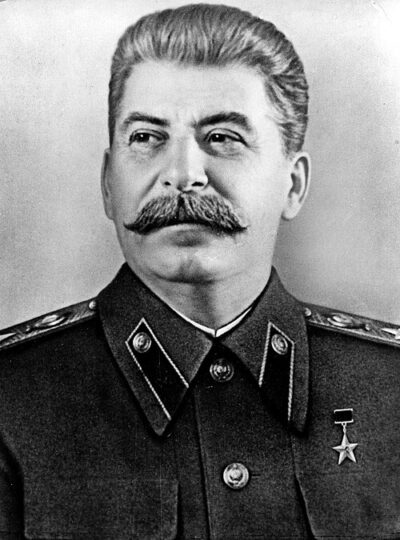 Joseph Stalin (1939–)politician and leader of the Union of Soviet Socialist Republics from 1924 to 1953
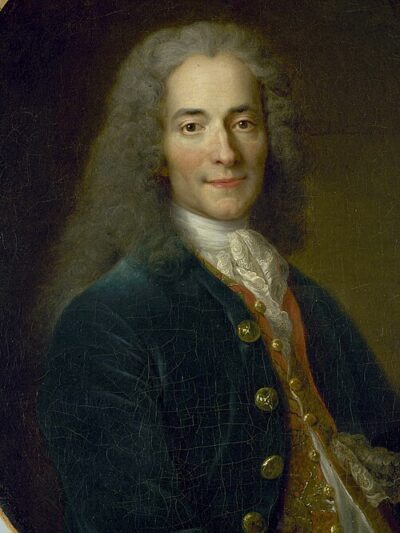 VoltaireFrench writer, historian and philosopher (1694–1778)
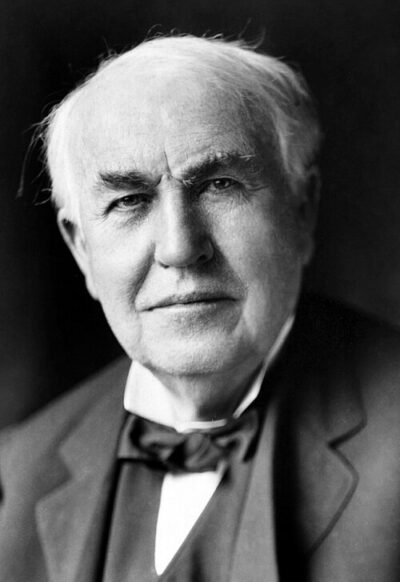 Thomas EdisonAmerican inventor and businessman (1847–1931)
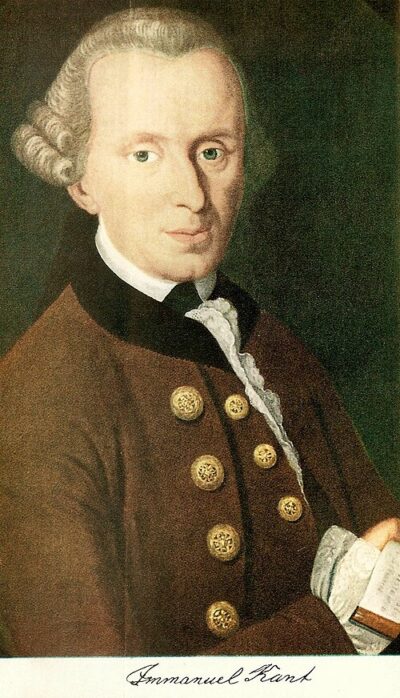 Immanuel Kant (1794)German philosopher (1724-1804)
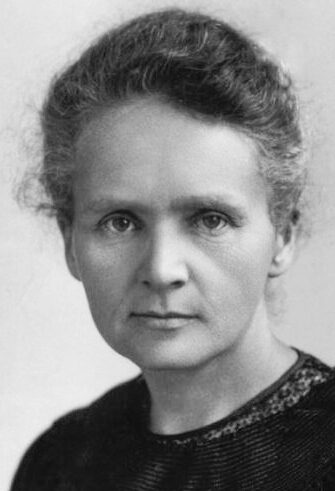 Marie CuriePolish-born French physicist and chemist (1867–1934)
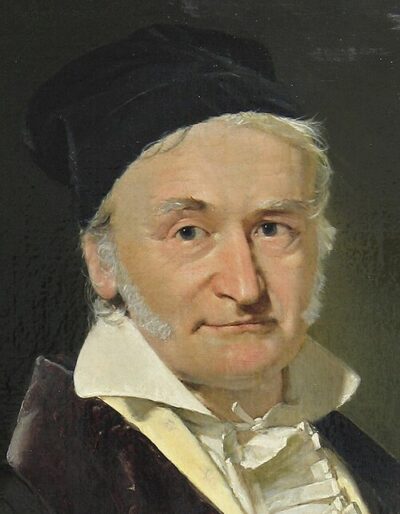 Carl Friedrich GaussGerman mathematician and physicist (1777–1855)
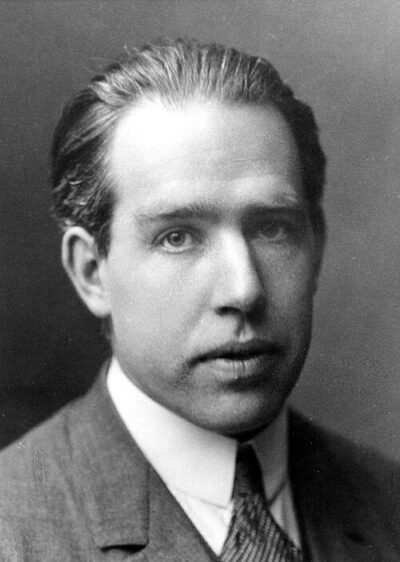 Niels Bohr (1924–)Danish physicist (1885–1962)
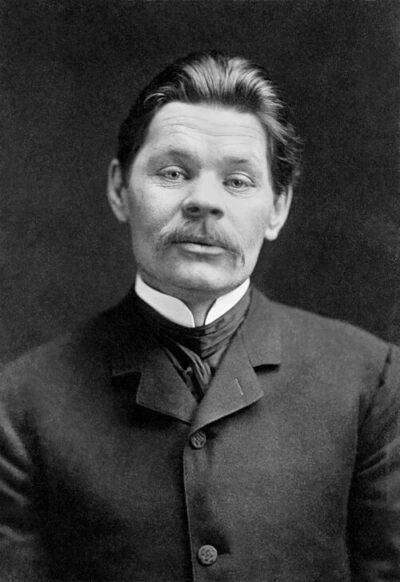 Maxim Gorky (1902–)Russian and Soviet writer (1868–1936)
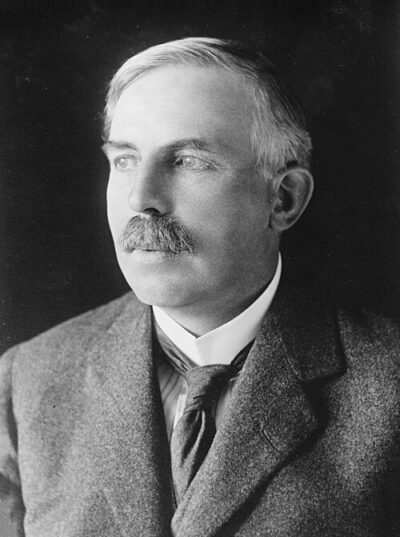 Ernest RutherfordNew Zealand physicist (1871–1937)
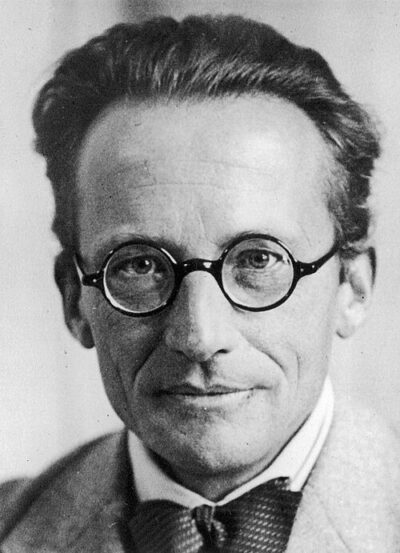 Erwin SchrödingerAustrian physicist (1887–1961)
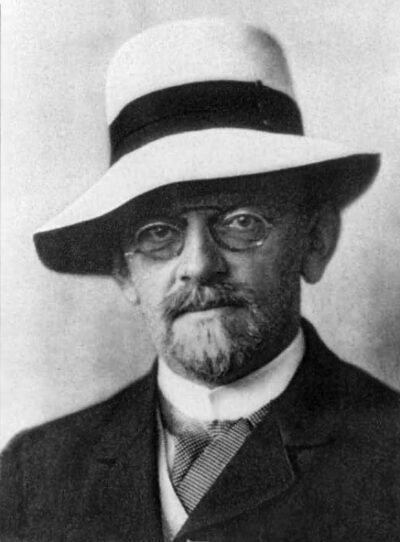 David Hilbert (1922–)German mathematician (1862–1943)
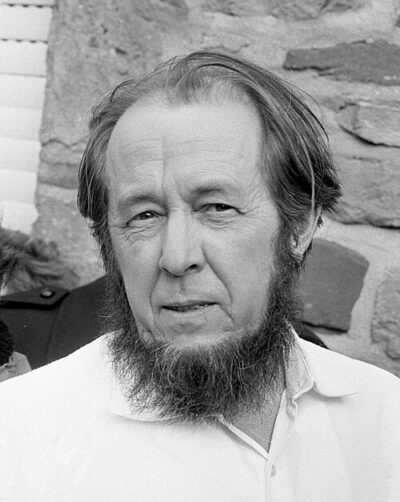 Aleksandr Solzhenitsyn (1997–)Russian writer, publicist, poet and politician (1918–2008)
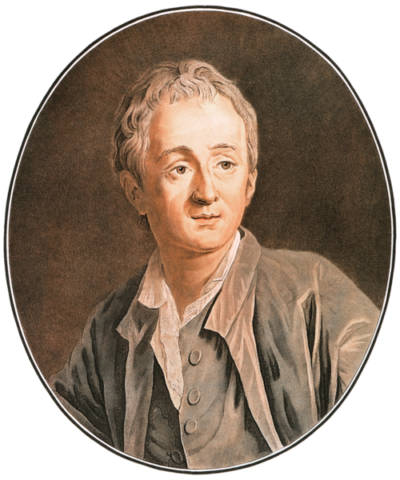 Denis DiderotFrench Enlightenment philosopher writer and encyclopædist (1713–1784)
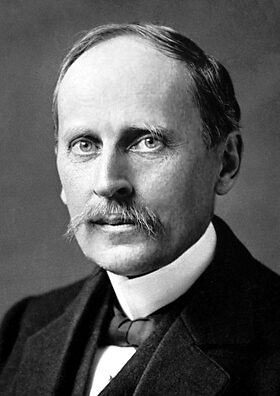 Romain RollandFrench author (1866-1944)
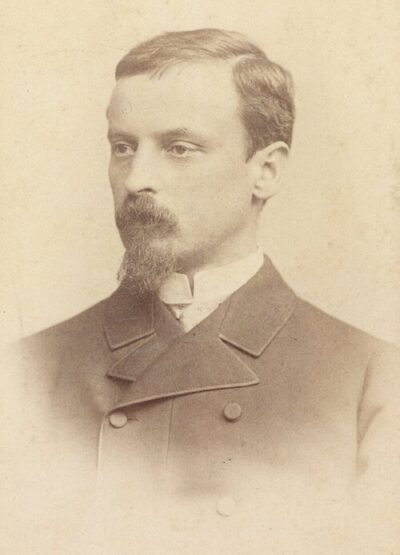 Henryk SienkiewiczPolish writer, novelist, journalist, philanthropist and Nobel Prize laureate (1846–1916)
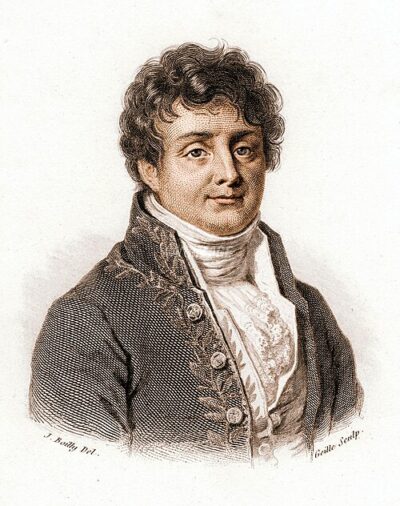 Joseph Fourier (1829–)French mathematician and physicist (1768 – 1830)
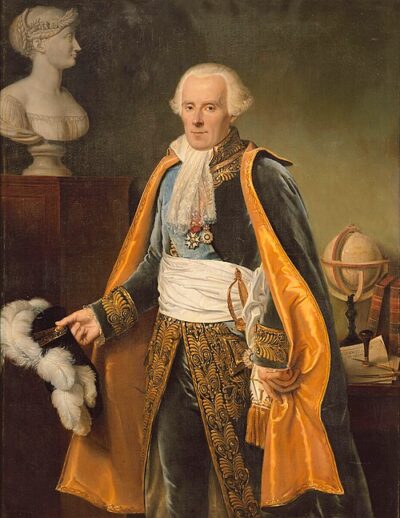 Pierre-Simon LaplaceFrench mathematician and astronomer (1749–1827)
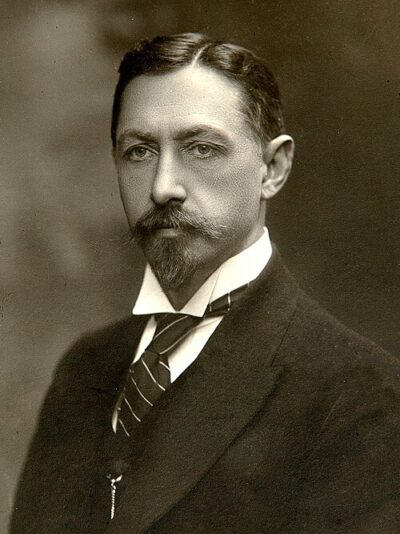 Ivan Bunin (1909–)Russian writer and poet (1870–1953)
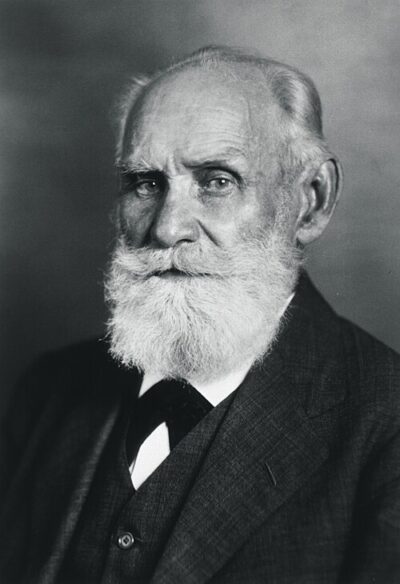 Ivan Pavlov (1901–)Russian physiologist (1849–1936)
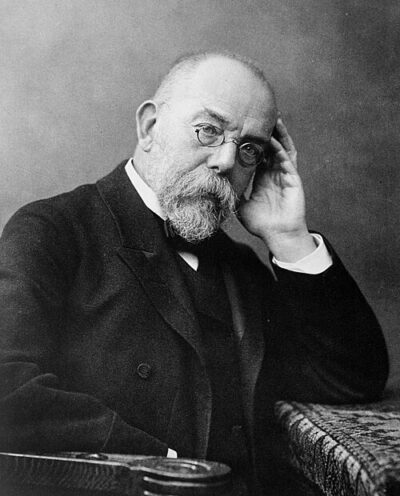 Robert KochGerman physician, bacteriologist (1843–1910)
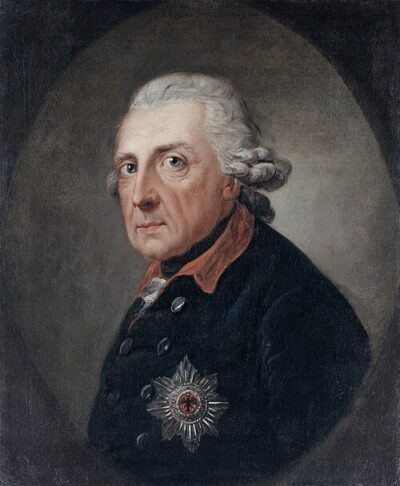 Frederick II of Prussia (1776–1786)King of Prussia from 1740 to 1786 (1712-1786)
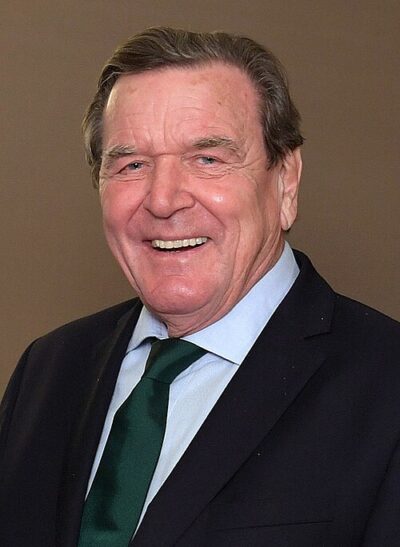 Gerhard SchröderChancellor of West Germany (1998–2005)
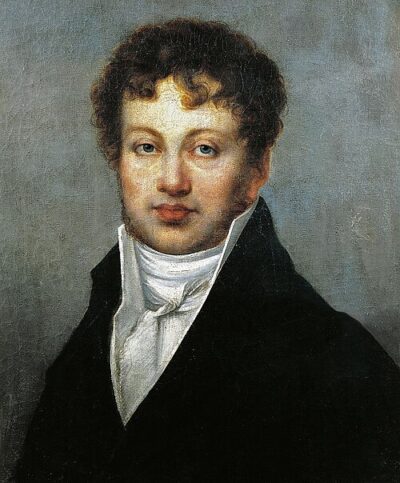 André-Marie AmpèreFrench physicist and mathematician (1775–1836)
and 313 more
Worked here
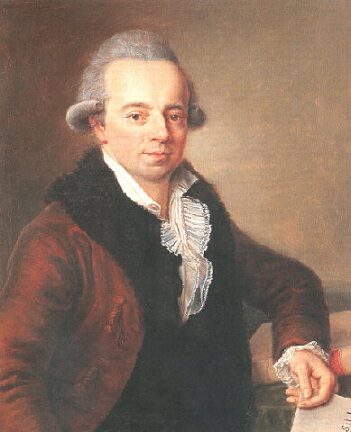 Daniel Bernoulli (1725–1733)Swiss mathematician and physicist (1700-1782)
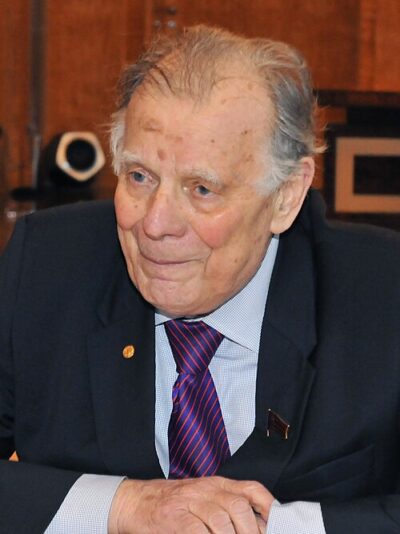 Zhores AlferovSoviet-Russian physicist (1930–2019)
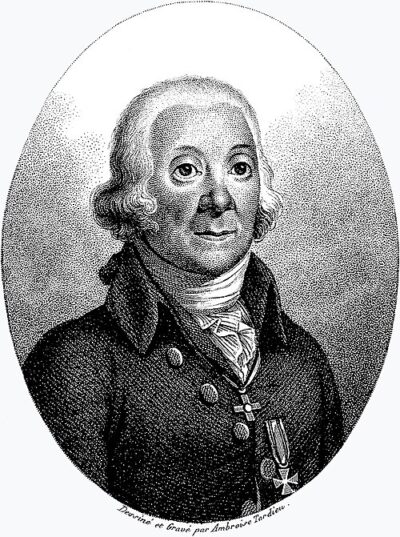 Peter Simon PallasGerman zoologist and botanist (1741–1811)
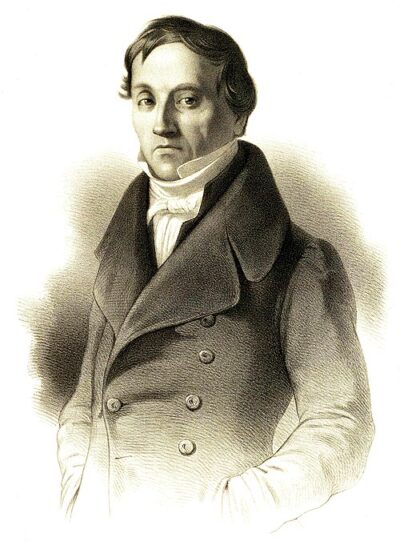 Karl Ernst von Baer (1842–)Baltic German scientist (1792-1876)
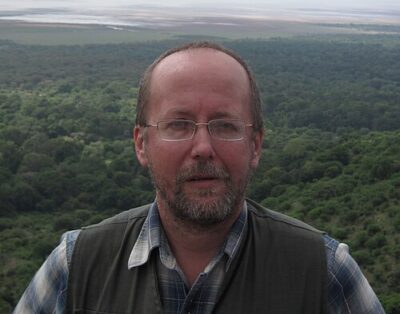 Andrey KorotayevRussian anthropologist, economic historian, comparative political scientist, and sociologist
 Nikolai Marr (1930–1934)Georgian ethnologist and linguist (1864–1934)
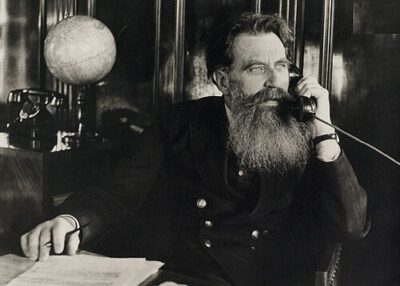 Otto Schmidt (1935–)Russian geophysicist and polar explorer of Baltic German origin (1891-1956)