

German Academy of Sciences Leopoldina
The German Academy of Sciences Leopoldina is a national academy of Germany. It was founded in 1652 by Johann Lorenz Bausch, Johann Michael Fehr and Georg Balthasar Metzger. Its headquarters are in Halle (Saale).
- Founded
- January 1, 1652
- Founded by
- Johann Lorenz Bausch
- Headquarters
- Halle (Saale)
- Industry
- higher education
- Country
- Germany
All 16 facts, and where they come from
Facts
16 facts · 0 confirmed by two sources · 0 cited · 16 from one source
Where this comes from
Papalocal keeps its own record. It started from these sources; what each one said is kept here as it was copied, so a change on their side never changes this page by itself. Tap one to read its version.
What Wikidata says · copied November 16, 2026 · revision 2555766561
- Described as
- national academy of Germany
- Other names
- Academy of Sciences Leopoldina, Leopoldina, Academia Naturae Curiosorum, Academy of the Curious as to Nature, Deutsche Akademie der Naturforscher Leopoldina, German National Academy of Sciences Leopoldina, Academia Caesarea Leopoldino-Carolina Naturae Curiosorum
- What it is
- academy of sciences; learned society; national academy
- Founded
- January 1, 1652
- Founded by
- Johann Lorenz Bausch; Johann Michael Fehr; Georg Balthasar Metzger; Georg Balthasar Wohlfahrt
- Headquarters
- Halle (Saale)
- Located in
- Germany
- Country
- Germany
- Industry
- higher education
- Chair
- Bettina Rockenbach (2025–)
- Field
- science
- Named after
- Leopold I, Holy Roman Emperor
- Official website
- https://www.leopoldina.org/
- Wikipedias with a page
- 42
Wikidata item Q543804 (wikidata.org/wiki/Q543804), public domain (CC0). Copied 2026-11-16.
What Wikipedia says · copied November 16, 2026 · revision 1380912084
The German National Academy of Sciences Leopoldina (German: Deutsche Akademie der Naturforscher Leopoldina – Nationale Akademie der Wissenschaften), in short Leopoldina, is the national academy of Germany, and is located in Halle (Saale). Founded on 1 January 1652, based on academic models in Italy, it was originally named the Academia Naturae Curiosorum until 1687 when Emperor Leopold I raised it to an academy and named it after himself. It was since known under the German name Deutsche Akademie der Naturforscher Leopoldina until 2007, when it was declared to be Germany's National Academy of Sciences from the next year onward.
From the Wikipedia article “German National Academy of Sciences Leopoldina” (en.wikipedia.org/wiki/German_National_Academy_of_Sciences_Leopoldina), by its contributors, under CC BY-SA 4.0 (creativecommons.org/licenses/by-sa/4.0/). Copied 2026-11-16; not changed.
Confirmed Two sources agree. Cited One source, and it names where it got it. One source One source, without a reference of its own. Sources disagree The sources disagree. We show the best-supported value and keep theirs below.
Picture: Wikimedia Commons: Leopoldina Halle Jaegerberg1.JPG · See Commons file page
People connected 351
Members 351
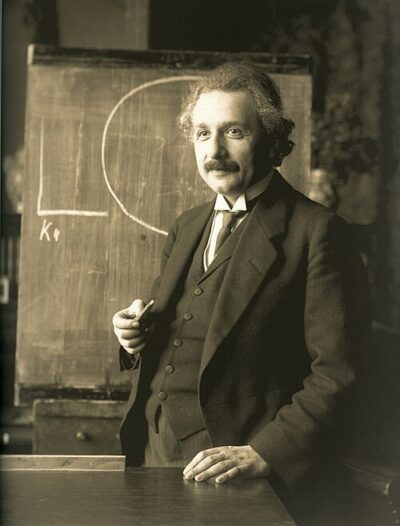 Albert Einstein (1932–)German-born theoretical physicist (1879–1955)
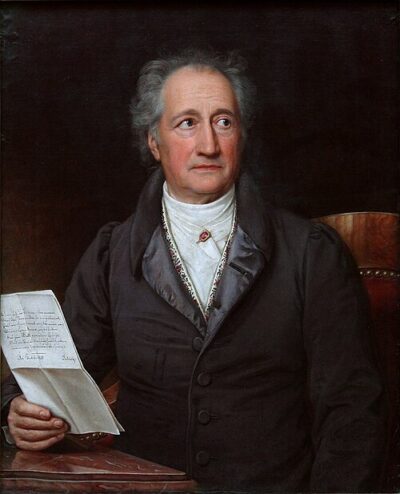 Johann Wolfgang von GoetheGerman writer, artist, natural scientist and politician (1749–1832)
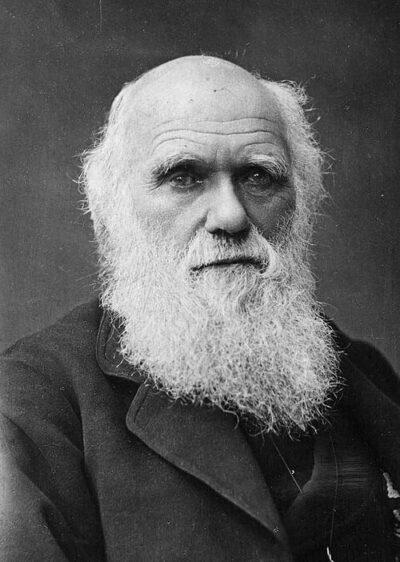 Charles Darwin (1857–)English naturalist and biologist (1809–1882)
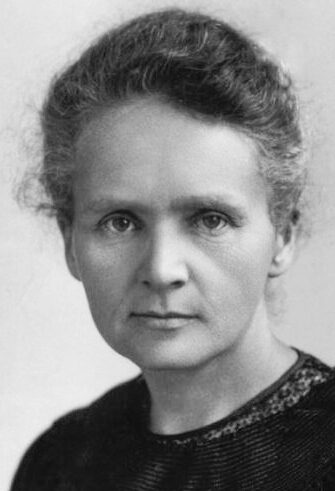 Marie Curie (1932–)Polish-born French physicist and chemist (1867–1934)
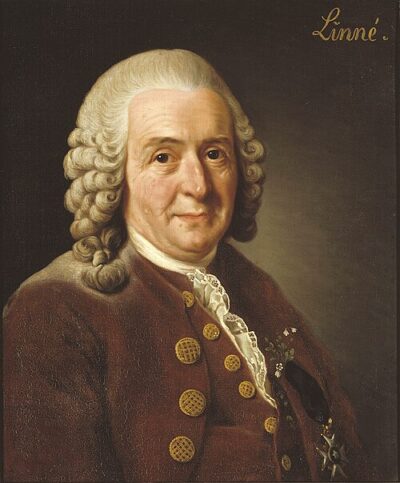 Carl LinnaeusSwedish botanist, physician, and zoologist (1707–1778); developed the foundations of modern taxonomy
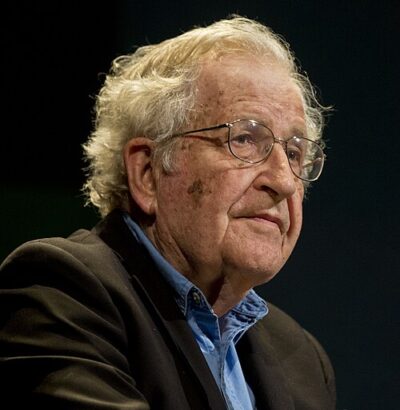 Noam Chomsky (1974–)American linguist and activist (born 1928)
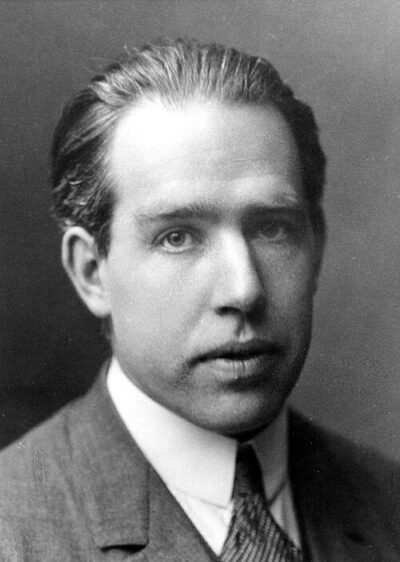 Niels Bohr (1932–)Danish physicist (1885–1962)
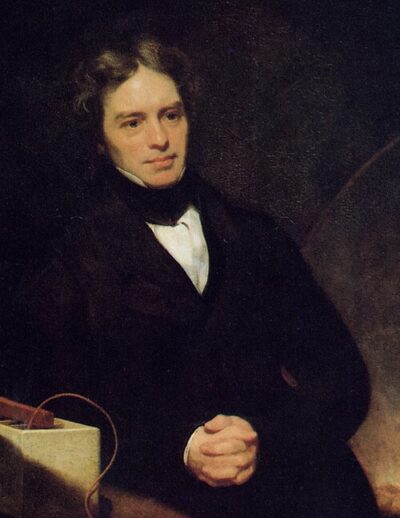 Michael FaradayBritish scientist (1791–1867)
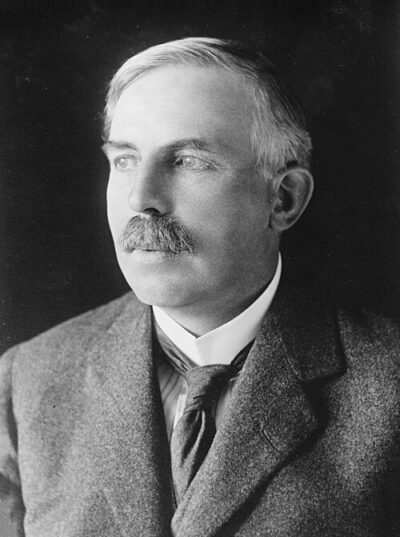 Ernest RutherfordNew Zealand physicist (1871–1937)
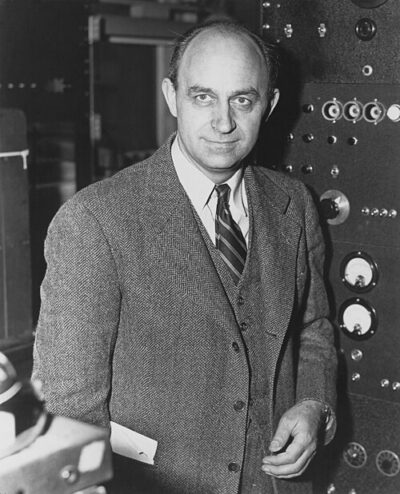 Enrico Fermi (1935–)Italian-American physicist (1901–1954)
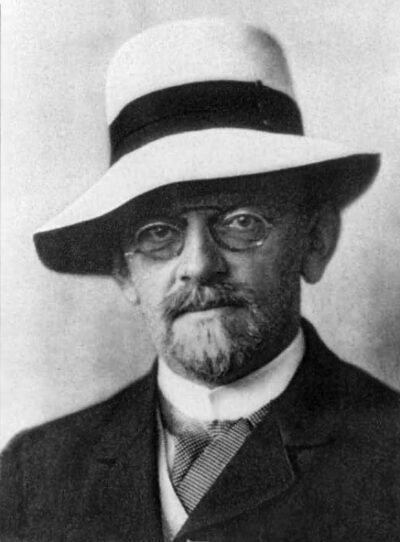 David Hilbert (1932–)German mathematician (1862–1943)
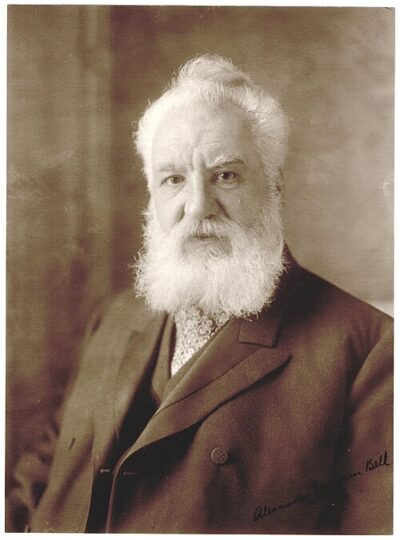 Alexander Graham Bell (1887–)Canadian-American scientist inventor of telephone (1847–1922)
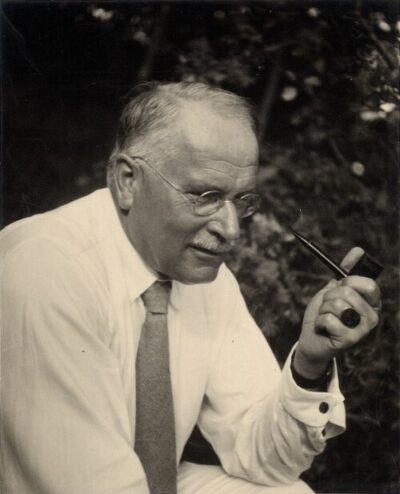 Carl JungSwiss psychiatrist and psychotherapist (1875–1961)
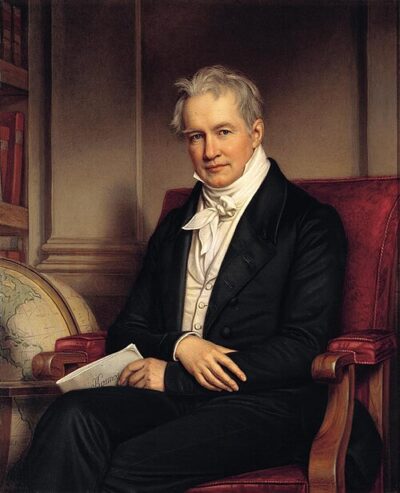 Alexander von HumboldtPrussian geographer, naturalist and explorer (1769–1859)
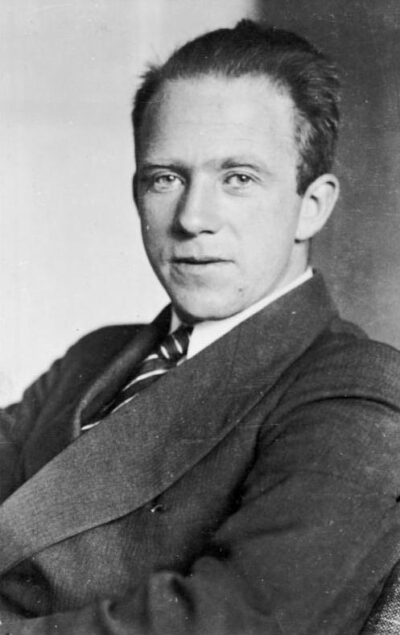 Werner Heisenberg (1933–)German theoretical physicist and nobel prize winner (1901–1976)
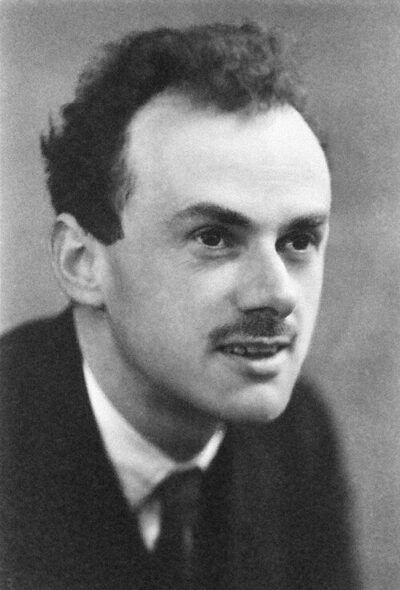 Paul Dirac (1958–)British theoretical physicist (1902–1984)
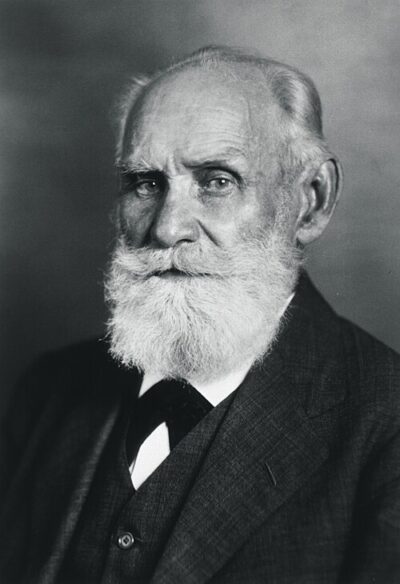 Ivan PavlovRussian physiologist (1849–1936)
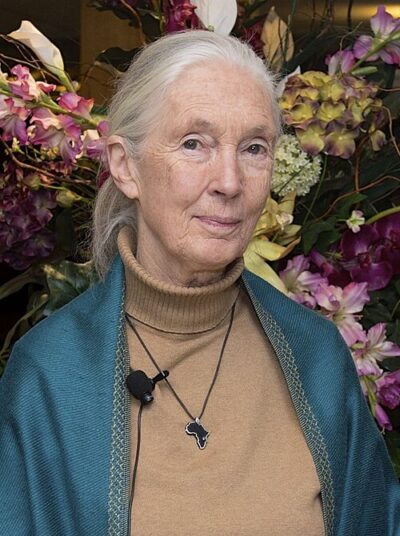 Jane GoodallEnglish primatologist and anthropologist (1934–2025)
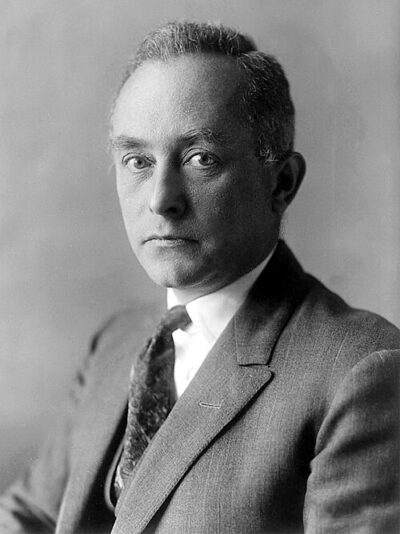 Max BornGerman-Jewish physicist and mathematician (1882–1970)
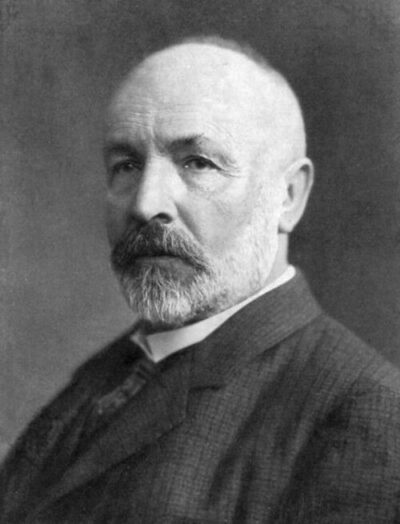 Georg CantorGerman mathematician, inventor of set theory (1845–1918)
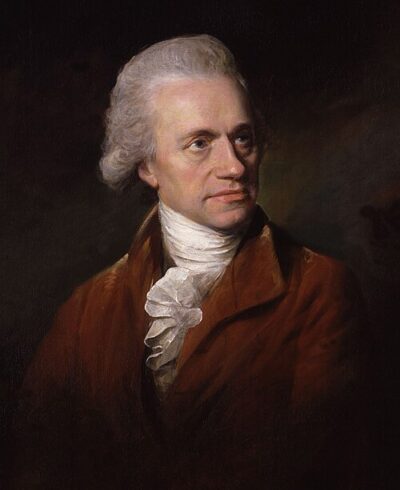 William HerschelGerman-born British astronomer and composer (1738–1822)
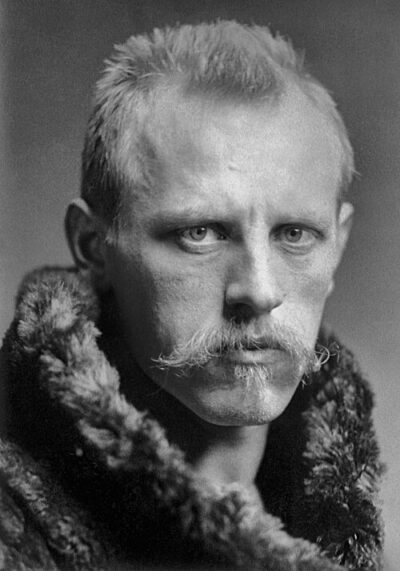 Fridtjof NansenNorwegian polar explorer (1861–1930)
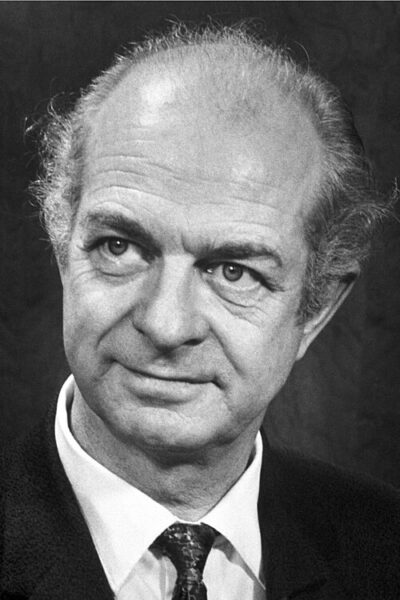 Linus PaulingAmerican scientist (1901–1994)
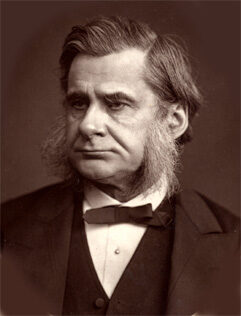 Thomas Henry HuxleyBritish biologist and comparative anatomist (1825–1895)
and 327 more
