

Trinity College
Trinity College is a constituent college of the University of Cambridge in England. It was founded in 1546 by Henry VIII of England. It has 729 employees (2025). 1,080 students study there.
- Located in
- Cambridge
- Country
- United Kingdom
- Founded
- 1546
- Students
- 1,080
- What it is
- college of the University of Cambridge
All 13 facts, and where they come from
Facts
13 facts · 0 confirmed by two sources · 3 cited · 10 from one source
Where this comes from
Papalocal keeps its own record. It started from these sources; what each one said is kept here as it was copied, so a change on their side never changes this page by itself. Tap one to read its version.
What Wikidata says · copied November 16, 2026 · revision 2546792512
- Described as
- constituent college of the University of Cambridge in England
- Other names
- Trinity College, Cambridge, College of the Holy and Undivided Trinity, University of Cambridge Trinity College
- What it is
- college of the University of Cambridge; school building; university building
- Founded
- 1546
- Founded by
- Henry VIII of England
- Headquarters
- Cambridge
- Located in
- Cambridge
- Country
- United Kingdom · 1 reference
- Employees
- 519 (2016) · 1 reference
- Part of
- University of Cambridge
- Students
- 1,080
- Named after
- Holy Trinity
- Official website
- https://www.trin.cam.ac.uk · 1 reference
- Wikipedias with a page
- 48
Wikidata item Q332342 (wikidata.org/wiki/Q332342), public domain (CC0). Copied 2026-11-16.
What Wikipedia says · copied November 16, 2026 · revision 1385950449
Trinity College is a constituent college of the University of Cambridge. Founded in 1546 by King Henry VIII, Trinity is one of the largest Cambridge colleges, with the largest financial endowment of any college at Oxford or Cambridge. Trinity has some of the most distinctive architecture in Cambridge with its Great Court said to be the largest enclosed courtyard in Europe. Academically, Trinity performs exceptionally as measured by the Tompkins Table (the annual unofficial league table of Cambridge colleges), coming top from 2011 to 2017, and regaining the position in 2024.
Members of Trinity have been awarded 34 Nobel Prizes out of the 126 received by members of the University of Cambridge (more than any other Oxford or Cambridge college). Members of the college have received four Fields Medals, one Turing Award and one Abel Prize. Trinity alumni include Francis Bacon, six British prime ministers (the highest number of any Cambridge college), founding prime minister of India Jawaharlal Nehru, physicists Isaac Newton, James Clerk Maxwell, Ernest Rutherford and Niels Bohr, mathematicians Srinivasa Ramanujan and Charles Babbage, poets Lord Byron and Lord Tennyson, English jurist Edward Coke, writers Vladimir Nabokov and A. A. Milne, historians Lord Macaulay and G. M. Trevelyan, and philosophers Ludwig Wittgenstein and Bertrand Russell (whom the college expelled before reaccepting).
Two members of the British royal family have studied at Trinity and been awarded degrees: Prince William of Gloucester and Edinburgh, who gained an MA degree in 1790, and King Charles III, who was awarded a lower second-class BA degree in 1970.
Trinity's many college societies include the Trinity Mathematical Society, the oldest mathematical university society in the United Kingdom, and the First and Third Trinity Boat Club, its rowing club, which gives its name to the May Ball. Along with Christ's, Jesus, King's and St John's colleges, it has provided several well-known members of the Cambridge Apostles, an intellectual secret society. In 1848, Trinity hosted a meeting at which Cambridge undergraduates representing fee-paying private schools codified a set of early rules of football known as the Cambridge rules. Trinity's sister college is Christ Church, Oxford. Trinity has been linked with Westminster School since the school's re-foundation in 1560, and its Master is an ex officio governor of the school.
From the Wikipedia article “Trinity College, Cambridge” (en.wikipedia.org/wiki/Trinity_College,_Cambridge), by its contributors, under CC BY-SA 4.0 (creativecommons.org/licenses/by-sa/4.0/). Copied 2026-11-16; not changed.
Confirmed Two sources agree. Cited One source, and it names where it got it. One source One source, without a reference of its own. Sources disagree The sources disagree. We show the best-supported value and keep theirs below.
Picture: Wikimedia Commons: Cmglee Cambridge Trinity College Great Court.jpg · See Commons file page
People connected 101
Studied here 101
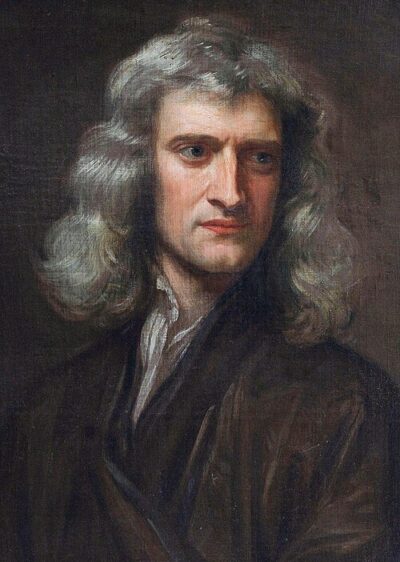 Isaac Newton (1661–1668)English mathematician and physicist (1642–1727)
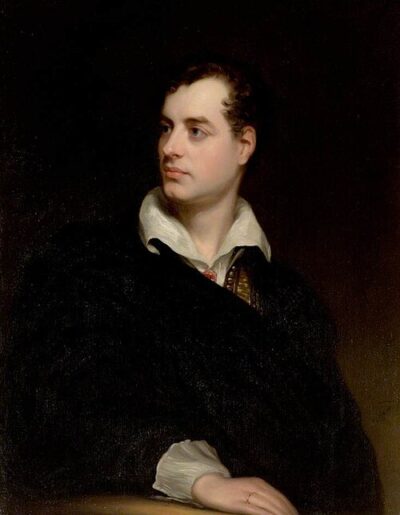 Lord ByronEnglish Romantic poet and lyricist (1788–1824)
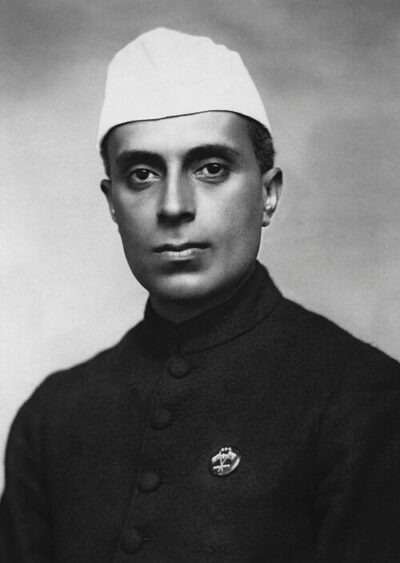 Jawaharlal Nehru (–1910)Prime Minister of India from 1947 to 1964
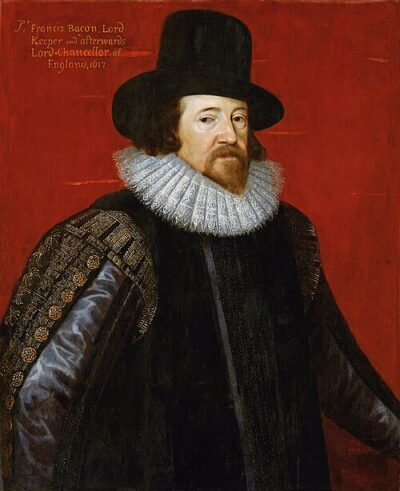 Francis BaconEnglish philosopher and statesman (1561–1626)
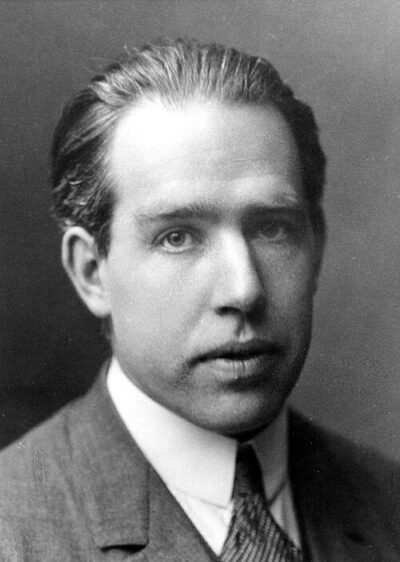 Niels BohrDanish physicist (1885–1962)
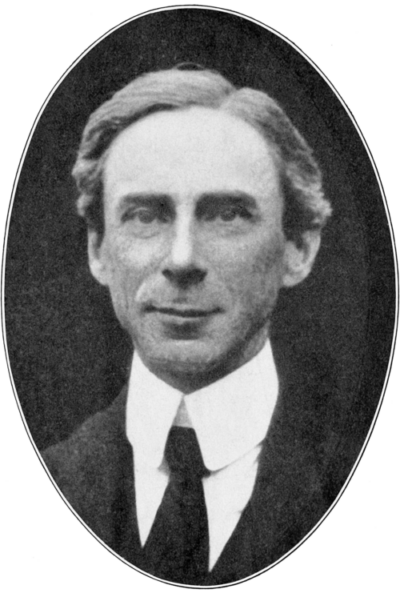 Bertrand Russell (1890–1894)British philosopher and logician (1872–1970)
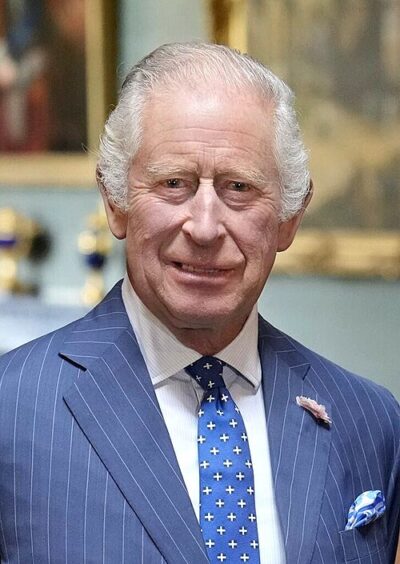 Charles III (1967–1970)King of the United Kingdom since 2022 (born 1948)
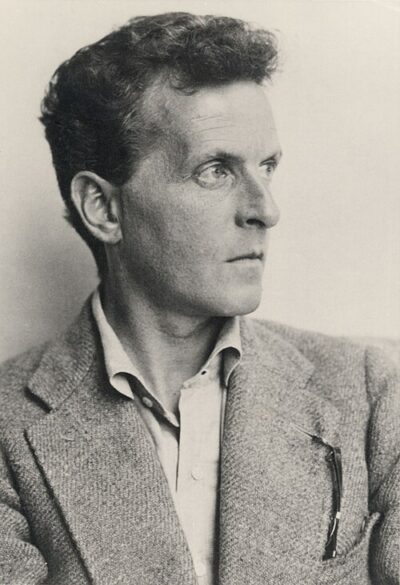 Ludwig Wittgenstein (1911–1913)Austrian philosopher and logician (1889–1951)
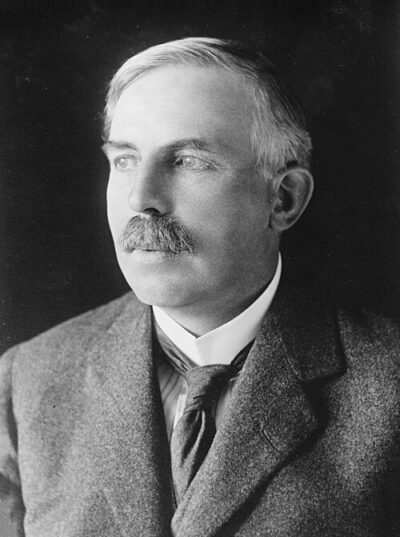 Ernest RutherfordNew Zealand physicist (1871–1937)
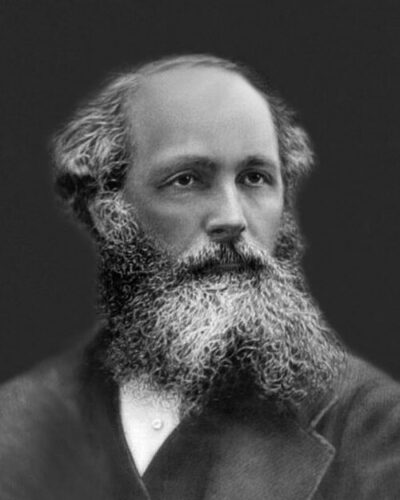 James Clerk Maxwell (1851–1854)Scottish physicist (1831–1879)
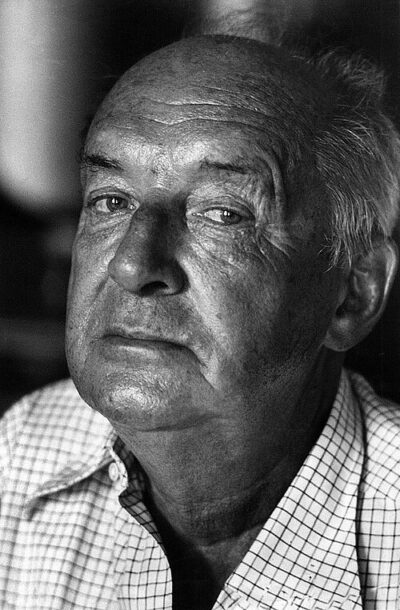 Vladimir Nabokov (–1922)Russian-American novelist, lepidopterist, professor (1899–1977)
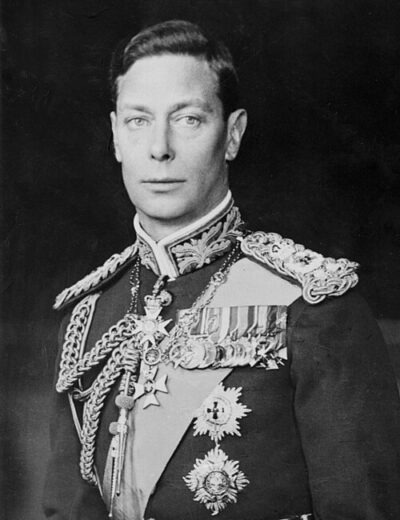 George VI (–1920)King of the United Kingdom from 1936 to 1952
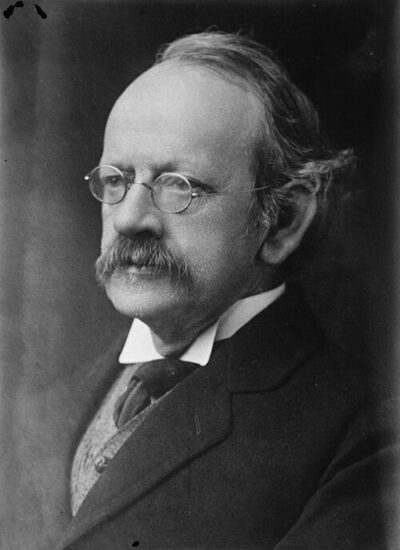 Joseph John ThomsonBritish physicist (1856-1940)
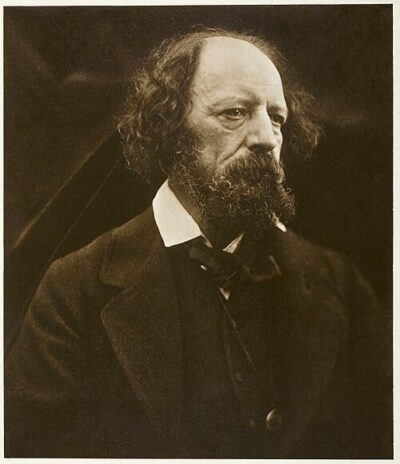 Alfred TennysonBritish Poet Laureate (1809–1892)
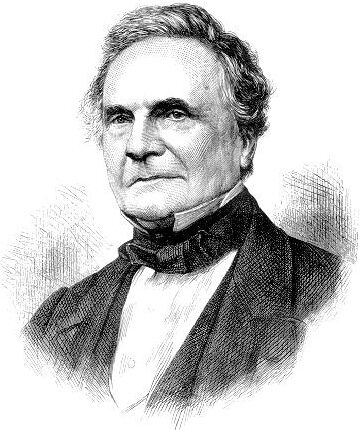 Charles Babbage (1810–)English mathematician, philosopher, and engineer (1791–1871)
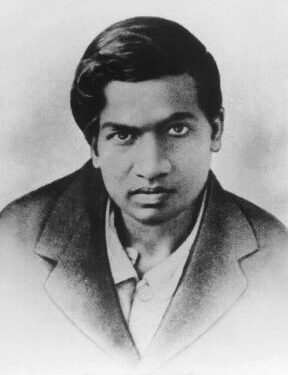 Srinivasa Ramanujan (1914–1916)Indian mathematician (1887–1920)
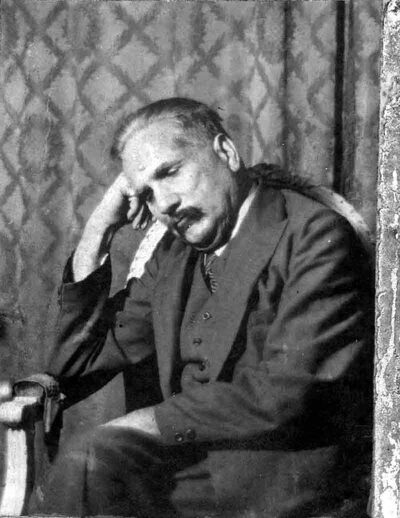 Muhammad Iqbal (1905–1908)British-Indian Islamic philosopher, poet and politician (1877-1938)
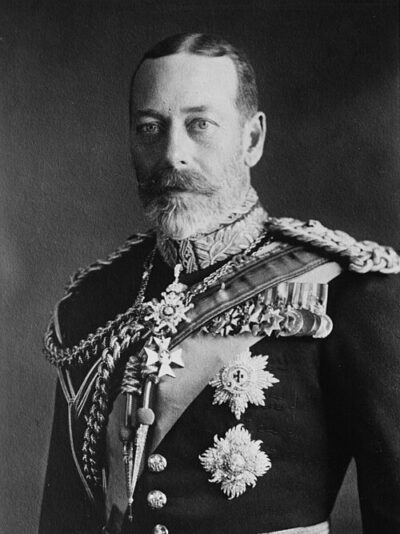 George VKing of the United Kingdom from 1910 to 1936
 Rajiv GandhiPrime Minister of India (1984-1989)
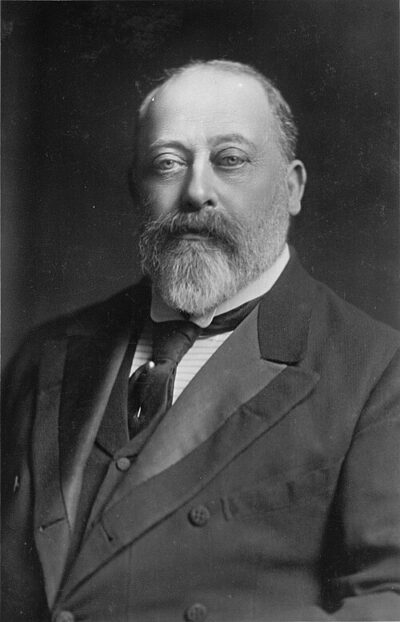 Edward VIIKing of the United Kingdom from 1901 to 1910
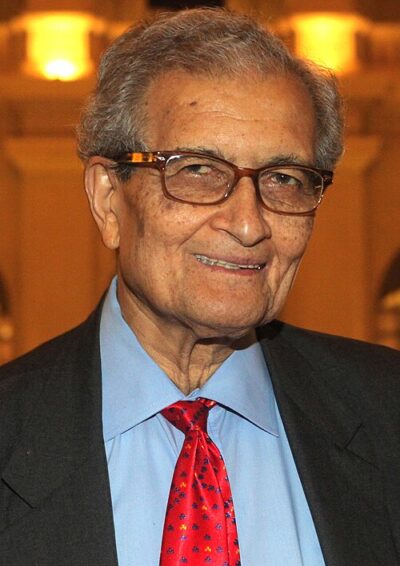 Amartya SenIndian economist and philosopher (1933-)
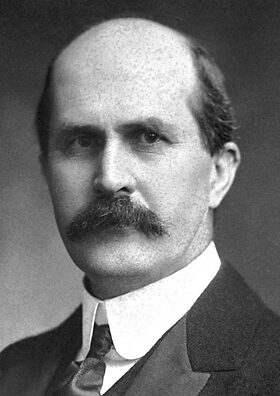 William Henry Bragg (1881–1885)British scientist (1862–1942)
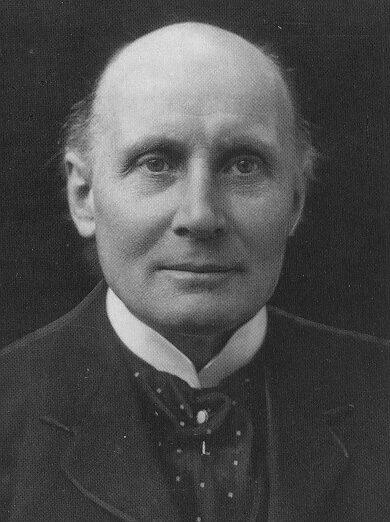 Alfred North Whitehead (1880–1884)English mathematician and philosopher (1861–1947)
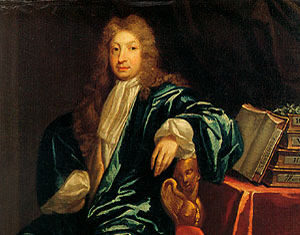 John Dryden17th-century English poet and playwright (1631–1700)
and 77 more
Worked here
- Bertrand Russell (1899–1970)British philosopher and logician (1872–1970)
- Ludwig Wittgenstein (1929–1947)Austrian philosopher and logician (1889–1951)
- Srinivasa Ramanujan (1916–1919)Indian mathematician (1887–1920)
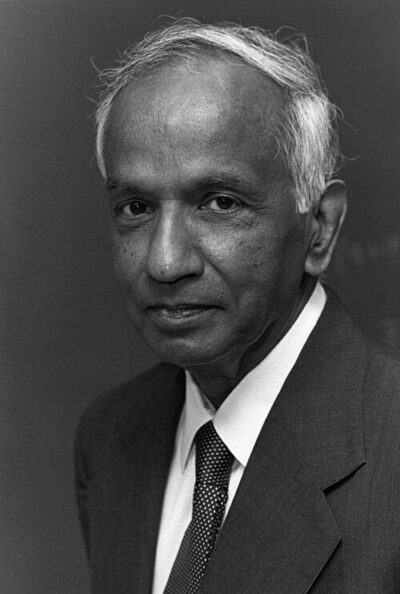 Subrahmanyan Chandrasekhar (1933–1937)Indian-American astrophysicist
 John Pople (1951–1954)Nobel prize winning British chemist (1925-2004)
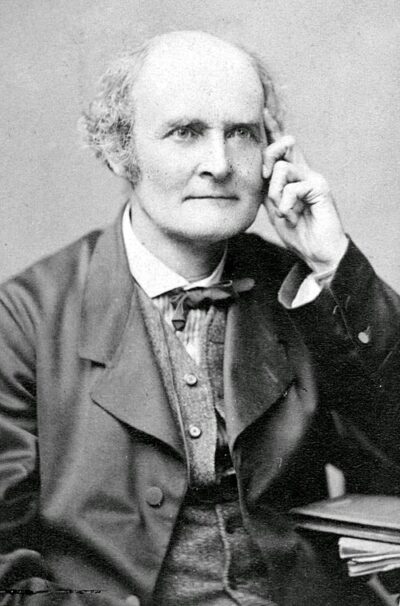 Arthur Cayley (1842–1846)English mathematician (1821-1895)
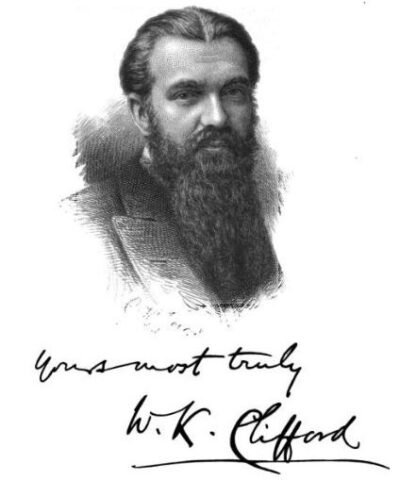 William Kingdon Clifford (1868–1871)English mathematician and philosopher
