
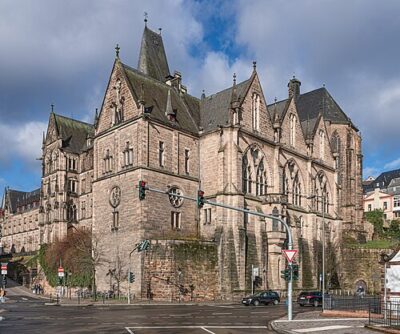
University of Marburg
The University of Marburg is a German university. It was founded in 1527. 22,612 students study there (2023).
- Located in
- Marburg
- Country
- Germany
- Founded
- 1527
- Students
- 22,612 (2023)
- What it is
- public university
All 10 facts, and where they come from
Facts
10 facts · 0 confirmed by two sources · 5 cited · 5 from one source
Where this comes from
Papalocal keeps its own record. It started from these sources; what each one said is kept here as it was copied, so a change on their side never changes this page by itself. Tap one to read its version.
What Wikidata says · copied November 16, 2026 · revision 2568158196
- Described as
- German university
- Other names
- Philipps University of Marburg, Philipps-Universität, Philipps-University Marburg
- What it is
- public university; comprehensive university
- Founded
- 1527 · 2 references
- Headquarters
- Marburg
- Located in
- Marburg · 1 reference
- Country
- Germany · 1 reference
- Chair
- Thomas Nauss (2022–) · 1 reference
- Students
- 26,820 (2016) · 1 reference
- Named after
- Philip I of Hesse · 1 reference
- Official website
- https://www.uni-marburg.de/
- Wikipedias with a page
- 51
Wikidata item Q155354 (wikidata.org/wiki/Q155354), public domain (CC0). Copied 2026-11-16.
What Wikipedia says · copied November 16, 2026 · revision 1385421519
Marburg University (German: Philipps-Universität Marburg) is a public research university located in Marburg, Germany. It was founded in 1527 by Philip I, Landgrave of Hesse, which makes it one of Germany's oldest universities and the oldest still operating Protestant university in the world. It is now a public university of the state of Hesse, without religious affiliation.
Marburg University has 21,162 students (2024/25) and is located in Marburg. It offers an International summer university programme and offers student exchanges through the Erasmus programme.
From the Wikipedia article “Marburg University” (en.wikipedia.org/wiki/Marburg_University), by its contributors, under CC BY-SA 4.0 (creativecommons.org/licenses/by-sa/4.0/). Copied 2026-11-16; not changed.
Confirmed Two sources agree. Cited One source, and it names where it got it. One source One source, without a reference of its own. Sources disagree The sources disagree. We show the best-supported value and keep theirs below.
Picture: A.Savin, via Wikimedia Commons · FAL
People connected 106
Studied here 71
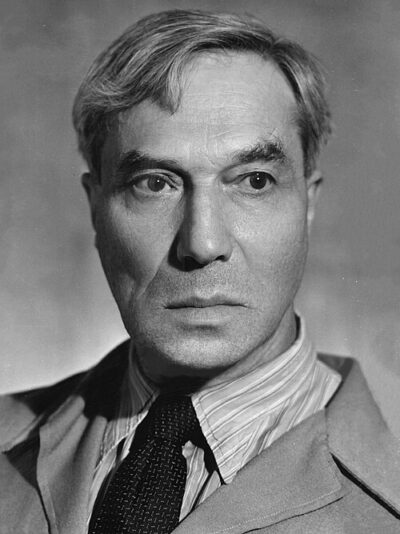 Boris Pasternak (1912)Russian writer (1890–1960)
 Hannah Arendt (1924–1926)German-American political theorist and philosopher (1906–1975)
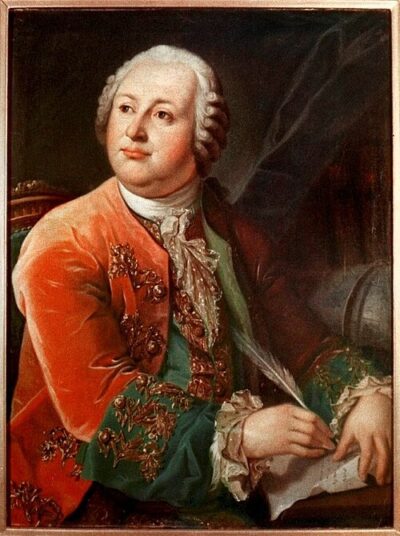 Mikhail Lomonosov (1736–1739)Russian polymath (1711-1765)
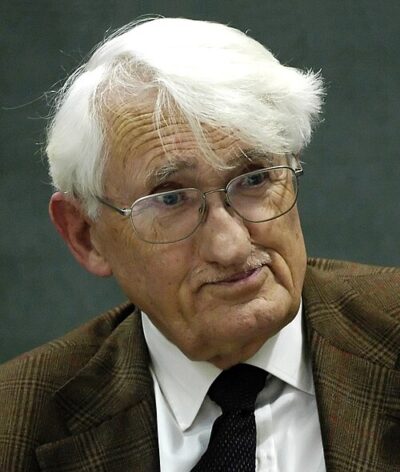 Jürgen HabermasGerman sociologist and philosopher (1929–2026)
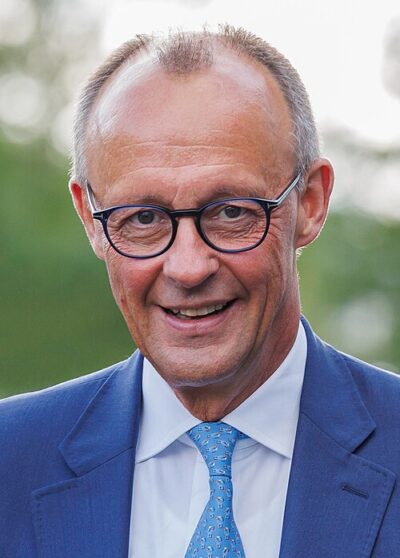 Friedrich MerzGerman politician, Chancellor of the Federal Republic of Germany
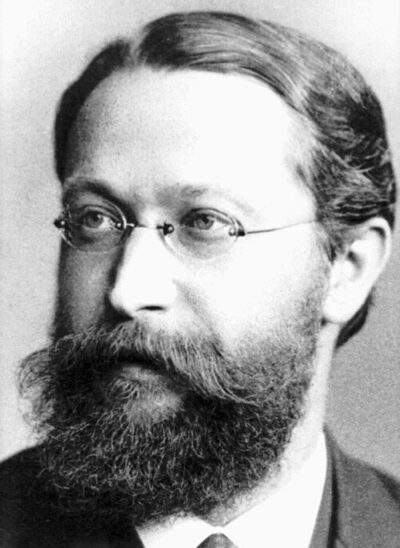 Karl Ferdinand BraunGerman physicist (1850–1918)
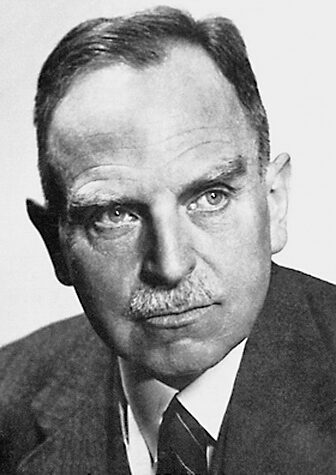 Otto Hahn (1897–1901)German chemist and physicist (1879–1968)
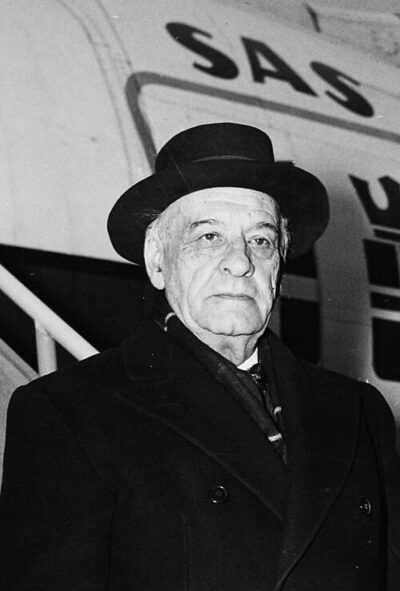 José Ortega y Gasset (1906–)Spanish liberal philosopher and essayist (1883–1955)
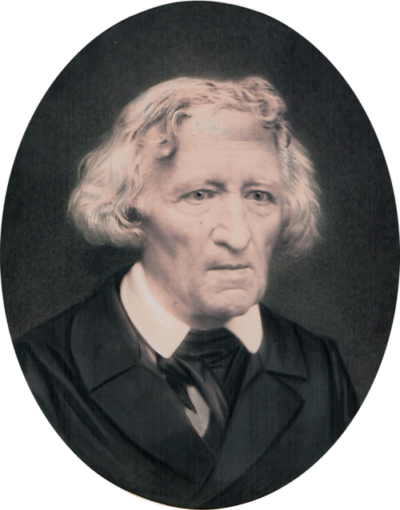 Jacob GrimmGerman philologist, linguist, jurist and mythologist (1785–1863)
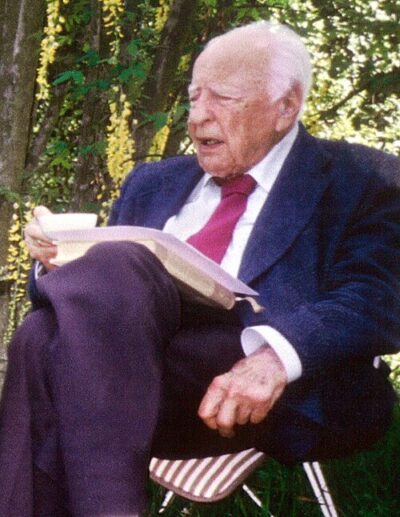 Hans-Georg Gadamer (1919–1922)German philosopher (1900–2002)
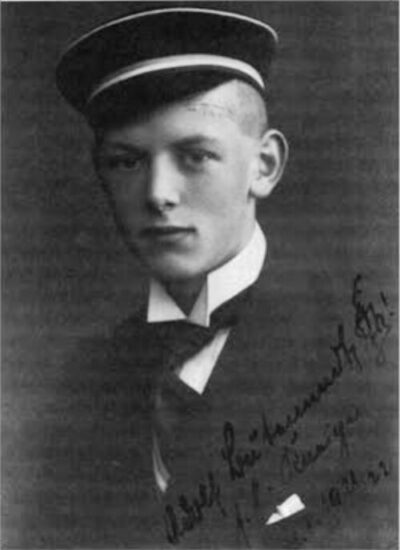 Adolf ButenandtGerman biochemist (1903-1995)
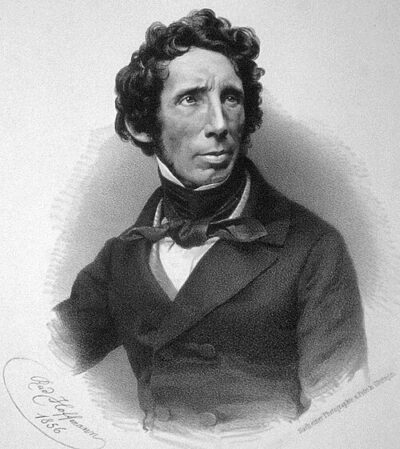 Friedrich WöhlerGerman chemist (1800-1882)
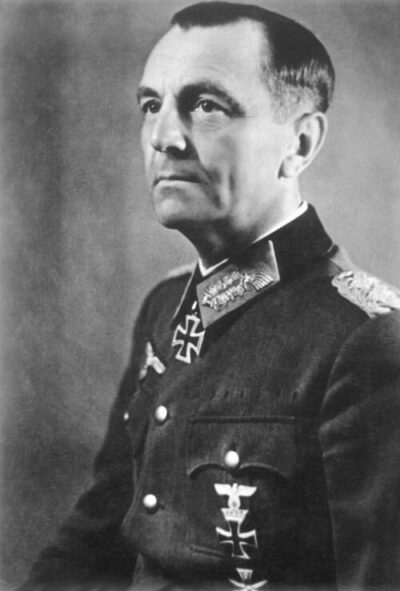 Friedrich PaulusGerman general (1890–1957)
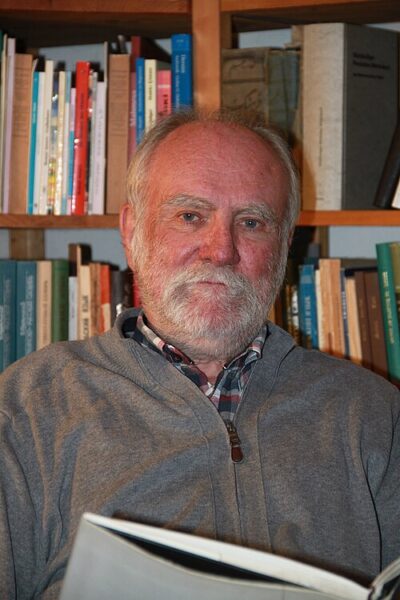 Jost GippertGerman linguist
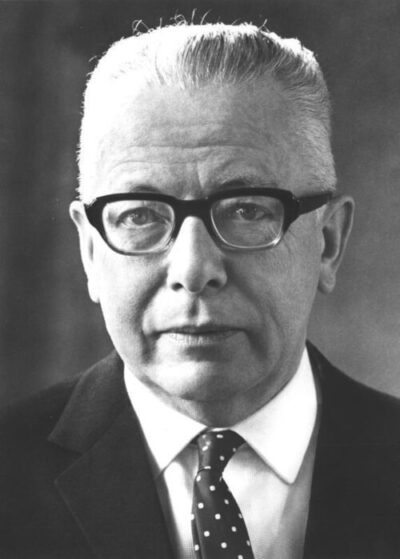 Gustav HeinemannGerman politician; President of Germany from 1969–1974 (1899–1976)
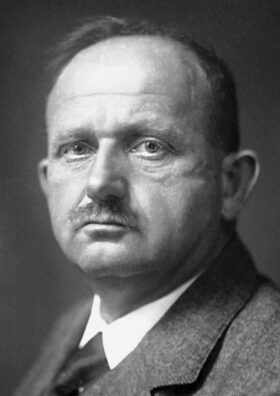 Hans FischerGerman chemist (1881–1945)
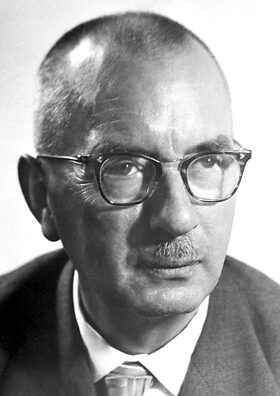 Karl ZieglerGerman chemist (1898–1973)
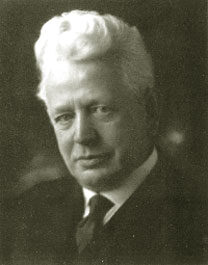 Ernst CassirerGerman philosopher (1874–1945)
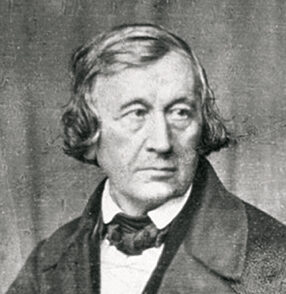 Wilhelm GrimmGerman author, philologist, collector of fairy tales and legends (1786–1859)
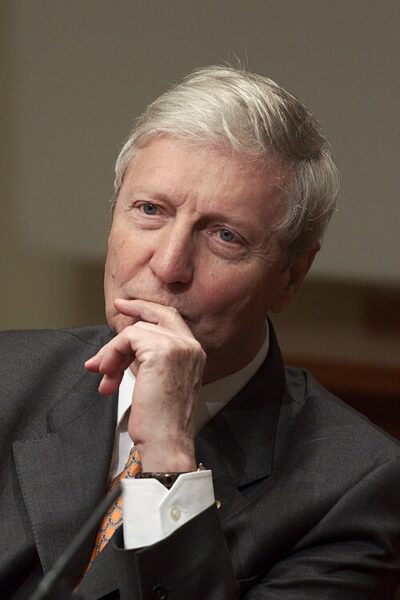 Jules A. HoffmannFrench biologist
- GGeorg WittigGerman chemist (1979 Nobel Prize)
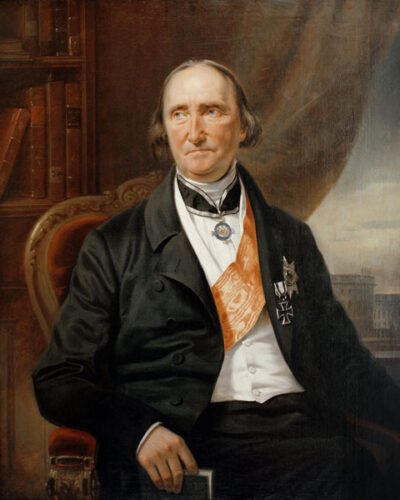 Friedrich Carl von SavignyGerman jurist (1779-1861)
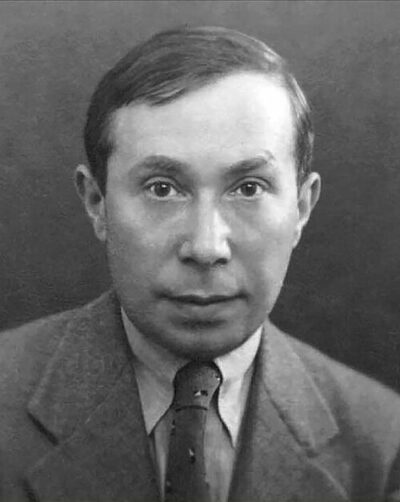 Leo StraussHistory of Political Philosophy scholar (1899-1973)
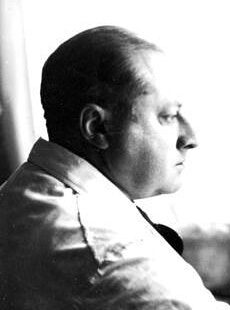 Gottfried BennGerman physician, poet, and essayist (1886–1956)
and 47 more
Worked here 57
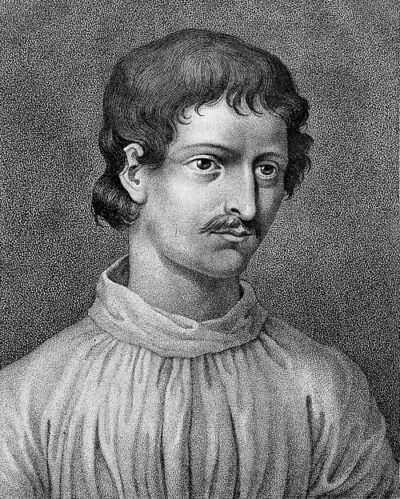 Giordano Bruno (1586)Italian Dominican friar, philosopher and mathematician (1548–1600)
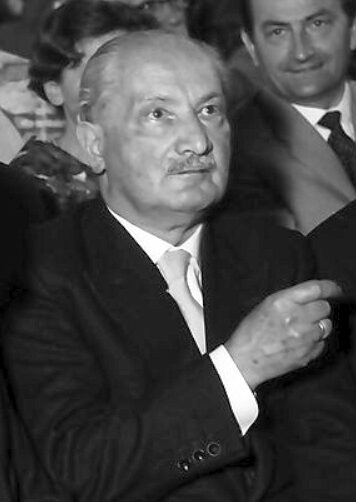 Martin Heidegger (1923–1928)German philosopher (1889–1976)
- Mikhail LomonosovRussian polymath (1711-1765)
- Jürgen HabermasGerman sociologist and philosopher (1929–2026)
- Karl Ferdinand BraunGerman physicist (1850–1918)
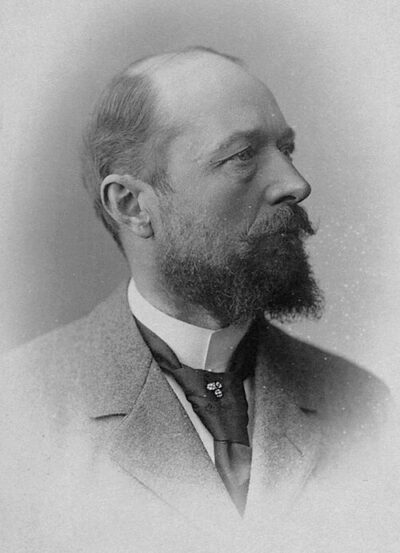 Emil von BehringGerman physiologist who received the first Nobel Prize in Physiology or Medicine 1901 for his discovery of a diphtheria antitoxin
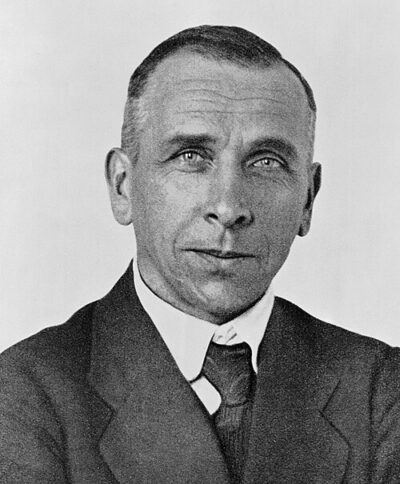 Alfred WegenerGerman climatologist and geophysicist (1880–1930)
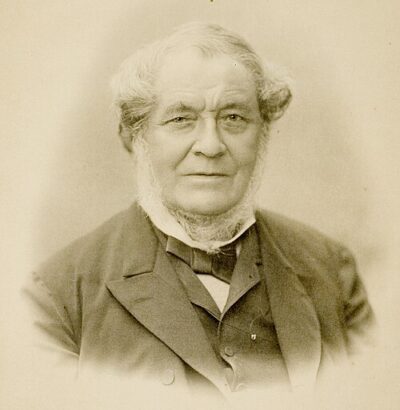 Robert Bunsen (1839–1851)German chemist (1811-1899)
- Hans-Georg Gadamer (1928–1938)German philosopher (1900–2002)
- Adolf ButenandtGerman biochemist (1903-1995)
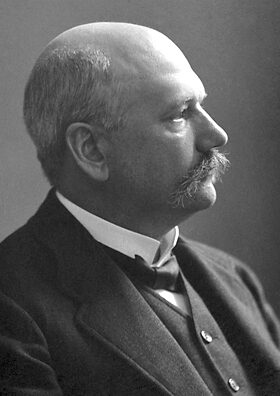 Albrecht Kossel (1895–1901)German biochemist and pioneer in the study of genetics
- Karl ZieglerGerman chemist (1898–1973)
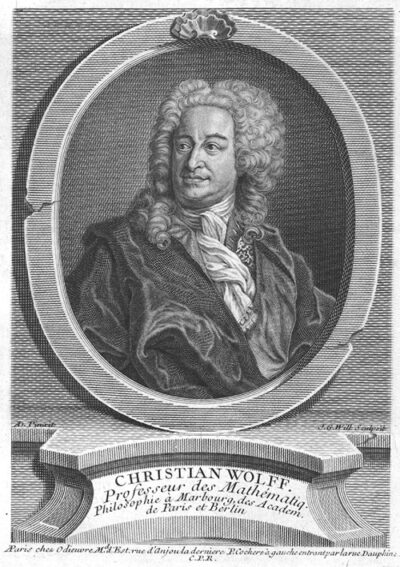 Christian Wolff (1723–1740)German philosopher (1679–1754)
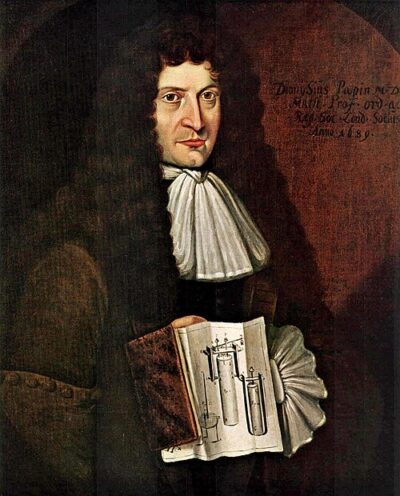 Denis Papin (1687–1696)French physicist, mathematician and inventor (1647–1713)
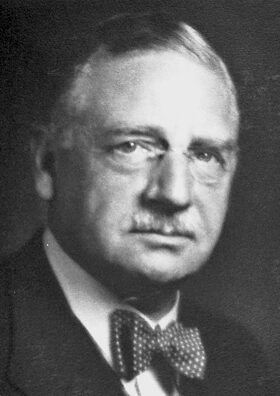 Otto LoewiJewish-German pharmacologist
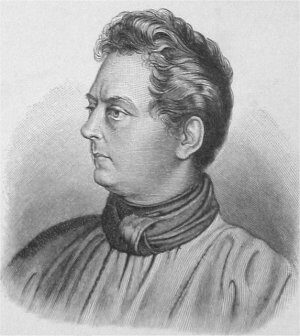 Clemens BrentanoGerman poet and novelist (1778–1842)
- GGeorg WittigGerman chemist (1979 Nobel Prize)
- Friedrich Carl von SavignyGerman jurist (1779-1861)
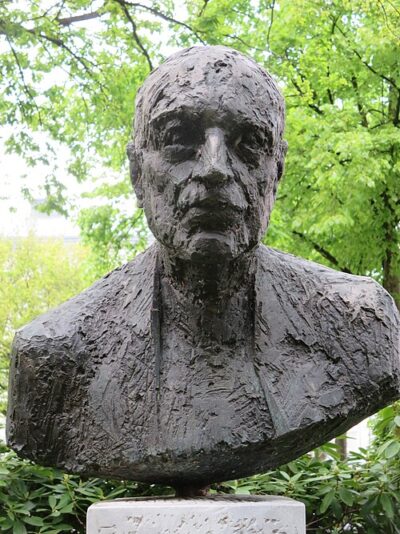 Rudolf BultmannGerman theologian (1884–1976)
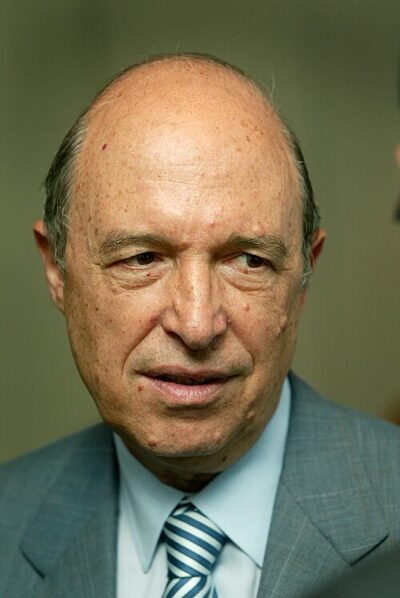 Costas Simitis (1961–1971)Greek jurist, economist, academic and politician (1936–2025)
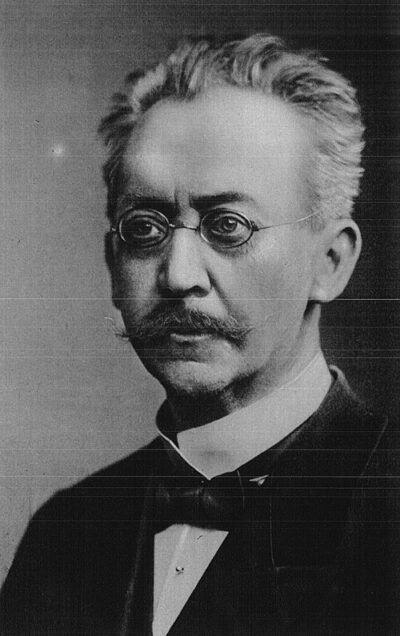 Adolf von Harnack (1886–)Baltic German theologian and prominent church historian (1851–1930)
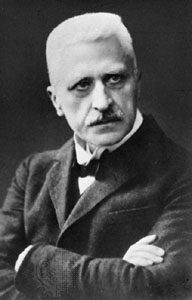 Rudolf OttoGerman theologian, philosopher, and comparative religionist (1869–1937)
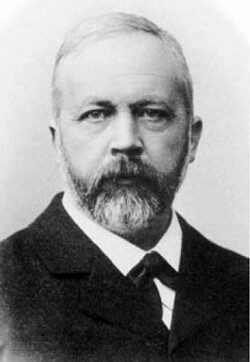 Julius WellhausenGerman theologian and orientalist (1844–1918)
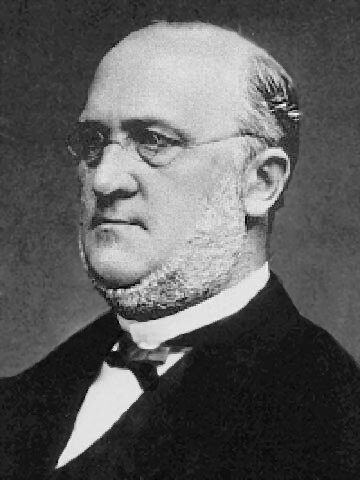 Adolph Wilhelm Hermann KolbeGerman chemist (1818–1884)
and 33 more
