King's College London
King's College London is a public research university in London, United Kingdom. It was founded in 1829 by George IV of the United Kingdom and Arthur Wellesley, 1st Duke of Wellington. It has 7,250 employees. 18,630 students study there.
- Located in
- Southwark
- Country
- United Kingdom
- Founded
- 1829
- Students
- 18,630
- What it is
- public research university
All 13 facts, and where they come from
Facts
13 facts · 0 confirmed by two sources · 0 cited · 13 from one source
Where this comes from
Papalocal keeps its own record. It started from these sources; what each one said is kept here as it was copied, so a change on their side never changes this page by itself. Tap one to read its version.
What Wikidata says · copied November 16, 2026 · revision 2567478828
- Described as
- public research university in London, United Kingdom
- Other names
- Kings College London, King's, KCL, King’s College, London, Kings College, London
- What it is
- public research university · 1 reference; constituent college; educational organization · 1 reference
- Founded
- 1829
- Founded by
- George IV of the United Kingdom; Arthur Wellesley, 1st Duke of Wellington
- Headquarters
- London
- Located in
- Southwark
- Country
- United Kingdom · 1 reference
- Employees
- 7,250 · 1 reference
- Part of
- University of London · 1 reference
- Students
- 18,630
- Official website
- https://kcl.ac.uk/
- Wikipedias with a page
- 60
Wikidata item Q245247 (wikidata.org/wiki/Q245247), public domain (CC0). Copied 2026-11-16.
What Wikipedia says · copied November 16, 2026 · revision 1384567939
King's College London (informally King's or KCL) is a public research university in London, England. King's was established by royal charter in 1829 under the patronage of King George IV and the Duke of Wellington. In 1836, King's became one of the two founding colleges of the University of London. It is one of the oldest university-level institutions in England.
King's grew in the late 20th century through a series of mergers and reincorporations, including the reincorporation of its medical and dental school in 1983, mergers with Queen Elizabeth College and Chelsea College of Science and Technology in 1985 and the Institute of Psychiatry in 1997, and the merger of the United Medical and Dental Schools of Guy's and St Thomas' Hospitals in 1998. Plans for a merger with Cranfield University were announced in May 2026.
King's operates across five main campuses: the historic Strand Campus in central London, three other Thames-side campuses (Guy's, St Thomas' and Waterloo) nearby, and a campus in Denmark Hill in south London. It also has a presence in Shrivenham, Oxfordshire, for professional military education, and in Newquay, Cornwall, which is where King's information service center is based. The academic activities are organized into nine faculties, which are subdivided into numerous departments, centers, and research divisions. In 2024/25, King's reported total income of £1.377 billion, of which £260.5 million was from research grants and contracts. It has the fourth largest endowment of any university in the UK, and the largest of any in London. King's is the sixth-largest university in the UK by total enrolment and receives over 68,000 undergraduate applications per year.
King's is a member of a range of academic organizations including the Association of Commonwealth Universities, the European University Association, and the Russell Group. King's is home to the Medical Research Council's MRC Centre for Neurodevelopmental Disorders and is a founding member of the King's Health Partners academic health sciences centre, Francis Crick Institute and MedCity. By total enrolment, it is the largest European centre for graduate and post-graduate medical teaching and biomedical research, including the world's first nursing school, the Florence Nightingale Faculty of Nursing and Midwifery. King's is generally regarded as part of the "golden triangle" of universities located in and about Oxford, Cambridge and London. King's has typically enjoyed royal patronage by virtue of its foundation; King Charles III reaffirmed patronage in May 2024.
Alumni and staff of King's or institutions that later merged with King's include 14 Nobel Prize laureates; heads of states, governments and intergovernmental organisations; 21 current members of the House of Commons, two Speakers of the House of Commons and 12 current members of the House of Lords; and the recipients of three Oscars.
From the Wikipedia article “King's College London” (en.wikipedia.org/wiki/King's_College_London), by its contributors, under CC BY-SA 4.0 (creativecommons.org/licenses/by-sa/4.0/). Copied 2026-11-16; not changed.
Confirmed Two sources agree. Cited One source, and it names where it got it. One source One source, without a reference of its own. Sources disagree The sources disagree. We show the best-supported value and keep theirs below.
Picture: Wikimedia Commons: Strand102.jpg · See Commons file page
People connected 56
Studied here 37
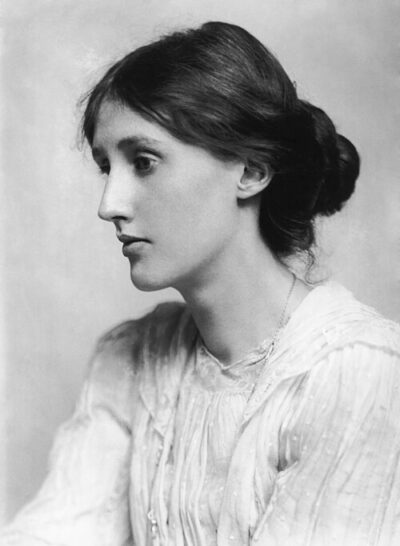 Virginia WoolfEnglish modernist writer (1882–1941)
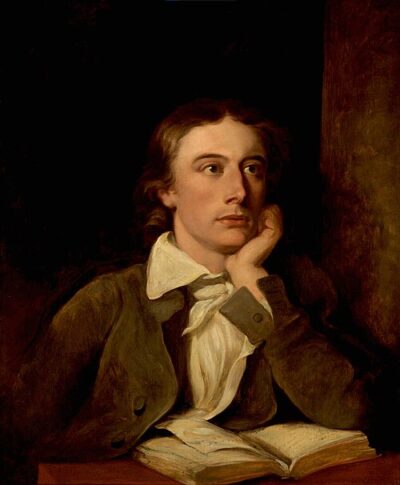 John KeatsEnglish Romantic poet (1795–1821)
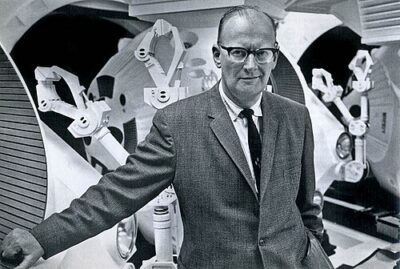 Arthur C. ClarkeBritish science fiction writer, inventor, and futurist (1917–2008)
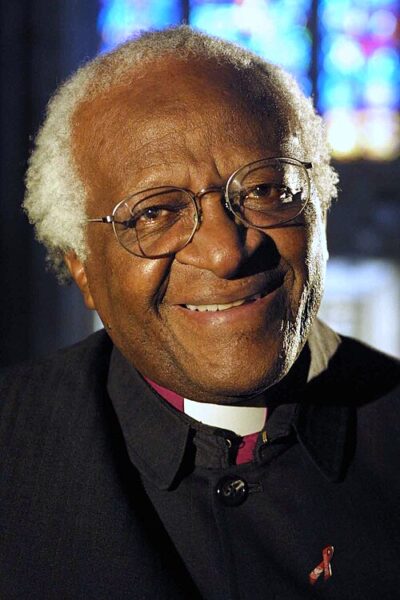 Desmond Tutu (1962–2012)South African churchman, politician, archbishop, Nobel Prize winner (1931–2021)
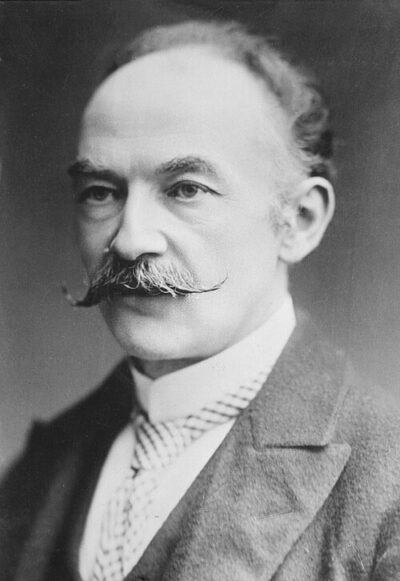 Thomas Hardy (1865–1866)English novelist and poet (1840–1928)
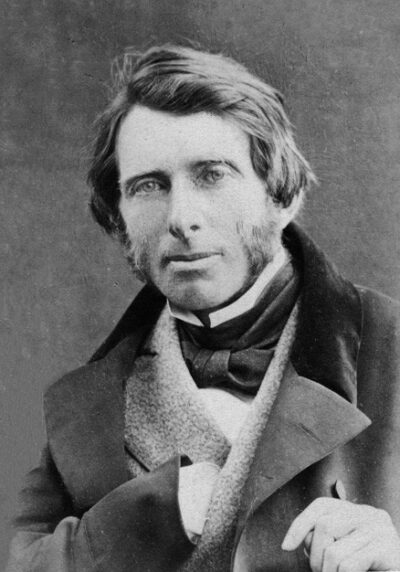 John RuskinEnglish writer and art critic (1819–1900)
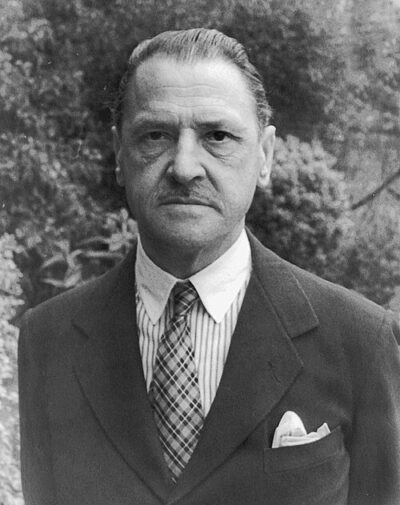 William Somerset MaughamEnglish playwright and author (1874–1965)
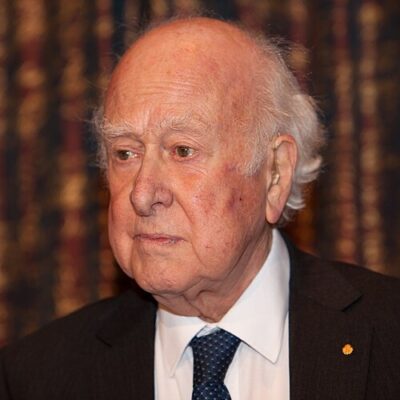 Peter Higgs (1947–1954)British physicist and Nobel Prize winner (1929–2024)
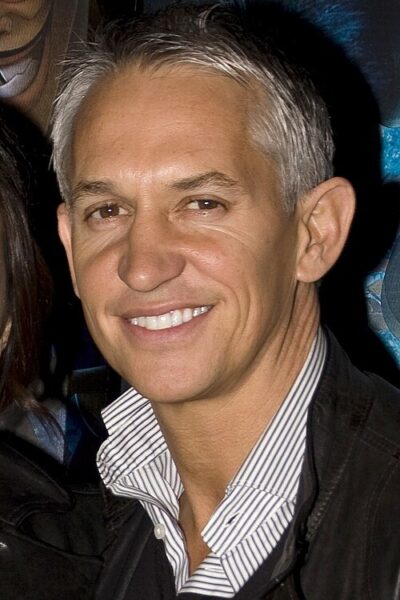 Gary LinekerEnglish football pundit and former player
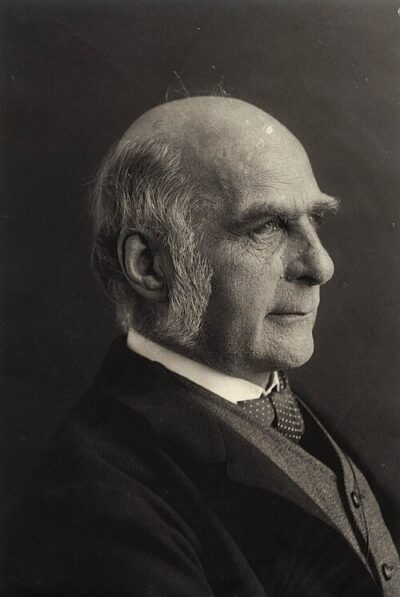 Francis Galton (1839–1840)British eugenist, polymath, and behavioural geneticist (1822–1911)
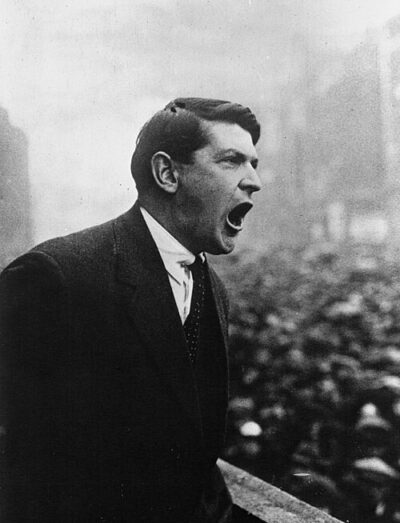 Michael CollinsIrish revolutionary and politician (1890–1922)
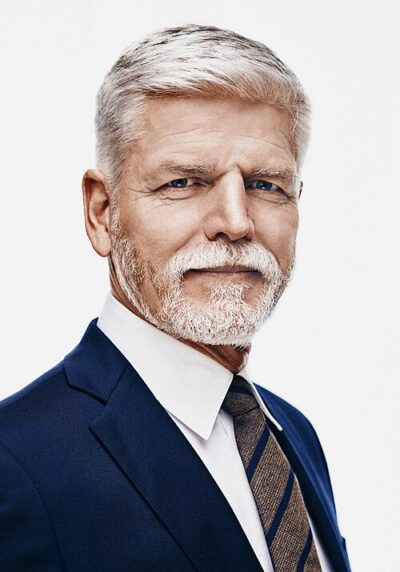 Petr Pavel (2005–2006)Czech general and statesman, 4th president of the Czech Republic (born 1961)
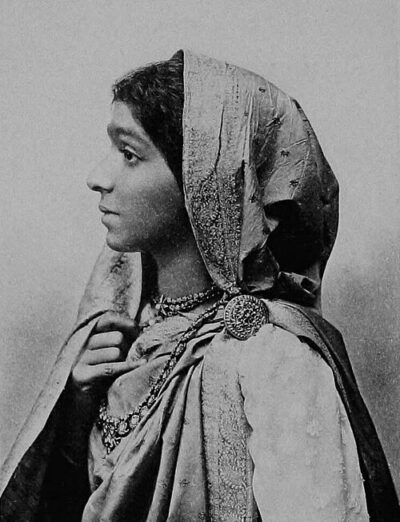 Sarojini NaiduIndian poet, politician, governor of the United Provinces of Agra and Oudh from1947 to 1949
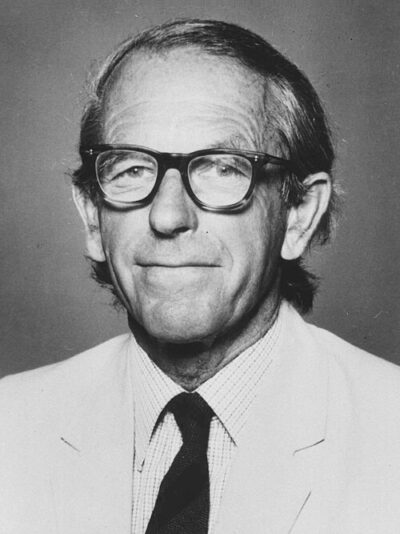
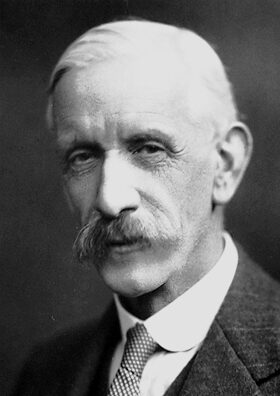 Frederick HopkinsEnglish biochemist
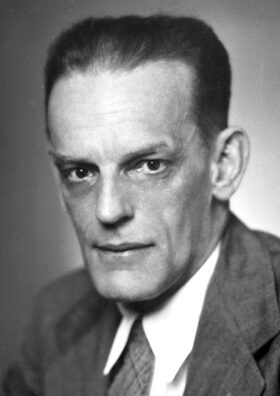 Max TheilerSouth African-American virologist and doctor (1899-1972)
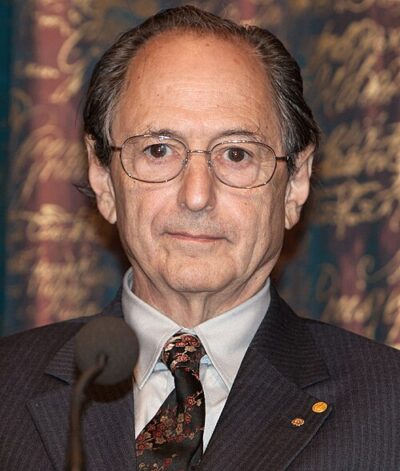 Michael Levittbiophysicist and Professor of Structural biology
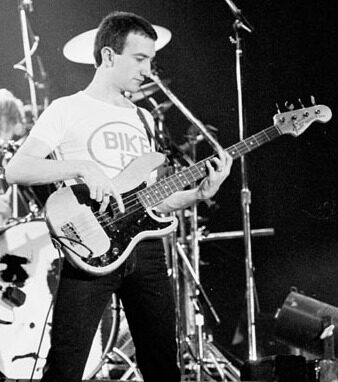 John DeaconBritish musician, bassist and songwriter (born 1951)
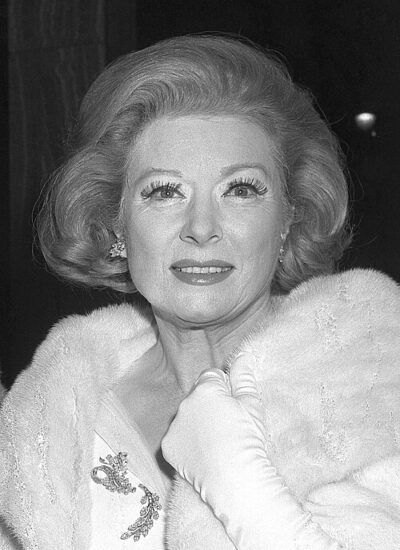 Greer GarsonBritish-American actress (1904-1996)
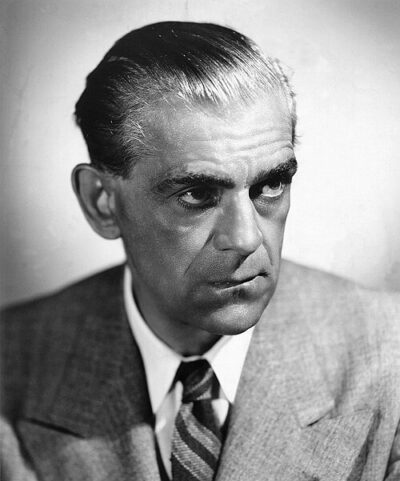 Boris KarloffBritish actor (1887–1969)
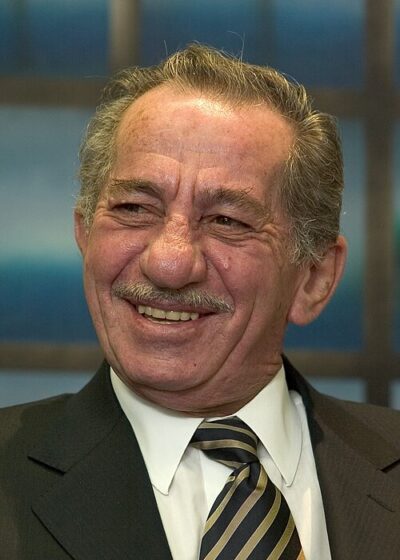 Tassos Papadopoulos5th President of the Republic of Cyprus (2003-2008)
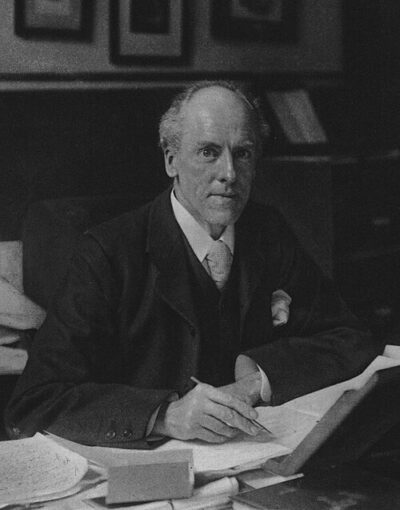 Karl PearsonEnglish mathematician, biometrician, and eugenicist (1857–1936)
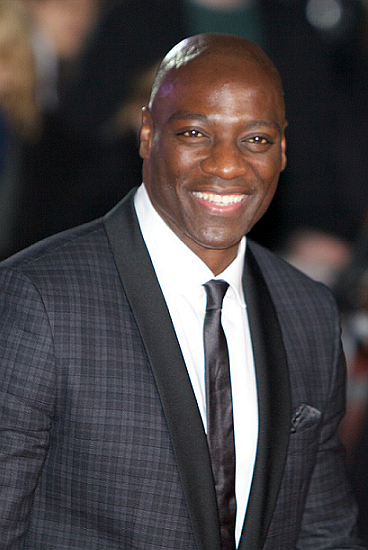 Adewale Akinnuoye-AgbajeEnglish actor
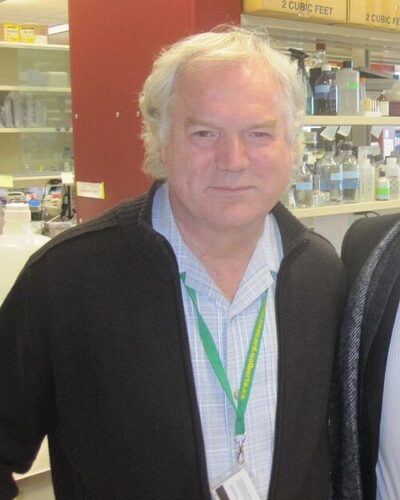 Michael Houghtonvirologist
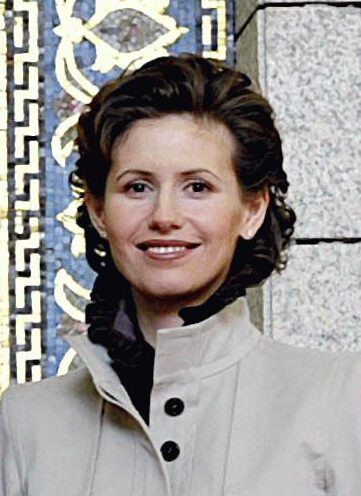 Asma al-Assad (–1996)First Lady of Syrian Arab Republic (2000-2024)
and 13 more
Worked here
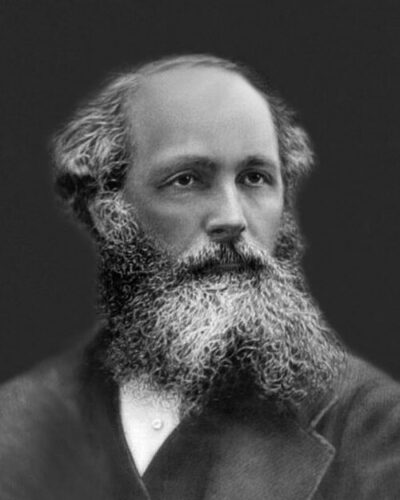 James Clerk Maxwell (1860–1866)Scottish physicist (1831–1879)
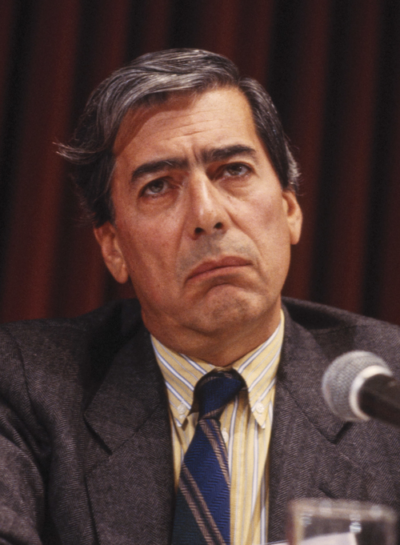 Mario Vargas Llosa (1969–1970)Peruvian, Spanish and Dominican novelist and writer (1936–2025)
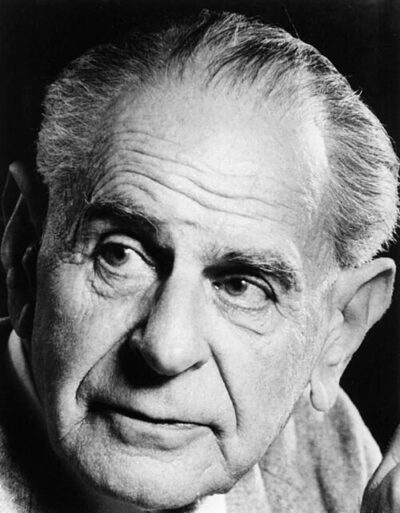 Karl PopperAustrian-British philosopher of science and social and política e falsificationism and for criticism of Plato, Hegel and Marx as totalitarian opponents of open society (1902-1994)
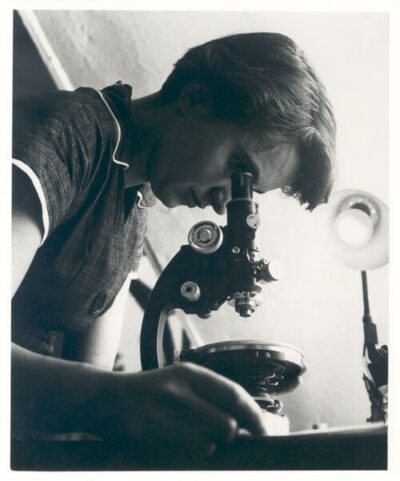 Rosalind Franklin (1951–1953)British chemist, biophysicist, and X-ray crystallographer (1920–1958)
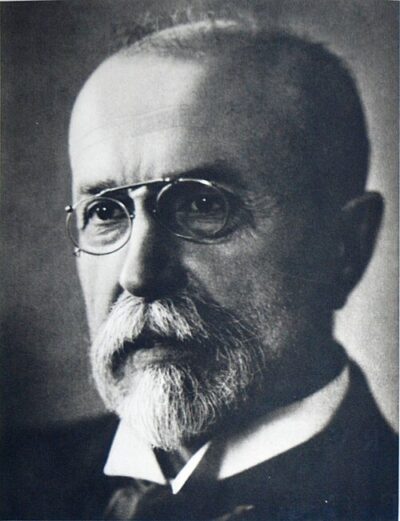 Tomáš Garrigue MasarykCzechoslovak politician, statesman, sociologist and philosopher; first Czechoslovak president (1850–1937)
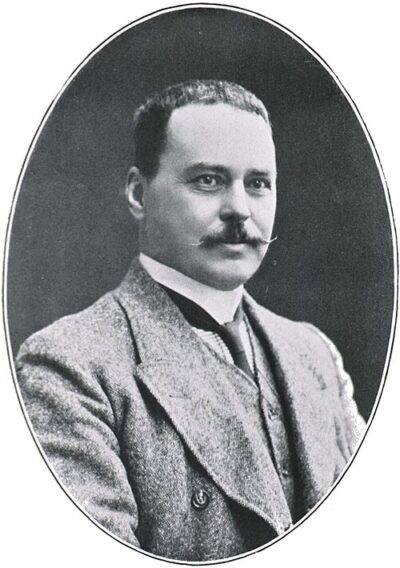 Ronald RossBritish doctor, Nobel laureate, writer, and artist (1857–1932)
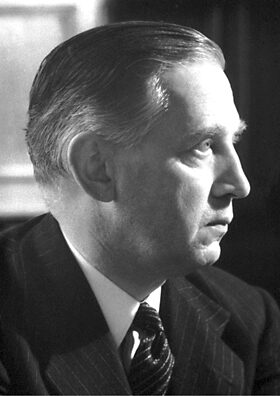 Edward Victor AppletonEnglish physicist (1892–1965)
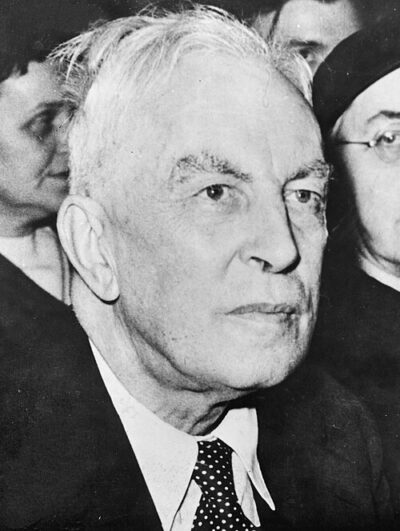 Arnold J. ToynbeeBritish historian (1889–1975)
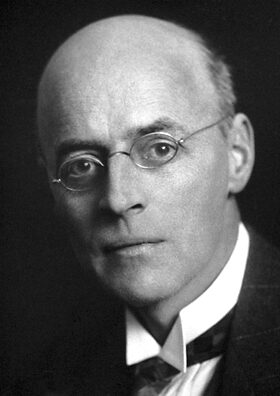 Owen Willans Richardson (1914–1944)British physicist (1879–1959)
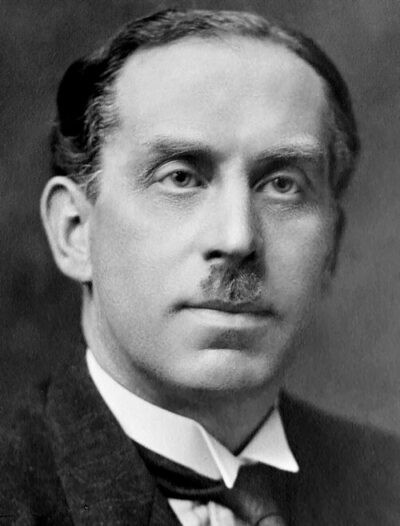 Charles Glover BarklaEnglish physicist (1877-1944)
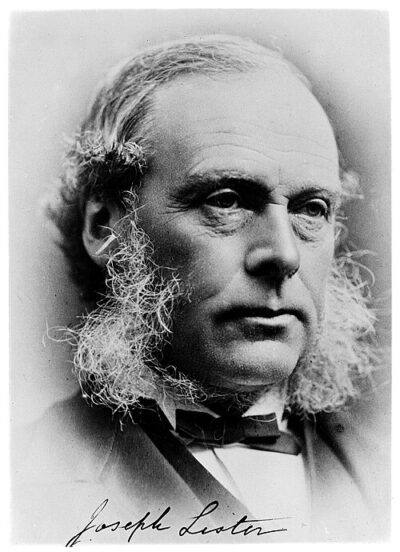 Joseph ListerBritish surgeon and antiseptic pioneer (1827–1912)
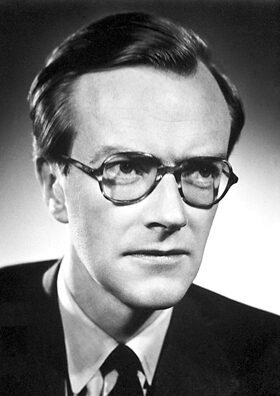 Maurice WilkinsNew Zealand-born English physicist and biologist
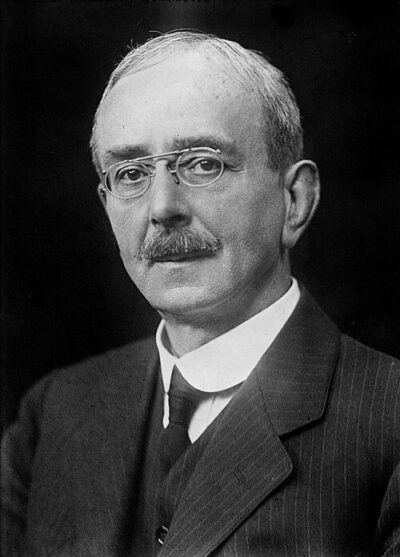 Charles Scott SherringtonEnglish footballer, neurophysiologist and Nobel Prize recipient (1857–1952)
- Frederick HopkinsEnglish biochemist
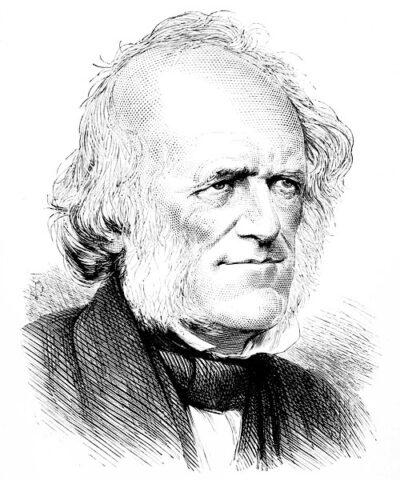 Charles LyellBritish geologist (1797–1875)
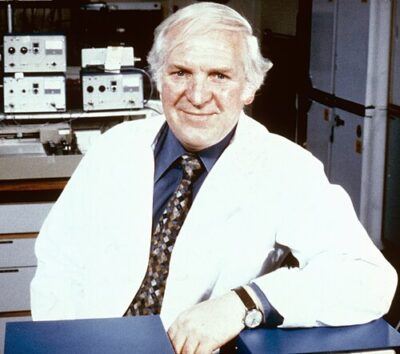 James BlackScottish doctor and pharmacologist (1924–2010)
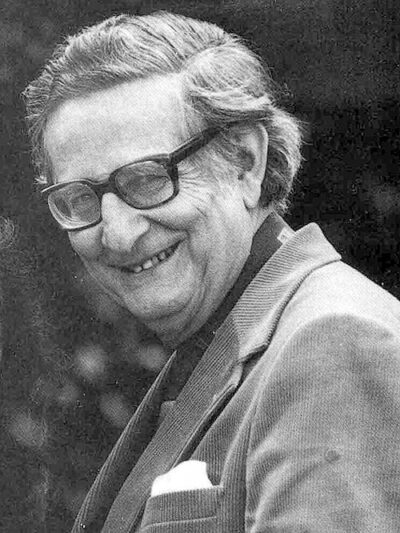 Hans EysenckBritish psychologist (1916–1997)
- Karl PearsonEnglish mathematician, biometrician, and eugenicist (1857–1936)
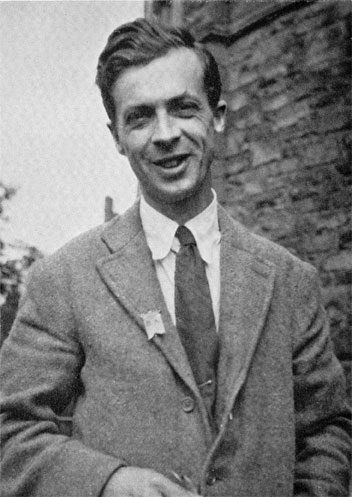 Julian HuxleyBritish evolutionary biologist, philosopher, author (1887–1975)
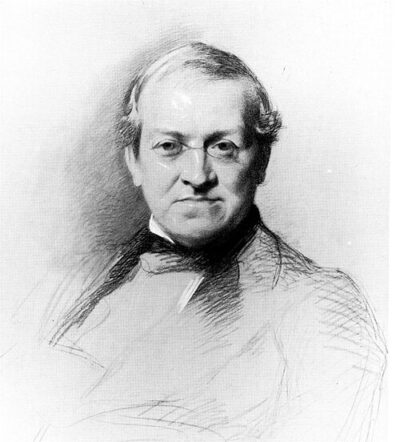 Charles WheatstoneBritish scientist and inventor (1802–1875)