

University of Göttingen
The University of Göttingen is a university in the city of Göttingen, Germany. It was founded in 1734 by George II of Great Britain. It has 12,469 employees (2017). 27,902 students study there (2021).
- Located in
- Göttingen
- Country
- Germany
- Founded
- 1734
- Students
- 27,902 (2021)
- What it is
- campus university
All 13 facts, and where they come from
Facts
13 facts · 0 confirmed by two sources · 4 cited · 9 from one source
Where this comes from
Papalocal keeps its own record. It started from these sources; what each one said is kept here as it was copied, so a change on their side never changes this page by itself. Tap one to read its version.
What Wikidata says · copied November 16, 2026 · revision 2564417894
- Described as
- university in the city of Göttingen, Germany
- Other names
- Georg-August-Universität Göttingen, Universität Göttingen, University of Gottingen, uni-goettingen, University of Goettingen, uni-goettingen.de, Georg-August-University Göttingen, Georg August University Göttingen, Georg August University of Göttingen, GAU Göttingen, Georg August University
- What it is
- campus university; Stiftungshochschule · 1 reference; public university
- Founded
- 1734
- Founded by
- George II of Great Britain
- Headquarters
- Göttingen · 1 reference
- Located in
- Göttingen · 1 reference
- Country
- Germany
- Chair
- Metin Tolan (2021–) · 1 reference
- Employees
- 12,469 (2017) · 1 reference
- Students
- 30,600 (2015) · 1 reference
- Named after
- George II of Great Britain
- Official website
- https://www.uni-goettingen.de/en/1.html
- Wikipedias with a page
- 82
Wikidata item Q152838 (wikidata.org/wiki/Q152838), public domain (CC0). Copied 2026-11-16.
What Wikipedia says · copied November 16, 2026 · revision 1377861777
The University of Göttingen, officially the Georg August University of Göttingen (German: Georg-August-Universität Göttingen, commonly referred to as Georgia Augusta), is a public research university in the German city of Göttingen, Lower Saxony. Founded in 1734 by the Electorate of Hanover's government on the orders of George II, it began admitting students in 1737 and is recognized as the oldest university in Lower Saxony. Known for its historic and traditional significance, the university has affiliations with 47 Nobel Prize winners by its own count.
The university reached its academic peak between the late 19th to early 20th centuries, establishing itself as a major international center for mathematics and physics. During this period, scholars such as David Hilbert, Felix Klein, Max Born, and Ludwig Prandtl conducted influential research in mathematics, quantum mechanics, and aerodynamics at the university, which attracted an international student body, including prominent Americans such as Edward Everett, George Bancroft, John Lothrop Motley and J. Robert Oppenheimer. This prominence was severely disrupted by Adolf Hitler's rise to power in 1933, which saw the Nazi government pass the Civil Service Law that resulted in the dismissal or emigration of numerous faculty members, including many of Jewish origin or those opposed to the new regime. The university was subsequently reopened in British-occupied Germany in 1945 and began a process of academic reconstruction.
Today, the university is a member of the U15 group of major German research universities. It is also a part of prominent international and European academic networks such as the Guild of European Research-Intensive Universities, ENLIGHT alliance and HeKKSaGOn network. The university maintains close collaborations with leading Göttingen-based research institutions such as Max Planck Society, Leibniz Association, Fraunhofer Society and Helmholtz Association. With its extensive collection, the Göttingen State and University Library stands among Germany's largest libraries.
From the Wikipedia article “University of Göttingen” (en.wikipedia.org/wiki/University_of_Göttingen), by its contributors, under CC BY-SA 4.0 (creativecommons.org/licenses/by-sa/4.0/). Copied 2026-11-16; not changed.
Confirmed Two sources agree. Cited One source, and it names where it got it. One source One source, without a reference of its own. Sources disagree The sources disagree. We show the best-supported value and keep theirs below.
Picture: Wikimedia Commons: Göttingen asv2022-06 img42 Uni Aula Wilhelmsplatz.jpg · See Commons file page
People connected 139
Studied here 108
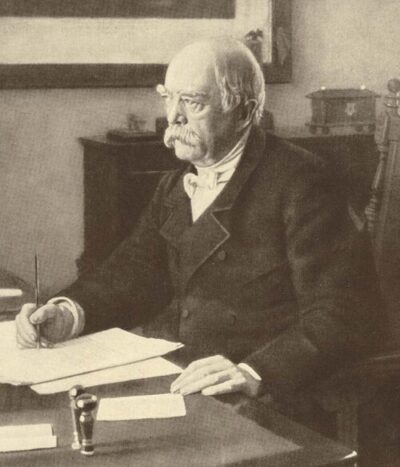 Otto von Bismarck (1832–1833)German statesman and Chancellor (1815-1898)
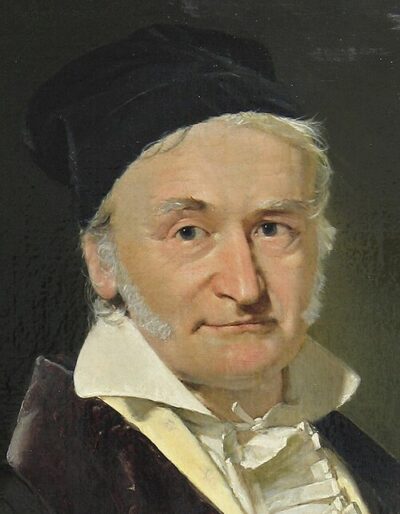 Carl Friedrich Gauss (1795–1798)German mathematician and physicist (1777–1855)
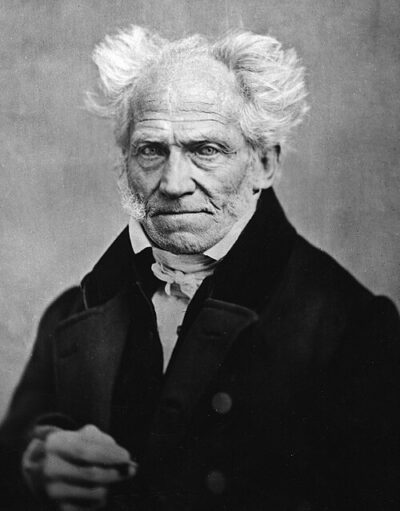 Arthur Schopenhauer (1809–)German philosopher (1788-1860)
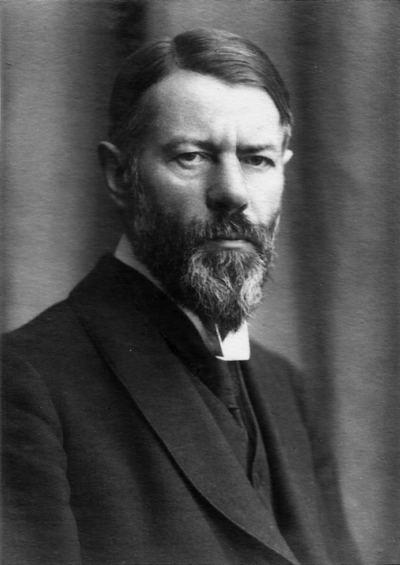 Max WeberGerman sociologist, philosopher, and political economist (1864–1920)
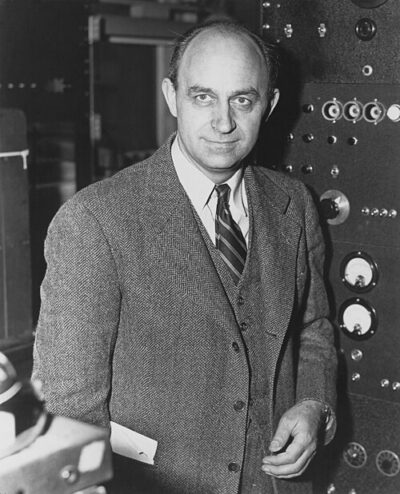 Enrico Fermi (1923)Italian-American physicist (1901–1954)
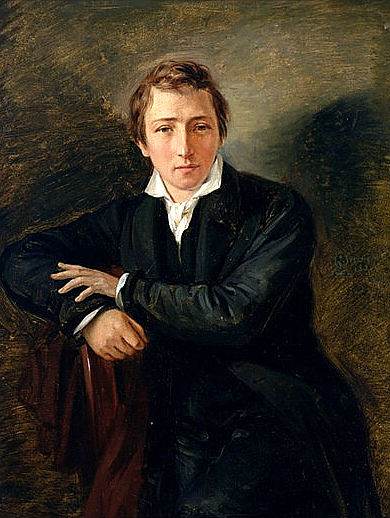 Heinrich HeineGerman poet, writer and literary critic (1797–1856)
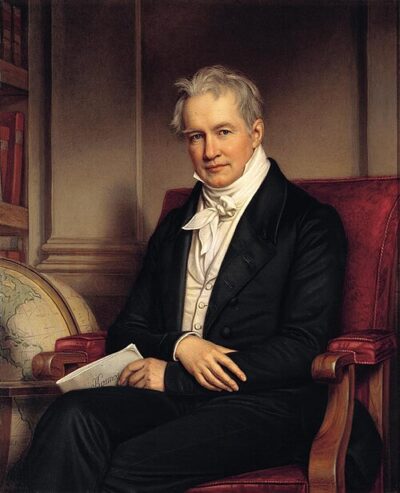 Alexander von HumboldtPrussian geographer, naturalist and explorer (1769–1859)
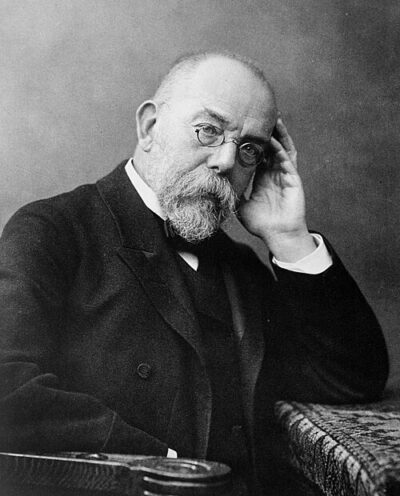 Robert KochGerman physician, bacteriologist (1843–1910)
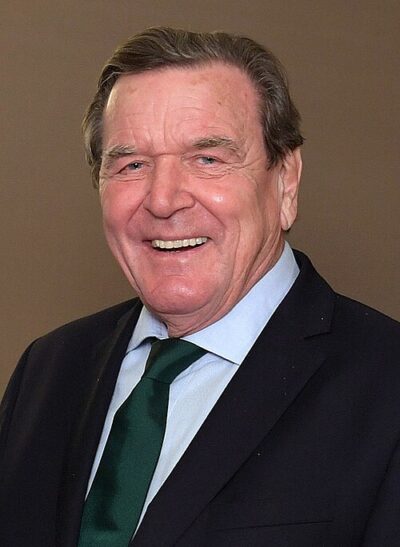 Gerhard SchröderChancellor of West Germany (1998–2005)
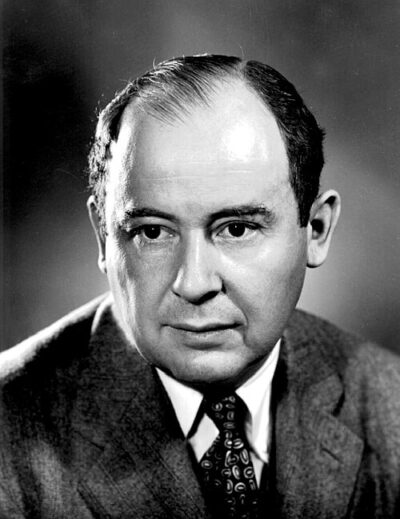 John von Neumann (1926–1927)Hungarian and American mathematician and physicist (1903–1957)
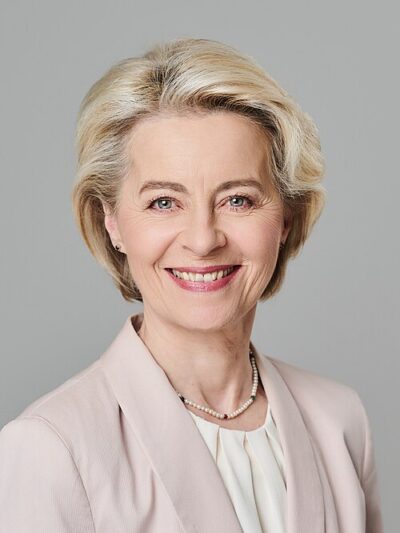 Ursula von der LeyenPresident of the European Commission since 2019
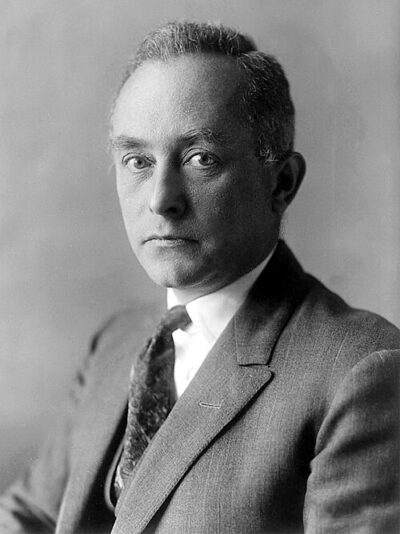 Max Born (1904–1906)German-Jewish physicist and mathematician (1882–1970)
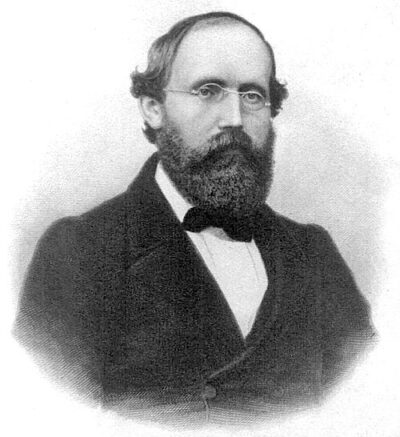 Bernhard Riemann (1846–1851)German mathematician (1826–1866)
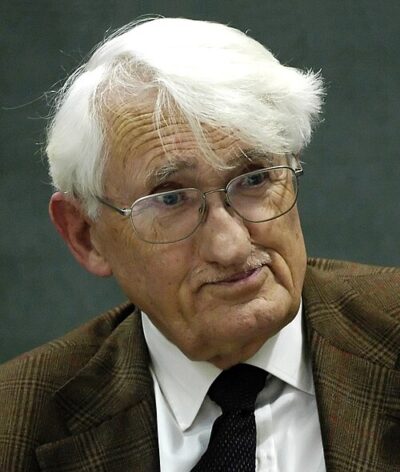 Jürgen HabermasGerman sociologist and philosopher (1929–2026)
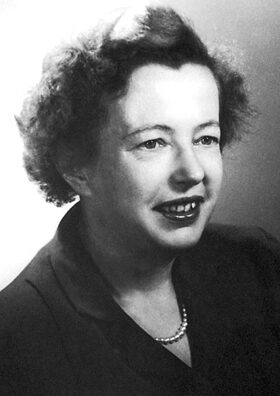 Maria Göppert Mayer (–1930)German-born American theoretical physicist (1906-1972)
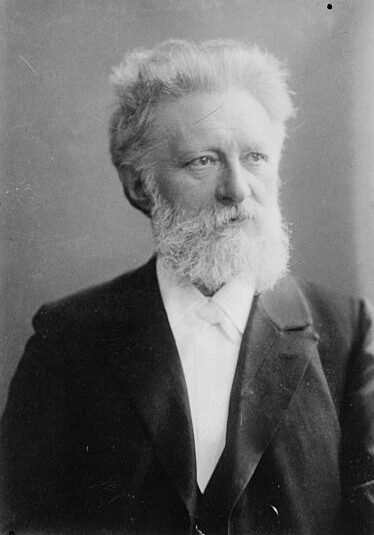 Rudolf Christoph Eucken(1846-1926) German philosopher
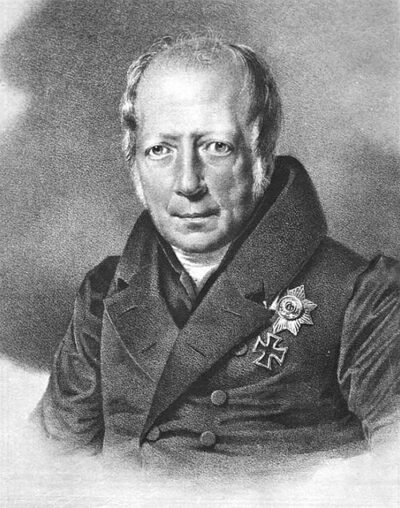 Wilhelm von HumboldtPrussian philosopher, government official, diplomat, and educator (1767–1835)
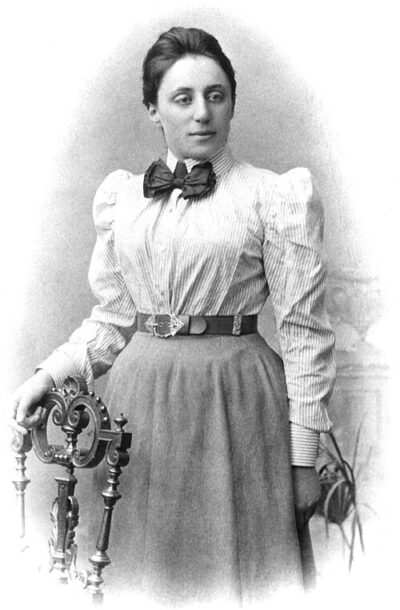 Emmy NoetherGerman Jewish mathematician (1882–1935)
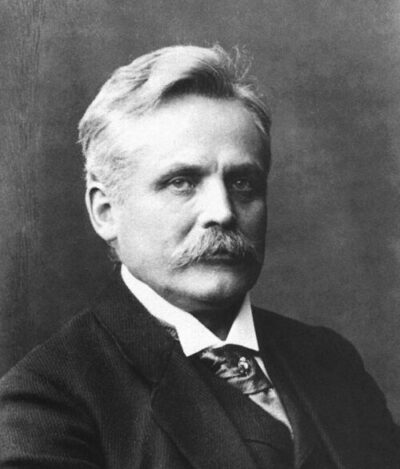 Wilhelm Wien (1882–1883)German physicist (1864-1928)
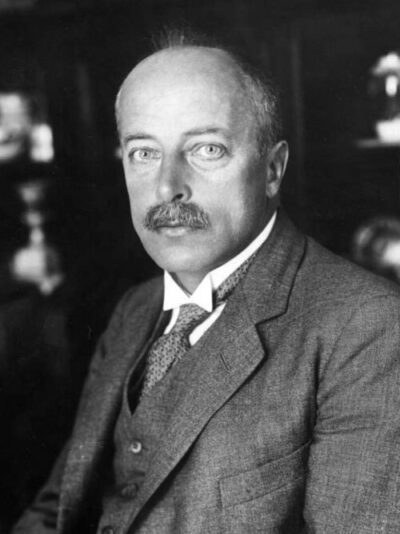 Max von LaueGerman physicist, Nobel laureate and anti-Nazi (1879–1960)
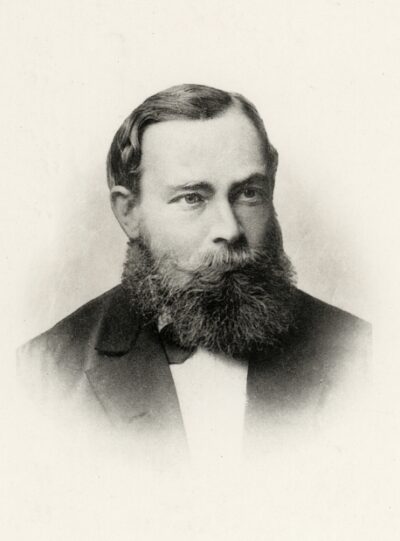 Gottlob Frege (1871–1873)German philosopher, logician, and mathematician (1848–1925)
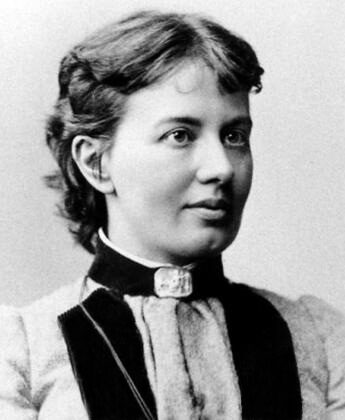 Sofia Kovalevskaya (–1874)19th-century Russian mathematician
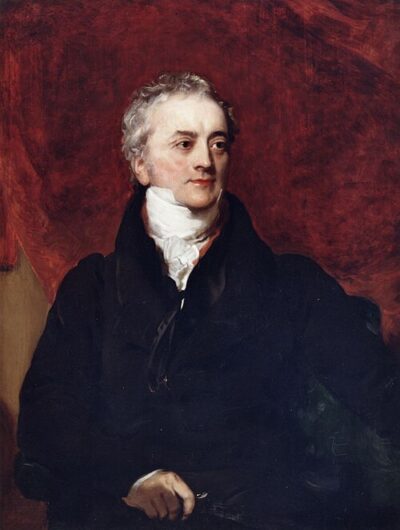 Thomas Young (1795–1796)English polymath (1773-1829)
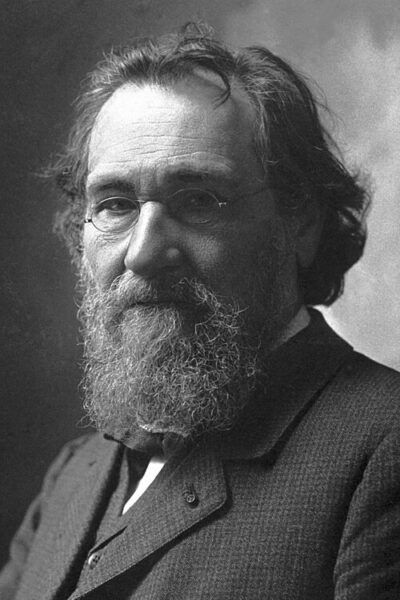 Élie MetchnikoffRussian-French immunologist, embryologist, biologist (1845-1916)
and 84 more
Worked here 60
- Carl Friedrich GaussGerman mathematician and physicist (1777–1855)
- Enrico FermiItalian-American physicist (1901–1954)
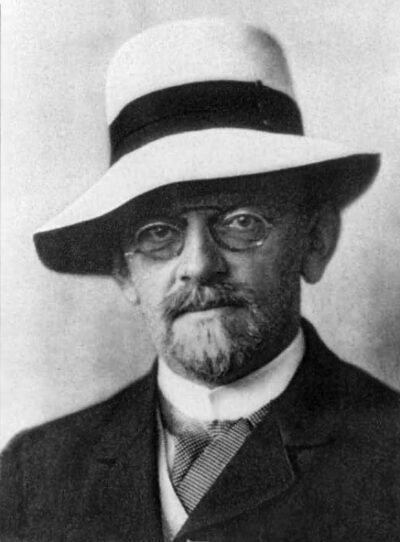 David HilbertGerman mathematician (1862–1943)
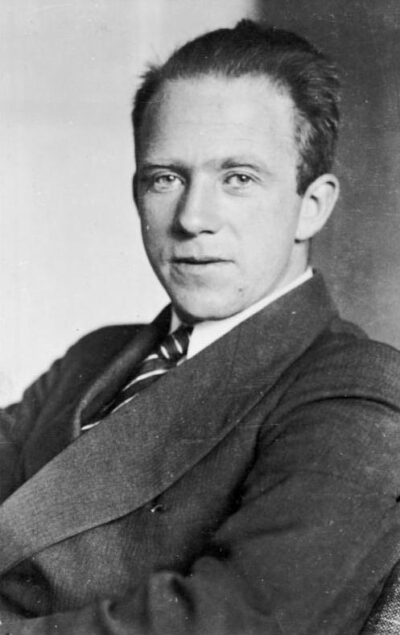 Werner Heisenberg (1924)German theoretical physicist and nobel prize winner (1901–1976)
- Max Born (1908–1933)German-Jewish physicist and mathematician (1882–1970)
- Bernhard RiemannGerman mathematician (1826–1866)
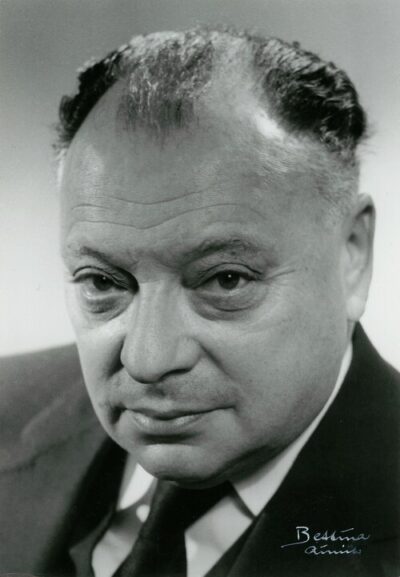 Wolfgang Pauli (1921–1922)physicist, Nobel prize winner (1900–1958)
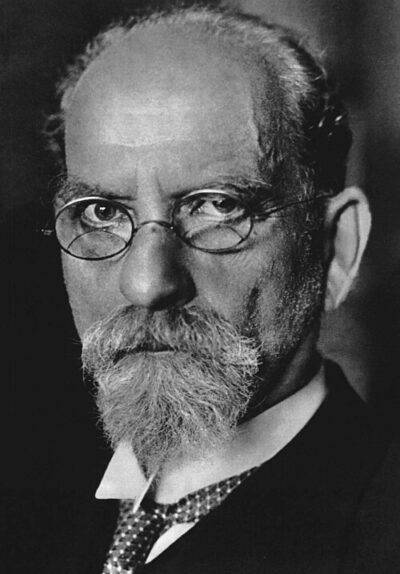 Edmund Husserl (1901–1916)German philosopher, known as the father of phenomenology (1859–1938)
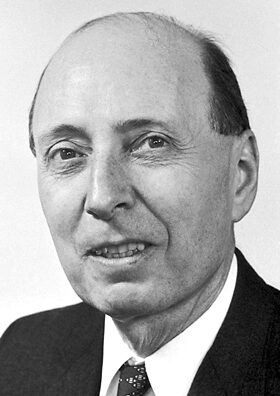 Eugene Paul Wigner (1927–1928)Hungarian-American physicist and mathematician (1902–1995)
- Emmy Noether (1915–1933)German Jewish mathematician (1882–1935)
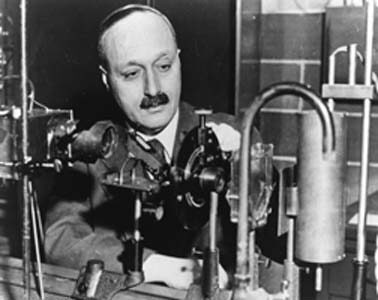 James FranckGerman-American physicist (1882–1964)
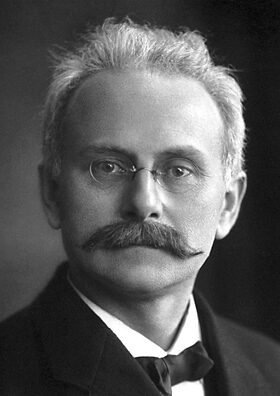 Johannes StarkGerman physicist (1874-1957)
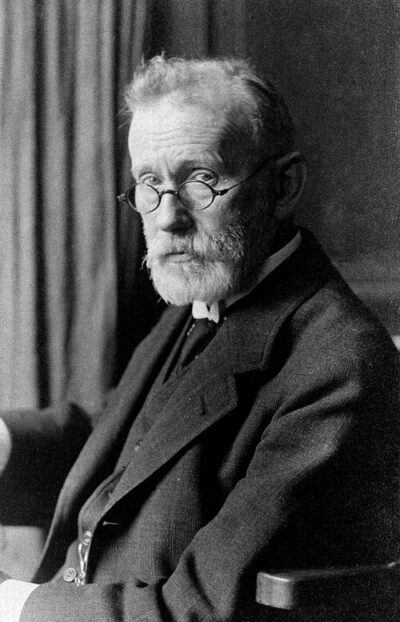 Paul Ehrlich (1904–)Jewish-German physician and scientist (1854–1915)
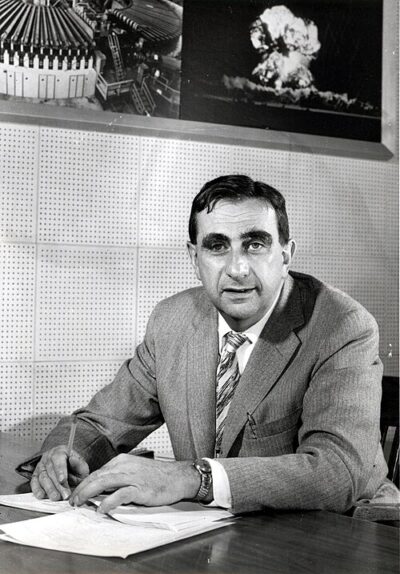 Edward TellerHungarian-American Jewish nuclear physicist (1908–2003)
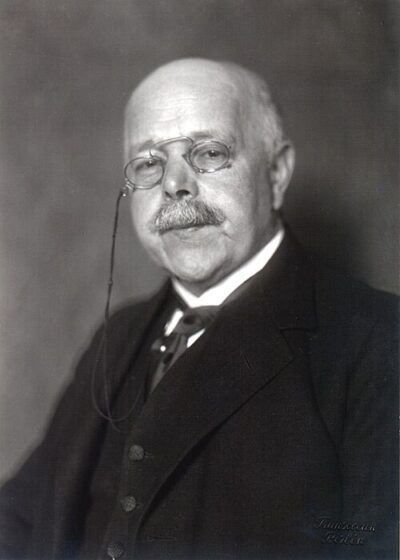 Walther Hermann NernstGerman physical chemist and physicist (1864–1941)
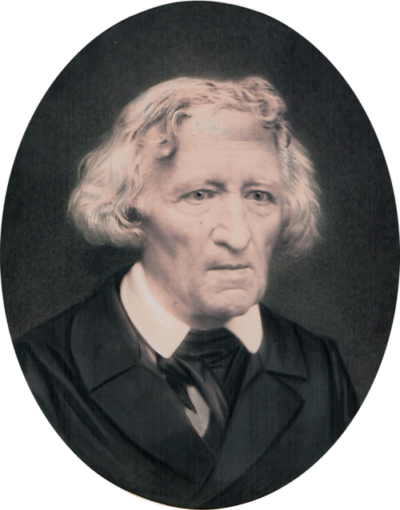 Jacob GrimmGerman philologist, linguist, jurist and mythologist (1785–1863)
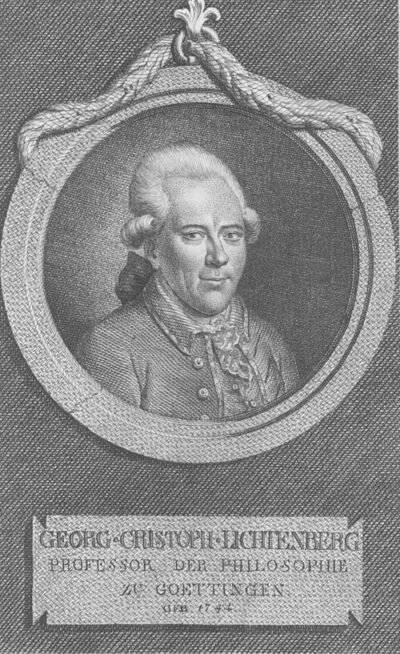 Georg Christoph LichtenbergGerman scientist and satirist (1742-1799)
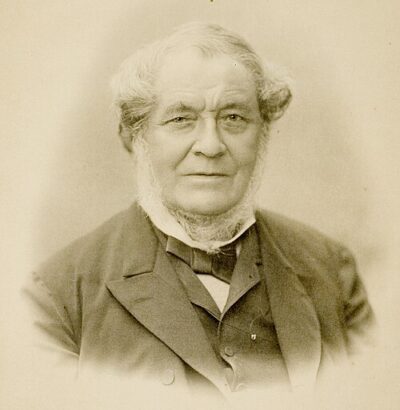 Robert Bunsen (1834–1836)German chemist (1811-1899)
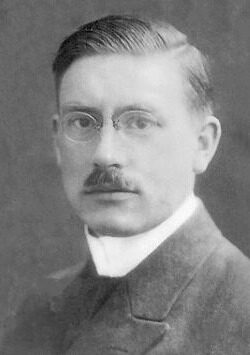 Peter Debye (1914–)Dutch-American physicist and physical chemist (1884–1966)
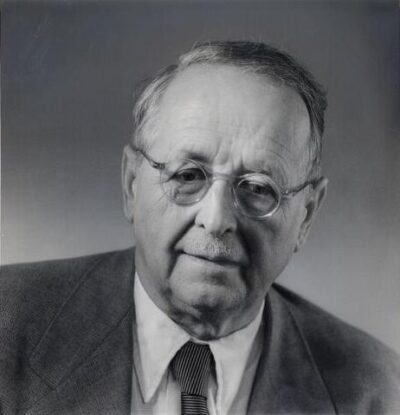 Hermann Weyl (1909–1933)German mathematician (1885–1955)
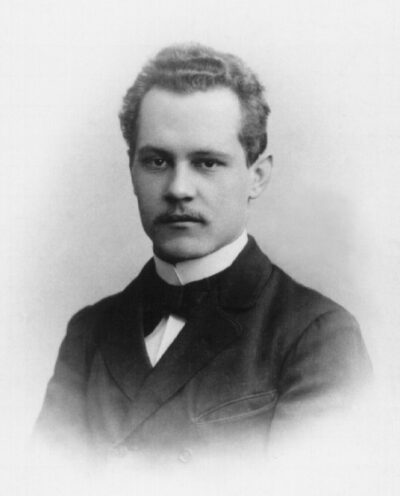 Arnold Sommerfeld (1893–1897)German physicist (1868-1951)
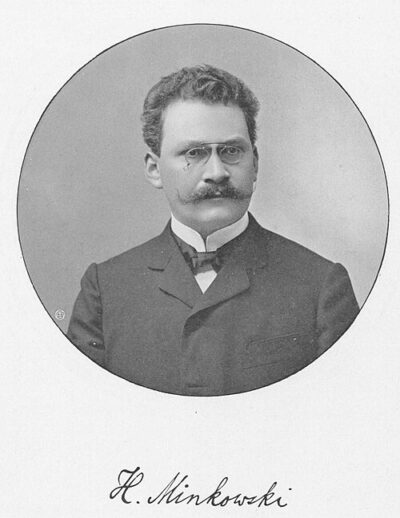 Hermann Minkowski (1894–1909)German mathematician and physicist (1864–1909)
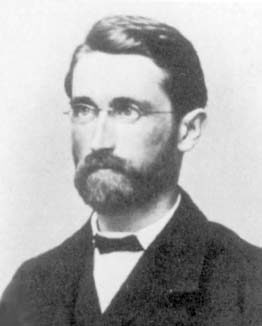 Richard Dedekind (1854–1858)German mathematician (1831–1916)
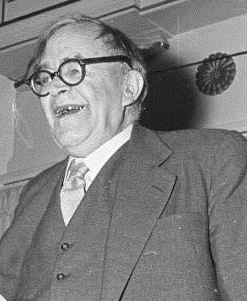 Karl BarthSwiss Protestant theologian (1886-1968)
and 36 more
